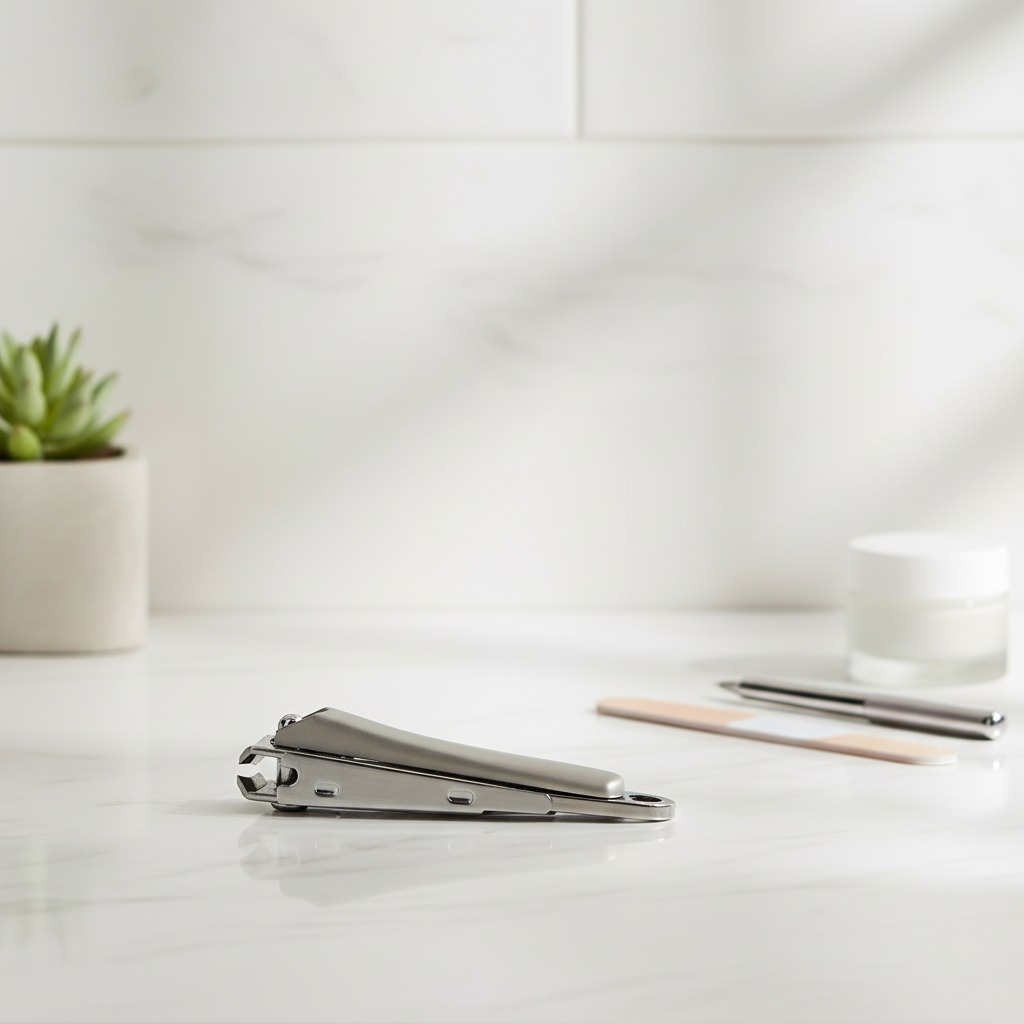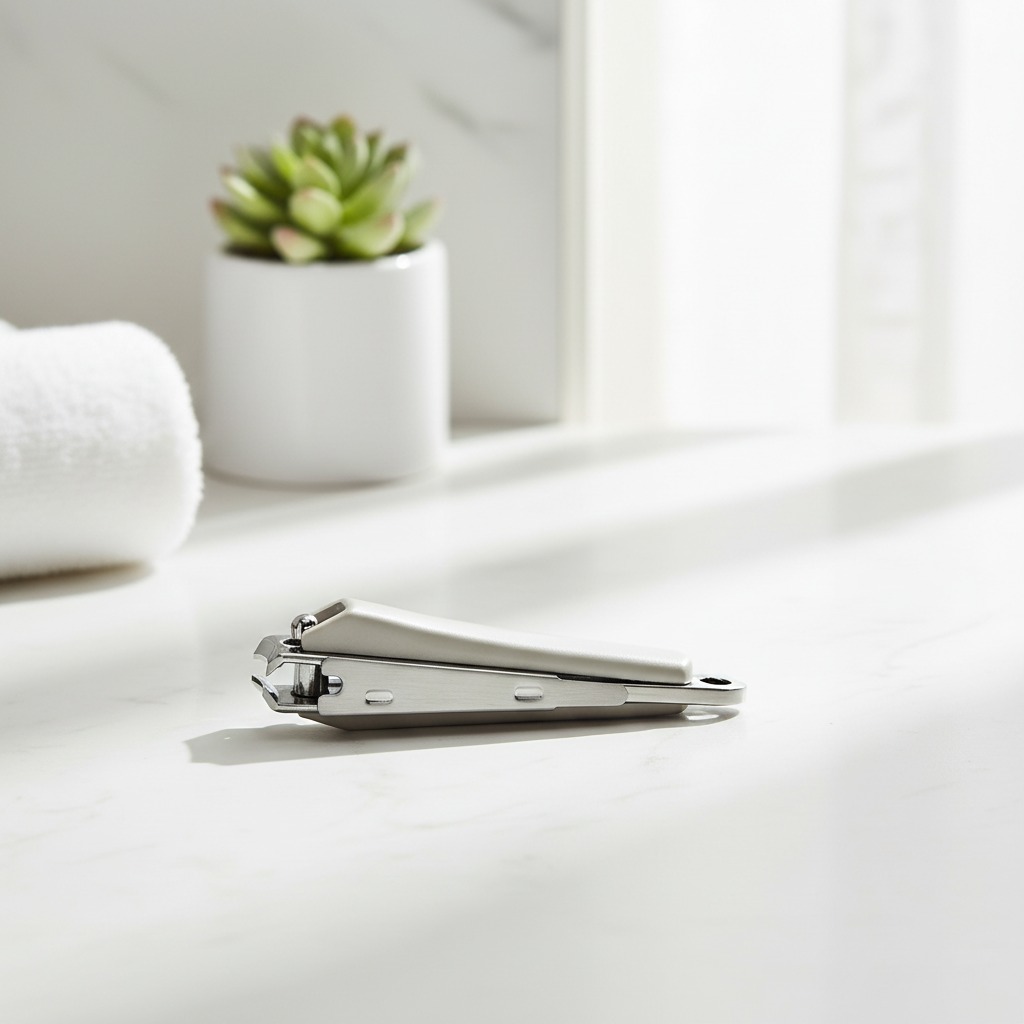











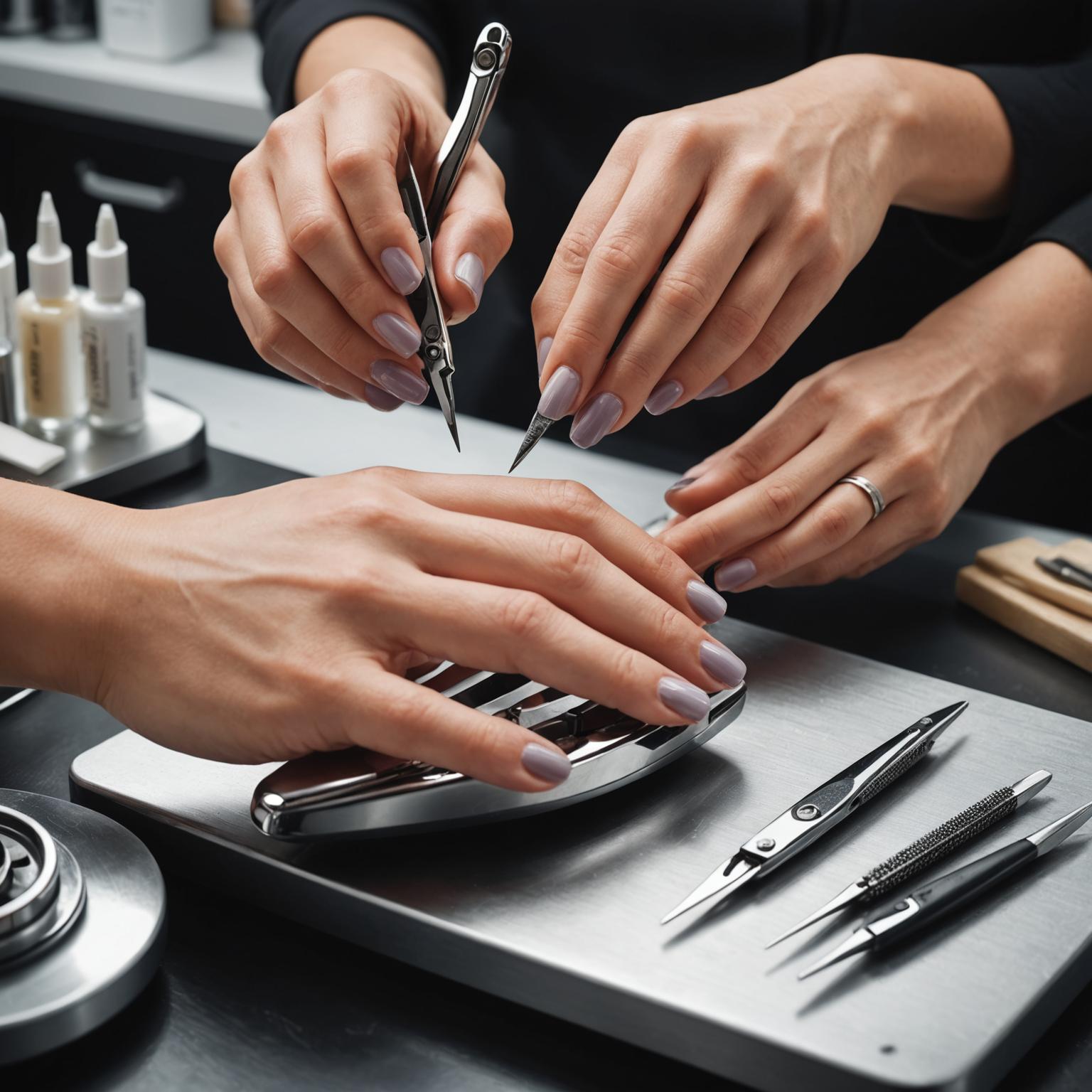
Cuticle nippers for salons need to do more than look sharp in a manicure tray. In daily professional use, they must trim cleanly, feel stable in the hand, support hygienic service routines, and withstand repeated cleaning and storage. A salon may use the same tool style across basic manicures, detailed cuticle work, pedicure services, and finishing steps after nail preparation, so small differences in blade alignment, grip, and spring action can affect both service quality and technician comfort.
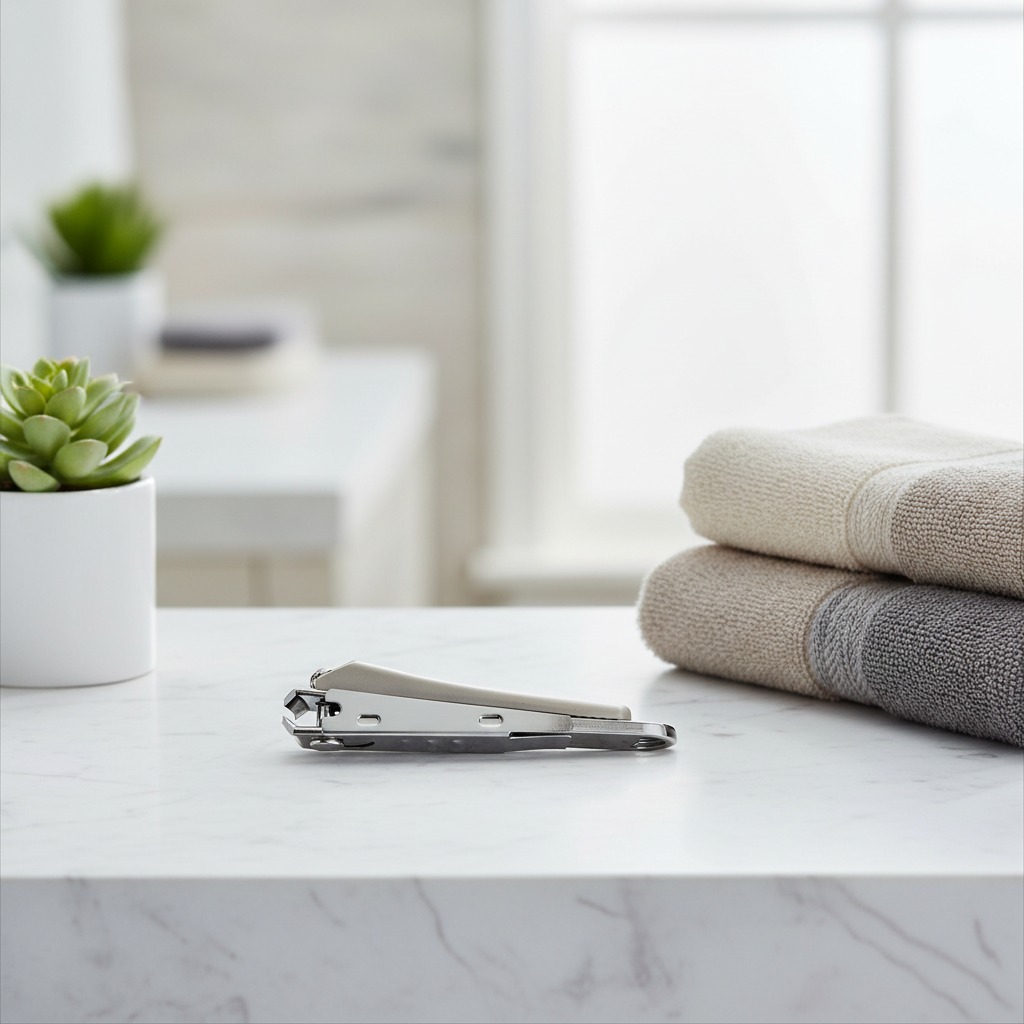
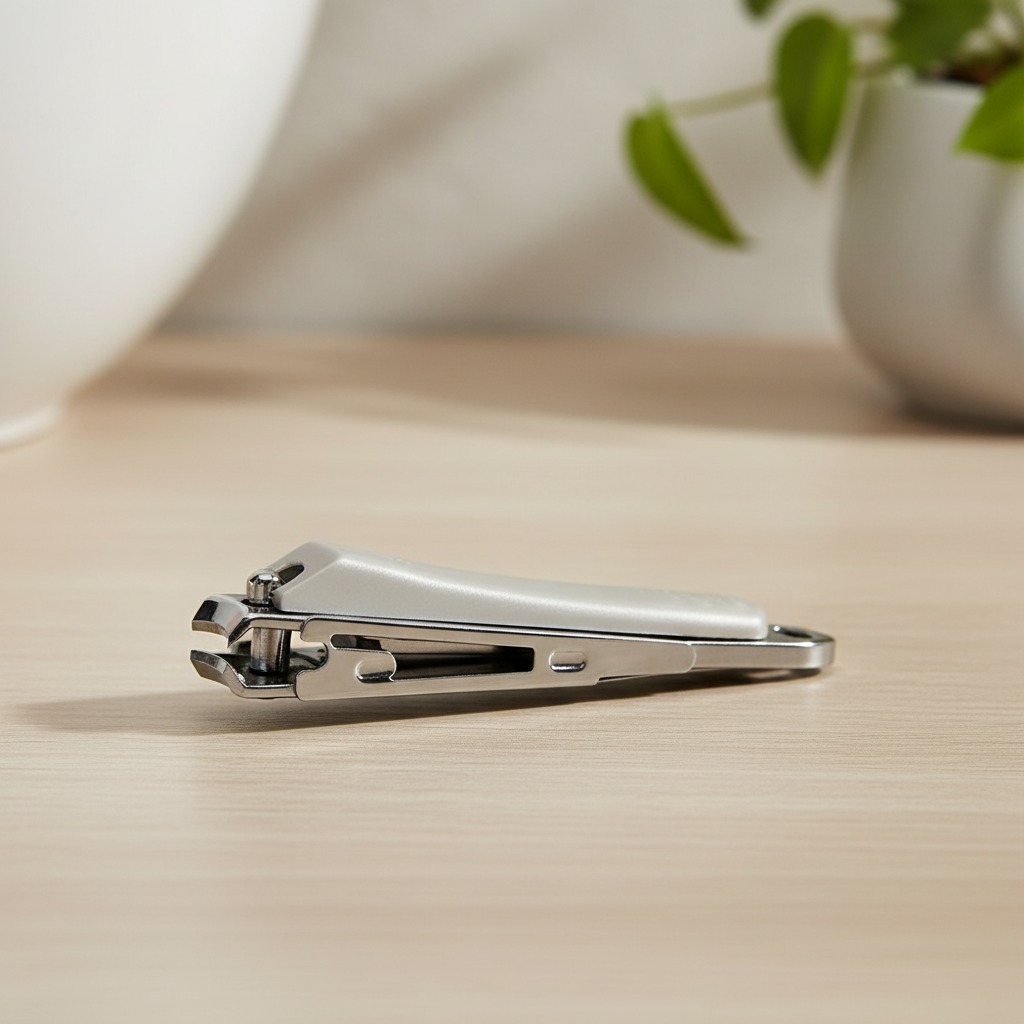
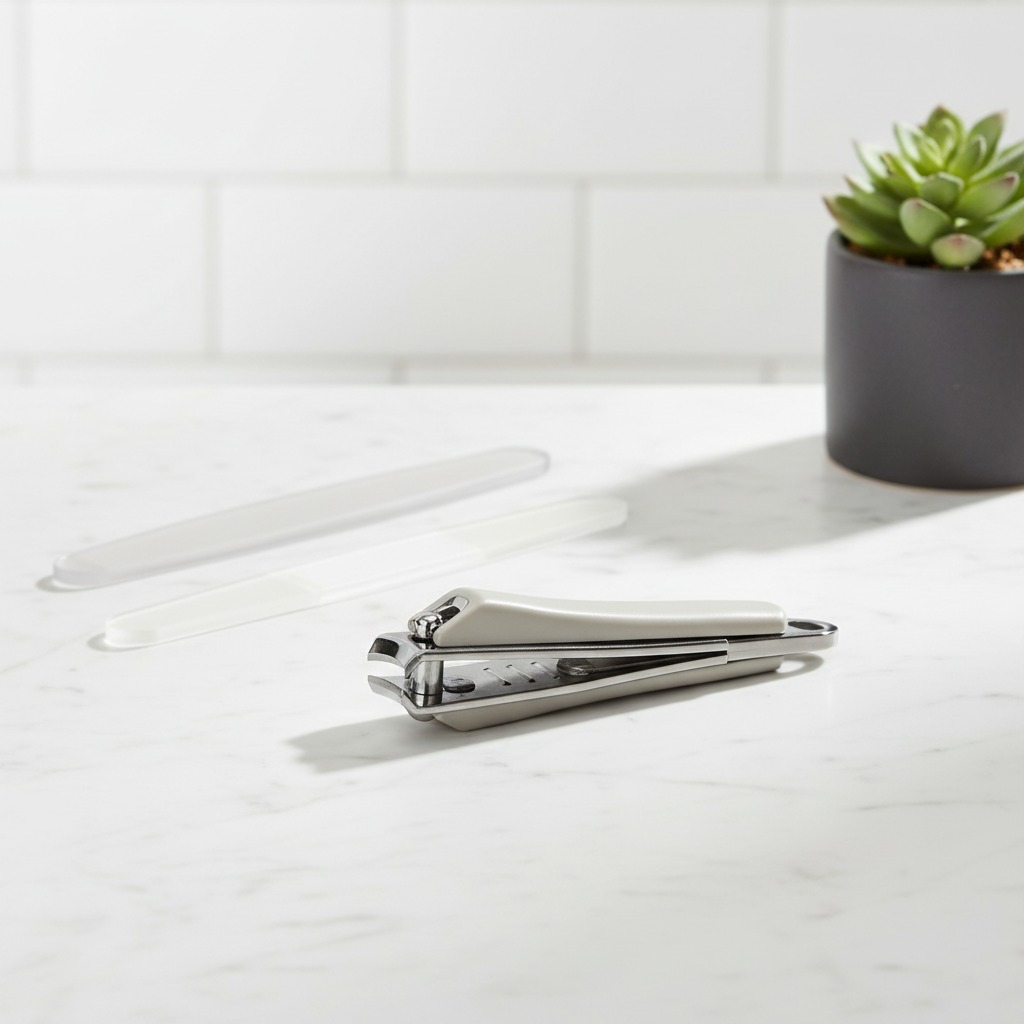
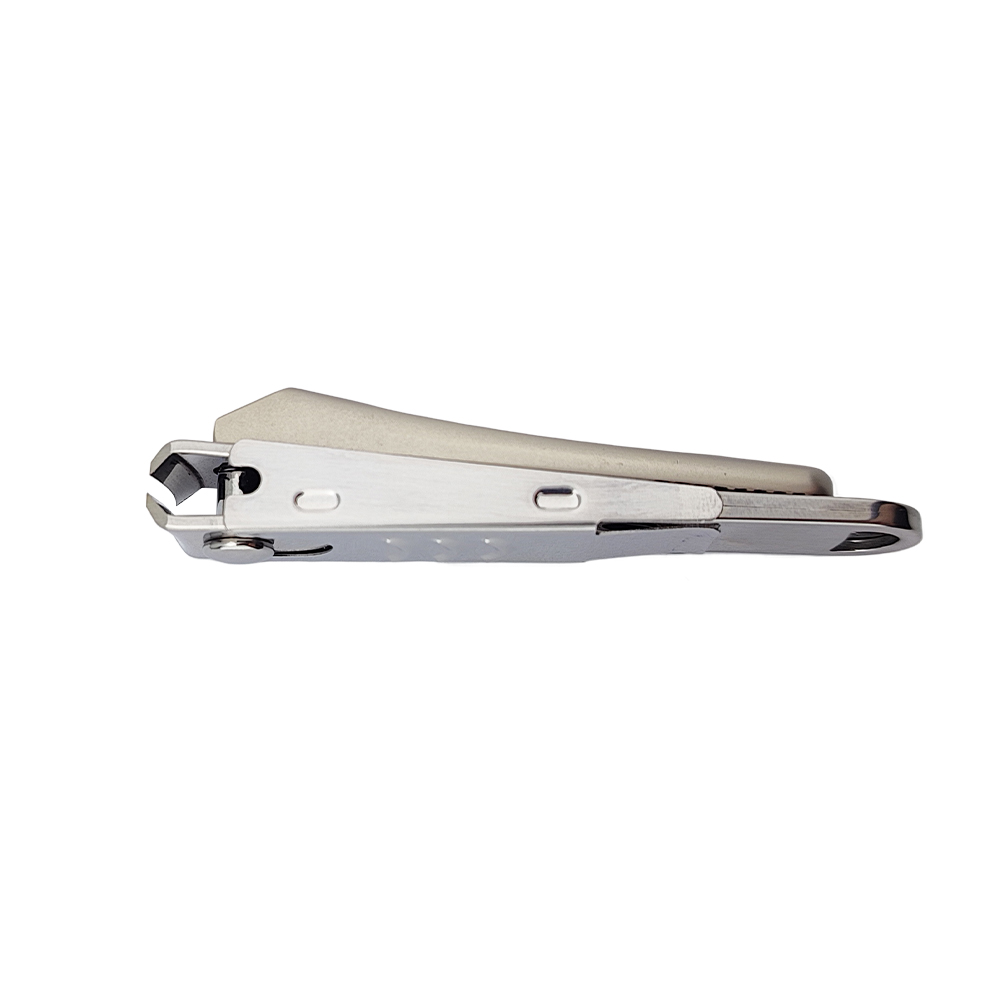
For professional buyers comparing manicure tools wholesale, the goal is not simply to find the lowest unit cost. A poorly balanced nipper can slow down service, increase hand fatigue, and create uneven cuts that require extra correction. A well-chosen tool, such as the Stainless Steel ErgoClip Nail Nipper described for salon use, combines stainless steel construction with ergonomic handling, sharp cutting edges, textured grip, and double-spring action. Those features are especially relevant in busy salons where tools are handled for many appointments in a day.
This guide explains what to evaluate before ordering cuticle nippers for salon teams, how to match tool features to real service scenarios, and how to maintain nippers so they remain reliable between clients. If you are building a broader sourcing list, you can also review Olimor beauty tool products or compare related product collections for manicure, pedicure, and spa supply planning.
What Professional Cuticle Nippers Need to Do Well
A cuticle nipper is used in a small, sensitive working area, so precision matters more than force. The tool should remove loose cuticle and hangnail tissue cleanly without pulling. In salon use, a technician often works quickly while maintaining client comfort, which makes predictable blade movement essential. If the blades do not meet evenly, the tool may tear instead of cut. If the handle is difficult to control, the technician may need to reposition repeatedly, extending service time.
The original function of cuticle nippers for salons is delicate trimming, but many professionals also value a tool that can handle firmer or thicker nail areas when appropriate. The Stainless Steel ErgoClip Nail Nipper is described as having razor-sharp blades that work on thick nails, which gives it a broader role in a professional nail care setup. Even so, salons should train staff to select the right tool for each task, because cuticle care and heavy nail reduction require different levels of pressure and caution.
A suitable salon nipper should support three priorities: clean cutting, controlled handling, and repeatable hygiene. Clean cutting improves the finished look and helps reduce ragged edges. Controlled handling supports safety and reduces strain. Hygiene compatibility ensures the tool can be cleaned, dried, and stored properly between clients without quickly deteriorating.
Feature Checklist for Salon Buyers
When purchasing cuticle nippers through wholesale beauty channels, it helps to inspect features in practical terms rather than relying only on product photos. The following checklist can guide salon owners, purchasing managers, and independent nail professionals when comparing options.
- Blade meeting point: The tips should align closely and close smoothly, helping the technician make accurate, narrow cuts.
- Sharpness and cut quality: Sharp blades should trim cleanly with minimal pressure. Dull edges can crush or pull delicate skin.
- Stainless steel construction: Stainless steel is commonly preferred for professional tools because it supports regular cleaning and offers durability in salon environments.
- Ergonomic handle shape: A comfortable shape reduces hand strain during repeated services, especially for technicians who perform back-to-back manicures.
- Textured grip: A textured surface can help maintain control when hands are gloved, recently washed, or handling products during service.
- Spring action: Double-spring action, as described for the ErgoClip, can provide smoother reopening of the handles and reduce repetitive effort.
- Ease of cleaning: The joint and cutting area should be accessible enough for removal of residue before sanitation.
- Storage protection: Tools should be stored so tips do not strike other metal implements, which can damage fine cutting edges.
This checklist is useful when building a standardized salon tool kit. Consistency across workstations helps technicians move between stations without adapting to completely different handle tensions and cutting responses.
Why Ergonomics Matter in Long Salon Sessions
Cuticle work often looks like a small part of a service, but it can be one of the most repetitive. A technician may hold the nipper at different angles around the nail fold while also supporting the client’s finger. If the tool is heavy, slippery, or stiff, the hand has to compensate. Over a full day, that can lead to fatigue in the fingers, wrist, and forearm.
An ergonomic nipper helps the technician keep a relaxed grip. The Stainless Steel ErgoClip Nail Nipper is described as having an ergonomic design for comfort and control, which is relevant for salons that schedule long manicure sessions or high client volume. The textured grip also supports steadiness. This does not replace correct technique, but it gives the technician a more stable tool to work with.
When evaluating ergonomics, salons should consider who will use the tool. A handle that feels comfortable to one technician may feel too wide or too narrow to another. If possible, compare sample tools before placing a larger wholesale order. Pay attention to whether the hand naturally returns the tool to an open position, whether the spring feels too resistant, and whether the thumb and fingers remain relaxed while making small cuts.
Matching Nippers to Salon Services
Not every client needs the same level of cuticle trimming. Some require only minimal removal of loose tissue, while others arrive with dry skin, hangnails, or thicker nail edges. A professional salon should treat the nipper as a precision instrument, not a general-purpose cutter for every hard material on the service table.
For classic manicures, a sharp and controlled nipper is used after softening and gently pushing back the cuticle area. The goal is to remove only non-living excess tissue and uneven loose edges. For pedicure work, technicians may encounter thicker nails or firmer skin around the nail, so tool strength and stability become more important. The ErgoClip’s described ability to work on thick nails may be useful in this context, provided the technician uses appropriate care and follows salon protocols.
For nail enhancement preparation, cuticle nippers are often used to refine the nail area before product application. Clean preparation can help create a neater result, but over-cutting should be avoided because irritated skin can affect client comfort and service quality. The right tool should make precise trimming easier, not encourage aggressive cutting.
Sanitation and Maintenance Between Clients
In a professional salon, maintenance is part of the product’s real cost. A nipper that is not cleaned and stored correctly can lose cutting performance long before it should. Salons should follow all local sanitation rules and product-compatible procedures, but the daily routine usually begins with removal of visible debris, careful cleaning around the joint and blades, thorough drying, and protected storage.
- Inspect before use: Check that the blades align, the spring moves smoothly, and the tips are not bent or chipped.
- Clean after each client: Remove visible residue from the cutting edges and hinge area before any required disinfection step.
- Dry completely: Moisture left in joints or along edges can shorten tool life, even with stainless steel tools.
- Store safely: Keep nippers separated from heavier implements so the fine tips do not collide with other metal tools.
- Retire damaged tools: If a nipper pulls, skips, or no longer closes evenly, it should be removed from client service until corrected or replaced.
Technicians should avoid dropping nippers into drawers without protection. The cutting tips are the most important part of the tool, and even a small impact can change alignment. Salons can also label or organize tools by station to track wear patterns and identify whether certain sanitation or storage habits are causing premature damage.
Wholesale Sourcing Questions for Salon Owners
Wholesale distributors play an important role in keeping salons supplied with reliable nail and spa tools. When reviewing beauty tools wholesale options, salon buyers should look beyond the catalog listing and consider how the tool fits the salon’s operating standards. Olimor Beauty focuses on professional beauty tool supply, and buyers can use a practical evaluation process when planning orders for cuticle nippers and related manicure tools.
Useful sourcing questions include: Does the nipper have the material and handling features required for daily salon use? Is the cutting action consistent across units? Are the tools suitable for the salon’s cleaning workflow? Can the same tool style be reordered to keep workstations consistent? Are there related manicure or pedicure tools that can be sourced together to simplify purchasing?
For teams building a new service menu or replacing worn implements, it may help to create a small internal approval process. Have experienced technicians test handling, spring tension, grip comfort, and cut control. Then document what the salon considers acceptable before ordering more. If you need product guidance or want to discuss available beauty tool options, you can contact Olimor or send an inquiry with your sourcing requirements.
Common Buying Mistakes to Avoid
One common mistake is choosing cuticle nippers only by appearance. A polished finish does not guarantee cutting precision, and a sharp-looking tip may not close evenly. Another mistake is ignoring the spring mechanism. If the spring action is too stiff, technicians may squeeze harder than necessary throughout the day. If it is inconsistent, the tool may feel unpredictable during detailed trimming.
Salons should also avoid mixing too many tool styles without a reason. When every station uses a different nipper, training and quality control become harder. Standardizing around a comfortable stainless steel nipper with reliable grip and smooth spring action can make service delivery more consistent.
Finally, do not treat professional nippers as disposable items with no maintenance plan. Even durable stainless steel tools need proper cleaning, drying, inspection, and storage. A good tool supports better work only when the salon protects its cutting edges and removes worn or damaged items from service.
Building a Better Manicure Tool Kit
Cuticle nippers for salons should be selected with the same care as any other professional instrument. The best choice is not simply the sharpest tool, but the one that combines clean cutting, comfortable handling, secure grip, durable material, and practical maintenance. The Stainless Steel ErgoClip Nail Nipper includes several features that matter in a salon environment, including stainless steel construction, ergonomic control, textured grip, sharp blades, and double-spring action.
For salon owners and nail professionals, the right sourcing decision can improve daily workflow, support more consistent manicure results, and reduce unnecessary strain on technicians. Evaluate tools by how they perform in real services, how easily they fit into hygiene routines, and how consistently they can be supplied for your team. With a thoughtful buying process, cuticle nippers become a dependable part of a professional manicure system rather than just another item in the drawer.