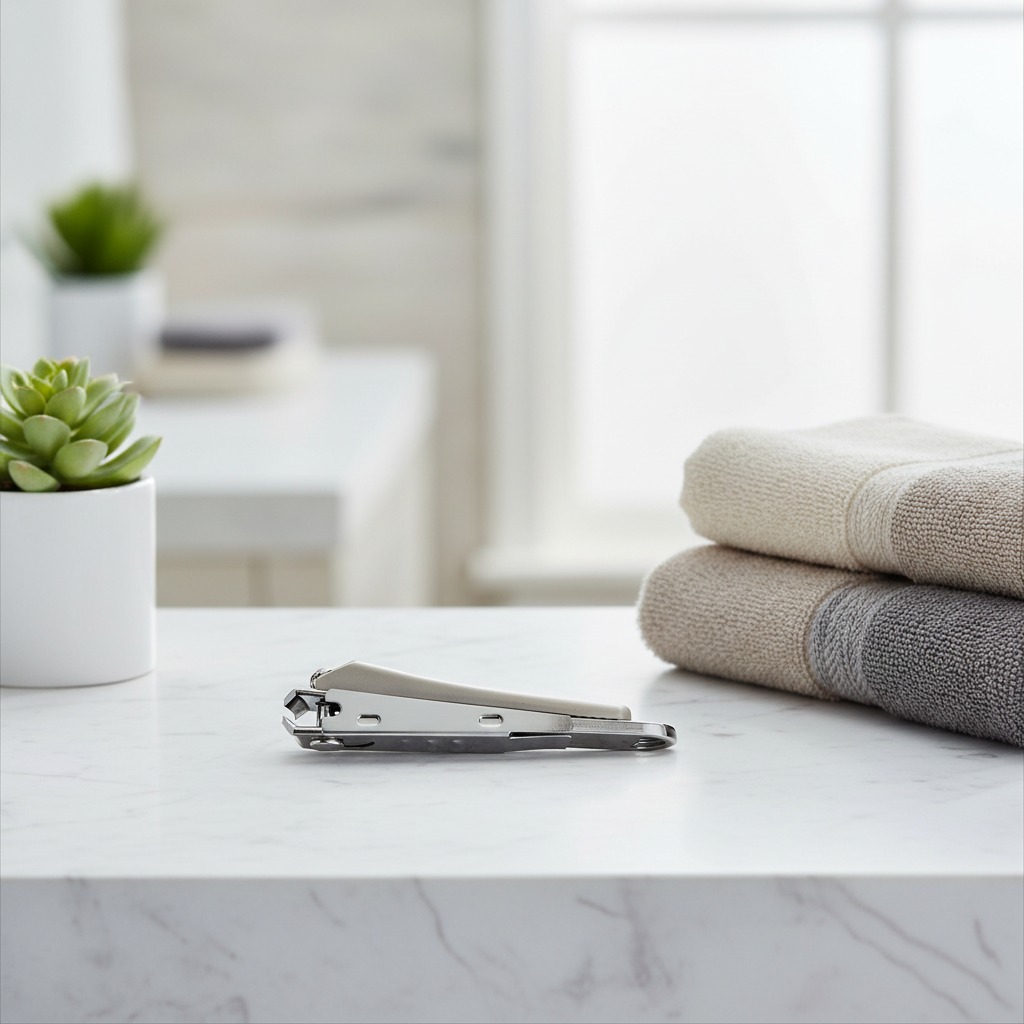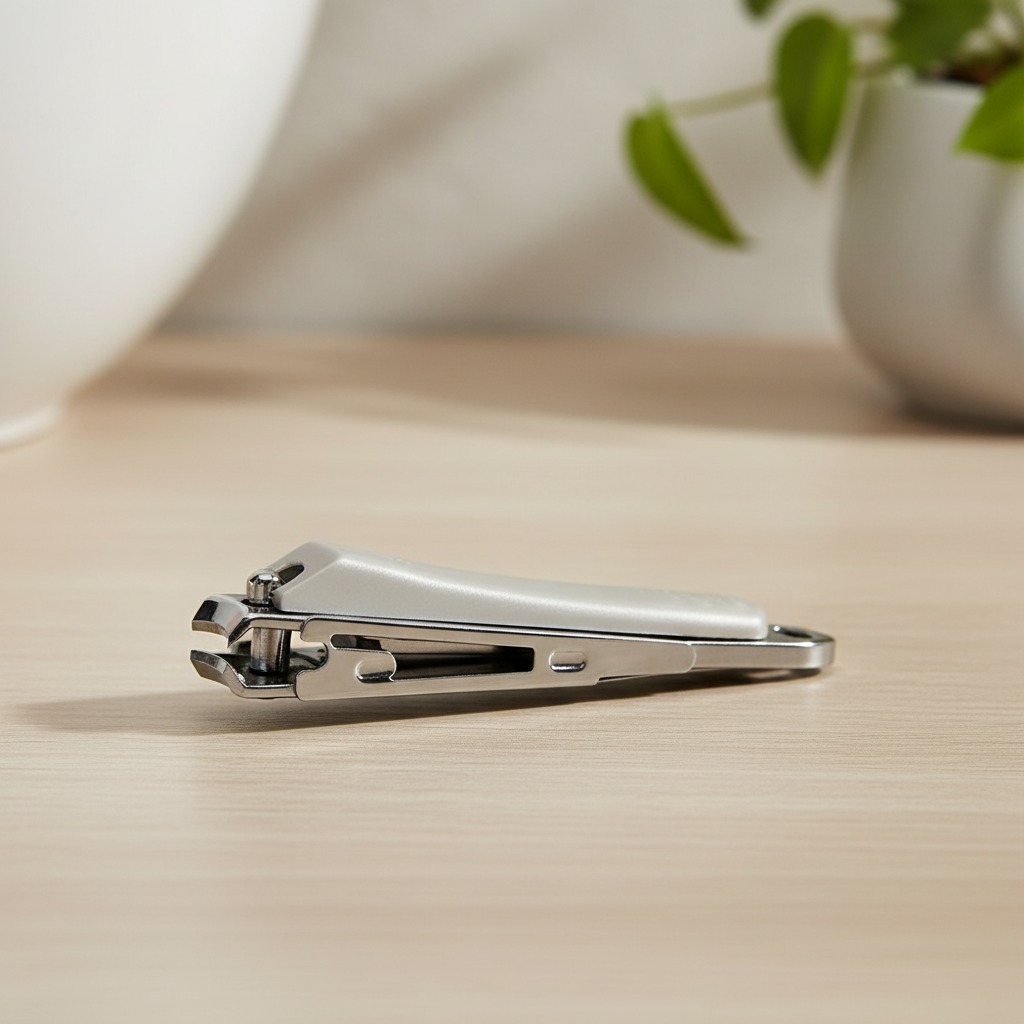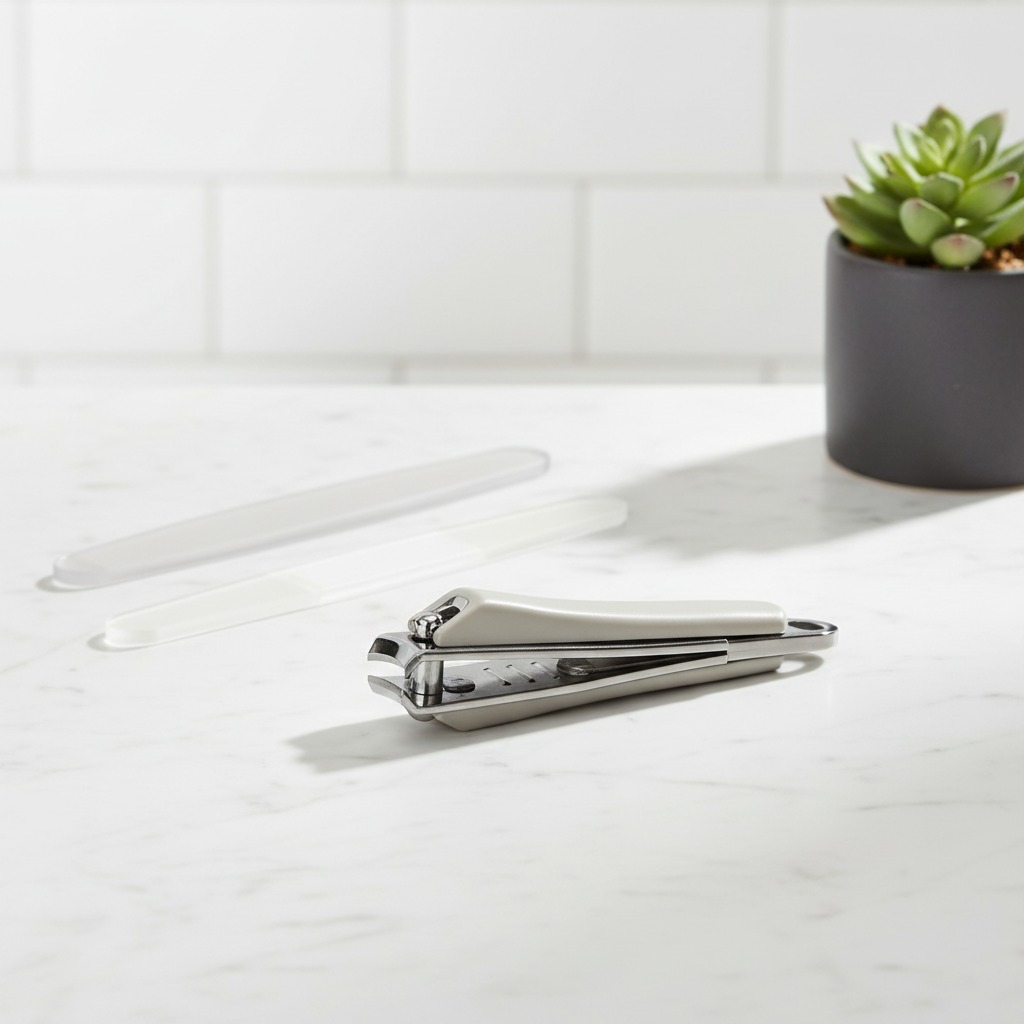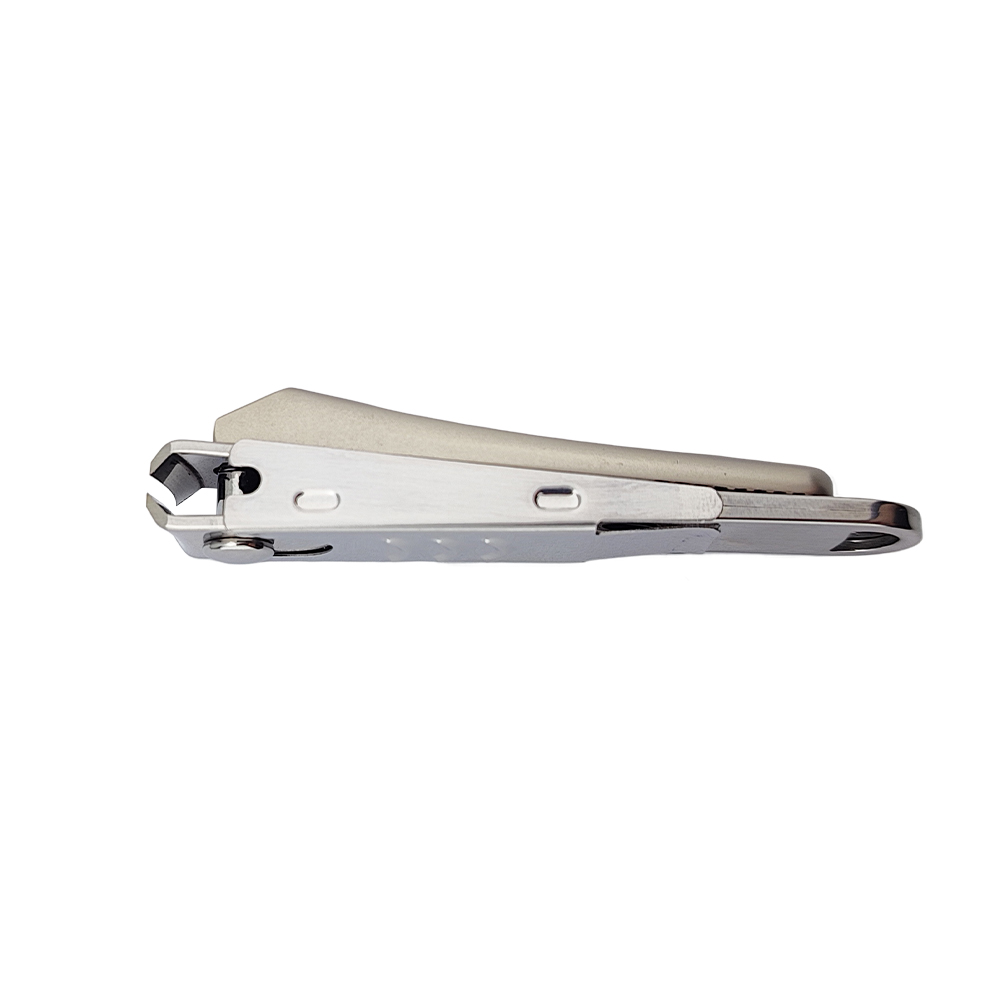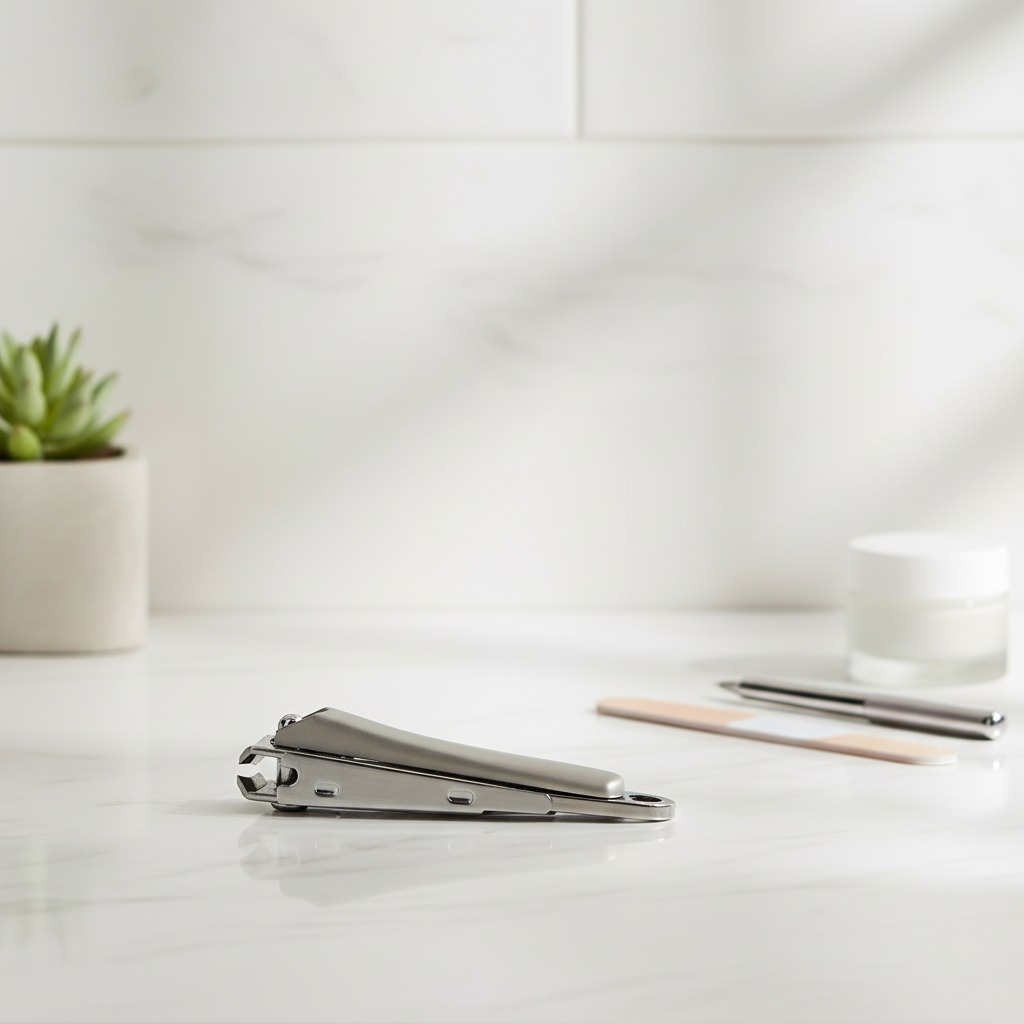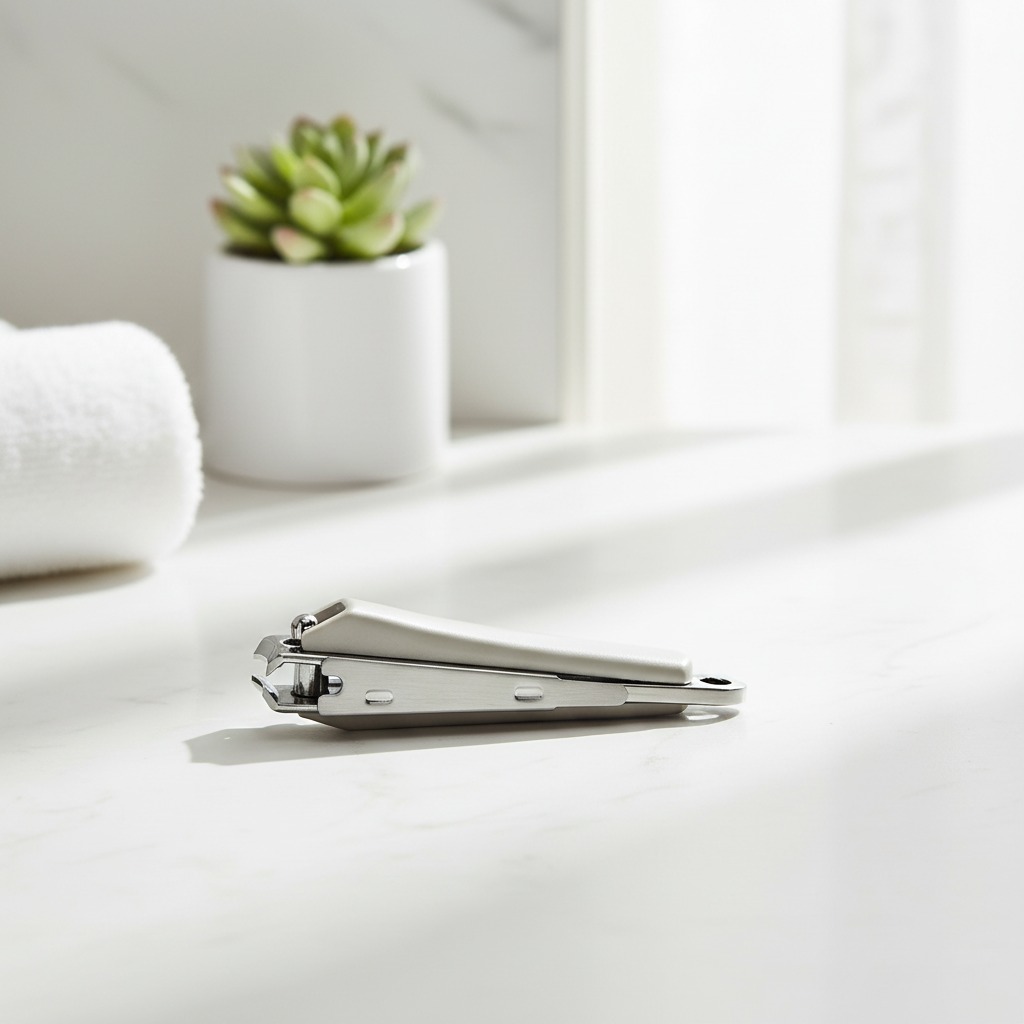











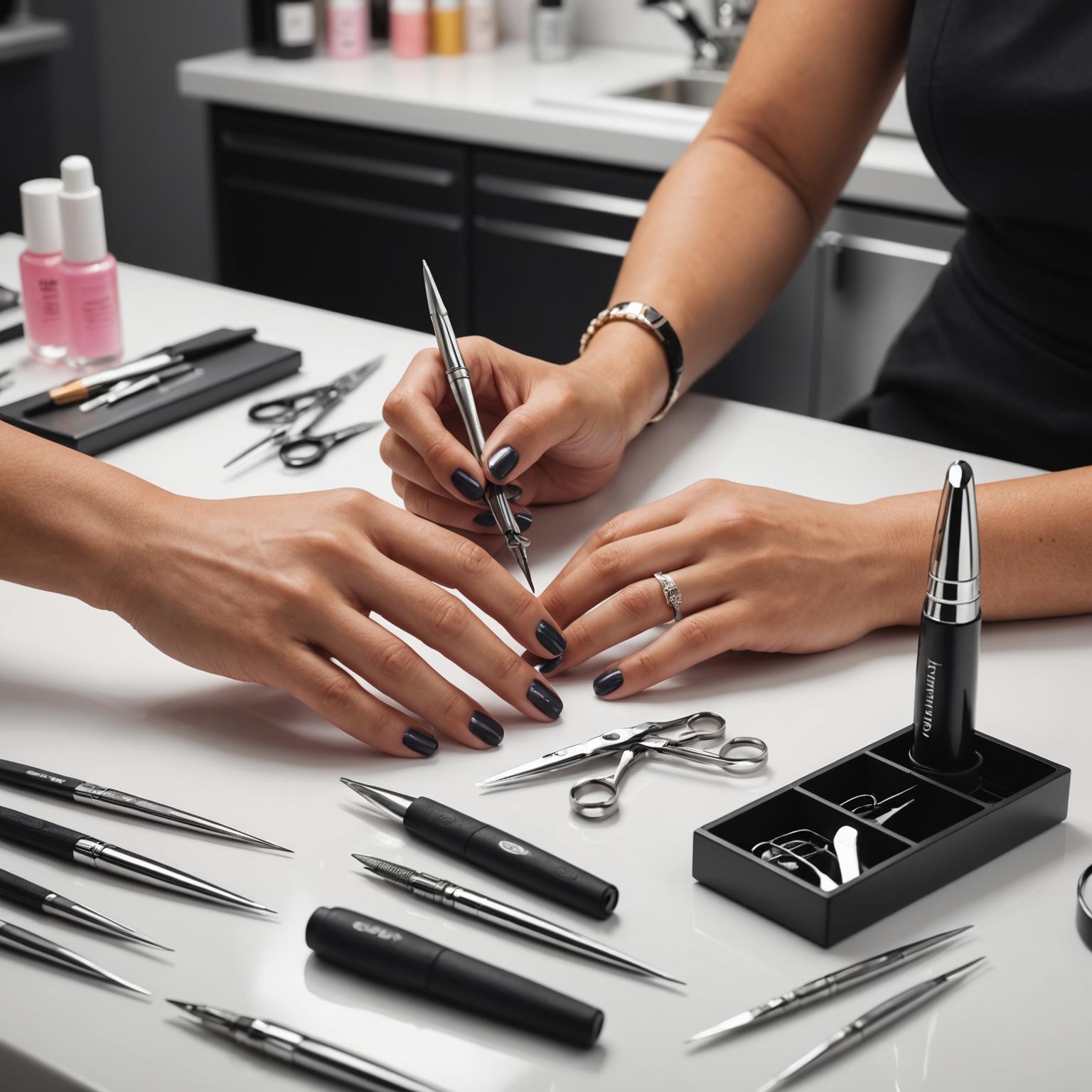
Cuticle nippers for salons are small tools with a large influence on service quality. In a professional manicure, they help a technician remove loose, non-living cuticle and hangnails with control, so the nail plate looks clean without unnecessary pulling or tearing. For salons, spas, nail bars and beauty distributors, choosing the right nippers is not only about buying a sharp tool. It is about consistency, comfort, hygiene, stock planning and the ability to support repeat services day after day.
When salons purchase manicure tools wholesale, the decision affects multiple workstations and technicians. A nipper that feels comfortable for one service but dulls quickly, pinches the hand or becomes difficult to sanitize can create extra cost and service inconsistency. A better buying process looks at the tool as part of a professional workflow: how it cuts, how it is cleaned, how it is stored, and how easily the salon can keep enough inventory available.
This guide explains what salon buyers should check before adding cuticle nippers to a wholesale order, especially when comparing beauty tools wholesale options for professional nail services.
Why Cuticle Nippers Matter in Professional Manicures
Cuticle work requires precision because the working area is small and close to sensitive skin. A professional cuticle nipper should allow the technician to trim only what needs to be removed. Clean, accurate cuts help the manicure look refined and reduce the chance of tugging at the skin. For clients, this difference is noticeable: a controlled cuticle service feels smoother, looks neater and supports a more polished final result.
In a salon environment, reliability matters just as much as sharpness. Tools are handled repeatedly, cleaned frequently and used by technicians with different hand sizes and working styles. If the spring action is uneven, the grip is uncomfortable or the jaws do not meet properly, the technician may need to apply extra pressure. Over a full day of appointments, that can affect speed, comfort and service quality.
For wholesale buyers, the goal is to select cuticle nippers that fit professional routines rather than occasional home use. That means paying attention to both the cutting edge and the complete structure of the tool.
Key Selection Criteria for Salon Cuticle Nippers
Before placing a bulk order, review the nippers from several practical angles. A low unit price may look attractive, but the real value depends on how the tool performs after repeated use and cleaning. Use the following checklist when comparing options from salon wholesale distributors or beauty tool suppliers.
- Cutting precision: The jaws should align cleanly and close evenly. A precise cutting edge helps remove small pieces of loose cuticle without dragging.
- Comfortable handling: Ergonomic design is important for technicians who perform several manicures daily. The handle should feel balanced and stable in the hand.
- Smooth spring response: The opening and closing action should feel controlled, not stiff or loose. A predictable spring helps reduce hand fatigue.
- Durable construction: Salon tools must withstand regular cleaning, storage and repeated handling. Stainless steel is commonly valued for professional manicure tools because it is durable and suitable for salon sanitation routines.
- Easy cleaning: The shape should not create unnecessary hard-to-clean areas. Tools used around the nail fold must be simple to clean thoroughly between clients.
- Consistent finish: Check for rough edges, uneven surfaces or uncomfortable handle points that could affect technician use.
- Packaging suitability: For wholesale buyers, packaging should protect the cutting edge during transport and storage so tools arrive ready for inspection.
These points help buyers move beyond generic product descriptions. They also make it easier to compare samples and communicate requirements internally before confirming a larger purchase.
Wholesale Buying Considerations for Salons and Spas
Manicure tools wholesale purchasing can help salons maintain a steady inventory of essential items. Instead of replacing tools one by one at the last minute, a planned wholesale order supports consistent workstation setup and reduces service interruptions. This is especially useful for salons with multiple technicians, training rooms, seasonal demand or new location openings.
Wholesale does not mean every buyer needs the same quantity or the same assortment. A small boutique salon may focus on a compact set of high-use manicure tools, while a spa or distributor may need a broader selection that includes cuticle nippers alongside nail clippers, pushers and other spa tools wholesale items. The best approach is to match the order to actual service volume, sanitation process and replacement schedule.
When evaluating beauty tools wholesale options, consider how the nippers will fit into your operating system. How many manicure stations need tools at the same time? Do technicians keep personal tool sets, or does the salon use a central sterilization and distribution process? How often are tools inspected for sharpness and alignment? Answering these questions helps prevent both overbuying and understocking.
Buyers who are building or updating a broader tool program can review Olimor’s beauty tool products to compare categories and plan a practical purchasing list. For assortment planning across different service types, the product collections page can also help buyers think beyond one item and organize related tools more efficiently.
Quality Checks Before Approving a Bulk Order
A professional salon should not rely on appearance alone when choosing cuticle nippers. Even tools that look similar can perform differently. Before approving a larger wholesale order, examine samples with a practical quality check. The following table outlines useful inspection points for salon owners, purchasing teams and distributors.
| Inspection point | What to look for | Why it matters |
|---|---|---|
| Jaw alignment | Tips meet evenly without gaps or overlap | Supports clean trimming and reduces pulling |
| Cutting feel | Closes smoothly through thin test material | Indicates control and usable sharpness |
| Handle comfort | No rough areas or awkward pressure points | Helps technicians work comfortably during repeated services |
| Spring action | Opens consistently without sticking | Improves rhythm and reduces hand strain |
| Surface finish | Clean, even finish with no visible burrs | Makes cleaning and handling easier |
| Protective packaging | Cutting edge is secured during shipment | Reduces damage before the tool reaches the workstation |
Olimor Beauty focuses on professional beauty tools and applies internal inspections from raw materials through final packaging. For salon buyers, this kind of process is important because a cuticle nipper must be reliable before it reaches the technician’s hand. A structured inspection mindset also helps distributors deliver more consistent products to their own salon clients.
Daily Use, Cleaning and Maintenance in a Salon Setting
Even a well-made cuticle nipper needs correct handling. Professional tools should be cleaned and stored according to salon hygiene procedures and local requirements. After each client, visible residue should be removed before the tool goes through the salon’s approved disinfection or sterilization process. The cutting edge should be protected after cleaning so it does not knock against other metal tools in a drawer or tray.
Technicians should also avoid using cuticle nippers for the wrong purpose. They are designed for precise cuticle and hangnail work, not for cutting hard acrylic, wire, packaging or thick toenails unless the tool is specifically intended for that use. Misuse can damage the jaws and shorten the usable life of the nipper.
A simple maintenance routine can help salons get better value from wholesale purchases:
- Inspect the jaws at the start of the day for alignment and cleanliness.
- Use the nipper only on appropriate cuticle work during manicure services.
- Clean and process the tool between clients according to salon protocol.
- Dry the tool fully before storage to protect its condition.
- Store it with the cutting edge protected and separated from heavy tools.
- Remove any dull, misaligned or damaged tool from active service.
This routine is straightforward, but it supports consistent results and protects the salon’s investment. It also gives managers a clear basis for deciding when tools should be replaced.
Choosing a Supplier for Professional Manicure Tools
The supplier relationship matters when cuticle nippers are part of a wider salon or distribution program. A useful supplier should help buyers evaluate products clearly, provide stable communication and support practical wholesale planning. Instead of focusing only on a single item price, buyers should consider whether the supplier can support repeat orders, product consistency and suitable packaging for transport.
For new sourcing projects, prepare a clear request that includes the intended use, buyer type, expected sales channel and any packaging or assortment needs. If you are purchasing for a salon chain, specify whether tools will be used in service rooms or resold as retail manicure items. If you are a distributor, clarify whether you need individual units, mixed tool selections or category-based planning. The clearer the buying context, the easier it is to compare options fairly.
Olimor Beauty works with professional beauty tool buyers who need reliable manicure tools for salon and wholesale use. To discuss product options or sourcing details, you can contact Olimor. If you already have a purchasing plan and want to share your requirements, you can also send an inquiry for follow-up.
Building a Better Cuticle Nipper Program
Cuticle nippers may be compact, but they play a central role in manicure quality. For salons, the right choice supports precise service, technician comfort and a cleaner workflow. For wholesale buyers and distributors, careful selection helps create a dependable product offer that salons can reorder with confidence.
The strongest buying decisions combine tool performance with practical operations: check the jaw alignment, feel the handle, test the spring response, review packaging and plan how the tool will be cleaned and stored. By treating cuticle nippers as professional service equipment rather than a simple accessory, salons can maintain higher manicure standards while managing inventory more effectively.