










Buying tweezers in bulk looks simple until you compare samples side by side. Two tools can appear almost identical in a catalog photo, yet perform very differently when used for brow shaping, lash placement, splinter removal, or retail resale. For beauty brands, salons, distributors, and online sellers, the goal is not only to find a low unit cost. The goal is to source tweezers that feel controlled in the hand, grip consistently at the tip, resist everyday wear, and match the quality promise of your brand.
This guide explains what to evaluate before placing a wholesale tweezer order, how to compare a tweezers manufacturer, and which details matter most when you are building a product line or replenishing inventory. Olimor Beauty produces beauty tools for business buyers, and you can explore related beauty tool products or review broader product collections when planning a coordinated assortment.
Start With the Use Case Before Choosing a Tweezer Type
The best tweezer for a brow bar is not always the best tweezer for false lash application or a general retail kit. Before focusing on price, define the exact customer and the primary use. This makes it easier to choose the right shape, tension, finish, and packaging.
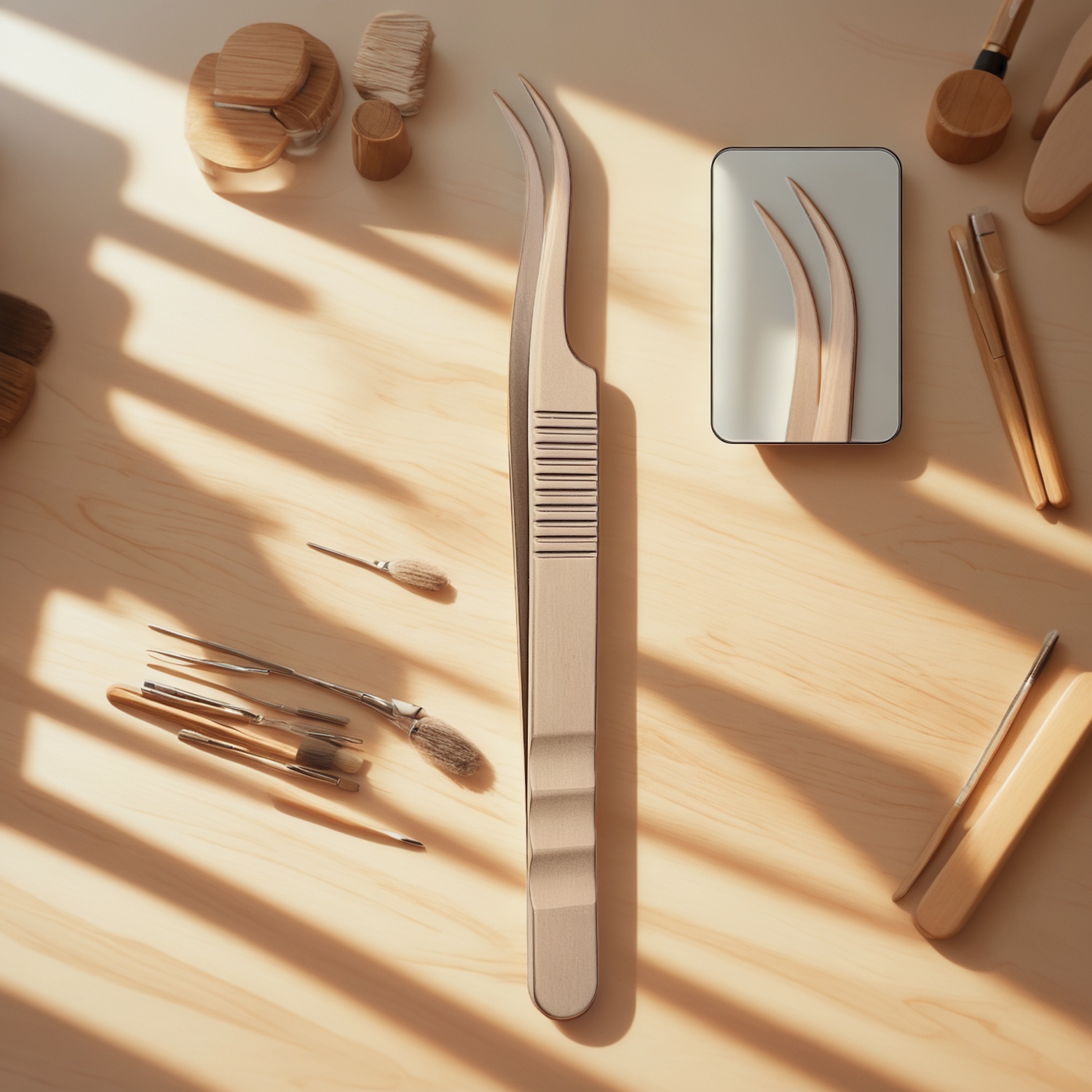
For eyebrow grooming, many buyers prefer a slant tip because it offers a balance of visibility and grip. A pointed tip may be useful for very fine hair isolation, but it requires more careful handling. A flat tip can grip broader areas, though it may not be as precise for detailed brow work. For lash-focused assortments, a False Lash Tweezer can be a more relevant option because lash placement requires control around delicate strip lashes, individual clusters, or application accessories.
If your customers include professional beauty users, consistency becomes especially important. A professional may use the same tweezer many times a day, so a small issue in alignment or hand fatigue becomes noticeable quickly. If the product is for retail resale, packaging appearance and safety handling also matter because the customer may judge the tool before ever testing it.
Key Quality Checks for Bulk Tweezers
When you buy tweezers in bulk, sample testing should include more than a quick look at the finish. Precision tools need careful inspection because their performance depends on small contact points and balanced spring tension. A useful review process checks the tool from tip to handle to packaging.
- Tip alignment: The two sides should meet cleanly without visible gaps or twisting. Misaligned tips reduce grip and create user frustration.
- Grip performance: Test on fine hair, synthetic lash fibers, or other relevant materials. The tweezer should hold without excessive pressure.
- Edge comfort: Edges should feel smooth enough for safe cosmetic handling, while still maintaining the intended tip shape.
- Spring tension: The tweezer should close with control and reopen smoothly. Tension that is too stiff can tire the hand; tension that is too loose can reduce precision.
- Surface finish: Check for scratches, uneven coating, burrs, discoloration, or rough areas that could affect perceived value.
- Material suitability: Stainless steel is commonly used for quality tweezers because it supports durability and cleanability, but buyers should still verify that the selected material suits the intended market and care instructions.
- Packaging condition: Retail packaging should protect the tips and arrive clean, straight, and presentable.
It is also wise to test multiple samples from the same batch or pre-production run. A single excellent sample is useful, but consistency across several pieces is what matters for wholesale buying.
How to Compare a Tweezers Supplier Beyond Price
Price is important, but it should not be the only factor when selecting a tweezers bulk supplier. A low quote can become expensive if the tools have inconsistent grip, require additional inspection, generate returns, or damage your brand reputation. A better comparison looks at production understanding, communication, packaging support, and quality control discipline.
When evaluating a tweezers manufacturer, consider whether the supplier understands the differences between cosmetic tweezer categories. A supplier familiar with beauty tools should be able to discuss tip shape, user comfort, finishing, packaging, and inspection points in practical terms. They should also be able to help you match the tool to the sales channel, whether you are creating a brow grooming item, a false lash accessory, or a general beauty kit.
For new or growing brands, minimum order quantity can influence cash flow and inventory risk. Low MOQ tweezers may help a business test demand before committing to larger replenishment orders. However, a smaller order should still be evaluated against the same quality expectations as a larger order. The inspection standard should not change simply because the first order is smaller.
Useful Questions to Ask Before Placing a Bulk Tweezer Order
A structured supplier conversation helps avoid misunderstandings. Instead of asking only for a catalog and price list, prepare questions that connect product performance to your business needs. The table below can help organize the discussion.
| Buying area | What to clarify | Why it matters |
|---|---|---|
| Product type | Available tip shapes and recommended use cases | Prevents choosing a tool that does not match customer expectations |
| Sample review | How samples represent bulk production | Helps you judge whether the final order should match approved samples |
| Material and finish | Stainless steel options, coating, polishing, and surface appearance | Affects durability, cleaning expectations, and retail presentation |
| Inspection | Tip alignment, grip checks, finish checks, and packaging checks | Reduces the risk of inconsistent performance across a bulk order |
| Packaging | Protective caps, sleeves, boxes, labels, or retail-ready packaging | Protects the product and supports your sales channel |
| Reorder planning | Lead time expectations and repeat order consistency | Helps maintain inventory without changing the customer experience |
If your project involves a customized assortment or you need to compare several tweezer styles, you can contact Olimor to discuss the product direction or send an inquiry with your expected application, packaging needs, and target order plan.
Packaging and Retail Presentation Matter More Than Many Buyers Expect
Tweezers are small products, but packaging has a large influence on customer perception. A quality tweezer can look low value if it is loosely packed, poorly protected, or difficult to identify. At the same time, packaging should not interfere with practical handling or add unnecessary complexity to the purchase.
For salon or professional supply channels, simple protective packaging may be enough if the tool is easy to inspect and store. For retail stores or e-commerce, buyers may need packaging that clearly communicates the tip type, intended use, care guidance, and safety precautions. Tip protection is especially important because even minor damage during shipping can affect grip accuracy.
Consider how the product will be received by the end user. Will it be sold individually, included in a beauty kit, paired with lash accessories, or offered as a brow grooming tool? Each format may require a different packaging decision. Before committing to a large run, review how the tweezer sits in the package, whether the tips are protected, and whether the product looks aligned with your brand’s price position.
Maintenance Guidance to Reduce Customer Complaints
Good sourcing does not end when the bulk order ships. Clear care instructions can reduce avoidable complaints and extend the useful life of the tool. Tweezers should be kept clean and dry after use, stored with the tips protected, and handled carefully to avoid dropping them on hard surfaces. Even a well-made tweezer can lose alignment if the tips are bent or damaged.
For beauty retail, concise maintenance guidance can be included on the package or product insert. For professional users, care advice can be included in training materials or product listings. The message does not need to be complicated: clean after use, dry before storage, avoid harsh misuse, and protect the tips. These simple instructions help customers understand that tweezers are precision tools, not disposable accessories.
Building a Smarter Wholesale Tweezer Assortment
A strong tweezer assortment is usually built around clear customer needs. Rather than offering too many similar items, choose a focused selection that covers the main use cases: everyday brow grooming, fine detail work, and lash application if your audience buys false lash tools. A False Lash Tweezer can be a logical addition for brands already selling lash-related beauty accessories, while slant tweezers may serve a broader grooming audience.
When reviewing wholesale options, think about how each product will be described online or in a catalog. If two tweezers serve the same purpose, they may compete with each other instead of strengthening the range. If each item has a defined role, customers can choose more confidently and your sales team can explain the differences more easily.
For bulk buying, the strongest supplier relationship is based on repeatable quality, clear communication, and a shared understanding of the customer. By checking alignment, grip, finish, packaging, and use case before ordering, you can reduce sourcing risk and build a tweezer line that performs reliably in the hands of real users.