










When you buy tweezers in bulk, you are not simply filling inventory. You are choosing a tool that customers may use every day on brows, lashes, facial hair, nail art details or retail beauty kits. A tweezer that feels unstable, has uneven tips or loses tension quickly can create returns and weaken trust in your brand. A precise, comfortable tweezer, on the other hand, makes your product line feel more professional even when the tool itself is small.
For beauty brands, lash artists, salon suppliers and distributors, bulk tweezer sourcing should be treated as a quality decision. The right supplier should understand beauty use cases, consistent finishing and practical packaging needs. Olimor Beauty supplies beauty tools for professional and retail buyers, including tweezers designed for precise handling. This guide explains what to check before placing a bulk order, how to compare a tweezers manufacturer, and how to plan inventory without overbuying.
Start with the exact tweezer use case
Not all tweezers should be sourced the same way. A tweezer for false lash placement needs a different tip shape and hand feel than a brow tweezer intended for hair removal. Before comparing prices or order quantities, define how the tool will be used and who will use it.
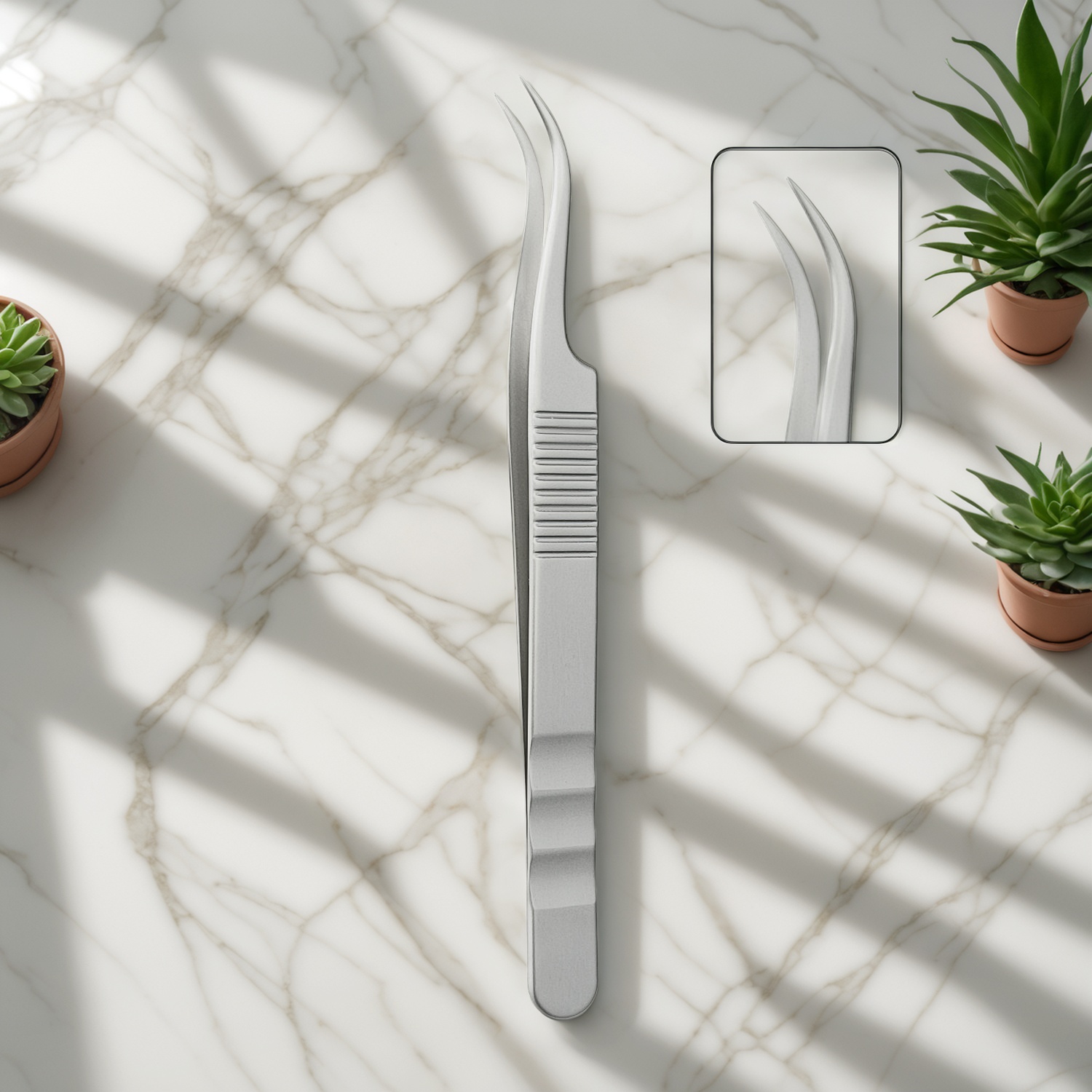
For lash-focused buyers, Olimor Beauty’s False Lash Tweezer is a relevant example. The supplied product description highlights refined curved tips for applying individual lashes and full lash strips. That curved design helps users approach the lash line with more control than a general-purpose tweezer. A salon buyer may prioritize secure grip and repeatable precision, while a retail beauty brand may also care about the visual finish, packaging and how the tool photographs in a set.
- False lash application: look for curved or angled tips, controlled closure and comfortable handling during detailed placement.
- Brow grooming: prioritize aligned slant tips, clean closure and a grip surface that supports plucking fine hairs.
- Beauty kits: choose versatile designs that suit common tasks and match the finish of other tools in the set.
- Professional salon use: focus on durability, consistent tension and easy cleaning between uses.
- Retail resale: evaluate packaging protection, visual appeal and clear product naming.
If your range includes multiple beauty categories, avoid treating one tweezer as suitable for everything. It is often better to carry fewer, well-chosen types than many shapes with unclear purposes. You can review broader beauty tool products to see how tweezers may fit into a wider tool assortment.
What to check before choosing a tweezers manufacturer
A reliable tweezers manufacturer should control the details that users notice immediately: alignment, finish, tension, tip shape and consistency from piece to piece. The original product information for Olimor Beauty mentions stainless steel selection and precise manufacturing processes. Stainless steel is common for beauty tools because it supports a clean finish and practical daily use, but the final experience depends on workmanship as much as material choice.
Before buying tweezers in bulk, evaluate samples in the same way your customer would. Hold the tweezer in the middle and close it slowly. The tips should meet evenly without crossing, spreading or leaving a visible gap. Open and close the tool repeatedly to check spring-back and tension. If the tweezer feels too stiff, it can fatigue the hand; if it feels too loose, it may fail to grip fine hairs or delicate lash segments.
Surface finishing is also important. Edges should feel smooth where the fingers rest. Decorative finishes should be even and free from obvious scratches, color inconsistency or rough spots. If the tweezer will be packed in a set, compare it against the other tools under the same light. A mismatch in color tone or polish can make the full kit look less consistent.
Bulk quality checklist for samples and production
A written checklist helps your team judge suppliers consistently. It also reduces the risk of approving a sample because it looks good at first glance but fails during actual handling. Use the table below when reviewing samples, pre-production pieces or shipment inspections.
| Quality point | What to examine | Why it matters |
|---|---|---|
| Tip alignment | Close the tweezer and inspect whether both tips meet evenly. | Misaligned tips reduce grip and frustrate users. |
| Tip finish | Check for burrs, rough edges or uneven shaping. | Smooth tips support careful lash or brow work. |
| Tension | Open and close repeatedly with normal hand pressure. | Consistent tension improves control during long use. |
| Material and finish | Review surface smoothness, coating consistency and visible defects. | The finish affects both durability perception and brand presentation. |
| Ergonomics | Test finger comfort, weight balance and grip area. | A tool that feels stable is easier to use accurately. |
| Packaging fit | Confirm that tips are protected and the product does not move excessively. | Good packaging reduces damage during shipping and retail handling. |
Do not evaluate only one perfect sample. If possible, review several pieces from the same sample batch so you can see whether the quality is repeatable. For bulk tweezers, consistency is often more important than a single impressive piece. A beauty brand needs the hundredth unit to feel like the first one.
How to compare a bulk tweezers supplier beyond price
Unit price matters, but it should not be the only factor when choosing a tweezers bulk supplier. Low-cost tools can become expensive if they create customer complaints, repacking work, rejected inventory or delayed launches. A stronger comparison looks at communication, sample accuracy, packaging support and reorder reliability.
Start by documenting your requirements clearly: intended use, target customer, finish preference, packaging needs and any labeling expectations. Then compare how each supplier responds. A reliable supplier should be able to discuss practical manufacturing and quality questions, not only quote quickly. For example, when sourcing a False Lash Tweezer, it is reasonable to discuss curved tip shape, closure feel and how the tool will be protected in packaging.
Buyers should also consider whether the supplier can support different stages of business growth. The existing Olimor Beauty information refers to flexible sourcing and low MOQ tweezers, which can be useful for emerging brands testing a product or established buyers adding a new tool to a line. Because order needs vary by project, confirm current quantity options for your specific design, finish and packaging before planning a launch.
If you are building a full range rather than a single item, view sourcing as a collection decision. Matching tweezers with lash tools, brow tools, applicators or grooming accessories can create a more coherent catalog. Olimor’s product collections can help buyers think through assortment structure.
Packaging and branding details that affect customer experience
Bulk tweezer sourcing should include packaging review early in the process. The tips are the functional heart of the tool, so they need protection during transit and storage. A tweezer that arrives with damaged or bent tips may be unsellable even if the rest of the finish looks fine.
Packaging also shapes how customers judge value. A retail buyer may need a clean presentation for shelves or e-commerce photography. A salon supplier may prefer practical packaging that protects the tool without unnecessary bulk. A beauty kit brand may need packaging dimensions that fit into a set box. These decisions influence cost, shipping efficiency and unboxing experience.
When reviewing packaging options, check whether the tool is secure, whether sharp or delicate tips are covered, and whether the surface finish can rub against the insert. If the tweezer has a polished or colored exterior, abrasion inside packaging can create visible marks before the customer ever uses it. For branded retail, also confirm that labels, instructions and product descriptions accurately reflect the tweezer’s intended use.
Planning orders, reorders and inventory risk
Buying tweezers in bulk does not mean ordering the largest possible quantity immediately. The better approach is to balance launch needs, storage capacity, cash flow and expected sell-through. For new products, a lower starting quantity may allow you to test customer response, photography, listing copy and packaging before committing to a larger run. For established tools, a reorder plan helps avoid stockouts during peak selling periods.
Create a simple sourcing timeline that includes sample review, quotation confirmation, packaging approval, production, inspection and shipping. Even a small tool can affect a product launch if approvals are rushed. Allow time for revisions if the first sample does not meet your tip alignment, finish or packaging expectations.
- Define the exact tweezer purpose and target customer.
- Request and test samples under real use conditions.
- Approve finish, tension, tip shape and packaging together.
- Confirm order quantity, lead time and labeling details before production.
- Inspect production pieces against your written checklist.
- Track customer feedback after launch to guide reorders.
This process is especially useful for brands that plan repeat purchasing. Once a reliable standard is approved, future orders become easier to manage because your team has a clear benchmark.
Questions buyers should prepare before sending an inquiry
Clear questions lead to better sourcing outcomes. Before you send an inquiry, prepare the information that affects product fit and quotation accuracy. Include intended use, quantity range, preferred finish, packaging style, branding needs and shipping destination. If you already have a target product in mind, explain whether it is for lash application, brow grooming, salon supply or retail resale.
Useful questions include: What sample options are available for the tweezer type? How are tip alignment and surface finish checked during production? What packaging can protect the tips during shipping? Which finishes are suitable for the intended use? What information is needed to quote branded packaging? These questions keep the conversation focused on quality rather than only price.
If your project involves multiple beauty tools, you can also contact Olimor to discuss how tweezers may coordinate with other items in your product line. A well-planned assortment can make purchasing, photography and customer communication much simpler.
Make bulk tweezers a quality asset, not a commodity
Tweezers are small, but they reveal a lot about a beauty brand’s standards. Customers notice whether the tips meet cleanly, whether the tool feels comfortable and whether the finish looks professional. For lash artists and beauty professionals, precision is not decorative; it affects daily work.
When buying tweezers in bulk, choose based on use case, sample performance, supplier consistency and packaging protection. Olimor Beauty offers beauty tools for buyers who need reliable sourcing and practical product support. By setting clear quality criteria before ordering, you can select tweezers that support your brand reputation, satisfy end users and remain dependable across repeat purchases.