










Beauty tools wholesale is not only about buying in larger quantities. For salons, lash artists, makeup professionals and retail buyers, the right sourcing decision affects service speed, client comfort, product consistency and repeat sales. A tweezer that does not grip cleanly can slow down lash application. A tool with uncomfortable handling can cause fatigue during long workdays. A wholesale order that arrives with inconsistent finishing can create problems for staff training and customer confidence.
Olimor Beauty supplies beauty tools for professional and personal care use, including precision tweezers and tools designed for eyelash extension work. If you are comparing suppliers, the goal should be simple: choose tools that are practical in daily use, consistent across batches and suitable for the way your business actually works. This guide explains how to evaluate wholesale beauty tools with a focus on tweezers, false lash tweezers and personal care tool sourcing.
Who Benefits from Wholesale Beauty Tools?
Wholesale beauty tools are useful for several types of buyers, but each group has different priorities. A salon owner may need durable tools that multiple technicians can use confidently. A lash artist may prioritize tip accuracy, hand comfort and control. A beauty retailer may focus on packaging consistency, clear product positioning and sell-through potential. Training centers often need tools that are easy for beginners to understand while still being suitable for professional practice.
Before placing a wholesale order, define the use case. Are the tools for professional service stations, resale, beauty kits, training classes or promotional bundles? This decision changes what you should evaluate. For example, a lash studio may care most about tweezer alignment and grip response, while a retailer may also consider how easy the product is to explain to customers. Olimor Beauty’s beauty tool products can be reviewed with these different use cases in mind, helping buyers narrow choices before starting a formal sourcing discussion.
What to Look for in a Tweezers Supplier
A reliable tweezers supplier should understand that small details matter. Tweezers are simple in appearance, but the difference between a useful tool and a frustrating one often comes down to finishing, balance and tip behavior. In beauty services, especially lash extension application and brow grooming, control is critical.
When evaluating a tweezers supplier, consider these practical points:
- Tip precision: Finely tapered tips are important for accurate placement, separation and handling of small materials such as eyelash extensions.
- Grip consistency: The tweezer should close smoothly and hold material without requiring excessive pressure.
- Comfort during repeated use: Ergonomic grips can reduce strain for artists who work for long sessions.
- Material suitability: Stainless steel is valued in beauty tools because it supports durability and a professional look when properly finished.
- Surface finishing: Edges should feel clean and comfortable, without rough areas that interfere with handling.
- Packaging readiness: Wholesale buyers should confirm whether packaging fits retail, salon backbar or kit assembly needs.
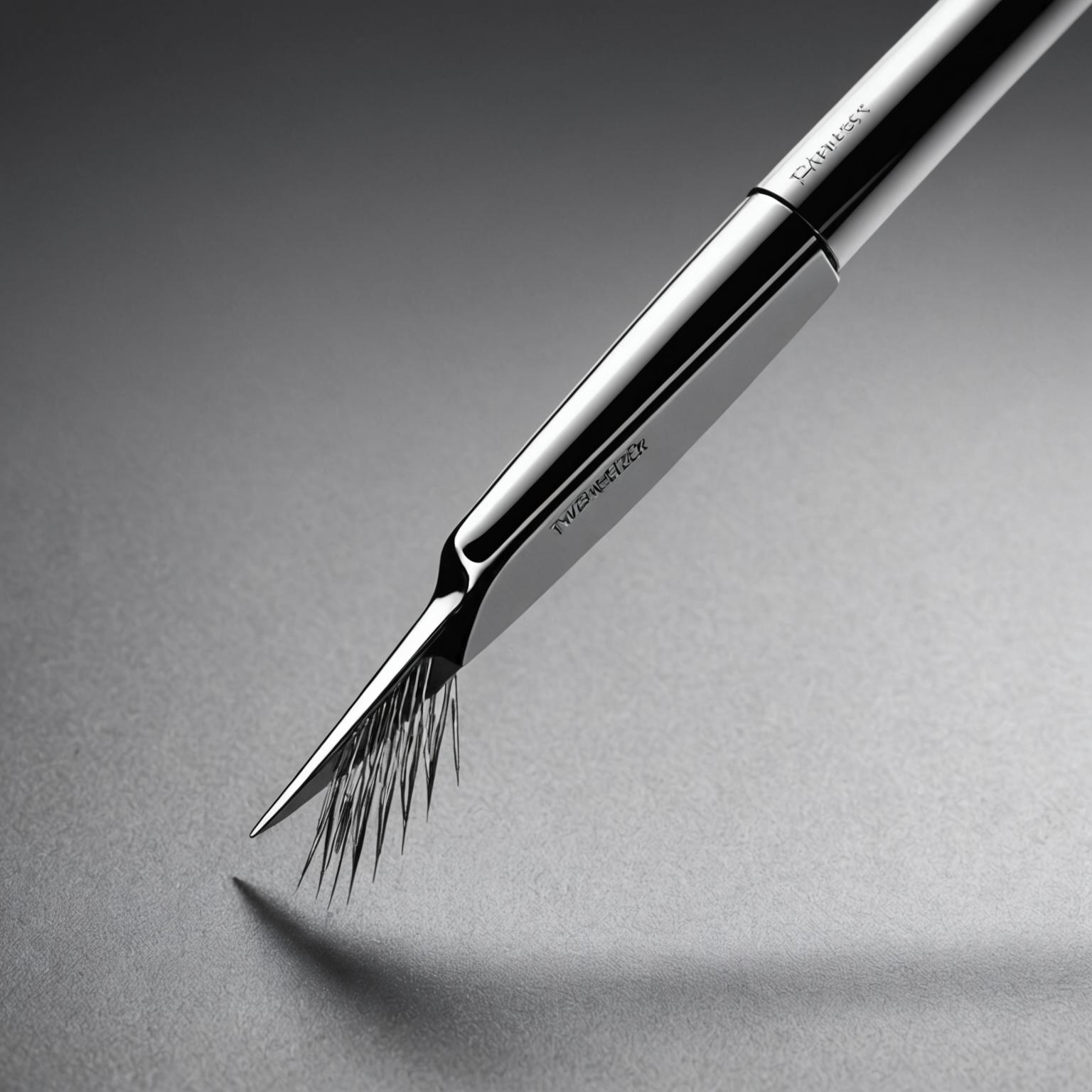
Olimor Beauty offers tools such as the False Lash Tweezer, described for eyelash extension application with stainless steel construction, ergonomic grips and finely tapered tips. These are the kinds of details professional buyers should prioritize because they directly affect daily performance.
Why False Lash Tweezers Need Careful Selection
False lash tweezers serve a specific purpose: helping the user place eyelash extensions accurately and efficiently. In lash work, even a small misalignment can create extra correction time. The tweezer must allow the artist to pick up, separate, position and release with control. This is why a general cosmetic tweezer and a lash application tweezer should not be treated as identical products.
A well-chosen false lash tweezer can support more consistent results in several ways. Finely tapered tips help with detailed placement. An ergonomic grip supports steadier handling. Stainless steel construction gives the tool the strength and feel expected in professional beauty environments. For salons and lash studios, consistency across multiple tools is also important because technicians may switch between workstations or share a standard kit format.
Retail buyers should think about customer education as well. If selling false lash tweezers to consumers or beginner lash users, the product page, packaging or sales description should explain the intended use clearly. A buyer should avoid vague claims and instead focus on practical benefits: controlled placement, comfortable handling and suitability for eyelash extension routines.
Wholesale Buying Checklist for Personal Care Tools
Personal care tools wholesale covers more than one product category, so a structured checklist helps prevent rushed decisions. The following buying process is useful for salons, distributors and retailers comparing potential orders.
- Define the exact application. Decide whether the tool is for lash extension application, brow grooming, retail resale, training kits or general personal care.
- Review tool handling. Consider grip shape, closing resistance, tip contact and comfort during repeated use.
- Check visible finishing. Look for smooth edges, clean surfaces and consistent appearance across samples.
- Match packaging to the channel. Retail shelves, salon drawers and academy kits may need different packaging choices.
- Plan inspection criteria. Set clear expectations for alignment, surface condition, labeling and count accuracy.
- Consider after-sale workflow. Decide how your business will record feedback, handle replacements and update future purchase requirements.
This checklist is especially useful when building a long-term sourcing program. Instead of choosing based only on price, it helps buyers compare the total value of a tool: usability, consistency, presentation and fit for the intended customer.
Quality Control Questions That Matter
Quality control in beauty tools should be practical and observable. Buyers do not need to overcomplicate the process, but they should set standards before ordering. For tweezers, the most important checks usually involve tip alignment, grip response, surface finish and packaging condition. For tools used in professional beauty services, comfort and repeatability are also important because the tool may be used many times each day.
Useful questions include: Do the tweezer tips meet evenly? Does the tool grip small items without slipping? Is the pressure comfortable for repeated use? Are the edges smooth where the hand contacts the tool? Is the surface finish consistent? Does the packaging protect the tool during transit and storage? These questions help a purchasing team evaluate samples and future bulk shipments in the same way.
For buyers developing a beauty tool range, it can also help to compare products across categories through Olimor Beauty’s product collections. Seeing how different items fit together can make it easier to plan a salon kit, retail display or distributor assortment without creating unnecessary overlap.
Sourcing for Salons, Retailers and Training Programs
Different business models need different sourcing decisions. A salon may prefer a focused tool list so every technician uses similar equipment. This makes training simpler and helps maintain consistent service quality. A retailer may want a wider assortment, but each item still needs a clear purpose and customer explanation. A training program may need tools that are reliable enough for practice while remaining understandable for beginners.
For salons, it is useful to build a standard station kit. This may include tweezers for lash work, other personal care tools and backup units for busy service days. Standardization reduces confusion and makes replenishment easier. For retail buyers, product descriptions should avoid overpromising and instead explain material, intended use and handling benefits. For training organizations, the main concern is repeatability: students should not struggle because their tools vary too much from one kit to another.
When planning a wholesale purchase, document your priorities. For example, a lash studio might list tip accuracy, ergonomic grip and stainless steel construction as key requirements. A retailer might list product appearance, packaging and easy-to-understand use cases. Clear priorities make it easier to compare options and avoid adding products that do not support your business goals.
How Olimor Beauty Supports Wholesale Beauty Tool Buyers
Olimor Beauty focuses on wholesale beauty tools for buyers who need dependable products for professional and personal care markets. The range includes items such as precision tweezers and lash extension tools, including the False Lash Tweezer with stainless steel construction, ergonomic grips and finely tapered tips for eyelash extension application. These explicit product qualities are directly relevant to the needs of lash artists, salons and beauty retailers.
For a stronger sourcing conversation, prepare a short brief before reaching out. Include your product category, target customer, order purpose, packaging needs and any inspection points that are essential for your business. This helps align the product choice with the final use, whether you are building a salon tool kit, stocking a retail assortment or preparing beauty training supplies.
If you are comparing wholesale options or planning a new tool assortment, you can send an inquiry with your requirements. For broader questions about product suitability or business cooperation, you may also contact Olimor. A clear sourcing brief and practical quality checklist will help you choose beauty tools that support efficient service, confident retail presentation and long-term replenishment planning.