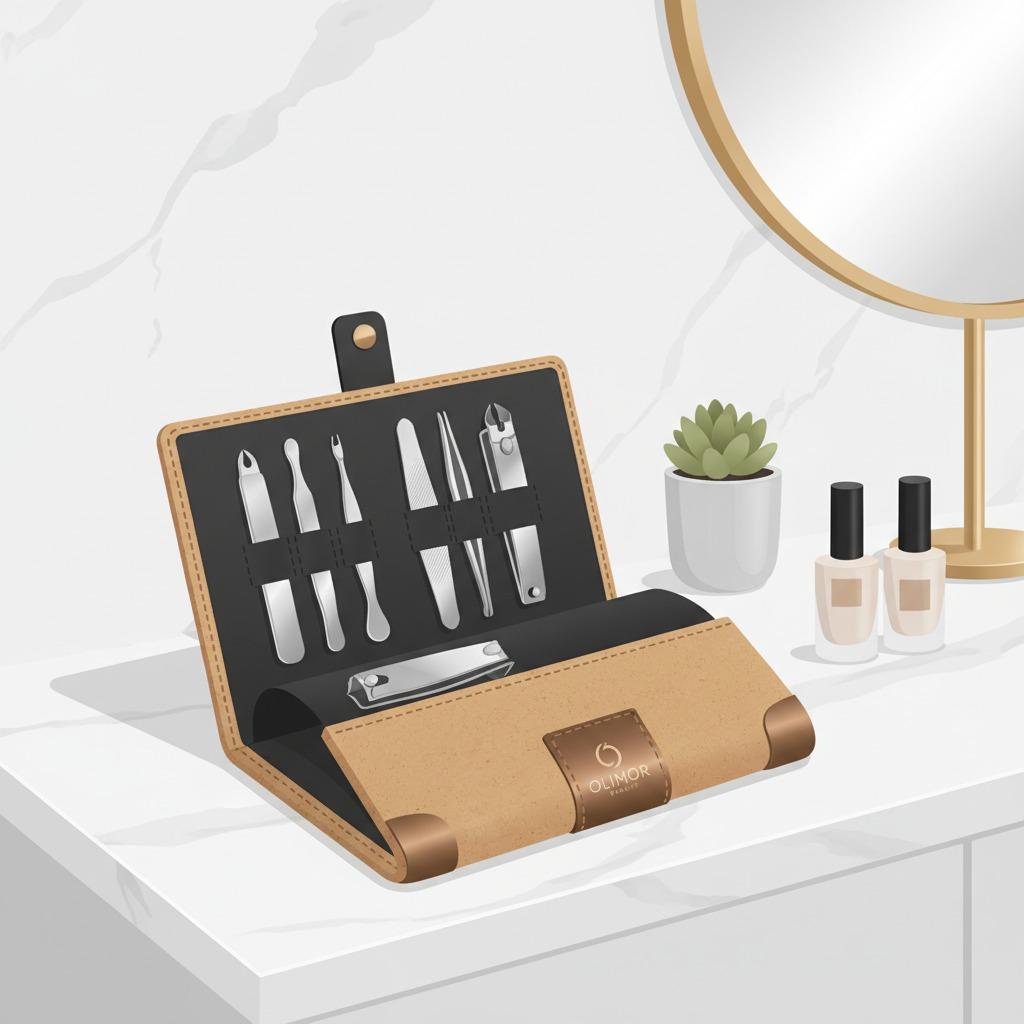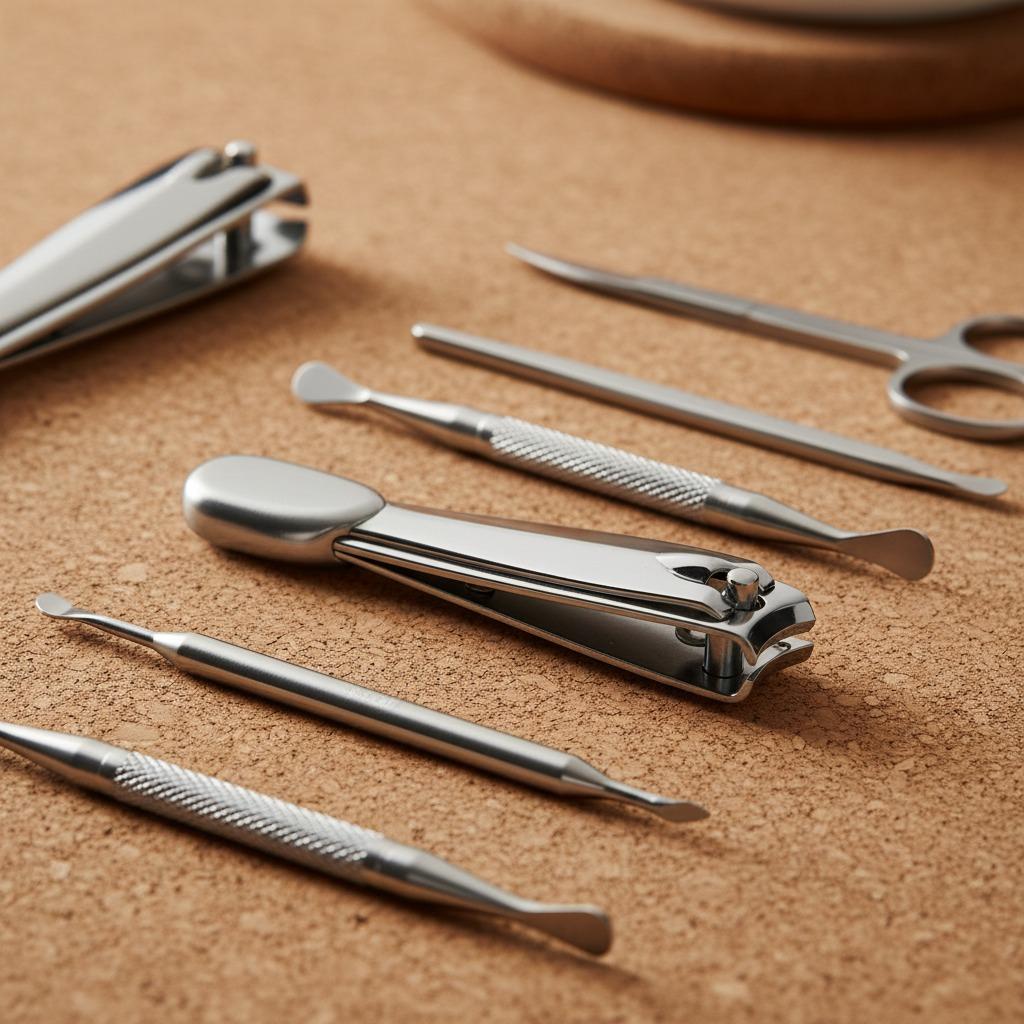











Women’s nail clippers are simple tools, but good trimming depends on details that are easy to overlook: cutting edge alignment, lever control, jaw size, surface finish, hygiene and long-term stability. A well-made clipper should remove small sections of nail cleanly without crushing, tearing or forcing the user to apply excessive pressure.
For personal care buyers, the goal is a tool that supports neat manicures and pedicures at home. For retailers, importers, beauty brands and gift-set planners, the goal is broader: choose a nail clipper or nail clipper set that fits the target user, performs consistently in samples and can be presented clearly in a retail or grooming assortment. Olimor Beauty focuses on practical beauty tools for daily grooming needs, including nail care items used in personal routines, travel kits and giftable sets.
What Makes a Women’s Nail Clipper Worth Choosing?
A useful nail clipper should cut predictably, feel stable in the hand and be easy to clean after use. The best choice is not always the smallest, shiniest or most decorative model. Performance comes from the relationship between the blades, the lever, the jaw opening and the way the user holds the tool during trimming.
Women’s nail care often involves more than simply shortening the nail. Users may be shaping natural fingernails before filing, maintaining short nails for work, trimming toenails after bathing, or adding a compact clipper to a handbag or travel pouch. These different use cases require different proportions and levels of control.
For B2B buyers, this means product selection should start with the intended use. A small fingernail clipper may be ideal for detailed shaping, while a larger toenail clipper provides more leverage for thicker nails. A set can be more commercially useful when customers expect a complete home grooming solution rather than a single replacement tool.
Key Features to Compare Before Ordering Samples
Many nail clippers look similar in catalog images, but small structural differences affect the trimming experience. Before committing to a product line, compare samples by cutting feel, control and cleaning convenience rather than appearance alone.
- Cutting edge alignment: The upper and lower edges should meet evenly. Poor alignment can bend the nail, leave rough edges or require repeated clipping in the same area.
- Blade sharpness: A sharp edge helps the tool slice rather than crush. This is especially important for thin or soft nails that may split under pressure.
- Jaw size and opening: Smaller jaws offer control for fingernails. Wider jaws may be more suitable for toenails or thicker nails.
- Lever action: The lever should press smoothly and return reliably. If the lever feels unstable or requires awkward force, users may struggle when trimming with the non-dominant hand.
- Grip stability: A clipper should feel secure even when hands have recently been washed. Textured or shaped grip areas can improve control, but they should not make the tool difficult to clean.
- Material and finish: Stainless steel is commonly preferred for nail tools because it supports durability and easy wiping. The finish should be smooth, with no rough edges around the body or lever.
- Portability: Compact clippers work well for handbags, travel kits and small retail packs. Larger tools may be better for bathroom use or pedicure-focused sets.
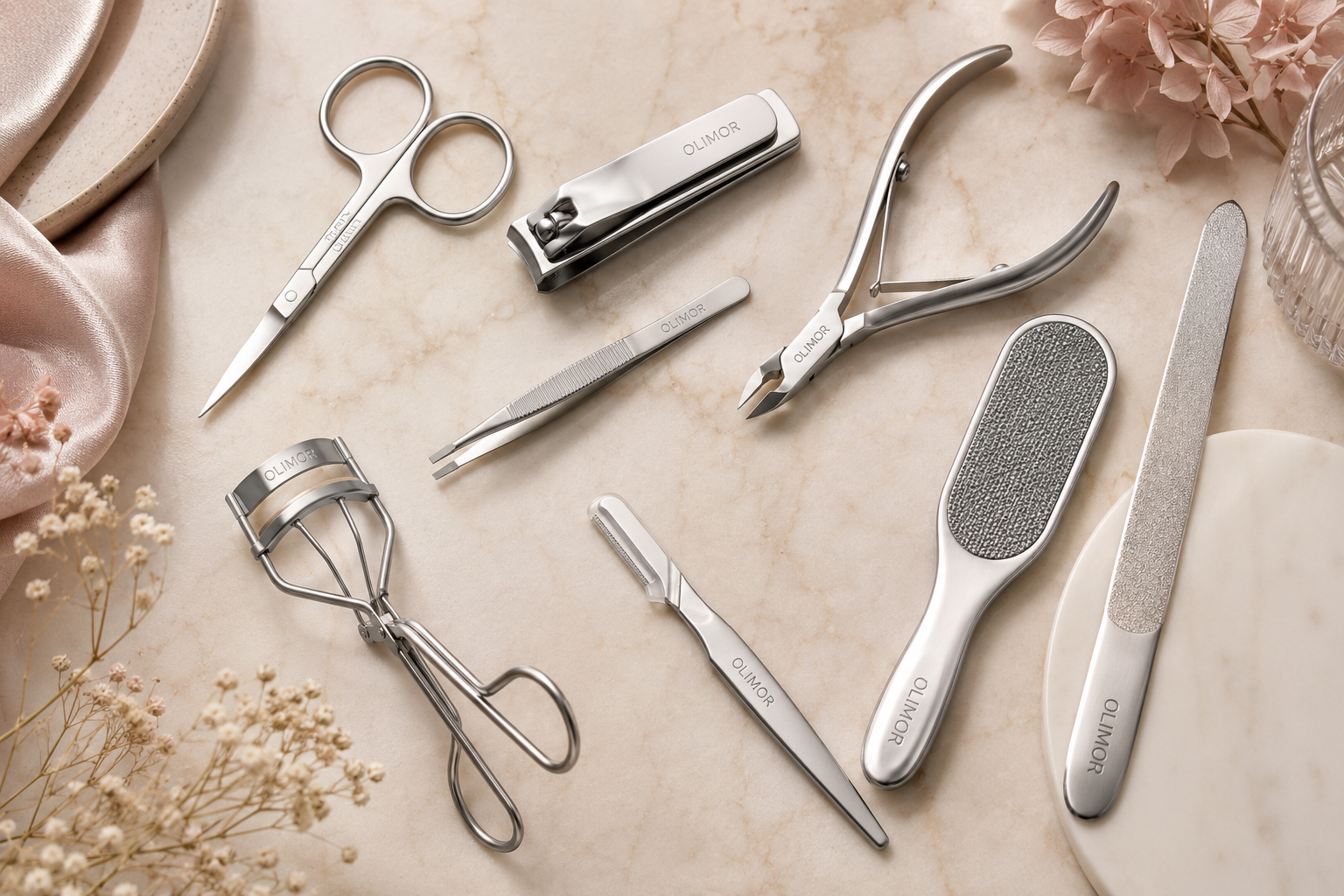
Buyers planning a broader assortment can review related beauty tool products to compare nail clippers with files, scissors, tweezers and other daily grooming items.
Fingernail Clippers, Toenail Clippers and Sets
One clipper can sometimes handle multiple tasks, but fingernails and toenails are not the same. Fingernails are generally trimmed with more attention to shape and symmetry. Toenails are often thicker, flatter and easier to manage with a tool that provides more leverage and a suitable jaw opening.
For end users, using the correct clipper improves comfort and reduces the temptation to cut too aggressively. For retailers and beauty brands, offering the right configuration can improve customer satisfaction because the tool matches the routine the customer actually performs.
| Option | Best Use | What to Check | Commercial Fit |
|---|---|---|---|
| Small fingernail clipper | Detailed trimming, shaping and handbag use | Blade alignment, compact control and smooth lever feel | Single retail item, travel kit, manicure set |
| Larger toenail clipper | Reducing thicker toenails with better leverage | Jaw opening, grip stability and comfort under pressure | Pedicure set, home grooming range, practical care kit |
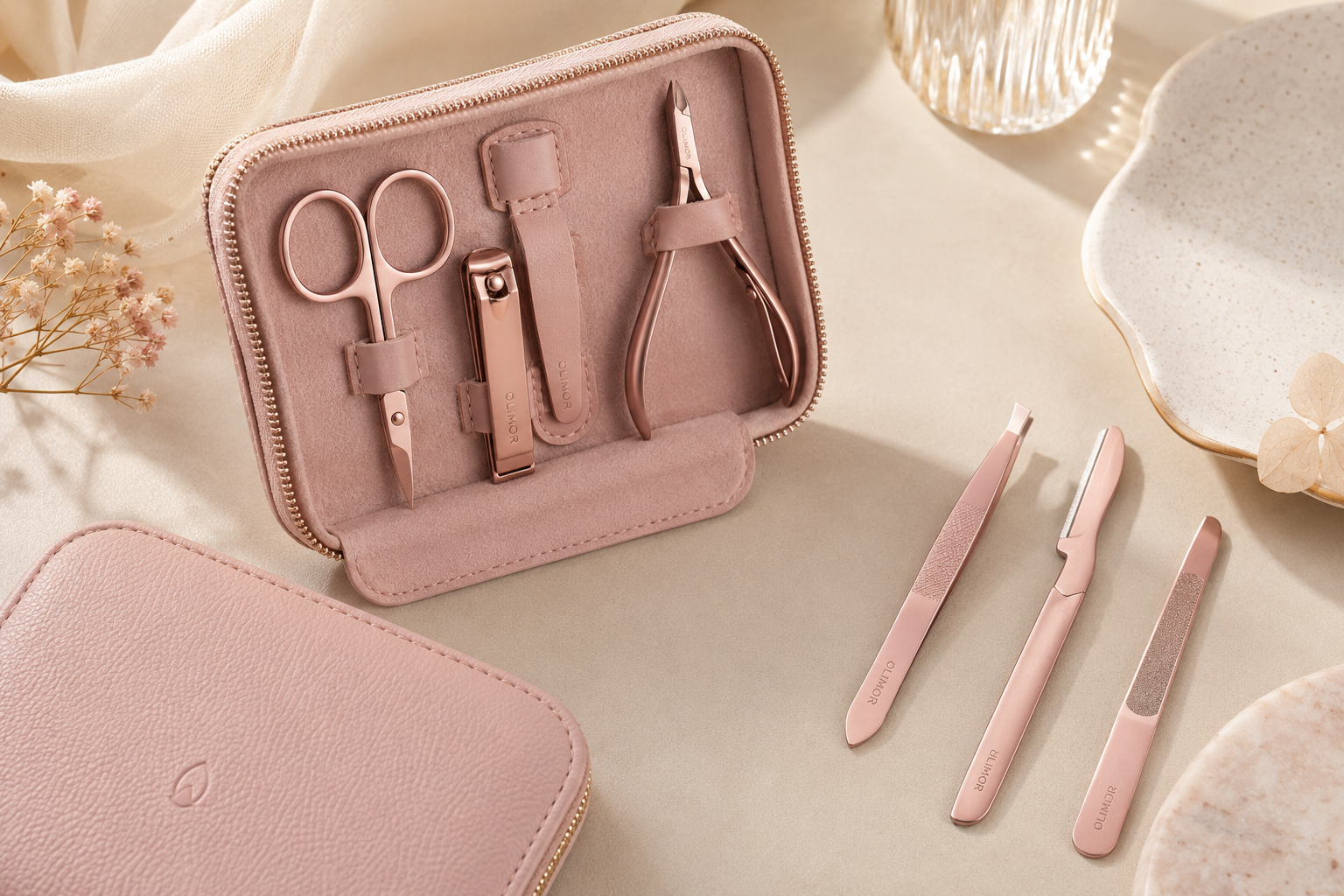
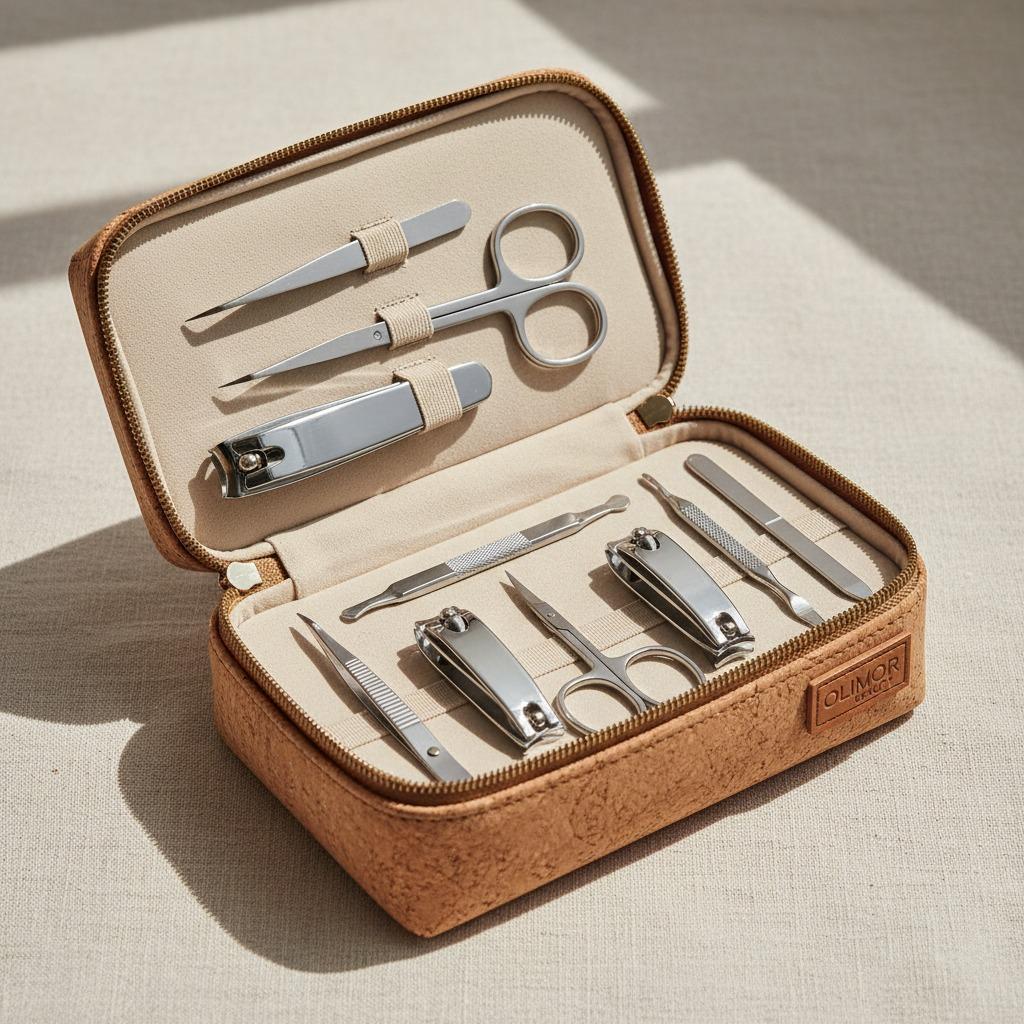
| Two-piece clipper set | Separate tools for fingernails and toenails | Clear size difference and consistent finish across both tools | Gift set, daily grooming pack, value-focused assortment |
| Clipper with catcher or attachment | Users who value tidier trimming | Whether the added part is easy to empty and clean | Convenience-focused retail item or travel-friendly pack |
Material, Manufacturing and Inspection Details That Matter
Stainless steel is widely used for nail clippers because it is durable, easy to wipe clean and suitable for a tool that may be exposed to water during routine grooming. However, the material name alone does not determine quality. A clipper also depends on edge finishing, pivot assembly, lever fit, surface treatment and inspection consistency.
When reviewing samples, inspect the tool visually and by hand. The cutting edges should be symmetrical and free from obvious burrs. The lever should sit securely and move without excessive looseness. The body should not have sharp unfinished areas that could irritate the fingers. If the clipper includes a nail catcher, colored coating or decorative surface, confirm that the added feature does not interfere with operation or cleaning.
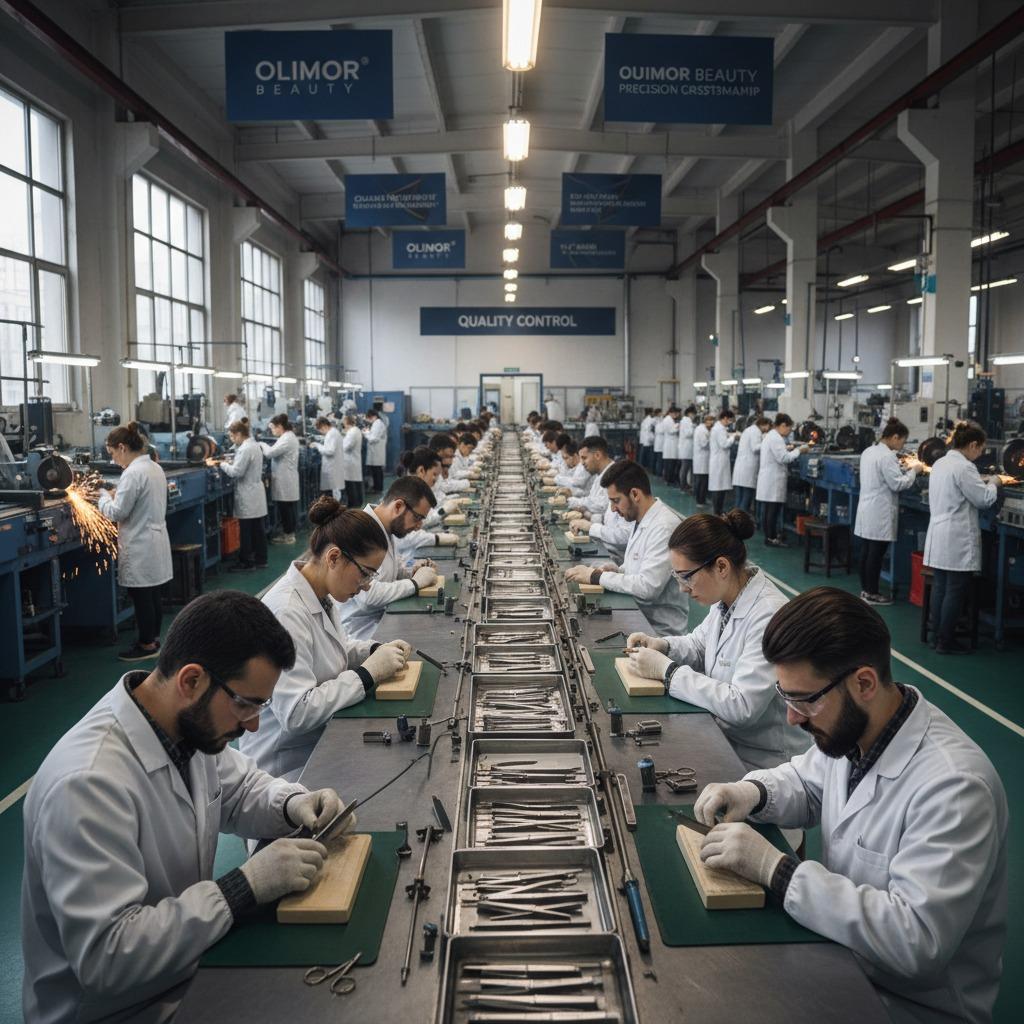
For sourcing teams, practical inspection can include opening and closing the tool repeatedly, checking whether the blades still meet evenly, trimming different nail thicknesses where appropriate, and wiping the surface to see whether residue collects in hard-to-clean areas. These checks do not replace supplier quality documents, but they help buyers identify whether a sample is suitable for the intended customer experience.
Depending on the sales market and product finish, buyers may need to consider chemical or labeling requirements such as EU REACH or California Proposition 65. These frameworks can be relevant to materials, coatings or packaging claims. Requirements change, so buyers should verify current versions and request applicable supplier documents rather than relying on assumptions.
How to Use Women’s Nail Clippers for Better Results
Good technique helps even a simple clipper perform better. The safest approach is to trim gradually, avoid cutting too deeply and finish shaping with a file. This reduces stress on the nail edge and gives the user more control over the final shape.
- Clean hands or feet first. Wash and dry the nails so the tool can grip clearly and residue is easier to remove afterward.
- Use the right size clipper. Choose a smaller clipper for detailed fingernail work and a larger clipper for toenails when more leverage is needed.
- Trim in small sections. Several controlled cuts are usually better than one wide cut across the full nail.
- Follow the natural fingernail shape. Avoid cutting deeply into the side corners, especially when shaping rounded nails.
- Trim toenails more straight across. A straighter cut helps reduce pressure at the sides of the nail.
- File after clipping. A nail file smooths small edges and completes the shape.
- Clean the clipper after use. Wipe away nail fragments and store the tool in a dry place.
If a clipper pulls, crushes or leaves visibly ragged edges, do not compensate by pressing harder. The tool may be dull, misaligned or the wrong size for the nail being trimmed.
Common Nail Clipper Problems and How to Evaluate Them
Some complaints about nail clippers come from poor technique, but many are caused by design or manufacturing issues. B2B buyers should identify these issues during sample review because they directly affect product reviews, returns and repeat orders.
The clipper leaves jagged nail edges
This can happen when the cutting edges are dull, uneven or misaligned. It may also occur if the user tries to remove too much nail in one cut. During evaluation, compare the cut surface after several small clips. A good tool should reduce the amount of filing needed.
The lever requires too much force
Excessive force can make trimming uncomfortable, especially for users trimming with their non-dominant hand. Check whether the jaw size suits the nail thickness and whether the lever mechanism feels smooth. For toenails, a larger clipper may be more appropriate.
The tool is hard to clean
Decorative shapes, deep grooves or poorly fitted catchers may trap nail dust. A retail feature that looks convenient should still allow users to wipe, empty and dry the clipper easily.
The clipper feels loose after use
A loose lever or unstable body can affect blade alignment and user confidence. Buyers should check sample consistency and ask the supplier how production inspection addresses assembly stability.
Cost Factors for Retail and B2B Buyers
Nail clipper cost is influenced by more than the tool itself. Material choice, finishing complexity, packaging, set configuration, customization, inspection requirements and order planning can all affect the final commercial offer. A basic compact clipper, a two-piece stainless steel set and a gift-ready manicure kit will not have the same cost structure.
Buyers should compare options by total value rather than the lowest unit cost alone. A slightly better lever feel, cleaner edge finish or more suitable packaging may support a stronger retail presentation. On the other hand, features that do not improve use, such as unnecessary decorative attachments, may add cost without improving customer satisfaction.
For private label or custom assortment planning, prepare clear information before contacting a supplier: target sales channel, expected user, whether the clipper is standalone or part of a set, preferred finish, packaging direction and any market-specific compliance documents required by the importer or retailer. This helps the supplier recommend realistic options and avoids vague quotations.
Supplier Evaluation Checklist for Nail Clippers
A reliable supplier discussion should include product function, presentation and documentation. Use the following checklist when comparing nail clipper samples or preparing a sourcing brief.
| Checklist Item | Why It Matters | What to Ask or Review |
|---|---|---|
| Sample cutting performance | Confirms real trimming quality before order planning | Does the tool cut thin and thicker nails cleanly without excessive force? |
| Edge and body finish | Affects comfort, safety perception and retail quality | Are there visible burrs, rough surfaces or uneven edges? |
| Lever and pivot stability | Supports control and long-term user satisfaction | Does the lever feel secure after repeated opening and closing? |
| Cleaning and hygiene | Important for daily grooming and travel use | Can nail dust and residue be removed easily? |
| Set configuration | Determines whether the product fits the intended routine | Is the assortment focused on fingernails, toenails, travel or gifting? |
| Packaging and customization | Supports brand positioning and retail display | Which packaging formats and branding options are available for discussion? |
| Compliance documents | Required by many importers and retailers | Which current documents can the supplier provide for the target market? |
For assortment comparison, buyers can also browse Olimor’s beauty tool collections to consider how nail clippers may sit alongside related grooming products.
Care and Storage for Longer Service Life
Nail clippers last longer when they are kept clean, dry and protected from unnecessary impact. After each use, remove nail fragments from the cutting area and wipe the tool. If the clipper has been exposed to water, dry it before storage. Leaving metal tools in a damp bathroom drawer can shorten their useful life and affect appearance over time.
Keep separate tools for fingernails and toenails when possible. This supports hygiene and helps each clipper perform the task it was designed for. A pouch, case or dedicated grooming box can protect the cutting edge from contact with other hard tools. If the clipper starts to crush instead of cut, or if the lever becomes unstable, replacement is usually more practical than applying more pressure.
Choosing Nail Clippers With Olimor Beauty
The best women’s nail clippers combine clean cutting, comfortable leverage, stable handling, durable materials and easy maintenance. For personal users, that means better control before filing and a neater home manicure or pedicure. For retailers and beauty brands, it means a product that can fit naturally into everyday grooming ranges, travel kits, gift sets and practical nail care assortments.
Olimor Beauty offers nail care and beauty tools for customers seeking practical grooming products. To discuss suitable nail clipper options, set planning or packaging direction, share the intended market, target user and preferred product format through the product inquiry form or contact Olimor Beauty for a focused sourcing conversation.
FAQ
Can buyers request nail clipper samples before placing an order?
Sample discussions are recommended for nail clippers because cutting feel, lever comfort and finish quality should be checked by hand. Contact Olimor Beauty with the intended use, target market and product format so suitable sample options can be discussed.
Is there a fixed MOQ for women’s nail clippers?
MOQ can depend on the specific product, packaging, customization and order requirements. Buyers should confirm the current MOQ during inquiry rather than assuming one quantity applies to every clipper or set.
Can nail clippers be customized for retail or private label projects?
Customization may include packaging direction, set configuration or branding discussion depending on the product and project requirements. Share artwork needs, sales channel and market expectations so the options can be reviewed accurately.
How should buyers evaluate nail clipper quality?
Check edge alignment, cutting smoothness, lever stability, surface finish, cleaning convenience and packaging suitability. Buyers selling into regulated markets should also request current supplier documents relevant to their market and verify applicable requirements.