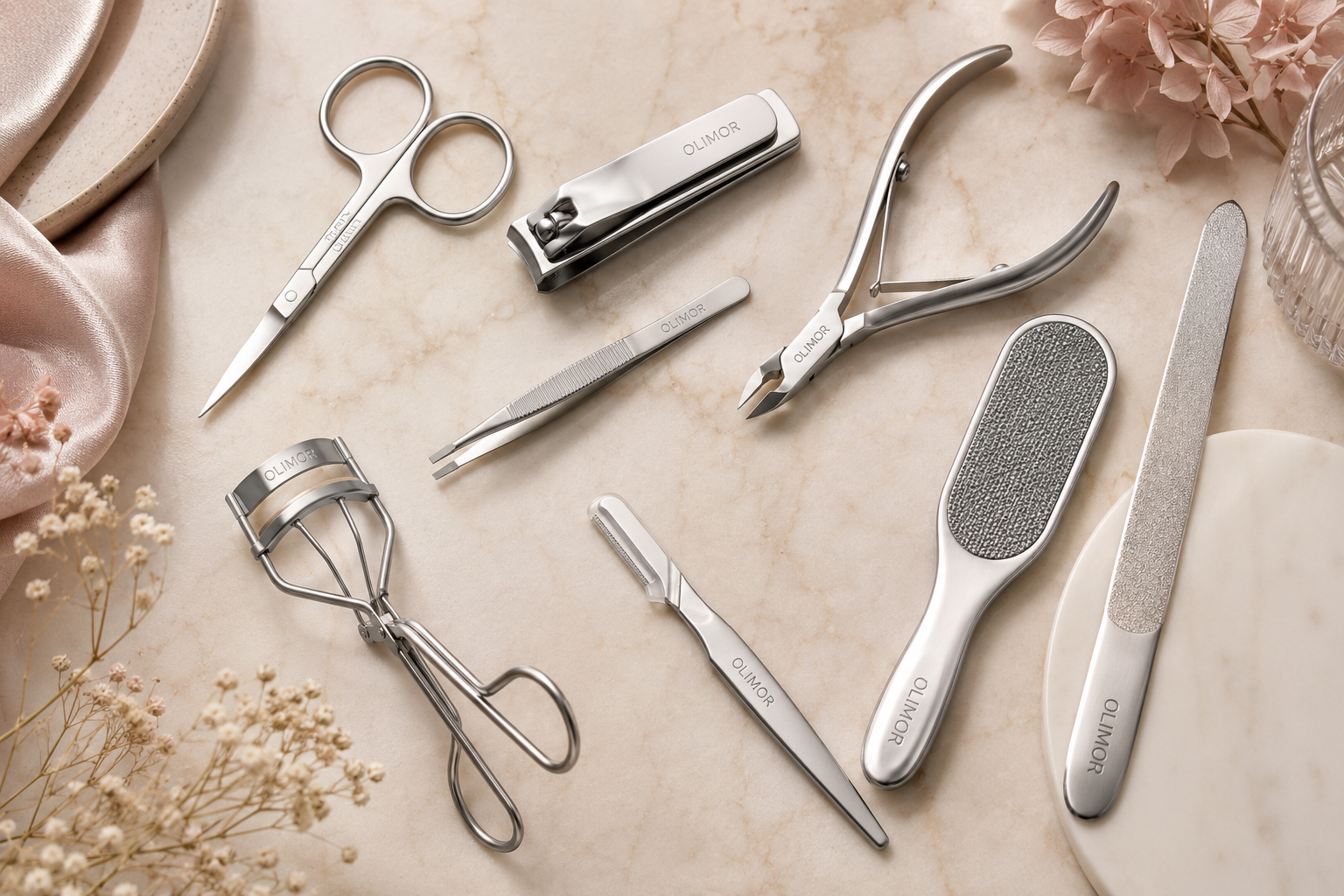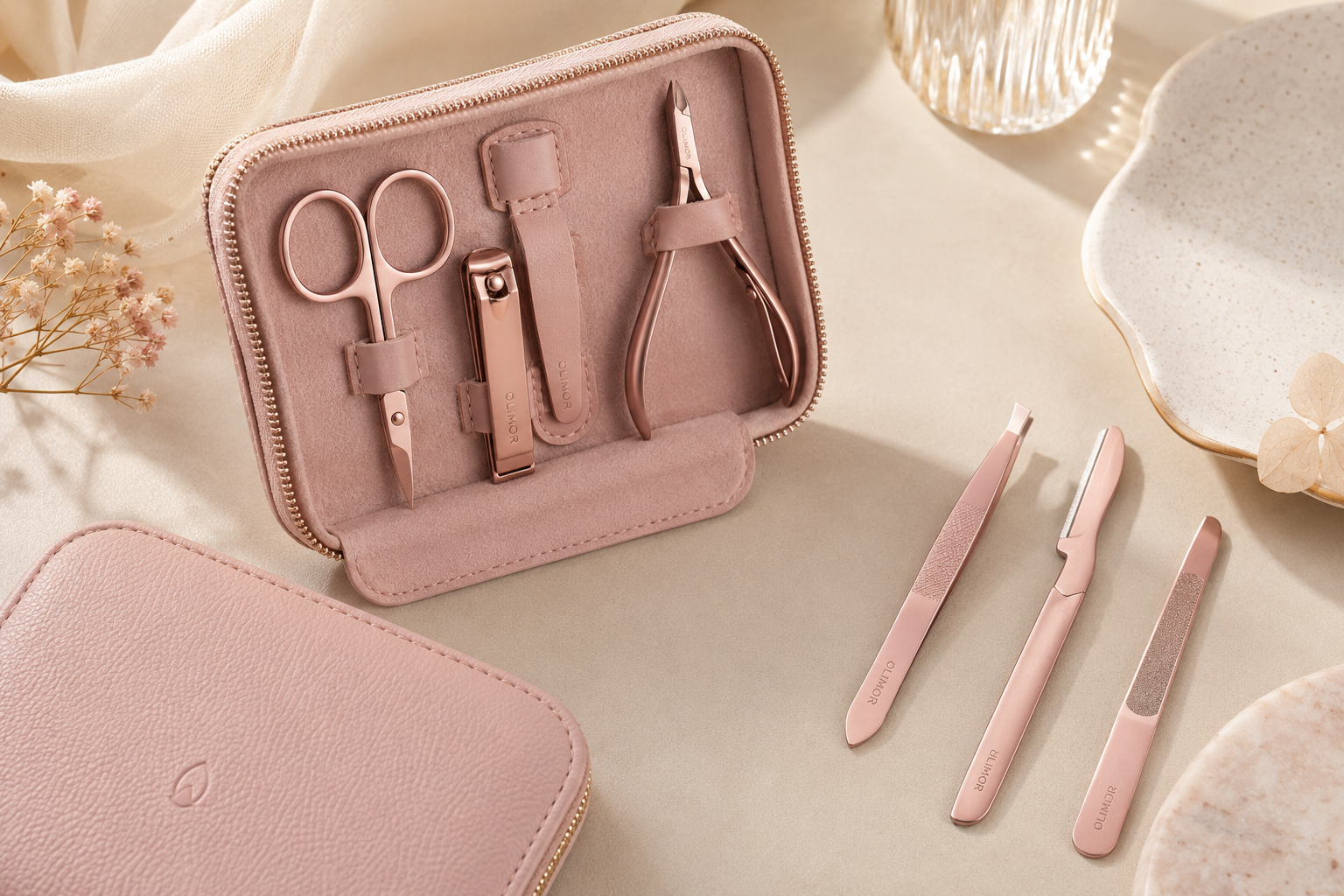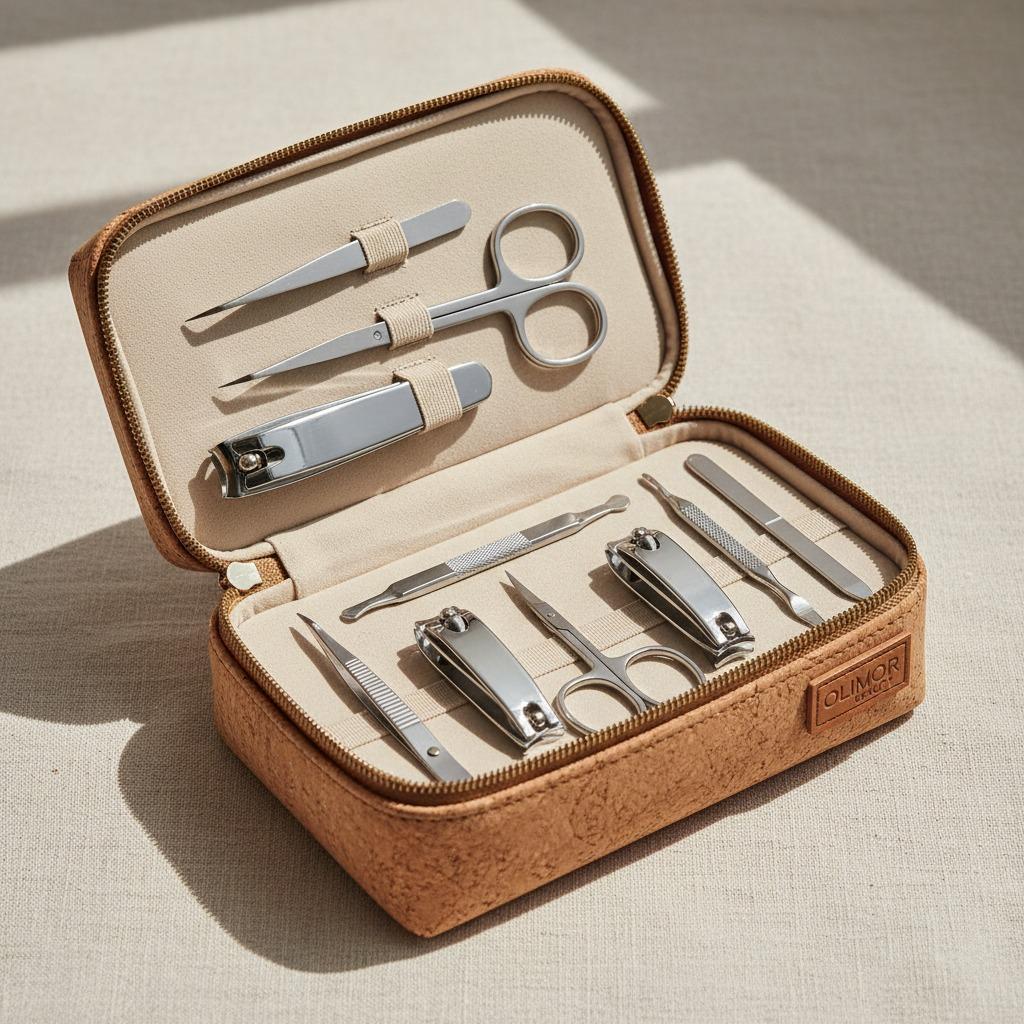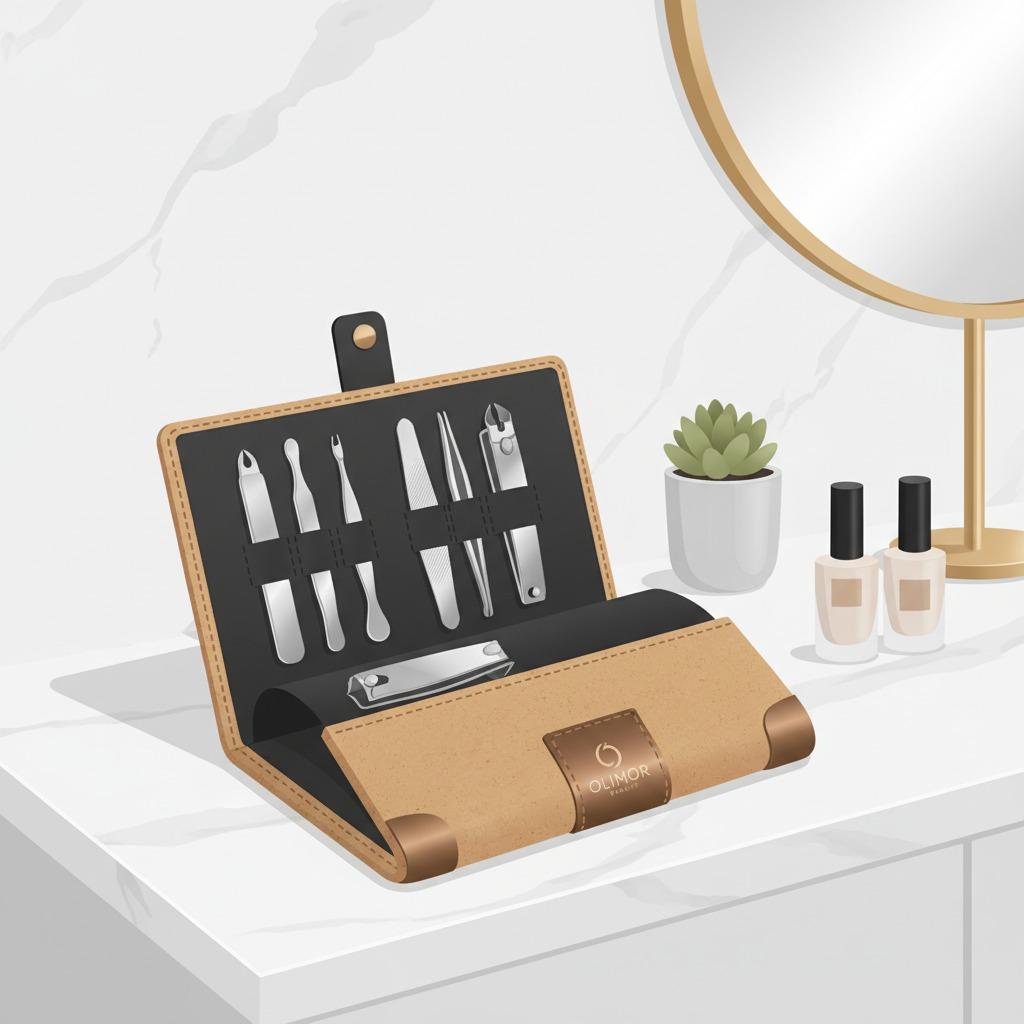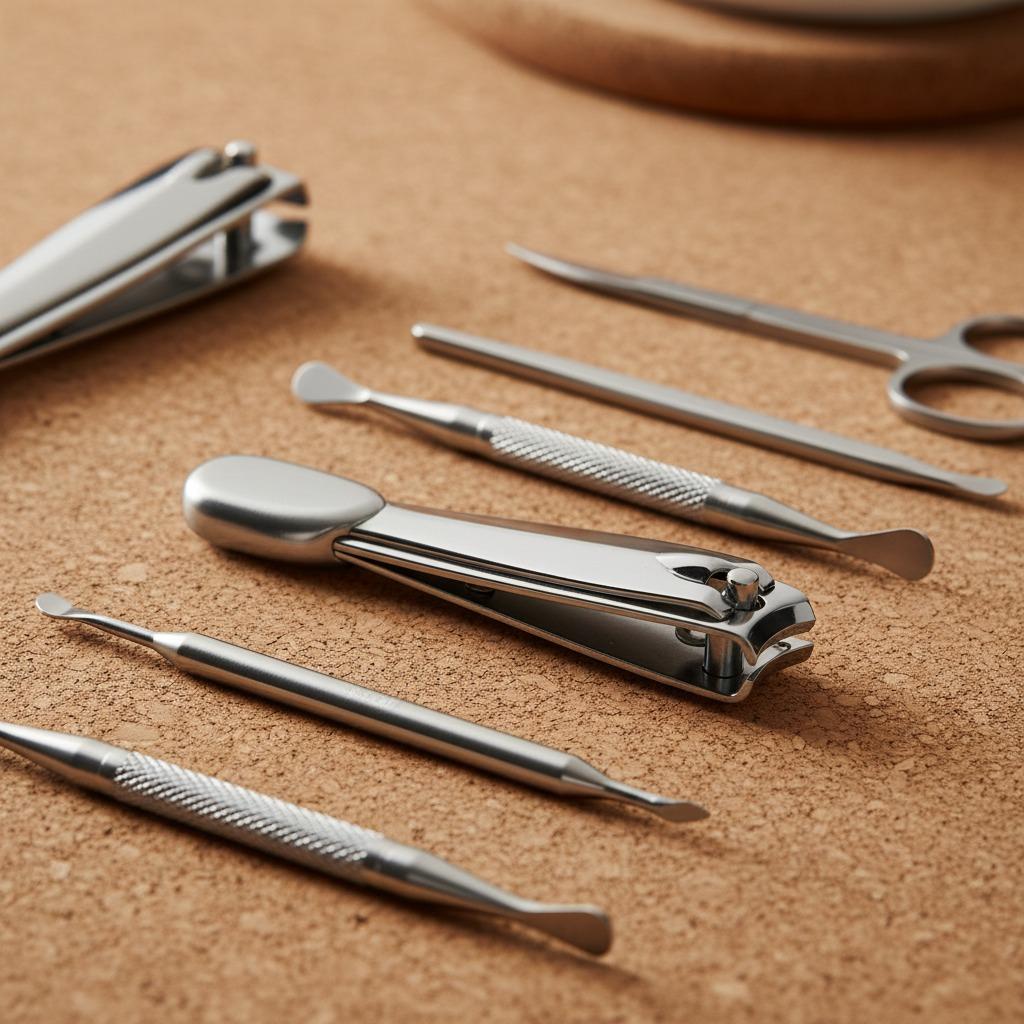











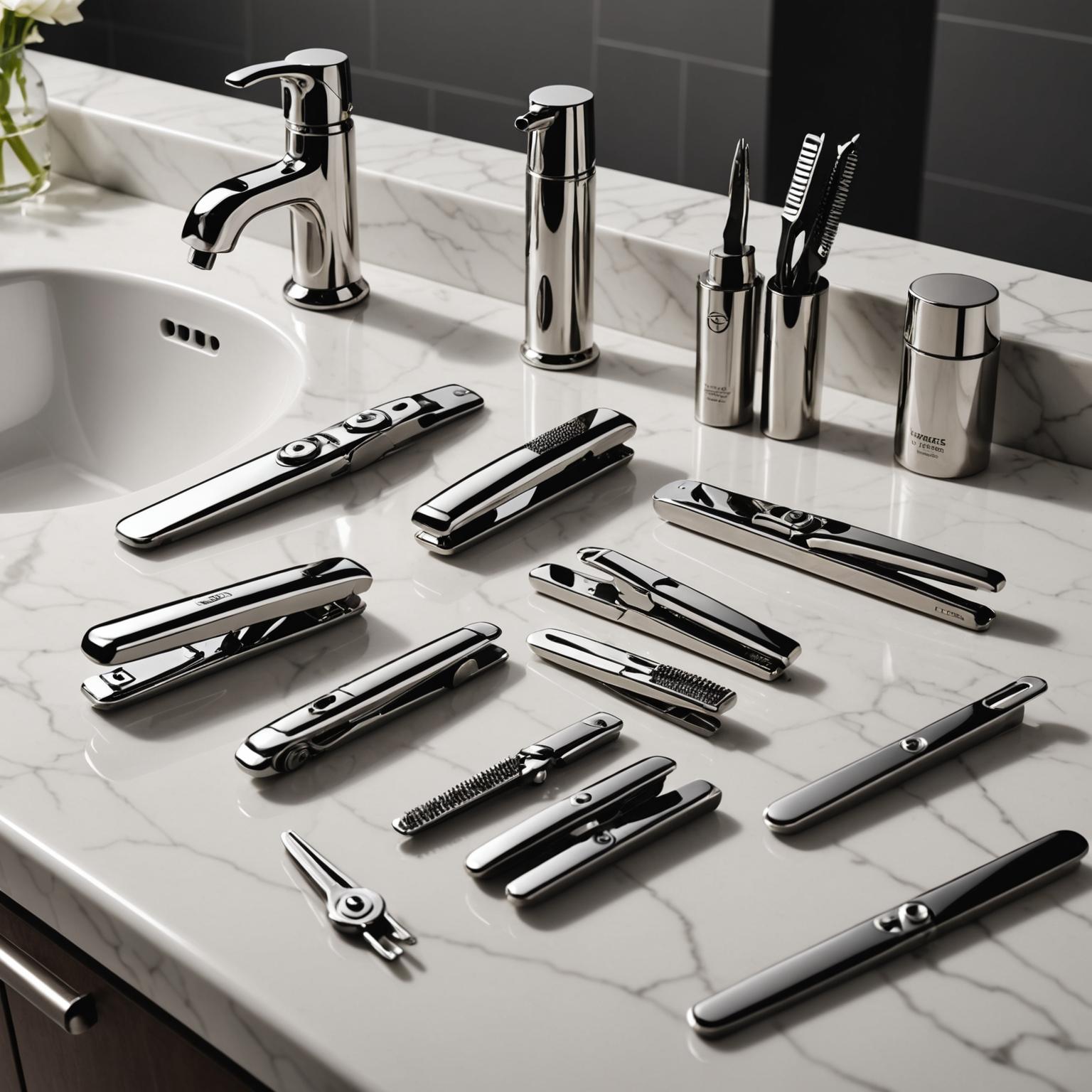
Women’s nail clippers may look simple, but the difference between an ordinary clipper and a well-made grooming tool becomes clear the moment it touches the nail. A clean cut reduces the need for heavy filing, helps prevent rough edges from catching on fabric, and supports a more comfortable nail care routine at home. For buyers comparing personal grooming tools, the most important questions are practical: Is the metal durable? Are the cutting edges aligned? Does the handle feel stable? Can the clipper be stored hygienically and used comfortably on different nail shapes?
This guide explains how to evaluate women’s nail clippers from a product quality and user experience perspective. It is written for consumers building a better grooming kit, salon and spa buyers comparing everyday tools, and distributors sourcing reliable beauty tools for retail or private-label programs. If you are reviewing options beyond clippers, Olimor’s beauty tool products and product collections can help you compare related grooming categories.
Why Precision Matters in Women’s Nail Clippers
Precision is not only about creating a neat appearance. Fingernails and toenails are layered structures, and a dull or poorly aligned clipper can crush rather than cut. That pressure may leave the free edge uneven, which can lead to splitting, peeling, or a jagged finish that requires extra filing. A quality clipper should close smoothly, cut predictably, and leave an edge that needs only light finishing.
For women’s grooming, nail length and shape vary widely. Some users prefer short, practical nails; others maintain a shaped edge before applying polish or nail treatments. A precise clipper gives better control in both cases. It allows small, gradual cuts rather than forcing a single large cut across the nail. This matters especially when trimming curved corners, shorter nails, or nails that have been weakened by polish removal, frequent washing, or environmental dryness.
A good cutting action also supports hygiene. When trimming is smooth, there is less tearing around the nail edge and less temptation to pull hangnails or loose layers. Clippers are not a replacement for a file, cuticle tool, or professional nail care when there is a medical concern, but they are the foundation of routine grooming.
Stainless Steel and Long-Term Durability
The original product description highlights surgical-grade stainless steel as a key material for Olimor Beauty nail clippers. For a grooming tool that is exposed to hand washing, bathroom humidity, disinfecting routines, and repeated handling, stainless steel is a practical choice. Its value is not only its clean appearance; it is also associated with durability, corrosion resistance, and the ability to maintain functional edges when manufactured and cared for properly.
Material quality affects several aspects of the user experience. A clipper made from stable stainless steel feels more rigid during use, which helps transfer pressure efficiently from the lever to the cutting jaws. That rigidity can make trimming feel controlled rather than spongy. Corrosion resistance also matters because rust or surface pitting can interfere with hygiene and cutting performance over time.
When comparing stainless steel nail clippers, avoid judging by shine alone. A bright finish can be attractive, but the more important checks are edge alignment, surface smoothness, lever tension, and whether the tool feels balanced in the hand. For sourcing teams, the material claim should be considered together with incoming material control, cutting-edge finishing, and final inspection. For individual users, it is worth choosing a clipper that feels solid, closes evenly, and can be cleaned easily after use.
Ergonomic Handling: Small Details That Change Daily Use
Ergonomics are especially important because nail clipping requires pressure, angle control, and visibility at the same time. A clipper that slips, twists, or requires excessive force can make grooming awkward. Olimor Beauty’s description emphasizes an ergonomic shape designed for comfortable handling, along with a sleek profile and practical handle hole for storage. These details may seem minor, but they have real everyday value.
The lever should be easy to press without feeling loose. The body should provide enough grip for controlled placement, especially when trimming the non-dominant hand. The cutting head should be easy to position so the user can follow the natural curve of the nail without cutting too deeply at the sides. For many users, comfort also depends on clipper size: a very small clipper may lack leverage, while an oversized one may be harder to control on fingernails.
For shared household use or travel kits, storage features matter. A handle hole can allow the clipper to be hung or attached to an organizer, reducing the chance it is left in damp areas or mixed loosely with cosmetic items. Good storage protects the cutting edges and makes the tool easier to keep clean.
What to Check Before Buying or Sourcing Nail Clippers
Whether you are purchasing one clipper for personal use or evaluating a larger order for retail, a structured checklist helps separate cosmetic appeal from practical quality. The following points are useful for women’s nail clippers, men’s nail clippers, and complete nail clipper sets.
- Cutting edge alignment: The upper and lower edges should meet evenly without visible gaps or offset contact.
- Cutting feel: The clipper should cut smoothly without crushing, bending, or requiring repeated pressure on the same area.
- Lever stability: The handle should press down firmly and return without wobbling excessively.
- Surface finish: Edges that contact the hand should feel smooth, with no burrs or sharp non-cutting corners.
- Material suitability: Stainless steel is preferred for durability, cleanability, and resistance to humid bathroom conditions.
- Size and curve: The jaw width and curve should match the intended use, whether for fingernails, toenails, or a mixed grooming kit.
- Storage design: A handle hole or compact shape can make the tool easier to store, hang, or pack for travel.
- Packaging practicality: For retail or professional use, packaging should protect the cutting edge and present the tool clearly.
For sourcing discussions, these checks can be translated into inspection criteria. Instead of relying only on a product photo, buyers can evaluate samples for cutting consistency, surface finishing, and user comfort. If you are comparing product options for a program, you can send an inquiry with your intended market, preferred packaging direction, and use case.
How to Trim Nails Cleanly With Less Splitting
Even a well-made clipper performs best when used correctly. The goal is controlled trimming, not forcing the nail into a final shape in one cut. Start with clean, dry hands. Some people prefer trimming after a shower when nails are slightly softer, but overly softened nails can bend; the best timing depends on nail thickness and personal comfort.
- Inspect the nail first. Look for cracks, peeling layers, or sensitive areas before cutting.
- Trim in small sections. Use two or three smaller cuts across the free edge instead of one deep cut.
- Follow the natural shape. Avoid cutting too far into the corners, especially on toenails.
- Leave a fine margin. Cutting too close can expose tender skin and increase discomfort.
- File lightly afterward. A fine file can smooth the edge and refine the shape after clipping.
- Clean the clipper. Remove nail fragments and wipe the tool before storing it in a dry place.
If nails are unusually thick, painful, discolored, or repeatedly ingrown, routine cosmetic tools may not be enough. In those cases, professional guidance is more appropriate than applying extra force with a standard clipper.
Maintenance and Hygiene for Stainless Steel Clippers
Good maintenance extends the useful life of women’s nail clippers and keeps grooming more hygienic. After each use, remove visible nail debris from the cutting area. Wipe the clipper with a clean dry cloth, especially around the joint and under the lever where moisture can remain. If the clipper has been used in a shared setting, follow an appropriate cleaning routine before storing it.
Dry storage is one of the simplest ways to protect the tool. Bathrooms are convenient but often humid, so it is better to keep clippers in a drawer, pouch, or ventilated organizer rather than on a wet countertop. Avoid tossing the clipper loosely into a makeup bag with abrasive items, as repeated impact can affect the cutting edges. If the tool begins to pull, crush, or leave rough edges despite careful use, it may be time to replace it.
For retail buyers and distributors, maintenance instructions can add value to packaging or product pages. Clear care guidance reduces misuse and helps customers understand why stainless steel tools still benefit from proper drying, cleaning, and storage.
Olimor Beauty’s Approach to Practical Grooming Tools
A reliable nail clipper depends on more than a polished appearance. It requires suitable material selection, accurate cutting-edge formation, comfortable handling, and consistent inspection before packaging. The original product information emphasizes Olimor Beauty’s attention to manufacturing steps and quality checks, from stainless steel selection to final packaging. For a small tool used frequently, that production discipline is important.
When selecting women’s nail clippers for a personal kit, look for the details that affect real use: a sharp and even cut, a stable lever, comfortable grip, corrosion-resistant stainless steel, and practical storage. When sourcing for a business, compare samples carefully and define the user scenario before making a decision. A clipper intended for a travel set may prioritize compactness, while a home grooming kit may benefit from stronger leverage and a slightly larger grip area.
Olimor Beauty supports buyers looking for functional grooming tools that balance appearance with everyday performance. To discuss nail clippers, nail clipper sets, or related personal care tools, visit the contact Olimor page or explore current beauty tool products for category reference.