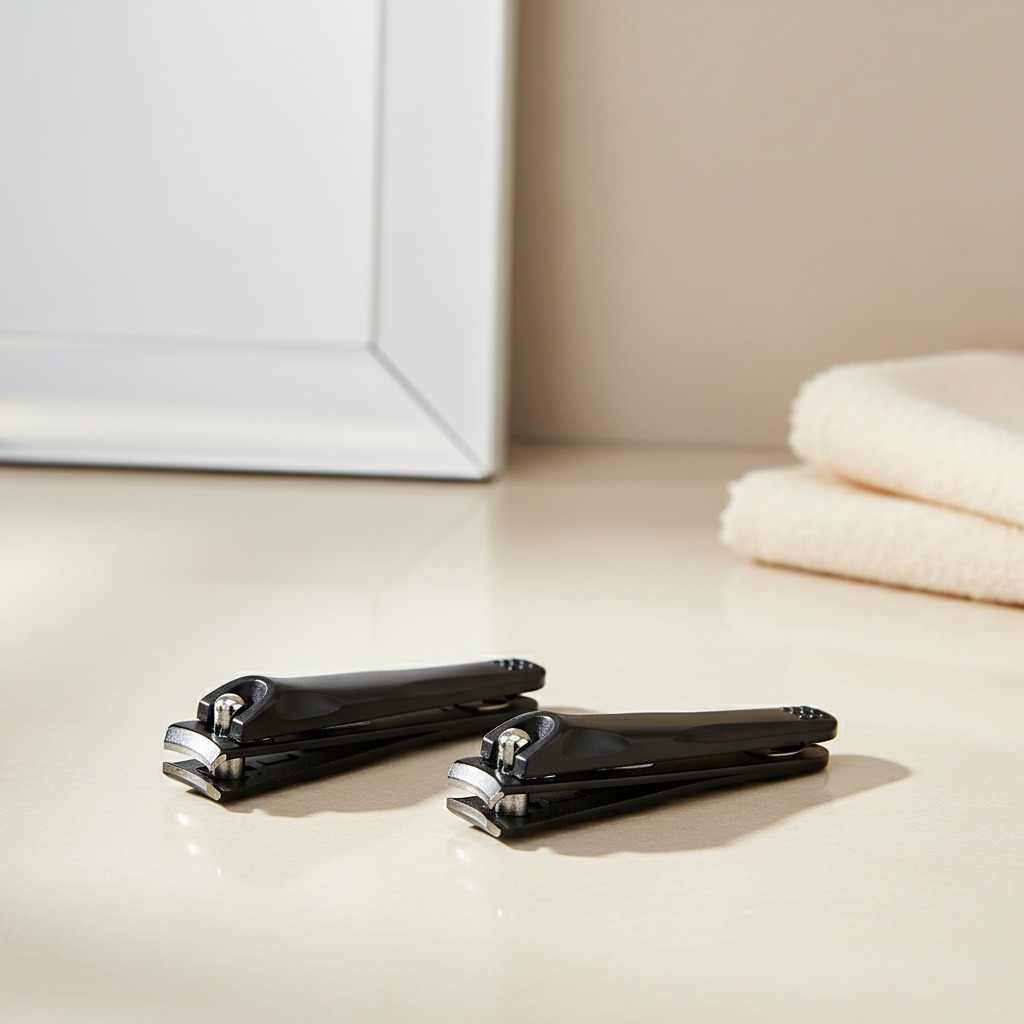












Wholesale salon supplies are not only a purchasing category; they shape the quality, speed and consistency of daily beauty services. A lash artist needs tweezers that close accurately. A nail technician needs manicure tools that feel controlled in the hand. A salon owner needs products that can be reordered reliably and stored without unnecessary waste. For buyers comparing professional beauty tools suppliers, the goal is to choose tools that support clean technique, repeatable results and a professional client experience.
Olimor Beauty supplies beauty tools for professional use, including stainless steel tools and a False Lash Tweezer designed for precise lash application. When you source tools in volume, even small details matter: grip texture, tip alignment, packaging, finish, cleaning practicality and consistency across batches. This guide explains how to evaluate wholesale salon supplies before placing an order, especially if you are buying for a salon, spa, lash studio, nail bar, training school or beauty-tool retail business.
Start With the Services Your Salon Actually Performs
The best wholesale order begins with your service menu. A salon focused on lash extensions will need different tools from a manicure studio or spa treatment room. Buying broadly can be tempting, but unused tools increase inventory costs and complicate storage. Instead, map each service to the tool types needed for preparation, application, finishing and sanitation.
For lash services, tweezers are central to accuracy. A False Lash Tweezer made from high-grade stainless steel can help with controlled placement and gentle handling of delicate extensions. For nail services, manicure tools should support careful cuticle work, product preparation and finishing. For spa and brow services, smaller precision tools often need to be light, stable and easy to clean between appointments.
Before reviewing supplier catalogs, prepare a short internal list of your core requirements:
- Which services generate the most repeat bookings?
- Which tools are used by every technician each day?
- Which items need frequent replacement due to wear, loss or sanitation protocols?
- Which tools require multiple shapes or sizes for different techniques?
- Which products need retail-ready packaging versus back-bar professional packaging?
This prevents overbuying and helps you compare beauty tool products based on actual usage rather than catalog volume.
What to Look for in Professional Beauty Tools Suppliers
A professional beauty tools supplier should be evaluated on more than product appearance. For wholesale salon supplies, the purchasing decision usually affects multiple technicians and many clients. The supplier should make it easy to understand tool purpose, material claims, quality control approach and reorder options. Clear communication and stable product presentation reduce the risk of receiving tools that do not match your workflow.
When comparing salon wholesale distributors, pay attention to the way products are described. A useful listing should identify the tool type, intended application and important handling features. For tweezers supplier products, tip shape, alignment, grip and closing tension can matter as much as the base material. For manicure tools wholesale, edge finish, hand feel and cleaning compatibility are often important considerations.
A dependable supplier should also help buyers make practical sourcing decisions. That does not mean every item must come with complicated specifications, but the supplier should be able to provide product information that supports buying confidence. If you are sourcing for a team, ask your senior technicians to review samples or product details before committing to a larger assortment. Their feedback often identifies issues that are not visible in photos, such as hand fatigue, awkward balance or inconsistent pressure.
Evaluating Tweezers for Lash and Detail Work
Tweezers are among the most sensitive professional beauty tools because they directly affect precision. In lash extension services, a tweezer must grip without crushing, isolate without pulling and release cleanly at the right moment. The original product information highlights Olimor Beauty's False Lash Tweezer with a high-grade stainless steel design for precise lash application. Stainless steel is valued in professional tools because it can offer durability and a clean, polished working surface when properly manufactured and maintained.
For wholesale buyers, tweezer selection should be based on technique and technician preference. Straight, curved and angled forms can support different handling styles, though you should avoid choosing a shape only because it looks familiar. If your team performs volume lash work, classic lash applications and touch-ups, you may need more than one tweezer type in your assortment.
Use this checklist when reviewing tweezers:
- Tip alignment: The tips should meet evenly enough to grip fine materials with control.
- Closing feel: Pressure should be comfortable during repeated use, without excessive hand strain.
- Grip texture: A textured grip can improve control, especially during detailed work.
- Surface finish: Edges and contact areas should feel smooth and professional, not rough or unfinished.
- Cleaning practicality: Tools should be compatible with your salon's cleaning and sanitation workflow.
- Packaging consistency: Wholesale packaging should protect tips from bending or damage during transport and storage.
Because lash tools are used close to the eye area, technicians should inspect every tweezer before use and remove any tool that is bent, misaligned or uncomfortable to control.
Choosing Manicure Tools Wholesale Without Overcomplicating Inventory
Manicure tools wholesale purchasing requires a balance between variety and standardization. Too few tool options can limit technician technique. Too many nearly identical items make reordering difficult and create inconsistent service experiences across a team. The right assortment should support your core services while keeping storage, cleaning and replacement straightforward.
For a salon or training environment, it can help to divide manicure tools into three categories: essential daily-use tools, technique-specific tools and replacement items. Essential tools are used across most services and should be stocked in practical quantities. Technique-specific tools may be needed for selected treatments. Replacement items should be tracked because even durable tools can be lost, dropped or removed from service over time.
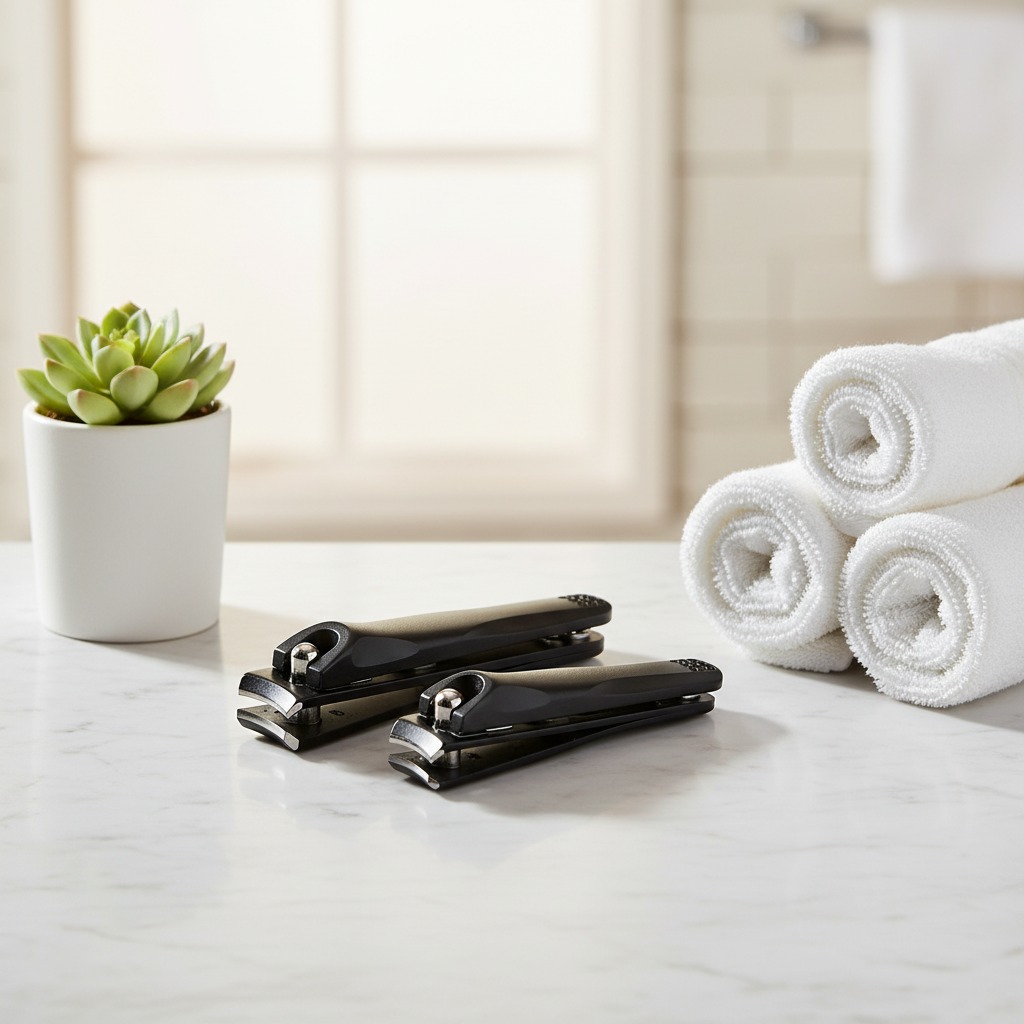
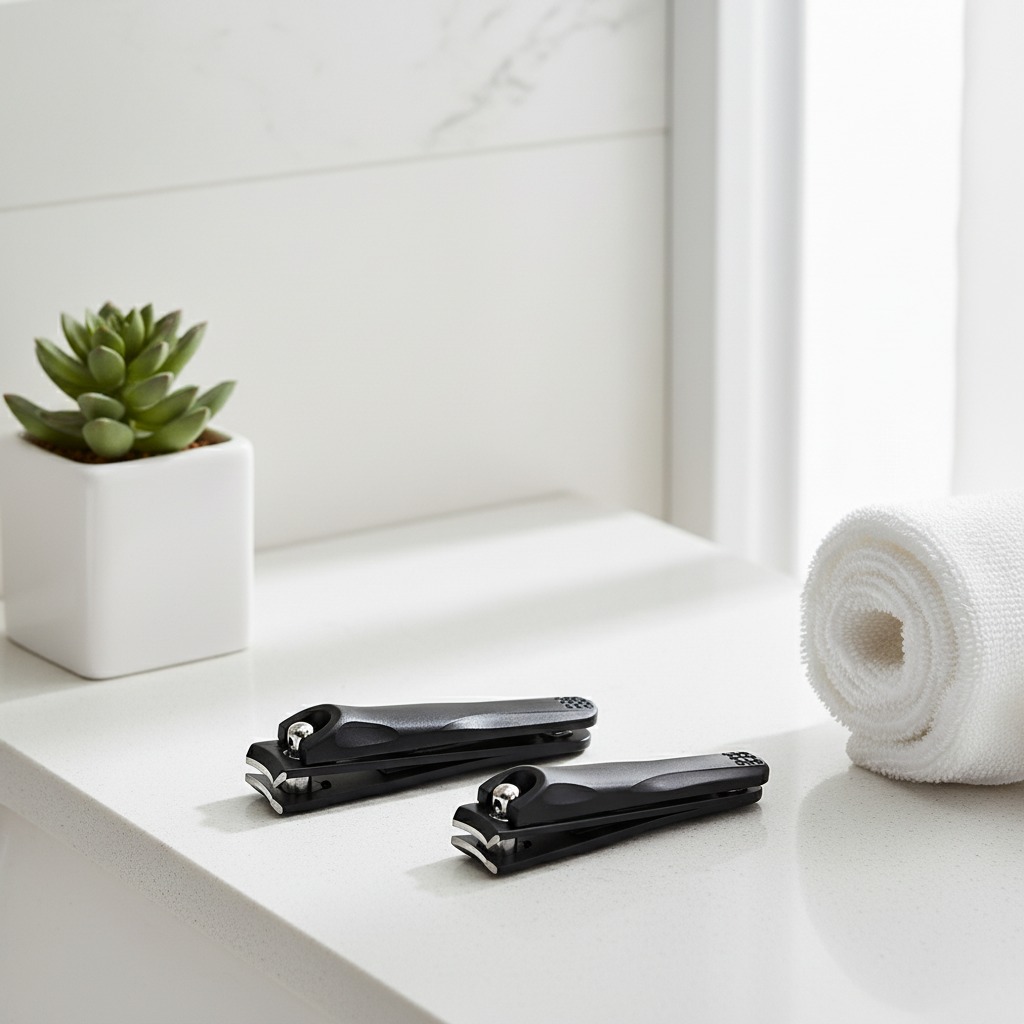
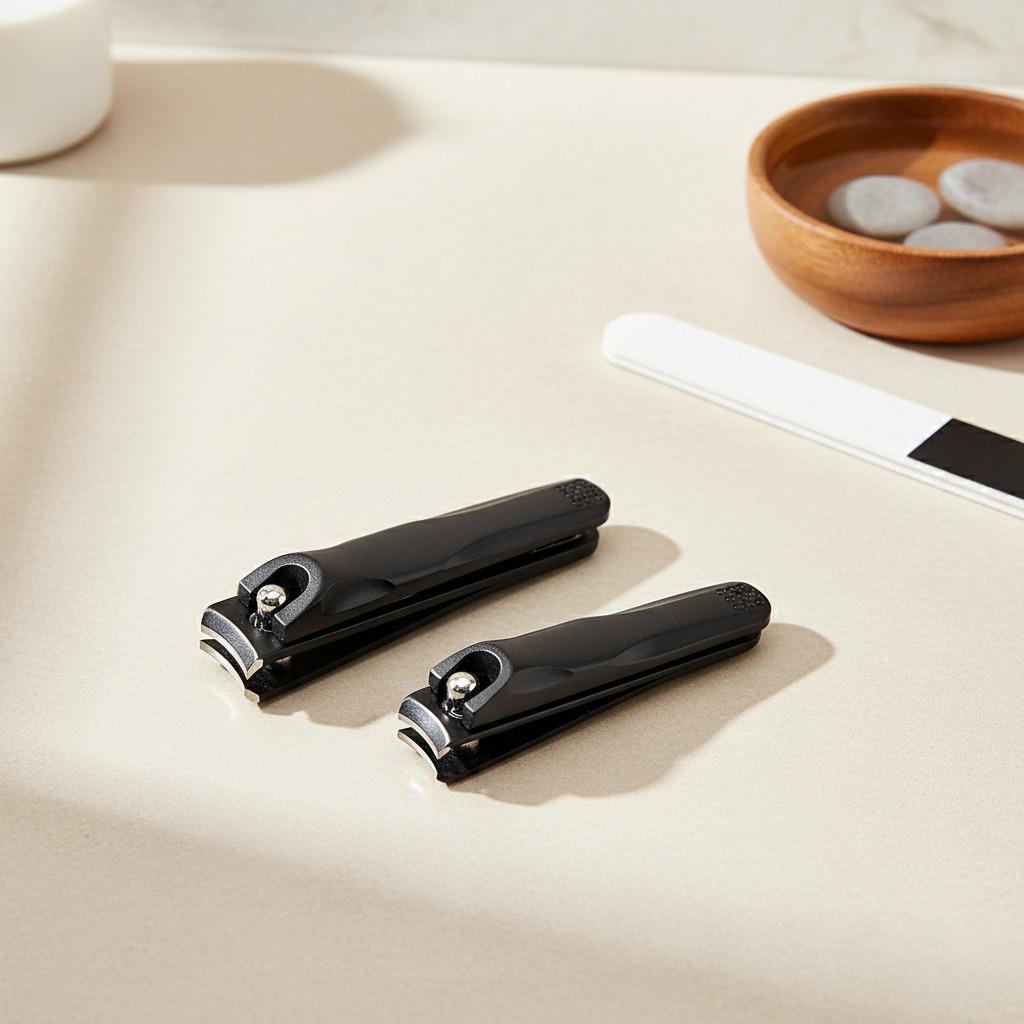
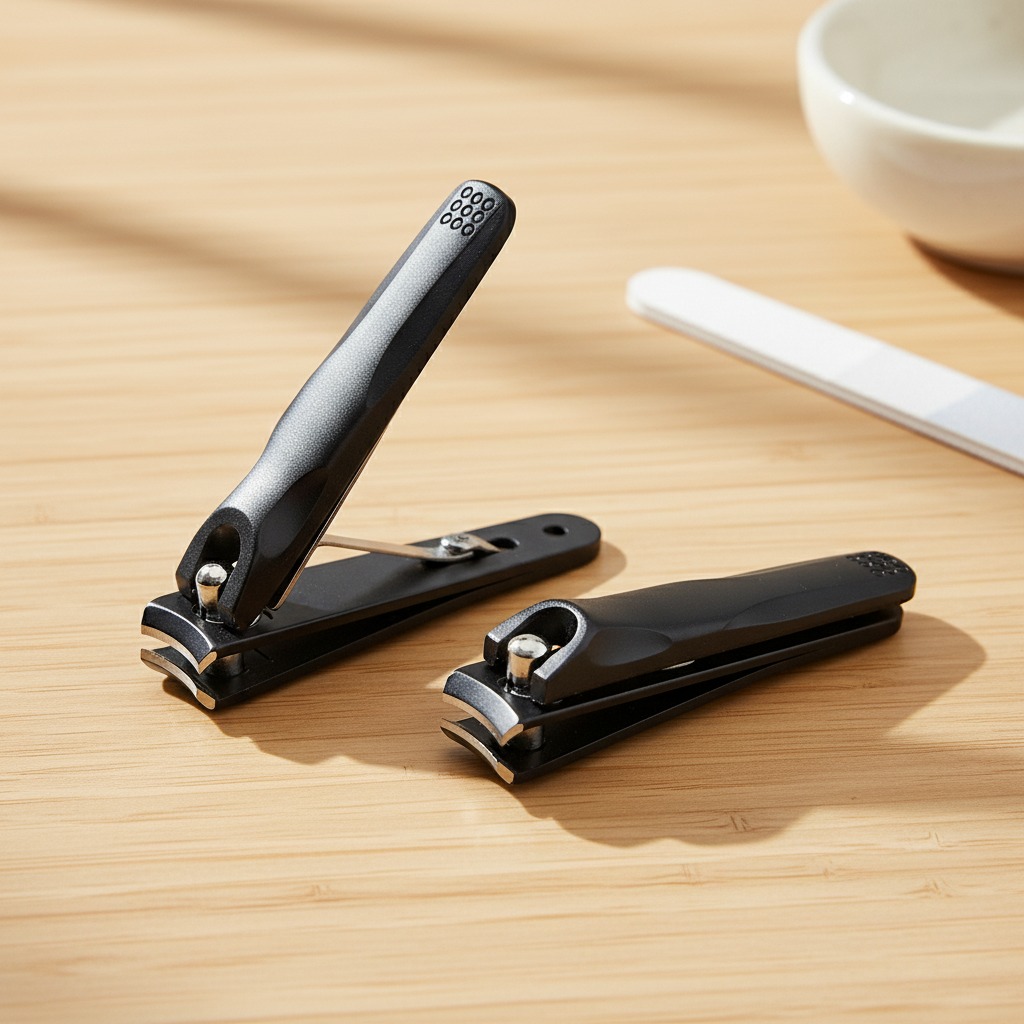
When reviewing a supplier's manicure and spa tool range, focus on tool geometry, hand comfort and finish quality. A tool that feels stable can support precise work and reduce technician fatigue. A tool that is difficult to clean, awkward to hold or inconsistent from piece to piece may create service delays. For buyers building a broader procurement plan, Olimor's product collections can be used as a starting point to compare categories and plan a more organized assortment.
Quality Assurance: What Buyers Should Verify Before Scaling Up
Quality assurance is a major part of wholesale sourcing because problems multiply when products are purchased in volume. The supplied information notes Olimor Beauty's commitment to stringent checks from raw materials to packaging. For buyers, the practical question is how to translate quality assurance into a review process that protects your salon, technicians and clients.
Before increasing order quantities, inspect product samples or initial stock for visible consistency. Look at finish, alignment, grip, packaging condition and whether each tool matches the intended use. If multiple technicians will use the same item, gather feedback from more than one person. A tool may be technically acceptable but poorly suited to your team's working style.
| Evaluation area | Why it matters | What to check |
|---|---|---|
| Material and finish | Affects durability, appearance and cleaning workflow | Smooth surfaces, no sharp unintended edges, consistent finish |
| Precision | Important for lash, brow and detailed nail services | Tip alignment, gripping accuracy, controlled release |
| Ergonomics | Influences technician comfort during repeated services | Weight, balance, grip texture and hand fatigue |
| Packaging | Protects tools in shipping and storage | Tip protection, clear labeling and clean presentation |
| Reorder consistency | Supports stable salon operations | Product naming, category clarity and repeat availability |
This kind of review helps buyers avoid relying only on price. A lower unit cost may not be the best value if tools need frequent replacement, slow down services or create inconsistent technique.
Storage, Cleaning and Daily Tool Care
Even well-made professional beauty tools need responsible handling. Wholesale purchasing should include a plan for storage and maintenance, especially for precision tools such as lash tweezers. Bent tips, scratched surfaces and poor storage habits can shorten tool life and affect service results.
Keep sharp or fine-tip tools separated so they do not strike each other inside drawers or cases. Store tweezers with tip protection when possible. Train staff to inspect tools before each service and to set aside items that are damaged or no longer close properly. Follow your salon's sanitation procedures and any applicable local hygiene requirements for cleaning and disinfecting reusable tools.
For teams, it is useful to create a simple tool responsibility system. Some salons assign tools to individual technicians, while others maintain centralized sterilized sets. Either approach can work if tools are tracked and inspected. Wholesale buyers should also keep a small reserve of key items so a damaged tweezer or manicure tool does not interrupt appointments.
How to Build a Smarter Wholesale Salon Supplies Order
A smart order is not always the largest order. It is the order that matches your service volume, technician preferences and replacement cycle. Begin with essential tools, test usability, then expand with confidence. If you are purchasing for multiple locations or a growing team, document the exact products that work well so future reorders are consistent.
Use a staged buying approach:
- Define the service categories: Lash, manicure, brow, spa or mixed salon use.
- Identify critical tools: Prioritize items used daily or used for precision work.
- Review product details: Confirm material claims, intended use and handling features.
- Test with technicians: Collect feedback on comfort, control and service fit.
- Check packaging and storage: Make sure tools arrive protected and can be organized easily.
- Standardize reorders: Keep purchasing notes so the same approved tools can be sourced again.
For custom sourcing questions, category planning or wholesale purchasing discussions, you can contact Olimor or send an inquiry with the tool types and service applications you are evaluating.
Final Buying Considerations for Salons and Beauty Businesses
Wholesale salon supplies should make professional work more consistent, not more complicated. For lash artists, a well-made False Lash Tweezer can support controlled application and gentle handling. For nail technicians, carefully selected manicure tools can improve service flow and reduce unnecessary tool changes. For salon owners, supplier reliability and quality checks help protect the business from avoidable disruptions.
When choosing professional beauty tools suppliers, look beyond broad product claims. Focus on how each tool will be used, how it feels in the hand, how it can be cleaned and stored, and whether the supplier presents products clearly enough for repeat purchasing. Olimor Beauty offers professional beauty tools for salon and beauty business needs, with attention to durable design and quality inspection. By combining practical testing with organized wholesale planning, buyers can build a tool assortment that supports reliable service outcomes and long-term operational efficiency.