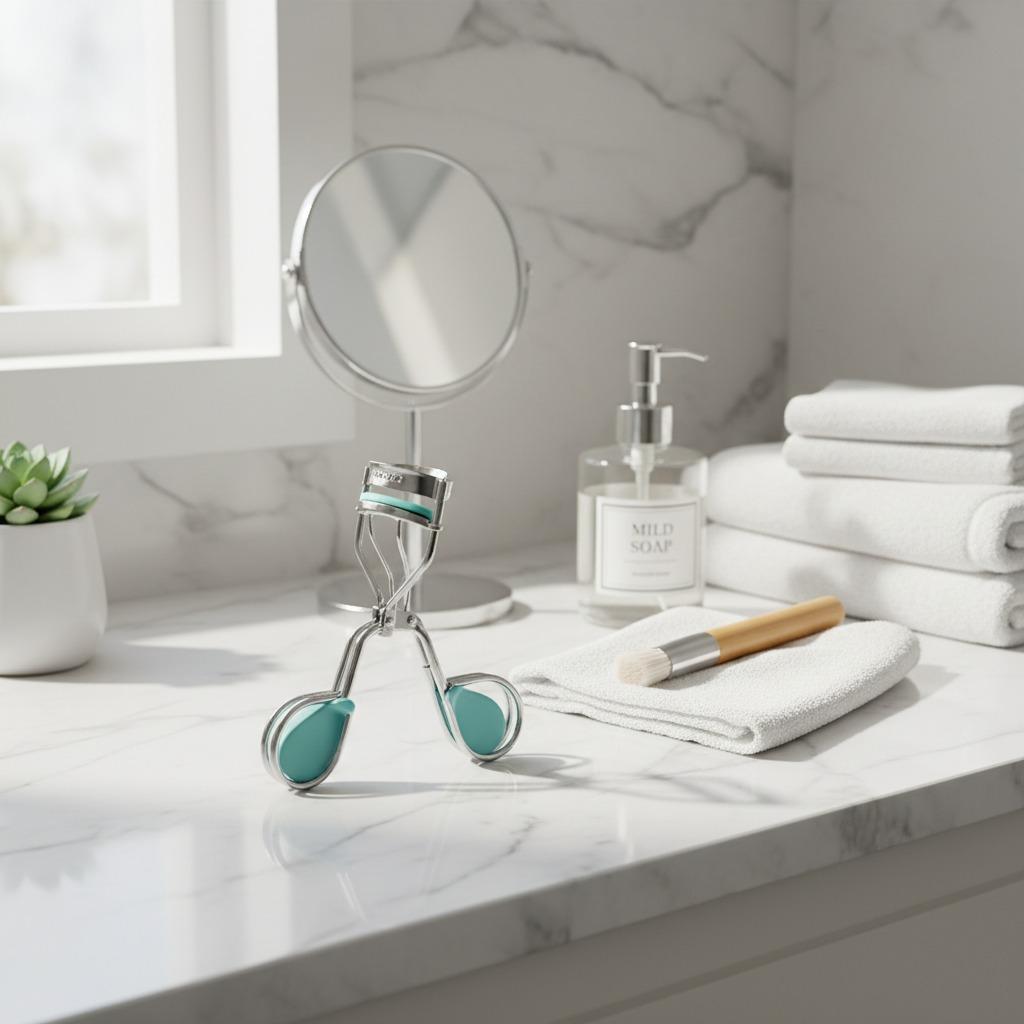
Buying wholesale salon supplies is not only about finding a lower unit cost. For salons, spas, nail studios, training schools, and beauty distributors, the real goal is to secure tools that perform consistently in daily service environments. A cuticle nipper that loses alignment too quickly, a manicure implement with an uncomfortable grip, or spa tools that arrive with inconsistent finishing can create service delays, affect client confidence, and increase replacement costs.
Professional buyers often face the same challenge: there are many suppliers, but not all of them understand the practical demands of salon work. Beauty tools are handled repeatedly, cleaned frequently, stored between clients, and expected to deliver controlled results without causing hand fatigue. This is why sourcing decisions should be based on more than catalog photos or a general product description.
Olimor Beauty focuses on professional beauty tools for business buyers who need dependable manicure and spa equipment. Whether you are reviewing beauty tool products for a salon, adding to distributor inventory, or preparing a wholesale inquiry, the criteria below can help you compare options with greater confidence.
Why Wholesale Salon Supplies Need Professional-Grade Consistency
Salon tools are different from occasional home-use accessories. In a commercial setting, the same tool may be used across multiple appointments in a single day, handled by different technicians, and cleaned according to workplace hygiene procedures. Small flaws become more noticeable under this level of use.
For example, manicure tools must support precision. If a cuticle nipper does not close evenly, technicians may need to repeat movements, which slows down service and increases the chance of uneven results. If a handle shape is difficult to control, fatigue can build during long appointment blocks. If surface finishing is inconsistent, the tool may feel uncomfortable or appear less professional to clients.
Wholesale buyers should therefore think in terms of total value, not just purchase price. A lower-cost tool that needs frequent replacement may cost more over time than a better-made tool with steadier performance. Reliable wholesale salon supplies help businesses protect service quality, reduce complaints, and keep procurement simpler.
What to Check Before Choosing a Beauty Tools Supplier
A strong supplier should make it easier for buyers to evaluate product suitability. You do not need every technical detail at the first step, but you do need a structured way to compare quality, usability, and supply reliability. The following checklist is useful when reviewing manicure tools wholesale, spa tools wholesale, or broader salon supply options.
- Tool purpose: Confirm the item is designed for professional salon or spa use, not only occasional personal use.
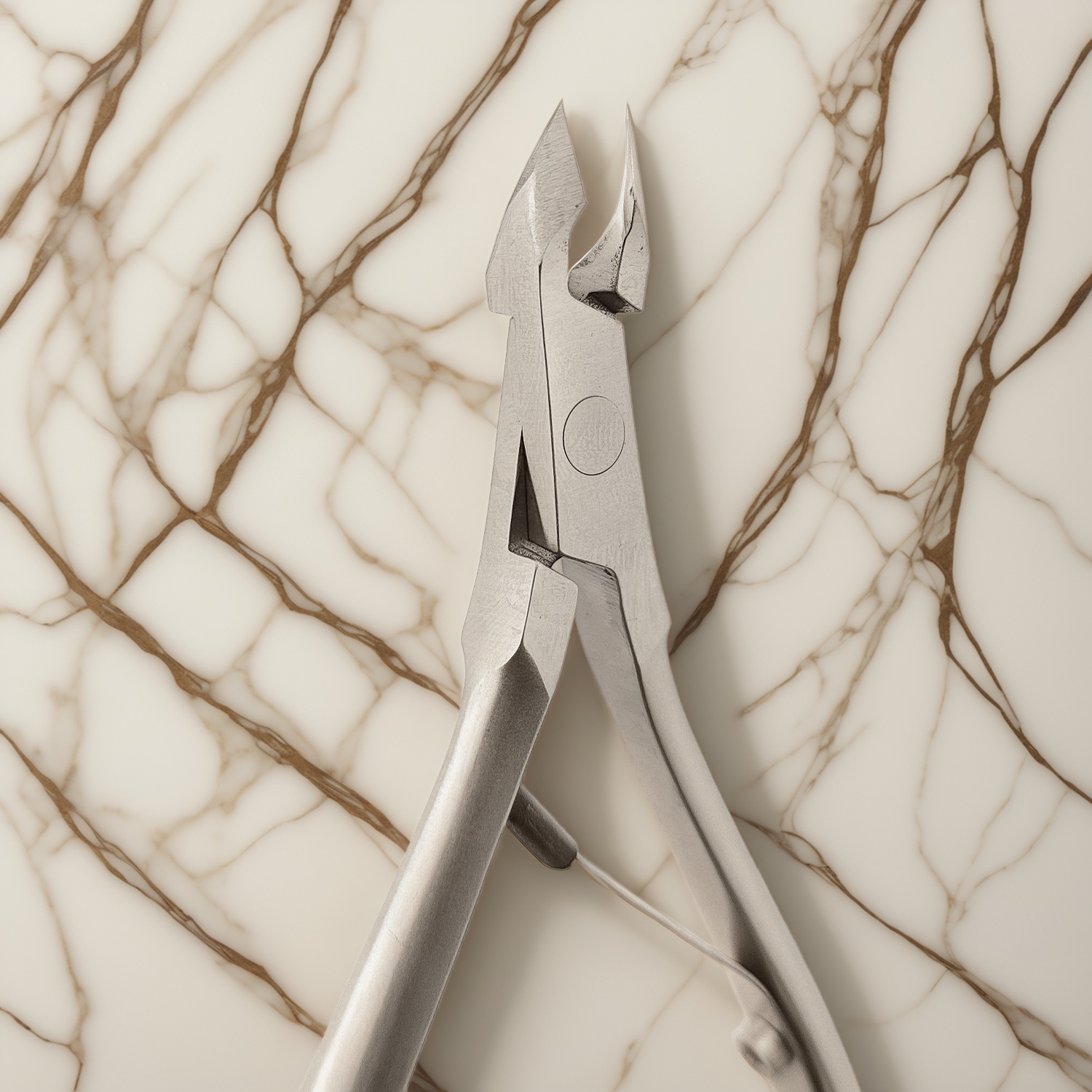
- Material information: Review available material details. The original Olimor Beauty article highlights products such as the Premium Cuticle Nipper crafted from high-grade surgical stainless steel.
- Edge and alignment: For nippers, scissors, and precision implements, check whether cutting edges meet cleanly and feel controlled during use.
- Ergonomic handling: Look for handles and grip designs that reduce strain during repeated appointments.
- Surface finishing: Inspect for burrs, rough areas, uneven polish, or cosmetic defects that could affect the professional appearance of the tool.
- Cleaning compatibility: Consider how tools will be cleaned and stored in your workplace process.
- Packaging suitability: Make sure packaging protects tools during transport and supports your retail, distribution, or salon storage needs.
- Consistency between batches: For repeat wholesale orders, consistency matters as much as the quality of the first sample.
Using a checklist prevents decisions from being driven only by price or appearance. It also helps different team members evaluate samples in the same way, especially when a purchasing manager, salon owner, and lead technician are all involved.
Manicure Tools Wholesale: Practical Buying Criteria
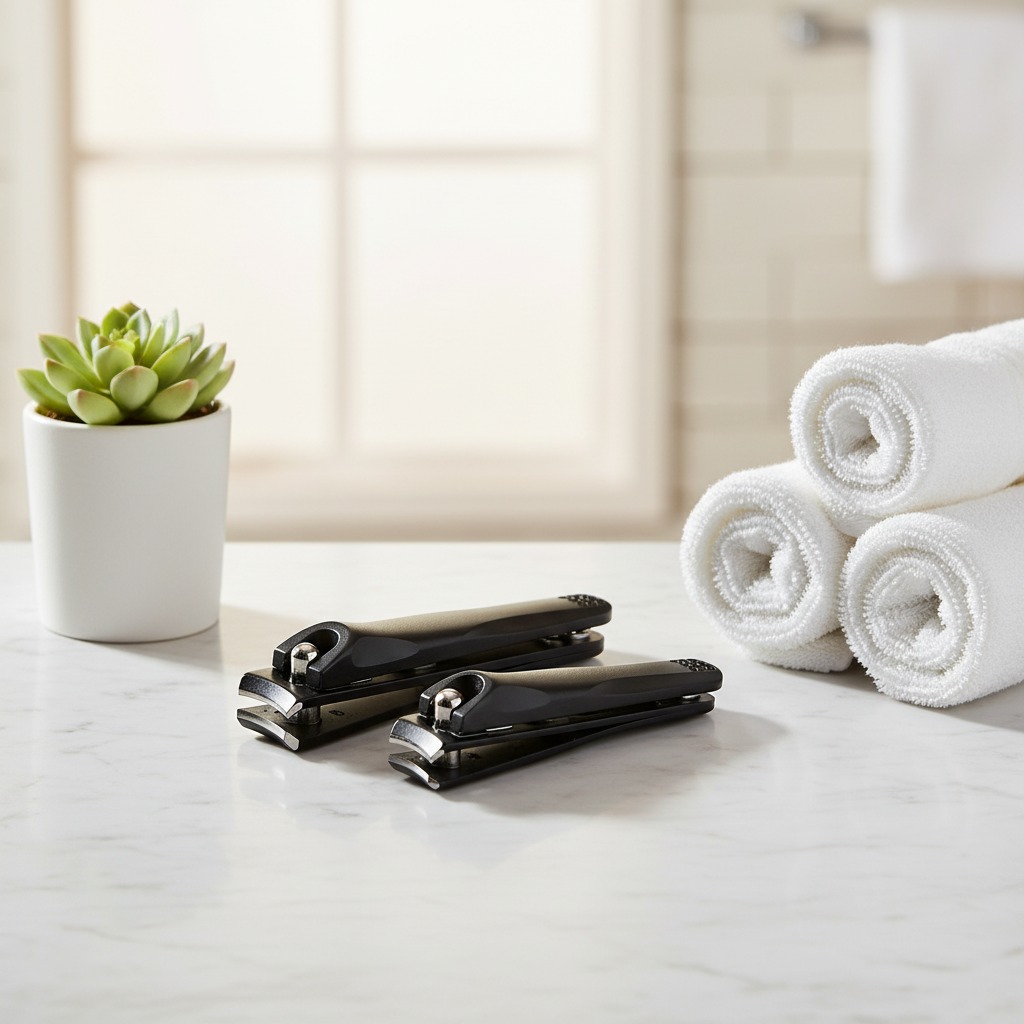
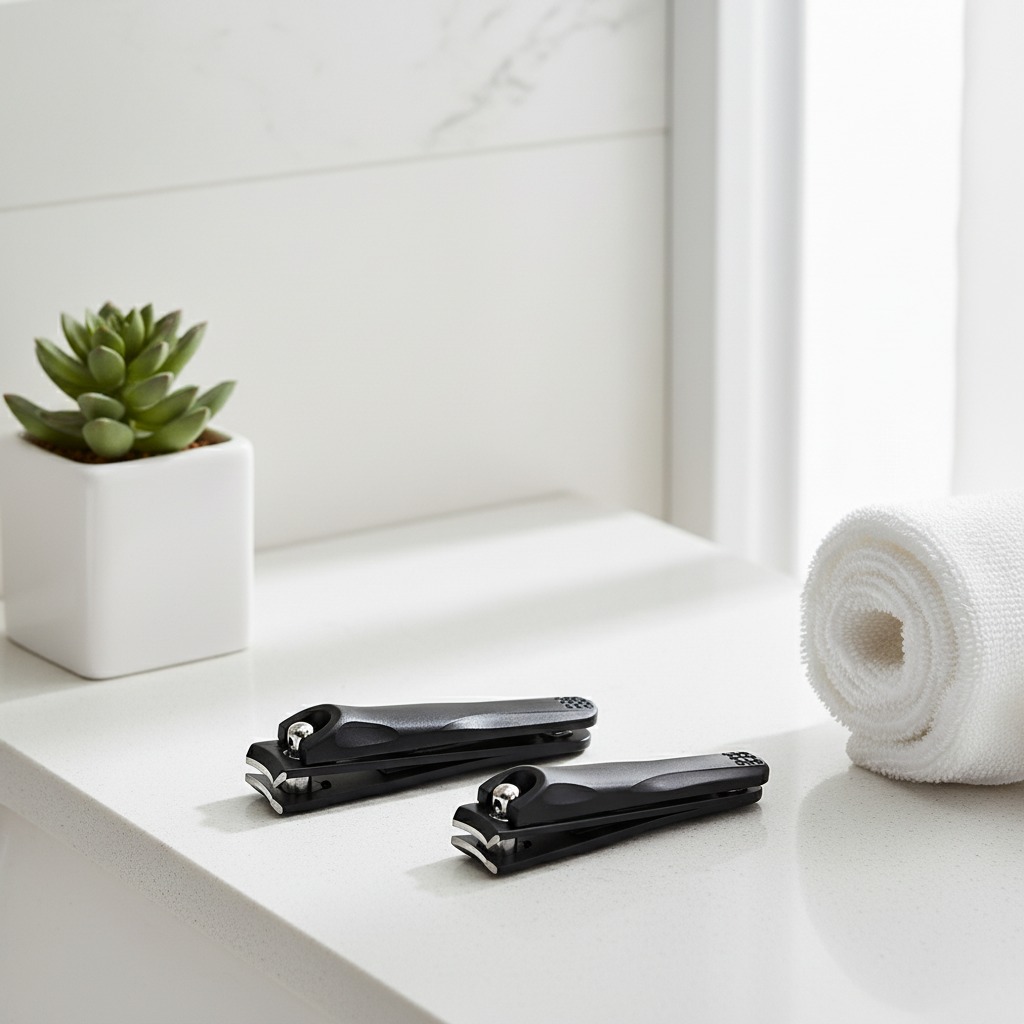
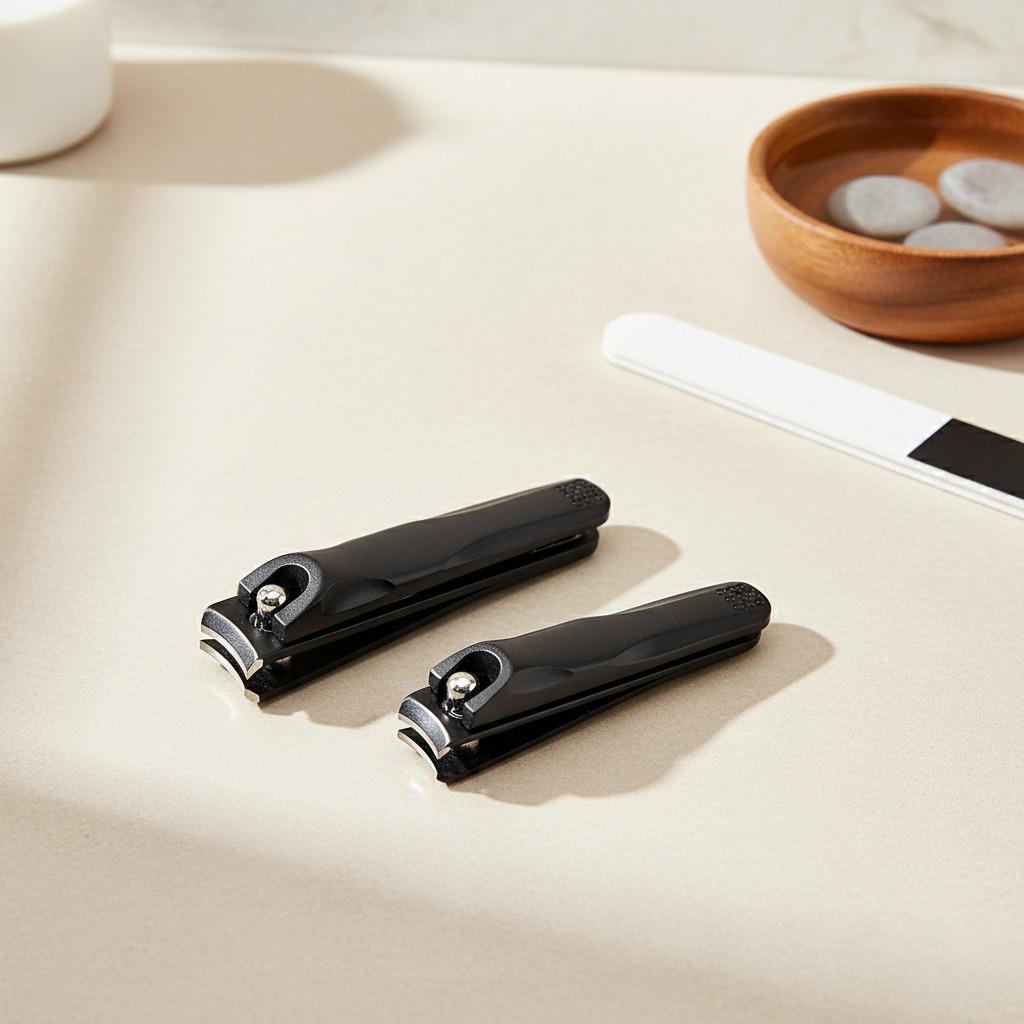
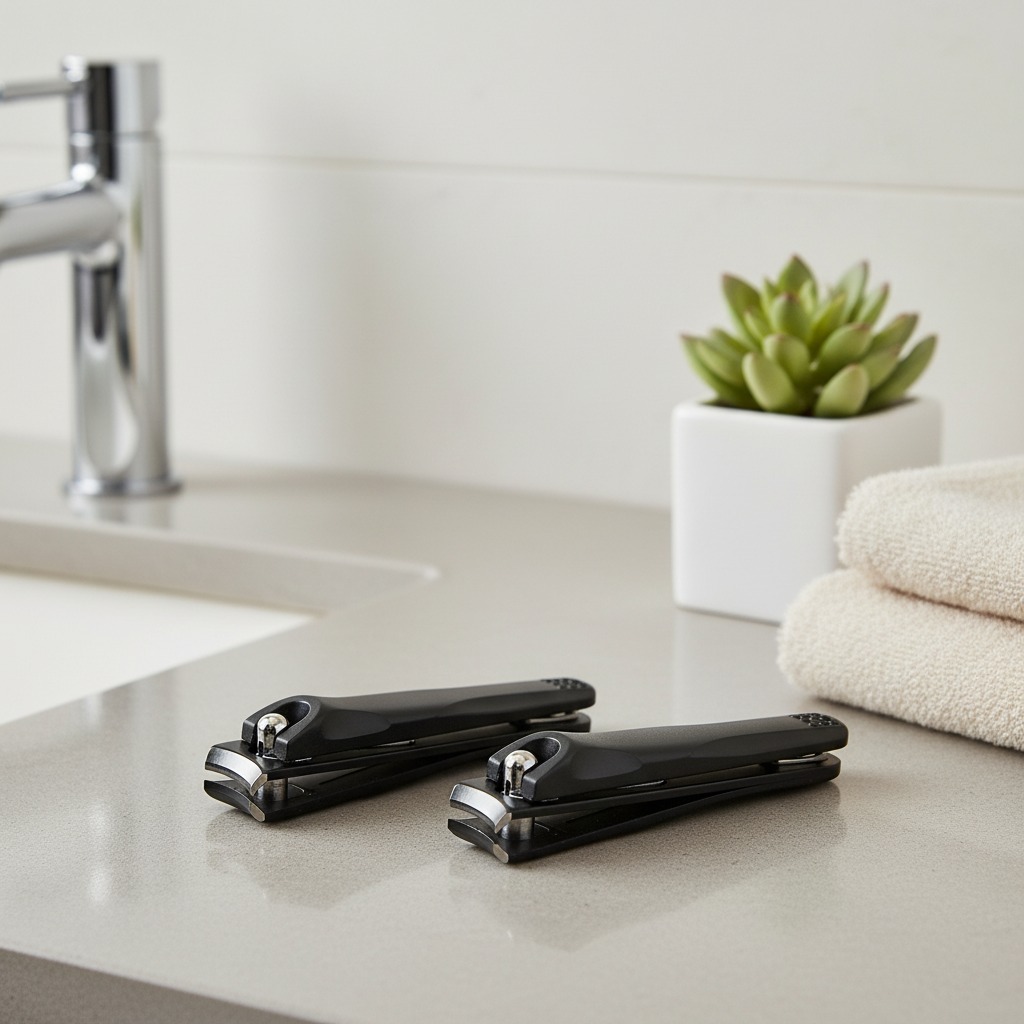
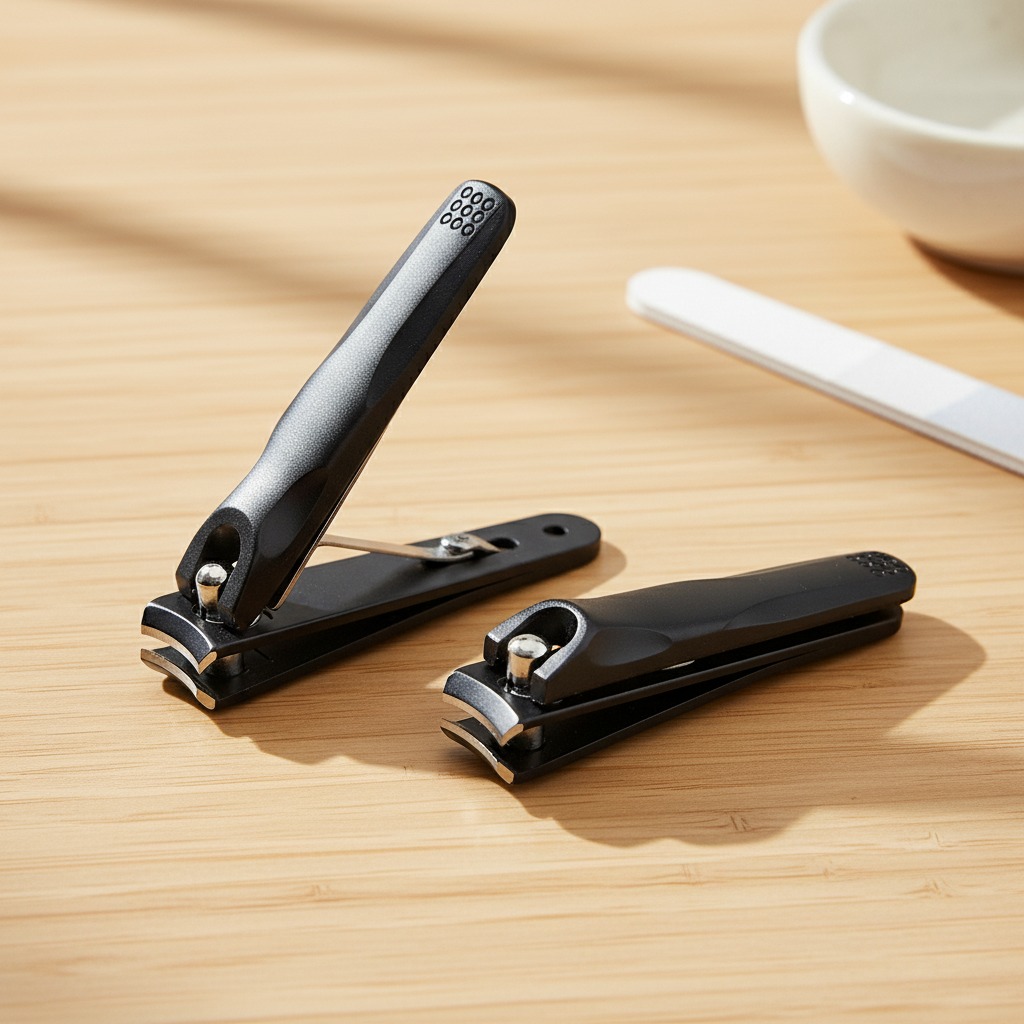
Manicure services depend on control and accuracy. Tools such as cuticle nippers, pushers, files, and other implements may look simple, but their construction directly affects service efficiency. Olimor Beauty’s Premium Cuticle Nipper is described as using high-grade surgical stainless steel and an ergonomic design, two details that matter for professional settings where durability and comfort are priorities.
When comparing manicure tools, review how the tool feels in hand before placing a larger wholesale order. A well-balanced tool should support controlled movement without forcing the technician to over-grip. For cutting tools, smooth opening and closing are important because stiffness can slow work, while looseness can reduce precision.
Buyers should also consider how manicure tools will be used across service menus. A nail salon focused on detailed cuticle work may prioritize cutting accuracy and hand comfort. A beauty school may need durable tools that can withstand frequent handling by trainees. A distributor may need products that are easy to explain to downstream salon customers. Each use case affects what “good quality” means in practice.
How Spa and Salon Buyers Can Reduce Sourcing Risk
Many salons and spas lose time by buying from too many vendors. One supplier may offer manicure tools, another may carry spa implements, and a third may handle seasonal promotional items. This can create inconsistent quality, separate shipping schedules, and more complicated communication.
Working with a focused professional beauty tools supplier can simplify procurement. Instead of repeatedly searching for alternatives, buyers can build a clearer supply process around product selection, sample evaluation, order planning, and repeat purchasing. This is especially useful for salons with multiple locations, distributors preparing catalog updates, or businesses planning to expand their service menu.
Before committing to a larger purchase, many buyers create a small evaluation process:
- Shortlist the tools needed: Separate essential daily-use items from occasional add-ons.
- Review product details: Compare materials, function, handling design, and finishing expectations.
- Test samples in real service conditions: Let technicians use the tools during typical appointments where appropriate.
- Collect structured feedback: Ask about comfort, control, cleaning, appearance, and durability impressions.
- Confirm reorder practicality: Consider communication, packaging needs, and whether the supplier can support your future purchasing workflow.
This approach reduces guesswork. It also helps avoid the common problem of buying large quantities of tools that look acceptable in a catalog but fail to meet technician expectations.
Questions Worth Asking Before a Wholesale Order
Good sourcing questions are specific. Instead of asking only whether a product is “high quality,” focus on how the tool is made, inspected, packaged, and intended to be used. This gives you better information and makes supplier comparisons more practical.
| Buying Area | Useful Question | Why It Matters |
|---|---|---|
| Product use | Is this tool intended for professional salon or spa use? | Professional environments require stronger consistency and handling comfort. |
| Material | What material information is available for this item? | Material choice affects durability, appearance, and cleaning routines. |
| Quality control | What checks are performed before packaging? | Inspection helps reduce defects such as misalignment, rough edges, or poor finishing. |
| Packaging | How are tools protected during shipment? | Good packaging helps prevent damage and keeps products presentable on arrival. |
| Repeat orders | How is consistency managed across future orders? | Salons and distributors need predictable quality beyond the first purchase. |
These questions are especially important for spa product wholesalers and salon wholesale distributors because they are often buying for many end users. A tool that performs well for one salon should also meet expectations when resold or distributed across a wider customer base.
Maintenance Considerations for Longer Tool Life
Even well-made beauty tools need proper care. Maintenance routines vary depending on the tool type and workplace hygiene procedures, but the goal is always the same: keep tools clean, dry, protected, and functioning smoothly.
After cleaning, tools should be dried thoroughly before storage. Moisture left on metal tools may affect appearance over time. Cutting tools should not be thrown loosely into drawers where edges can knock against other items. Protective storage, careful handling, and regular visual checks help maintain performance and reduce unnecessary replacement.
Technicians should also be encouraged to report changes in tool feel. If a nipper becomes stiff, misaligned, or less precise, it should be removed from service for inspection. This protects service quality and helps purchasing teams understand how tools perform over time.
Building a Smarter Wholesale Supply Process with Olimor Beauty
Wholesale salon supplies should support the way your business actually works. For a nail studio, that may mean comfortable manicure implements for back-to-back appointments. For a spa, it may mean dependable tools that fit established service and cleaning routines. For a distributor, it may mean selecting products that are consistent enough to build customer trust over repeat orders.
Olimor Beauty provides professional beauty tools with attention to quality assurance, from raw material selection through final packaging. Buyers can review available product collections to compare suitable options for manicure, salon, and spa use. If you are preparing a wholesale purchase, you can also send an inquiry with your product needs, target use, and any packaging or sourcing considerations.
The best wholesale choice is rarely the cheapest tool on the page. It is the tool that supports consistent service, feels right in the technician’s hand, arrives in professional condition, and can be reordered with confidence. By evaluating supplier reliability, tool construction, quality checks, and maintenance needs together, salon and spa buyers can create a sourcing process that protects both daily operations and client satisfaction.