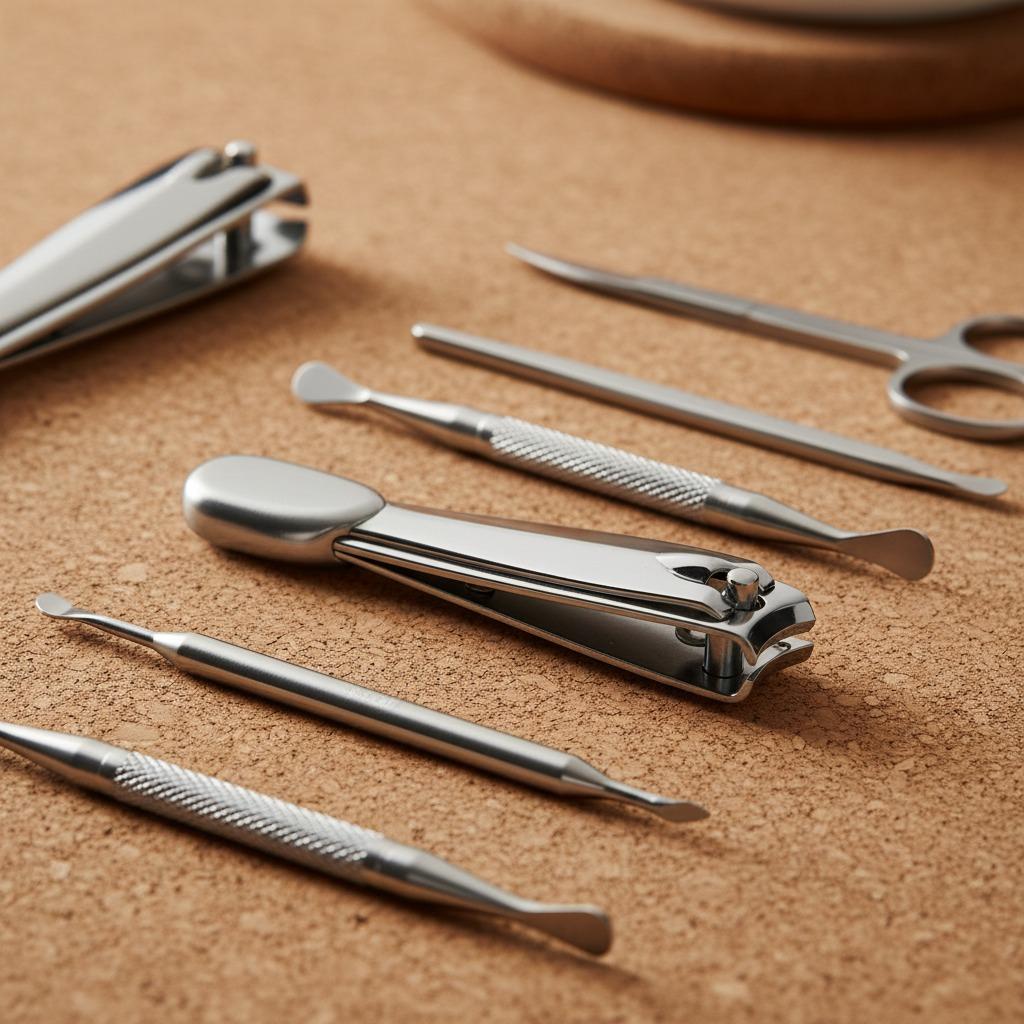












For salons, spas, nail studios, beauty schools, and distributors, nail clippers are not small afterthoughts. They are frequently used tools that affect service speed, hygiene workflow, technician comfort, and the client’s first impression of a manicure or pedicure. When buying wholesale nail clippers, the goal is not simply to find a low unit cost. A better decision balances cutting performance, consistent finish, durable construction, suitable packaging, and repeatable quality across a bulk order.
Olimor Beauty supplies beauty tools for professional and retail channels, including nail clipper options for buyers who need practical, reliable products in quantity. This guide explains how salon buyers can evaluate wholesale nail clippers before placing an order, what to inspect when samples arrive, and how to maintain clippers once they are in daily use.

Why Wholesale Nail Clippers Need a Professional Buying Standard
A home user may replace a poor clipper after a few uses, but salons work differently. A clipper may be used repeatedly across appointments, cleaned often, stored with other implements, and handled by multiple technicians. In that environment, small design problems become daily irritations. A rough cutting edge can leave a nail jagged. A weak lever can slow service. A poorly finished body can feel uncomfortable in the hand or look cheap at the service table.
Buying wholesale also multiplies risk. If one sample has inconsistent alignment, an entire carton may share the same issue unless quality is checked carefully. Professional buyers should therefore evaluate nail clippers as working tools, not just as accessories. The best salon purchasing decisions usually start with a sample review, a clear inspection checklist, and an understanding of how the tool will be used: fingernail trimming, toenail trimming, retail resale, training kits, or hospitality amenities.
For a broader view of available beauty tools, buyers can explore beauty tool products and compare related categories before finalizing a sourcing plan.
Key Features to Check Before Buying in Bulk
Wholesale nail clippers should be assessed from several angles: cutting performance, hand feel, finish, cleanability, and order consistency. The following checklist helps salons and distributors review a clipper sample in a structured way.
- Blade alignment: The two cutting edges should meet evenly. Gaps or uneven contact can cause tearing instead of a clean cut.
- Cutting sharpness: The clipper should cut cleanly with controlled pressure. Excessive force can strain the technician’s hand and increase the chance of nail splitting.
- Lever tension: The lever should feel stable, not loose or shaky. It should spring back smoothly after each cut.
- Body finish: Check for burrs, sharp corners, rough plating, or inconsistent polishing, especially along edges touched by the fingers.
- Grip and control: A clipper used in a salon should be easy to position accurately, even during repetitive work.
- Cleanability: The design should allow debris to be removed easily. Simple shapes can be easier to clean and dry between uses.
- Packaging suitability: Bulk packaging may work for back-bar salon use, while retail display or kit assembly may require individual packaging.
Stainless steel is commonly valued in nail tools because it supports durability and resistance to rust when used and maintained properly. Even so, material alone does not determine performance. Manufacturing precision, edge formation, hinge fit, polishing, and final inspection all influence whether a clipper feels professional in real service conditions.
Matching Nail Clippers to Salon Services and Sales Channels
Not every wholesale buyer needs the same clipper. A nail studio may prioritize service durability, while a distributor may need a product that suits retail packaging and broad consumer appeal. Before selecting a bulk nail clipper, define where the product will be used and how clients or end users will interact with it.
| Buyer Type | Primary Need | What to Prioritize |
|---|---|---|
| Nail salon or spa | Daily service use | Comfort, clean cutting, easy sanitation workflow, reliable lever action |
| Beauty school | Student kits and training | Consistent quality, safe handling, straightforward design, durable packaging |
| Distributor or wholesaler | Resale to multiple clients | Stable supply, carton consistency, marketable appearance, packaging options |
| Retail brand or gift set buyer | Consumer-facing presentation | Visual finish, individual packaging, compact size, clear product information |
| Hotel or amenity supplier | Practical guest use | Simple design, protective packaging, value, dependable cutting edge |
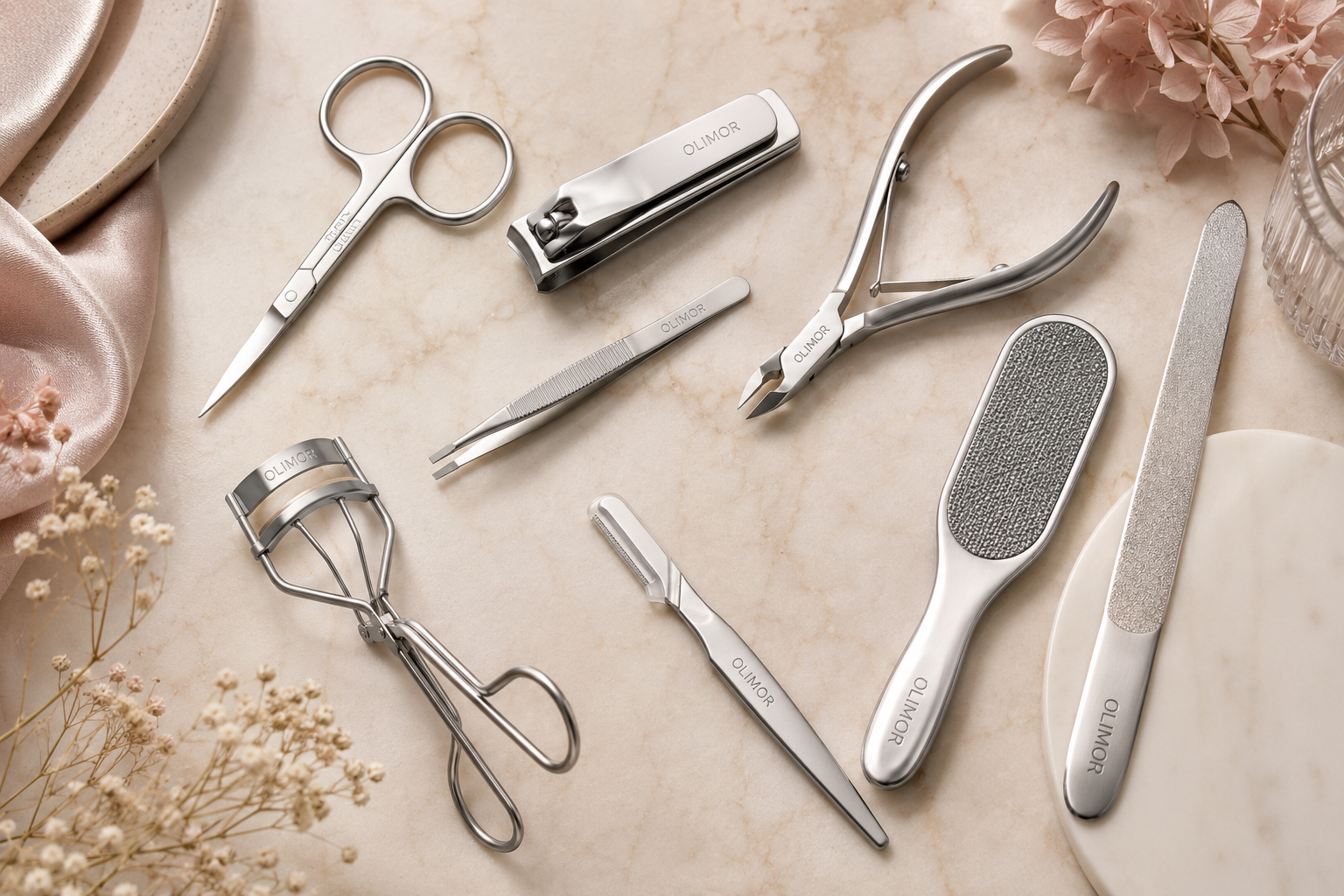
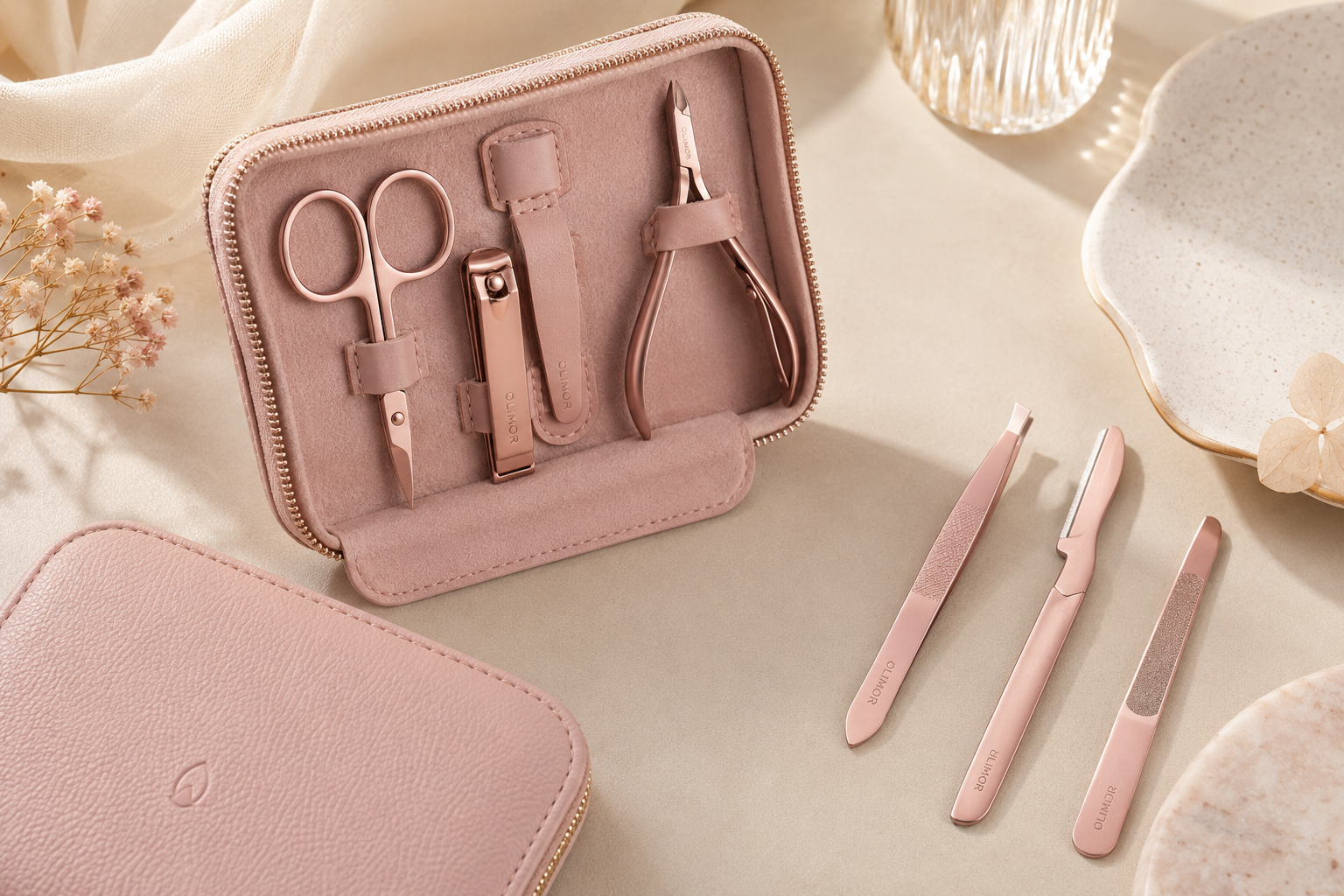
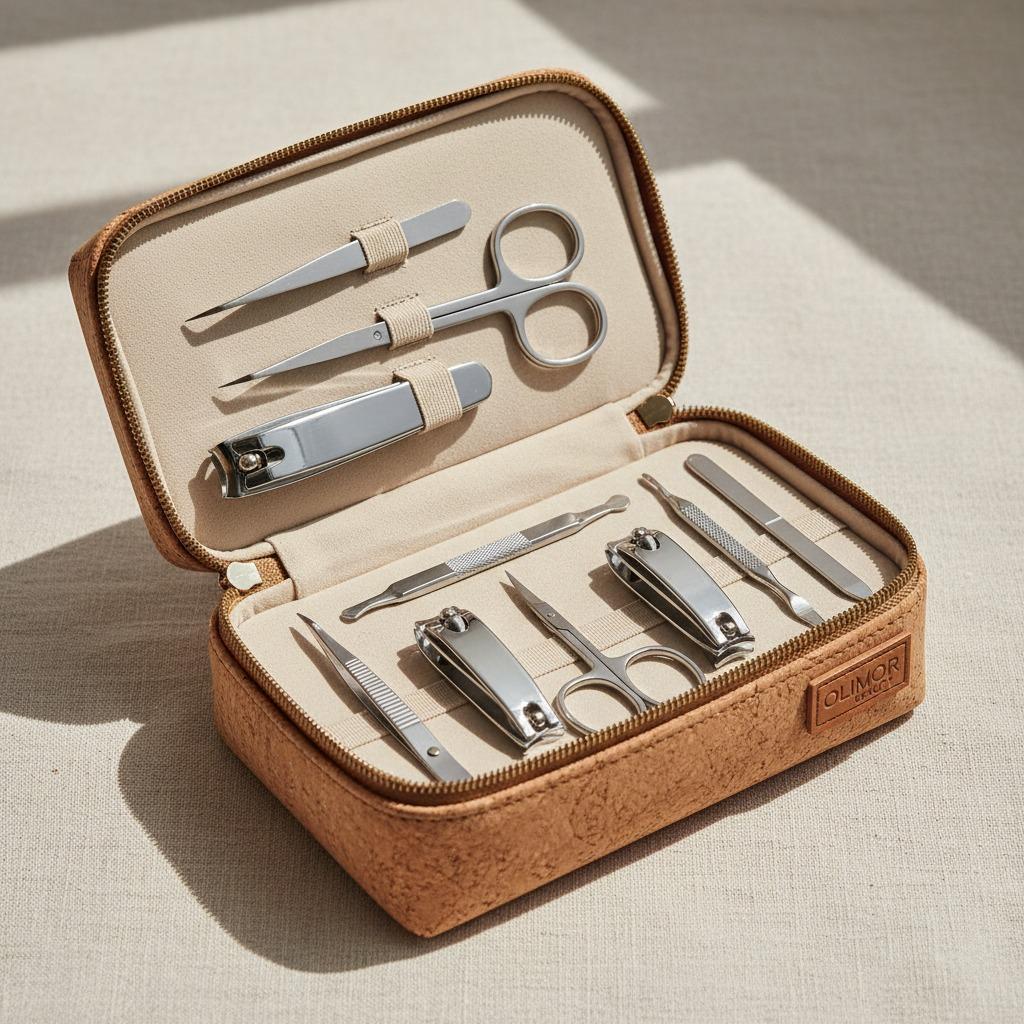
This step prevents overbuying the wrong design. For example, a salon clipper used all day should feel secure in the technician’s hand, while a retail clipper may need stronger shelf appeal. A buyer building a coordinated manicure range may also want to review product collections to plan complementary tools such as files, tweezers, scissors, or grooming sets.
Sample Inspection: A Practical Process for Salon Buyers
Sample evaluation should be more than a quick look at the surface. A short, repeatable inspection process helps compare options fairly and reduces surprises when ordering wholesale nail clippers. Keep notes for each sample so that purchasing, operations, and quality teams can discuss the same details.
- Visual check: Inspect the finish under good light. Look at the cutting edge, handle, lever, pivot point, and underside.
- Open and close test: Operate the lever multiple times. It should feel stable and consistent, without scraping or wobbling.
- Cutting test: Test on appropriate nail sample material or controlled practice use. Review whether the cut is clean and whether the clipper requires too much force.
- Comfort review: Ask more than one technician to hold and use the clipper. Different hand sizes can reveal different comfort issues.
- Cleaning review: Remove nail debris, wipe the tool, and check whether moisture can collect in hard-to-dry areas.
- Packaging review: If packaging is included, check barcode placement, label space, protection during shipping, and suitability for your sales channel.
- Consistency request: When moving from sample to order, define the approved sample clearly so production and inspection can be compared against it.
For large or repeat purchases, buyers may also define acceptable appearance limits, packing methods, and inspection points before confirming an order. This does not require complicated language; it simply means both sides understand what a passable nail clipper should look and feel like.
Hygiene and Maintenance in Daily Salon Use
Even a well-made nail clipper will perform poorly if it is neglected. Salons should follow local hygiene rules and their own disinfection procedures, but the general maintenance principles are simple: remove debris promptly, clean thoroughly, dry completely, and store tools in a way that protects the cutting edge.
After use, nail residue should not be left around the jaws or hinge. Moisture trapped near the joint can shorten the useful life of many metal tools. Drying is especially important after cleaning or disinfection steps. Clippers should be stored so that the cutting edge is not rubbing against other implements in a drawer or tray. If a clipper becomes dull, misaligned, corroded, or difficult to clean, it should be removed from service rather than used on clients.
For salons buying in quantity, it can be helpful to keep separate working sets for manicure stations, pedicure stations, and backup inventory. This makes tool rotation easier and prevents technicians from overusing a small number of clippers while new stock sits untouched.
Questions to Clarify Before Placing a Wholesale Order
Because product requirements vary by market, buyers should prepare a short sourcing brief before requesting a quote or sample. A clear brief saves time and helps identify the most suitable wholesale nail clippers for the intended channel.
- Will the clippers be used in professional services, sold at retail, included in kits, or supplied as amenities?
- Do you need individual packaging, bulk packaging, or packaging suitable for a branded set?
- What finish, size range, or general appearance best matches your market?
- How will incoming goods be inspected when the order arrives?
- Are there labeling, barcode, language, or market compliance requirements for your sales region?
- Do you need matching beauty tools to build a complete grooming or manicure assortment?
When these points are defined early, it becomes easier to compare products on function and suitability rather than price alone. Buyers who are preparing a salon supply order, retail launch, or distributor program can send an inquiry with their required use case, packaging needs, and target quantity. For additional sourcing support, you can also contact Olimor directly.
Choosing Wholesale Nail Clippers with Long-Term Value
The right nail clipper should help technicians work efficiently, support a clean service process, and present a professional image to clients. For wholesale buyers, long-term value comes from consistent cutting quality, practical packaging, dependable finishing, and clear communication before production. A slightly cheaper clipper that causes complaints, replacement costs, or inspection failures may not be economical after all.
Olimor Beauty focuses on practical beauty tools for buyers who need dependable products in quantity. When reviewing wholesale nail clippers, treat the process as a professional sourcing decision: test samples, document approval criteria, match the tool to the service or sales channel, and plan maintenance after purchase. With the right evaluation steps, salons and distributors can select nail clippers that perform reliably across everyday use and support a better client experience.