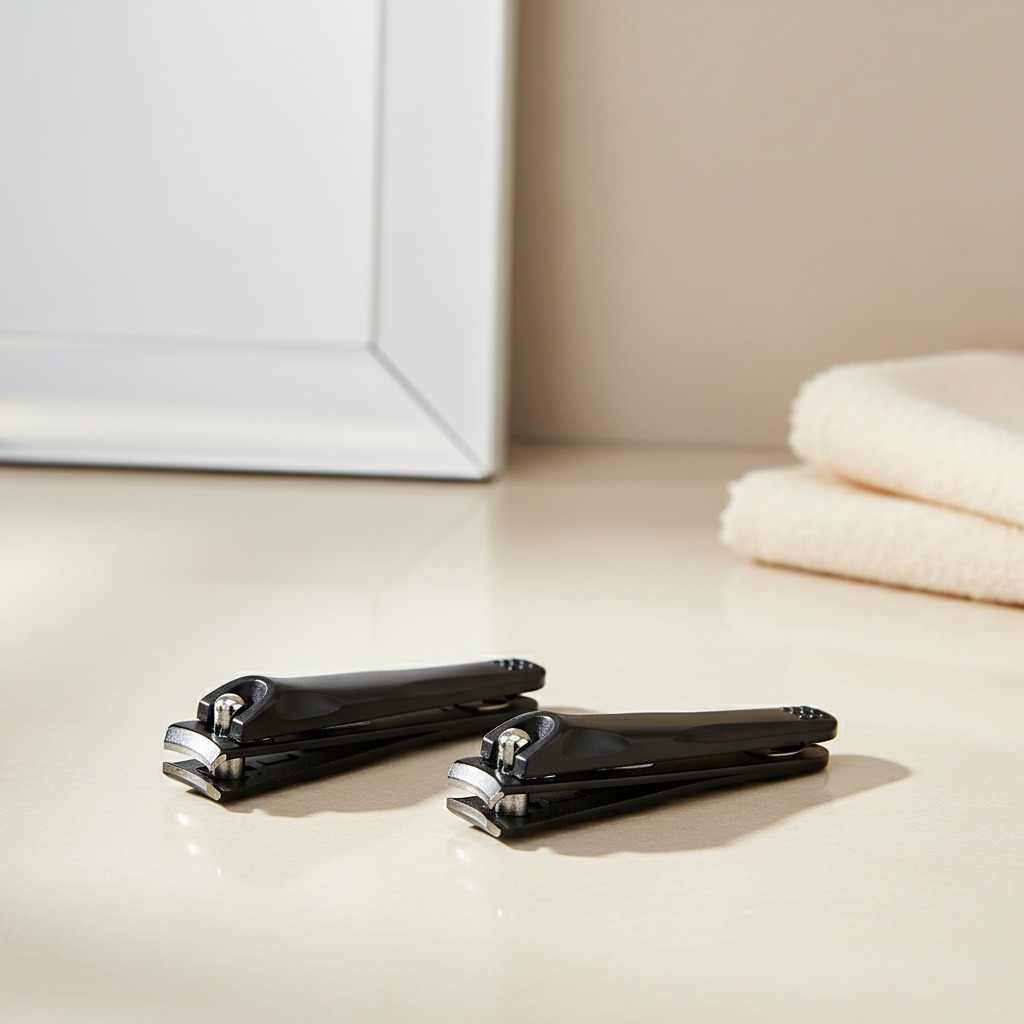












Wholesale grooming tools are everyday working assets for salons, spas, beauty studios and professional grooming businesses. When a tool is used repeatedly across appointments, small details matter: the way a scissor sits in the hand, how steadily a blade holds its edge, whether the finish is easy to keep clean, and whether the supplier can provide consistent quality across a bulk order. For B2B buyers, the goal is not simply to buy more tools at a lower unit cost. The goal is to build a dependable tool supply that supports efficient service, comfortable handling and a professional client experience.
Olimor Beauty works with wholesale grooming tools for professional beauty environments, including scissors such as the Elegant Silver Artisan Scissors. This guide explains how salon and spa buyers can evaluate grooming tools before ordering in bulk, with a focus on practical selection criteria rather than broad marketing claims. If you are comparing beauty tool products for wholesale supply, use the sections below to assess whether a tool is suitable for daily professional use.
What Counts as a Wholesale Grooming Tool?
In a salon or spa context, grooming tools are the handheld implements used to trim, shape, refine, clean or prepare hair, brows, facial hair, nails or skin-adjacent grooming areas. Scissors are one of the clearest examples because they must combine sharpness, balance, hygiene and durability. Other grooming implements may vary by service type, but the buying principles remain similar: choose tools that are comfortable, consistent, easy to maintain and appropriate for the work being performed.
Wholesale purchasing is different from buying one tool for personal use. A professional buyer must think about team adoption, replacement planning, storage, inspection and repeat ordering. If ten stylists or technicians need the same type of implement, inconsistency between pieces can create workflow problems. A good wholesale purchase should help standardize the service environment so staff members know what to expect from the tools they use.
Key Criteria for Beauty Scissors Bought in Bulk
Beauty scissors bulk orders deserve careful evaluation because cutting tools are central to many salon services. The original fit and finish are important, but the real test is how the scissors perform during repeated use. Olimor Beauty describes tools such as the Elegant Silver Artisan Scissors as using high-grade stainless steel blades, precise honed edges and ergonomic handles. When reviewing scissors for your business, translate those features into observable checkpoints.
- Blade edge quality: The blades should meet cleanly and cut without catching, folding or pushing hair away from the cut line.
- Material suitability: Stainless steel is widely used for grooming tools because it supports hygiene, durability and resistance to everyday salon conditions.
- Handle comfort: Ergonomic handles can reduce hand strain during long service blocks, especially for stylists who cut repeatedly throughout the day.
- Balance and control: A scissor should not feel blade-heavy or handle-heavy. Good balance helps improve control during precise work.
- Consistency across units: In a bulk order, each piece should feel and function as similarly as possible, so the team is not sorting through uneven stock.
- Finish quality: Smooth finishing helps with handling, cleaning and a more professional presentation at the station.
For salons, comfort is not a secondary issue. Fatigue can affect accuracy and speed, especially during busy periods. A lower-cost tool that causes discomfort or requires frequent replacement may be more expensive over time than a better-made option with stable performance.
How to Evaluate Ergonomics Before a Wholesale Order
Ergonomic design is often mentioned in beauty supply descriptions, but buyers should look beyond the word itself. For scissors and similar grooming tools, ergonomics is about the relationship between hand position, finger placement, wrist angle and tool movement. A design that works well for one person may not be ideal for everyone, so salon owners and purchasing managers should consider the range of users on their team.
Before building a larger order, evaluate how a tool feels during realistic service movements. Does it encourage a relaxed grip? Does the thumb placement feel natural? Can the user open and close the blades smoothly without forcing the hand? Is there enough control for detailed work? These questions are more useful than simply checking whether the product is described as comfortable.
For multi-stylist salons, it can help to involve experienced team members in the review process. They will notice pressure points, awkward angles or tension that may not appear during a quick inspection. If your business is planning a broader purchasing update, compare relevant product collections by intended use rather than appearance alone.
Quality Control: What Professional Buyers Should Look For
Olimor Beauty emphasizes quality control throughout production, from raw material selection to final packaging. For wholesale grooming tools, that kind of inspection mindset matters because small defects can multiply across a bulk purchase. A single imperfect tool is inconvenient; a carton of inconsistent tools can disrupt training, service quality and inventory planning.
Professional buyers should think about quality assurance in stages. Raw material selection affects durability and cleaning performance. Production consistency affects alignment, edge quality and fit. Final inspection affects whether each piece arrives ready for professional handling. Packaging also matters because cutting tools must be protected during storage and transport to reduce the risk of damage before they reach the salon floor.
| Inspection Area | Why It Matters | What to Check |
|---|---|---|
| Blade alignment | Supports clean, controlled cutting | Blades should meet evenly without gaps or twisting |
| Edge finish | Affects cutting smoothness | Cutting action should be smooth, not rough or snagging |
| Handle shape | Impacts user comfort during long sessions | Grip should feel stable without sharp pressure points |
| Surface finish | Supports hygiene and presentation | Look for smooth surfaces and tidy finishing |
| Packaging | Protects tools before use | Tools should be secured to prevent movement and damage |
This table is not a substitute for hands-on evaluation, but it gives purchasing teams a practical checklist for comparing salon wholesale distributors and spa product wholesalers.
Matching Tools to Salon and Spa Use Cases
Not every grooming tool belongs in every service environment. A hair salon may prioritize scissors that support frequent cutting and detail work. A spa may need grooming implements that are easy to sanitize, store and rotate between treatment rooms. A beauty studio may look for tools that support brows, facial hair grooming or fine finishing services. The correct wholesale choice depends on how often the tool is used, who uses it and what level of precision is required.
Start by grouping tools by service category. Daily-use tools should receive the strictest evaluation because they experience the most wear. Secondary or occasional-use tools still need quality, but the buying decision may place more emphasis on storage, standardization and availability. If a tool directly affects the finished look of a service, such as scissors used for visible shaping, consistency and control should rank higher than decorative appearance.
It is also useful to plan replacement cycles. Even well-made grooming tools require maintenance and eventual replacement. Wholesale ordering can simplify this process by keeping matching stock available for new hires, damaged tools or expanded service capacity.
Maintenance Practices That Protect Tool Performance
Wholesale value does not end when the order arrives. A salon can extend the useful life of grooming tools by creating simple maintenance habits. Cutting tools should be handled carefully, cleaned according to the salon’s hygiene procedures and stored in a way that protects edges and finishes. Staff training is important because improper storage or rough handling can shorten tool life regardless of original quality.
- Inspect tools before use: Check for visible damage, loose movement or irregular cutting action.
- Clean after service: Remove hair, product residue and moisture following the hygiene process used by your business.
- Dry before storage: Avoid putting damp tools into closed storage where moisture can remain on the surface.
- Protect the cutting edge: Store scissors so blades do not rub against other metal tools.
- Separate damaged tools: Remove any tool that feels unsafe, dull, misaligned or uncomfortable until it can be reviewed.
These habits are straightforward, but they make a measurable difference in a professional environment where tools are used all day. Maintenance should be part of staff onboarding, not only a reminder after tools begin to wear.
Choosing a Wholesale Beauty Products Partner
A good wholesale beauty products provider should help buyers make clear, practical decisions. Look for transparent product information, consistent communication and a clear understanding of professional use. For grooming tools, the supplier should be able to discuss intended applications, comfort considerations, inspection approach and packaging expectations without relying only on broad claims.
When comparing B2B beauty supplies, avoid judging solely by price. Low pricing may look attractive, but the real cost includes replacement frequency, staff comfort, service delays and inconsistent customer outcomes. A more useful comparison includes the tool’s intended use, quality control process, durability expectations, packaging, ordering support and ability to maintain consistency over time.
If you are building a wholesale assortment or preparing a salon purchasing plan, you can send an inquiry with your tool requirements, service type and expected use case. For broader sourcing questions, contact Olimor to discuss the type of grooming tools your business is evaluating.
A Smarter Way to Buy Wholesale Grooming Tools
Wholesale grooming tools should make professional work more consistent, not more complicated. The best purchasing decisions begin with the daily service environment: how often the tool is used, who will use it, how it will be cleaned, and what level of precision the service requires. Scissors such as the Elegant Silver Artisan Scissors highlight the qualities that matter most in professional cutting tools: stainless steel blades, precise edges, ergonomic handling and inspection-led production.
For salon and spa buyers, the strongest approach is to combine hands-on evaluation with a clear procurement checklist. Review comfort, blade performance, material suitability, finishing, packaging and supplier communication before committing to a larger order. With the right criteria, wholesale grooming tools can support smoother operations, more confident staff and a more reliable client experience across every service day.