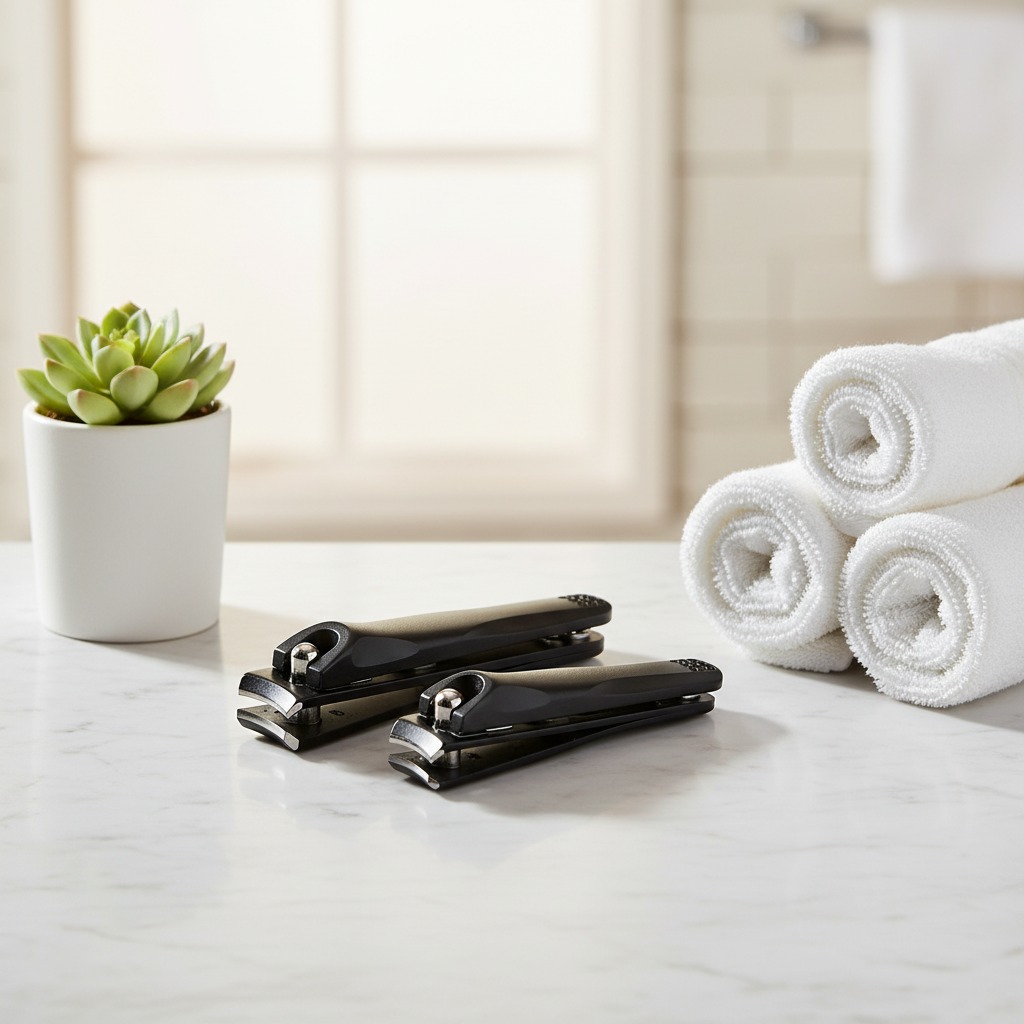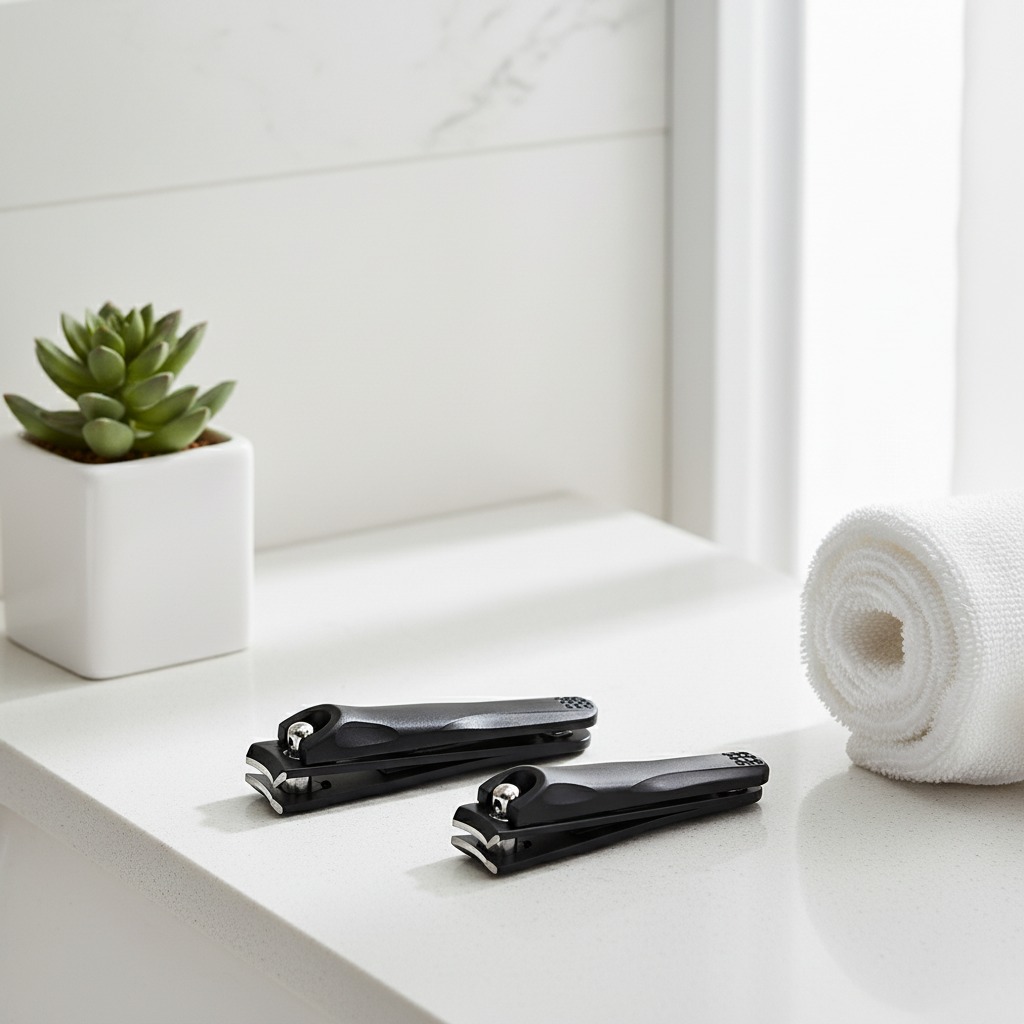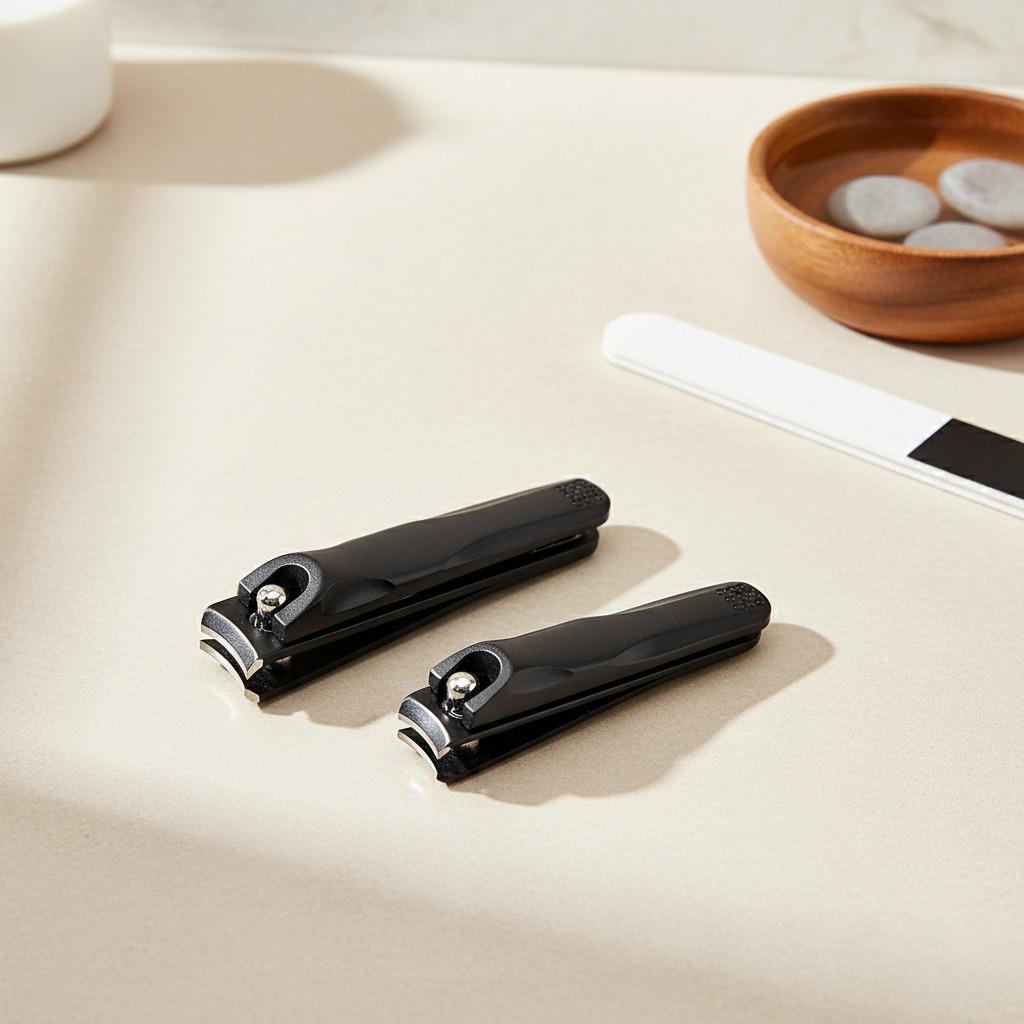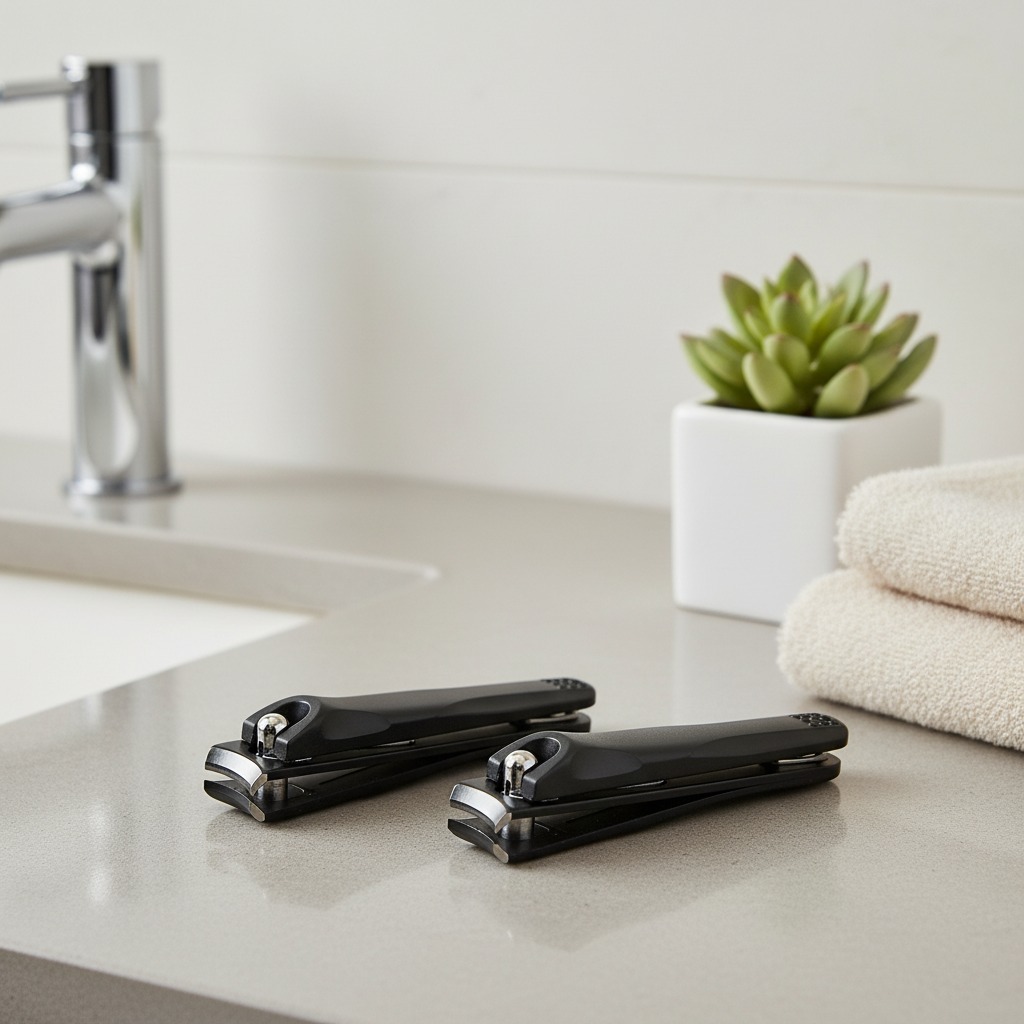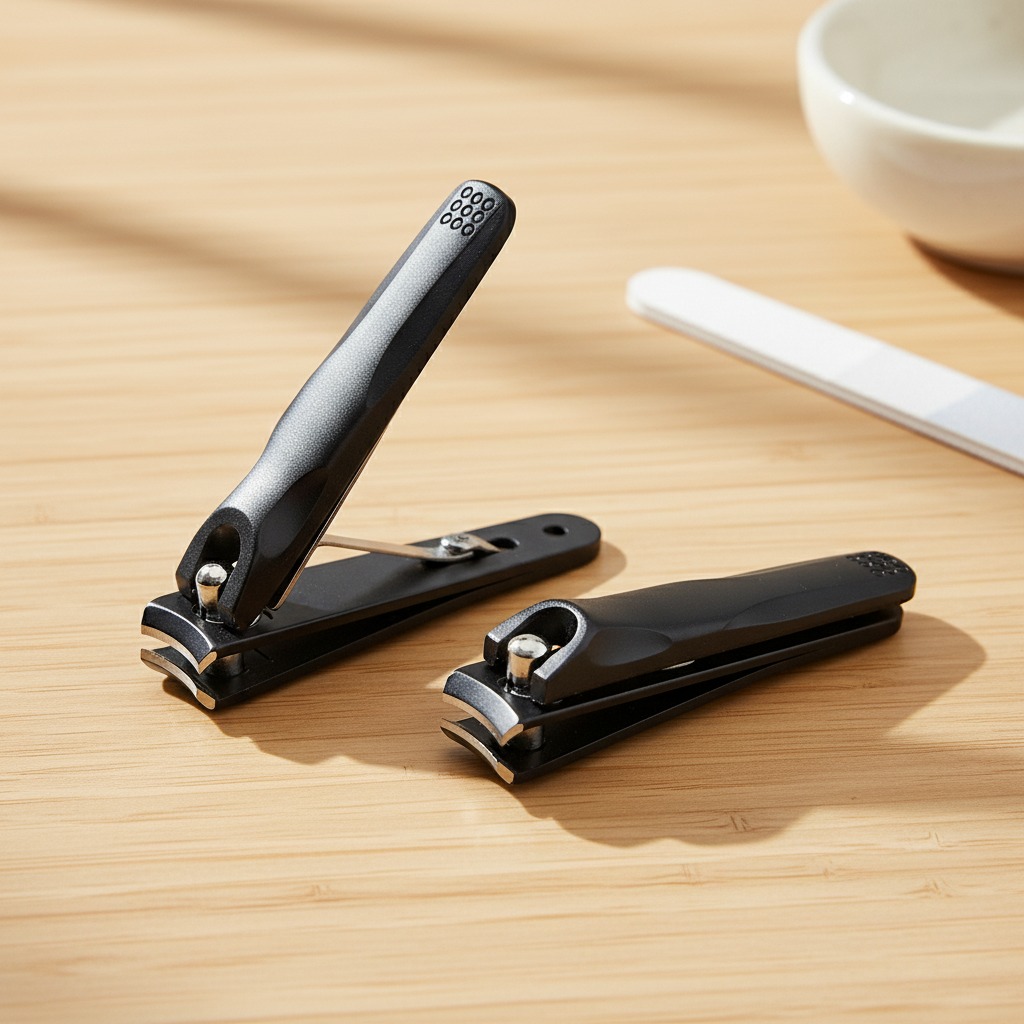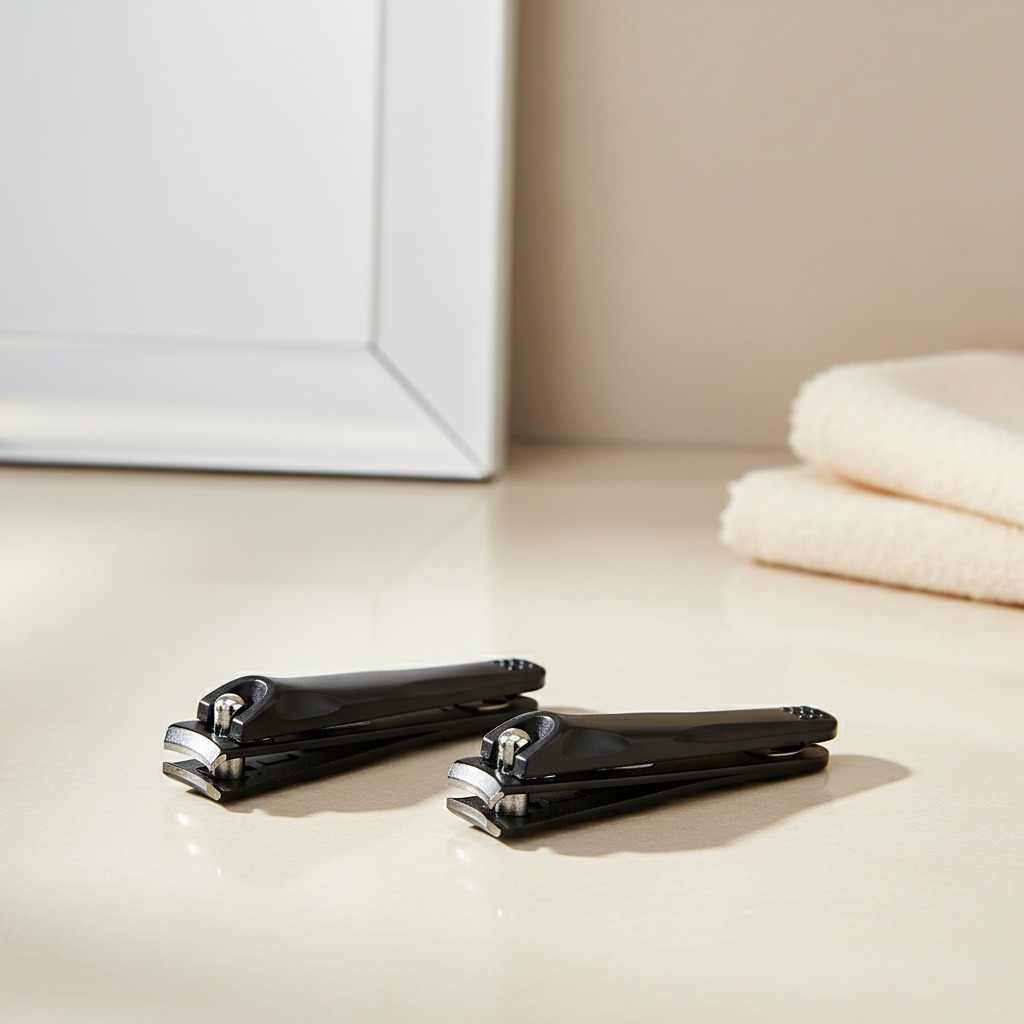












Wholesale grooming tools matter because they affect service speed, hygiene workflow, technician comfort, and the way clients judge a manicure or pedicure appointment. In a professional setting, a nail clipper is not just a small accessory; it is part of the station setup that has to work consistently every day. Olimor Beauty supplies wholesale grooming tools for professional beauty use, including stainless steel nail clippers in 62mm, 66mm, and 76mm formats for different handling preferences.
For salons, spas, nail studios, training schools, and distributors, the best buying decision is usually not the lowest unit cost alone. It is the tool set that supports repeatable cleaning, predictable handling, and a clean fit with the service menu. If you are comparing the current product range or planning a broader stock program through related beauty tool collections, use the guidance below to match tool type to use case.
What wholesale grooming tools should do in a salon
Professional grooming tools are used repeatedly, often by different technicians across many appointments. That means the purchase criteria are different from a personal tool bought for occasional home use. A salon clipper should feel predictable in the hand, cut cleanly when used correctly, and fit into the hygiene process without slowing the workstation down.
- Support consistent service: technicians should know which tool to use for a manicure, pedicure, or quick touch-up.
- Fit the cleaning workflow: tools should move smoothly through cleaning, disinfection, drying, and storage.
- Help standardize stations: duplicate tools reduce confusion and prevent overuse before items are processed.
- Work for the business model: salons, distributors, and training schools all need different packaging and inventory habits.
Bulk buying is most effective when the tool assortment is planned around real work patterns. If a salon serves both manicure and pedicure clients, it usually benefits from more than one clipper style instead of relying on a single general-purpose option.
How to choose between 62mm, 66mm, and 76mm clippers
Size selection matters because technicians do not use every clipper in the same way. Olimor Beauty references 62mm, 66mm, and 76mm options, plus different blade profiles, so buyers can match the tool to the task rather than treating every item as interchangeable.
| Tool type | Known size or weight | Best-fit salon use | Buying note |
|---|---|---|---|
| Compact curved clipper | 62mm, 27g | Routine manicure work, natural nail shaping, compact kits | Useful when a smaller, controlled tool is preferred at the station |
| Lightweight everyday clipper | 66mm | Portable beauty work, travel cases, backup tools for busy stations | Good for compact or mobile service setups where convenience matters |
| Precision angled clipper | 25g | Controlled trimming for tougher nails | Its subtle blade angle is intended to help with careful access and positioning |
| Heavy-duty flat clipper | 76mm, 45g | Pedicure work and thicker nails | Offers a more substantial feel for technicians who prefer a stronger tool body |
62mm compact curved clipper
The compact curved clipper is a practical choice for everyday manicure work. Its smaller format can be easier to position at a crowded station, and the lighter profile supports quick handling when technicians need a tool that is simple to store and retrieve between clients.
66mm lightweight clipper
The 66mm option is useful when a salon wants a portable or compact tool that still feels comfortable in routine use. It can suit mobile professionals, travel kits, or backup station supplies where easy handling is a priority.
76mm heavy-duty clipper
The 76mm format is better aligned with pedicure services or thicker nails where a more robust tool feel is helpful. Some technicians prefer the steadier grip that comes with a larger body, especially during longer or more controlled trimming tasks.
Precision angled clipper
The angled clipper offers a different handling style rather than simply a different size. Its subtle blade angle can help technicians work with tougher nails in a controlled way, especially when a straight-on approach is less comfortable.
What drives bulk purchase value beyond unit price
Wholesale grooming tools should be evaluated as part of the full service environment. A low-cost order can become expensive if the items are hard to sort, uncomfortable to use, or inconsistent from batch to batch. Buyers often find it more useful to think in terms of workflow and replacement planning than in terms of price alone.
- Size mix: decide whether the salon needs mainly compact clippers, larger clippers, or both.
- Grip and comfort: choose tools that technicians can handle repeatedly without awkward positioning.
- Cutting consistency: the tool should support clean trimming when used correctly and maintained properly.
- Material choice: premium stainless steel is practical for professional grooming tools because durability and cleaning compatibility matter.
- Station allocation: keep enough duplicate tools so items can rotate through sanitation without interrupting service.
- Packaging and storage: think about how items will be counted, issued, separated, and protected after opening.
- Repeat ordering: distributors and multi-location salons need assortments that can be reordered in a consistent way.
For many buyers, the real cost factor is not only the initial order but also how easily the tools can be kept in rotation. A standard assortment reduces confusion for staff, helps training schools teach consistent routines, and makes inventory management more predictable.
How to inspect samples and incoming stock
Quality checks matter even for simple grooming tools. Olimor Beauty notes inspection from raw materials through packaging, and buyers should translate that idea into practical checks on samples or first shipments. The goal is not to overcomplicate the process; it is to make sure every item is suitable for professional use before it reaches a client-facing station.
- Count the shipment carefully: verify that the delivered quantity matches the order.
- Check alignment: the tool should open and close smoothly without feeling loose or uneven.
- Review surface finish: look for burrs, rough spots, or obvious defects that could affect handling.
- Inspect edges and cutting areas: they should be appropriate for grooming use and consistent across the batch.
- Examine packaging condition: packaging should protect the item during transport and storage.
- Separate exceptions: any item that does not meet the salon’s internal standard should be set aside before use.
Distributors can use the same approach to protect customer confidence. Salons expect stock that can be issued to technicians without time-consuming sorting, and consistency across batches becomes part of the supplier relationship.
Materials, hygiene, and maintenance in a salon setting
Good wholesale purchasing only works when the salon also manages tool care properly. Nail clippers should be handled according to the salon’s hygiene protocol and any local rules that apply to beauty services. The exact process depends on the market, but it usually includes removing visible residue, cleaning, disinfection where required, drying, and protected storage.
- Clean after use: remove visible residue before the tool goes back into the rotation.
- Protect the edge: do not toss tools loosely into drawers with abrasive items or loose metal objects.
- Use organized storage: trays, labeled containers, or station kits help keep inventory controlled.
- Rotate properly: allow used items to pass through the full hygiene cycle before reuse.
- Review supplier documentation: if a supplier refers to quality-management systems such as ISO 9001, verify the applicable version and supporting documents rather than assuming certification.
It is also sensible to align your internal process with guidance from the relevant local health authority where applicable. Buyers should always confirm the document set, cleaning steps, and any compliance expectations that apply in their own market.
Buying for salons, distributors, and training schools
Different buyers need different packaging and assortment logic. The same clipper can serve multiple channels, but the buying priorities are not identical.
Salon and spa buyers
Salons usually care most about daily handling, station consistency, and how well the tools fit manicure and pedicure services. A balanced mix of compact and larger clippers can help staff work more efficiently across different nail types.
Beauty distributors
Distributors often need packaging that is suitable for resale or for salon supply programs. They may also look for repeatable assortment structures so replenishment orders are easier to manage and explain to customers.
Training schools
Training schools often prioritize durability, simple handling, and easy identification of tool types. When learners are still building technique, a clear distinction between compact, angled, and heavier clippers can support better training outcomes.
How to source from Olimor Beauty
If you are building a wholesale grooming tool program, start by identifying the services you need to support and the clipper types that match them. Then compare the available sizes, ask about sample options, and confirm how the tools are presented for storage or resale. You can review the broader assortment through Olimor Beauty products, send a sourcing request through the inquiry form, or contact the team directly if you need help choosing a mix for manicure and pedicure stations.
A restrained CTA is appropriate here: if you need a salon-ready wholesale assortment with practical size choices and stainless steel construction, Olimor Beauty can be a sensible starting point for evaluation.
FAQ
Can I ask for samples before placing a bulk order?
Yes. Sample requests are a normal part of supplier evaluation. Use samples to check alignment, surface finish, handling, and packaging before committing to a larger order.
What should I confirm about MOQ?
Ask the supplier how order structure works for the item mix you need. MOQ expectations can vary by product type, packaging, and whether you are ordering for salon use or resale.
Can the grooming tools be customized?
Customization questions should be discussed directly with the supplier. Ask what is possible for packaging, assortment, or product presentation, and confirm the details in writing.
How do I check quality on arrival?
Count the shipment, test smooth opening and closing, inspect the finish, and separate any item with visible defects. Keep the process simple but consistent so your station stock stays reliable.
How should I plan for lead time?
Lead time should be confirmed with the supplier before ordering, especially if you are coordinating multiple stations or a reseller program. Build your schedule around the written order details rather than assumptions.