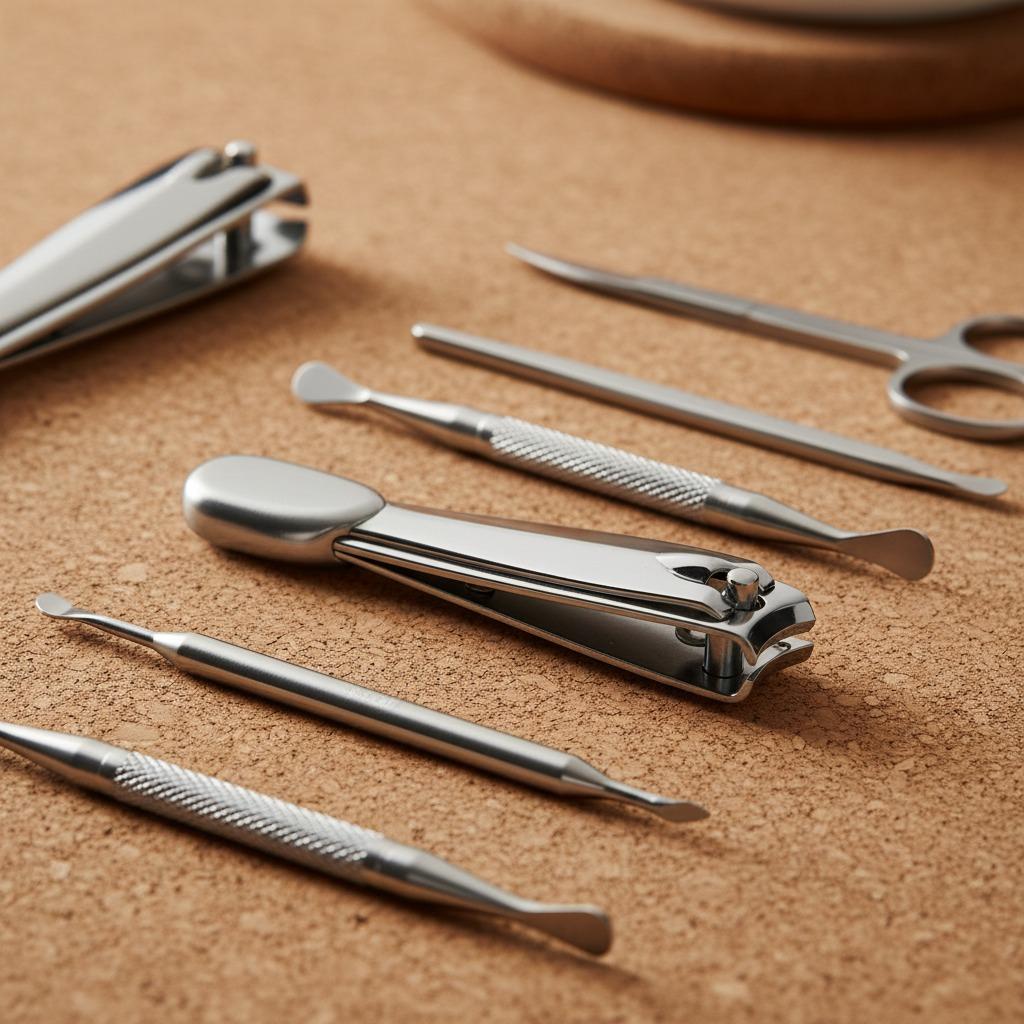













Tweezers are small beauty tools, but they can strongly affect customer satisfaction, repeat orders and brand perception. A well-made pair closes evenly, grips fine hair cleanly and feels comfortable in the hand. A poorly finished pair can cause slipping, scratching, damaged tips, complaints and avoidable returns.
For resellers and distributors, tweezers export from China is attractive because the category supports bulk purchasing, flexible assortment planning, private label presentation and repeat demand across beauty retail, salon supply, grooming kits and e-commerce channels. The best buying decision is not simply the lowest unit price. It is the specification, packaging and inspection plan that match your end customer and sales channel.
Olimor Beauty supplies beauty tools for business buyers who need practical, market-ready options. This guide explains how to choose tweezer types, compare bulk tweezers price factors, review quality before export, and evaluate a supplier without relying on unsupported assumptions.
Why Tweezers Remain a Strong Beauty-Tool Export Category
Tweezers serve a clear and familiar purpose: they help users grasp fine hairs or small objects with accuracy. In the beauty market, they are commonly used for eyebrow shaping, facial grooming, lash application support and general personal care. Because the product is compact, easy to understand and suitable for multiple sales channels, it can work as a standalone retail item, a checkout add-on, a kit component or a replenishment product for professional users.
Resellers benefit because tweezers are easy to explain in product pages and retail displays. Shoppers can quickly understand the value of precise tips, a comfortable grip and a clean finish. Distributors benefit because tweezers can be supplied repeatedly to salons, beauty retailers, pharmacies, e-commerce sellers and regional wholesalers when the product appearance and usability remain consistent.
China is an important sourcing base for stainless steel tweezers and other beauty tools. Buyers can compare multiple tip shapes, finishes, packaging formats and order structures. However, two tweezers that look similar in a photo may perform differently in hand. Tip alignment, spring tension, edge finishing, surface treatment and tip protection in packaging all influence the final user experience.
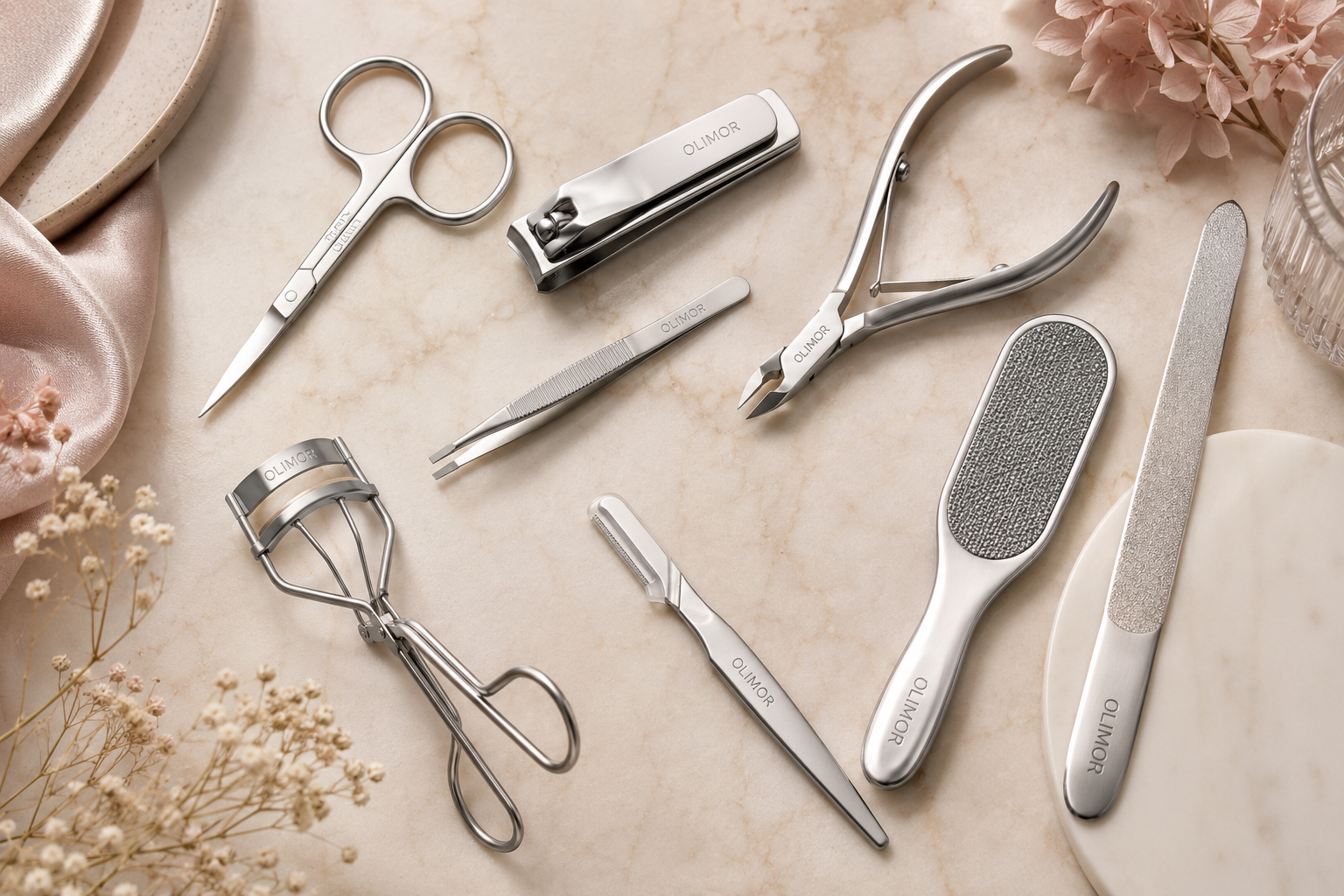
If you are building a wider beauty-accessories catalog, review Olimor beauty tool products to see how tweezers can sit beside related grooming, lash and manicure tools.
Define the Product Role Before Comparing Quotes
Before asking for prices, define what the tweezer needs to do in your assortment. A brow-focused retailer may prioritize slanted tips for daily eyebrow grooming. A salon supplier may need several shapes for different tasks. An online seller may care heavily about product photography, pack durability and clear descriptions that reduce returns.
A clear product role helps you avoid comparing mismatched quotes. The same unit price may represent different assumptions about material, finish, packaging, labeling or inspection. When suppliers quote against different specifications, the lowest offer may not be the best commercial value.
Common Tweezer Types for Export Orders
- Slanted tip tweezers: A common choice for eyebrow shaping and general grooming. The angled edge lets users approach hair from a comfortable direction and is easy for retail customers to understand.
- Pointed tip tweezers: Useful for more focused picking tasks. The point can be delicate, so packaging should protect the tips during storage and shipping.
- Flat tip tweezers: Better for gripping wider items rather than isolating very fine hairs. They may suit general beauty, craft-related or multi-purpose assortments.
- Curved or specialty tweezers: Often selected for lash-related or application support tasks. The curve should match the intended use rather than being chosen only for visual appeal.
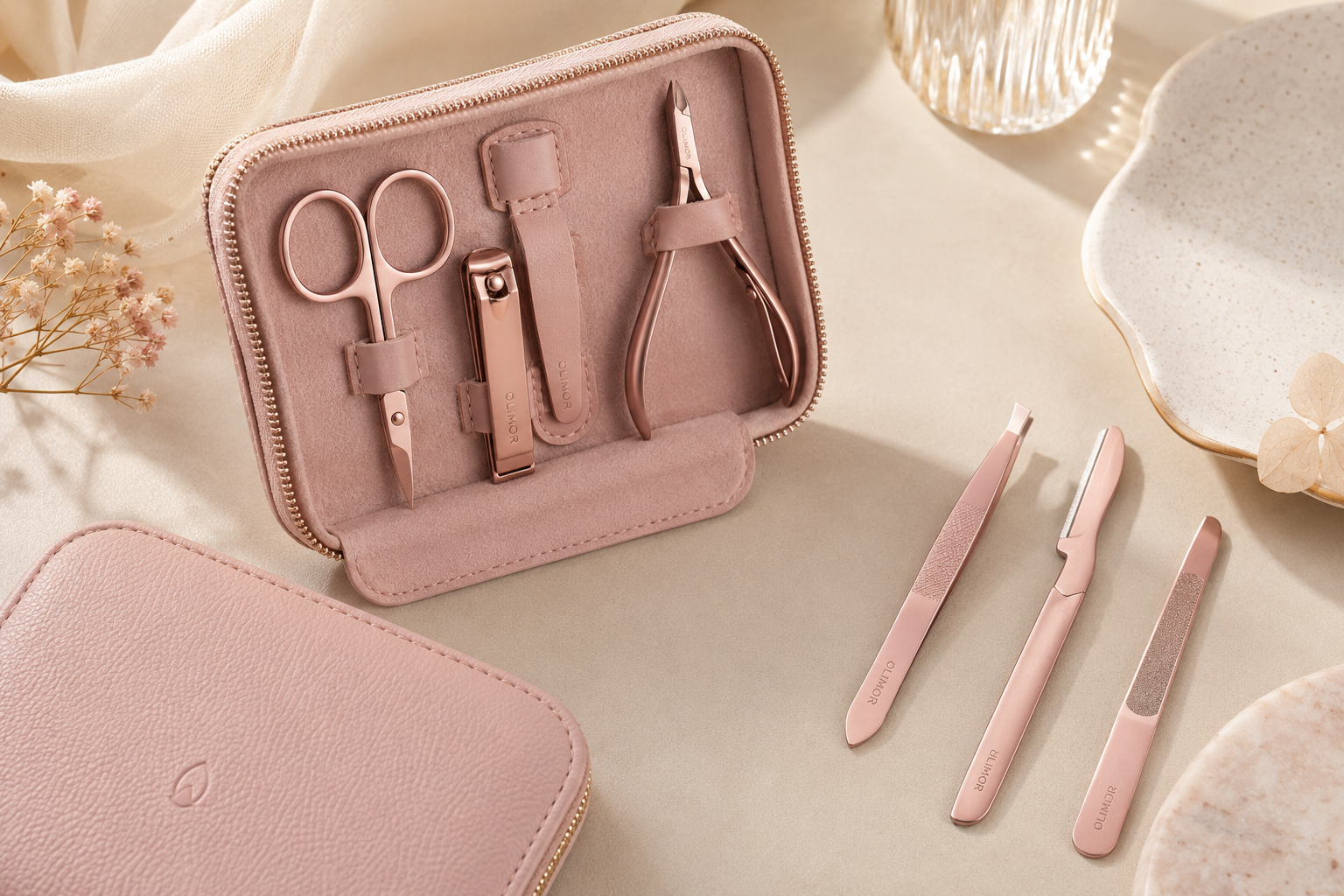
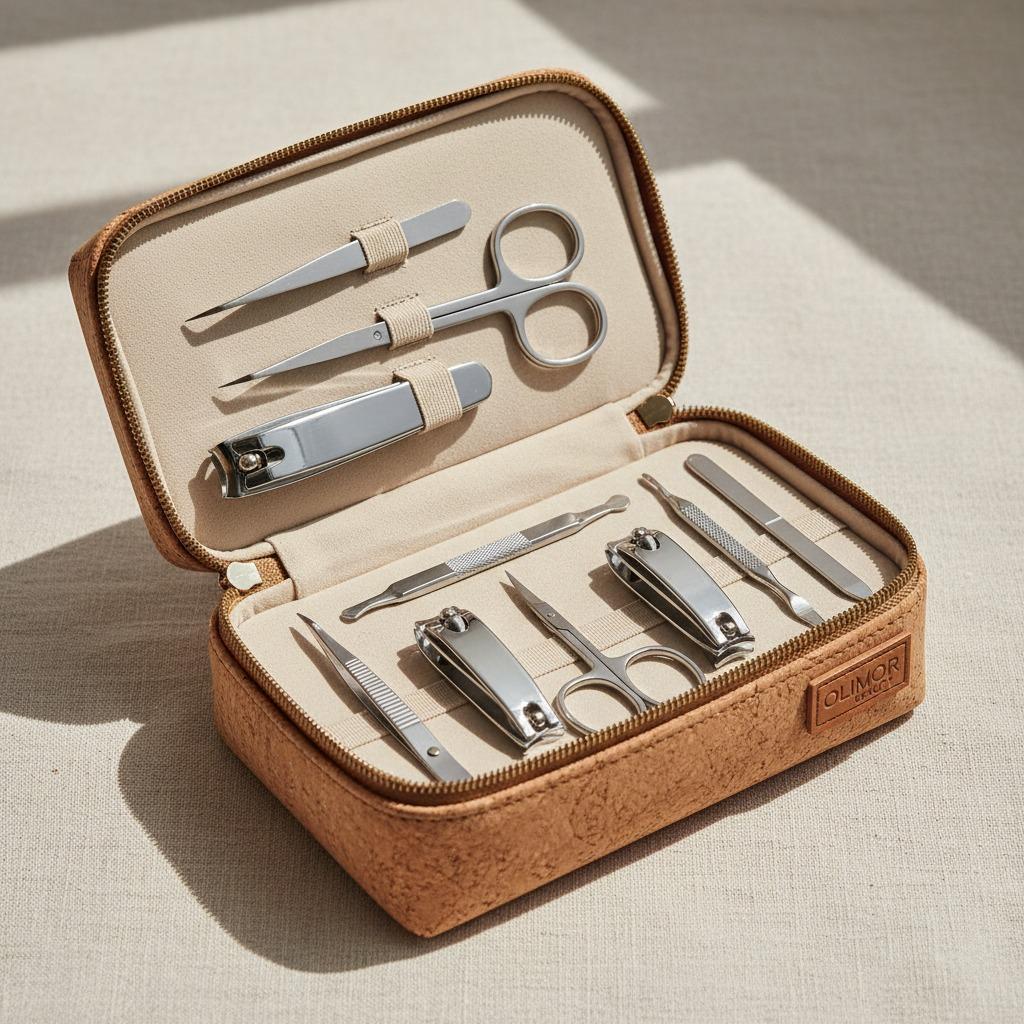
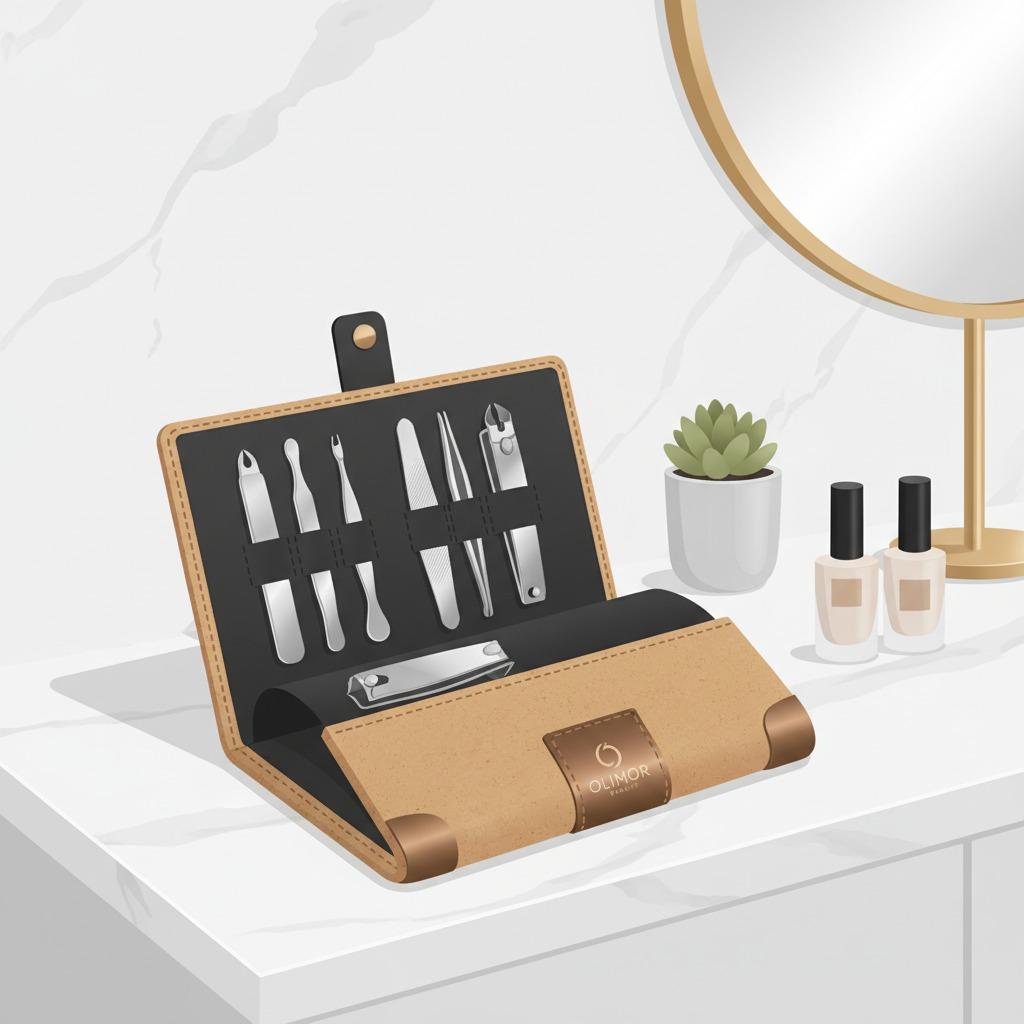
- Multi-piece tweezer sets: Sets can increase perceived value, especially for gift, travel or kit buyers. Each piece should have a clear function so the set does not add unnecessary cost or confuse customers.
Supplied product details may refer to stainless steel, ergonomic designs or rust-resistant features. These are useful buying points, but buyers should verify them through sample review and supplier documentation where relevant. Stainless steel tools can still vary in hand feel, alignment, finish smoothness and care requirements.
Selection Criteria for Resellers
Resellers usually need tweezers that are easy to photograph, easy to explain and consistent enough to earn positive reviews. Too many similar styles can confuse shoppers, while too few styles may fail to cover different grooming preferences. A practical reseller assortment may include one everyday slanted tweezer, one pointed tweezer for precision tasks and one set option for customers who want a complete grooming accessory pack.
Retail presentation matters because small beauty tools must communicate value quickly. Packaging should protect the tip, present the tool clearly and give the shopper enough information to choose confidently. For physical retail, consider whether the item must hang on a hook, sit in a display, scan at checkout or fit into a boxed set. For online selling, consider how clearly the tip shape, finish and intended use appear in photos.
Reseller Sample Review Checklist
- Tip alignment: The two tips should meet evenly when lightly closed, without obvious gaps or crossing.
- Grip performance: The tweezer should hold fine hair or a thin test material without slipping immediately.
- Edge comfort: Edges should feel smooth during normal handling and should not scratch the user.
- Hand feel: Spring tension should feel controlled, not so stiff that it tires the hand and not so loose that it feels weak.
- Surface finish: Polished, matte or coated finishes should suit the target retail positioning and should look consistent across samples.
- Packaging fit: The tweezer should sit securely in the sleeve, card, pouch or box, with tips protected from bending or abrasion.
- Care guidance: Simple cleaning, drying and storage instructions can help reduce misuse and improve perceived quality.
For resellers, the most profitable item is not always the cheapest. A slightly better-aligned tweezer with stronger packaging may support a better retail price and fewer service issues. Compare samples side by side under the same conditions rather than relying only on catalog photos.
What Distributors Should Prioritize in Bulk Supply
Distributors face a different challenge from individual resellers. They must keep stock moving across multiple buyers, maintain consistency across batches and avoid slow-moving assortment decisions. For tweezers export from China, distributors should focus on repeatability: the same grip feel, finish, packaging format and labeling arrangement should be achievable across reorders.
A practical supply plan starts with a product matrix. Decide which styles are core items and which are promotional or seasonal. Core tweezers should be simple, reliable and suitable for repeat sales. Promotional styles can include special colors, display packs or bundled sets, but they should not replace dependable everyday SKUs.
Distributors also need to think about how tweezers will be handled after import. Will they be shipped individually to e-commerce sellers, packed into retail displays, supplied in cartons to wholesalers or combined with other tools? The answer affects packaging strength, barcode placement, carton labeling, inner packing and product information.
Buyers planning a coordinated catalog can explore Olimor product collections to consider how tweezers may be paired with related beauty accessories.
Bulk Tweezers Price: Compare Total Value, Not Only Unit Cost
Bulk tweezers price is often the first topic in sourcing conversations, but the visible unit price is only one part of the real commercial cost. A quote that looks low may become expensive if packaging is weak, many pieces need sorting, the finish does not match the retail position, or the second order looks different from the first.
To compare suppliers fairly, request information using the same tweezer style, packaging format, quantity basis and delivery terms. Otherwise, two quotes may appear similar while covering different material, finishing, labeling or packing assumptions.
| Cost factor | What to check | Why it matters |
|---|---|---|
| Material and finish | Review the stated material, finish type and sample appearance | Affects durability perception, hand feel and retail positioning |
| Tip precision | Test alignment, closing contact and grip on fine material | Directly affects grooming performance and customer reviews |
| Packaging type | Compare sleeve, card, pouch, box or set packaging | Influences shelf appeal, shipping protection and branding options |
| Inspection requirements | Define appearance and functional checks before production approval | Helps reduce inconsistent batches and avoidable complaints |
| Labeling and assortment | Confirm barcode, language, product name, color and set configuration needs | Supports smoother warehousing and channel compliance |
| Carton and logistics | Review packing organization, carton marks and style separation | Reduces handling time and lowers the risk of mix-ups after import |
For many buyers, the best long-term choice is a stable product at a reasonable price rather than a very low-cost item that changes quality between orders. The right price discussion should include product specification, packaging protection, inspection scope and reorder consistency.
Quality Checks That Matter Before Export
Tweezers are simple mechanical tools, so quality inspection should be practical and repeatable. Buyers do not need complicated laboratory language for every purchase, but they do need clear standards for what is acceptable. The goal is to prevent obvious performance problems before goods move into retail or distributor stock.
Functional Checks
- Open and close the tweezer several times to confirm smooth action and consistent spring tension.
- Check whether both tips meet evenly without visible gaps when lightly pressed together.
- Use the same thin material or sample hair test method across all supplier samples, so comparisons are fair.
- Confirm that pointed or delicate tips are not bent, crossed or exposed inside the package.
Appearance and Handling Checks
- Look for rough edges, burrs, visible marks, uneven coating or inconsistent polishing.
- Check whether the product surface matches the approved sample and target retail presentation.
- Review whether the package holds the tweezer securely and prevents tip damage during transit.
- Confirm that style, color, label and barcode are separated correctly for mixed assortments.
For larger orders, buyers may reference a recognized sampling framework such as ISO 2859-1 when discussing inspection plans with suppliers or third-party inspectors. If chemical restrictions, coatings or market-specific consumer product requirements apply, buyers should also verify the relevant version of applicable rules with their compliance adviser and supplier documentation. For example, some importers selling into regulated markets may need to consider public requirements from bodies such as the European Chemicals Agency for restricted substances. These references do not replace product-specific compliance review, and they should not be treated as a claim that any supplier holds a certification unless valid documents are provided.
Packaging, Labeling and Private Label Considerations
Packaging is not only decorative. It protects the tips, supports retail display, communicates use and affects the customer’s first impression. A good tweezer in weak packaging may arrive damaged or look too basic for its intended price point. A heavily packaged tweezer may increase cost without improving sell-through if the channel does not need it.
Common options include sleeves, blister-style retail cards, pouches, boxes and multi-piece set packaging. The best choice depends on channel. Salon supply buyers may prefer simple practical packaging with clear identification. Retail stores may require barcode placement and hangable cards. E-commerce sellers may need packaging that protects the tool during parcel shipment and photographs well in listing images.
Private label buyers should prepare artwork, product names, warning or care text, barcode requirements and language requirements early. If you sell in multiple countries, confirm which text belongs on the retail package, inner carton and outer carton. Avoid unsupported claims such as guaranteed professional performance, medical use or special test results unless they are backed by appropriate documentation.
Supplier Evaluation Questions for B2B Buyers
A reliable sourcing conversation should make specifications, production expectations and inspection responsibilities clear. Use direct questions that help you compare suppliers on practical execution rather than sales language.
- Which tweezer shapes and finishes are available for bulk orders?
- Can samples be provided for side-by-side review before order confirmation?
- How are tip alignment, closing action and surface finish checked during production?
- What packaging options are available for retail, salon, e-commerce or set assortments?
- Can product labeling, barcode placement, language text or private label artwork be customized?
- How are different styles, colors or sets separated and marked for carton-level handling?
- What documentation can be provided for the material, packaging or market requirements relevant to the order?
- How should buyers communicate approved samples and acceptable quality expectations for reorders?
These questions are especially important when comparing bulk tweezers suppliers because many products look similar in photos. The difference becomes clearer when you test samples, review packaging and discuss how consistency will be controlled.
How to Build a Practical Tweezer Assortment
A balanced assortment should cover real use cases without creating unnecessary SKU complexity. For many beauty-tool buyers, a simple structure works best: one everyday slanted tweezer, one precision pointed option, one broader gripping style or specialty option, and one set for shoppers who want value or gifting convenience.
For professional channels, prioritize control, clear use descriptions and repeatable quality. For retail channels, prioritize shelf presentation, product naming and easy customer understanding. For e-commerce, prioritize accurate photos, tip-shape close-ups, packaging durability and honest descriptions. In every channel, avoid overpromising. Customers buying tweezers often compare fine details, so realistic product descriptions help reduce disappointment.
If you are ready to discuss styles, packaging or private label options, contact Olimor through the bulk product inquiry page. For broader sourcing support, you can also reach the team through Olimor contact channels.
FAQ
Can I request tweezer samples before a bulk order?
Yes, business buyers should request samples whenever possible. Samples allow you to check tip alignment, grip feel, finish, packaging fit and overall retail presentation before confirming the production specification.
Does Olimor offer customization for tweezers?
Customization may be discussed for suitable orders, including packaging, labeling, assortment structure or private label presentation. Available options depend on the product style and order requirements, so buyers should confirm details directly before placing an order.
What MOQ applies to bulk tweezers?
MOQ can vary by tweezer type, finish, packaging and customization needs. Buyers should share the target style, sales channel and packaging requirements so the supplier can provide the relevant order terms without assumptions.
How should I check quality before shipment?
Start with approved samples and define practical checks for tip alignment, grip action, surface finish, packaging protection, labeling and assortment accuracy. For larger orders, discuss whether sampling inspection methods or third-party inspection are appropriate.
What affects lead time for tweezer export orders?
Lead time can be affected by sample approval, packaging artwork, customization, order quantity, production scheduling and export preparation. Confirm timing with the supplier after the specification and packaging details are clear.