










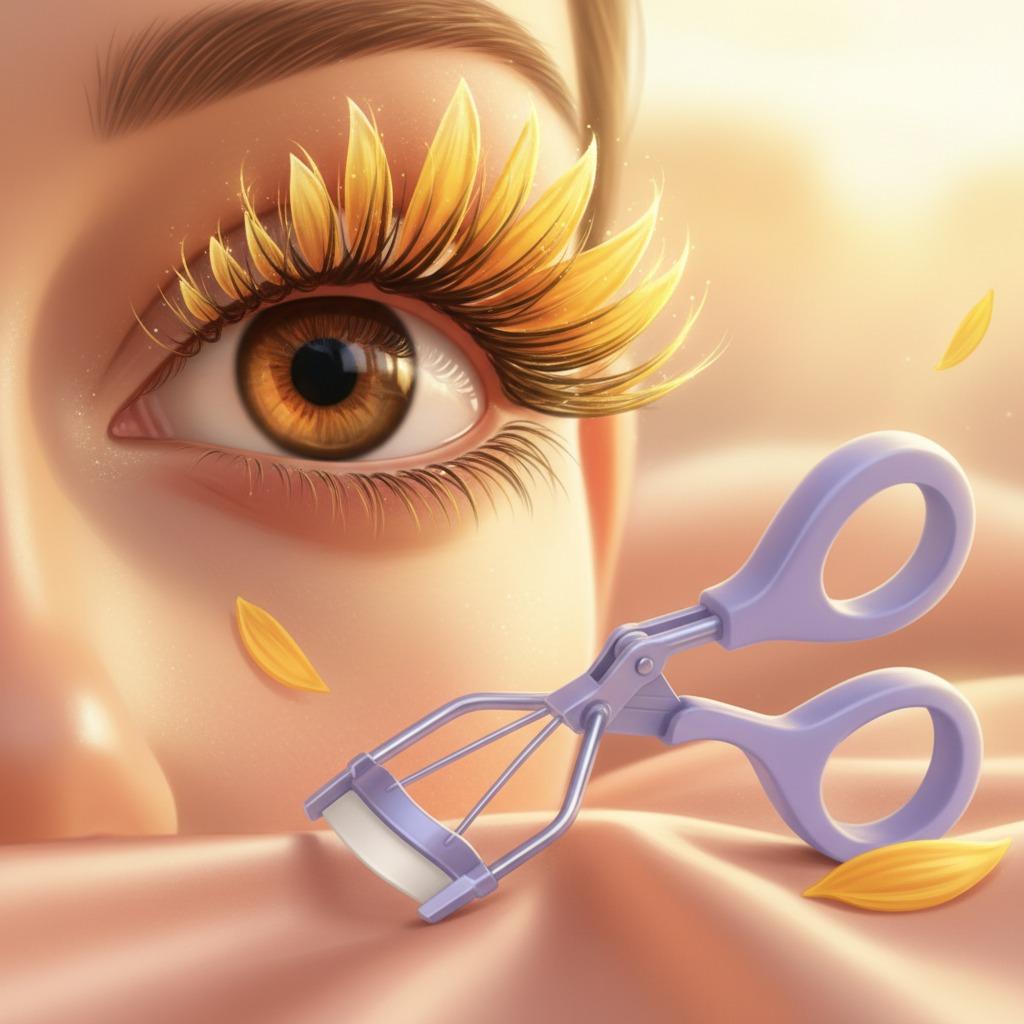
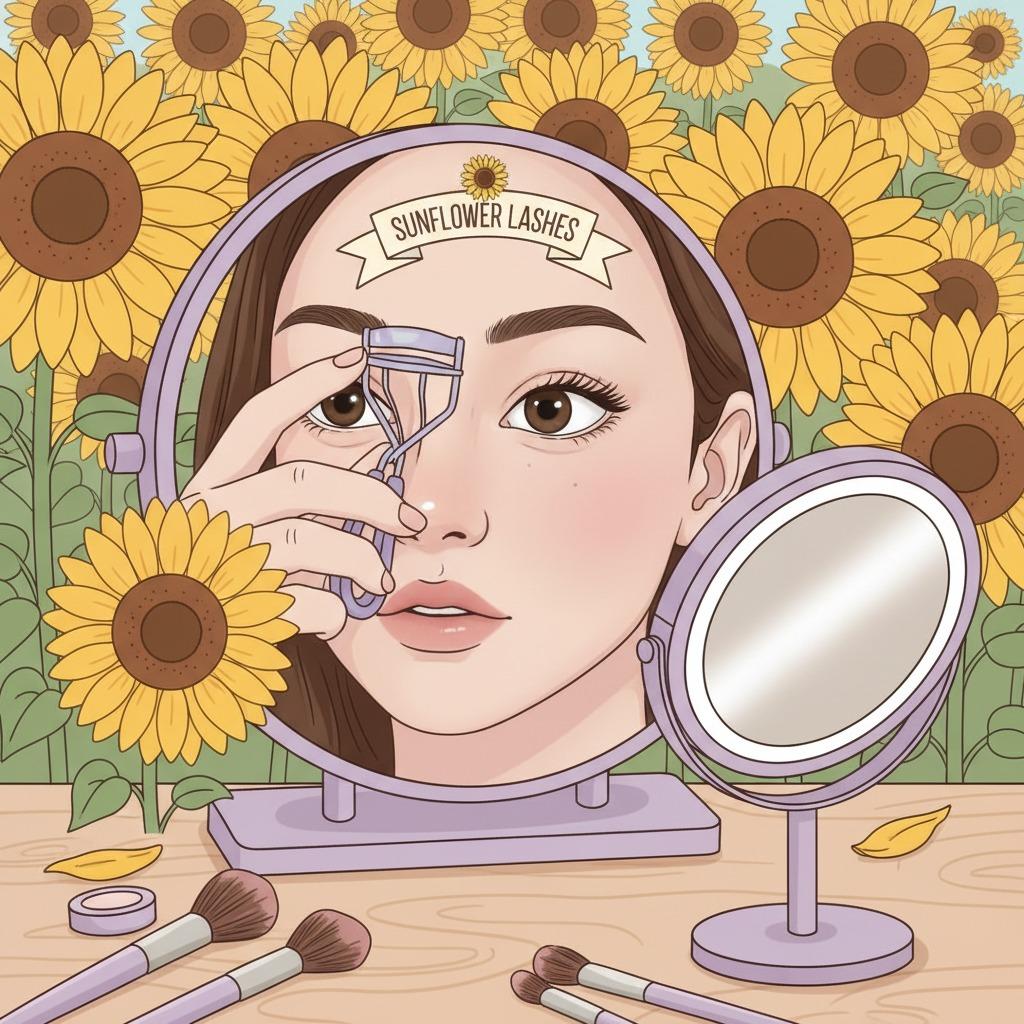
Sunflower lashes are not a separate lash category. The term describes a lifted, fanned-out lash shape that opens the eye and creates a soft, petal-like spread. For most users, that effect starts with the right eyelash curler and a calm curling method. Heavy mascara or false lashes are not required.
Olimor Beauty’s pastel lavender eyelash curler is designed for practical use as well as presentation. Its ergonomic handles, soft silicone pads, and durable stainless steel construction support controlled curling for everyday routines, travel kits, retail assortments, and professional beauty tool sourcing. If you are comparing options across beauty tools, the real question is not only how the curler looks, but whether it helps users place, press, and release the lashes comfortably and consistently.
What the Sunflower Lash Effect Actually Means
The sunflower look is best understood as an open, rounded curl with visible lift at the base and separation through the ends. It should not look crimped, sharply bent, or over-pressed. When done well, the lashes appear longer, more awake, and more defined without looking stiff.
This makes the technique useful for several everyday needs. Straight lashes may point forward or downward and disappear visually without curling. Sparse lashes can look fuller when they are lifted before mascara. Hooded or deep-set eyes often benefit from a curl that opens the lash line rather than adding weight. Even users who prefer minimal makeup can use the curler alone for a cleaner finish.
The pastel lavender color matters most for user appeal and product presentation. Beauty tools often sit in a vanity drawer, travel pouch, or retail display, so a soft finish can help the item feel more giftable and easier to identify. Still, color should never outweigh performance. A good curler must feel smooth, open wide enough for placement, and cushion the lashes instead of forcing them into a harsh bend.
How to Create a Lifted, Fanned Lash Shape
The easiest way to create sunflower lashes is to curl in stages rather than squeezing once and hoping for the best. Controlled pressure gives a softer arc and reduces the chance of pinching or creasing.
- Place the curler carefully at the root. Open the tool and position the upper frame close to the lash line without catching skin. Keep the eye relaxed and look slightly downward into a mirror. The silicone pad should meet the lashes, not the eyelid. If the tool pinches, release and reposition before pressing again.
- Use light pulses instead of a hard clamp. Gentle squeezes create a more natural curve than one aggressive press. The ergonomic handles help the user control pressure, while the soft silicone pads cushion the lash fibers. The goal is lift and shape, not flattening.
- Move outward for a rounded finish. After curling near the base, release the tool and shift it slightly toward the middle of the lashes. Repeat with light pressure. For longer lashes, a final light pass near the tips can help create a smooth fan effect rather than a single crease.
For most people, the best time to curl is before mascara. Clean, dry lashes flex more easily and are less likely to stick to the pad. If mascara is part of the look, apply it after curling and brush upward to preserve the lift. Curling after mascara has dried can increase pulling and reduce comfort.
Choosing the Right Eyelash Curler for Comfort and Control
A pretty tool is not automatically a practical one. Whether you are buying for personal use or for resale, the most important selection criteria are fit, control, and finish quality.
| What to check | Why it matters | What a good result looks like |
|---|---|---|
| Frame curve | The curve should follow the lash line closely. | Easy placement with fewer missed corner lashes. |
| Pad softness | Soft silicone pads cushion the lash fibers during pressure. | Even contact and a smoother release. |
| Handle control | Handles affect how steadily pressure is applied. | A secure grip with less wrist strain. |
| Opening width | The tool must open far enough to place lashes cleanly. | No dragging or snagging during placement. |
| Edge finish | Rough edges near the eye area can reduce comfort. | Smooth contact points and a clean feel. |
| Visual presentation | Color and finish matter for vanity, gifting, and retail display. | A soft, cohesive look that supports the assortment. |
For buyers building a coordinated beauty range, it helps to review the curler alongside other items in product collections. The best fit depends on the audience: beginner users, travel buyers, gift shoppers, or professional kit users may all have different priorities.
Practical Inspection Points for Buyers and Retailers
When sourcing an eyelash curler, the first inspection should focus on mechanical feel and finish consistency. A tool that looks attractive but closes unevenly will create problems for the end user.
- Check pad seating. The silicone pad should sit evenly and not appear loose, warped, or uneven.
- Test opening and closing movement. The hinge should move smoothly and allow controlled squeezing.
- Inspect the frame surface. Smooth edges help reduce discomfort around the eye area.
- Look at alignment. The two sides should meet in a way that supports even lash contact.
- Review packaging needs. Retail, e-commerce, and gift use may require different protection and presentation.
- Confirm care guidance. Clear cleaning instructions can reduce misuse and returns.
For B2B buyers, this is also where sourcing discipline matters. Ask for product images, material descriptions, packaging details, and sample availability before committing to a wider assortment. If you need help evaluating a program or want to compare options for retail or private-label planning, you can contact the Olimor team or send an inquiry.
In regulated markets, buyers should also verify any applicable product safety rules, import requirements, and supplier documents. If a beauty program includes cosmetics alongside tools, many companies also ask suppliers about general manufacturing hygiene practices and documentation commonly associated with standards such as ISO 22716 for cosmetic production. Verify the current version and confirm which documents apply to the specific item or bundle.
Common Curling Mistakes and How to Fix Them
Most curling problems come from technique rather than the lash type itself. A few small adjustments can improve the result quickly.
Clamping too hard at the root is the most common issue. It may create a sharp bend instead of a soft arc. Use gentle pulses and build the curl gradually. Curling wet or freshly mascara-coated lashes is another frequent mistake. Damp lashes may not hold shape consistently, and coated lashes can stick to the pad. Skipping the outer corners can make the eye look less open. If the curler misses those lashes, adjust the angle rather than dragging the tool sideways.
Using a worn pad is equally important to watch. A cracked, flattened, or loose silicone pad can reduce cushioning and change the way the tool closes. If the pad no longer springs back evenly, replace it or stop using the curler until it is serviced.
Rushing the release can also disturb the curl. Open the curler slowly after each squeeze instead of pulling it away abruptly. That small habit helps preserve the shape and feels gentler on the lashes.
Cleaning, Storage, and Pad Care
Because the curler sits close to the eye, care is part of performance. Makeup residue, skincare oils, and dust can build up on the pad and frame over time, making the tool feel sticky or less precise.
After use, wipe the pad and contact areas with a clean tissue or soft cloth. If residue remains, use a lightly dampened cloth or a gentle makeup-removal wipe, then let the tool dry fully before storage. Avoid soaking the entire curler unless the specific product instructions allow it. Store it in a clean pouch, drawer, or case where the pad will not be compressed by heavier items.
For regular users, a quick inspection routine is enough:
- Check whether the pad is still smooth and elastic.
- Look for cracks, deep grooves, or hardening.
- Make sure the frame closes evenly.
- Confirm that no residue remains near the lash contact area.
Retailers and salon buyers can improve customer satisfaction by including simple care guidance in packaging inserts or product listings. That small detail often reduces misuse and helps the tool perform as intended for longer.
Comparison Checklist for Personal Use, Retail, and Sourcing
The same eyelash curler can serve different use cases, but each audience values different details. Use the checklist below to decide whether a pastel lavender curler fits your goal.
| Use case | What matters most | Buyer focus |
|---|---|---|
| Personal daily makeup | Comfort, easy placement, gentle pressure | Simple operation and a pad that feels soft on the lashes |
| Travel kit | Compactness, durability, protection in transit | Reliable closure and a finish that resists scuffing in a pouch |
| Retail assortment | Presentation, broad appeal, clear packaging | Color, display readiness, and easy consumer understanding |
| Salon or makeup artist kit | Control, repeatability, easy cleaning | Predictable movement and practical maintenance |
In sourcing discussions, it is smart to separate style questions from performance questions. Ask whether the frame is comfortable, whether the pad is replaceable or how it should be maintained, and whether the packaging supports your sales channel. If you are comparing beauty accessories as a category, the curler should fit the rest of your assortment instead of standing apart awkwardly.
When a Pastel Lavender Curler Makes Sense in a Product Line
A pastel lavender eyelash curler works best when the assortment aims for a soft, approachable beauty aesthetic. It can suit gift sets, vanity-friendly kits, travel bundles, and retail displays that favor lighter color palettes. The appeal is not limited to style, though. A user who finds the tool easy to identify and comfortable to hold is more likely to use it correctly and keep it in regular rotation.
For buyers, that means the product should be judged on both appearance and user experience. A good tool should support the actual curling process, not just photograph well. That is especially important in e-commerce, where the customer must understand the product from the listing, the photos, and the instructions alone.
If you are building or refreshing a beauty tool assortment, start by comparing the product details you already know: ergonomic handling, silicone pad comfort, stainless steel durability, and the pastel lavender finish. Then make sure the packaging, instructions, and sourcing documents all support the intended channel.
FAQ
Can this type of eyelash curler be used before mascara?
Yes. Curling clean, dry lashes before mascara is the most reliable way to create a lifted sunflower look.
What should I ask for when requesting samples?
Ask for product photos, finish details, packaging information, and any documentation relevant to your market or sales channel.
Is customization possible for retail programs?
Customization depends on the sourcing arrangement. Discuss color, packaging, labeling, and assortment needs directly with the supplier.
How do I judge quality without test data?
Check the hinge feel, frame alignment, pad seating, edge smoothness, and overall comfort during use.
How long is the lead time?
Lead time depends on the order scope, customization needs, and production schedule. Confirm timing with the supplier before planning a launch.
A sunflower lash look is less about trend language and more about tool fit, gentle technique, and regular care. If you want to explore beauty tools that support that kind of everyday use, review the current range in the product catalog or submit your sourcing questions for a tailored response.