










Choosing a tweezers factory direct source is not only about finding a lower unit cost. For beauty retailers, grooming brands, salon suppliers and promotional product buyers, it is also about controlling product consistency, appearance, packaging and reorder reliability. Tweezers are small tools, but customers judge them quickly: the tips must meet cleanly, the grip must feel controlled, and the finish should look suitable for a beauty counter, travel kit or professional drawer.
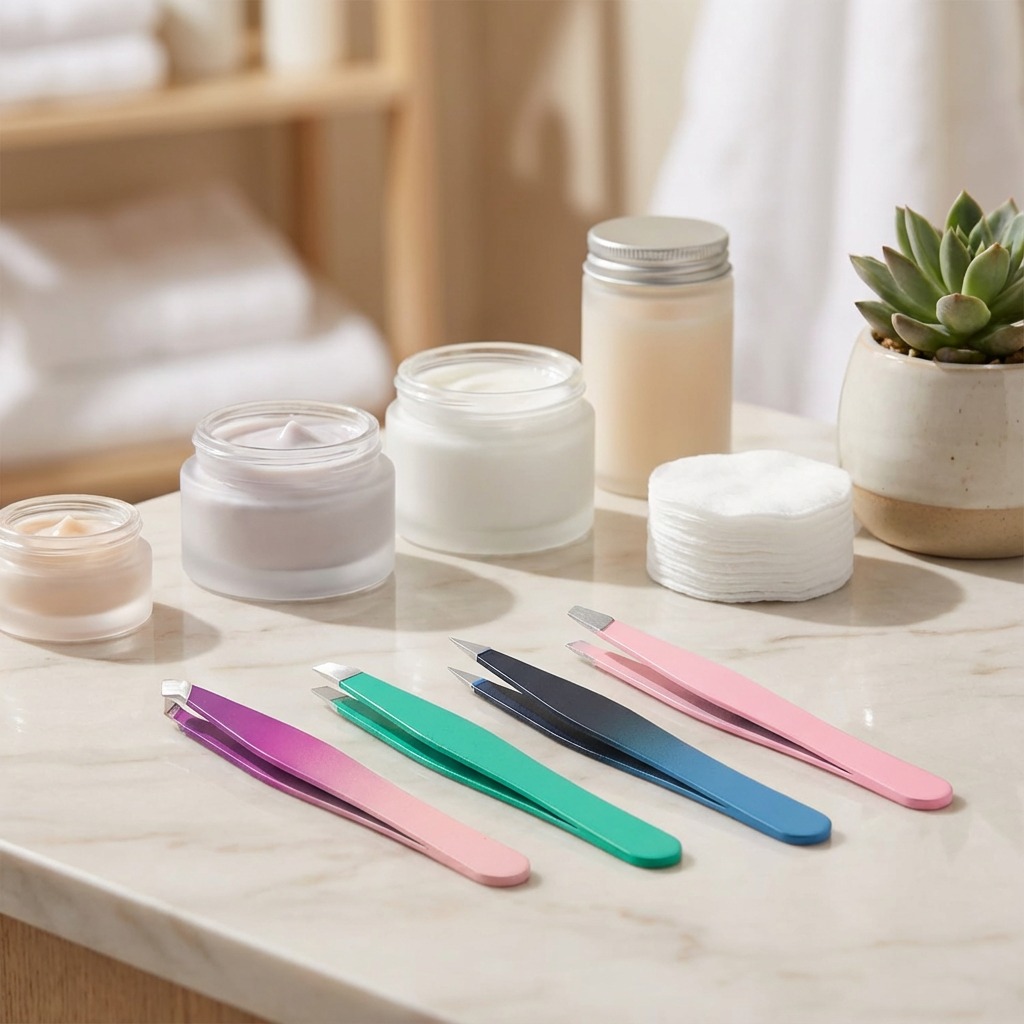
Olimor Beauty produces stainless steel tweezers, including the Mini Tweezer Collection described for compact, travel-friendly use. The collection is presented with ergonomic designs, hand-filed tips and vibrant gradient finishes such as deep magenta and oceanic navy. When you source this type of beauty tool directly from a factory, you can evaluate the details that matter before they become customer complaints: alignment, edge feel, surface finish, packaging protection and inspection standards.
This guide explains how to assess factory direct tweezers for wholesale, retail and brand programs without relying on vague promises. It focuses on practical questions and quality checkpoints buyers can use when comparing suppliers or preparing a new beauty-tool assortment.
Why Factory Direct Matters for Tweezers
A direct factory relationship gives buyers a clearer path from product concept to finished shipment. Instead of only seeing a catalog photo, you can discuss the tool’s intended use, expected finish, packaging approach and inspection priorities. That matters because tweezers require precise contact between two slender arms. A small error in tip alignment can make the tool feel unreliable, even if the outside appearance is attractive.
Factory direct sourcing can also reduce communication gaps. If you need compact tweezers for travel kits, a salon retail display, an e-commerce bundle or a private-label grooming set, the supplier must understand how the tool will be handled after production. Will it be sold as a single item? Included in a kit? Packed for retail display? Shipped through fulfillment centers? Each scenario affects packaging durability, surface protection and how the product should be inspected before dispatch.
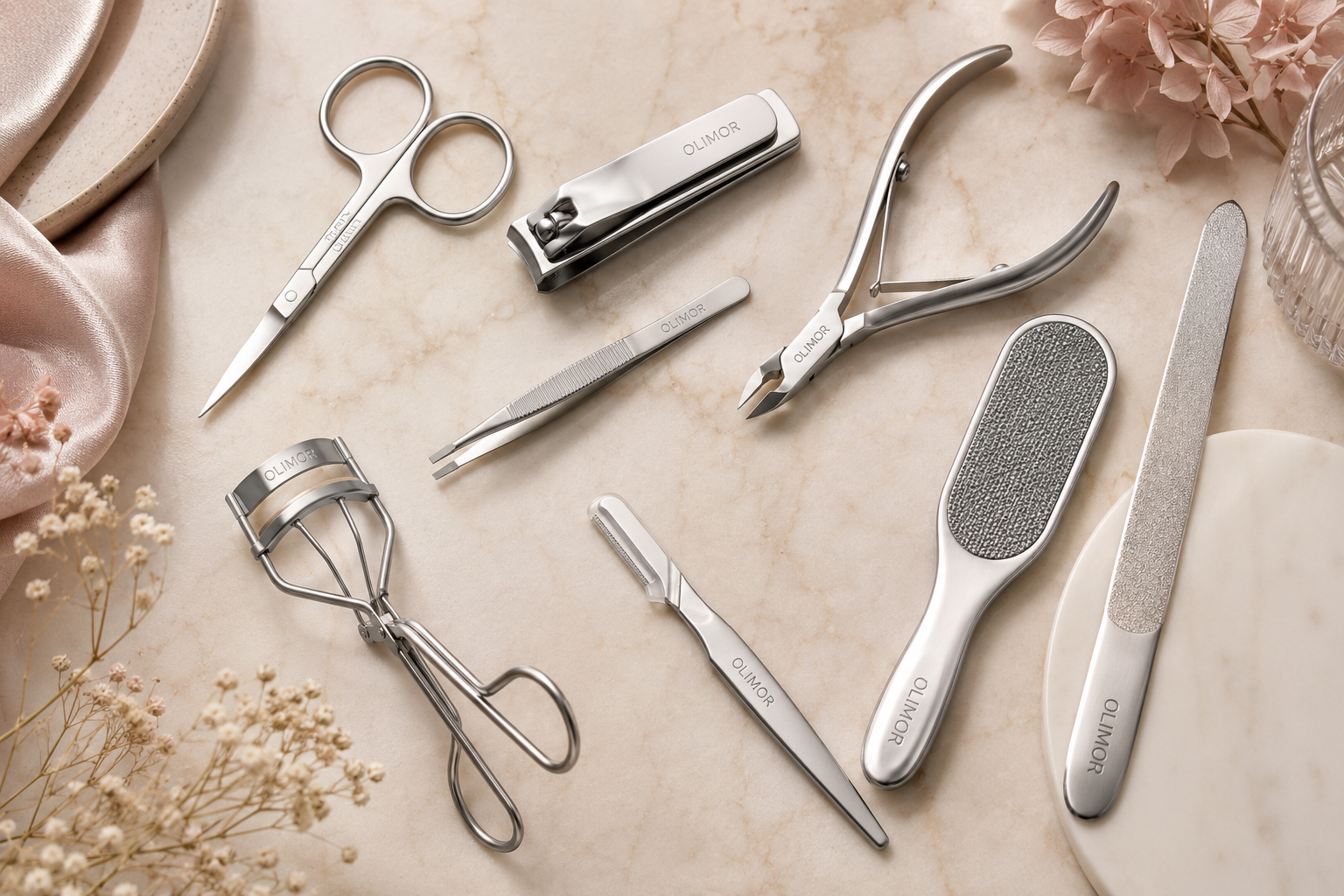
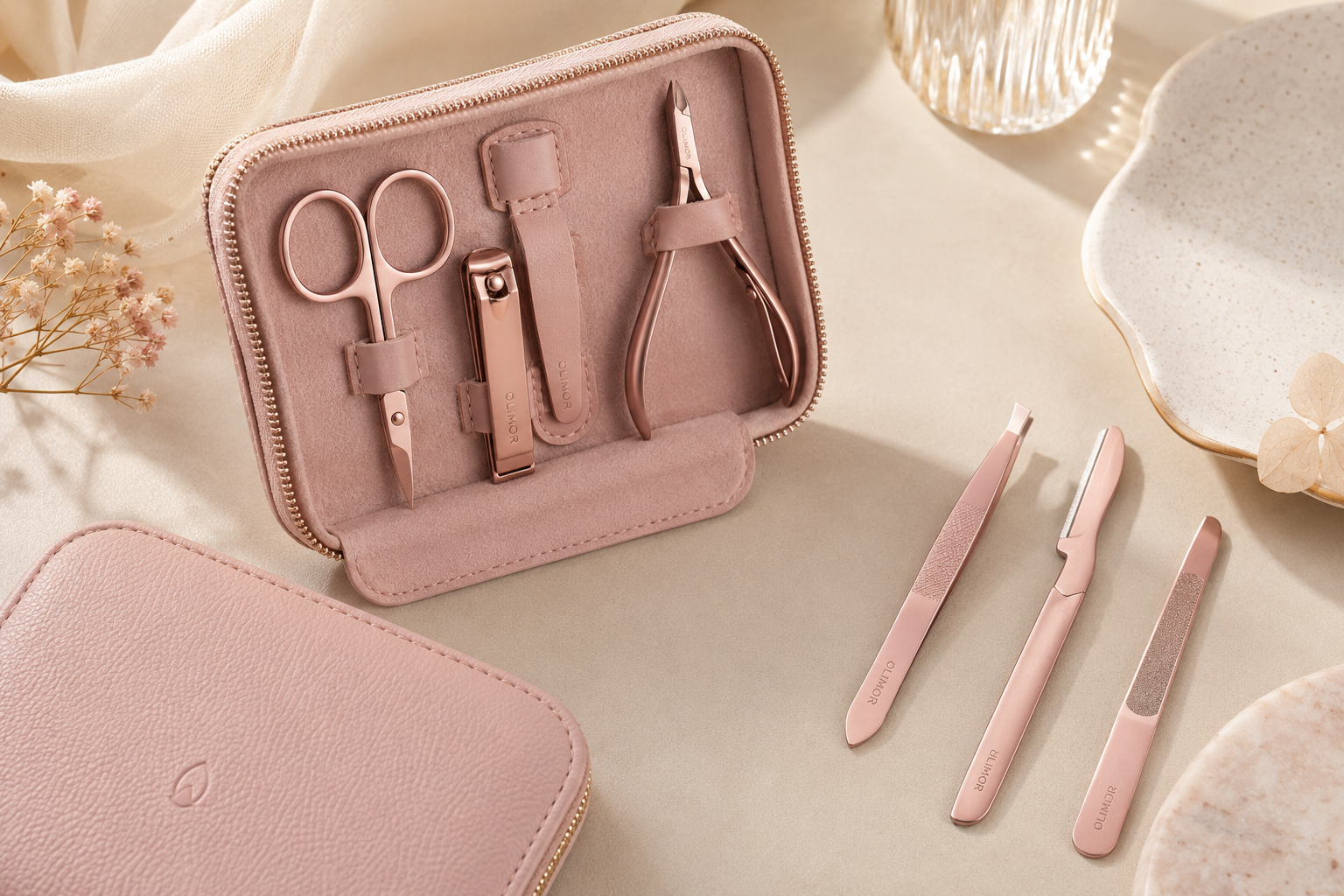
For buyers exploring broader assortments, Olimor’s beauty tool products page is a useful starting point for understanding how tweezers may fit alongside other grooming and beauty accessories. A well-planned range avoids duplicate items and gives customers a clear reason to choose each tool.
What to Check in Stainless Steel Mini Tweezers
Stainless steel is commonly used for tweezers because it supports a clean, durable tool structure. However, buyers should not evaluate tweezers by material alone. The user experience depends on the relationship between tip precision, spring tension, finish and hand comfort. The Mini Tweezer Collection is described as compact and ergonomic, which makes it especially relevant for travel, brow touch-ups, lash handling and small grooming kits.
Before confirming a purchase, review the following product details with samples in hand:
- Tip contact: The two ends should meet evenly without a visible gap. Uneven contact can reduce grip and frustrate brow or lash users.
- Tip finish: Hand-filed tips are intended to improve grip. Check that the edges feel precise without being rough against skin.
- Arm tension: The tweezer should close smoothly with controlled resistance. Too much stiffness causes fatigue; too little can feel weak.
- Surface appearance: Gradient colors such as deep magenta and oceanic navy should look consistent across the visible surface, especially for retail display.
- Ergonomics: Mini tweezers should remain easy to hold despite their compact size. Test them with dry hands and with lightly moisturized hands to assess control.
- Packaging protection: Tips need protection during shipping and storage. Bent or exposed tips can damage the tool before the customer opens it.
These checks are simple, but they help separate a display-ready beauty product from a low-control accessory. The best sample review combines close visual inspection with actual use on fine hairs, lash strips or small fibers to test grip behavior.
Matching Tweezers to the Right Buyer Use Case
Not every tweezer order serves the same audience. A professional salon buyer may care most about reliable grip and hygiene presentation. A lifestyle retailer may prioritize compact size, color appeal and giftable packaging. A travel-accessory brand may need tweezers that fit neatly inside a pouch without damaging nearby products. Factory direct sourcing allows these priorities to be discussed early, rather than forcing one generic item into every sales channel.
| Buyer type | Key sourcing priority | What to evaluate |
|---|---|---|
| Beauty retailer | Retail shelf appeal and repeat quality | Color consistency, packaging clarity, tip protection and sample-to-bulk matching |
| Salon supplier | Reliable daily handling | Grip precision, tension, cleaning practicality and durable finish |
| Travel kit brand | Compact size and safe storage | Mini format, protective packaging and compatibility with pouches or sets |
| E-commerce seller | Low return risk | Accurate product photos, quality inspection, secure packing and clear usage information |
| Gift or promotional buyer | Attractive presentation | Gradient finish, visual uniformity and packaging suitable for the campaign |
This kind of use-case mapping prevents overspending on features your customer does not value while protecting the quality points they will notice immediately.
Quality Control Questions for a Reliable Tweezers Supplier
The original value of factory direct sourcing is strongest when quality control is specific. General claims about premium quality are less useful than clear inspection steps and acceptance criteria. Olimor Beauty describes precise manufacturing steps and internal quality checks for its stainless steel tweezers. Buyers can build on that foundation by defining what needs to be reviewed before bulk goods leave the factory.
A practical quality discussion should include sample approval, bulk inspection and packaging review. Buyers may want to confirm how tip alignment is checked, how cosmetic defects are sorted and how products are protected during packing. For colored or gradient tweezers, visual consistency is particularly important because customers notice shade differences when several items are displayed together.
Useful questions include:
- How are tweezer tips checked for alignment and grip before packing?
- What cosmetic issues are considered unacceptable on visible colored surfaces?
- How is the approved sample used as a reference for bulk production?
- How are mini tweezer tips protected from bending or surface damage in transit?
- Can packaging be reviewed as part of the pre-shipment quality process?
These questions do not require complex technical language, but they make expectations measurable. They also help both buyer and supplier avoid misunderstandings about what “good quality” means for a small precision tool.
Packaging and Presentation for Compact Tweezers
Packaging has two jobs: it protects the tweezer and explains its value quickly. Compact mini tweezers are often purchased for convenience, so the packaging should make that purpose clear. If the product is intended for brows, lashes or travel use, the presentation should support those decisions without overclaiming performance.
For wholesale buyers, packaging review should start before final artwork or bulk production. Check whether the tip is shielded, whether the tweezer can move inside the pack, and whether the finish may rub against other surfaces. A beautiful gradient color loses value if it arrives scratched or if the tips are distorted by weak internal support.
Retailers should also consider how the product will be displayed. Hanging cards, boxes, pouches or kit inserts each create different risks. E-commerce packaging may require extra protection because products are handled by parcel carriers rather than placed directly on shelves. When sourcing directly, the packaging conversation can be aligned with the actual sales channel instead of treated as an afterthought.
How to Compare Factory Direct Value Beyond Price
Price matters, especially in the tweezers wholesale market, but the lowest quote is not automatically the best value. A poorly aligned tweezer can increase returns, damage reviews and weaken the perceived quality of an entire beauty assortment. A more useful comparison looks at total commercial fit: sample consistency, communication, packing method, inspection discipline and the supplier’s ability to support the buyer’s intended channel.
When reviewing quotations, compare what is included. Does the price reflect the same finish, packaging, inspection requirements and shipping preparation? Are the samples representative of bulk goods? Are the product descriptions and images consistent with what will be delivered? These points are especially important for compact tools because buyers may order them in larger quantities and small defect percentages can become visible quickly.
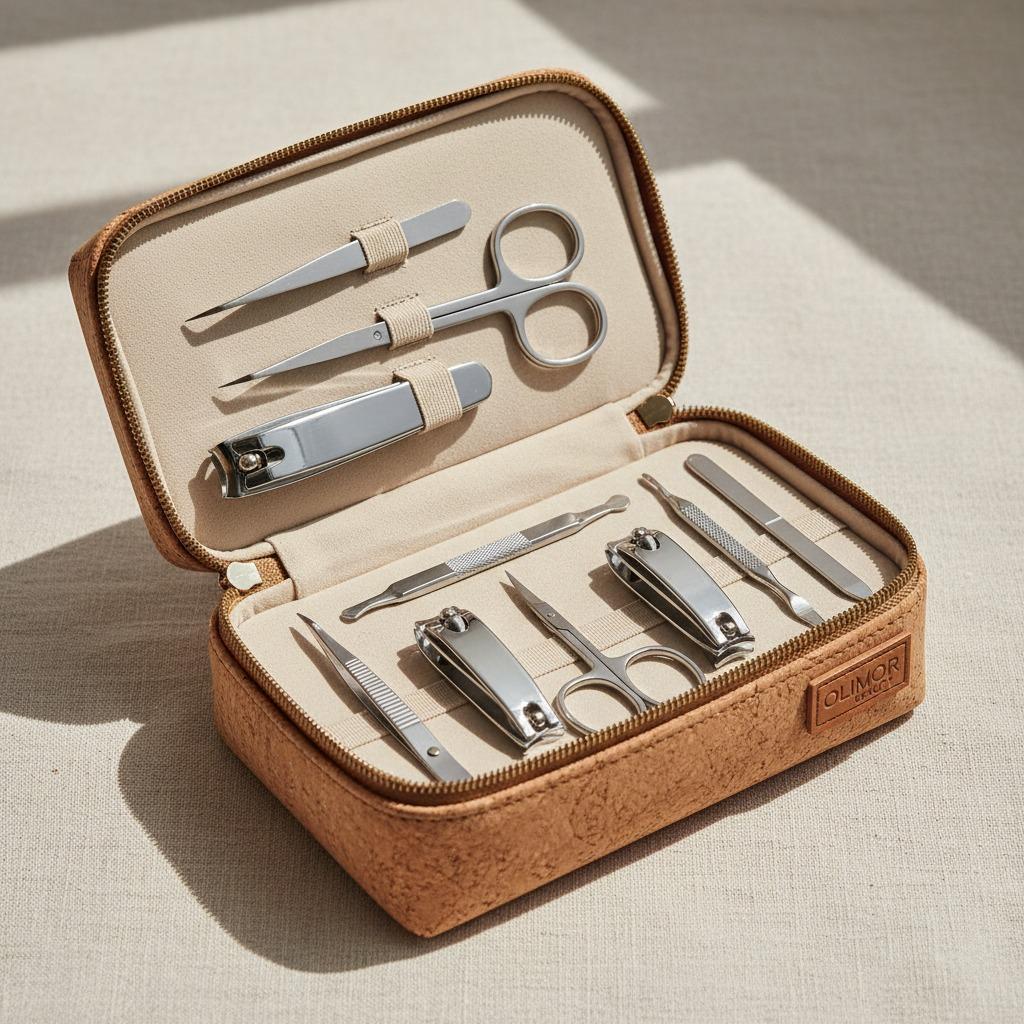
Olimor’s product collections can help buyers think in terms of assortment planning rather than one-off procurement. If tweezers will be sold alongside other beauty tools, consistency in finish level, packaging tone and customer promise becomes part of the value calculation.
When to Contact Olimor About Tweezers
If you are sourcing stainless steel tweezers for retail, salon distribution, travel kits or branded beauty accessories, prepare a short brief before starting the discussion. Include the target customer, preferred sales channel, expected packaging style, finish preference and whether the product is sold alone or inside a set. This helps the supplier recommend the most relevant approach and avoid unnecessary back-and-forth.
Buyers interested in the Mini Tweezer Collection can focus the conversation on compact handling, hand-filed tip quality, gradient color presentation and protective packaging. If you are comparing several tweezer options, request samples and evaluate them under the same conditions so your decision is based on grip, finish and packing quality rather than photos alone.
To begin a sourcing conversation, you can contact Olimor with your project details or send an inquiry for a more direct purchasing request. A clear brief and a structured sample review will help you make better decisions and build a tweezer program that supports both customer satisfaction and long-term supply reliability.