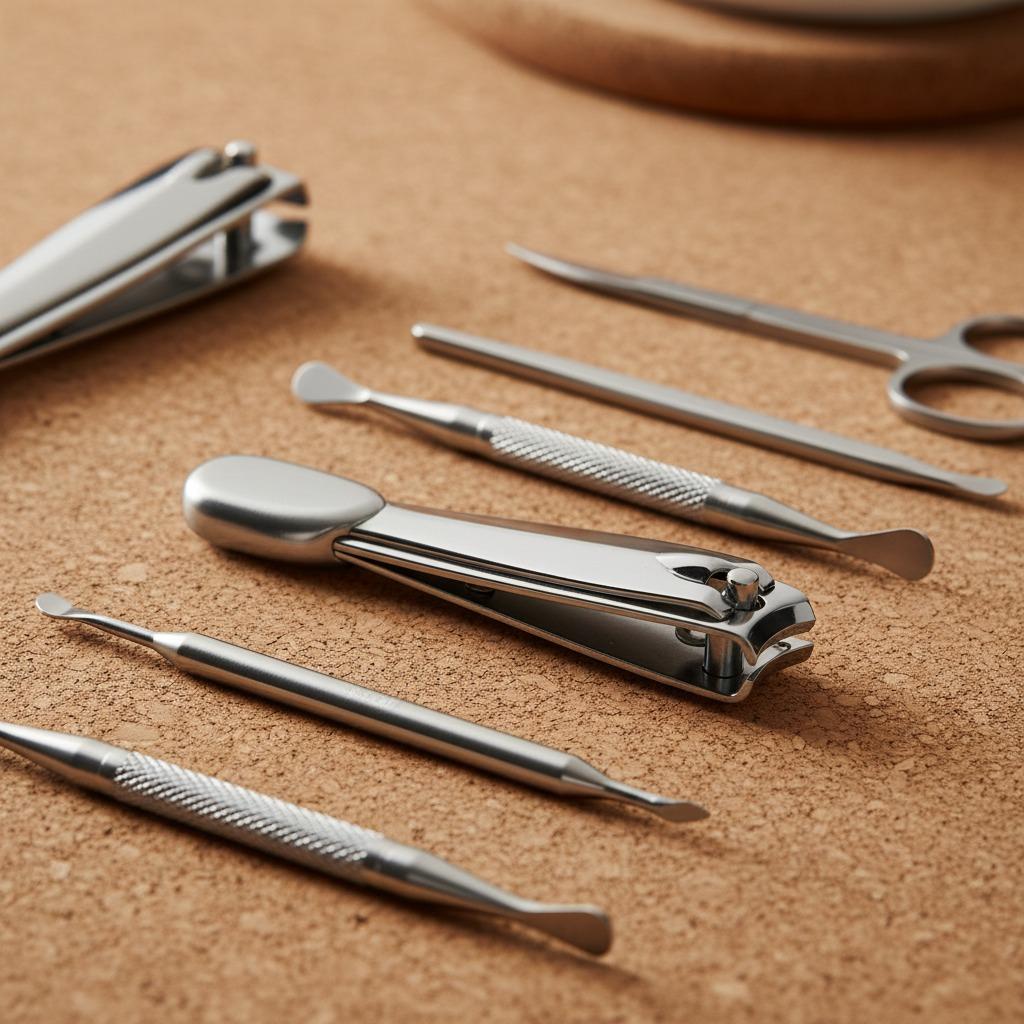











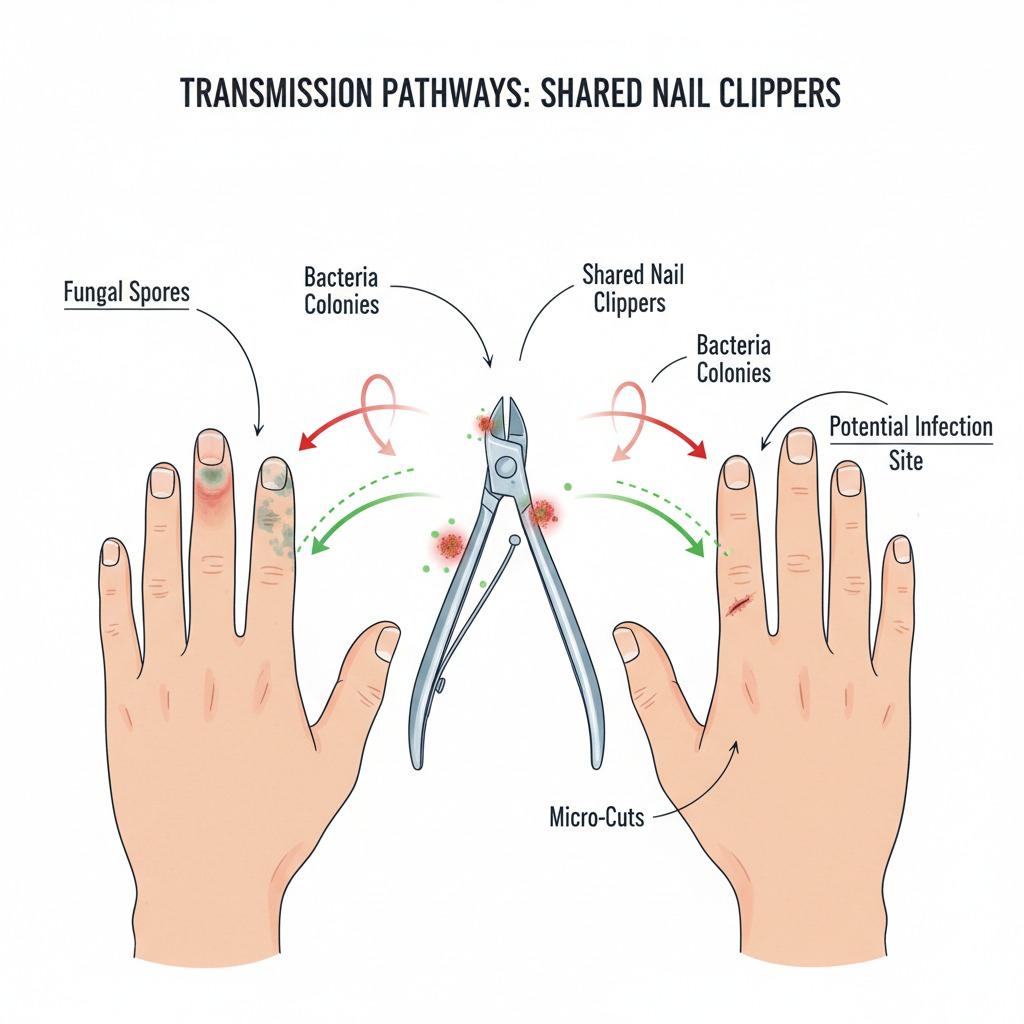
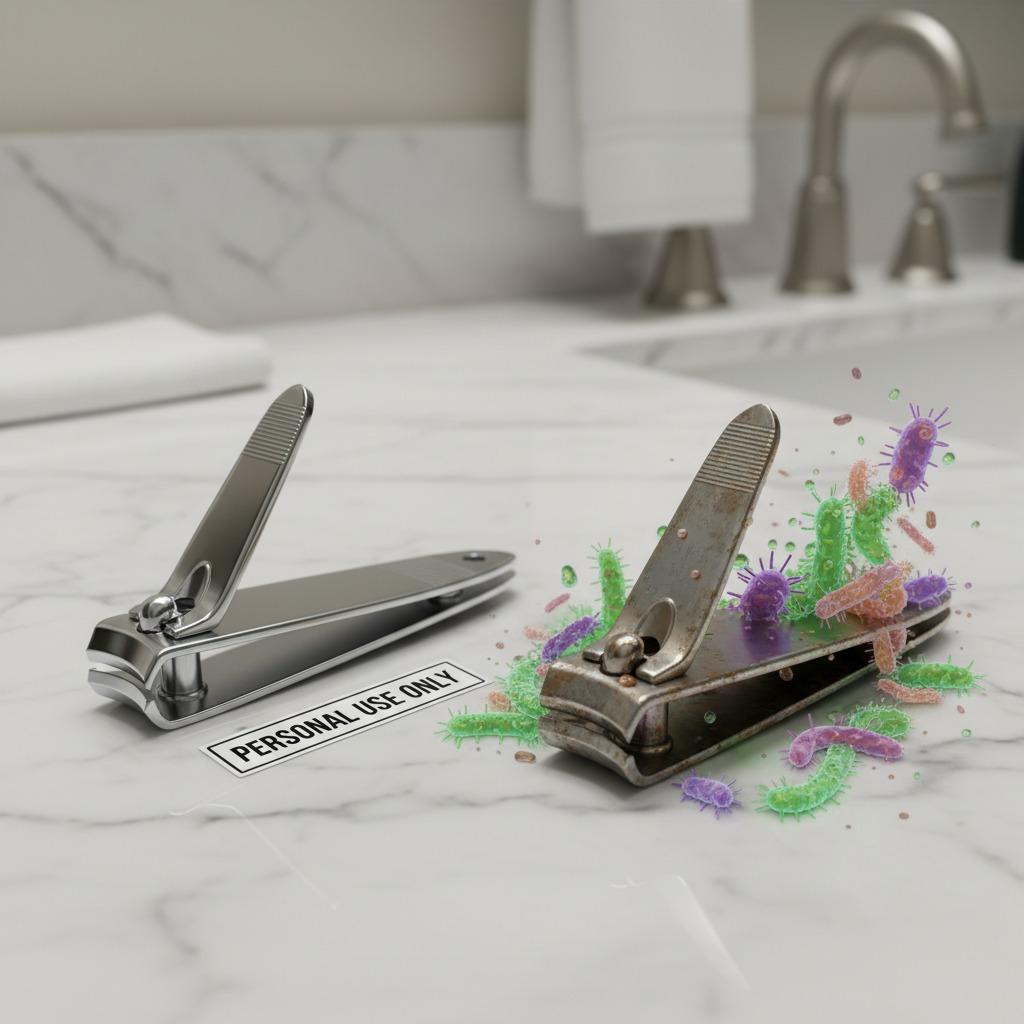
Nail clippers are small tools, but they touch areas where hygiene matters: the free edge of the nail, the cuticle area and sometimes tiny breaks in the surrounding skin. Sharing nail clippers may seem harmless in a family bathroom, dorm room, salon back room or travel kit, yet a clipper can hold microscopic nail debris, skin particles and moisture around the cutting jaw, hinge and lever. If another person uses the tool before it is cleaned and dried, bacteria, fungi or skin viruses may be transferred.
The practical answer is simple: nail clippers should be treated as personal grooming tools, especially when any user has thickened nails, peeling skin, cuts, redness, warts or suspected fungal problems. Cleaning helps reduce buildup, but it does not make casual sharing a good habit. For retailers, distributors and beauty-tool buyers, hygiene should also influence product selection. A clipper that cuts cleanly, opens smoothly, can be wiped easily and stores dry is more useful to customers than a tool chosen only for appearance.
Why Nail Clippers Can Spread Germs
Nail clippers create pressure at the nail edge. When the cutting edges close, they may contact the nail plate, the skin beside the nail and, if the user trims too closely, small cuts that are not always visible. Those tiny openings can provide a route for microorganisms. Even when a clipper looks clean, residue may remain under the lever, along the jaw or inside the hinge area.
The most common concerns are bacteria around the nail fold, fungal contamination from discolored or crumbly nails and skin viruses associated with wart-like growths. The risk is not identical for every situation. It depends on whether the user has broken skin, whether the nail appears healthy, how the clipper is stored and whether cleaning happens after use. A damp clipper stored in a bathroom cabinet, toiletry bag or shower area is more likely to collect residue than a dry tool kept in a separate pouch.
Sharing is especially unwise if someone has yellow, thick, lifting or crumbling nails; peeling skin between toes; visible sores; swelling; drainage; recurring irritation around the cuticle; or a history of warts. In these cases, the clipper should remain personal and should not be passed between family members, salon staff, hotel guests or coworkers.
When Sharing Is Most Risky
The safest rule is to avoid sharing nail clippers. If sharing has happened, the tool should be cleaned before another person uses it, and it should not be used at all on broken or infected skin. Certain settings and user groups deserve extra caution because the same tool may be handled repeatedly or stored in less controlled conditions.
- Family bathrooms: Clippers often sit in drawers where multiple people reach for them. Separate labeled tools reduce mix-ups, especially if one person has a nail or skin condition.
- Travel kits: Toiletry bags may contain damp razors, cosmetics, cotton pads and hair products. A loose clipper can collect residue and moisture.
- Gyms, dorms and offices: Shared drawers and communal grooming tools are poor choices because cleaning responsibility is unclear.
- Salon and spa environments: Tools may move quickly between workstations. Businesses should follow applicable local rules for cleaning, disinfection and storage, and should verify current regulatory guidance.
- Foot care use: Toenails are exposed to socks, shoes and moisture. Keeping separate hand and foot clippers is a practical hygiene step.
For home users, the point is not to create fear around a simple tool. It is to make safe habits automatic. For B2B buyers, the same thinking supports better product decisions: a nail clipper should be easy to identify, clean, dry and store, not just inexpensive to purchase.
How to Clean Nail Clippers After Use
Cleaning a nail clipper does not guarantee safety in every circumstance, but it helps reduce everyday buildup and supports better personal hygiene. The process should be simple enough that users will actually do it. After trimming, remove visible nail fragments with a clean tissue or small brush. Wash the tool with warm water and mild soap, paying close attention to the jaw, the underside of the lever and the hinge area. Rinse away soap residue, then dry the clipper completely with a clean towel.
Drying is important. Moisture left around metal parts may encourage corrosion, discoloration or residue buildup over time. A clipper should not be returned to a damp shower caddy or a dusty drawer immediately after washing. It should be stored in a dry pouch, grooming box or separate compartment where the cutting edges are protected from dirt and damage.
For deeper cleaning, many users wipe metal surfaces with an appropriate disinfecting product. Always follow the disinfectant label, including contact time, ventilation and surface compatibility. In the United States, salon and institutional users often refer to EPA-registered disinfectant labels for approved use directions. Public health organizations such as the CDC also publish general hygiene guidance that can help businesses shape cleaning routines. Requirements vary by location and application, so buyers and operators should verify current versions, local regulations and supplier documents rather than relying on assumptions.
Avoid long soaking unless the tool material, finish and construction are suitable for that method. Extended exposure to liquids may affect springs, plated finishes, printed decoration or packaging components on some grooming accessories. If a clipper has rust, trapped debris that cannot be removed, a loose lever or uneven jaws, replacement is usually more sensible than continued cleaning.
Personal Use Habits for Safer Nail Trimming
A clean tool still needs careful use. Trim nails when they are clean and dry enough to control. Cut gradually rather than removing a large piece in one squeeze. For fingernails, many users follow the natural curve while avoiding deep cuts into the corners. For toenails, a straighter cut is often preferred to reduce pressure at the sides of the nail. Do not force a standard clipper through a thick, painful or lifting nail; professional care may be safer.
Good grooming habits also protect the tool. Do not use nail clippers to cut wire, plastic tags or other hard objects. Misuse can dull the cutting edge, loosen the lever or misalign the jaws. A dull or damaged clipper may crush the nail instead of cutting it cleanly, increasing the chance of tearing or accidental skin nicks.
Households can reduce sharing by assigning one clipper to each person or by separating hand and foot tools. A simple label, color-coded pouch or designated storage slot can prevent confusion. Travelers should keep a personal clipper in a dry sleeve rather than borrowing from another person. In retail settings, packaging that communicates personal-use care and storage tips can make the product more helpful without making unsupported medical claims.
What to Look for When Choosing a Nail Clipper
A nail clipper should be judged by control, cleanability and durability, not only by size or shine. Olimor Beauty offers practical beauty tools, including stainless steel nail clippers designed for everyday grooming needs. When comparing options for personal use, retail assortments or promotional kits, examine how the tool will perform after repeated use and cleaning.
| Selection factor | What to check | Why it matters |
|---|---|---|
| Cutting edge alignment | Close the jaw slowly and look for even contact from side to side. | Even alignment supports a cleaner cut and reduces nail crushing. |
| Lever stability | Open and press the lever to feel whether movement is smooth and controlled. | A stable lever improves grip and lowers the chance of slipping. |
| Accessible hinge area | Check whether nail fragments can be brushed or wiped away easily. | Open, cleanable areas support better hygiene after use. |
| Surface finish | Look for surfaces that do not catch lint, dust or residue. | Smooth surfaces are easier to wipe and keep dry. |
| Comfort and size | Match compact tools to travel or fingernails and larger formats to users who need more leverage. | Better control reduces over-trimming and accidental skin nicks. |
| Storage option | Consider a pouch, case or packaging that separates the tool from damp items. | Dry storage helps maintain cleanliness between uses. |
Buyers reviewing beauty tool products should request clear product photos or samples when possible and check the clipper in hand. Useful inspection points include jaw symmetry, burrs on the cutting edge, lever movement, visible residue from manufacturing, surface consistency and packaging fit. If the product will be sold in travel, family, men’s grooming, foot care or salon accessory assortments, selection criteria may differ. A compact personal clipper may suit travel kits, while a stronger-feeling larger clipper may be preferred for toenail care.
B2B Sourcing Considerations for Retailers and Distributors
For commercial buyers, nail clipper hygiene is not only an end-user education topic. It also affects assortment planning, packaging, quality review and supplier communication. A low-cost clipper that looks acceptable in a catalog may cause complaints if the jaw is dull, the lever feels loose or debris becomes trapped after normal use. Before placing an order, evaluate both product function and supplier responsiveness.
Useful B2B questions include: What material and finish are being offered? Can the supplier explain the basic production and inspection process? Are samples available for review before a larger order? Can packaging be adjusted for retail, travel or private-label use? How are goods protected during shipping so the lever, edges and surface finish arrive in saleable condition? These questions do not require exaggerated claims; they require practical answers supported by current supplier documents.
Cost depends on factors such as material choice, size, finish, packaging complexity, customization requirements, inspection expectations and order quantity. Buyers should be cautious of decisions based only on the lowest unit price. A grooming tool that cuts poorly, rusts easily, looks inconsistent on the shelf or is difficult to clean may create more cost through returns and customer dissatisfaction. Comparing options across Olimor product collections can help buyers align the tool with the intended retail channel and customer segment.
Quality Checklist Before Approving a Nail Clipper
A simple checklist helps buyers review samples consistently and gives suppliers clear feedback. The goal is to confirm that the clipper is practical, cleanable and appropriate for the target user.
- Visual finish: Check for scratches, rough edges, stains, uneven plating or visible manufacturing residue.
- Jaw alignment: Confirm that the cutting edges meet evenly and do not cross, gap or twist.
- Cut feel: Test on appropriate sample material or according to the buyer’s normal inspection method, without making unsupported performance claims.
- Lever action: Make sure the lever opens, rotates and presses smoothly without looseness that affects control.
- Cleanability: Look at the hinge and jaw after use to see whether fragments can be removed easily.
- Storage and packaging: Confirm that the tool is protected from rubbing, moisture and contamination during transport and display.
- User instructions: Consider adding basic cleaning, drying and personal-use guidance to packaging or inserts where appropriate.
- Supplier documentation: Verify product specifications, customization details and any regulatory or compliance documents relevant to the destination market.
This checklist is useful for importers, distributors, retail buyers, subscription-box planners and grooming-kit developers. It also helps avoid overclaiming. A nail clipper can be marketed as practical, portable, easy to clean or suitable for personal grooming when those statements are supported by design and documentation. It should not be promoted with medical, antimicrobial or certification claims unless those claims are properly verified.
When to Replace an Old or Shared Clipper
Replacement is the best choice when a clipper can no longer be cleaned or controlled properly. Stop using a tool if it has visible rust, dark residue that remains after washing, a loose or unstable lever, uneven jaws, rough burrs or a dull edge that bends the nail instead of cutting it. A damaged clipper can increase tearing and make users more likely to clip too close to the skin.
Also isolate or replace a clipper after it has been used on an area with blood, pus, swelling or suspected infection. If redness, warmth, drainage, persistent itching, spreading discoloration or wart-like growths appear after trimming, avoid continuing to clip that area with the same tool and seek appropriate medical advice when symptoms persist or worsen. Grooming tools support routine maintenance, but they are not a substitute for care when a nail disorder or infection may be present.
Practical Takeaway for Users and Buyers
Nail clipper hygiene comes down to three habits: do not share casually, clean and dry the tool after use, and replace damaged clippers before they cause problems. For individual users, a personal clipper stored in a dry pouch is a simple way to reduce avoidable risk. For families, separating hand and foot tools or labeling each person’s clipper makes the routine easier.
For B2B buyers, the same principles guide sourcing. Choose clippers that cut cleanly, feel controlled, can be wiped easily and can be packaged or stored in a way that supports personal use. If you are building a retail range, travel kit or grooming accessory program, you can contact Olimor to discuss suitable options or send an inquiry with your target market, packaging needs and customization questions.
FAQ
Can I request samples before choosing a nail clipper for retail?
Sample availability depends on the product and project details. Buyers should request samples to review jaw alignment, lever feel, surface finish, packaging and cleanability before approving a larger order.
Is there a fixed MOQ for customized nail clippers?
MOQ can vary by product type, packaging, finish and customization method. Share your intended order plan and customization needs so the supplier can confirm current requirements.
What customization options should buyers discuss?
Common discussion points include product style, finish, logo placement, retail packaging, travel pouches and assortment planning. Any branding or packaging claim should be supported by accurate product information.
How should quality be checked before shipment?
Buyers should confirm specifications, inspect samples, review packaging protection and agree on practical inspection points such as visual finish, jaw alignment, lever action and cleanliness.
How long does production take?
Lead time depends on product availability, order quantity, customization, packaging and inspection requirements. Confirm the current schedule with the supplier before planning a launch or promotion.