











Buying tweezers wholesale is not only a unit-price decision. For retail beauty brands, salon suppliers, distributors, online stores and hotel amenity buyers, a tweezer is a small tool that receives close customer scrutiny. Users notice immediately if the tips do not meet cleanly, if the grip feels awkward, if the finish looks uneven or if the packaging allows tip damage before use.
The best sourcing decision starts with one question: where and how will the tweezer be used? A brow professional needs control and repeatable grip. A retail customer may compare presentation, finish and perceived hygiene. A hotel guest needs a clean, simple grooming tool that fits an amenity kit. A distributor needs stable quality across repeat orders and mixed assortments.
Olimor Beauty supplies beauty tools for business buyers who need practical support across retail, salon, grooming and amenity programs. This guide explains how to evaluate wholesale tweezers by application, material, tip quality, packaging, customization and supplier reliability without relying on appearance alone.
Start With the Sales Channel Before Comparing Prices
A common wholesale sourcing mistake is choosing one attractive tweezer and expecting it to work for every market. Tweezers for professional brow work, manicure kits, travel grooming sets and hotel amenity packs may look similar, but they are purchased for different reasons.
Before requesting quotations, define the end user, sales channel and expected product role. This keeps the sourcing process focused and helps the supplier recommend an appropriate structure, finish and packaging format.
| Buyer type | Main priority | Useful sourcing focus |
|---|---|---|
| Retail beauty brand | Presentation, perceived quality and repeat purchase potential | Consistent finish, comfortable shape, clear packaging and private label options |
| Salon or brow service supplier | Performance during repeated professional use | Tip alignment, controlled tension, hand comfort and easy cleaning considerations |
| Distributor | Stable quality across multiple orders and product ranges | Clear specifications, inspection communication and carton-level consistency |
| Hotel amenity program | Practical grooming function and efficient packing | Durable construction, compact packaging and tip protection during transport |
| Private label e-commerce brand | Customer reviews, visual appeal and reliable fulfillment | Retail-ready packaging, repeatable sample approval and protection for parcel handling |
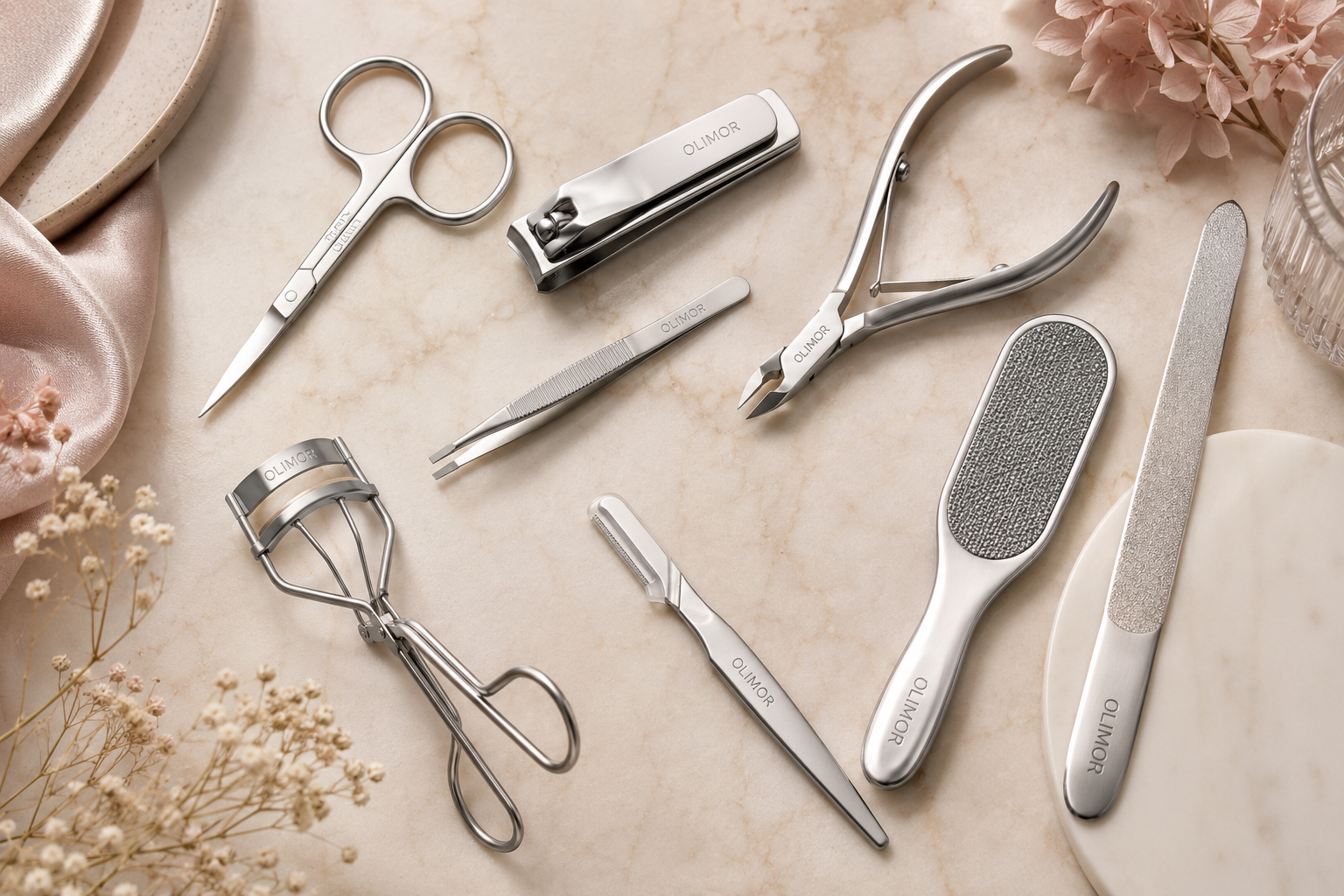
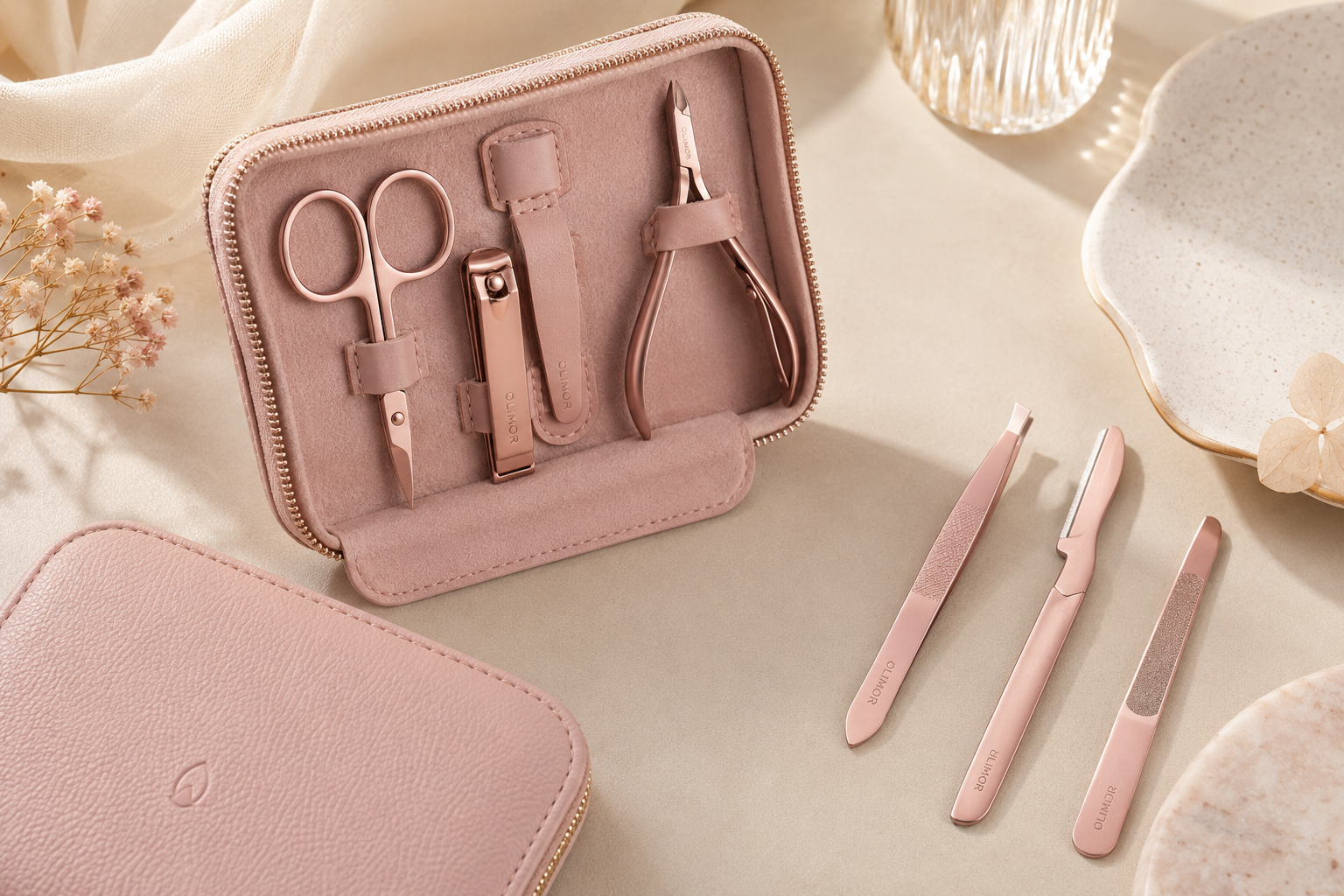
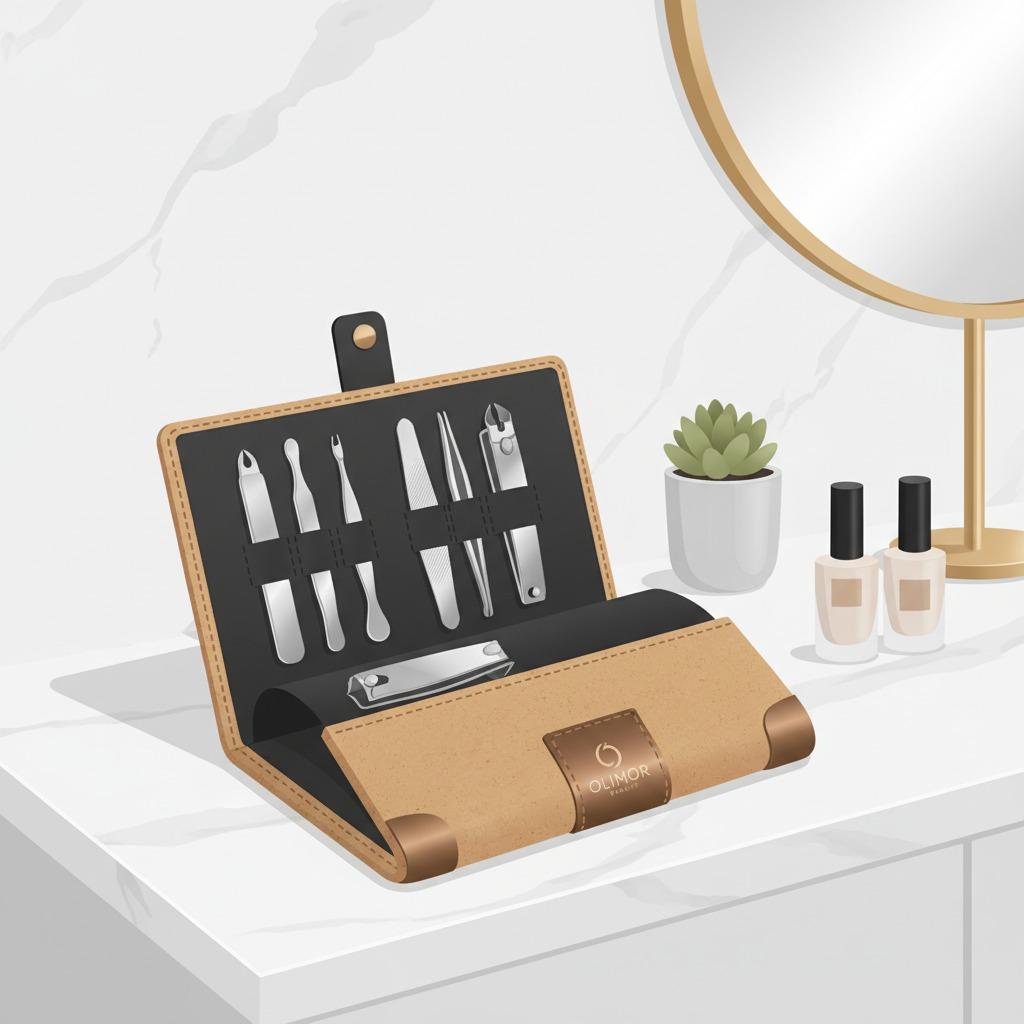
If you are building a broader grooming range, review related Olimor beauty tool products early in the planning stage. Pairing tweezers with nail clippers, files, scissors or manicure accessories can help create a more coherent retail set or amenity program.
What Makes a Wholesale Tweezer Suitable for Professional Use?
Professional-grade tweezer performance depends on small functional details. Decoration can support brand positioning, but the core quality test is whether the tips meet evenly and hold the target without slipping. In eyebrow shaping and detailed grooming, poor alignment wastes time and reduces user confidence.
Stainless steel is commonly preferred for beauty tweezers because buyers expect durability and resistance to rust under normal care conditions. However, material selection alone does not guarantee a reliable tool. Forming, tip shaping, polishing, finishing and inspection determine whether the final tweezer feels professional in hand.
Key Quality Checks for Wholesale Samples
- Tip alignment: The tips should meet evenly from side to side without a visible gap, crossing or uneven contact.
- Grip tension: The tweezer should close smoothly with controlled pressure. It should not feel weak, loose or excessively stiff.
- Edge and point finish: Contact areas should be precise enough for the intended use without jagged, rough or uncomfortable edges.
- Hand feel: The body should sit securely in the fingers and remain comfortable during repeated opening and closing.
- Surface finish: Matte, polished or coated finishes should look consistent, without obvious discoloration, rough spots or patchy coverage.
- Packaging fit: The tool should be protected so the tips are not bent, rubbed or damaged during shipping, storage and display.
These checks are simple, but they quickly separate a generic item from a beauty tool that can support repeat business. For wholesale buyers, the important question is not only whether one sample performs well. It is whether bulk production can match the approved sample closely enough for the intended market.
Choose the Right Tweezer Type for the Use Case
Tweezer type should be decided before color, logo or outer packaging. Different tip shapes serve different grooming tasks, and choosing by appearance alone can create user complaints.
Slanted Tweezers
Slanted tweezers are commonly selected for general brow grooming because the angled contact area is practical for facial hair removal. They are often suitable for retail grooming kits, salon supply ranges and personal care assortments where the user expects a versatile beauty tool.
Pointed Tweezers
Pointed tweezers are more specialized and require careful handling. They may be suitable for precision tasks, but they are not always the best choice for every retail customer or amenity program. If included in a private label range, the intended use and handling expectations should be communicated clearly.
Flat or Specialty Tweezers
Flat tips may be useful in some grooming, assembly or kit applications, but they may not suit fine hair removal as well as slanted or pointed options. Specialty tools should be positioned accurately so buyers and end users understand their purpose.
For many private label programs, a small logical range works better than one generic tool. A brow grooming tweezer, a precision option and a compact travel or amenity tweezer can serve different purchase occasions while keeping the assortment easy to explain.
Professional Grade vs. Standard Tweezers
The difference between a professional-grade tweezer and a standard tweezer is often felt before it is seen. A basic tweezer may close and pinch, but a stronger beauty tool should allow controlled, accurate use. For salon and brow applications, users expect the tool to catch fine hairs, release cleanly and feel dependable.
| Evaluation point | Standard risk | Professional sourcing expectation |
|---|---|---|
| Tip geometry | Tips look acceptable but do not meet evenly | Tip shape matches the task and closes with clean contact |
| Tension | Too stiff, causing fatigue, or too loose, causing poor grip | Smooth closing action with controlled pressure |
| Finish | Rough edges, uneven coating or inconsistent polishing | Clean surface and comfortable handling across the shipment |
| Packaging | Loose packing allows tip damage in transit | Protective packaging chosen for the sales channel |
| Repeatability | Good sample but inconsistent bulk order | Approved sample, clear specifications and inspection communication |
For salon buyers, repeated open-and-close testing is important because uncomfortable tension can cause hand fatigue. For online brands, packaging protection matters because parcel handling can damage precise tips if the product is not secured. For hospitality buyers, simple packaging may be enough, but it still needs to protect the tool and present it cleanly to the guest.
Material, Finish and Handling Considerations
Material choice should support the product use, finish and target price position. Stainless steel is a common choice for beauty tools because it supports a durable working edge and is familiar to buyers in grooming categories. Still, buyers should avoid treating material name as a complete quality guarantee. A stainless steel tweezer with rough tips, uneven tension or unfinished edges will not feel professional.
Surface finish influences both appearance and handling. Polished finishes can look clean and classic, while matte or coated finishes may support a more modern retail direction. For a premium retail line, a sleek finish can strengthen shelf appeal. For amenity kits, the priority may be a clean, durable design that fits compact packaging and remains presentable after transport.
Branding should never interfere with use. Decorative elements that make the body slippery, uncomfortable or difficult to clean can reduce customer satisfaction. If a logo is added, it should be placed where it does not affect grip, closing action or tip alignment.
Private Label and Packaging Decisions
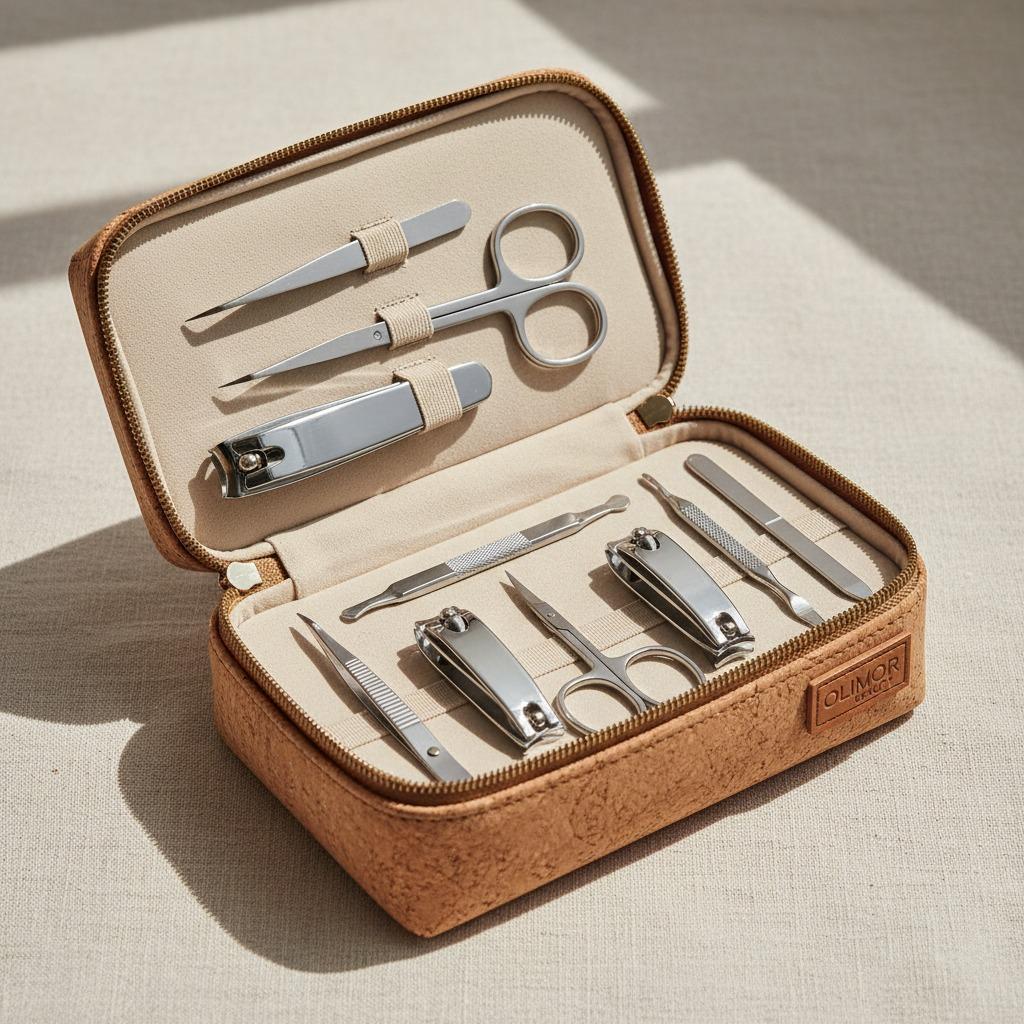
Private label tweezers and manicure tools need a balance of branding and practicality. A tweezer may be sold as a standalone retail item, included in a brow kit, packed with manicure tools, added to a travel grooming set or supplied as part of a hotel amenity program. Each format affects packaging size, labeling space, protection and user instructions.
Before confirming a private label direction, prepare a clear product brief. Include the target market, intended use, preferred finish, packaging format, logo requirements and whether the tweezer will be sold alone or combined with other tools. A clear brief helps avoid unnecessary sampling cycles and keeps the supplier focused on the right commercial outcome.
Packaging Questions to Resolve Early
- Will the tweezer be sold in retail packaging, multi-unit salon packaging, a compact amenity pack or a grooming kit?
- Does the packaging need to protect a slanted, pointed or specialty tip?
- Will the product be shipped mainly in cartons, displayed in stores or sent through parcel delivery?
- Is clear use information needed to reduce complaints or misuse?
- Does the packaging need to coordinate with other items in the same beauty tool range?
Packaging is not only a branding decision. It protects the working tips, supports customer confidence and helps the product fit the distribution channel. Buyers planning coordinated sets can browse Olimor beauty tool collections to consider how tweezers may sit alongside manicure and grooming accessories.
Supplier Evaluation Beyond the Unit Price
Price matters in wholesale sourcing, but the lowest quote is rarely the full answer. Poor alignment, inconsistent tension, weak packaging or unclear communication can create hidden costs through returns, replacements, negative reviews and extra inspection time.
A reliable beauty tools supplier should be able to discuss the production process, sample approval, finishing options, packaging choices and quality checks in practical terms. Broad claims are less useful than clear answers about how the supplier controls consistency from sample to shipment.
Wholesale Supplier Checklist
- Application understanding: Can the supplier recommend different tweezer types for retail, salon, distributor or amenity use?
- Sample process: Can you review physical samples for tip alignment, tension, surface finish and packaging fit before order confirmation?
- Specification clarity: Are the material, finish, tip type, packaging and branding requirements documented clearly?
- Inspection approach: Does the supplier explain how quality is checked during production and before shipment?
- Customization feasibility: Are logo, finish and packaging options practical for the tool shape and sales channel?
- Communication: Are questions answered directly, especially around samples, production status, packing and export handling?
- Repeat order support: Can the supplier help maintain consistency for future orders based on the approved sample and specifications?
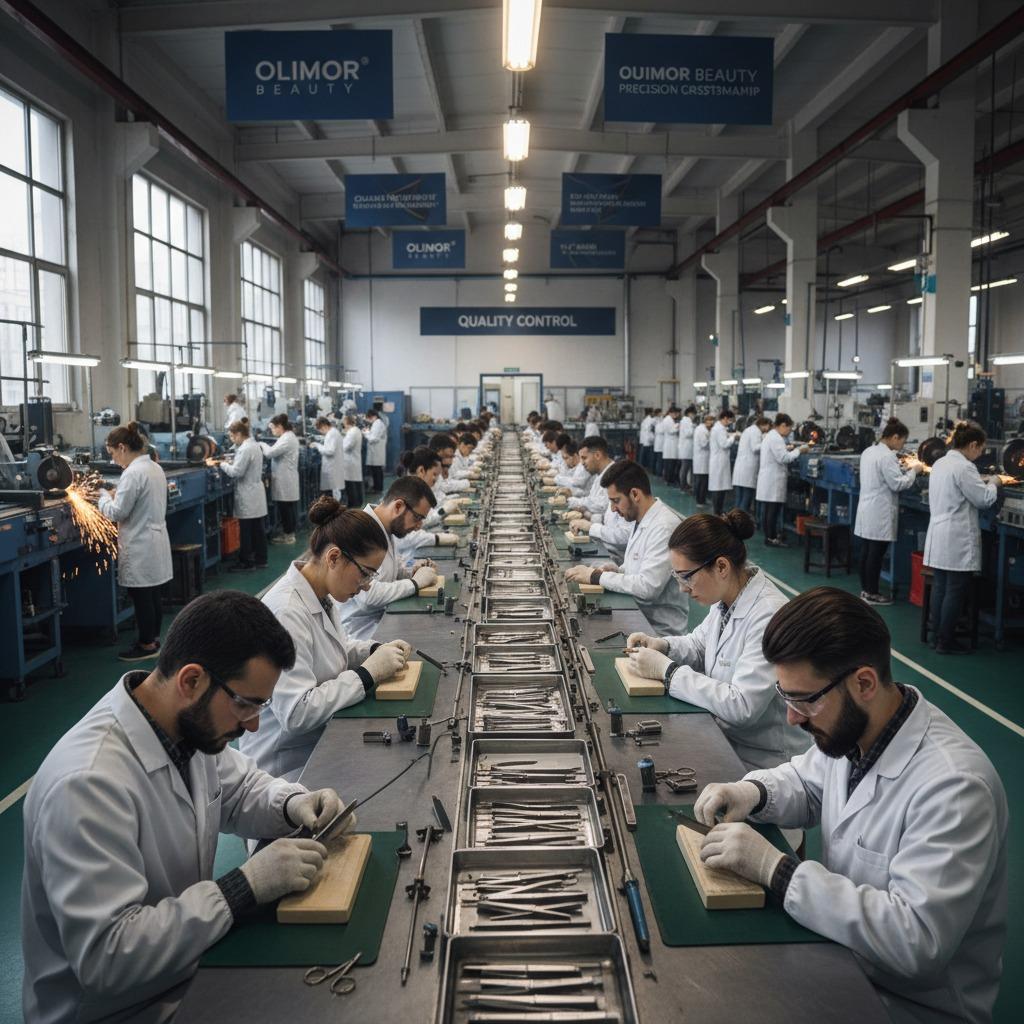
Olimor Beauty emphasizes internal quality control and inspection during production for beauty tools that depend on small tolerances. Buyers should still confirm the exact inspection details, product specifications and packaging requirements for their own order.
Quality Documentation and Applicable Standards
For B2B sourcing, documentation should match the product, destination market and buyer requirements. ISO 9001 is a widely recognized quality management standard that some buyers use as a reference when evaluating supplier systems. However, buyers should verify the applicable version, request supplier documentation when relevant and avoid assuming certification unless the supplier provides valid evidence.
Depending on the destination market, packaging, labeling, sharp-point handling or consumer product requirements may also apply. These obligations can vary by country and sales channel, so buyers should check local requirements and confirm what documents the supplier can provide for the specific order. Olimor should not be assumed to hold a certification or test result unless it is supplied and verified for the relevant product and shipment.
How to Build a Practical Wholesale Tweezer Sourcing Plan
A structured plan reduces risk and helps compare suppliers fairly. Instead of asking only for the lowest price, define the intended product experience and then evaluate cost as one factor within the full program.
- Define the channel: Decide whether the tweezer is for retail, salon supply, distribution, hospitality or a private label kit.
- Select the tip type: Choose slanted, pointed, flat or specialty tips based on the actual grooming task.
- Review samples carefully: Check alignment, grip tension, hand feel, finish and packaging protection.
- Confirm branding needs: Decide on logo placement, finish, packaging format and whether the tweezer will be part of a set.
- Document specifications: Record the approved sample details so bulk production can be compared against the same expectations.
- Clarify inspection and packing: Discuss how the tools will be checked and protected before shipment.
- Evaluate total cost: Consider hidden costs from poor quality, returns, repacking or inconsistent presentation, not only the unit price.
When you are ready to compare options, you can send Olimor an inquiry with your intended use, market, finish preference and packaging direction. A concise brief makes it easier to recommend practical wholesale tweezer options.
Cost Factors in Wholesale Tweezers
Wholesale tweezer cost is influenced by more than the metal body. Tip type, finishing method, surface consistency, packaging complexity, logo requirements, set configuration, inspection expectations and order structure can all affect the final quotation. A basic amenity tweezer in simple protective packing will usually be planned differently from a premium private label retail tweezer with custom packaging.
Buyers should compare quotations using the same specification. If one supplier quotes a simple loose-packed item and another quotes a retail-ready product with tip protection and branding, the prices are not directly comparable. Ask what is included in the quotation, what packaging is assumed and how the approved sample will be matched in bulk production.
The best value is not always the lowest unit cost. For beauty tools, reliable grip, clean finish and protected tips can reduce complaints and support repeat ordering. In B2B sourcing, predictable quality often matters as much as the first purchase price.
Conclusion: Source Tweezers Around Function, Market and Repeatability
A reliable wholesale tweezer program starts with the end user, not the catalog image. Retail brands need presentation and customer confidence. Salon suppliers need control and durability in repeated use. Distributors need stable quality across shipments. Hotel amenity buyers need practical grooming function in compact, protected packaging.
Focus on tip alignment, controlled tension, suitable material, clean finishing, appropriate packaging and clear supplier communication. These practical details determine whether the product feels professional and whether the approved sample can become a dependable repeat order.
For support with tweezers, manicure tools and coordinated grooming programs, contact Olimor Beauty with your product brief, target channel and customization needs. Olimor can help discuss suitable tool and packaging directions without overcomplicating the sourcing process.
FAQ
Can I request samples before placing a wholesale tweezer order?
Yes. Sampling is an important step because tweezers should be checked by hand for tip alignment, tension, surface finish, comfort and packaging fit. Confirm the sample process and approval details with Olimor before moving to bulk production.
Does Olimor offer private label customization for tweezers?
Customization may include finish direction, logo placement, packaging style and set configuration depending on the product and order requirements. Branding should be reviewed carefully so it does not affect grip, comfort or tweezer function.
What MOQ applies to wholesale tweezers?
MOQ can depend on the tweezer style, customization, packaging and production plan. Buyers should share the target product type and sales channel so Olimor can confirm the applicable order requirements instead of assuming a fixed quantity.
What quality checks should buyers request?
Key checks include tip alignment, closing tension, edge finish, surface consistency, packaging protection and comparison with the approved sample. Buyers should also confirm what inspection steps apply to their specific order.
How should I discuss lead time with a supplier?
Lead time can vary based on sampling, customization, packaging confirmation, production scheduling and shipment arrangements. Ask for the expected timeline after the product specification and packaging details are confirmed.