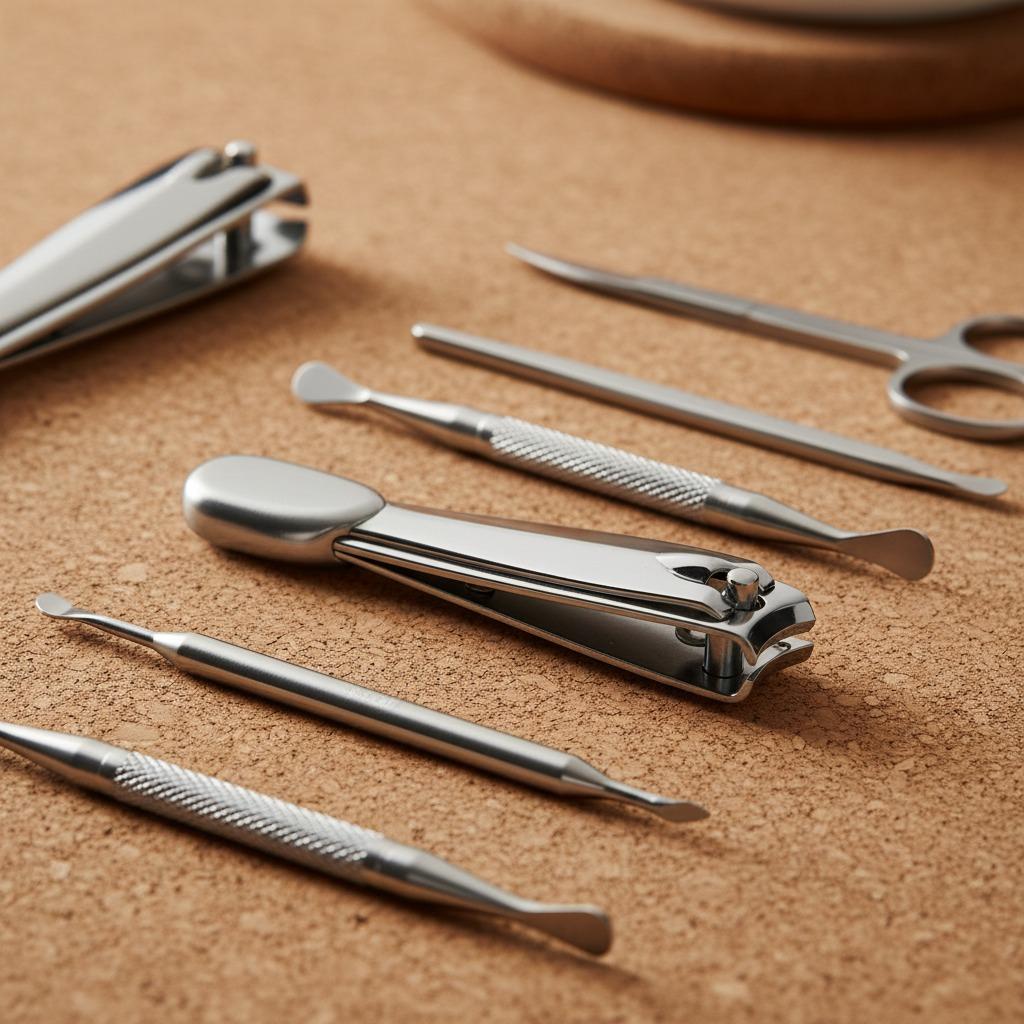












Buying tweezers wholesale is not just a matter of finding a low unit price. For beauty retailers, salons, brow specialists, distributors, and private-label brands, tweezers sit in a category where small details determine whether the product feels professional or disposable. Tip alignment, grip strength, edge finishing, hand comfort, and consistency across batches all affect the customer’s experience.
A pair of tweezers has a simple purpose: it must grip fine hairs cleanly and release them predictably. Yet many low-grade tools fail at exactly that point. Misaligned tips can cut or snap hairs instead of removing them. Weak tension can make the user squeeze harder than necessary. Rough finishing can feel uncomfortable in the hand or look unrefined on a retail display. When you are sourcing at wholesale volume, these details are multiplied across every piece you purchase.
This guide explains how to evaluate wholesale tweezers with a practical buyer’s mindset. It is written for businesses that want dependable beauty tools for resale, professional use, or brand development, without relying on vague product claims.
Why Professional Tweezers Differ from Basic Consumer Tools
At first glance, most tweezers look similar. The difference becomes obvious when the tool is used repeatedly. Professional tweezers are expected to hold their shape, maintain tip contact, and provide controlled tension through many grooming sessions. Standard mass-market tweezers may work at first, but often lose accuracy quickly if the tips are stamped, uneven, or poorly finished.
The most important performance point is tip alignment. When the two tips meet evenly, the tweezer can catch short or fine hair without requiring excessive force. If one side closes earlier than the other, the tool may slide off the hair or break it. For brow shaping, facial hair removal, lash preparation, and detail grooming, that inconsistency leads to frustration for both professionals and home users.
Material also matters. Professional beauty tweezers are typically made from stainless steel because it supports durability and corrosion resistance when properly manufactured and maintained. The buyer should still evaluate the whole tool rather than relying on a material claim alone. A stainless steel tweezer with poor grinding or weak finishing will not perform like a well-made professional tool.
Key Features to Check Before Ordering Wholesale Tweezers
When comparing wholesale options, create a repeatable inspection process. This helps your purchasing team avoid judging samples by appearance alone. A polished tweezer may look attractive in photos, but the user experience depends on how it performs in the hand.
- Tip alignment: Close the tweezers slowly and check whether the tips meet evenly across the contact area.
- Grip on fine hair: Test on short, fine hairs or a comparable testing fiber to see whether the tool catches cleanly.
- Tension: The tweezer should have enough spring to control the grip without making the hand work too hard.
- Edge comfort: Corners and outer edges should feel smooth, not sharp or unfinished.
- Surface finish: Look for uniform polishing, coating, or coloring, depending on the product design.
- Consistency: Check several pieces, not just one sample, because wholesale quality depends on repeatability.
- Packaging fit: The packaging should protect the tips and match the selling environment, whether retail shelf, salon counter, or kit inclusion.
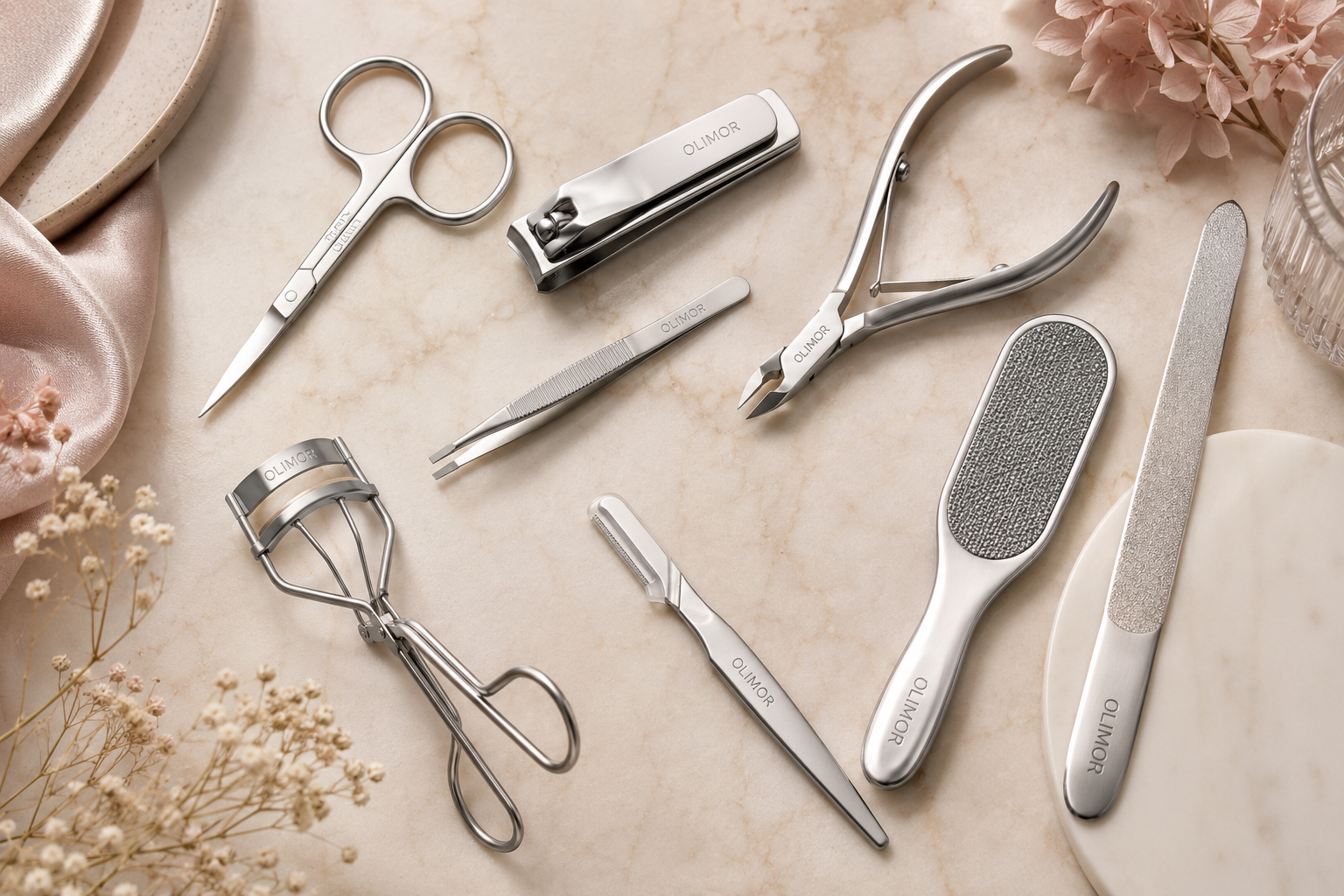
These checks are useful whether you are sourcing a simple stainless tweezer, a cosmetic set component, or a private-label retail tool. If you are comparing multiple beauty accessories at the same time, reviewing Olimor’s broader beauty tool products can help you consider how tweezers fit within a complete grooming assortment.
Choosing the Right Tweezer Style for Your Customer
The best tweezer for one buyer is not always the best tweezer for another. A professional brow studio may prioritize fine tip accuracy, while a general beauty retailer may need a versatile style suitable for everyday grooming. Before ordering in bulk, define the user scenario clearly.
Slant-tip tweezers are commonly chosen for general eyebrow shaping because the angled edge gives visibility and control. Point-tip tweezers are suited to very detailed work, but they require careful handling and may not be the best option for every retail customer. Flat-tip tweezers can grip a wider area, though they are less precise for individual fine hairs. Some assortments include more than one tip style so customers can choose based on task.
For wholesale buying, it is useful to map product style to sales channel. A salon may sell a premium tweezer as an aftercare item for clients who want to maintain brow shape between appointments. A distributor may need a dependable core item that is easy for multiple retailers to understand. A private-label brand may focus on finish, packaging, and the way the tool supports the brand’s overall quality position.
Private Label Considerations for Tweezer Buyers
Tweezers can be a strong private-label product because they are compact, practical, and frequently purchased as part of a personal grooming routine. However, private labeling should begin with product quality, not decoration. A logo on a poorly aligned tweezer can damage a brand faster than a plain but well-made tool.
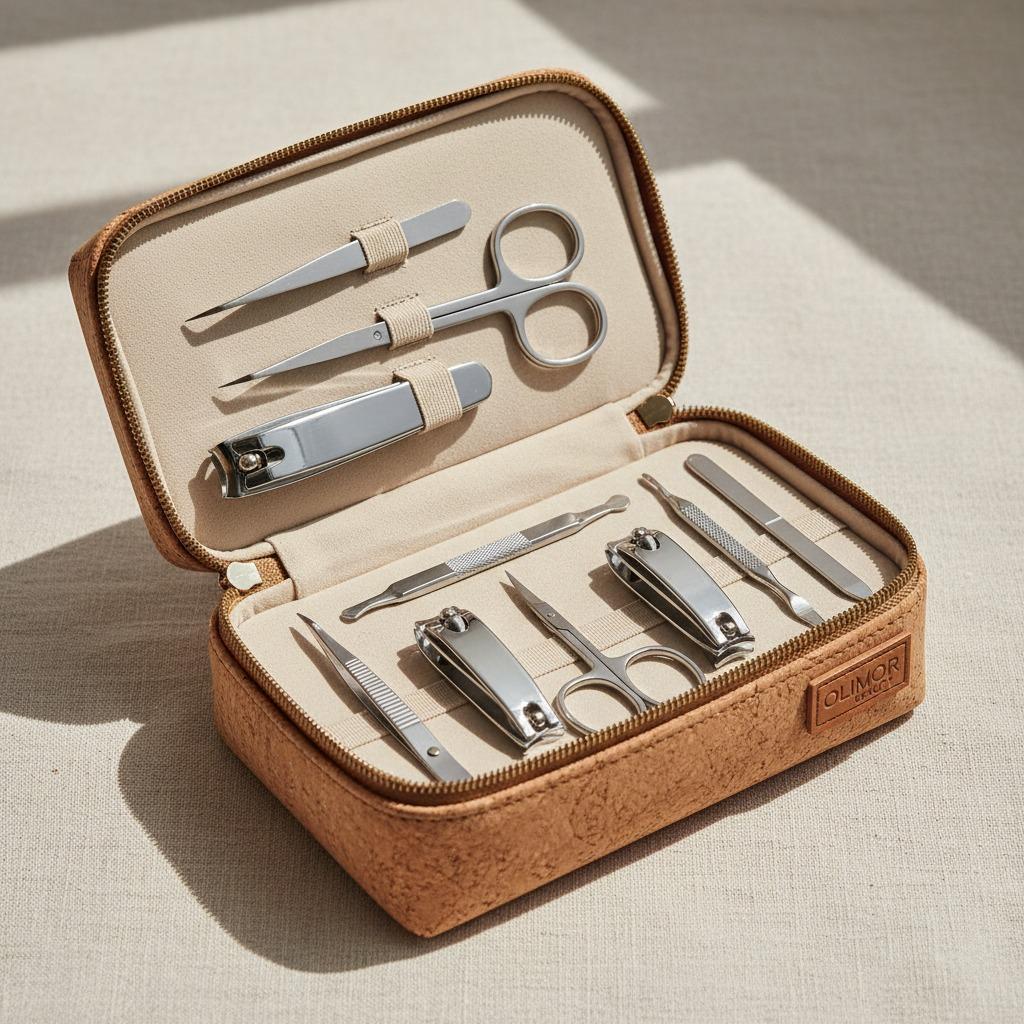
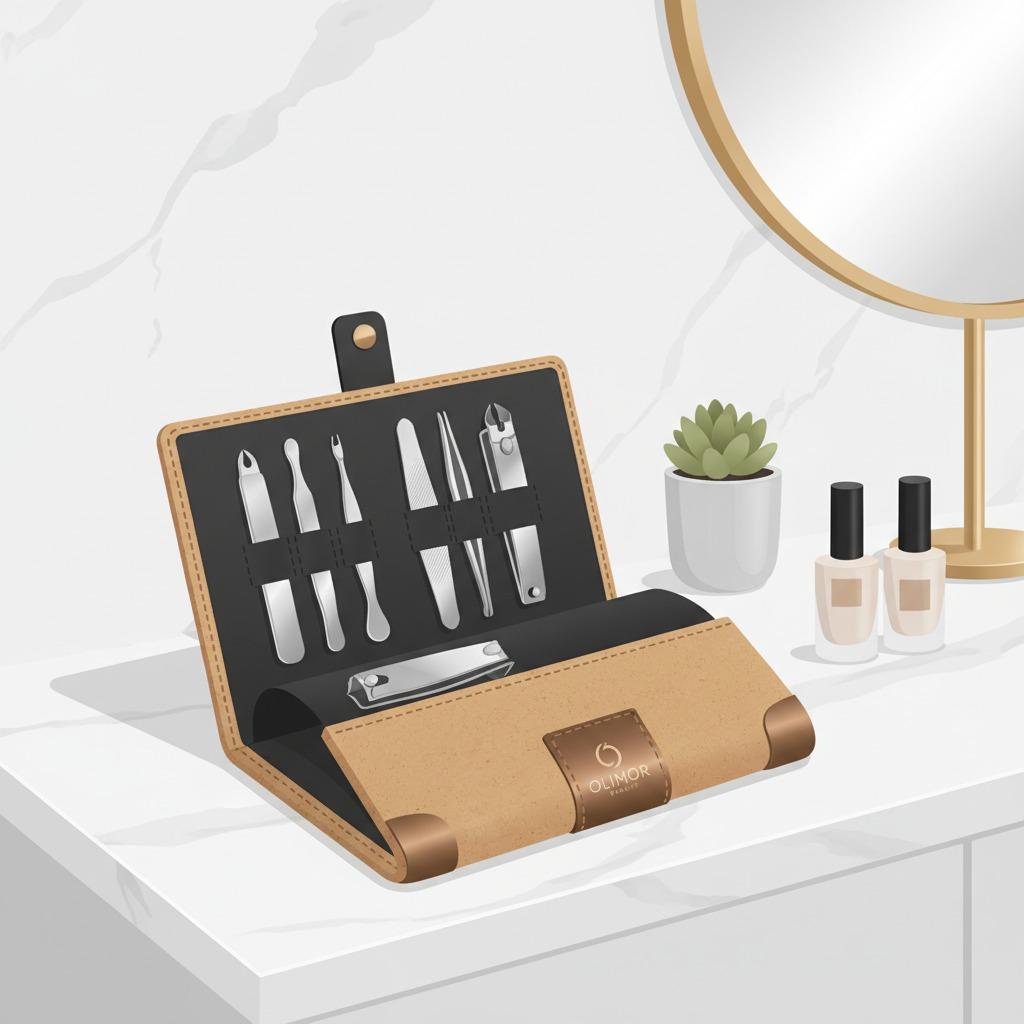
When planning a private-label tweezer program, consider how the tool will be presented and used. Will it be sold as a single retail item, included in a brow kit, added to a manicure or grooming set, or used by professionals in service settings? Each use case influences packaging, finish, tip protection, and acceptable tolerance for cosmetic appearance.
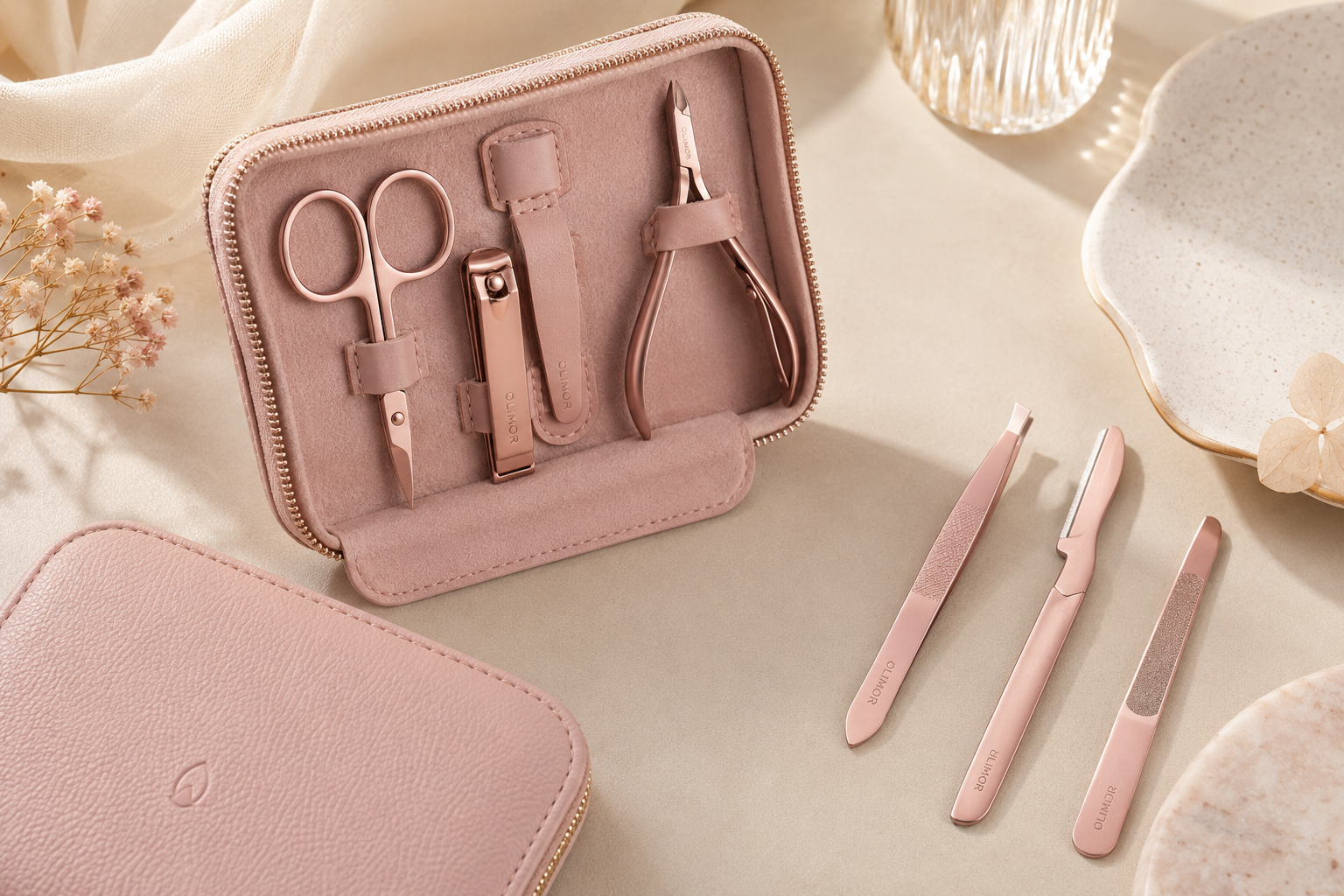
Branding decisions should also support long-term consistency. If you choose a colored finish, confirm that the appearance is suitable for your market and that the finish does not interfere with smooth handling. If you choose minimalist packaging, make sure the tips are still protected in transport and storage. If you are building a wider range, browse Olimor product collections to think through how tweezers can sit alongside other manicure, pedicure, and beauty tools.
Quality Control Questions That Matter in Wholesale Sourcing
Wholesale sourcing becomes easier when buyers ask practical, product-specific questions. Instead of focusing only on price and lead time, evaluate how the supplier controls the details that affect performance.
- How is tip alignment checked? A supplier should have a clear process for confirming that tips meet correctly.
- How are samples representative of bulk goods? The sample should reflect the production approach, not be a specially selected piece with no connection to bulk output.
- How are tweezer tips protected during packing? Bent or damaged tips can make an otherwise good tool unusable.
- What finish options are suitable for the intended channel? Salon use, retail display, and gift sets may have different surface and packaging expectations.
- How is consistency handled across repeat orders? Repeatability is important if you plan to build a long-term product line.
These questions keep the conversation grounded in performance and reliability. They also help buyers avoid decisions based only on catalog images. If you are preparing a sourcing brief, you can send an inquiry with your intended use, target market, and packaging needs so the discussion starts with the right priorities.
Maintenance Guidance to Improve Customer Satisfaction
Even a well-made tweezer benefits from proper care. If you sell tweezers under your own brand or through a salon, simple care instructions can reduce complaints and help customers get better results. This is especially useful for retail packaging, product inserts, and online product pages.
Users should keep tweezer tips clean and dry after use. The tool should not be dropped onto hard surfaces, because even a small impact can affect tip alignment. Tweezers should be stored with tip protection when available, particularly in makeup bags or professional kits where they may rub against other metal tools. For professional settings, cleaning practices should follow the hygiene requirements of the service environment.
Clear maintenance guidance also reinforces perceived value. Customers are more likely to treat the tool as a precision instrument when your brand explains how to preserve its performance.
How to Make a Confident Wholesale Decision
A strong wholesale tweezer purchase balances performance, presentation, and supplier reliability. The lowest-cost option may be tempting, but if the tool fails to grip correctly, the savings can be lost through returns, poor reviews, or weakened brand trust. On the other hand, a well-selected tweezer can become a dependable repeat item for salons, retailers, and beauty distributors.
Before confirming an order, review samples with a checklist, test more than one piece, compare the tool against the needs of your customer, and confirm that packaging protects the product during shipping and storage. If you are building a branded range, make sure the tweezer’s feel and finish match the quality level you want customers to associate with your name.
Olimor Beauty works with buyers who need beauty tools that support professional presentation and practical daily use. For wholesale tweezers, private-label planning, or assortment development, you can contact Olimor to discuss the product direction that best fits your market.