Tweezers are small tools, but they carry a large responsibility in a beauty or grooming assortment. A poorly aligned tweezer can pinch skin, break hair instead of removing it, and leave a customer doubting the quality of the entire kit. A well-made tweezer, by contrast, feels precise, controlled and dependable from the first use. For salons, retailers, hospitality buyers and private label brands, wholesale sourcing is not only about finding a low unit cost. It is about choosing tools that match the expected user, sales channel and quality promise.
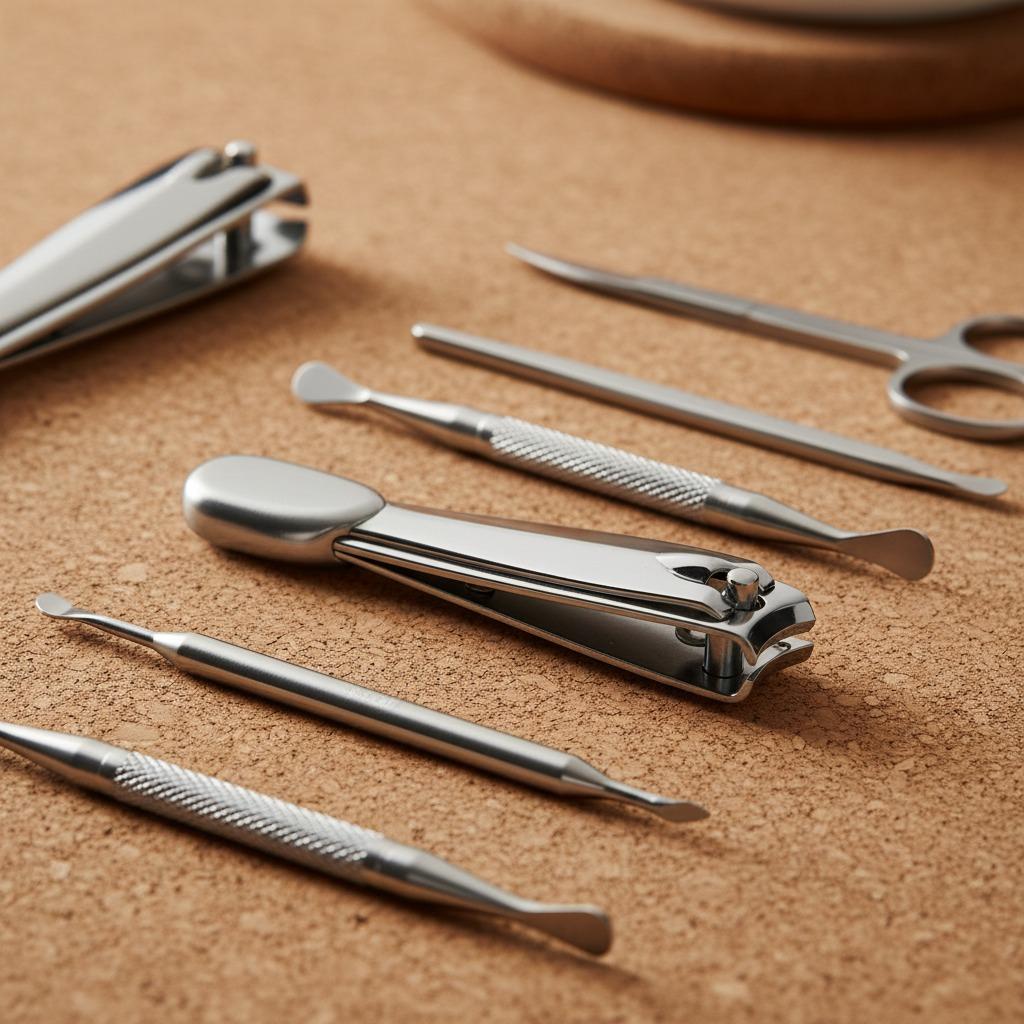
This guide is written for buyers comparing tweezers wholesale options and broader manicure or grooming tool programs. It explains how to evaluate tweezer quality, how professional and private label sourcing differ, and what to consider when ordering in bulk. If you are building a wider assortment, you can also browse Olimor Beauty beauty tool products or review related product collections to understand how tweezers fit with nail care, brow care and travel grooming items.
Start With the User: Salon, Retail, Amenity or Kit
The right wholesale tweezer depends on who will use it and how often. A salon professional needs repeatable precision through many services each week. A retail customer may care about grip, appearance and packaging clarity. A hotel or travel kit buyer may prioritize clean presentation, compact size and hygiene. A private label brand needs a tool that supports a consistent product story across design, finishing and packaging.
Before comparing suppliers, define the use case in practical terms. Will the tweezers be used for brow shaping, general grooming, lash application, splinter removal or inclusion in a manicure set? Are they sold individually, bundled with scissors and nail clippers, or placed in a disposable amenity pack? These answers influence tip shape, finish, packaging and inspection priorities.
- Professional salon use: prioritize tip alignment, tension balance, corrosion resistance and comfort during repeated work.
- Retail resale: consider finish quality, packaging visibility, barcode or labeling needs, and clear product descriptions.
- Private label programs: evaluate branding surfaces, color consistency, packaging customization and assortment planning.
- Hospitality and travel kits: focus on compact design, safe packing, clean presentation and suitability for single-guest or short-term use.
- Gift or manicure sets: match the tweezer finish and size with companion tools so the set feels coherent.
What Separates a Professional Tweezer From a Generic One
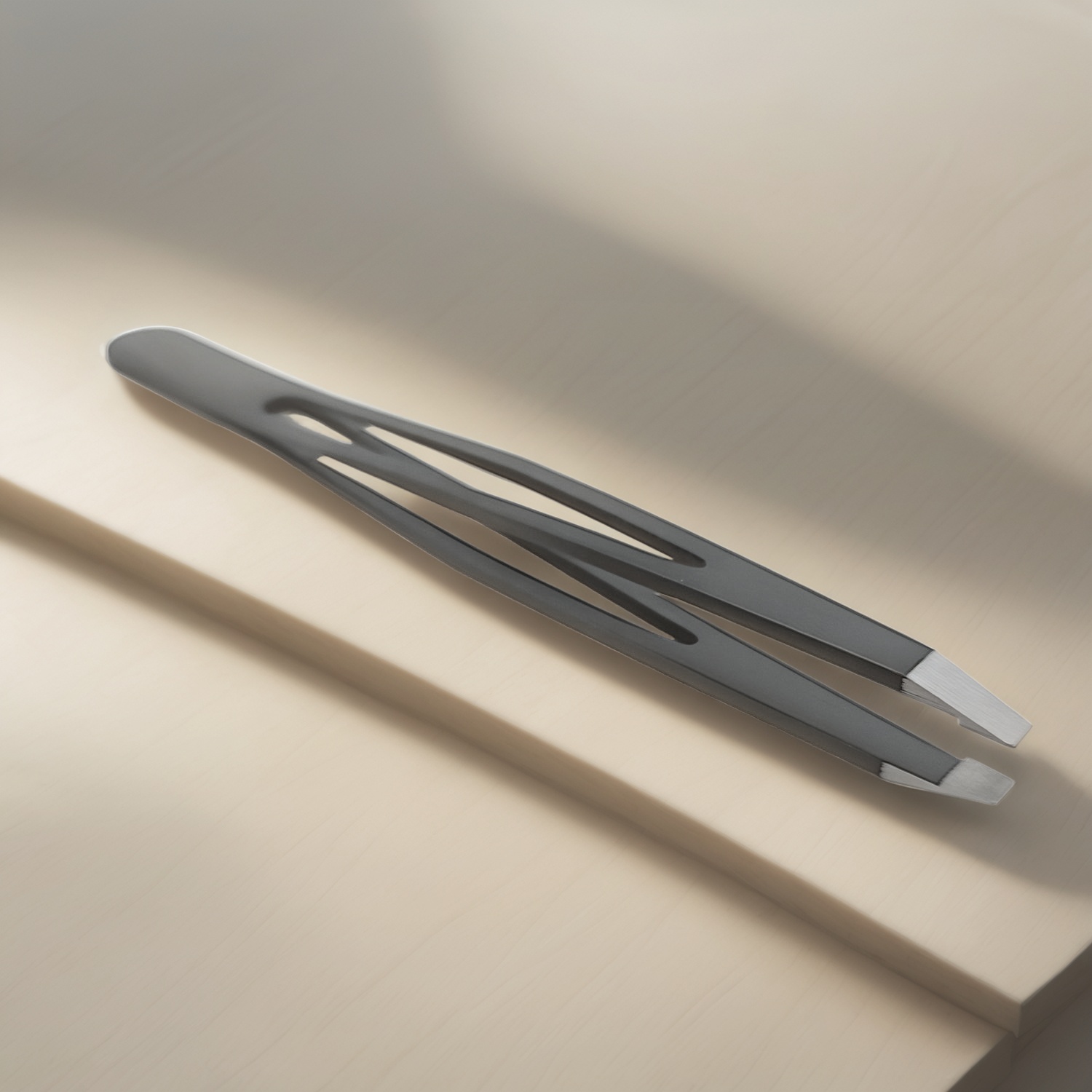
A professional-quality tweezer is judged by how accurately the tips meet. The two arms should close evenly, without a visible gap or twist. When the tips are misaligned, the user often squeezes harder, which can cut hair, slip off fine hair or increase discomfort. For brow shaping and detailed grooming, this difference is immediately noticeable.
Material selection also matters. The original sourcing focus for beauty tools emphasizes stainless steel because it is durable, hygienic and inherently recyclable. Buyers should still evaluate the actual product finish, polish and resistance to discoloration according to their market requirements. Stainless steel tools are often preferred for manicure and grooming assortments because they can provide a clean appearance and a long service life when properly maintained.
Tension is another important factor. A tweezer should not feel weak or overly stiff. If it closes too easily, it may lack control. If it requires excessive pressure, it can cause hand fatigue, especially for beauticians performing detailed work throughout the day. The best wholesale choice is not necessarily the heaviest or sharpest-looking tool; it is the one that delivers controlled pressure and reliable contact at the tip.
Tip Shapes and Their Best Uses
Wholesale tweezer assortments often include more than one tip style. Choosing the right shape helps buyers avoid complaints and improves the perceived value of the range. A retailer may sell several types separately, while a salon or kit buyer may select one versatile style for broad use.
| Tip style | Common use | Buying focus |
|---|---|---|
| Slant tip | Eyebrow shaping and general grooming | Even edge contact, comfortable angle, smooth closing tension |
| Point tip | Fine detail work and very small hairs | Accurate alignment, protected packaging, user safety messaging |
| Flat tip | Gripping larger areas or basic grooming tasks | Consistent flat contact and controlled spring back |
| Point-slant hybrid | Versatile grooming and retail assortments | Balanced precision, clear description for end users |
If you are sourcing for professional brow services, slant and point tips are often more relevant than broad flat designs. For retail displays, offering two or three tip styles can help shoppers choose according to their comfort level. For hotel amenity beauty tools, a simple compact tweezer with safe packaging may be more suitable than a sharply pointed specialist tool.
Professional Wholesale vs. Private Label Sourcing
Standard wholesale purchasing is often the right option when speed, repeatability and a proven product format are most important. A salon chain, distributor or retailer may choose established tweezer designs and focus on consistent supply, acceptable finishing and stable packaging. This route can simplify assortment planning because the product is already defined.
Private label sourcing serves a different goal: building brand recognition. Private label manicure tools and grooming tools can be customized through visible brand elements such as logo placement, selected finishes, coordinated packaging and kit composition. This can be valuable for retailers, e-commerce brands, subscription boxes and beauty educators who want their tools to feel connected to their brand rather than generic.
Private labeling requires more decisions. Buyers should specify where the logo will appear, how durable the marking should be, what packaging format will be used, and whether the tweezer must match other tools in the same range. Color and finish choices should be practical as well as attractive. Highly reflective finishes may show fingerprints; coated finishes may need closer review for edge coverage and consistency. The best private label program starts with product performance, then adds branding that reinforces the customer experience.
Quality Checks to Use Before Placing a Bulk Order
A small defect rate can become a large problem when ordering bulk grooming tools. Instead of relying only on appearance, buyers should use a repeatable inspection checklist. Samples should be reviewed in the same way the final goods will be judged, especially if the tweezers will be sold under your own brand.
- Check tip alignment: close the tweezer gently and confirm the tips meet evenly across the working edge.
- Test grip on fine material: use fine hair-like fiber or thin thread to assess whether the tips hold without slipping.
- Review tension: open and close the arms repeatedly to confirm the pressure feels controlled, not loose or harsh.
- Inspect finishing: look for burrs, rough edges, discoloration, uneven polishing or coating inconsistencies.
- Evaluate packaging: confirm that sharp or pointed tips are protected and that retail packaging presents the product clearly.
- Confirm assortment consistency: compare multiple samples so one good piece does not hide variation across the batch.
For salons, include a beautician in the sample review when possible. For retail, consider how the product looks under store lighting and whether the customer can understand the tip type quickly. For private label, check the branding placement from both a functional and visual perspective.
Packaging, Hygiene and Sustainability Considerations
Packaging choices should match the sales channel. A salon may prefer simple protective sleeves or cases that keep tools clean between uses. Retailers often need hang cards, boxes or display-ready formats. Hospitality buyers may need compact packaging that looks clean and organized in an amenity kit. A private label brand may require packaging that communicates care instructions, tip type and brand positioning.
Hygiene is especially important for tools used near the eyes, brows and face. Packaging should protect the working tips from abrasion and contamination during transit and handling. For pointed tweezers, tip protectors can reduce the risk of damage and improve user safety. Care information should be clear and realistic: clean after use, dry before storage, and avoid dropping the tool on the tips because impact can ruin alignment.
Sustainability is also part of many sourcing conversations. Stainless steel grooming tools are valued because they are long-lasting and recyclable in many waste systems, but buyers should avoid vague claims. If sustainability is part of your market strategy, evaluate the full product and packaging combination: durable tool design, minimal unnecessary packaging, recyclable packaging materials where appropriate, and a product lifespan that reduces frequent replacement.
How to Prepare a Clear Wholesale Inquiry
A well-prepared inquiry saves time and helps the supplier recommend suitable options. Instead of requesting “best tweezers,” describe the channel, target user and quality expectations. Include whether you need standard wholesale supply or private label development, and whether the tweezers will be sold alone or as part of a manicure or grooming set.
Useful inquiry details include desired tip style, finish preference, approximate order quantity, packaging type, logo or branding needs, destination market and any compliance or labeling requirements relevant to your sales channel. If you are not sure which design fits your assortment, share the intended use and price positioning so the discussion can begin with practical options rather than assumptions.
Olimor Beauty works with buyers across beauty tool sourcing needs, from individual grooming tools to coordinated product programs. To discuss tweezer wholesale options, private label planning or related manicure tool sourcing, you can send an inquiry or contact Olimor with your project details.
Final Buying Advice for Wholesale Tweezers
Good tweezers are not defined by appearance alone. The most important qualities are precise tip alignment, balanced tension, smooth finishing, suitable packaging and consistency across the order. A salon buyer should protect service quality by choosing tools that feel reliable in the hand. A retailer should consider how the tool is explained and presented to shoppers. A private label buyer should ensure branding decisions do not distract from performance. A hospitality or kit buyer should focus on clean presentation, safety and fit within the overall set.
When each sourcing decision is tied to a real use case, wholesale tweezers become more than a low-cost accessory. They become a dependable part of a beauty assortment, a salon service, a guest amenity or a branded grooming line. Careful selection at the sourcing stage reduces complaints, supports repeat purchases and helps your business present beauty tools with confidence.