











Wholesale tweezers may look simple on a product sheet, but they can strongly influence how customers judge a beauty tool range. A tweezer that grips cleanly, aligns accurately, feels balanced in the hand, and keeps its finish after repeated use is more likely to be reordered by salons, retailers, and everyday grooming customers. For buyers building a beauty assortment, tweezers are also a useful entry product: they are compact, easy to merchandise, and relevant across brow care, facial hair removal, lash application, nail care, and travel grooming kits.
The challenge is that many tweezers appear similar at first glance. A low-cost option can look acceptable in a catalog but fail when tested on fine hair, slippery packaging, or long-term retail handling. A good wholesale decision should consider not only unit appearance, but also tip precision, grip comfort, packaging practicality, customization needs, and the supplier’s ability to support consistent repeat orders. For businesses that want to serve eco-conscious shoppers, sourcing decisions should also include materials, packaging choices, waste reduction, and durability.
Why Tweezers Remain a Core Beauty Tool Category
Tweezers are a staple because they solve a precise grooming problem without requiring power, batteries, formulas, or complex instructions. They are used by beauty professionals for brow shaping and detail work, by consumers for daily personal care, and by retailers as part of manicure, brow, lash, and travel sets. This broad use makes tweezers a dependable wholesale category when selected carefully.
For retailers, tweezers can be sold as individual tools, bundled with other grooming items, or positioned as part of a private label manicure tools program. For salons and brow studios, they are practical back-bar tools that need dependable performance. For gift and travel ranges, they add utility without adding much weight or shelf space. If you are expanding your assortment, it helps to compare tweezers alongside related beauty tool products so the final range feels consistent in finish, packaging, and customer purpose.
Key Quality Points to Check Before Buying Wholesale Tweezers
Precision is the main reason customers buy tweezers. If the tips do not meet evenly, the tool will pinch skin, break hair, or slide off the target. When reviewing samples, test more than appearance. Hold the tweezer under good light, open and close it repeatedly, and use it on different hair thicknesses or comparable fine fibers. A quality check should focus on consistency across multiple samples, not just one perfect unit.
- Tip alignment: The two tips should meet evenly without visible gaps or twisting.
- Grip strength: The tweezer should hold fine hair or small objects without excessive hand pressure.
- Edge smoothness: Tips should feel precise but not rough, jagged, or unsafe against skin.
- Spring tension: The tool should open and close smoothly, avoiding fatigue during repeated use.
- Finish quality: Coating, polishing, or surface treatment should appear even and resist easy scratching during normal handling.
- Handle comfort: The body should be easy to control, especially for professional users working for long sessions.
- Packaging fit: The product should be protected in transit and presented clearly for retail display.
Wholesale buyers should also consider the type of tweezer being sourced. Slant tips are common for brow grooming because they offer control and surface contact. Pointed tips are suitable for very fine detail work but require careful handling. Flat or straight tips may suit general grooming or set-building, depending on the user. Avoid assuming one shape fits every sales channel; the right choice depends on the customer’s skill level and expected use.
Eco-Friendly Personal Care Tools: What Buyers Can Evaluate
Demand for eco-friendly personal care tools is growing because customers are paying closer attention to how products are made, packaged, used, and replaced. For tweezers, sustainability is often less about a single claim and more about practical choices that reduce unnecessary waste. A durable tool that performs well for a long time can be more responsible than a disposable item that needs frequent replacement.
When evaluating an eco-conscious tweezer range, look at the full product presentation. Is the tool built for repeated use? Is the packaging excessive, or can it be simplified while still protecting the tips? Can outer cartons, inserts, sleeves, or retail cards be designed with fewer mixed materials? Are care instructions included so customers can clean and store the tool properly? These questions are useful for retailers and brands that want their sustainability message to be credible and easy for shoppers to understand.
It is also important not to overstate environmental claims unless they are supported by documented product and packaging information. Instead of relying on vague wording, create a buyer checklist covering material choices, packaging format, replacement rate, and product lifespan. This approach helps beauty brands make responsible sourcing decisions without making unsupported claims in marketing copy.
Choosing a Manicure Tools Supplier for Tweezers and Related Items
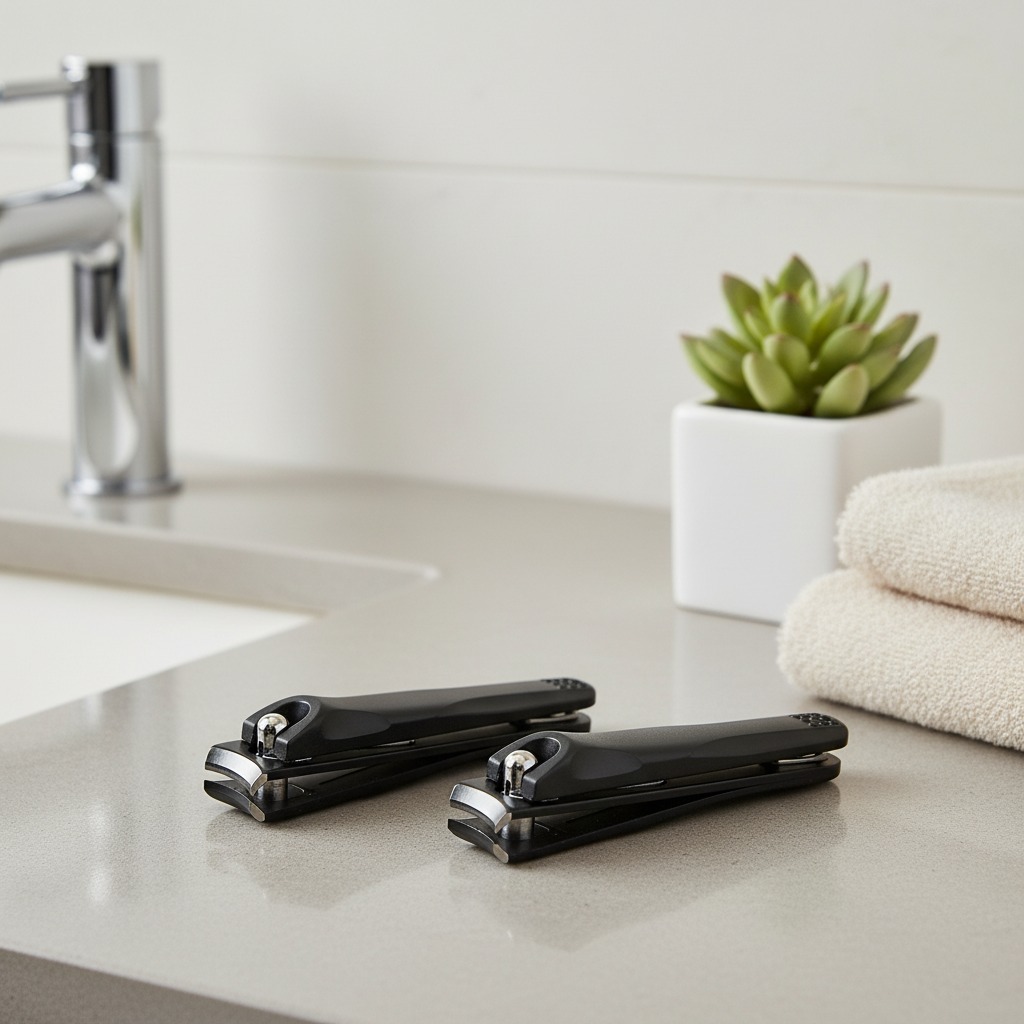
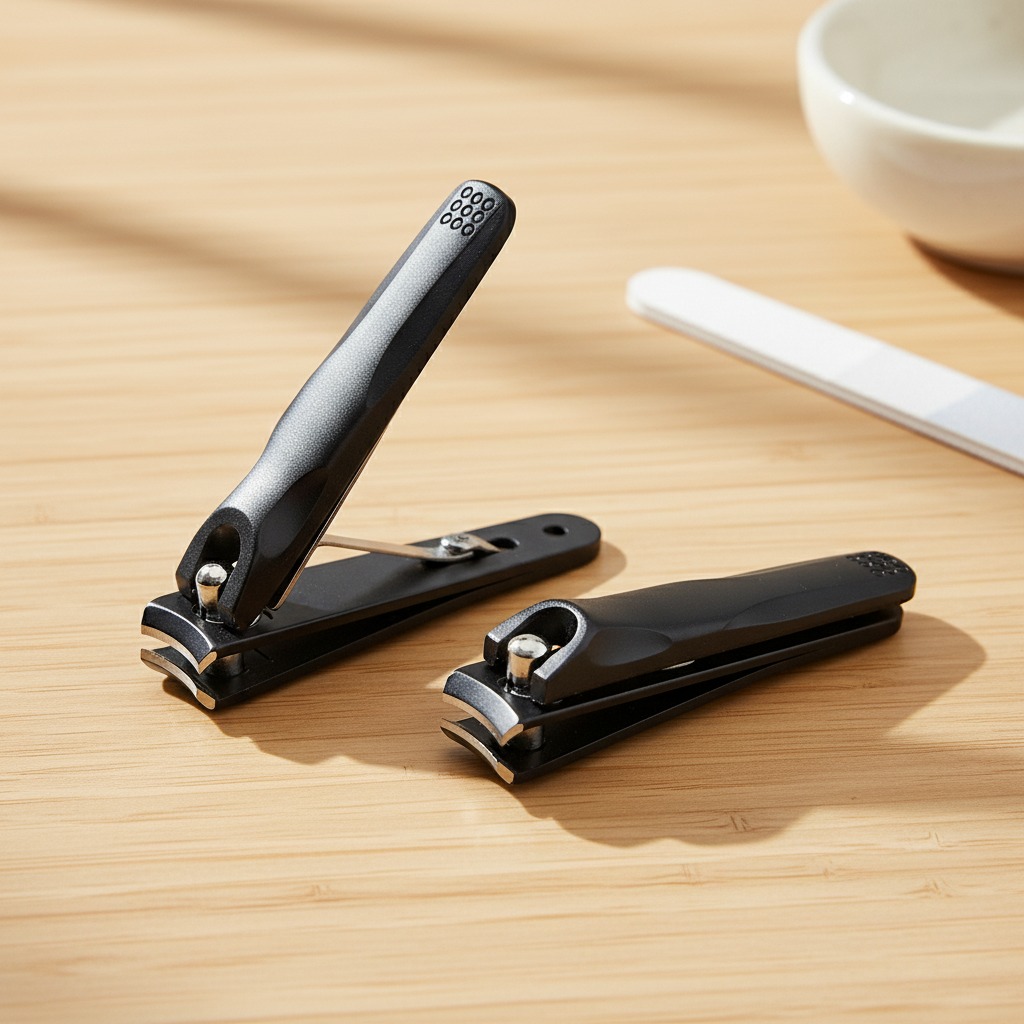
A reliable manicure tools supplier should help buyers keep product quality consistent across a full assortment. Tweezers often sit next to nail clippers, cuticle tools, brow scissors, files, and other grooming accessories, so differences in finish, handle feel, and packaging can make a product line look disconnected. Olimor Beauty provides a range of private label manicure tools, which can be helpful for businesses planning coordinated retail displays or branded personal care kits.
Before committing to wholesale tweezers, compare the supplier’s ability to support sampling, packaging discussion, finish selection, and quality review. Clear communication matters because small details affect the final user experience. For example, a retailer may need blister cards for hanging display, while a spa or salon buyer may prefer simple protective packaging. A private label brand may need room for usage instructions, barcode placement, and multilingual labeling depending on where the tools will be sold.
Buyers can review product collections to understand how tweezers and manicure tools may work together in a broader assortment. If a specific assortment, packaging approach, or branding project needs discussion, it is practical to send an inquiry with target use, order expectations, packaging preferences, and any required compliance information for the intended market.
Wholesale Sourcing Checklist for Retailers and Beauty Brands
A structured checklist helps prevent sourcing decisions from being driven only by price. The lowest-priced tweezer can become costly if it leads to returns, weak reviews, or inconsistent repeat orders. Use the following comparison points when reviewing samples and supplier options.
| Decision Area | What to Review | Why It Matters |
|---|---|---|
| Tip performance | Alignment, grip, smoothness, and ability to catch fine hair | Determines whether the tool performs its main function reliably |
| User comfort | Body shape, tension, control, and hand feel | Supports both professional use and everyday grooming |
| Finish and appearance | Surface consistency, color, polish, and resistance to visible defects | Affects retail presentation and perceived value |
| Packaging | Protection, display format, instructions, and material efficiency | Reduces damage and improves shelf appeal |
| Branding needs | Logo placement, private label options, and assortment consistency | Helps build a recognizable product line |
| Repeat order control | Sample approval process and quality expectations | Supports consistency over time |
For a private label program, create a reference sample and keep written approval notes. Include details such as tip style, finish, packaging format, logo placement, and acceptable appearance standards. This makes future replenishment easier and gives both buyer and supplier a clearer basis for checking production quality.
How to Match Tweezers to Different Sales Channels
The best wholesale tweezer choice depends on where and how it will be sold. A professional brow studio may value precise slant or pointed tips and a comfortable grip above decorative packaging. A beauty retailer may need a product that looks clean on a peg display and explains its use quickly to shoppers. A travel kit supplier may prioritize compact size, safe tip protection, and coordinated packaging with other tools.
For e-commerce, product descriptions should be specific enough to reduce uncertainty. Mention the tip style, intended use, care guidance, and whether the tool is best for brows, detail work, or general grooming. Avoid broad claims that every tweezer is suitable for every task. Clear positioning can improve customer satisfaction because buyers understand what they are receiving.
For salons, durability and hygiene practices matter. Tweezers should be easy to clean and store safely between uses. Providing simple care instructions helps professional and consumer users protect the tip alignment. A tweezer that is dropped, stored loose with hard tools, or used for non-grooming tasks can lose precision even if it was manufactured well.
Care and Maintenance Guidance to Reduce Returns
Useful after-sale guidance can protect both the customer experience and the retailer’s reputation. Many tweezer issues come from misuse or poor storage rather than the original product. Include care notes on packaging, inserts, or product pages so users understand how to keep the tool performing properly.
- Clean the tips after use according to the intended hygiene practice for the setting.
- Dry the tool before storage to help preserve the finish.
- Use a protective cap or case when available to prevent tip damage.
- Do not use grooming tweezers for hard objects, crafts, or tasks that can bend the tips.
- Store separately from heavier metal tools that may scratch or misalign the tip area.
These instructions are simple, but they can extend product life and reduce complaints. They are especially important for private label beauty tools because customers often associate tool performance directly with the brand printed on the package.
Building a Better Wholesale Tweezer Program
A strong tweezers wholesale program balances performance, appearance, packaging, and responsible sourcing. Buyers should test samples carefully, match tip styles to real customer needs, and consider how tweezers fit within a larger manicure or personal care tools assortment. Eco-conscious decisions should focus on durability, practical packaging, and clear product information rather than vague marketing language.
Olimor Beauty supports beauty businesses looking for tweezers, manicure tools, and private label personal care tool options. To discuss a sourcing project, packaging direction, or assortment plan, contact Olimor with the intended sales channel and product requirements. A clear brief makes it easier to select wholesale tweezers that perform well, present professionally, and support long-term customer trust.