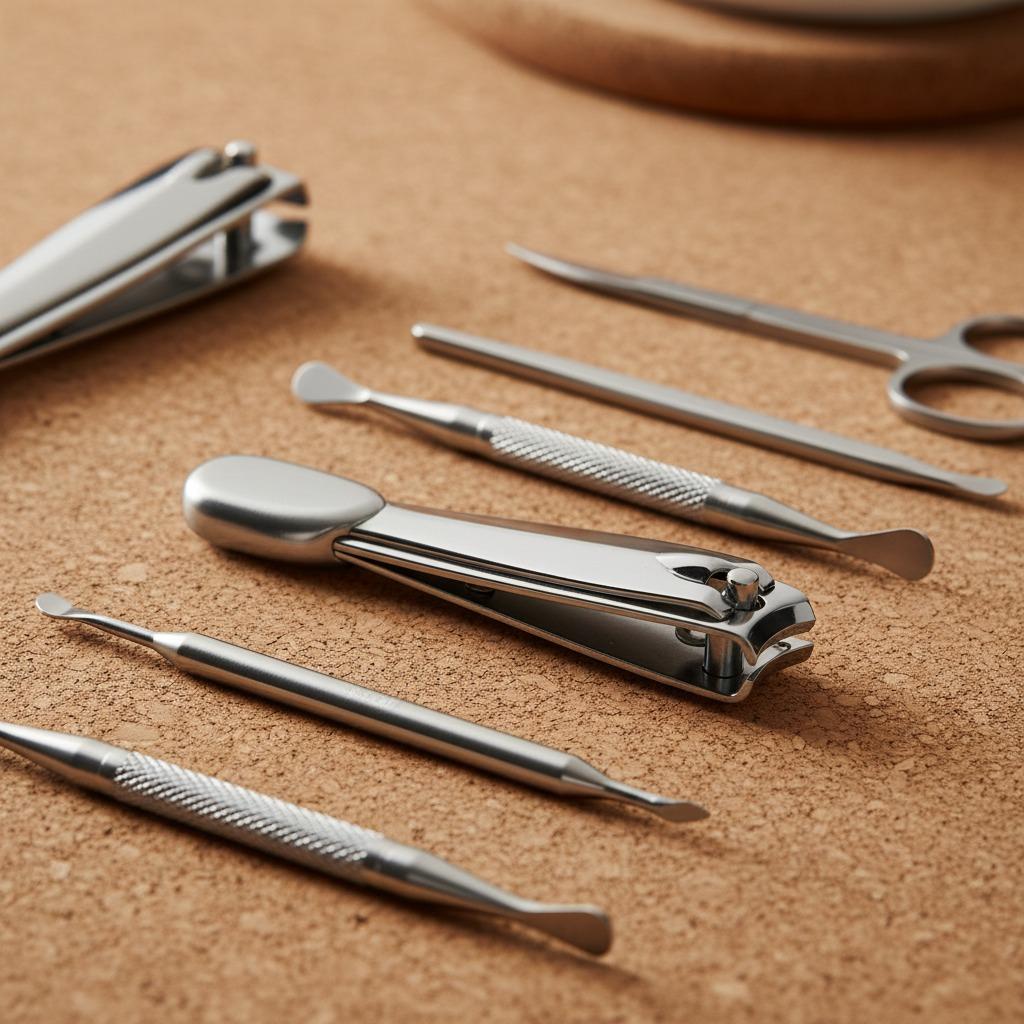












For beauty businesses, tweezers are small tools with a large effect on service quality. A lash artist needs control at the tip. A brow technician needs clean hair removal without cutting or slipping. A spa buyer needs tools that feel consistent across repeat orders. When purchasing tweezers wholesale, the decision is not simply about buying more units at a lower cost. It is about selecting implements that match the way professionals actually work and that support a reliable client experience.
Olimor Beauty serves buyers looking for professional beauty tools, including salons, spas, distributors and private label projects. The right wholesale tweezer program should consider application, ergonomics, finishing, packaging and long-term sourcing stability. This guide explains how to evaluate tweezers for lash, brow and general beauty use so purchasing teams can make better decisions before placing an order or developing a branded line.
Why Wholesale Tweezer Quality Matters in Professional Services
Professional beauty work is repetitive and detail-oriented. A technician may open and close a tweezer hundreds of times in a single day. If the tips are uneven, the tension is too stiff, or the surface finish is uncomfortable, the tool slows the service and can affect the final result. In lash application, the difference between a precisely aligned tip and a poorly finished tip can change how easily the artist isolates, grips and places lashes. In brow shaping, poor grip can lead to repeated attempts on the same hair, which is frustrating for the client and inefficient for the technician.
Wholesale sourcing also affects brand perception. If a salon sells retail brow tools or a distributor supplies professional kits, the buyer is effectively putting their reputation into every piece. A low-quality tweezer may look acceptable in packaging but fail under daily use. A well-selected professional tweezer should feel balanced, close smoothly and perform consistently from batch to batch.
Businesses comparing beauty tool products should therefore look beyond the initial appearance. Visual design matters, but performance depends on precise tip finishing, appropriate tension, a comfortable body shape and the correct tweezer type for the intended service.
Matching Tweezer Types to Real Beauty Applications
Not every tweezer should be used for every service. A wholesale buyer may need several shapes to serve different professional tasks. Selecting the right mix helps salons, lash studios and retail programs avoid overstocking tools that do not match their clients' needs.
- Straight tweezers: Useful for general handling, product pickup and certain lash tasks where a direct line of sight is preferred.
- Curved tweezers: Common in lash work because the curve can support isolation, placement and better hand positioning during detailed application.
- Angled or slant tweezers: Often selected for brow grooming because the slanted edge can grip individual hairs while allowing controlled shaping.
- Pointed tweezers: Suitable for fine detail work, but they require careful handling and should be finished accurately to avoid misalignment.
- Volume lash tweezers: Chosen by lash professionals who need to pick up or create lash fans with controlled pressure at the gripping area.
For false lash tweezers wholesale, the key question is how the tool behaves during fine pickup and placement. Lash buyers should evaluate whether the tweezer closes evenly at the working point and whether the hand position feels natural after repeated use. For brow or retail grooming tools, the grip on very fine hair and the smoothness of the slanted edge are more important than a dramatic shape.
Selection Criteria for Wholesale Tweezers
A practical sourcing process should include a physical evaluation whenever possible. Photos can show shape, finish and color, but they cannot prove closing tension, balance or tip contact. Buyers who are building salon kits, distributor ranges or private label beauty tools should use a checklist that can be repeated across samples and future production.
| Criteria | What to Check | Why It Matters |
|---|---|---|
| Tip alignment | Tips should meet cleanly without visible crossing or gaps. | Alignment affects grip, isolation and precision. |
| Closing tension | Pressure should feel controlled, not too stiff or too loose. | Technicians need comfort during long services. |
| Edge finishing | Working edges should be smooth and appropriate for the application. | Poor finishing can slip, scratch or feel harsh. |
| Body shape | Check finger contact, length and balance in the hand. | Ergonomics influence speed and fatigue. |
| Surface finish | Inspect for uniform color, clean polishing and stable coating appearance. | Finish affects perceived value and presentation. |
| Packaging fit | Confirm the tool is protected and presented clearly. | Packaging supports retail, storage and shipping. |
These points are especially important when a buyer plans repeat purchases. A sample that performs well is useful only if future shipments follow the same quality standard. A professional beauty tools supplier should be able to discuss acceptable appearance standards, packaging options and the inspection priorities that matter for the intended market.
Ergonomics: Comfort Is Part of Precision
Precision is not only about a sharp-looking tip. It also depends on how naturally the tool fits the technician's hand. A tweezer that requires too much pressure can cause fatigue during a full day of appointments. A body that is too slippery can reduce control. A shape that blocks the technician's view may slow lash or brow work. These practical issues become more visible in professional environments than in occasional home use.
For salons and spas, it is helpful to test tweezers with multiple staff members. Hand size, working angle and service technique vary. A lash artist who creates volume fans may prefer a different tension from a technician who mainly applies strip lashes or performs brow grooming. If a wholesale order will support multiple locations, staff feedback can prevent costly purchasing mistakes.
Buyers should also think about the service setting. A spa may prefer understated finishes that fit a clean professional environment. A retail beauty brand may prioritize a more distinctive color or packaging presentation. A lash training academy may need consistent tools for student kits. The best choice is the one that supports the actual use case rather than the most decorative option.
Private Label and Branded Tool Programs
Many beauty businesses are interested in extending their identity through tools, including tweezers and private label manicure tools. Branded implements can support retail sales, professional kits, training programs and distributor catalogs. However, private label decisions should begin with product suitability, not only logo placement.
Before developing a branded tweezer range, buyers should clarify the audience. A professional lash audience will care strongly about tip behavior and tension. A brow retail audience may care more about easy hair grip, safe storage and clear usage instructions. A spa or salon chain may value a consistent finish that looks professional across treatment rooms. These priorities influence which tweezer shape, finish and packaging direction is most appropriate.
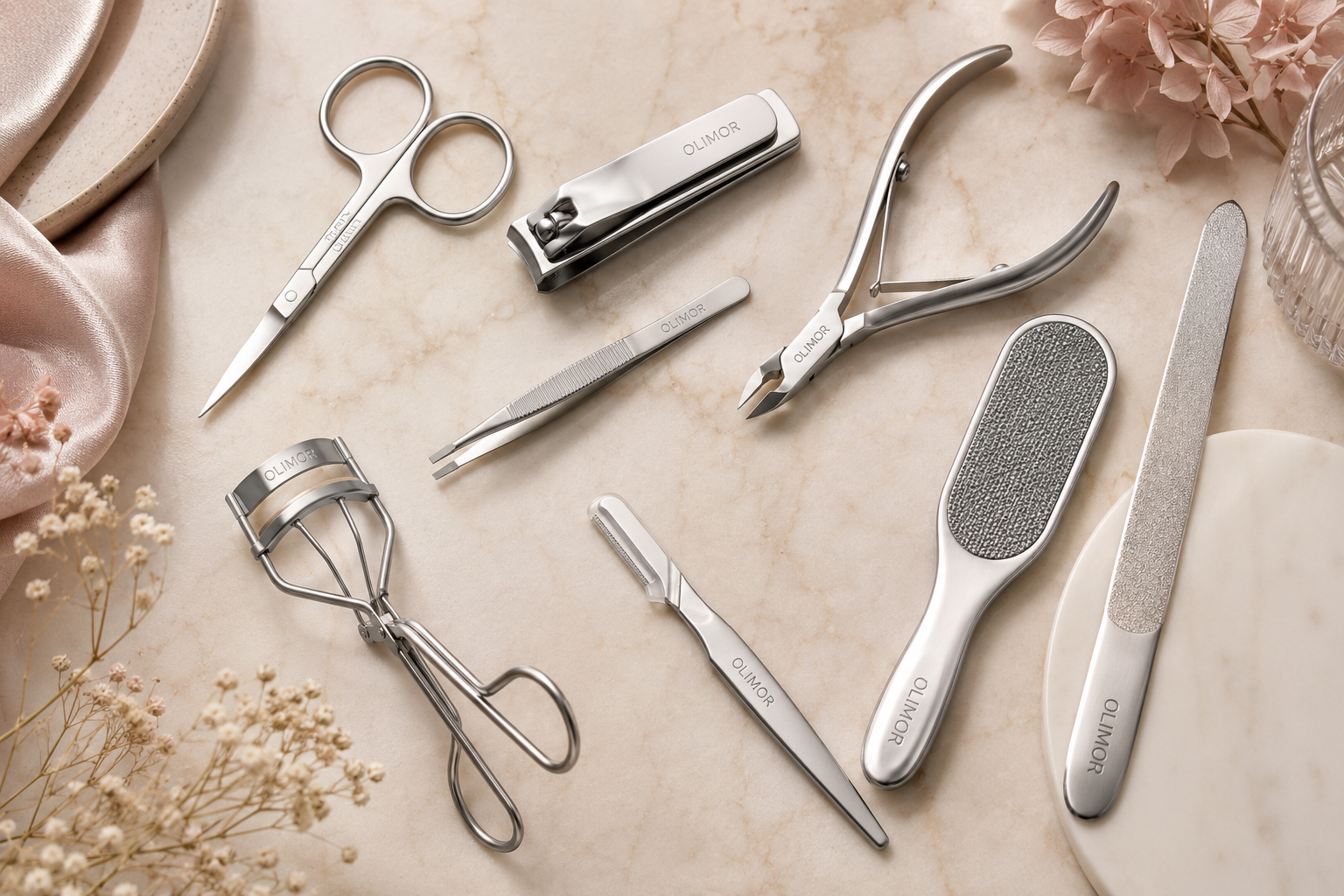
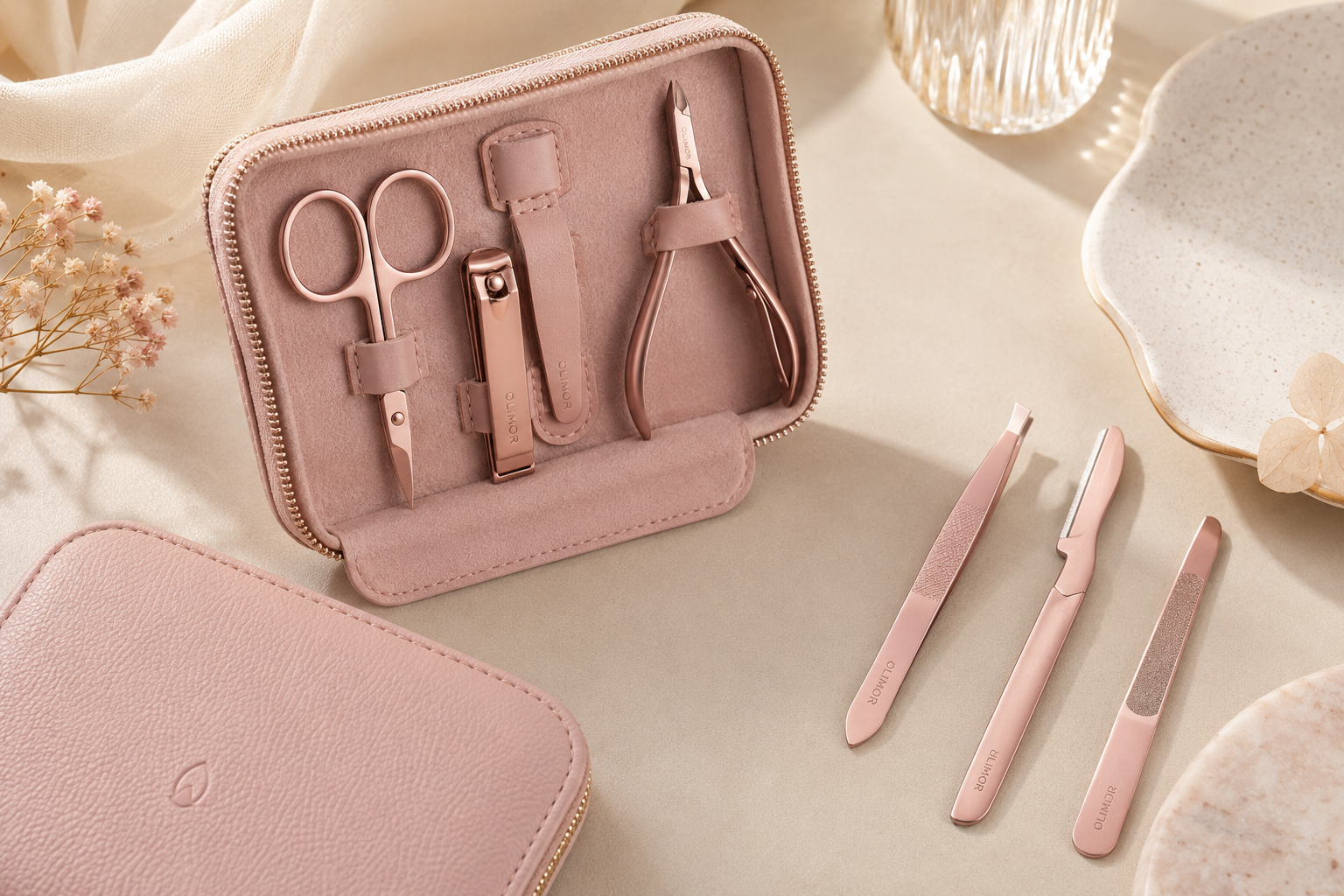
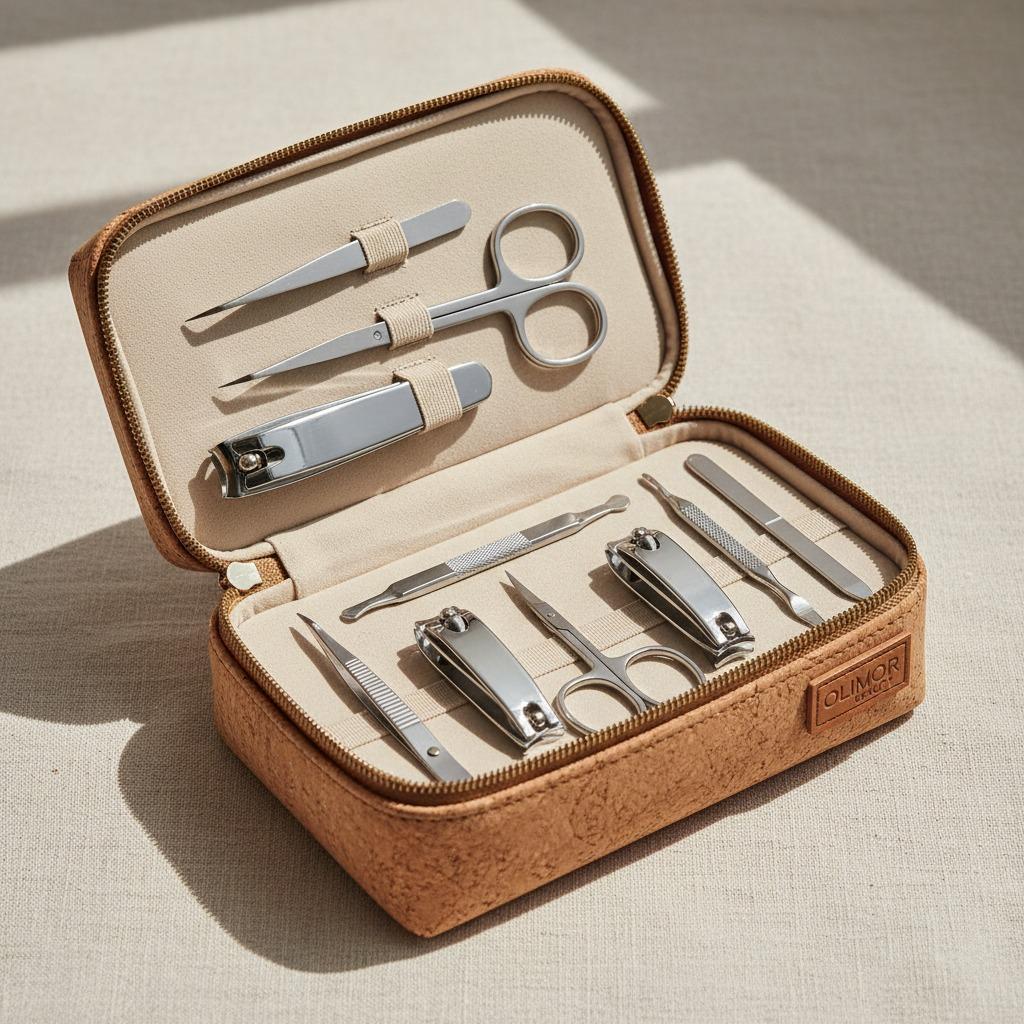
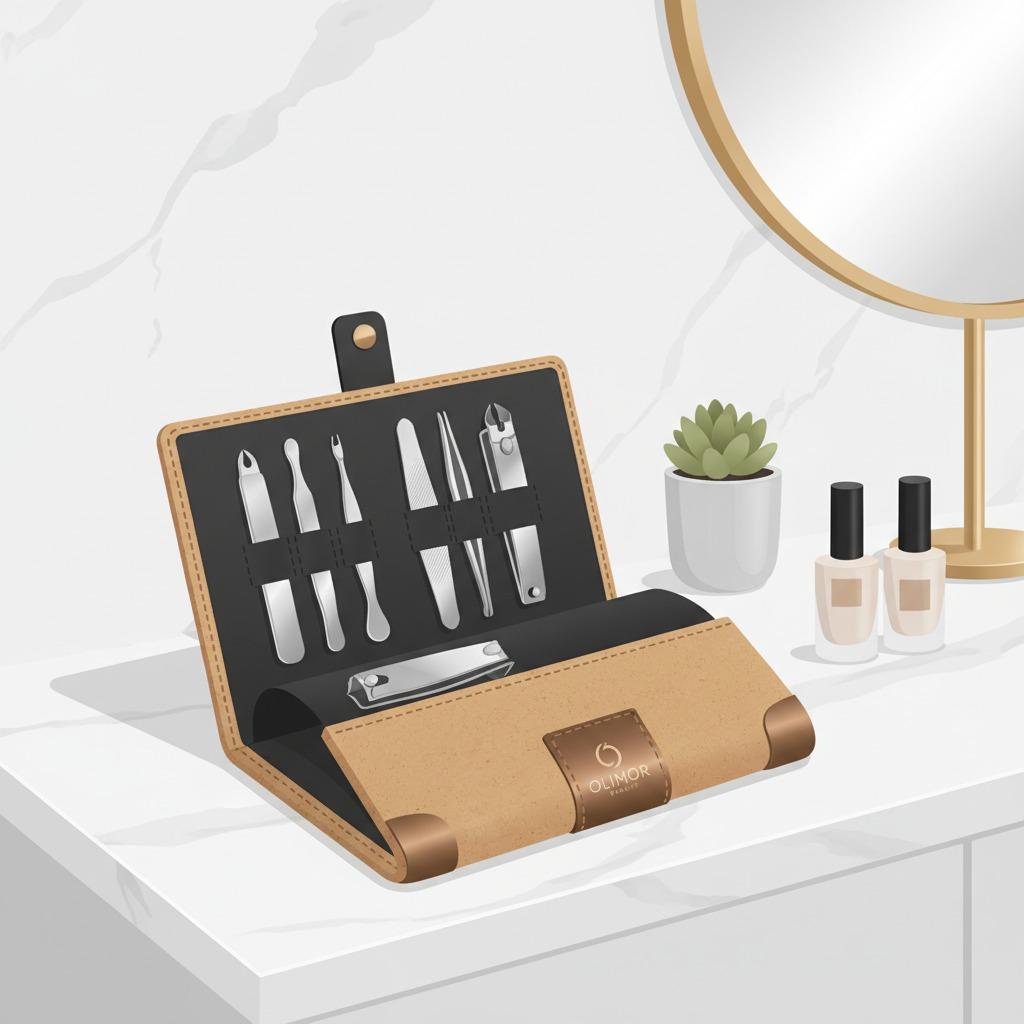
When reviewing product collections, buyers can compare how different beauty tools may work together as a coordinated range. A tweezer may sit alongside manicure instruments, brow tools or lash accessories. A consistent product family can make the brand feel more organized, but only if each item performs properly in its own category.
Quality Control Questions Buyers Should Consider
Wholesale tweezers should be evaluated through clear and practical quality expectations. Instead of focusing only on broad claims, buyers can define what must be checked before products are accepted. This approach is useful for salons ordering professional supplies and for distributors building repeatable product programs.
- What is the intended application? Confirm whether the tool is for lash extension work, false lash placement, brow grooming, retail use or a mixed professional kit.
- How should the tips contact? Define the working area where the tips must meet and how much variation is acceptable.
- What finish is appropriate? Consider whether polished, matte or coated appearances match the market and can be maintained in normal use.
- How will the tweezer be packaged? Tip protection is important because fine tips can be damaged during transport or storage.
- How will consistency be checked? Build a simple incoming inspection process for alignment, tension, surface appearance and packaging condition.
These questions help purchasing teams communicate clearly and reduce misunderstandings. If a buyer is developing a new range, it is also wise to compare several sample shapes before choosing the final assortment. A small difference in angle or length may make a tool significantly more comfortable for the target user.
Care, Storage and Handling for Longer Tool Life
Even a well-made tweezer can be damaged by poor handling. Fine tips should be protected when the tool is not in use. Dropping a tweezer onto a hard surface can bend the tip and change its grip. Tools should be cleaned according to the procedures appropriate for the salon environment and the tool finish. For retail customers, simple care instructions can reduce complaints and help users understand that precision tips require careful storage.
Professional buyers should consider adding protective sleeves, cases or clear usage guidance when selling or distributing tweezers. In a salon setting, staff should avoid using precision tweezers for tasks unrelated to beauty service, such as opening containers or scraping adhesive residue. Misuse can quickly ruin alignment and create the impression that the product itself is poor quality.
Choosing a Wholesale Beauty Tool Partner
The right supplier relationship should support both product performance and business planning. A buyer may start with tweezers, then expand into related salon, lash or manicure tools. Working with a spa professional beauty tools supplier that understands category differences can make assortment planning easier. It also helps when buyers need consistent presentation across multiple tool types.
Olimor Beauty focuses on beauty tools for professional and branded purchasing needs. Whether you are comparing false lash tweezers wholesale options, planning a salon tool kit or exploring private label manicure tools, the most productive starting point is a clear brief: target user, service type, preferred finish, packaging needs and quality priorities. To discuss a sourcing project, you can contact Olimor or send an inquiry with your requirements.
Wholesale tweezers may look simple, but the buying decision benefits from careful evaluation. Choose tools by application, test the feel in real working conditions, protect the tips through proper packaging and set clear quality expectations before repeat orders. When those steps are in place, tweezers become more than a basic accessory. They become dependable professional tools that support cleaner work, smoother service and stronger brand confidence.