










Wholesale tweezers are small tools, but they carry a large responsibility. For a lash technician, a tweezer affects isolation, placement, grip and comfort during detailed work. For a salon or beauty retailer, it influences customer satisfaction and repeat purchasing. For a private label buyer, it becomes part of the brand experience the moment a customer opens the package and tests the tension.
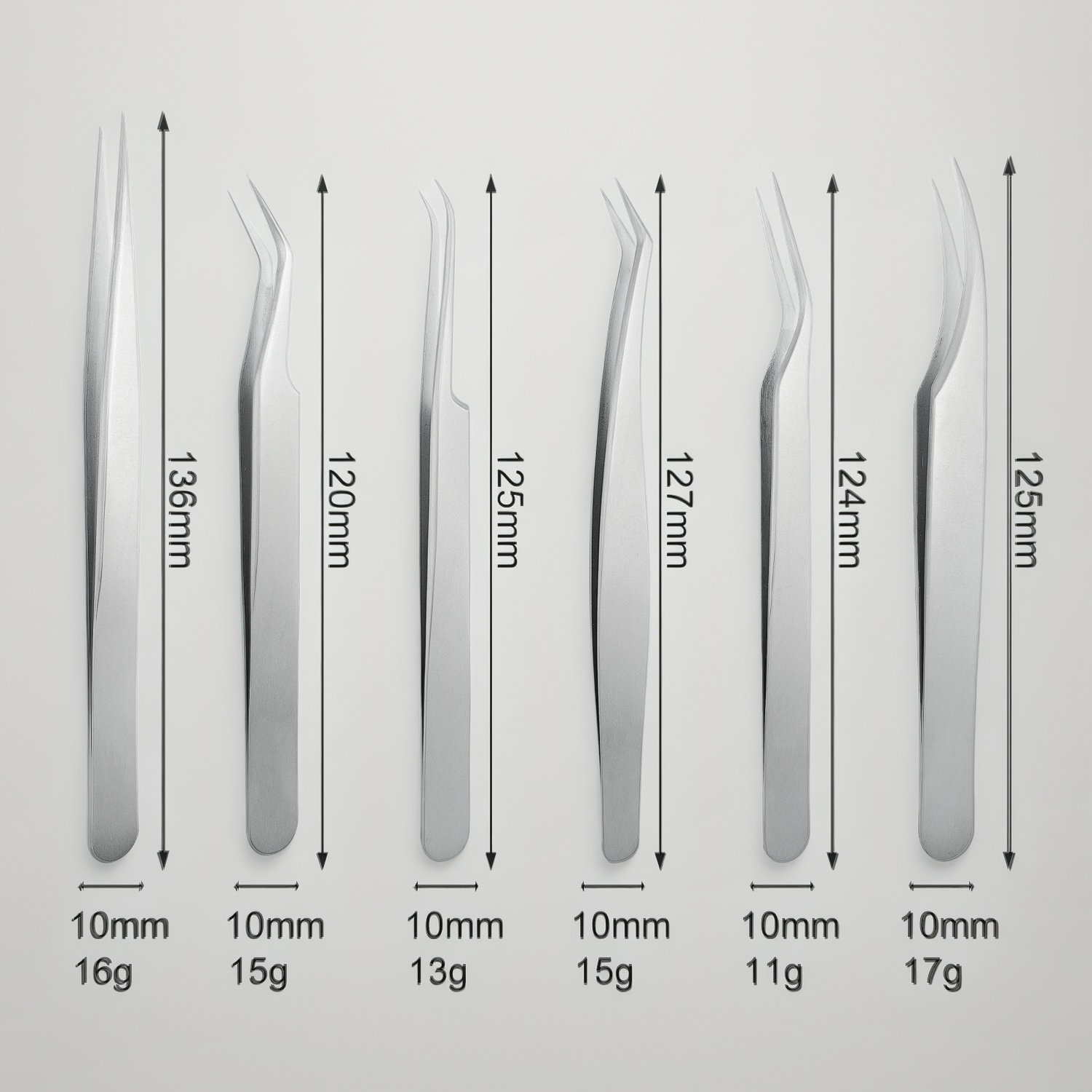
Olimor Beauty manufactures professional beauty instruments for businesses that need consistent, practical tools for commercial use. The range referenced here includes stainless steel tweezers, a 136mm isolation tweezer and an ergonomically bent fan-making model. These tools are designed for precision-focused beauty work, especially where control, grip and hand comfort matter over long service periods.
This guide explains what wholesale buyers should evaluate before placing a tweezer order, how different tweezer types fit different market channels, and how private label sourcing can support a beauty brand without relying on vague claims or unnecessary complexity.
Why Wholesale Tweezer Quality Matters in Professional Beauty
A tweezer may look simple in a product photo, but in professional use the details are easy to feel. Tip alignment, tension, finish, weight distribution and grip consistency all influence how confidently a technician can work. A poorly balanced tweezer may cause hand fatigue. A tip that does not close evenly can make fine isolation difficult. A tool that feels rough or inconsistent can reduce confidence in a salon setting.
For wholesale buyers, quality matters because one purchase may serve many end users. A distributor may supply salons, beauty training schools, independent lash artists or retail stores. A private label brand may place the same tool into multiple sales channels. In each case, the tweezer must meet the practical expectations of users who judge tools by performance, not by packaging language.
Stainless steel is a useful material choice for professional beauty tools because it supports a clean, durable tool format when properly manufactured and maintained. Buyers should still evaluate the exact design, finish and intended use rather than assuming all stainless steel tweezers perform the same way. A lash isolation tweezer, for example, is judged differently from a fan-making tweezer because the user’s grip angle and pressure needs are different.
Choosing the Right Tweezer Type for Your Market
Before selecting a wholesale tweezer assortment, define who will use the tool and how they will use it. A beauty supply retailer may need a balanced selection for different skill levels. A salon chain may want reliable daily-use tools that suit common services. A lash product brand may focus on specialized shapes for isolation, volume work or fan-making.
Olimor Beauty’s referenced stainless steel tweezer offering includes a 136mm isolation tweezer and an ergonomically bent fan-making model. These two examples show why shape and use case should guide sourcing decisions.
- Isolation work: A 136mm isolation tweezer is intended for separating natural lashes or managing delicate detail work where visibility and control are important.
- Fan-making work: An ergonomically bent model can help users approach lash fans from a practical hand angle, which may support comfort during repeated movements.
- Retail resale: Retail customers often compare finish, tip feel, packaging and clarity of use instructions before deciding whether a tool feels professional.
- Salon supply: Salons usually prioritize dependable handling, repeatable grip and ease of cleaning between services according to their hygiene procedures.
- Hotel or amenity programs: Compact grooming tools can be positioned as premium care items when selected with finish, presentation and user safety in mind.
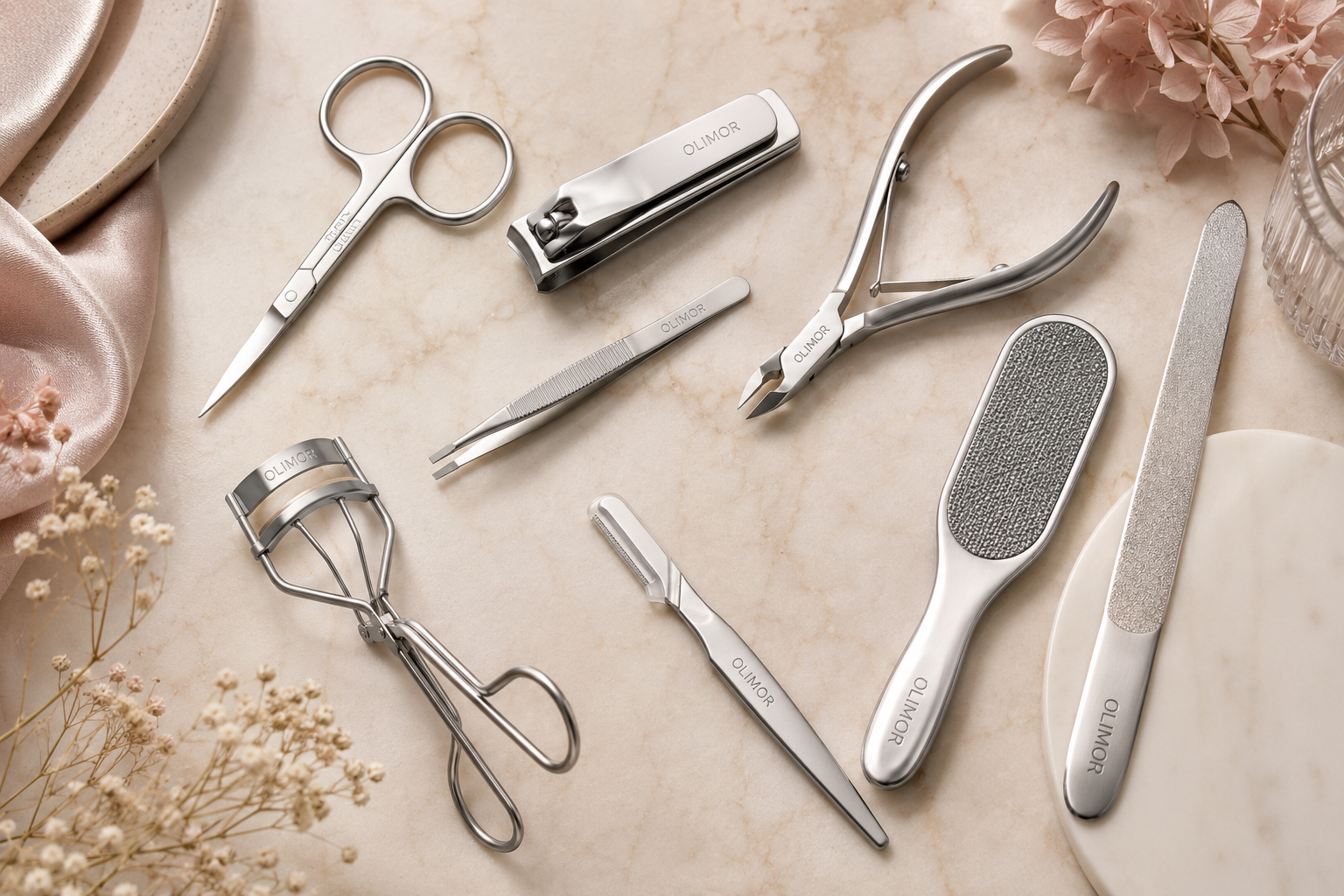
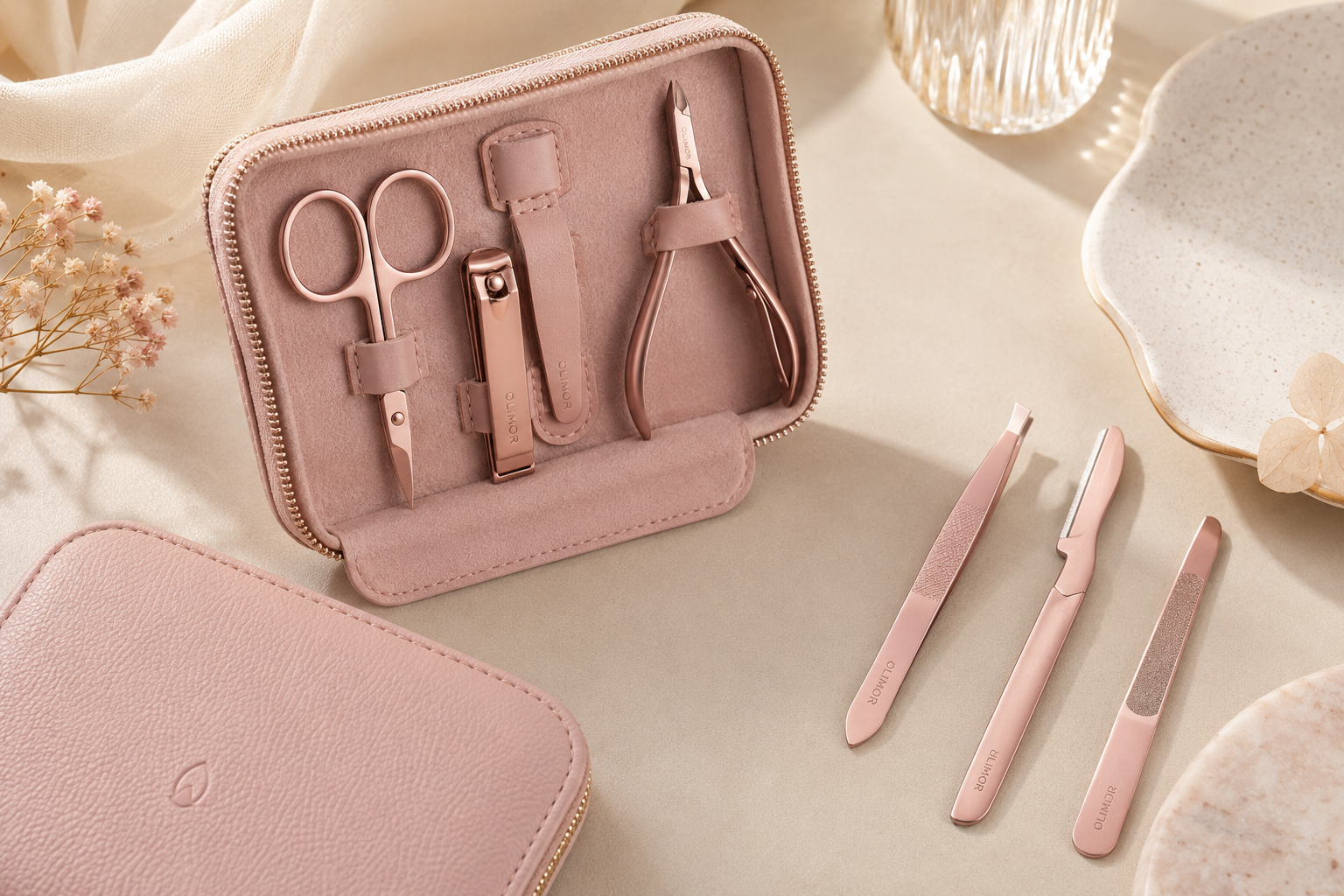
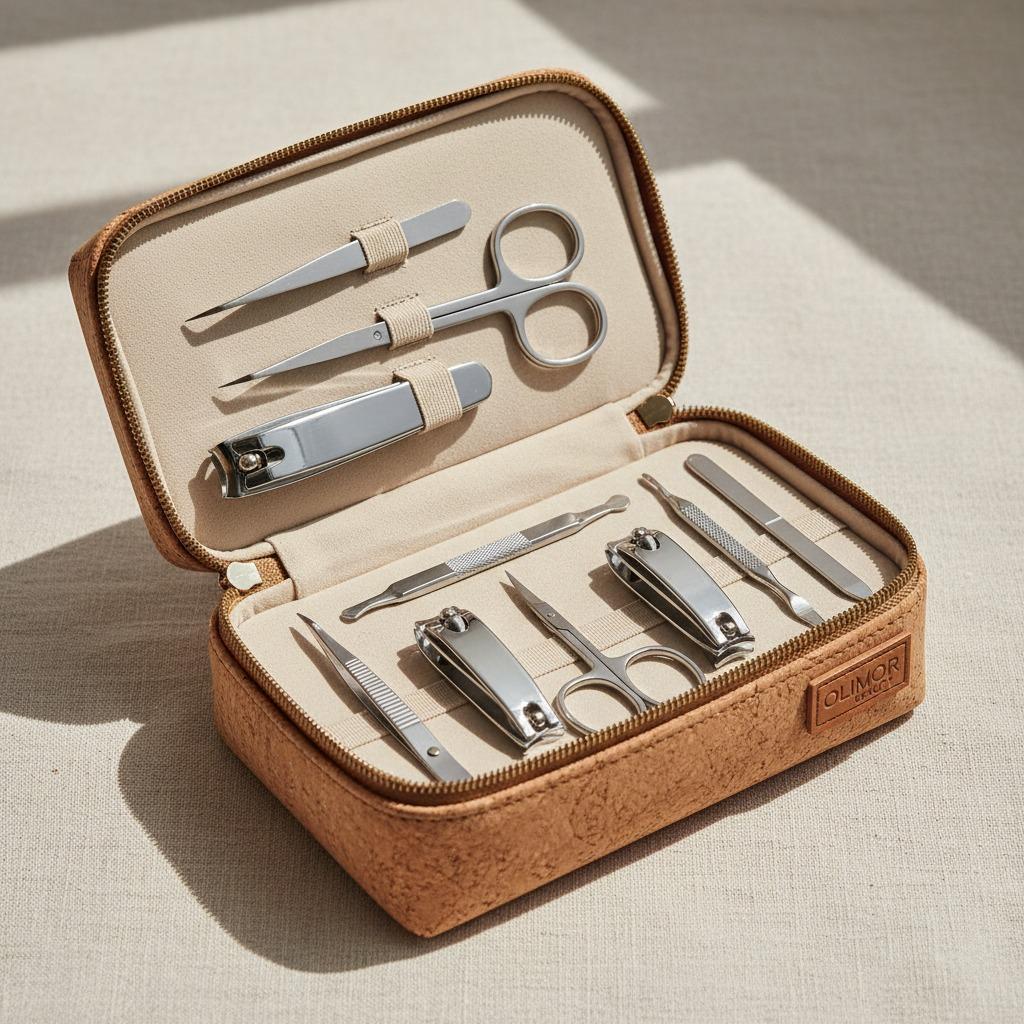
If your business sells a broader range of beauty tools, compare tweezers alongside other beauty tool products to build a consistent assortment. A tweezer line that fits visually and functionally with your other manicure, lash or grooming tools can make ordering and merchandising easier.
What to Check Before Ordering Tweezers Wholesale
Wholesale sourcing should be based on clear checks, not just appearance. A tool can look polished in a catalog but still fail in hand if the tip closure, tension or finish is inconsistent. Buyers can reduce risk by building a practical evaluation process before confirming a larger order.
| Buyer Check | Why It Matters | What to Review |
|---|---|---|
| Tip alignment | Accurate closure supports precision work. | Check whether the tips meet evenly without visible gaps. |
| Tension feel | Too much pressure can tire the hand; too little may reduce control. | Test repeated open-close movement and user comfort. |
| Grip surface | A stable hold helps technicians work confidently. | Review finish, texture and whether the tool slips during use. |
| Tool shape | Different services require different working angles. | Match isolation, fan-making or grooming use to the correct design. |
| Packaging suitability | Retail and private label channels need presentation consistency. | Confirm whether the packaging format fits your sales channel. |
| Cleaning compatibility | Professional users need tools that fit their hygiene routines. | Assess surface finish and maintenance instructions for daily care. |
For a first purchase, it is helpful to compare several shapes in real service conditions. Have experienced users test the tools for isolation, pickup, placement and hand comfort. Their feedback often reveals issues that are not obvious in a specification sheet.
Private Label Tweezers for Beauty Brands
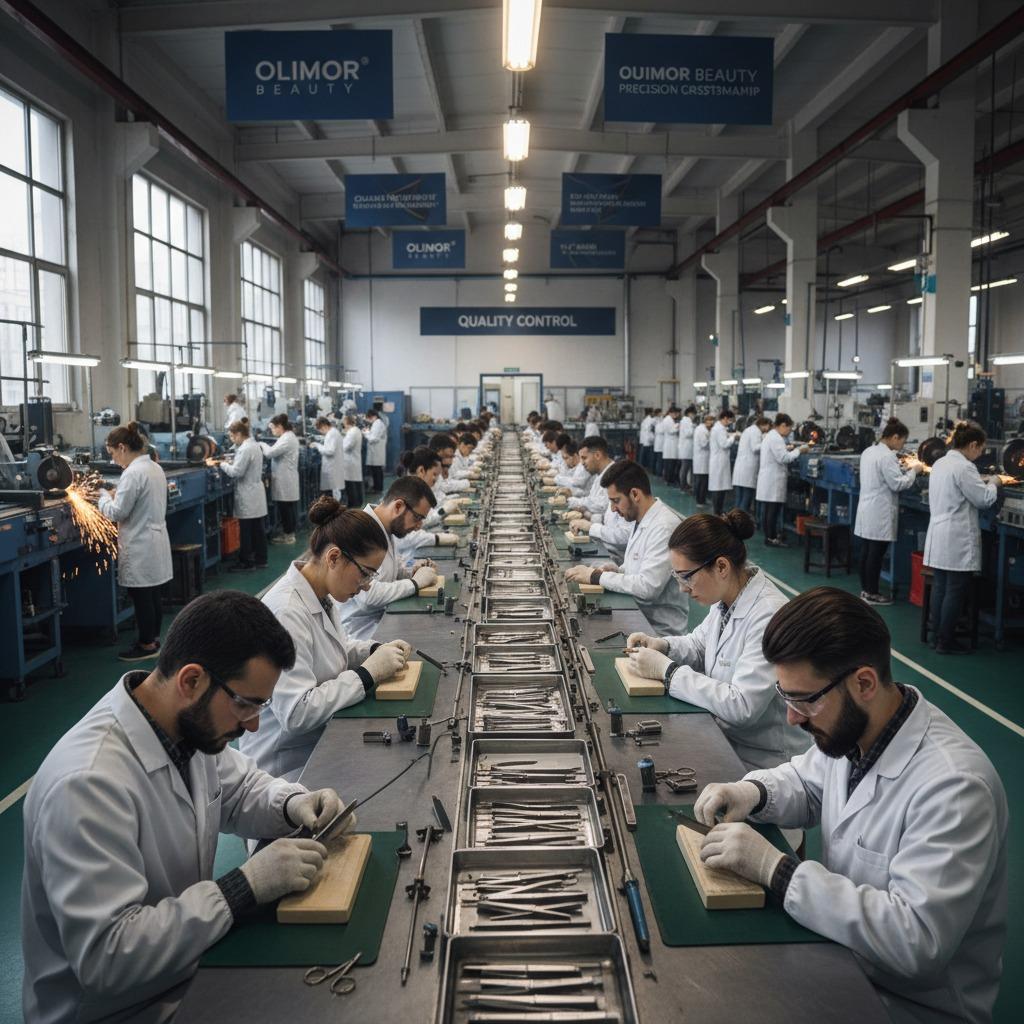
Private label tweezers can help a beauty business expand its product portfolio without building a factory or tool workshop from the beginning. Olimor Beauty offers private label solutions for beauty instruments, allowing businesses to create products that reflect their own brand identity while relying on established manufacturing support.
For private label projects, the important work happens before production begins. Buyers should define the target customer, price position, product style, packaging needs and intended sales channel. A tool for a professional lash brand may require a different presentation than a tweezer sold in a general beauty retail display. A salon supply brand may focus on practical labeling and simple reordering, while a boutique retail line may put more attention on visual presentation.
Private label planning should include the following decisions:
- Product role: Decide whether the tweezer is a core professional tool, an entry-level retail item, a kit component or an amenity product.
- Assortment logic: Choose whether to sell one general-use tweezer or multiple shapes for specific services such as isolation and fan-making.
- Packaging direction: Select packaging that protects the tool and communicates the intended use clearly.
- Brand consistency: Align color, labeling and product naming with your wider beauty tool range without making unsupported performance claims.
- Quality review process: Set internal acceptance standards for tip closure, finish and handling before approving shipment.
Businesses planning a custom line can send an inquiry with target market details, preferred tool types and packaging goals. Clear information at the start helps the sourcing discussion stay focused and practical.
Wholesale Tweezers for Salons, Retailers and Hospitality Programs
Not every wholesale buyer has the same customer. Salons, distributors, retailers and hospitality buyers evaluate tweezers differently. A reliable sourcing partner should understand that one tool category can support several markets when the selection is planned correctly.
Professional salons and lash studios need tools that support repeated daily use. Technicians care about hand comfort, point control and whether the tweezer performs consistently from one service to the next. For this audience, assortment clarity matters. Labeling a tweezer by use case, such as isolation or fan-making, helps technicians choose quickly.
Beauty supply retailers need products that are easy for customers to understand. Clear product descriptions, sensible packaging and a focused selection can reduce confusion. Retail buyers should avoid offering too many similar tweezers without explaining the difference between each shape.
Private label brands need a tool that can represent their standards over time. The product should feel consistent across repeat orders, and the brand should define practical quality benchmarks before scaling the line.
Hotels and guest amenity programs may use grooming tools as part of a premium care offer. In this channel, safety, presentation and user-friendly packaging are especially important. The tool does not need exaggerated claims; it needs to look clean, feel appropriate and suit occasional grooming use.
Buyers comparing multiple categories can browse Olimor’s product collections to consider how tweezers may fit into a broader sourcing plan.
Care and Maintenance Guidance for End Users
Wholesale buyers should consider not only the tool but also the instructions or guidance that accompany it. Proper care helps end users protect performance and avoid unnecessary damage. While each business may have its own hygiene procedures, general tweezer maintenance can be communicated in simple, responsible language.
- Keep tweezer tips protected when the tool is not in use to reduce the chance of bending or impact damage.
- Clean tools according to the hygiene requirements of the service environment and local professional practices.
- Dry tools thoroughly after cleaning to help preserve the surface finish.
- Avoid dropping tweezers, especially precision tip designs, because even a small impact can affect alignment.
- Store different tweezer types separately or in protective packaging so tips do not rub against harder objects.
Including care guidance can reduce avoidable complaints and help customers understand that precision tools require careful handling. This is especially useful for retail products and training kits where the buyer may be less experienced.
Working with Olimor Beauty on Wholesale Tweezer Sourcing
Olimor Beauty serves buyers looking for professional beauty tools, stainless steel tweezers and private label instrument options. For wholesale programs, the best results come from matching the tool design to the customer’s actual use case. A lash professional may need precise isolation and fan-making options, while a retailer may need a clear, easy-to-explain assortment. A hospitality buyer may prioritize presentation and practicality.
When preparing a wholesale inquiry, include your target market, preferred tweezer types, expected sales channel, packaging needs and any private label direction. You do not need to have every detail finalized, but a clear buyer brief makes it easier to discuss suitable options and avoid mismatched products.
If you are building a new tweezer line, refreshing an existing beauty tool assortment or comparing suppliers for a private label program, you can contact Olimor to discuss the project. A focused sourcing conversation should help you evaluate tool shape, presentation, quality expectations and the best path for your market.
Wholesale tweezers succeed when they combine practical design, consistent handling and a clear fit for the customer. By evaluating precision, ergonomics, market use and packaging before ordering, beauty businesses can source tools that support professionals, satisfy retail buyers and strengthen a private label product range.