











Wholesale tweezers are small products with a large impact on the way customers judge a beauty brand. A tweezer that grips cleanly, feels balanced in the hand and stays reliable after repeated cleaning can support professional brow shaping, lash preparation, retail grooming kits, salon resale and hotel amenity programs. A poorly selected tool, on the other hand, creates returns, inconsistent service results and unnecessary waste.
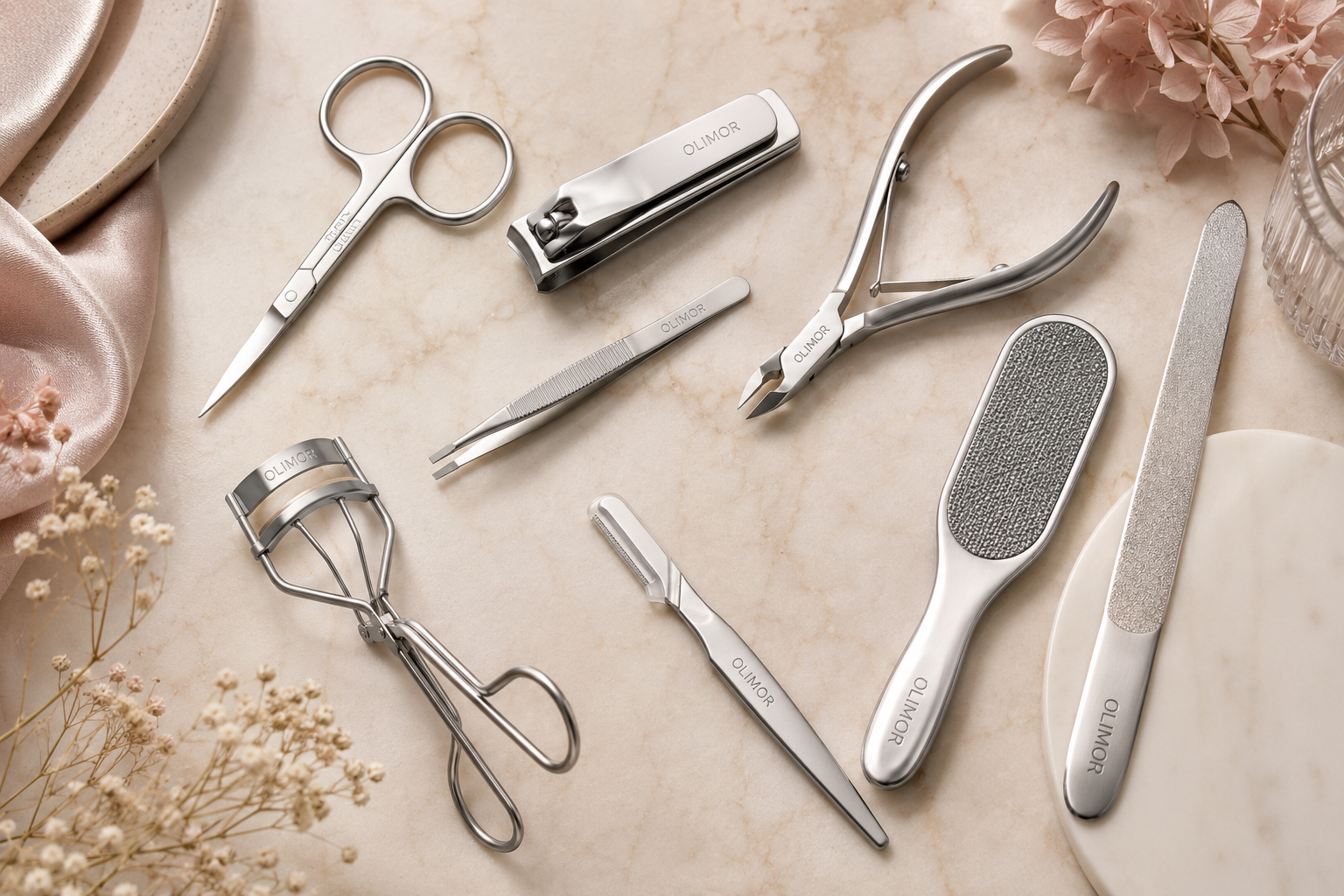
For buyers focused on eco-friendly beauty solutions, the goal is not simply to replace plastic with metal. The better question is whether the tool is durable enough to be used many times, whether it can be sanitized appropriately, whether the packaging supports the brand position and whether the product can be sourced consistently for commercial programs. Olimor Beauty supplies wholesale beauty tools for professional and retail buyers, with stainless steel products, internal quality control and private label options for businesses building long-term product lines.
This guide explains how to evaluate tweezers wholesale programs with practical criteria for salons, distributors, private label brands and hospitality buyers.
Why Tweezers Matter in a Sustainable Beauty Tool Line
Tweezers are often treated as basic accessories, but they are precision instruments. In brow grooming, lash application and general personal care, the user expects the tips to meet accurately and hold fine hair or small items without slipping. If the grip is unreliable, the user applies more pressure, repeats the movement and may discard the tool early. That waste problem is directly connected to quality.
Stainless steel tweezers support more responsible product planning because they are durable, easy to clean and recyclable at end of life. For beauty businesses, this creates a stronger alternative to disposable or low-life-cycle grooming implements. A stainless steel tool also fits multiple channels: salon back-bar use, retail kits, travel grooming sets, spa treatment rooms, hotel amenities and e-commerce bundles.
Eco-friendly sourcing should focus on longevity first. A reusable metal tweezer that performs consistently over time is usually more aligned with sustainable beauty than a low-cost item that must be replaced frequently. When reviewing beauty tool products, buyers should evaluate the whole product experience: grip, finishing, comfort, hygiene, packaging and after-sale expectations.
Selection Criteria for Wholesale Tweezers
Before placing a wholesale order, define the specific use case. A brow specialist, a retail beauty brand and a hotel procurement team may all need tweezers, but they are not buying for the same user behavior. Professional users often care most about precision and hand comfort. Retail buyers need a tool that communicates quality immediately in packaging. Hospitality programs may prioritize clean presentation, compact storage and a product that feels more premium than a disposable amenity.
The following checklist helps buyers compare options without relying only on appearance:
- Tip alignment: The two ends should meet evenly so the user can grip fine hair or small beauty items with control.
- Edge finish: Tips should be clean and smooth enough for precise use without feeling rough or unfinished.
- Hand feel: The body should provide stable tension and comfortable control during repeated use.
- Material choice: Stainless steel is valued for durability, ease of cleaning and recyclability.
- Surface consistency: A clean finish helps the product look professional in retail, salon or hotel settings.
- Packaging compatibility: The tool should fit the intended packaging format, whether a retail card, pouch, set box or amenity presentation.
- Branding area: Private label buyers should consider where a logo, finish or packaging identity can be applied without reducing usability.
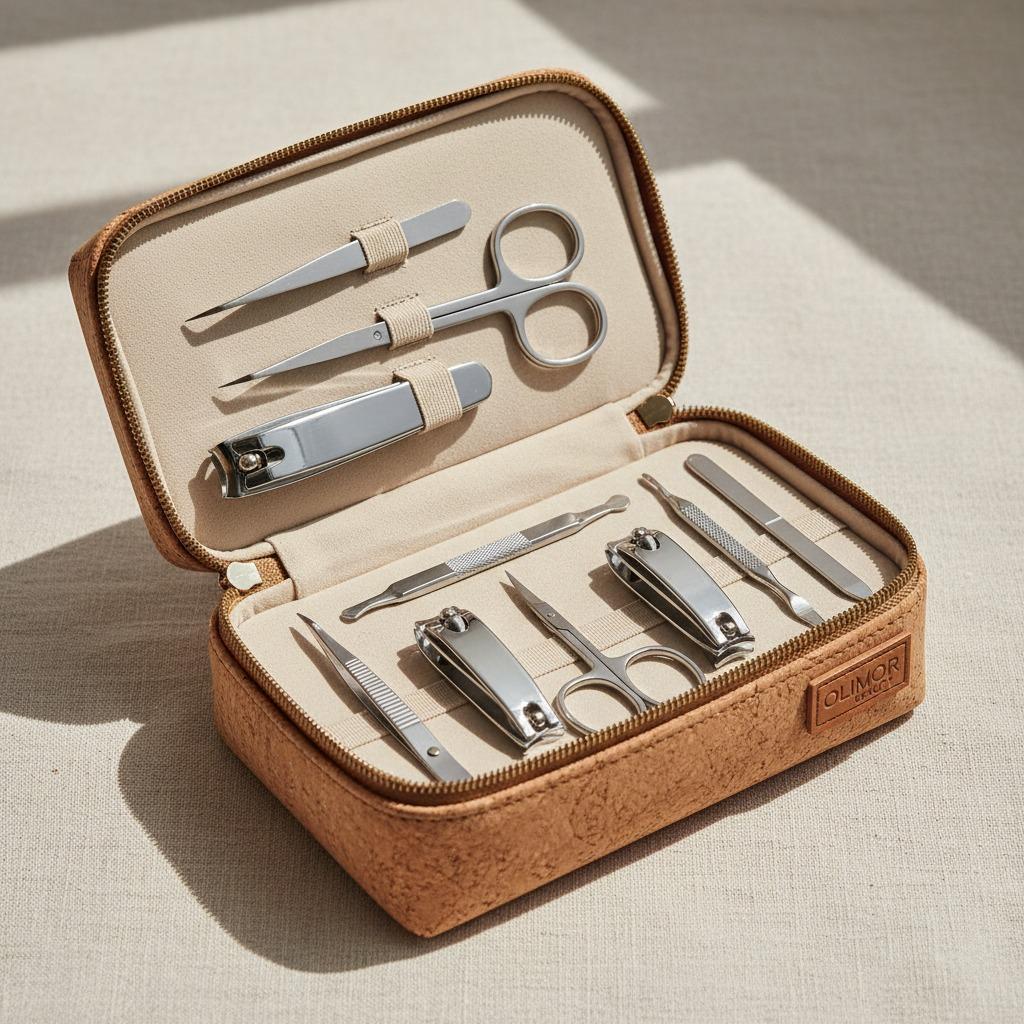
- Assortment planning: Tweezers may be sold alone or combined with related manicure, lash or grooming tools.
A clear specification list makes wholesale communication more efficient. It also reduces the risk of choosing a product that looks acceptable online but does not match the real use case.
Stainless Steel, Recyclability and the Meaning of Eco-Friendly
In beauty tools, the word eco-friendly should be used carefully. A product is more responsible when it is designed for repeated use, avoids unnecessary disposability and can be handled through appropriate recycling channels when it reaches the end of its service life. Olimor Beauty offers stainless steel grooming tools that are durable, easy to sanitize and recyclable, making them suitable for buyers who want to move away from disposable plastic implements.
For a buyer, the key is to connect environmental claims with practical sourcing decisions. Stainless steel supports repeated cleaning, which is important for professional environments. Durability also helps reduce replacement frequency. Recyclability matters because it gives the material a potential path beyond disposal, although actual recycling depends on local systems and collection practices.
Packaging should also be reviewed. A strong eco-focused tool can lose credibility if it is packed in excessive plastic or oversized boxes. Buyers planning a retail or hospitality program should review the packaging structure, labeling needs and protective requirements together. The aim is to protect the tweezer during transport and display while avoiding unnecessary material.
Private Label Opportunities for Beauty Brands
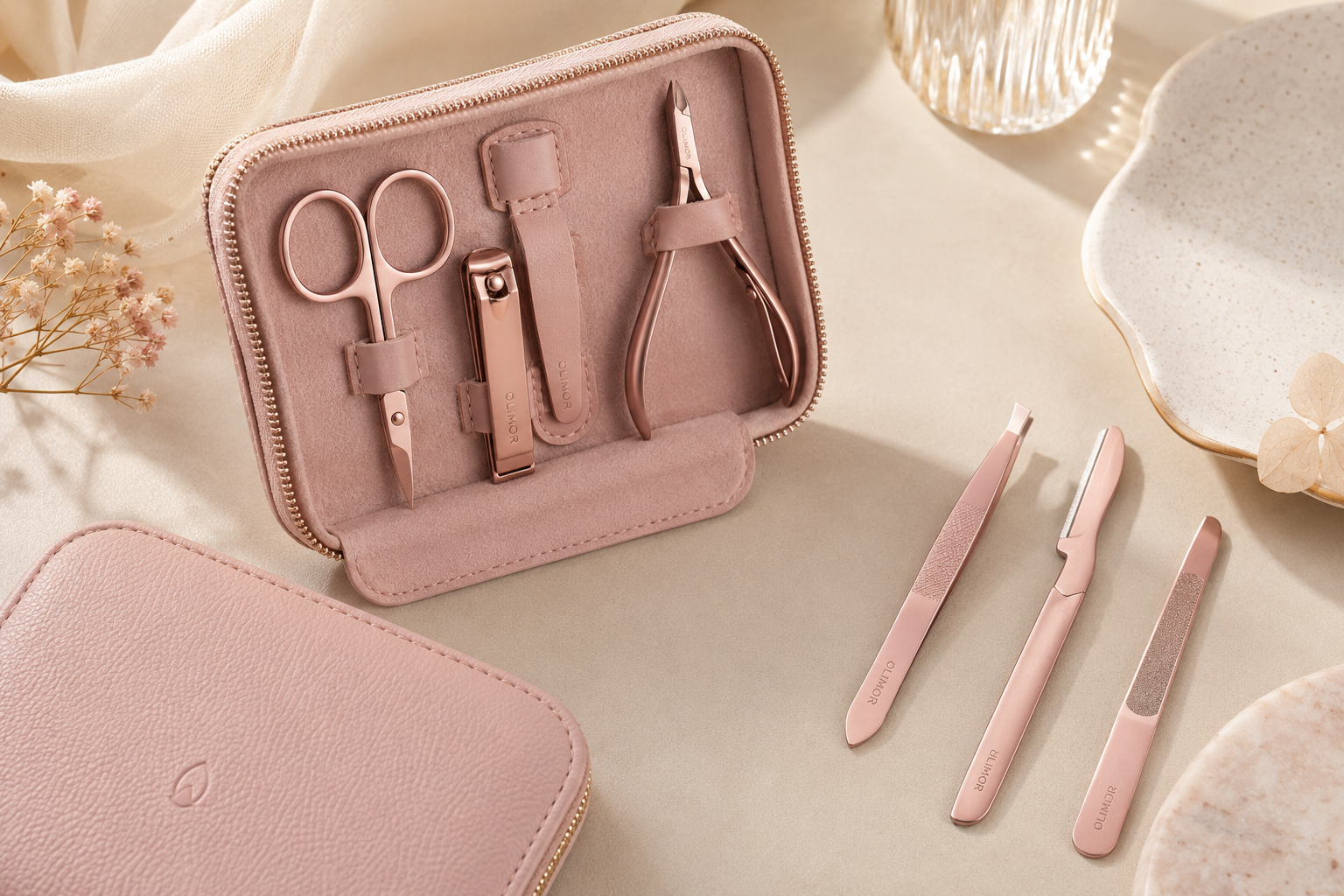
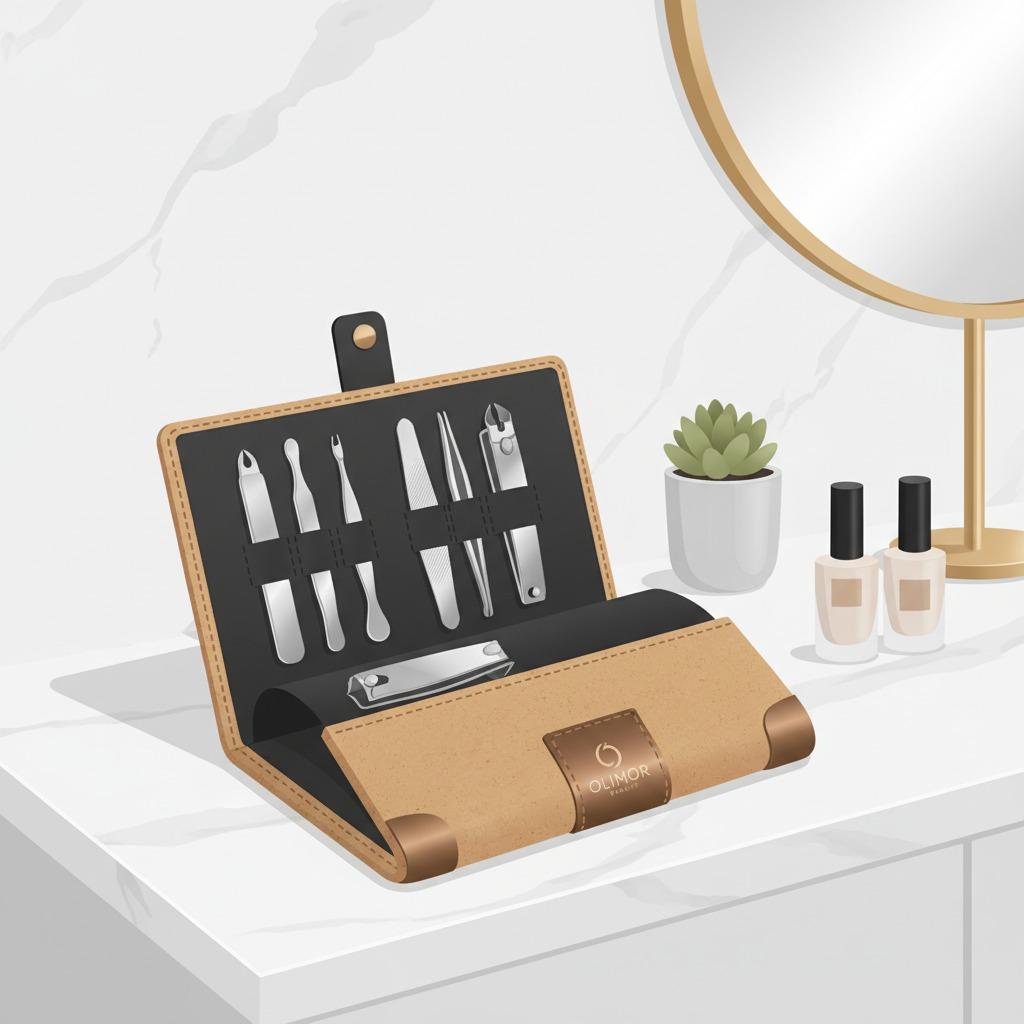
Private label tweezers can help a beauty business build a more complete product range without developing every tool from the beginning. Olimor Beauty provides private label manicure tools and works with businesses that want their tool line to reflect their own standards. For brands already selling brow, lash, skincare or nail products, tweezers can be a natural add-on because they are compact, useful and easy for customers to understand.
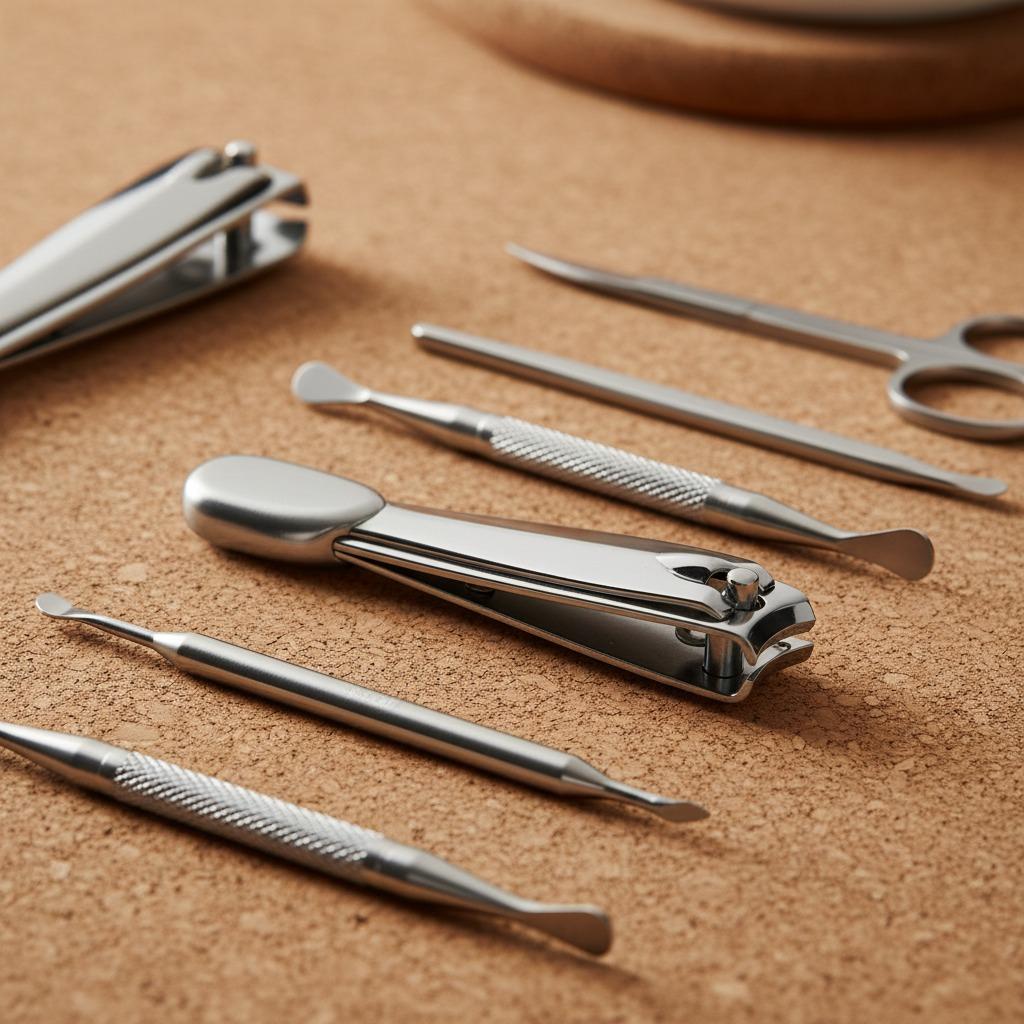
A private label plan should begin with product positioning. Is the tweezer intended for professional brow shaping, everyday personal grooming, a lash application kit or a premium gift set? That decision affects the finish, packaging, instruction copy and whether the tweezer should be paired with other tools. For example, a lash-focused brand may consider tweezers alongside applicator tools, while a nail or grooming brand may combine tweezers with cuticle pushers or other manicure tools.
Branding should not interfere with function. A logo or decorative finish can improve shelf appeal, but the tool must still have accurate tip contact and comfortable tension. Buyers should also consider how the product will be photographed, how it will appear in retail displays and how customers will store it after purchase. A compact sleeve, pouch or box may add perceived value while helping protect the tips.
Businesses comparing product collections can use tweezers as part of a broader assortment strategy. A consistent tool family often looks more credible than a group of unrelated products with mismatched finishes and packaging styles.
Applications: Salons, Retail, Lash, Manicure and Hospitality
Wholesale tweezers are versatile because precision grooming appears in many beauty categories. In salons and brow studios, tweezers are part of daily service work and must be dependable under frequent use. In retail, they are often purchased as an affordable tool that introduces customers to a brand. In lash services, precision tools support preparation and application workflows. In manicure and personal care kits, tweezers add everyday utility.
Hospitality is another important use case. Upscale hotel amenity beauty tools can improve the guest experience when they feel reusable and well made. A stainless steel grooming tool communicates more care than a disposable plastic item, especially in rooms, spa suites or premium guest kits. For this channel, presentation is especially important: the product must look clean, compact and appropriate for the property’s guest profile.
For distributors and exporters, versatility helps with inventory planning. A well-selected tweezer can be positioned across several buyer types, but only if the product quality is consistent and the packaging can be adapted to different channels. Olimor Beauty is based in Guangdong as a manicure tools exporter, supporting businesses that require professional beauty tools for varied market applications.
Quality Control Questions Buyers Should Prepare
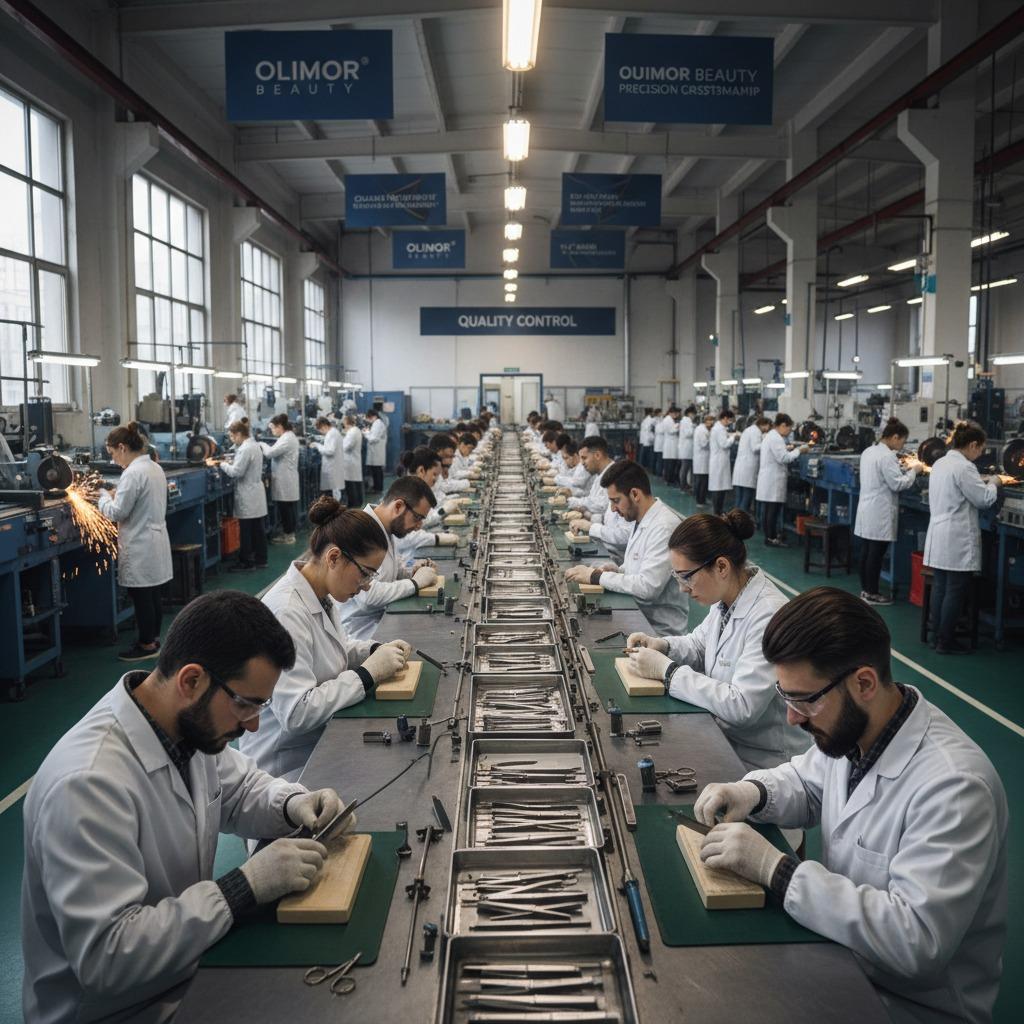
Quality control is where wholesale tweezer sourcing becomes practical. Olimor Beauty applies internal quality control from raw stainless steel through final packaged product, with attention to ergonomic and reliable tools. Buyers can strengthen their purchasing process by preparing a clear review framework before confirming a wholesale program.
| Review Area | What to Check | Why It Matters |
|---|---|---|
| Tip contact | Whether the tips meet evenly and grip consistently | Determines precision and user satisfaction |
| Tension | Whether the tool opens and closes with comfortable resistance | Affects fatigue during repeated use |
| Finish | Whether the surface and edges look clean and professional | Supports retail appeal and safe handling |
| Cleaning suitability | Whether the material and construction support routine sanitation | Important for salons, spas and repeat users |
| Packaging fit | Whether the tool is protected and presented appropriately | Reduces damage and improves brand perception |
| Assortment match | Whether the tweezer aligns with related tools in the range | Creates a coherent private label line |
This type of checklist helps teams compare samples objectively. It is especially useful when several departments are involved, such as product development, purchasing, marketing and quality teams.
Maintenance Guidance to Support End Users
Wholesale buyers should also think about the instructions their customers will receive. Simple maintenance guidance can reduce complaints and extend the useful life of the product. Because stainless steel tweezers are reusable tools, care instructions are part of the sustainability story.
- Wipe the tweezer after use to remove residue from the tips.
- Clean and sanitize according to the user environment, especially in professional settings.
- Dry the tool fully before storage to keep it in good condition.
- Store with the tips protected to preserve alignment and prevent damage.
- Avoid dropping the tweezer, as impact can affect tip precision.
For retail programs, these instructions can be added to packaging, inserts or product pages. For salon and hospitality buyers, internal handling procedures can help keep the tools presentable and functional for longer.
Building a Better Wholesale Program with Olimor Beauty
A successful tweezer wholesale program balances quality, usability, sustainability and brand presentation. The best product is not always the cheapest or the most decorative; it is the one that performs reliably for the intended user and supports the buyer’s commercial goals. Stainless steel construction, recyclable material value, careful finishing and practical packaging all contribute to a stronger program.
Olimor Beauty works with businesses seeking wholesale tweezers, private label manicure tools, recyclable grooming tools in bulk and beauty instruments for salon, retail and hospitality channels. Buyers can start by defining the target customer, preferred presentation, related tools and quality expectations. From there, it becomes easier to select a tweezer that fits the product line rather than simply filling a catalog slot.
If you are planning a private label beauty tool range or comparing options for professional and hospitality use, you can send an inquiry with your product goals or contact Olimor to discuss suitable wholesale beauty tool solutions.