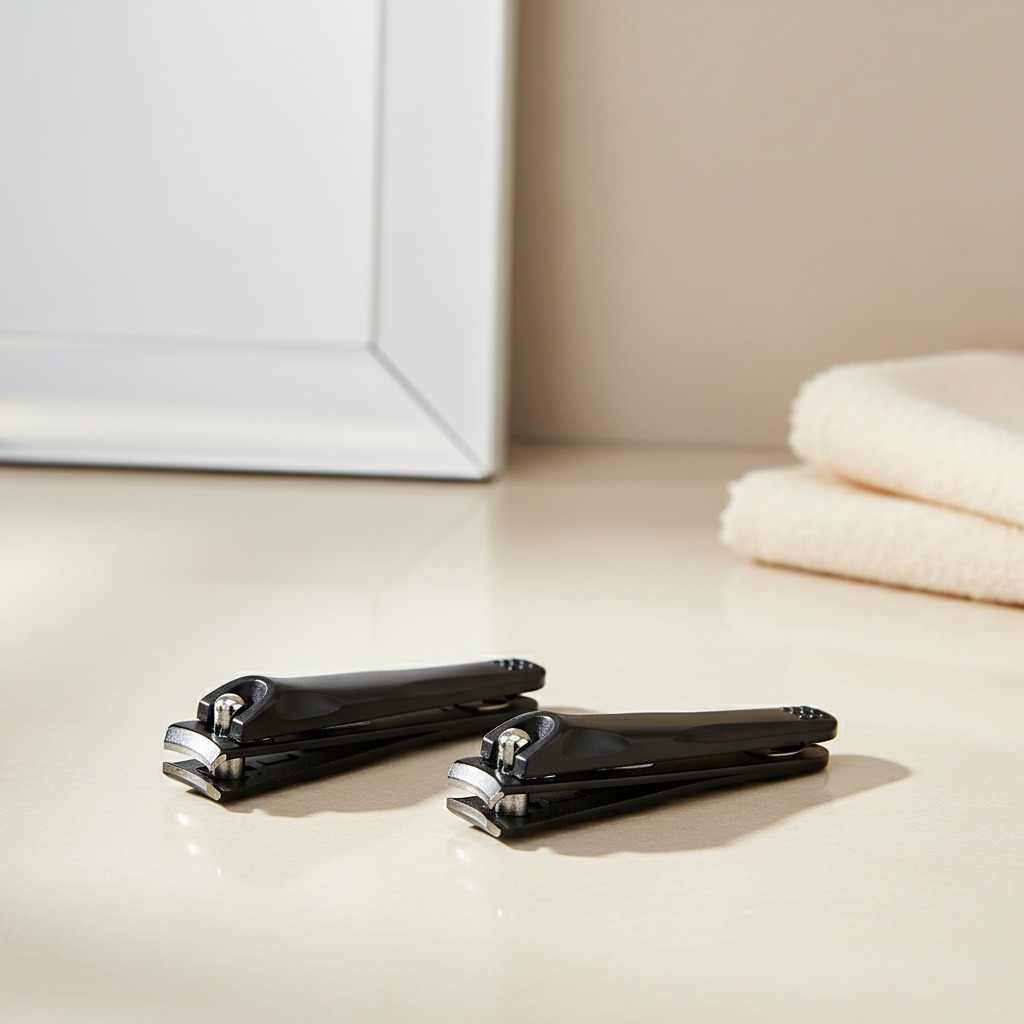












Wholesale tweezers look simple, but they can strongly influence how customers judge a beauty tool range. A tweezer that grips cleanly, feels comfortable, and arrives in good condition can become a daily grooming essential. A poorly aligned or rough-finished pair can create returns, negative reviews, and reduced trust in the wider brand assortment.
This guide is for beauty retailers, salon retail buyers, distributors, and private label brands comparing tweezers for wholesale programs. It focuses on practical selection: tip performance, double-end design, finish quality, packaging protection, inspection, customization, and supplier evaluation. The aim is to help buyers choose tweezers that are attractive on shelf and reliable in everyday use.
What Wholesale Buyers Should Prioritize First
The first priority is functional precision. Color, packaging, and branding matter, but the end user will judge the tweezer by how the tips meet and grip. When comparing samples, inspect the working ends before evaluating decoration. If the tweezer cannot grip fine hairs or fibers without slipping, the rest of the product story becomes less valuable.
The Double-End Tweezer is a useful format for buyers who want one compact tool with more than one grooming function. Its dual-tip design can support different handling tasks, while a vibrant blue matte finish gives it a distinctive appearance for retail shelves, travel kits, or personal care sets. For this type of product, both ends must be evaluated separately. One precise end and one weak end can still lead to a disappointing customer experience.
Wholesale tweezers can be sold as single items, included in manicure or grooming sets, used as salon add-ons, or developed as private label beauty tools. Buyers building a broader range can review related beauty tool products to consider how tweezers may sit alongside nail files, cuticle tools, scissors, eyelash tools, and other grooming accessories.
How to Assess Tweezer Tip Design and Grip
Tip quality is the core performance factor. A precise tweezer should meet evenly at the intended contact point, apply pressure predictably, and hold fine material without excessive squeezing. The buyer does not need laboratory equipment for the first review, but hands-on testing is essential because product photos rarely reveal alignment issues.
Key tip checks for samples
- Alignment: Close the tweezer slowly and check whether the tips meet evenly. Look from the front and side because misalignment may appear only from one angle.
- Contact area: Confirm that the correct part of the tip closes first. Uneven contact can make the tweezer slip or pinch inconsistently.
- Grip on fine material: Test on fine hairs, short fibers, or similar materials to understand whether the tool can hold without sliding.
- Pressure: The arms should have enough spring resistance to feel controlled, but not so much that the user must press uncomfortably.
- Edge finishing: Check the outer edges, corners, and tip area for roughness that could feel unpleasant or unsafe in normal grooming use.
For a double-end tweezer, repeat these checks on both ends. The dual-tip concept is only commercially useful if each end has a clear purpose and acceptable performance. Retail copy should explain the general use case without making exaggerated results-based claims.
Comparing Standard and Double-End Tweezers
Retailers often choose between a familiar single-end tweezer and a more versatile double-end design. Neither option is automatically better. The right choice depends on channel, customer expectation, packaging format, and price position.
| Buying factor | Standard tweezer | Double-end tweezer | Buyer consideration |
|---|---|---|---|
| Customer familiarity | Easy to understand and simple to merchandise | Needs clearer explanation of each end | Use simple packaging copy or diagrams for a dual-tip tool |
| Assortment role | Works well as a core everyday SKU | Can act as a feature item or kit upgrade | Match the format to the retail story and shelf space |
| Inspection focus | One working end must be checked carefully | Both working ends require separate inspection | Do not approve a sample based on only one end performing well |
| Packaging needs | Tip protection is usually concentrated at one end | Both ends may need protection from movement and impact | Confirm the tray, sleeve, or insert prevents tip damage |
| Visual differentiation | May rely more on finish, shape, or branding | Function itself can create differentiation | A matte blue finish can add shelf appeal when paired with good performance |
A double-end tweezer can be especially useful when a buyer wants to offer versatility without adding too many SKUs. It may suit travel grooming kits, salon retail displays, giftable beauty accessories, or private label ranges that emphasize compact tools. The main sourcing risk is inconsistency between the two ends, so sample review and shipment inspection should be planned accordingly.
Finish, Comfort, and Daily Use Details
The finish influences both merchandising and user perception. A vibrant blue matte finish can help a tweezer stand out from plain metal tools, but buyers should still examine the surface closely. Check for visible chips, bubbles, rough areas, uneven color, or scratches on approved samples. If the finish is part of the brand identity, consistency matters across the order and across related tools.
Comfort also affects repeat use. The tweezer arms should be easy to hold, with a stable feel when pressure is applied. If the arms feel too stiff, customers may struggle during detailed grooming. If they feel too loose, the tool may seem weak or imprecise. Outer edges should be smooth enough for normal handling, and the tool should be easy to wipe after use.
Cleaning practicality is important for both consumers and salons. Retailers can support customer satisfaction by adding simple care instructions to packaging or product pages: wipe after use, keep dry before storage, avoid dropping, and store where the tips are protected. These basic instructions help users understand that precision tweezers should not be used for prying, hard pulling, or non-grooming tasks.
Packaging Choices That Protect the Tool and Sell the Product
Packaging for tweezers has two jobs: protect the working tips and communicate value quickly. A beautiful retail card or box is not enough if the tool moves inside and arrives scratched or misaligned. For double-end tweezers, both ends should be protected from impact during transport, warehousing, and in-store handling.
Buyers should check whether the packaging holds the tweezer securely, allows a clear view of the product or finish, and provides enough room for brand information, barcode placement, care guidance, and market-specific labeling. If the tweezer is part of a set, each tool should be arranged so metal edges do not damage the finish or tips of neighboring items.
Packaging review checklist
- Does the tweezer remain secure when the package is gently moved?
- Are the tips protected from contact with other tools or hard surfaces?
- Is the matte finish visible without exposing the tool to unnecessary damage?
- Is there space for care instructions and safe-use wording?
- Can the packaging support retail display, online fulfillment, or salon resale?
- Are artwork files, logo placement, and color references confirmed before production?
Brands planning a coordinated grooming range can browse Olimor product collections to think about how tweezer packaging may align with manicure tools, nail care accessories, and travel-friendly beauty items.
Private Label Tweezers: Decisions to Make Before Production
Private label tweezers allow retailers and beauty brands to control the customer experience more closely. Instead of offering a generic tool, the buyer can align finish, packaging tone, product name, inserts, and set structure with the rest of the brand. However, private label development should start with product performance, not decoration.
Before moving forward, request and review physical samples in the same or comparable finish whenever possible. Check the tip alignment, grip, pressure, edge smoothness, and surface quality. If the blue matte finish is part of the visual appeal, examine it under normal retail-style lighting and in close-up inspection. Consider whether the finish direction matches other products in the range.
Private label buyers should prepare logo artwork, packaging copy, preferred packaging format, color references, market language requirements, and any internal compliance or labeling instructions. If the product will be sold online, prepare clear product descriptions that explain the double-end design without overpromising results. If it will be sold in salon retail, consider adding concise maintenance guidance so clients know how to protect the tips between uses.
Inspection and Quality Control for Wholesale Orders
Because tweezers are small precision tools, minor production differences can affect user satisfaction. Wholesale buyers should define inspection expectations before placing a larger order. This does not require making unsupported performance claims; it means agreeing on practical checkpoints such as alignment, grip, surface finish, packaging condition, and branding accuracy.
Recognized references such as ISO 2859-1 for sampling procedures and ISO 9001 for quality management systems may be useful discussion points when evaluating supplier processes. Buyers should verify current versions, relevance to their market, and actual supplier documents instead of assuming any certification or compliance status. Do not treat a standard name as proof of product quality unless the supplier provides current, applicable documentation.
Practical inspection points
- Incoming sample approval: Keep an approved sample or reference images for comparison during later production checks.
- Tip function: Check both ends for alignment and grip consistency, especially on double-end tweezers.
- Finish appearance: Review color consistency, visible defects, chips, scratches, and rough spots.
- Logo and artwork: Confirm position, clarity, orientation, and spelling on the tool or packaging.
- Packaging protection: Inspect whether the tweezer is held securely and whether tips are protected.
- Carton condition: Review outer packaging for export or domestic handling suitability when relevant.
Inspection should reflect the sales channel. A salon retail item may need excellent hand feel and professional-looking packaging. An online item may need stronger protective packaging to reduce damage during parcel shipping. A distributor program may require greater consistency across cartons and repeat orders.
Cost Factors Without Choosing Only by Unit Price
Unit price matters, but it is not the only cost in a wholesale tweezer program. A cheaper tweezer that creates complaints, repackaging work, or rejected inventory may cost more over time. Buyers should compare the full commercial picture: sample quality, defect risk, packaging needs, customization steps, communication quality, and the supplier’s ability to support future assortment expansion.
Cost can be affected by the product structure, finish requirements, packaging complexity, branding method, order quantity, inspection requirements, and shipment arrangement. A double-end tweezer may require more careful inspection than a simple single-end tool because two functional areas are involved. A matte color finish may require closer visual review than an undecorated surface. Custom packaging may improve retail presentation but adds artwork approval steps and production coordination.
When comparing quotations, ask what is included. Clarify whether the quote covers the product only or also packaging, logo work, inserts, barcode labels, or other requirements. Avoid assuming that two quotes are equal if the packaging, inspection expectations, or customization scope differ.
How to Evaluate a Tweezer Supplier
A reliable supplier should give clear answers, provide workable samples, explain customization steps, and understand the practical quality points that affect end users. For beauty tool buyers, supplier evaluation should include communication as well as product review. Slow or unclear responses during sampling can become larger problems during production.
Useful questions include: How are tweezer tips checked before packing? What packaging formats are available? Can the tool be supplied with private label packaging? How should artwork files be prepared? What approval steps happen before bulk production? What documents can be provided for the buyer’s market or internal process? What related tools are available if the buyer wants to build a wider manicure or grooming range?
Olimor Beauty supports professional beauty tool buyers sourcing tweezers and related grooming tools. Buyers can contact Olimor Beauty to discuss product direction, packaging needs, and private label planning. For a more specific quotation or sample discussion, send product type, target channel, packaging idea, and customization needs through the wholesale inquiry form.
FAQ: Wholesale Tweezers and Private Label Sourcing
Can I request samples before placing a wholesale tweezer order?
Yes. Sample review is recommended because tweezer performance depends on tip alignment, grip, pressure, finish, and comfort. For double-end tweezers, test both ends separately before approval.
Is there a minimum order quantity for custom tweezers?
MOQ depends on the product, finish, packaging, and customization scope. Buyers should confirm current requirements directly with the supplier before planning retail launch quantities.
Can tweezers be customized for private label programs?
Customization may include packaging, logo placement, color direction, inserts, or set development, depending on the product and order details. Prepare artwork, packaging copy, and market requirements early to avoid approval delays.
How should quality be checked before shipment?
Check approved samples against bulk production for tip alignment, grip, finish consistency, logo accuracy, packaging protection, and carton condition. If using standards or sampling plans, verify current versions and supplier documentation.
What affects production lead time?
Lead time can be influenced by sample approval, customization, packaging complexity, order quantity, inspection arrangements, and shipping plan. Confirm the current schedule with the supplier for each project.