










Wholesale tweezers are small tools with a large effect on service quality, client comfort and brand presentation. For salons, spas, brow bars, lash studios, beauty distributors and private label brands, the right tweezer should grip predictably, close cleanly at the tip, feel stable in the hand and look suitable for professional use or retail display.
The main sourcing question is not simply which tweezer has the lowest unit cost. A better question is whether the tool can support repeated grooming work, packaging expectations, cleaning routines and consistent bulk quality. Olimor Beauty supplies professional beauty tools for business buyers who need presentable implements in quantity, including stainless steel tweezers with a gold finish, slant tip and crisscross handle pattern for controlled everyday use.
This guide explains how to evaluate wholesale tweezers for practical use, compare tip styles, review sample quality, plan private label packaging and ask useful supplier questions before placing a larger order.
Why Tweezer Quality Matters in Wholesale Purchasing
At consumer level, tweezers are often chosen by appearance, color or price. At wholesale level, the decision has broader consequences. A salon may place the same tool in every treatment room. A distributor may supply multiple retail channels. A private label beauty brand may build a full brow or grooming set around one tweezer style. In each case, inconsistency can create service delays, customer complaints, waste and unnecessary replacement costs.
Professional tweezers depend on the relationship between material, alignment, finishing and hand feel. Two tools can share the same general shape but perform very differently if one has a rough edge, uneven closure or weak tension. For eyebrow shaping, the technician needs to isolate a hair without repeatedly pinching the surrounding skin. For false lash handling and delicate placement work, a stable tip can reduce frustration and improve control.
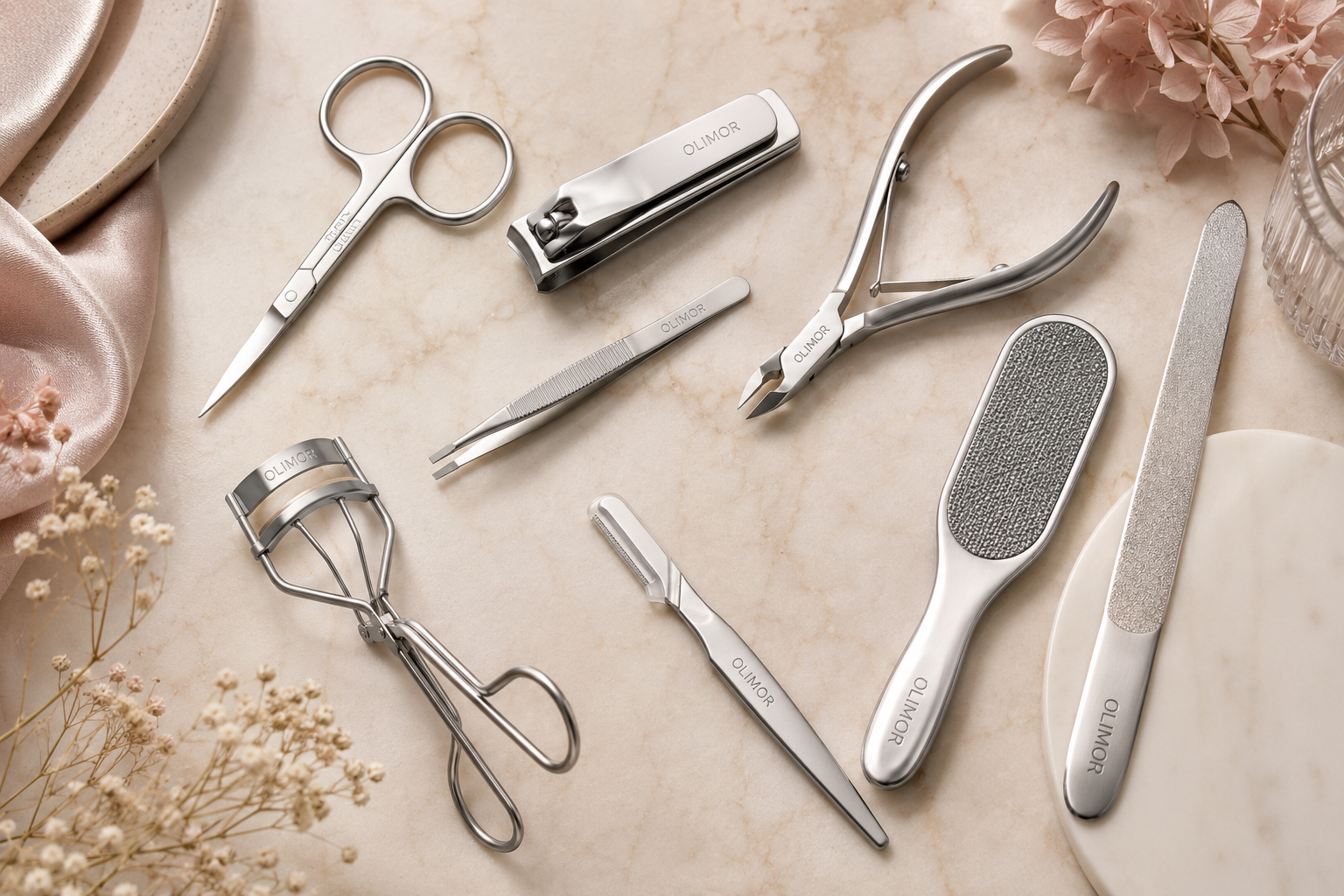
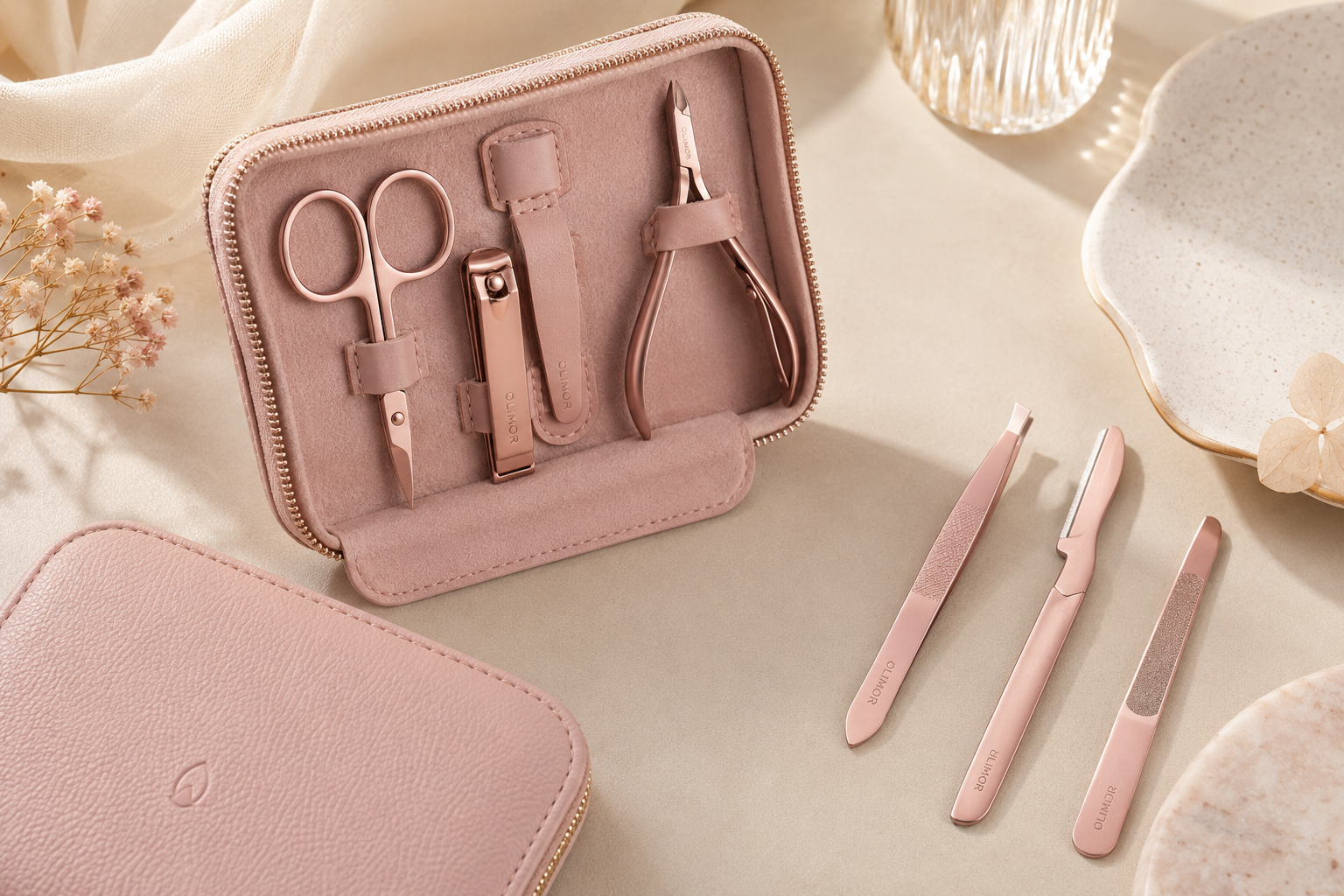
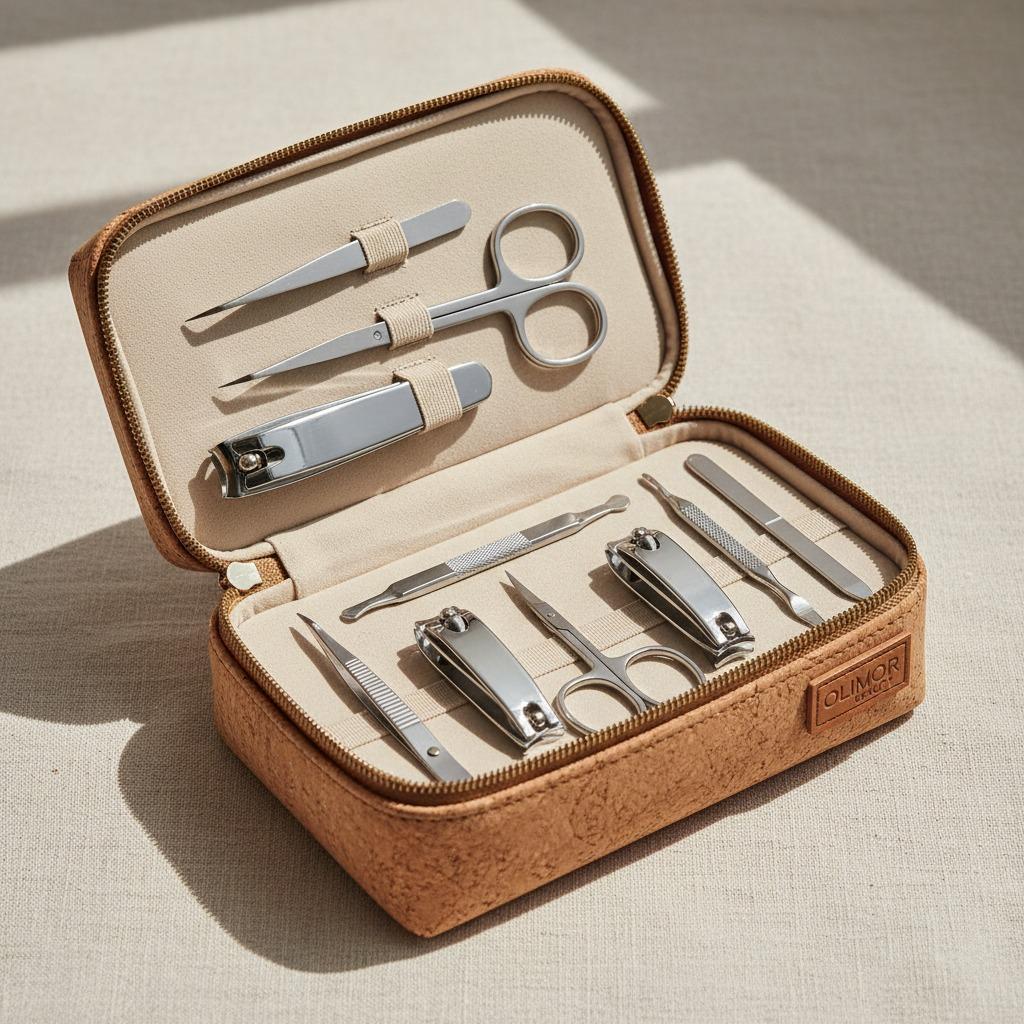
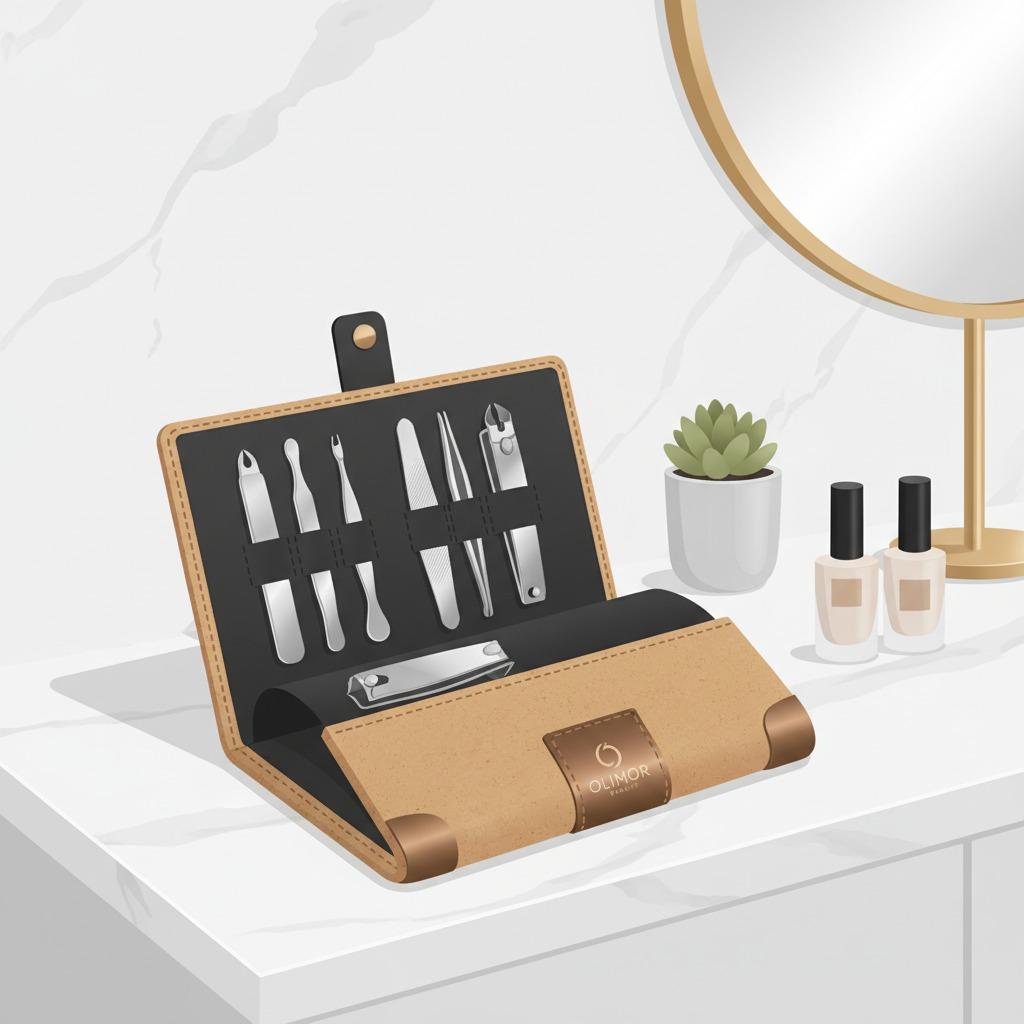
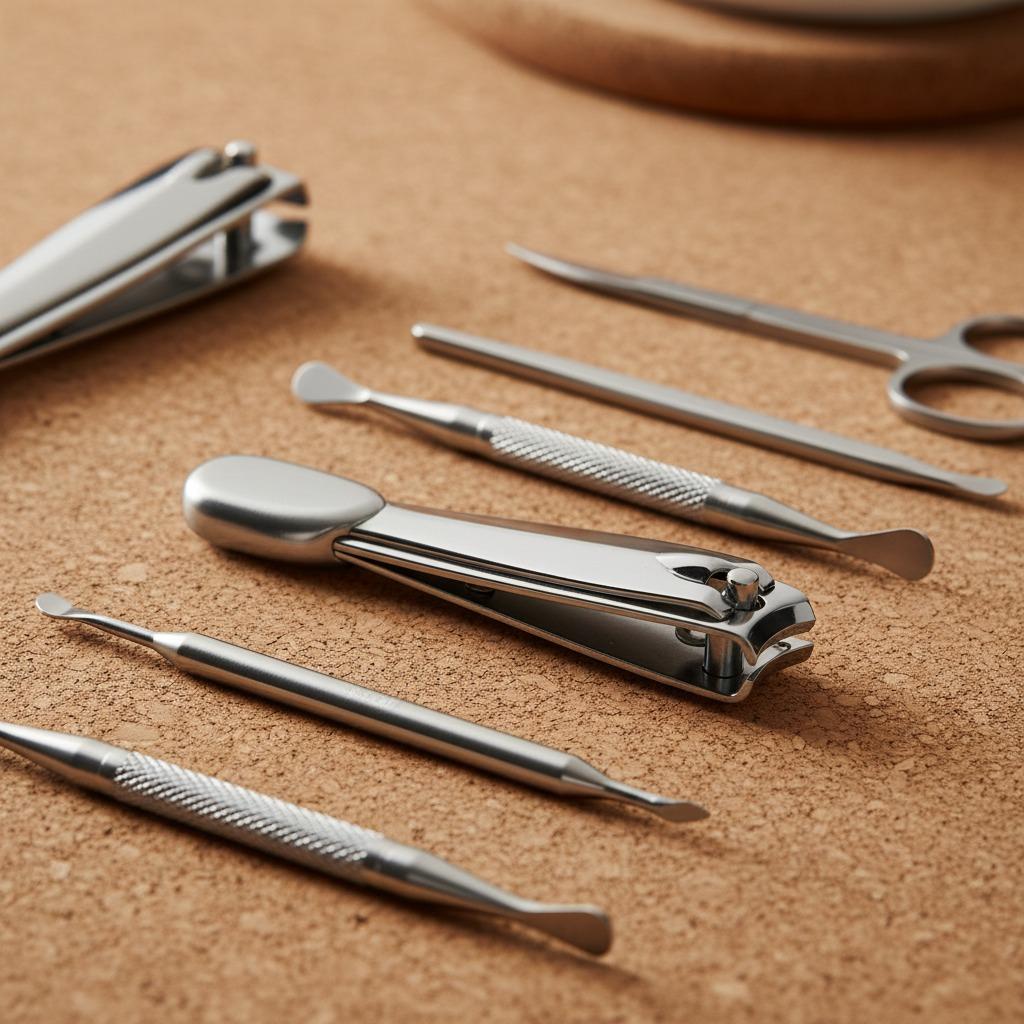
Wholesale buyers should also consider how tweezers fit into a broader beauty tool range. Tweezers often sit alongside nail clippers, cuticle pushers, manicure scissors, lash applicators and brow grooming tools. If you are developing a retail assortment or professional service kit, review Olimor beauty tool products to compare tweezers with related manicure, pedicure and personal care implements.
Core Qualities of Professional Beauty Tweezers
A professional tweezer should be evaluated as a working instrument, not only as a cosmetic accessory. The finish and color matter for presentation, but the tool must first perform reliably during real grooming tasks.
Stainless Steel Construction
Stainless steel is commonly used for beauty tools because it provides a practical base for durability, cleaning and repeated handling. When sourcing in bulk, ask the supplier for clear material information and confirm that the finish and care instructions match your intended use. If a specific material grade is important to your market, request documentation rather than assuming it from product photos.
Accurate Tip Alignment
The two sides of the tweezer should meet evenly when closed. Gaps, overbite, twisting or sideways movement can reduce grip on fine hairs and make the tool feel unreliable. Tip alignment should be checked on every sample, and sample consistency should matter more than one perfect piece.
Clean Edge Finishing
Edges should be finished smoothly enough for controlled beauty work. Rough polishing, burrs or unfinished corners can affect user comfort and perceived quality. For retail products, poor finishing may also increase returns because customers judge tweezers by both feel and appearance.
Balanced Arm Tension
A tweezer should not feel too stiff or too loose. Excessive tension can tire the hand during repeated services, while weak tension can reduce control and make the tool feel imprecise. Salon teams and brow technicians should test tension during practical use, not only during office review.
Non-Slip Handling
Handle texture, width and shape influence accuracy. A smooth handle may look clean but can be harder to control when hands are damp, gloved or moving quickly. A textured pattern can support grip, provided it is still practical to clean and maintain.
A Closer Look at Gold Precision Slant Tweezers
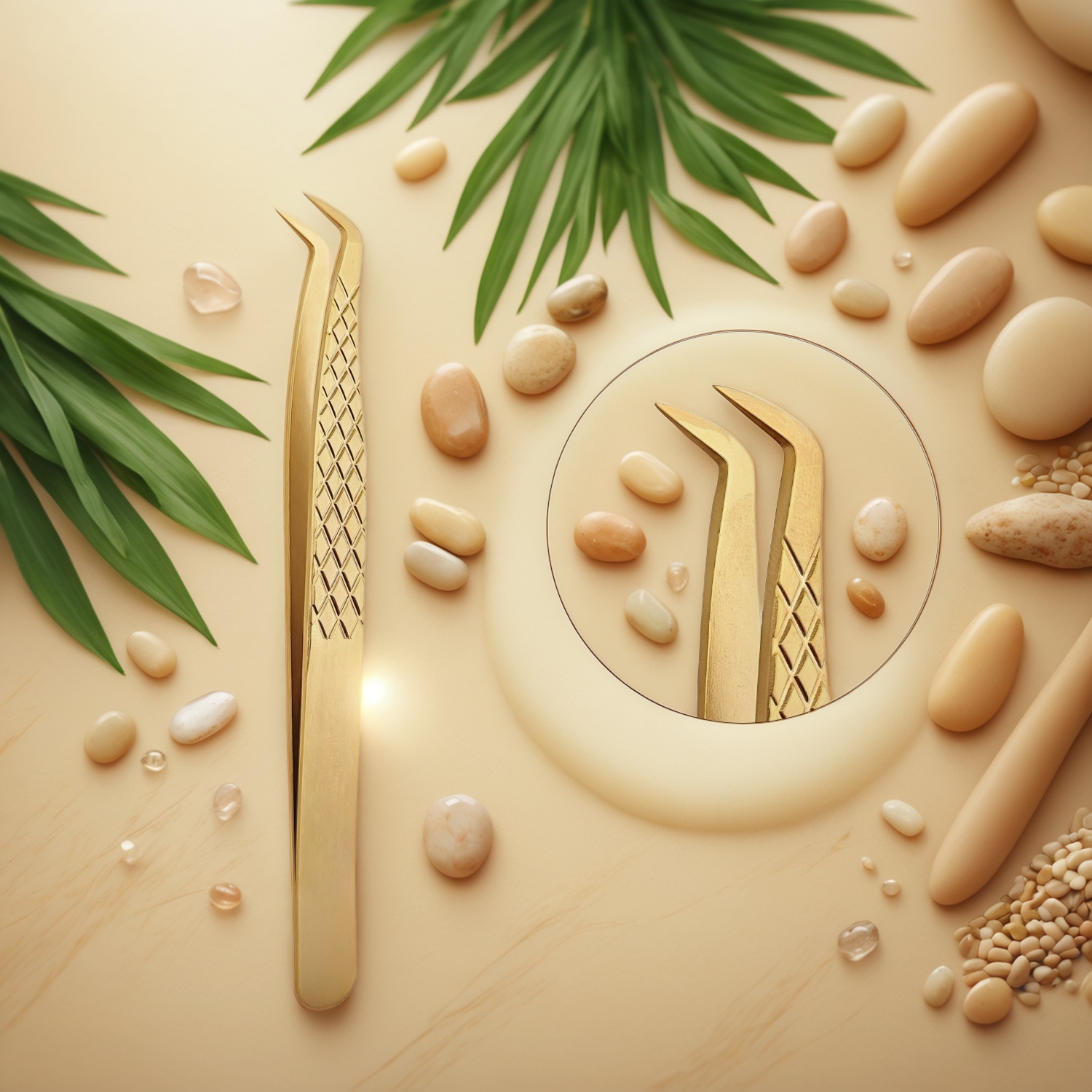
Olimor Gold Precision Tweezers are designed for beauty businesses that want professional function with a polished visual impression. The stainless steel body provides the working base, while the gold finish gives the tool a refined appearance for salon stations, spa treatment rooms, retail packs and beauty kits.
The slant tip is the most important functional feature. A slanted working edge gives the user visibility and flexibility when approaching the brow line or gripping a small item. For eyebrow shaping, the angled edge helps target individual visible hairs. For delicate applications, including false lash handling, the geometry can support pickup and placement when the user applies steady, controlled pressure.
The handle features a crisscross pattern intended to support a secure, non-slip hold. This is useful in professional environments where technicians repeat similar movements throughout the day. A tweezer that feels secure in the hand can help maintain accuracy and reduce unnecessary repositioning.
The gold finish should be viewed as part of the total buying decision, not the only reason to purchase. It can support a premium retail or salon presentation, but buyers should still inspect tip meeting, tension, edge smoothness, packaging protection and sample consistency before approving bulk production.
Choosing the Right Tip Type for Your Use Case
Different buyers need different tweezer shapes. A brow-focused salon may prioritize clean hair removal. A retail grooming kit may need an approachable style that most consumers understand. A lash studio may require specific shapes for specialized techniques. Match the tip style to the service or selling channel before comparing samples.
| Tip style | Common beauty use | What to check before ordering |
|---|---|---|
| Slant tip | Eyebrow shaping, general grooming, mixed salon use and retail beauty kits | Even closure along the slanted edge, stable grip on fine hairs, comfortable working angle |
| Point tip | Precision work and isolated hair removal | Fine alignment, protected packaging, safe handling guidance for retail customers |
| Flat tip | Gripping larger hairs or small beauty accessories | Broad contact surface, smooth finishing and consistent pressure across the tip |
| Pointed slant tip | Mixed precision and grooming tasks | Tip symmetry, controlled sharpness and ease of use for the target customer |
For many retail packs and professional starter kits, slant tip tweezers are a practical choice because they are versatile and familiar. For specialized lash or brow services, a set of different tip styles may be useful, but each tool should have a clear purpose. Avoid adding extra shapes only to make a kit look larger; a focused, reliable set is often more valuable than an overcomplicated assortment.
Best Use Cases for Wholesale Slant Tip Tweezers
Slant tip tweezers are popular in wholesale beauty sourcing because they can serve multiple categories. They are especially useful when a business wants one versatile precision tool for salon stations, retail shelves or private label kits.
- Eyebrow shaping: The angled edge helps isolate visible hairs along the brow outline and supports controlled removal.
- Facial hair grooming: The slant profile can help with fine detail work where visibility and accuracy matter.
- False lash handling: A precise tip and stable grip can assist with pickup, positioning and minor adjustments.
- Salon retail: A gold finish and professional appearance can make the tool suitable for display as part of a brow or grooming retail set.
- Professional kits: Spas, beauty schools, mobile technicians and service teams can include one general-purpose tweezer in standard tool selections.
- Private label programs: A versatile slant tweezer can be incorporated into grooming kits, travel sets, promotional beauty tools or retail packaging.
Wholesale Inspection Checklist Before Bulk Purchase
A structured inspection process helps buyers compare samples fairly. Product photos and surface appearance are not enough. Use the same evaluation steps for every supplier and sample so purchasing, service teams and marketing staff can make decisions from a shared standard.
| Inspection point | Why it matters | How to evaluate it |
|---|---|---|
| Tip alignment | Aligned tips improve grip on fine hairs and small materials. | Close the tweezers slowly and confirm the tips meet evenly without twisting. |
| Tip finish | Rough or uneven edges can reduce comfort and control. | Inspect the working edge visually and test the grip on sample materials. |
| Handle tension | Excessive tension causes fatigue; weak tension reduces control. | Open and close the tool repeatedly and note resistance. |
| Grip pattern | A stable hold supports accurate brow and lash work. | Hold the handle from several angles and check for slipping. |
| Surface appearance | Visible flaws affect retail display and salon presentation. | Review the finish under normal working light for scratches, discoloration or uneven coating. |
| Packaging protection | Poor packaging can damage tips before the tool reaches the user. | Confirm that tips are protected and the tool sits securely in its pack. |
| Sample consistency | Bulk orders must match the approved standard. | Inspect multiple samples rather than relying on one well-finished piece. |
For service businesses, ask experienced staff to test samples during routine preparation tasks. Their feedback on angle, grip and hand fatigue can reveal issues that are not obvious during a desk inspection.
Private Label and Packaging Considerations
Wholesale tweezers can be sold as individual tools, added to brow kits, included in grooming sets, supplied for hotel amenity beauty kits or used in private label retail programs. Packaging should match the product’s role. A salon supply order may prioritize bulk protection and easy storage, while a retail item may require stronger shelf presentation and clearer user guidance.
Before discussing artwork or logo placement, define the commercial purpose. Is the tweezer intended for professional back-bar use, retail sale, gift sets, travel kits or promotional beauty assortments? Each answer affects packaging format, tip protection, instructions, display needs and acceptable finishing level.
Private label branding can strengthen recognition, but it cannot compensate for poor tool performance. A logo on a misaligned tweezer will not improve customer trust. Approve the working tool first, then finalize decorative and packaging decisions. To explore suitable product formats, browse Olimor beauty tool collections and compare how tweezers may fit with complementary personal care tools.
Cost Factors Without Chasing the Lowest Price
Wholesale tweezer cost is shaped by more than the base tool. Material selection, finish, polishing quality, tip precision, packaging style, customization requirements, inspection expectations and order complexity can all influence the final commercial offer. Buyers should ask what is included in the quotation rather than comparing only a headline price.
A low price may become expensive if the tools need frequent replacement, arrive with damaged tips or do not match retail presentation standards. On the other hand, an attractive finish does not justify a higher cost if tip performance is weak. The best value is usually the tool that fits the intended channel with predictable quality, suitable packaging and clear supplier communication.
When preparing a request, describe the use case, target customer, preferred tip style, packaging direction and any branding needs. This helps the supplier respond with relevant options instead of a generic quote.
Supplier Evaluation Questions for B2B Buyers
A good tweezer supplier should be able to discuss function, finishing, packaging and inspection in practical terms. Use the following questions when comparing wholesale options:
- What material information can be provided for the tweezer body and finish?
- How is tip alignment checked before shipment?
- What packaging methods are available to protect the tips during transport and storage?
- Can the product be supplied for salon use, retail packs or private label programs?
- What customization options are available for logo, finish or packaging, if applicable?
- How should samples be evaluated before a bulk order is approved?
- What documentation can be shared for the product, order and quality process?
Some buyers use recognized quality management frameworks such as ISO 9001 as a reference when evaluating supplier processes, while salons must also follow sanitation requirements from the applicable local public health authority. Buyers should verify the current applicable version of any standard or regulation and request supplier documentation relevant to their own market. Do not assume certification or compliance unless the supplier provides evidence for the specific product and order.
How to Build a Clear Wholesale Buying Brief
A clear buying brief reduces delays and helps suppliers recommend the right tweezer style. Include practical details instead of relying only on a product image. A useful brief can include:
- Target channel, such as salon use, spa retail, distributor catalog, beauty school kit or private label retail pack.
- Preferred tip style, such as slant tip for general brow and grooming use.
- Desired appearance, such as gold finish or another presentation direction.
- Packaging purpose, including bulk protection, retail display or kit inclusion.
- Cleaning, storage and handling expectations for the end user.
- Inspection priorities, including tip alignment, handle tension, surface appearance and packaging protection.
- Customization needs, if logo, packaging artwork or branded presentation is required.
If you are ready to compare options, contact Olimor through the wholesale inquiry page with your intended use, packaging needs and target sales channel. A focused request makes it easier to discuss suitable tweezers and related beauty tools without overcomplicating the sourcing process.
Practical Care and Use Guidance for Buyers
Even a well-made tweezer needs proper handling. Professional users should protect the tips from impact, store tools securely and follow the cleaning procedures required by their workplace and local rules. Retail customers should receive simple guidance on safe handling and storage, especially for pointed or sharp-edged tip styles.
For salons and spas, tool care is part of service consistency. If tweezers are dropped, forced open or stored loosely with heavier implements, alignment can be affected. Packaging and storage decisions should therefore protect the working tip, not only present the product attractively.
Conclusion: Select Tweezers as Working Tools, Not Decorative Add-Ons
The best wholesale tweezers combine reliable tip alignment, comfortable tension, clean finishing, suitable packaging and a presentation that fits the intended channel. For many salons, spas, brow retailers and private label grooming programs, a stainless steel slant tip tweezer with a professional finish offers a versatile balance of function and appearance.
Olimor supports beauty businesses sourcing professional tools for service, resale and branded programs. To discuss wholesale tweezers or build a broader grooming tool assortment, you can contact Olimor with your requirements and sample evaluation priorities.
FAQ
Can I request samples before ordering wholesale tweezers?
Sample requests are commonly used to evaluate tip alignment, tension, finish, grip and packaging before a bulk order decision. Share your intended use and target channel so the sample review is relevant.
What MOQ applies to wholesale or private label tweezers?
MOQ can depend on product style, customization, packaging and order requirements. Buyers should confirm the applicable MOQ directly for the specific tweezer and packaging plan.
Can tweezers be customized for private label beauty brands?
Customization may involve branding, packaging direction or product presentation, depending on the project. The working quality of the tweezer should be approved before finalizing logo or artwork decisions.
What quality checks should I perform before approving bulk production?
Check tip alignment, smooth finishing, handle tension, grip stability, surface appearance, packaging protection and sample consistency. For salon use, include feedback from technicians who will use the tools regularly.
How should I ask about lead time?
Lead time can vary according to order quantity, customization, packaging and production schedule. Provide a clear buying brief and request current timing for your exact order instead of relying on general estimates.