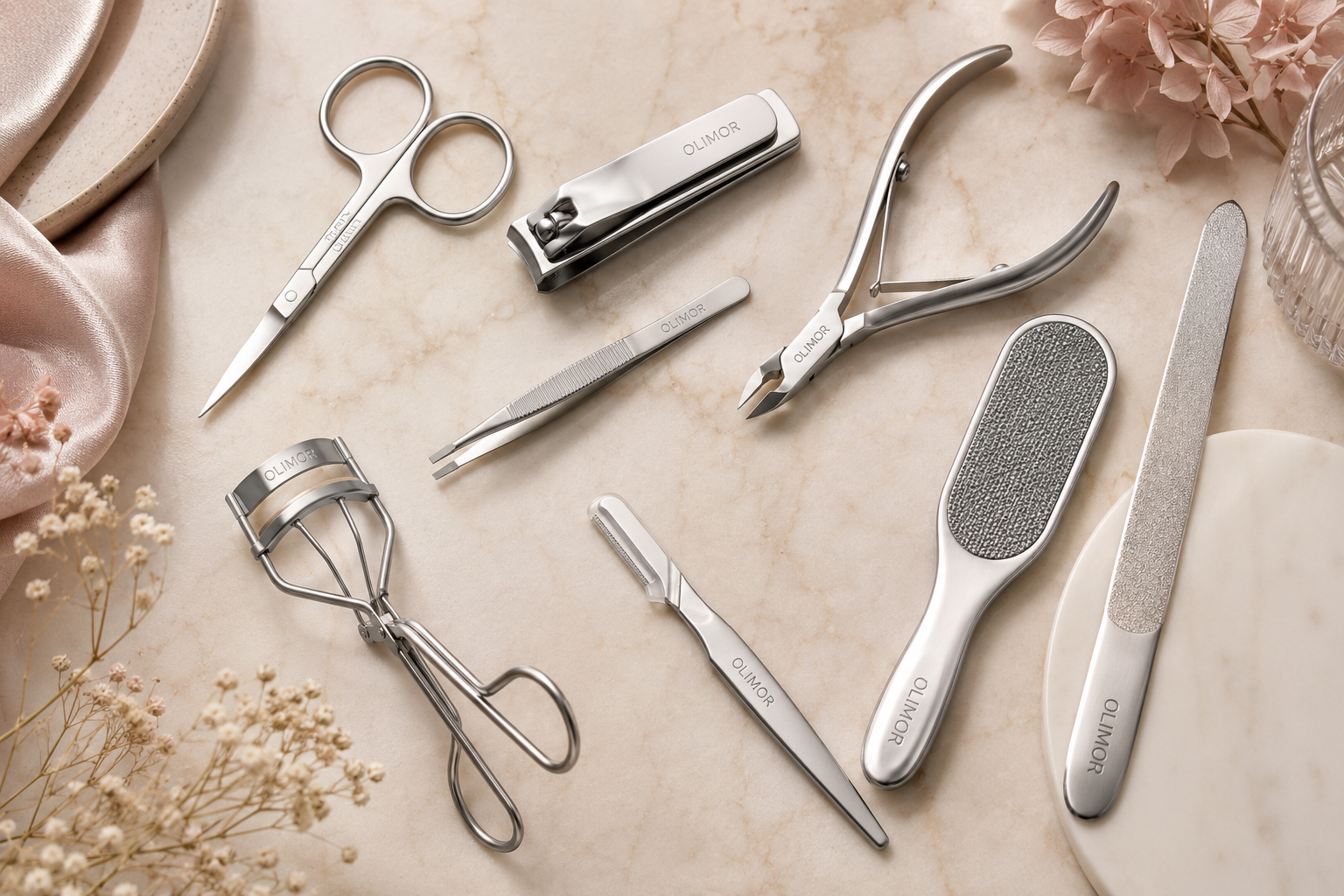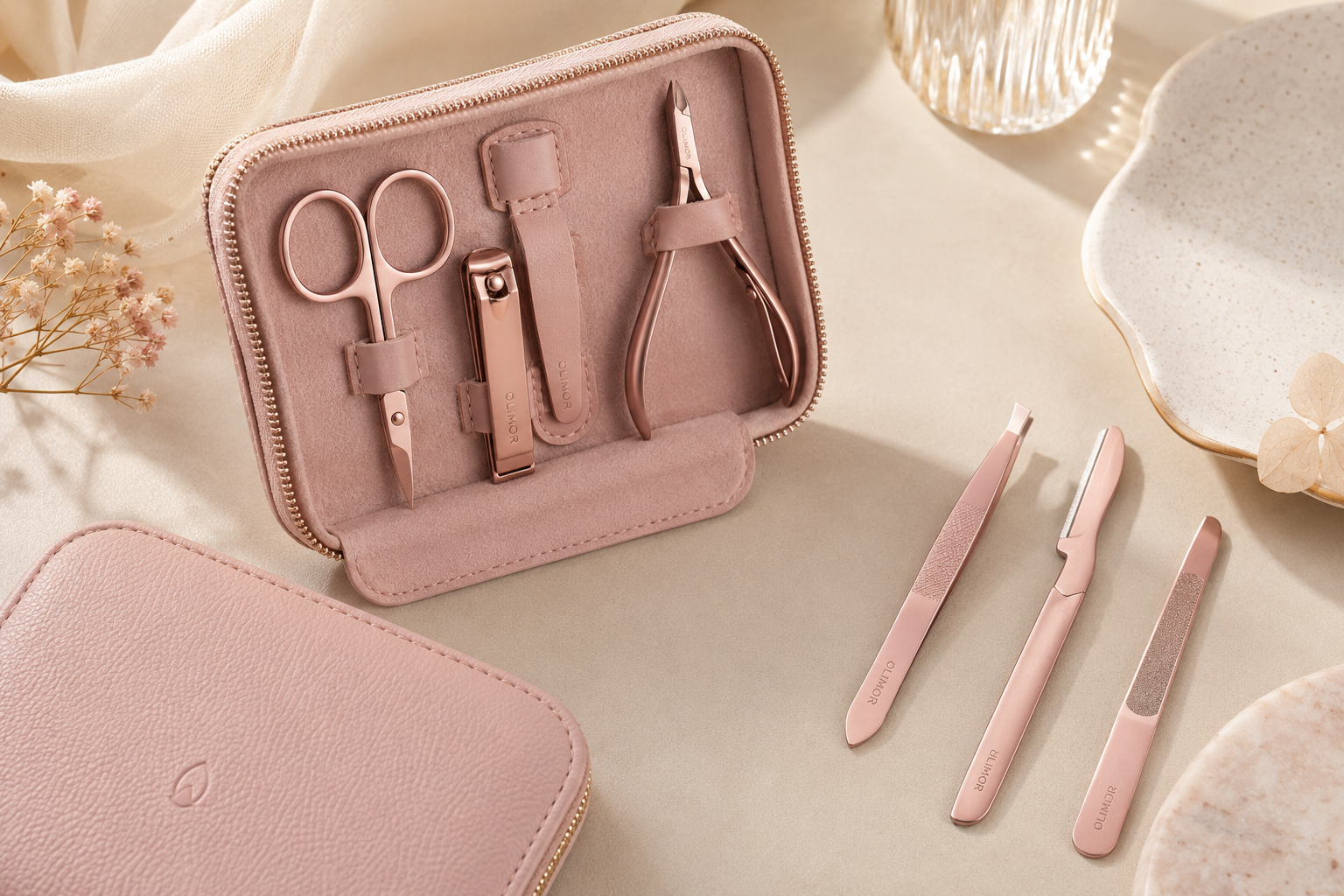
Buying tweezers wholesale is not only a unit-price decision. For a salon, brow studio, lash artist, spa, beauty retailer or distributor, tweezers influence service accuracy, appointment speed, customer satisfaction, retail returns and brand trust. A pair that looks attractive but cannot grip consistently will slow down professional work and create unnecessary replacement costs.
The right wholesale tweezer program starts with a clear question: what end user, service environment and sales channel must the tool support? Brow shaping, facial hair removal, lash-related handling, manicure clean-up and retail grooming kits do not always require the same tip style, tension or packaging. Olimor Beauty supplies professional beauty and manicure tools, including stainless steel tweezers, for businesses that need practical sourcing support and consistent product options.
This guide explains how to evaluate wholesale tweezers as working instruments, how to compare tip styles, what to inspect before ordering, and how to assess a supplier for professional, retail or private label beauty tool programs.
Why Wholesale Tweezers Need Professional Evaluation
Retail consumers may choose tweezers by color, packaging or a quick first impression. Business buyers need a deeper evaluation because each tool may be used repeatedly by trained professionals, sold under a brand promise or distributed across multiple locations. A small inconsistency in tip closure, surface finish or tension can become expensive when repeated across a wholesale batch.
For professional services, poor tweezers can pull hair without removing it, cut or break hair, pinch skin, or require excessive pressure. For retail programs, unclear packaging or weak performance can lead to complaints and returns. For distributors, a low-cost but inconsistent product can damage relationships with salons, spas and retailers that expect dependable repeat supply.
Instead of asking only for the lowest quote, evaluate tweezers by intended use. A brow technician may prioritize slanted tip accuracy and hand comfort. A lash studio may focus on fine control and repeatable closure. A beauty retailer may need protected tips, clear usage communication and finish consistency. A private label buyer may also need packaging, color direction and product range compatibility.
Core Selection Criteria for Wholesale Tweezers
A tweezer should be assessed as a precision beauty tool, not simply as a product photo. Use the same checklist for every sample so your team can compare options fairly.
- Tip alignment: The tips should meet cleanly when closed, without visible gaps. Misalignment can cause slipping, pinching or poor grip on fine hairs.
- Grip accuracy: A good tweezer should hold fine hair or small beauty items with controlled pressure. If the user must squeeze hard, fatigue and loss of control may follow.
- Tension: The arms should open and close smoothly. Too stiff may tire the hand during repeated appointments; too loose may feel imprecise.
- Material choice: Stainless steel is commonly valued in professional beauty tools because it supports durability and regular cleaning when used appropriately.
- Edge comfort: Tips should be precise, but not rough or dangerously sharp for the intended use. The edge finish matters for skin-adjacent work.
- Surface and finish consistency: Polishing, coating or color treatment should appear even across pieces, especially for retail and private label orders.
- Hand comfort: Shape, balance and grip feel matter during long salon days or repeated brow appointments.
- Packaging suitability: Professional storage, retail display, online fulfillment and private label presentation may require different packaging decisions.
Testing only one ideal sample is not enough. Ask for enough samples to check whether alignment, tension and finish are repeatable. Wholesale buying is about batch consistency, not a single good pair.
Choosing the Right Tweezer Tip Style
Tip style determines how a tweezer performs. A focused assortment usually works better than stocking many similar items with no clear purpose. The table below helps map common tip styles to B2B sales needs.
| Tip style | Typical use | Best-fit buyer | Wholesale evaluation point |
|---|---|---|---|
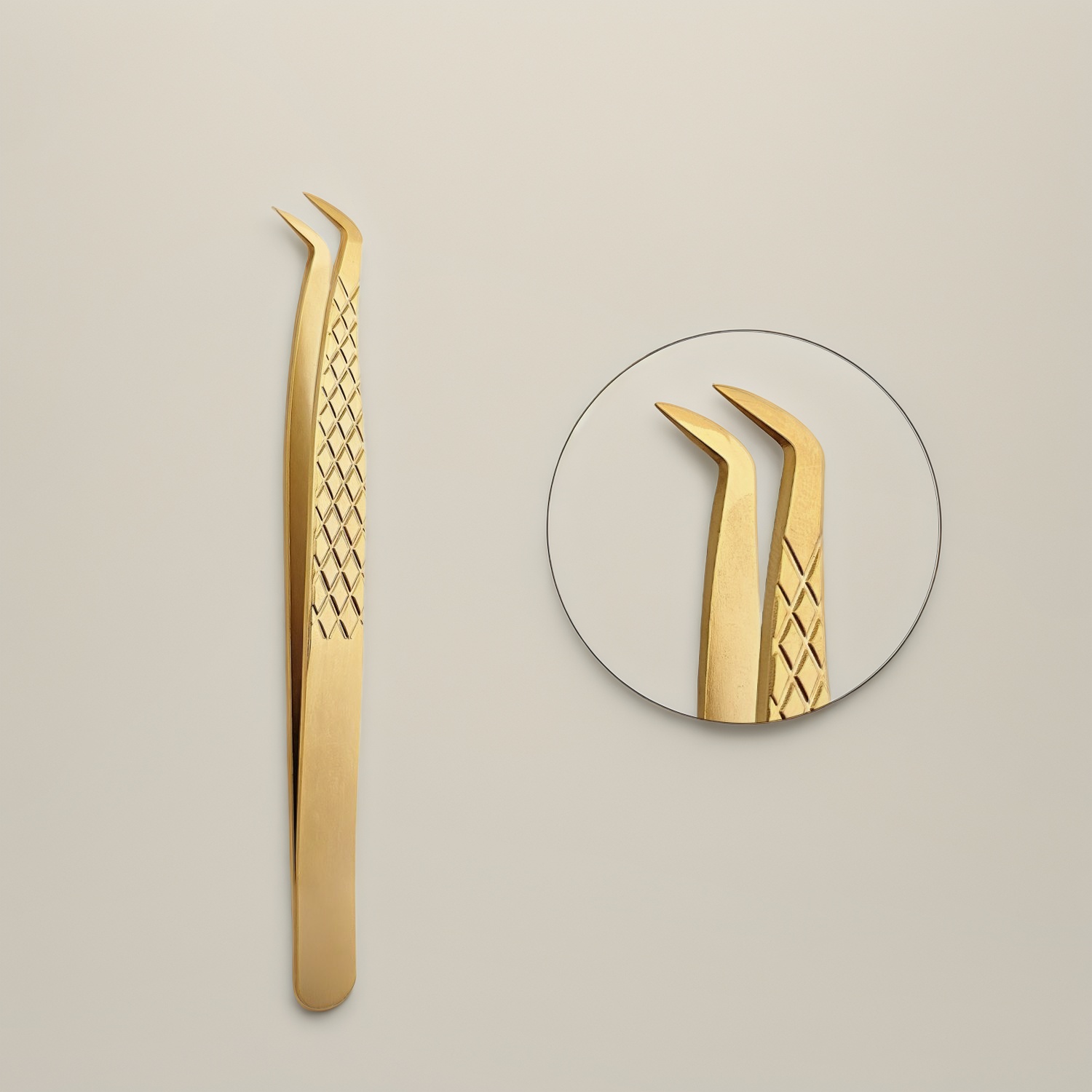
| Slant tip | Eyebrow shaping and general hair removal | Brow salons, spas, retailers and grooming kits | Check whether the slanted tips grip short and fine hairs cleanly without excessive pressure. |
| Point tip | Fine detail work and carefully targeted removal | Experienced professionals or specialist retail ranges | Confirm alignment and packaging communication because the style requires careful handling. |
| Flat tip | Holding small items or removing thicker hairs | General grooming, manicure-related tasks and beauty kits | Assess surface contact, tension and whether the tip suits the stated use. |
| Double-end tweezer | Multi-use grooming or travel-friendly beauty routines | Retailers, gift sets and curated kits | Make sure both ends are practical and protected in packaging. |
Slanted tips are often chosen for brow work because they provide a useful balance of visibility, angle and contact area. For lash-related handling, alignment, tension and fine control become especially important. Colorful or visually distinctive tweezers can help retail differentiation, but color should never compensate for weak alignment, uncomfortable tension or poor edge finish.
Use Cases for Salons, Spas, Lash Studios and Retailers
Different beauty businesses buy tweezers for different reasons. A salon may need durable tools for daily staff use. A spa may prioritize consistent professional presentation across treatment rooms. A lash studio may focus on controlled handling. A retailer may care about packaging clarity, customer education and repeat purchase potential.
Brow Salons and Beauty Technicians
For brow professionals, the main questions are practical: can the tweezer isolate a single hair, grip without cutting, and maintain visibility around the brow line? Slanted stainless steel tweezers are commonly selected for this type of work because they combine angle and control. Buyers should test samples on the kind of hair and service routine their technicians actually handle.
Lash Studios and Detail-Oriented Services
For lash-related applications, even closure and fine handling are central. If a tool slips, requires too much force or feels unstable, it can slow the technician and reduce confidence. Businesses comparing false lash tweezers wholesale should pay particular attention to tip meeting, spring tension and hand comfort during delicate tasks.
Spas and Professional Treatment Rooms
Spas often need tools that look clean, feel professional and can be organized consistently across service areas. Stainless steel construction, appropriate cleaning practices, safe storage and presentation all matter. If tools are used across a team, incoming inspection and staff feedback can help identify whether a tweezer is suitable for repeated service use.
Retailers, Distributors and Private Label Brands
Retail buyers should consider how the product will be understood by shoppers. Packaging should protect the tips and clearly state the intended use. Private label buyers may also need logo placement, color direction, packaging artwork or curated set combinations. Before moving into customization, define the market position: professional brow tool, everyday grooming item, manicure kit accessory or travel beauty tool.
Material, Manufacturing and Finish Considerations
Many professional beauty tweezers use stainless steel because it is durable and suitable for regular cleaning when handled properly. However, material alone does not guarantee quality. The working performance depends on shaping, tip grinding, alignment, polishing, tension control and final inspection.
When evaluating samples, look closely at the tip area. The tips should meet evenly and should not feel rough against the skin during normal intended use. The arms should open and close smoothly. The finish should be consistent from piece to piece, especially if the tweezer has a colored coating or polished appearance. For private label programs, uneven color, inconsistent logo placement or damaged packaging can reduce perceived value even when the basic tool is functional.
Olimor Beauty states that every tool undergoes quality control checks from raw material inspection to final packaging. For wholesale buyers, this process focus is important because the goal is consistency across units. It is still wise to document your own incoming inspection process so your purchasing team has a repeatable standard for each shipment.
Supplier Evaluation: What to Ask Before Ordering
A professional tweezer supplier should be judged by process, communication and product fit, not only by catalog size. If you are sourcing tweezers as part of a wider beauty tool range, prepare a brief before requesting a quotation. Include the sales channel, target user, packaging expectations, intended positioning and inspection priorities.
Useful supplier questions include:
- Which tweezer tip styles are recommended for brow, lash, grooming or manicure-related use?
- How are tip alignment, tension, surface finish and packaging condition checked?
- Are samples available for evaluation before a wholesale order?
- Can the supplier support related tools such as nail clippers, cuticle tools, files or manicure sets?
- What customization options may be available for logo, color, packaging or set combinations?
- What documentation can be provided for materials, packaging or market requirements when applicable?
Guangdong is a well-known manufacturing and export region for beauty and personal care products. Olimor Beauty is located in Guangdong and supplies manicure and beauty tools for business buyers. If you are building a broader assortment, review the Olimor product range to see how tweezers can be combined with complementary beauty tools.
Quality Checks for Incoming Wholesale Tweezers
Supplier quality control is important, but buyers should also create an internal inspection routine. This does not need to be complicated. The goal is to catch visible or functional issues before products reach technicians, retailers or consumers.
- Check packaging first: Look for crushed boxes, exposed tips, missing labels or inconsistent presentation.
- Inspect surface finish: Review polishing, coating, color, logo placement and visible marks.
- Test tip closure: Close the tweezer and confirm the tips meet evenly.
- Evaluate grip: Test the tweezer on fine hair or a suitable small item based on the intended use.
- Assess tension: Open and close several pieces to see whether the force feels consistent.
- Record findings: Keep notes for future supplier communication and repeat purchasing decisions.
For businesses selling into regulated markets, requirements may vary by product type, material, packaging and destination. Public frameworks such as EU REACH for chemical substance restrictions, or ISO 9001 as a general quality management reference, may be relevant during supplier evaluation. Buyers should verify the applicable version, market scope and supplier documentation. Do not assume a supplier holds a certification unless it is specifically documented.
Cost Factors Beyond Unit Price
Wholesale tweezer cost is shaped by more than the base product. Material choice, tip style, surface finish, polishing, coating, packaging format, customization, order complexity and inspection expectations can all influence the final offer. A simple stainless steel slant tweezer in basic packaging will not be costed the same way as a customized private label set with special colors and retail-ready packaging.
When comparing quotations, ask what is included. Does the price reflect packaging? Are logo or artwork services separate? Are samples, revisions or special packaging requirements handled differently? Are related tools available for a combined program? Clear comparison prevents a low initial quote from becoming less competitive once the actual requirements are added.
The lowest-cost tweezer is not always the best wholesale decision. If poor grip creates retail returns, if technicians replace tools frequently, or if packaging does not survive distribution, the total business cost rises. A better buying approach is to match the tool to the user, then compare suppliers on repeatable quality, communication and category support.
Building a Coherent Beauty Tool Range
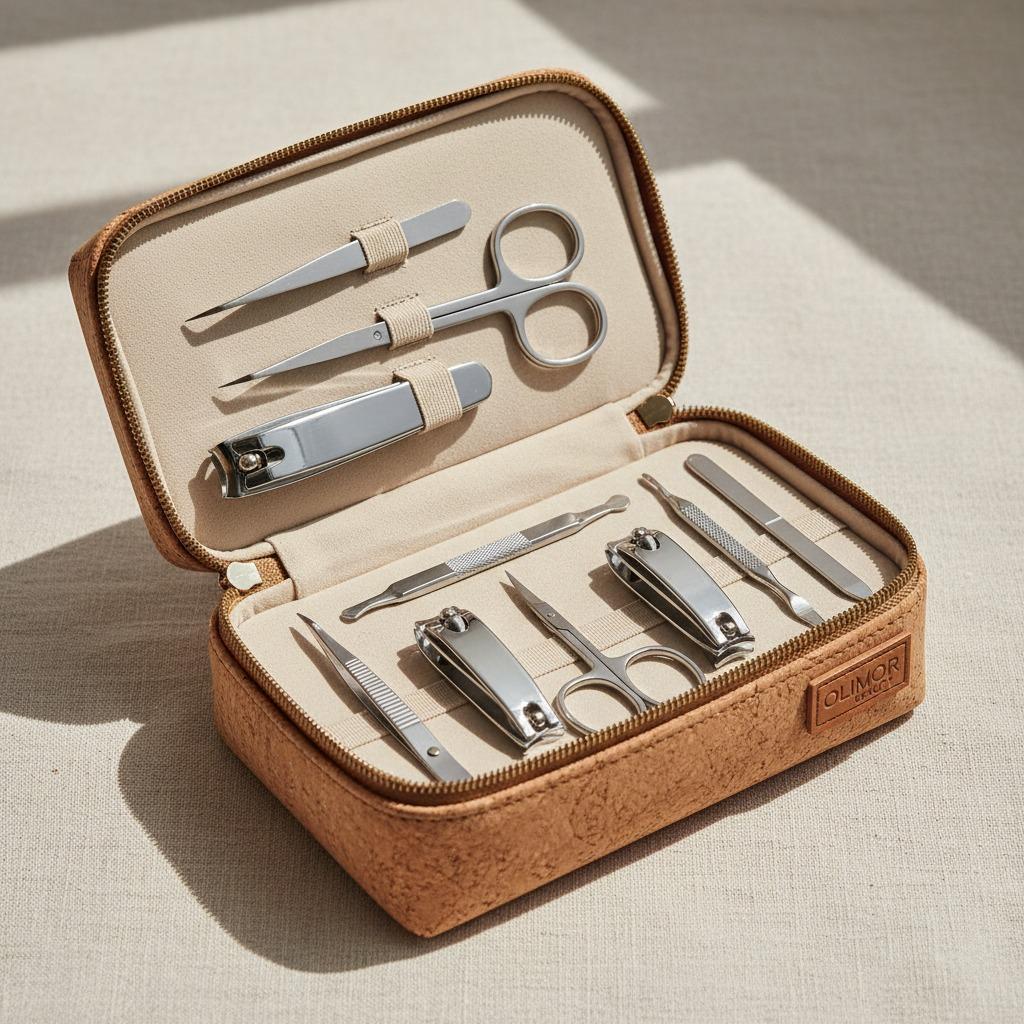
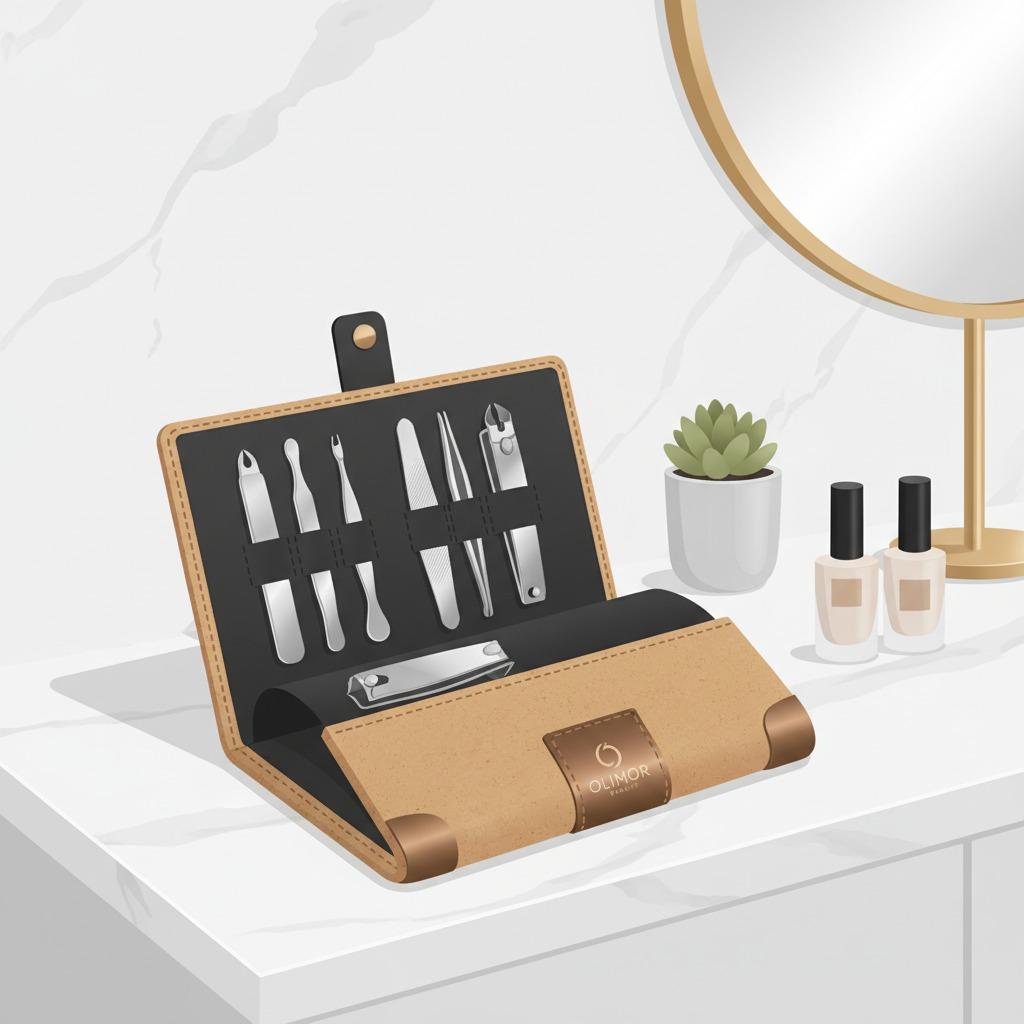
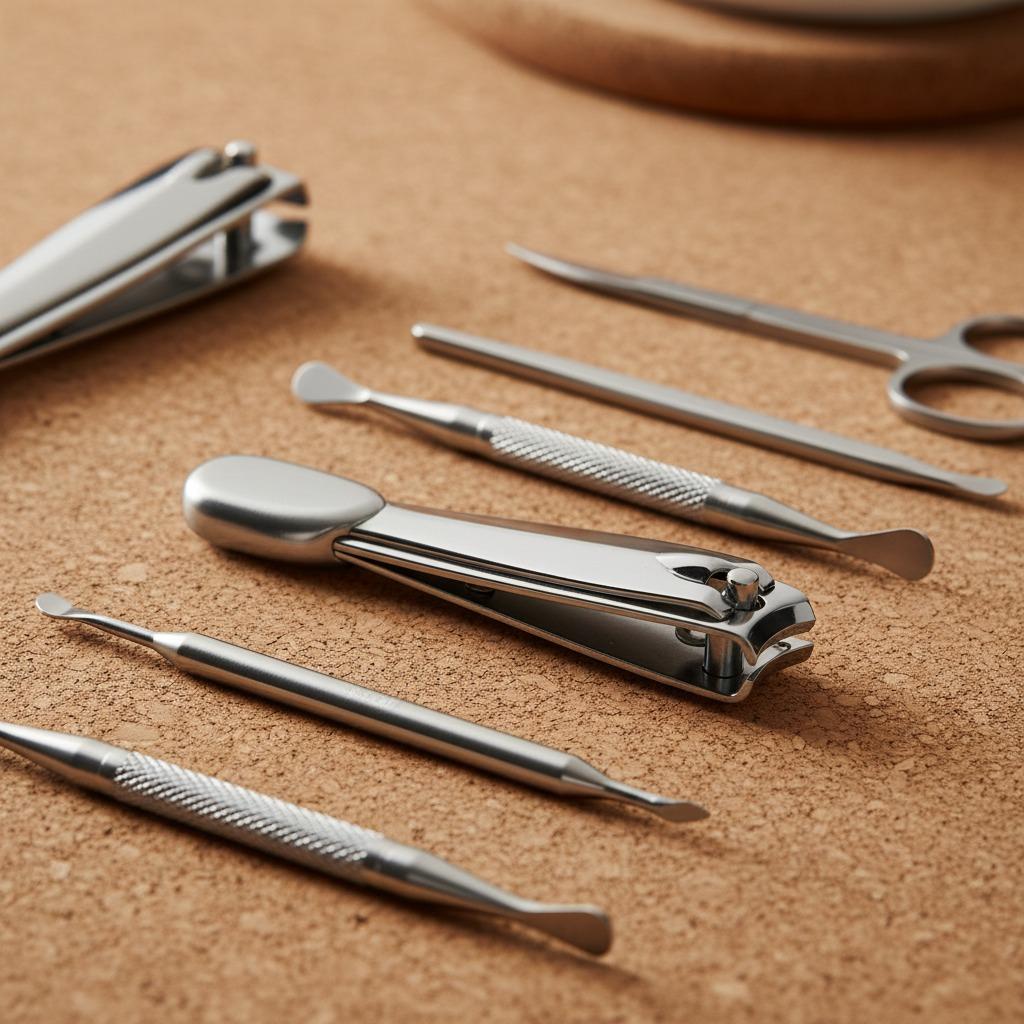
Tweezers are often strongest when they are part of a larger beauty tool strategy. A retailer may bundle them with nail clippers, scissors, files or travel grooming items. A spa supplier may build a consistent professional tool assortment. A private label brand may create a coordinated manicure and grooming range with matching finish and packaging style.
If you are planning a range, avoid selecting isolated products one at a time. Instead, define the collection logic: everyday grooming, brow care, manicure care, travel beauty, salon professional tools or giftable retail sets. Then choose tweezers and related tools that support that positioning. You can browse Olimor’s wider beauty tool collections to consider how tweezers may fit into a broader assortment.
When to Request Samples or Discuss Customization
Samples are important when performance affects service quality or brand reputation. Request samples before placing a larger wholesale order, especially if you are comparing tip styles, finishes, packaging options or private label directions. Test them with the people who will actually use or sell the product: brow technicians, lash artists, retail buyers, warehouse teams or customer service staff.
Customization can add value when it supports a clear market position. Logo placement, color direction, packaging design and curated set combinations can help a distributor or retailer create a recognizable line. However, customization should follow product validation, not replace it. First confirm that the tweezer grips well, feels comfortable and meets the intended use. Then refine the visual and packaging details.
For sourcing discussions, you can contact Olimor Beauty with your target channel, preferred tip style, packaging needs and inspection priorities. If you already have a product brief, send it through the wholesale inquiry page so the team can review your requirements.
Wholesale Tweezer Buying Checklist
Use this checklist before approving a wholesale tweezer program:
- Define the primary user: professional technician, retail consumer, distributor customer or private label buyer.
- Choose the tip style based on use, not appearance alone.
- Test several samples for alignment, grip, tension and comfort.
- Review stainless steel construction, finish consistency and edge comfort.
- Confirm packaging protects the tips and explains the intended use.
- Ask about raw material, in-process and final packaging inspection steps.
- Clarify customization possibilities before committing to artwork or branding.
- Compare quotations by total requirement, not only base unit price.
- Verify any applicable regulatory or quality documentation for your destination market.
- Keep incoming inspection records to support future reorders.
FAQ
Can I request tweezer samples before a wholesale order?
Yes, samples are recommended so your team can check tip alignment, grip, tension, finish and packaging suitability before committing to a larger purchase. Discuss the sample request with Olimor based on your target use and sales channel.
Does Olimor offer private label or customization for tweezers?
Customization may include options such as logo placement, packaging direction, color selection or curated set combinations, depending on the product and project requirements. Buyers should confirm details with Olimor before finalizing artwork or ordering plans.
What MOQ or lead time should I expect?
MOQ and lead time depend on the tweezer style, packaging, customization and order requirements. Olimor should confirm these details during quotation rather than relying on a generic number.
How should wholesale tweezers be quality checked?
Check packaging condition, surface finish, tip alignment, grip performance and tension. For private label orders, also verify logo placement, color consistency and labeling accuracy before distribution.
What information should I provide when contacting a tweezer supplier?
Share the intended user, tip style preference, sales channel, packaging needs, customization goals and any documentation requirements for your market. A clear brief helps the supplier recommend a better-fit product.