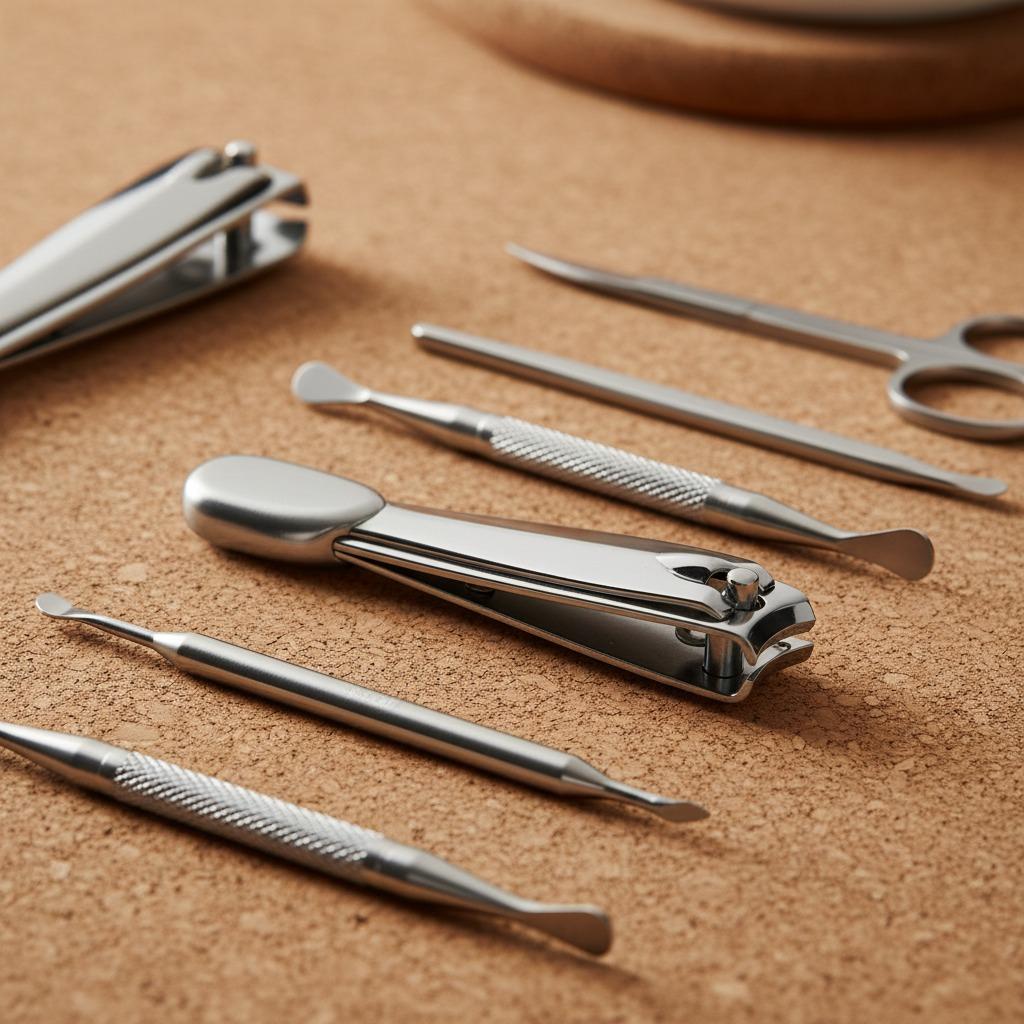
Wholesale tweezers are small tools, but they carry a lot of weight in a beauty or hospitality program. In lash work, brow services, grooming kits, retail assortments, and hotel amenity sets, the right tweezer supports precision, comfort, and a professional finish. The wrong one can slow down service, feel awkward in the hand, or create inconsistent results.
For buyers, the core question is not just which tweezer looks best. It is which tool fits the user, the service setting, the packaging format, and the quality standard you need to repeat across orders. Olimor Beauty works with professional beauty tool buyers who need practical sourcing support for beauty, salon, and hospitality applications. If you are comparing beauty tools and tweezers, this guide covers the features, supplier checks, and buying decisions that matter most.
Start with the use case, not the finish
The first sourcing decision should be the job the tweezer must perform. A lash technician, brow specialist, hotel buyer, and retail merchandiser do not all need the same tool. If you define the use case clearly, the rest of the purchase becomes easier: tip shape, grip, packaging, and acceptable presentation all follow from that choice.
Lash application
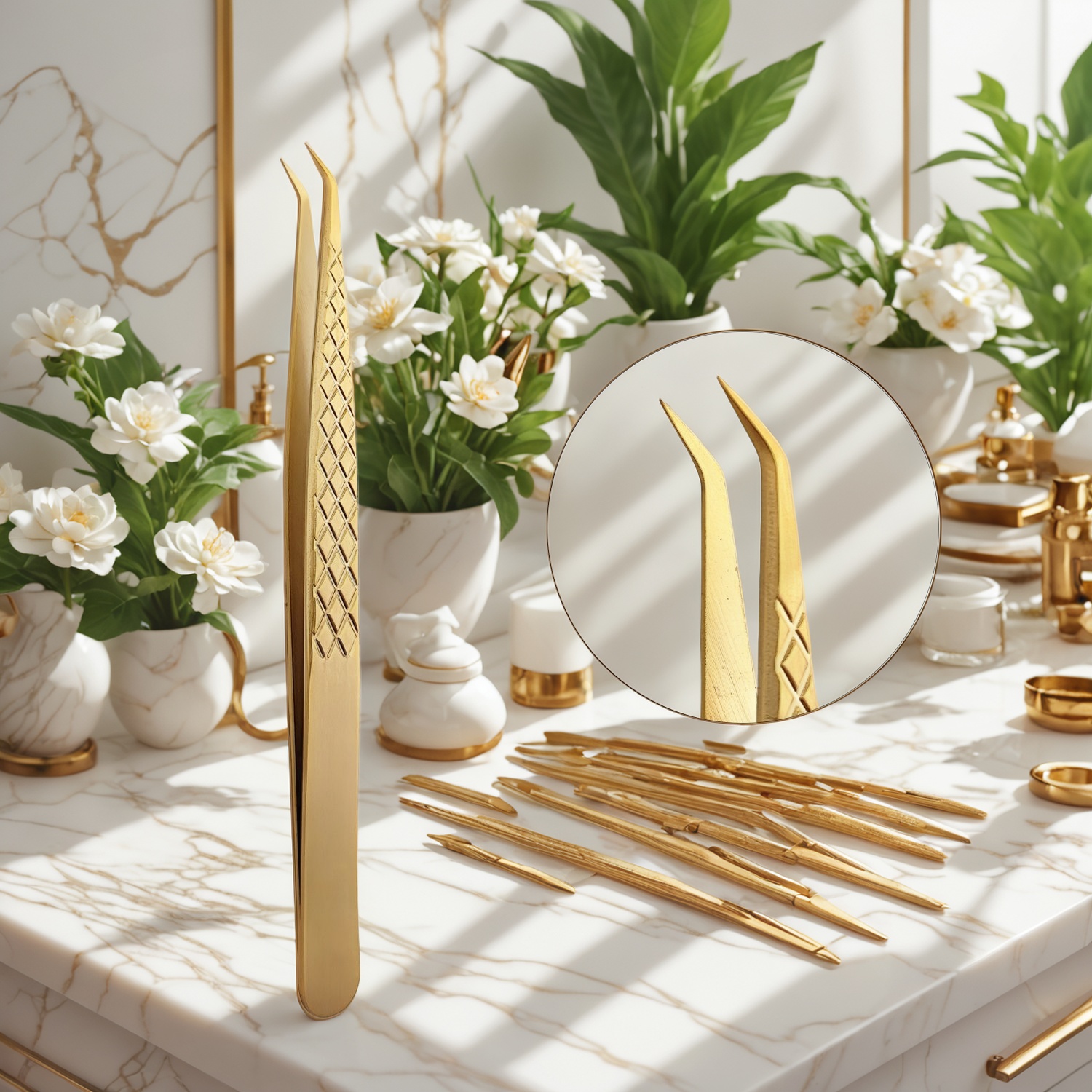
For false lash application, alignment and tip control are critical. The tool must support delicate pickup and placement without slipping or twisting. Olimor Beauty’s Gold Precision False Lash Tweezers are described with finely angled tips and a diamond-cut texture for control, which shows the kind of practical design details buyers should look for when evaluating lash tools.
Brow grooming and general beauty use
For brow work or general grooming, buyers often prioritize comfortable handling, clean tip contact, and a finish that feels professional. These tweezers may be used for hair removal, detailed correction, or personal care routines where a stable grip matters but the task is less specialized than lash extension placement.
Salon and spa service use
Salons and spas need tools that hold up to repeated handling by professionals throughout the day. In this setting, comfort, consistency, and easy identification of the correct tip style become important. A tweezer that feels balanced and closes evenly can help technicians work more confidently during long appointments.
Retail and hospitality programs
Retail buyers and hospitality buyers may place more weight on presentation, packaging, and compactness. A hotel amenity tweezer or retail grooming tweezer must look neat, fit the set format, and arrive in a condition that supports display or guest use. For these channels, purchasing decisions often involve more than performance alone.
What to check in a wholesale tweezer sample
A sample should reveal how the tool is made, how it feels in hand, and how it may behave in repeated use. One attractive sample is not enough. Review several pieces and compare them side by side before deciding whether to place a repeat order.
- Tip alignment: The tips should meet cleanly without visible gaps or twisting.
- Tip shape: Angled, pointed, curved, and straight tips each support different tasks.
- Grip texture: Textured handles can improve control during detailed work.
- Closing tension: The tool should feel balanced, not overly stiff or too loose.
- Surface finish: Look for a consistent finish without rough edges, uneven polishing, or visible residue.
- Edge feel: The tips should feel refined and precise, not harsh or poorly finished.
- Packaging fit: Check that the packaging protects the tips during storage and shipping.
- Batch consistency: Compare multiple pieces, not only one approved sample.
These checks are simple, but they tell you a great deal about production discipline. A tweezer with poor alignment or unstable tension can be frustrating for a technician and disappointing for a retail customer.
Why material and finish still matter
Many wholesale buyers look first at shape and price, but the material and surface treatment affect how the tweezer feels and presents over time. Stainless steel is commonly used in beauty tools because it offers a clean appearance and a firm structure suitable for personal care use. That said, the material name alone is not enough. Buyers should still inspect the actual workmanship, finish, and closing action.
A gold finish can support a more premium visual direction, while a simpler polished look may fit a practical grooming range. A textured surface, such as a diamond-cut grip, may help control in detailed tasks. The right combination depends on where the tweezer will be used and how the brand wants the tool to feel in the hand.
For higher-precision work, the most important question is whether the tool performs consistently. A neat finish is valuable, but not if the tips do not meet properly. Buyers should judge appearance and functionality together.
How to evaluate a supplier before placing repeat orders
Wholesale sourcing is also supplier evaluation. A good sample matters, but repeatability matters more. If the first order looks acceptable and the second order does not, your team spends time solving avoidable problems. That is why buyers should ask how the supplier handles inspection, packing, and production control.
Olimor Beauty emphasizes internal quality control from raw materials through final packaging. For buyers, that kind of process focus matters because tweezers leave very little room for error. Small misalignment, rough edges, or a damaged tip can make a tool unsuitable for precise lash or brow use.
Questions to ask a potential supplier
- How are tip alignment and closing action inspected?
- How are tweezers protected before packing?
- How does the supplier handle batch consistency?
- Can the supplier support related tools for a coordinated assortment?
- What packaging formats are available for retail, salon, or hospitality use?
If you are building a broader line, it can be helpful to review complementary products together instead of sourcing each item separately. You can browse related collections to see how tweezers fit alongside other beauty tools in one assortment.
Choosing tweezers for different business channels
Different buyer types need different priorities. The table below shows a practical way to compare wholesale tweezers by channel.
| Business channel | Main priority | What to review before ordering |
|---|---|---|
| Lash studios | Precision and control | Tip alignment, closing tension, textured grip, comfort in repeated handling |
| Beauty retailers | Shelf appeal and reliable everyday use | Finish quality, packaging presentation, sample consistency, clear product positioning |
| Salons and spas | Comfort and professional workflow | Balanced feel, practical tip shape, durable presentation, easy staff use |
| Hospitality programs | Compact presentation and dependable guest use | Packaging size, safe handling, neat finish, suitability for amenity kits |
| Private label buyers | Brand presentation plus product performance | Tool quality first, then logo placement, packaging format, and assortment fit |
This simple framework helps buyers compare options without losing sight of the real purpose of the tool. In every channel, the product must be functional first and presentable second. Decoration cannot compensate for poor performance.
Private label and brand presentation considerations
Private label tweezers can strengthen a salon retail program, a beauty brand, or a hospitality gift set. They help create a more complete brand experience and can support cross-selling with related tools. Still, private label sourcing should begin with the base product, not the logo.
A branded tweezer with weak tip alignment will not feel premium to the user. A printed package cannot fix poor closing tension. Before requesting branded options, prepare a brief that explains the intended user, use case, finish direction, and packaging needs. That makes it easier for the supplier to propose suitable options.
If you are planning a coordinated range, it may also help to discuss related beauty tools at the same time. Olimor’s team can help buyers align tweezers with other products through direct product discussion or a focused sourcing inquiry.
Quality, hygiene, and documentation checks
For beauty and hospitality buyers, product quality is closely tied to presentation and handling. A clean finish supports a professional look, and sensible packaging helps protect the tips during storage and transit. Buyers should also make sure their purchasing standards match any local hygiene rules or category requirements in their market.
If your procurement process references public standards or formal quality systems, buyers may also look at widely recognized frameworks such as ISO 9001 for process control. When that applies, verify the current version and request the supplier documents that support your internal review. Do not assume a supplier holds any certification unless the supplier states it clearly in writing.
For hospitality buyers, it is also wise to confirm that the tweezer format suits guest kits and safe handling expectations. For salon teams, storage and issue-to-staff practices matter because tools are handled repeatedly and need to remain presentable. For retail buyers, the packaging should protect the product while still looking polished on shelf or in a display unit.
Common sourcing mistakes to avoid
Many problems in wholesale tweezer purchasing come from treating them as a simple commodity. A slightly cheaper tool can become more expensive if it creates returns, complaints, or service delays. These are the mistakes buyers should avoid:
- Choosing on appearance alone without testing alignment and tension.
- Assuming one sample represents every batch.
- Ignoring grip design for long or detailed work.
- Matching packaging too late in the sourcing process.
- Ordering a universal shape when the service needs are actually different.
- Skipping supplier questions about inspection and protection before packing.
A buyer who thinks about use case, packaging, and repeatability from the beginning is usually in a better position to build a dependable program.
How Olimor fits a professional sourcing process
Olimor Beauty supports buyers who need professional beauty tools with a practical, quality-focused approach. The range includes tools for beauty, lash, manicure, and hospitality use, which can be helpful when you want to source a coordinated assortment instead of isolated items. For wholesale teams, that can simplify selection and help keep product presentation consistent across categories.
If you are comparing tweezers for lash work, grooming kits, retail display, or amenity sets, start by defining the user and then review the sample against alignment, tension, finish, and packaging. That approach leads to better repeat orders and fewer surprises after launch.
For a closer look at available options, explore the product lineup or start a conversation if you need a more tailored buying plan. A restrained, well-defined specification usually leads to better sourcing outcomes than a broad request with no use case attached.
FAQ
Can I request samples before placing a larger order?
In most wholesale sourcing workflows, samples are the best way to check alignment, grip, finish, and packaging fit before committing to repeat orders. Ask the supplier what sample process is available.
What is the most important quality check for wholesale tweezers?
Tip alignment is one of the most important checks because it affects how the tool closes, grips, and performs in detailed work. Closing tension and edge feel should be reviewed alongside it.
Can tweezers be customized for private label programs?
Private label options are often discussed in terms of branding and packaging, but product performance should come first. Share your intended use, finish direction, and set format when asking about customization.
How should I compare tweezers for salon use versus hospitality use?
Salon tweezers usually need more emphasis on precision and repeated handling, while hospitality tweezers often need compact packaging, neat presentation, and safe guest use.
How do I assess lead time and production readiness?
Ask the supplier how orders are handled from material prep through final packaging, and request clear communication on production stages. Avoid assuming timing until the supplier confirms it for your order.