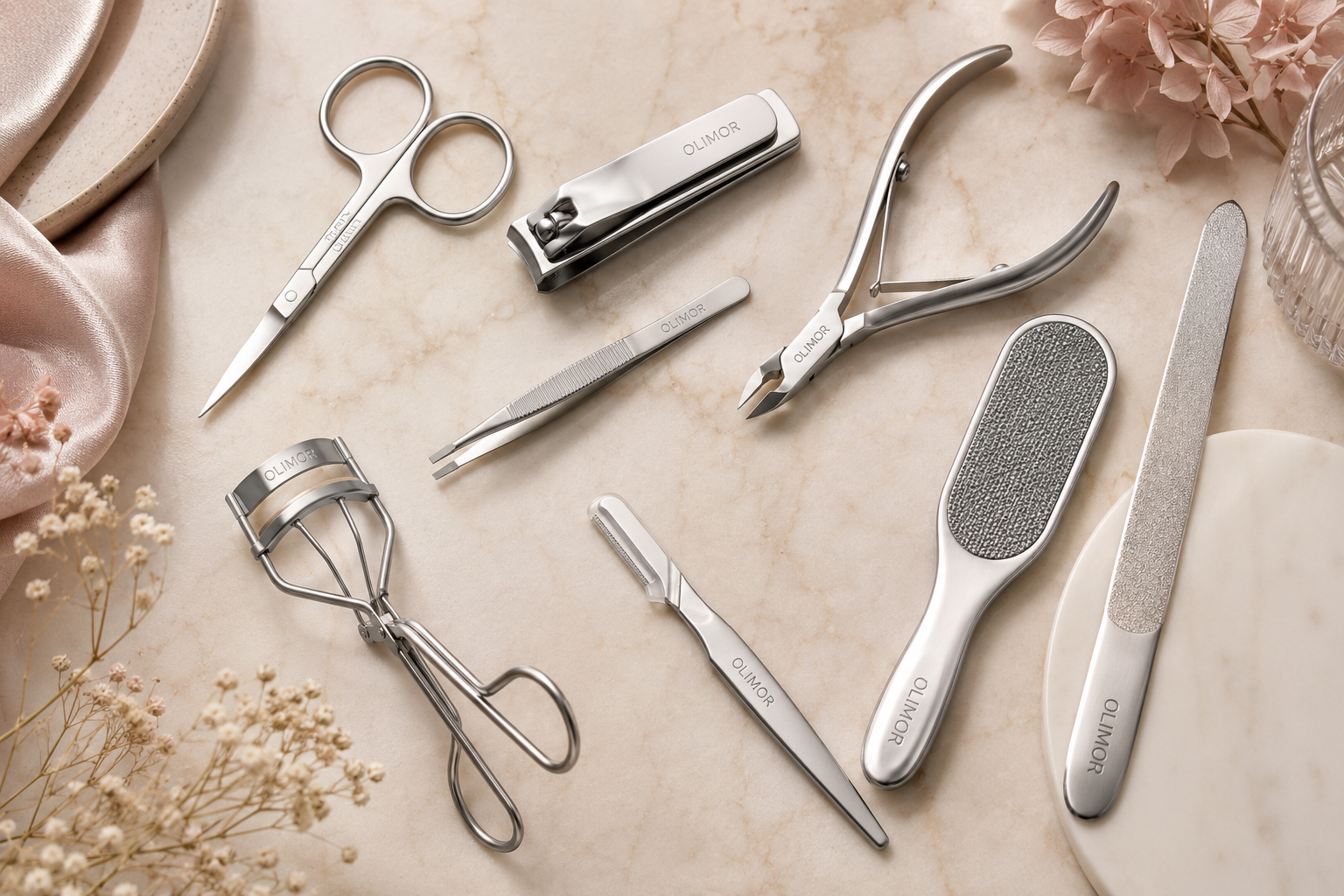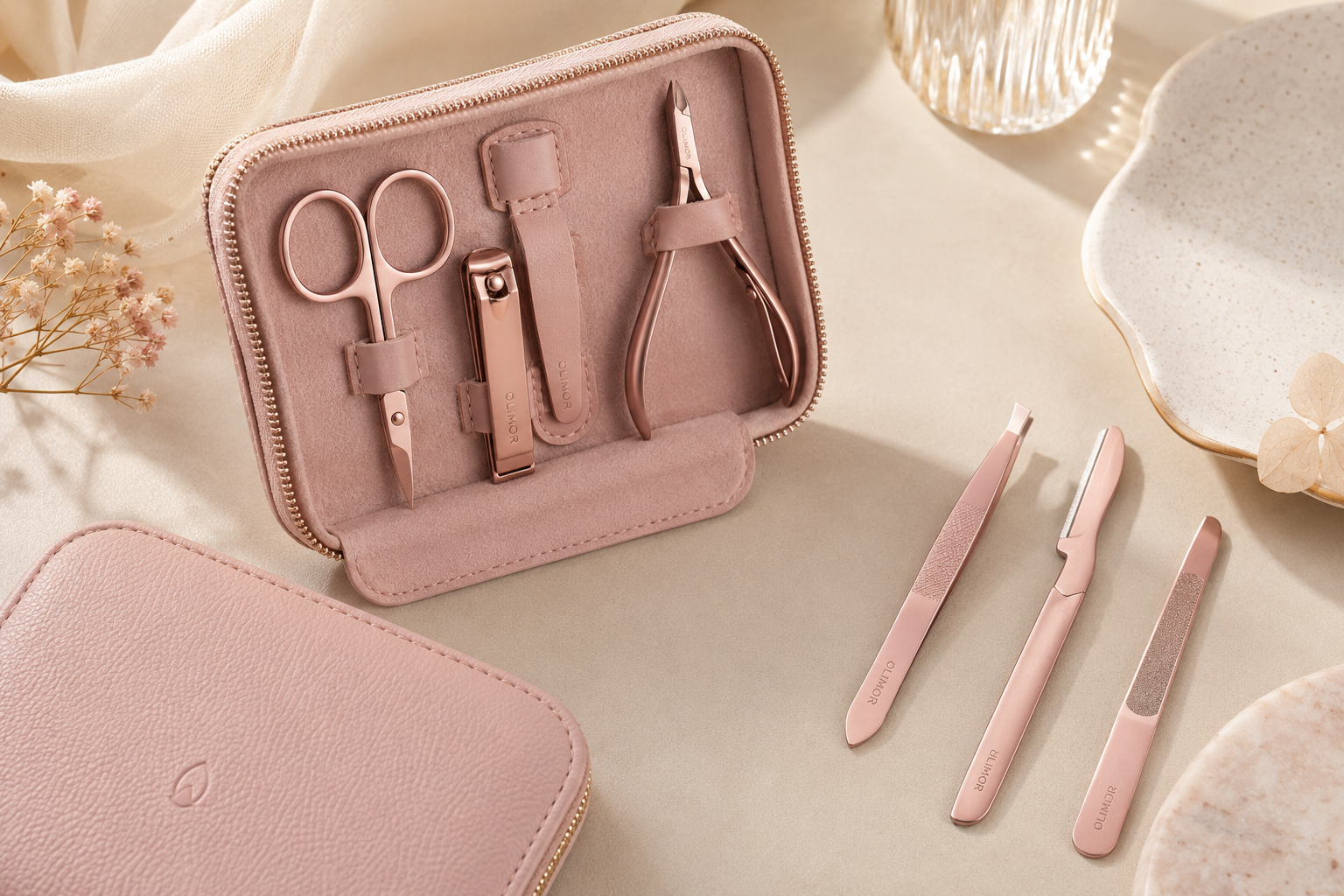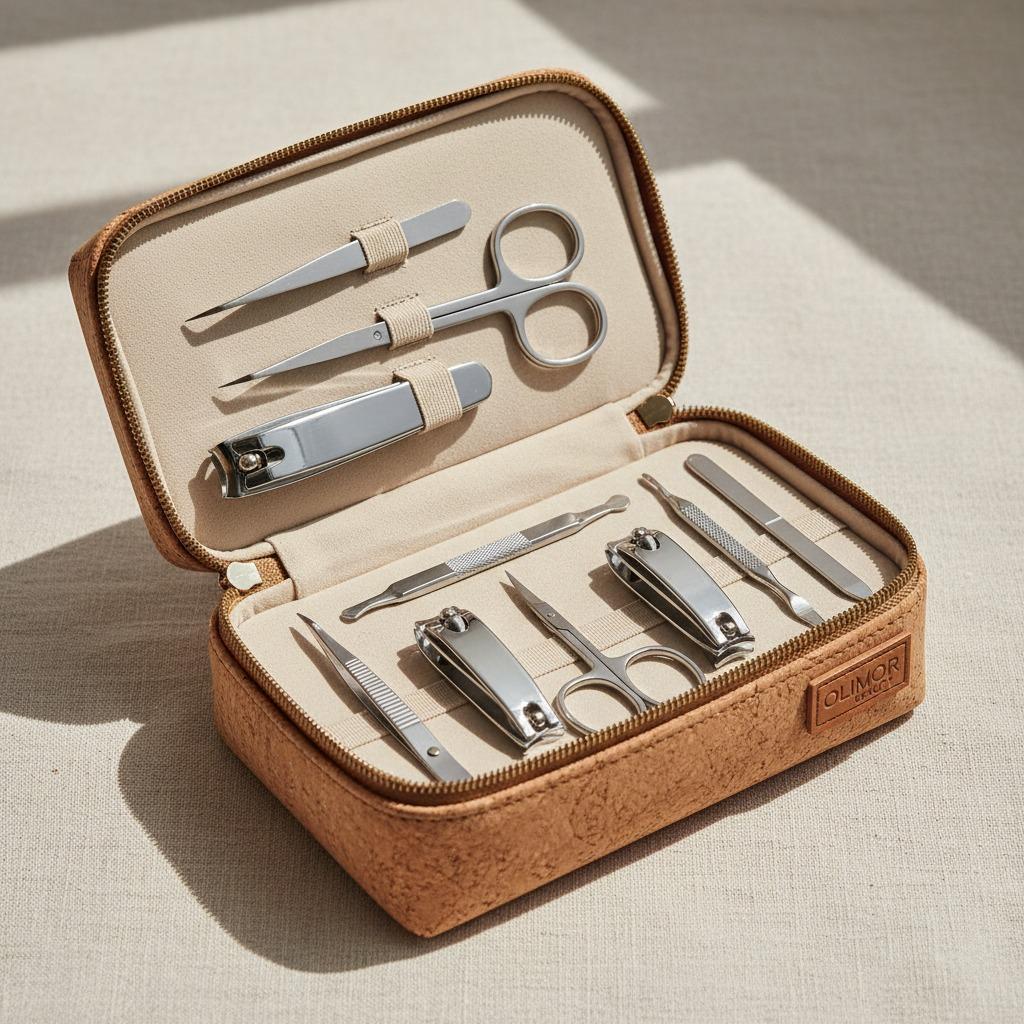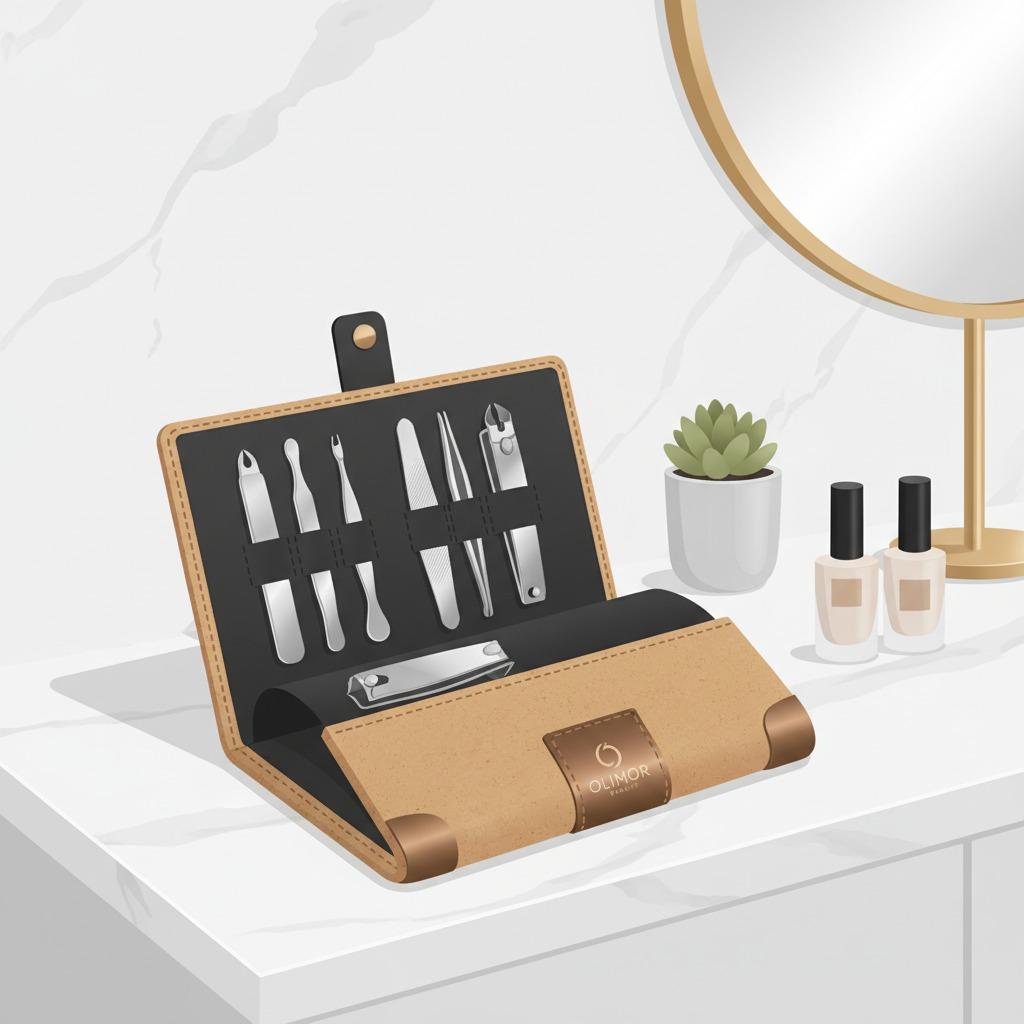
Tweezers look simple, but their performance depends on details that are easy to miss: how accurately the tips meet, how much pressure is needed to close them, whether the edges grip a fine hair cleanly, and how the surface holds up after repeated cleaning. For beauty retailers, salons, grooming brands, and distributors, choosing tweezers is not only about appearance. It is about supplying a tool that feels controlled in the hand and performs consistently for eyebrow shaping, facial hair removal, lash work, and other close-detail grooming tasks.
Olimor Beauty focuses on practical beauty tools for everyday and professional use. If you are comparing tweezer options for retail or sourcing, this guide explains the main quality points to review before selecting products from the wider range of beauty tool products or discussing a specific project through contact Olimor.
What Makes a Pair of Tweezers Precise?
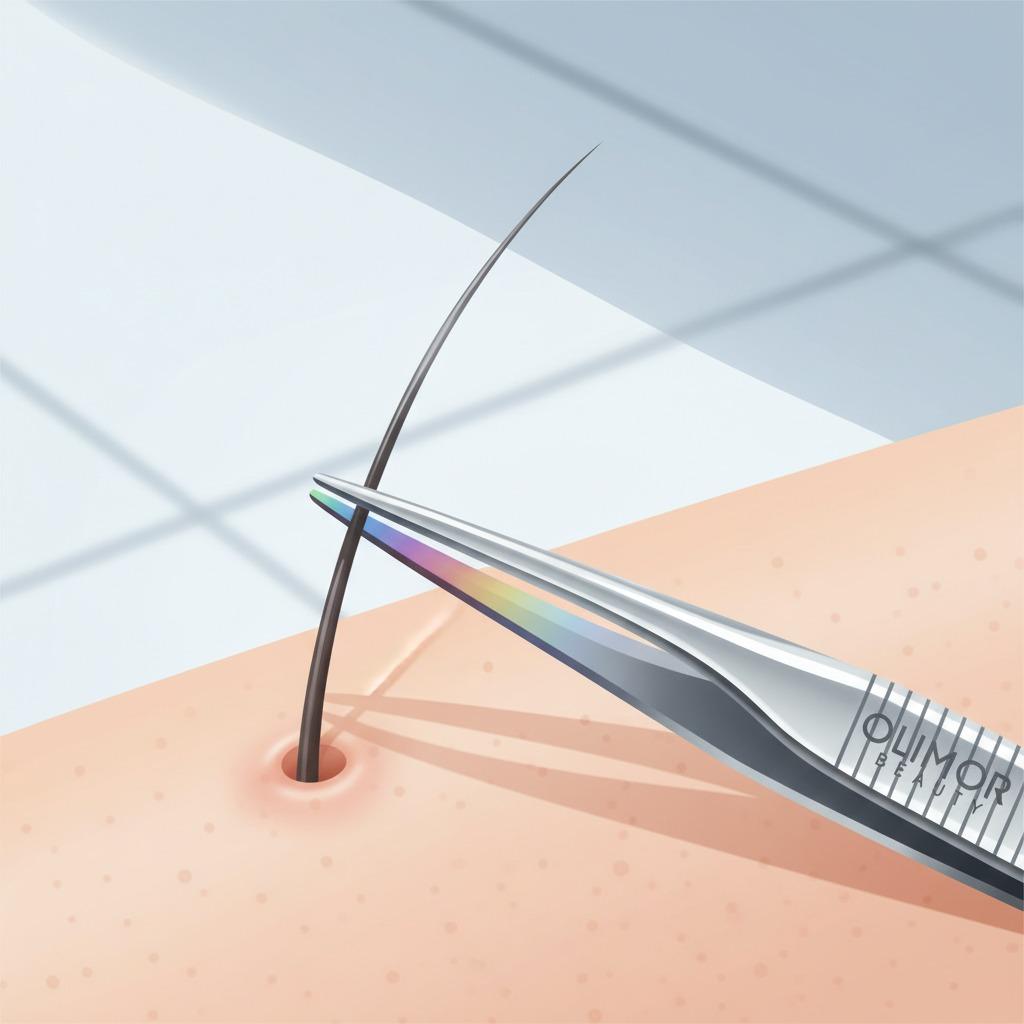
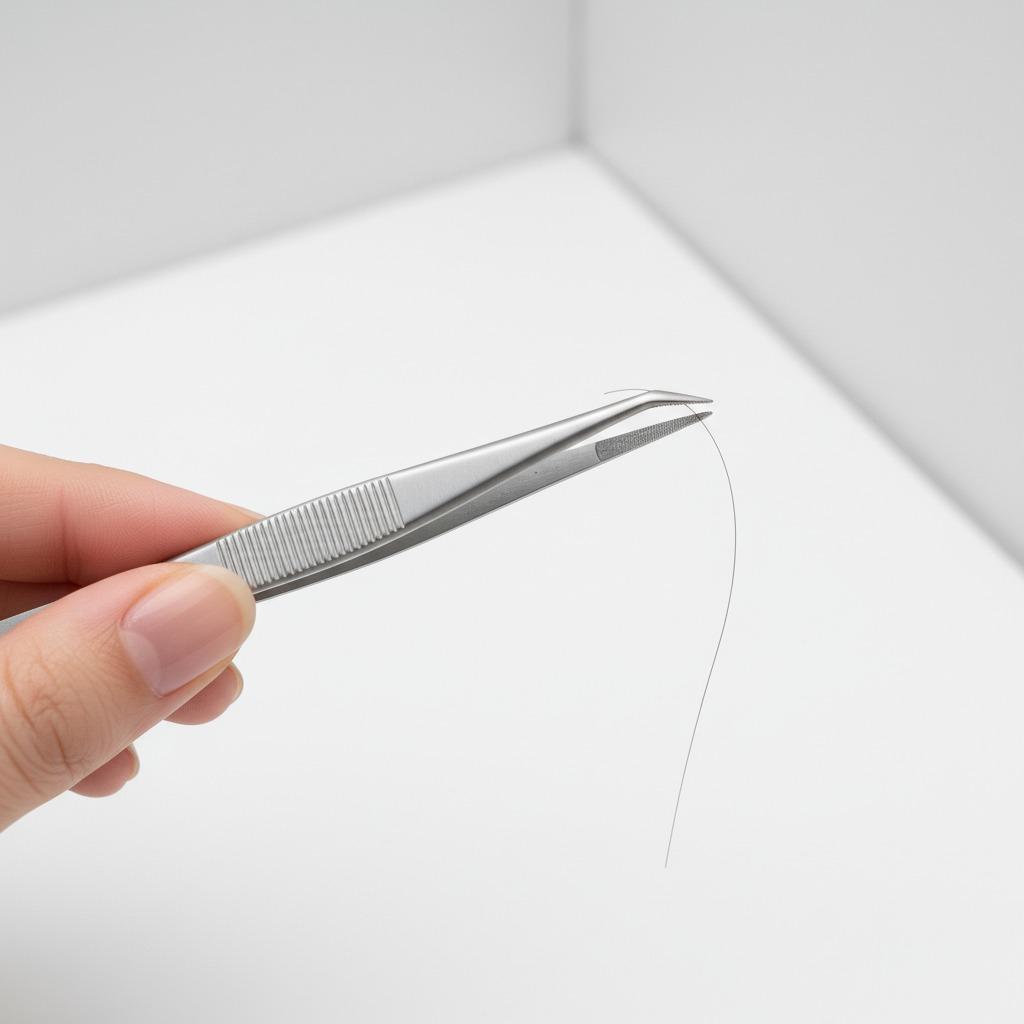
Precision begins at the tip. A good pair of tweezers should close evenly from edge to edge without visible gaps, twisting, or uneven pressure. When the two sides do not meet cleanly, the user may need to squeeze harder, repeat the same pluck several times, or accidentally break the hair instead of removing it from the root. That creates frustration and can make the tool feel lower quality even if the material looks attractive.
Tip geometry also matters. Slanted tips are widely used for eyebrow shaping because they give the user both a broad gripping edge and a pointed corner for isolating individual hairs. Pointed tips can help with very fine work, but they require careful handling. Flat tips may be useful for larger contact areas, though they are less versatile for detailed brow shaping. The right style depends on the end user and the selling channel: a professional brow kit may prioritize precision, while a general personal-care set may focus on comfort and safe everyday use.
When evaluating samples, test the tweezers on different hair thicknesses, not only on a single easy strand. A reliable tool should grip fine hairs without slipping and thicker hairs without requiring excessive force. The feel should be firm but not stiff, with controlled spring tension that returns the tool to its open position smoothly.
Performance Comparison: The Checks Buyers Should Run
A useful tweezers performance comparison should be practical. Instead of relying only on product photos, buyers can create a simple inspection routine that covers grip, alignment, handling, finish, and packaging condition. This is especially important when sourcing for a beauty brand, salon chain, promotional kit, or retailer that needs repeatable quality across batches.
- Tip alignment: Close the tweezers slowly and check whether both edges meet evenly. Look for gaps, crossed tips, or one side touching before the other.
- Grip on fine hair: Test on fine synthetic fibers or real hair samples. The tool should hold the hair securely without sliding.
- Spring tension: Open and close the tweezers several times. Pressure should be comfortable, not loose or overly rigid.
- Edge smoothness: The gripping edge should not feel jagged, chipped, or sharp in a way that scratches skin during normal use.
- Surface finish: Check for stains, uneven coating, rough polishing, or visible marks that could reduce perceived value.
- Hand comfort: Hold the tweezers as an end user would. Consider width, length, texture, and whether the body is easy to control.
- Cleaning suitability: Review whether the surface can be wiped and dried easily after use, especially for salon or shared-tool environments.
This type of comparison helps buyers move beyond vague claims and focus on what the customer will actually notice. If you are planning a broader assortment, it may also help to compare tweezers with related tools in Olimor Beauty’s product collections so the final range feels consistent in quality and purpose.
Coated Tweezers: Benefits and Selection Questions
Coated tweezers can offer a different feel from plain polished metal. Depending on the coating and finish, the surface may feel smoother, provide a more distinctive appearance, or improve the user’s grip on the body of the tool. Coatings are also common when a brand wants a specific visual direction, such as a matte, colored, or soft-touch look. For retail beauty tools, appearance influences first impressions, but the coating must still support the tool’s function.
The key question is whether the coating interferes with tip performance. The gripping edges must remain accurate and clean. If coating is too thick or uneven near the tips, it may affect closure or reduce the ability to catch very fine hairs. A sample that looks attractive in packaging should still pass the same alignment and grip tests as an uncoated version.
Buyers should also consider how the coating will age. Tweezers are handled frequently, cleaned, stored in bags, and sometimes dropped on hard bathroom surfaces. A good coating choice should be evaluated for visible wear, comfort, and suitability for the intended retail price point. For personal grooming products, a decorative coating may be valuable. For high-frequency salon use, durability and easy cleaning may be more important than color variety.
Stainless Steel Tweezers and Long-Term Durability
Stainless steel is widely used for beauty tweezers because it can support a strong, cleanable tool body and a crisp working edge. For grooming tools that come into contact with skin and hair, durability is not only about resisting damage; it is also about maintaining consistent closure and a hygienic surface over time. A pair of tweezers that bends easily, loses alignment, or becomes rough at the tip will quickly disappoint users.
When reviewing stainless steel tweezers, buyers should avoid judging only by weight. A heavier tool may feel substantial, but performance still depends on forming, finishing, alignment, and tension. A lighter tool may perform well if the spring action and tip contact are controlled. The best approach is to evaluate how the tool behaves after repeated opening, closing, wiping, and normal handling.
For professional environments, stainless steel construction may be preferred because tools are cleaned frequently. However, the exact cleaning method should match the product’s finish and any coating. Harsh chemicals, prolonged soaking, or improper drying may shorten the life of many beauty tools. Clear care instructions can reduce returns and help end users maintain performance.
Matching Tweezer Types to Real Use Cases
Different customers use tweezers in different ways, so one universal design rarely fits every need. A brow-focused customer may prefer a slanted tweezer that offers a good balance between accuracy and speed. A lash artist or detail-focused user may look for finer tips, while a general grooming customer may prioritize safe handling and a comfortable grip. Retailers and private-label buyers can improve customer satisfaction by matching tool style to the intended use rather than choosing only by appearance.
| Use case | Useful tweezer features | Buyer focus |
|---|---|---|
| Eyebrow shaping | Slanted tips, accurate edge contact, comfortable spring tension | Clean grip on short and fine hairs |
| General facial grooming | Easy handling, smooth edges, durable surface | Safety, comfort, and simple care |
| Salon or frequent use | Consistent closure, cleanable finish, reliable body tension | Repeat performance after cleaning |
| Retail beauty kits | Attractive finish, protective packaging, versatile tip shape | Balanced performance and shelf appeal |
This kind of use-case planning is valuable when building a product line. It helps determine whether the range should include one versatile tweezer or several options for different grooming needs. It also supports clearer product descriptions, which can reduce confusion for online shoppers.
Maintenance Tips That Protect Tweezer Performance
Even a well-made pair of tweezers can lose effectiveness if it is poorly maintained. End users often store tweezers loose in cosmetic bags, where the tips can be knocked out of alignment. Oils, skin-care products, and makeup residue can also build up on the gripping edge and reduce traction. Simple care guidance can extend product life and improve user experience.
- Wipe the tips after use to remove hair, oil, and cosmetic residue.
- Dry the tweezers fully before storage, especially after cleaning.
- Use a protective cap or pouch when available to prevent tip damage.
- Avoid using beauty tweezers as general household tools, such as for opening packages or bending small objects.
- Check the tips periodically; if they are bent, chipped, or misaligned, performance will be reduced.
For retailers, including care information on packaging or product pages can make a meaningful difference. Customers who understand how to protect the tips are more likely to experience consistent grip and less likely to blame normal misuse on product quality.
Sourcing Tweezers for a Beauty Tool Range
When sourcing tweezers, buyers should define the target user before comparing samples. A low-cost everyday item, a salon-oriented tool, and a giftable beauty accessory may all require different decisions about finish, packaging, and quality thresholds. It is helpful to create a sample review sheet that records tip alignment, grip results, finish observations, and handling notes for each option.
For brand owners, consistency is especially important. If the first order performs well but later batches feel different, customer trust can be affected. Buyers should therefore pay close attention to agreed appearance standards, packaging requirements, and functional expectations. Neutral, measurable evaluation points are better than subjective comments such as “feels premium” or “looks nice.”
Olimor Beauty supports buyers looking at tweezers as part of a practical beauty tool assortment. To review available options, start with the beauty tool products page. If you need to discuss packaging direction, assortment planning, or sample evaluation for your market, you can send an inquiry with your intended use case and purchasing requirements.
Choosing Tweezers That Customers Will Keep Using
The best tweezers are not defined by a single feature. They combine accurate tip contact, comfortable tension, suitable material, clean finishing, and a design that matches the user’s grooming task. Coated tweezers may be the right choice when appearance and hand feel matter. Stainless steel tweezers may be preferred when durability and easy cleaning are priorities. In every case, the final decision should be based on how the tool performs in the hand, not only how it looks in a catalog photo.
For beauty businesses, careful tweezer selection can improve the value of a grooming range and reduce customer complaints about slipping, pulling, or poor alignment. By focusing on practical performance checks and realistic end-user needs, buyers can choose tweezers that support reliable daily grooming and a stronger product offering.