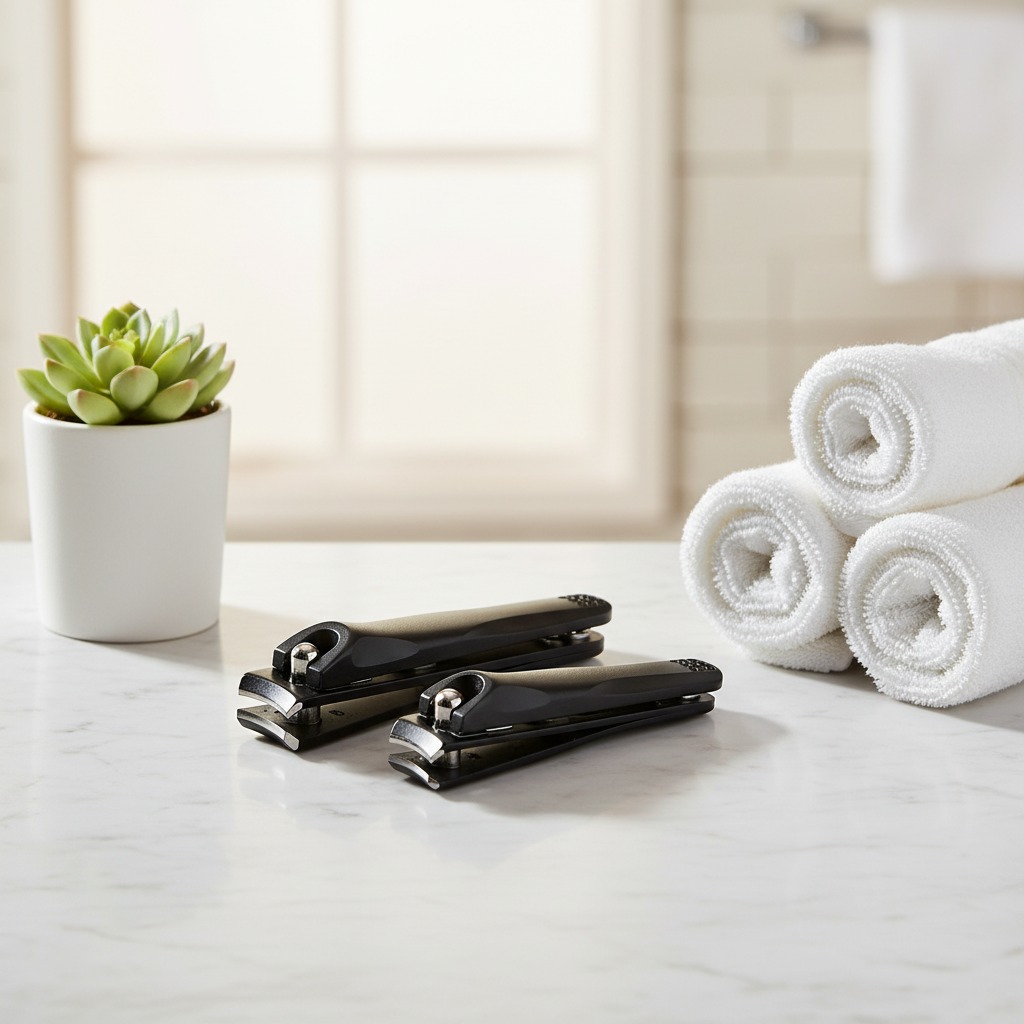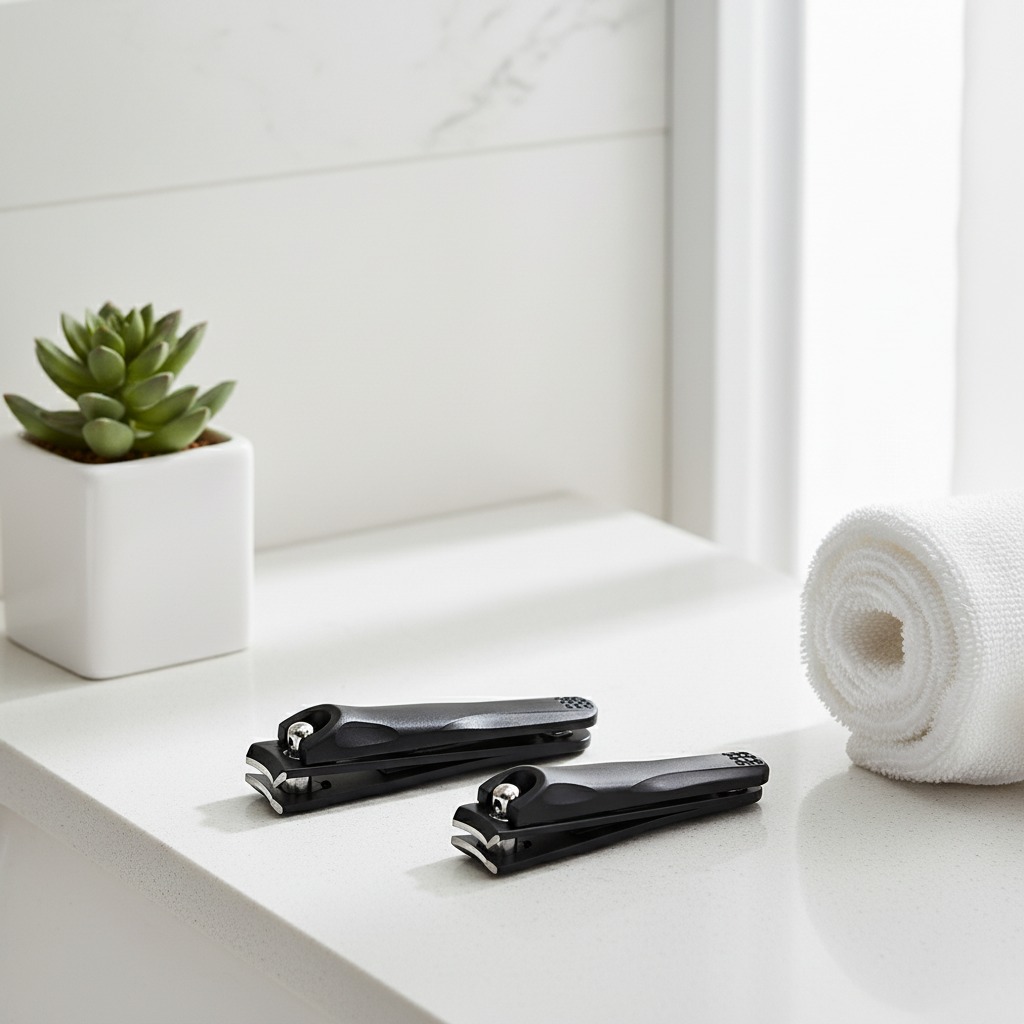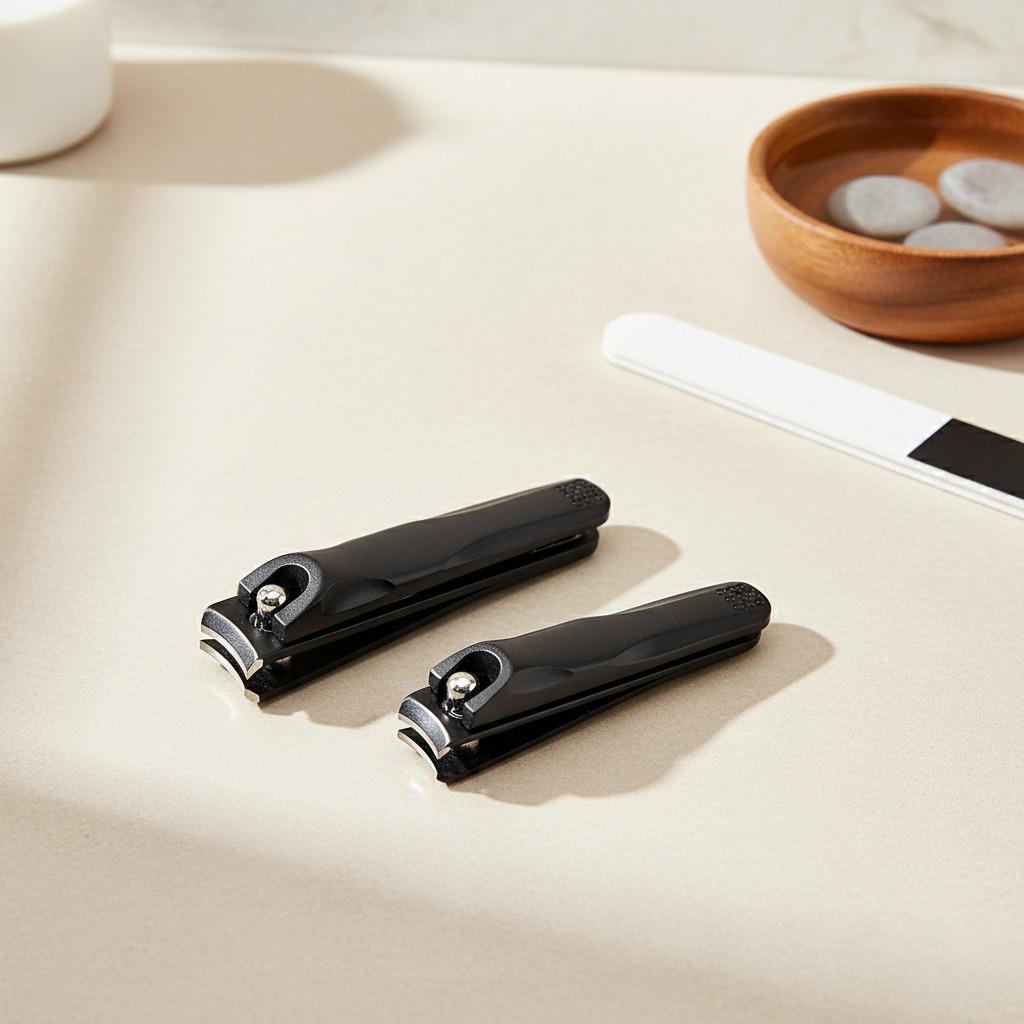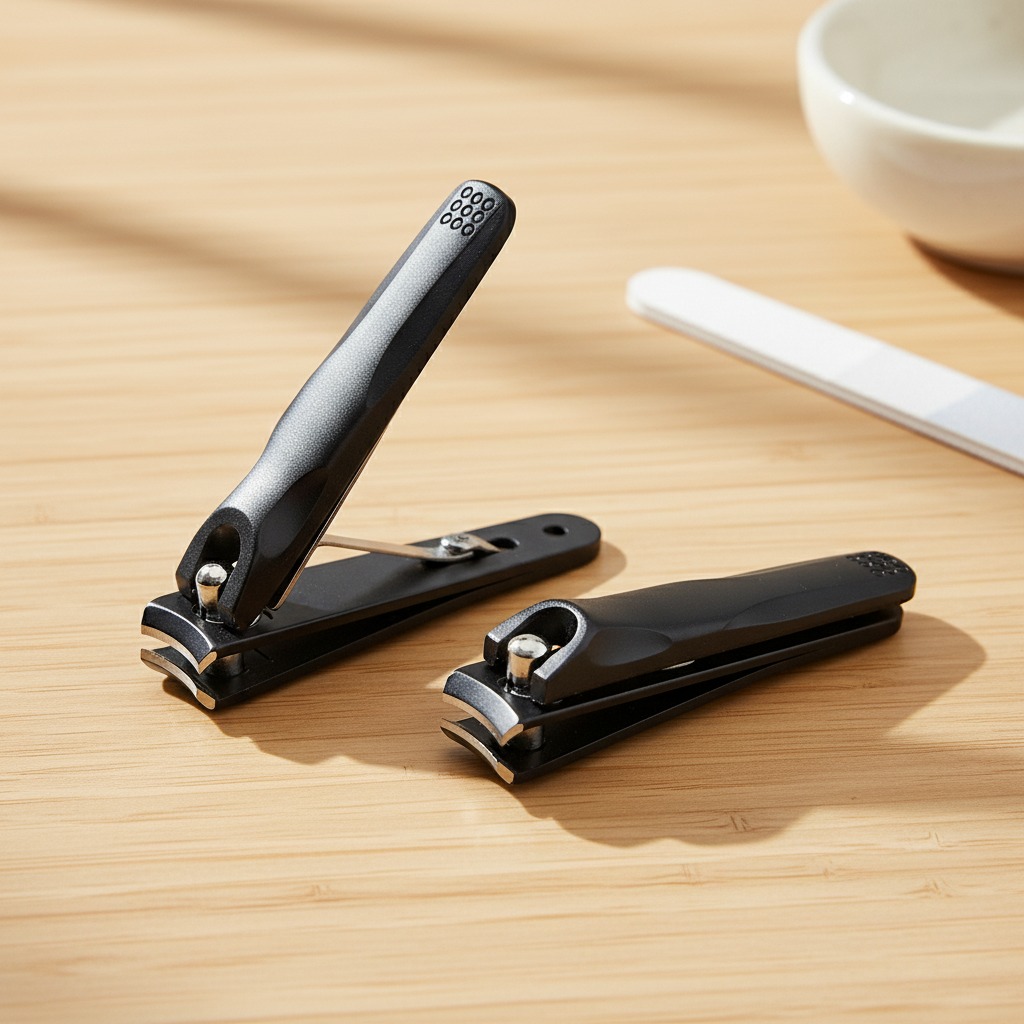












For beauty brands, salons, distributors and grooming tool buyers, tweezers look simple until quality problems appear: tips do not meet evenly, the grip feels slippery, the tension is too weak, or the finish scratches after a few uses. These issues are rarely solved by choosing the lowest price from a catalog. They are solved by understanding who controls the product, how the tool is made, and what questions to ask before placing an order.
A tweezers manufacturer plays a different role from a general supplier, wholesaler or trading company. The manufacturer is closer to the production decisions that shape tip alignment, hand feel, finishing, inspection and packaging readiness. Olimor Beauty focuses on beauty tools, including tweezers such as the SleekMint Point-Tip Tweezers referenced for precision tasks with ultra-fine tips. For buyers comparing options, the goal is not only to find available tweezers, but to find a production partner that can support consistent quality over repeated orders.
Manufacturer, Supplier, Factory and Wholesaler: What Is the Difference?
The word “supplier” is often used loosely, but the role behind the word matters. A tweezers supplier may hold inventory, coordinate shipping or offer a wide range of ready-to-sell products. A wholesaler usually purchases in volume and resells to retailers or smaller distributors. A factory focuses on production, while a manufacturer may combine production management, design input, quality control and order coordination.
None of these roles is automatically better in every situation. A wholesaler can be useful for fast replenishment and mixed product orders. A supplier can help when the buyer needs convenience and variety. A manufacturer becomes especially important when the buyer needs consistent tip performance, custom presentation, repeatable finishing, or OEM support for a brand program.
| Partner type | Best suited for | Main limitation to check |
|---|---|---|
| Tweezers manufacturer | Quality control, repeat orders, design feedback and OEM projects | Production details and sampling process should be clearly reviewed |
| Tweezers supplier | Convenient purchasing and broader product access | May not directly control manufacturing decisions |
| Tweezers factory | Production efficiency and scale | May offer limited branding, design or merchandising support |
| Tweezers wholesaler | Bulk buying and quick resale | Product consistency can vary if sources change |
Why Tweezers Quality Depends on Small Details
With tweezers, the user judges quality in seconds. The tips either meet correctly or they do not. The tension either gives control or causes fatigue. The surface either feels secure in the hand or becomes difficult to use during detailed grooming work. That is why serious buyers should evaluate tweezers as precision beauty tools rather than generic accessories.
Point-tip tweezers, such as the SleekMint Point-Tip Tweezers mentioned in the existing product context, are typically chosen for precision tasks where fine control matters. Ultra-fine tips can help target small hairs or delicate grooming needs, but fine tips also demand careful alignment and protection during packaging and shipping. If the points are too sharp for the intended audience, poorly finished, or misaligned, the product can create complaints even when the visual design looks attractive.
Useful quality questions include: Do the tips close evenly across the contact area? Is the spring tension comfortable for repeated use? Does the grip provide enough control for professional or home users? Are the edges smooth enough for safe handling? Is each piece protected so the tips do not bend in transit? These practical checks are often more useful than broad claims about “premium quality.”
How to Evaluate a Tweezers Manufacturer Before Ordering
A professional sourcing process should combine product samples, documented expectations and realistic use testing. Photographs can show shape and color, but they cannot confirm grip, alignment or tension. Before moving from sample to bulk order, buyers should handle the tool in the way their customers will use it.
- Tip alignment: Close the tweezers slowly and check whether the tips meet evenly without crossing, leaving gaps or twisting.
- Grip and control: Test whether the surface and shape support stable handling, especially for users with lotion, water or powder residue on their hands.
- Tension: Squeeze repeatedly to see whether the resistance feels balanced. Too much tension can tire the hand; too little can reduce control.
- Finish consistency: Inspect several samples, not only one selected piece. Look for scratches, rough edges, uneven coating or visual defects.
- Packaging protection: Confirm whether the tip area is protected during storage and shipping, particularly for point-tip designs.
- Brand presentation: Review logo placement, insert cards, packaging structure and barcode or label requirements if the product will be retail-ready.
Buyers can compare available beauty tool products to understand how tweezers fit within a broader grooming assortment. If the project involves multiple tool types, reviewing product collections can also help align finishes, packaging direction and target customer positioning.
OEM Tweezers: When Customization Makes Sense
OEM tweezers can be valuable for brands that want more than a standard item. Customization may involve logo application, color direction, packaging design, tip style selection or product set planning. The right level of OEM work depends on the buyer’s sales channel. A professional salon supplier may prioritize hand feel and durability. A retail brand may focus on packaging clarity, shelf appearance and user instructions. An e-commerce seller may need compact packaging, clear product photography and strong consistency between batches.
Customization should begin with function, not decoration. A beautiful finish cannot compensate for poor tip alignment. Before discussing branding details, define the intended user and task: brow grooming, fine-hair removal, travel use, professional kit use or giftable beauty accessory. Then decide whether a point tip, slant tip or other tweezer style best matches that use. If a design includes non-slip grips or ergonomic features, test whether those features improve control for the actual audience rather than simply adding visual interest.
For OEM projects, clear approval steps reduce misunderstandings. Keep one approved sample as a reference. Record packaging dimensions, artwork version, color expectations and inspection points. If the product will be sold under your own brand, also consider local labeling rules, warning language and retail compliance requirements for your market.
China Tweezers Manufacturing: Cost Is Only One Part of the Decision
Many buyers compare China tweezers manufacturers because of established production networks and competitive sourcing options. Cost matters, especially for distributors and private label brands, but it should be weighed against repeatability, communication, sampling accuracy and quality control. A low unit price can become expensive if the buyer faces returns, inconsistent batches, damaged tips or packaging that does not fit the sales channel.
When evaluating a manufacturing partner, avoid relying on broad assumptions. Instead, request practical information that helps you compare options fairly: available tweezer styles, sample lead process, packaging choices, logo method options, inspection approach and how changes are confirmed before production. Where specifications are not yet fixed, create a neutral checklist and rank each supplier against the same criteria.
It is also useful to think about the entire order lifecycle. Can the product be reordered with the same look and feel? Can the manufacturer support small design adjustments without changing the core tool performance? Are the communication records clear enough for your purchasing, design and quality teams to follow? These factors often determine whether a first order becomes a reliable long-term program.
Common Buying Mistakes to Avoid
One common mistake is choosing tweezers based only on appearance. Color, shape and packaging are important for merchandising, but performance drives repeat purchase. Another mistake is testing only one sample. Tweezers are small precision tools, so consistency across multiple pieces matters. A third mistake is treating all point-tip tweezers as the same. Ultra-fine tips require careful finishing and protection; they are not ideal if the target customer needs a more forgiving everyday shape.
Buyers should also avoid unclear product briefs. “Good quality tweezers” is not a specification. A better brief describes the target user, tip type, preferred grip feel, packaging needs, branding method, inspection priorities and sales channel. Clear requirements make it easier for a manufacturer to recommend realistic options and for the buyer to compare samples objectively.
Building a Better Tweezers Sourcing Brief
Before contacting a manufacturer, prepare a short sourcing brief. It does not need to be complicated, but it should identify the product purpose and decision criteria. Include the intended customer, retail or professional channel, desired tweezer type, packaging direction, branding needs, quality priorities and expected order timeline. If you are comparing a manufacturer, wholesaler and supplier, send the same brief to each party so responses can be evaluated side by side.
For brands developing a private label tweezer or expanding a beauty tool range, Olimor Beauty can be considered as part of a structured sourcing review. Explore current categories through Olimor beauty tool products, or contact Olimor to discuss the right route for your program. If you already have a clear product brief, you can also send an inquiry with your intended tweezer style, branding needs and packaging expectations.
The best tweezers manufacturer is not simply the one that offers the fastest quote. It is the partner that can translate your customer needs into a consistent tool: tips that align, tension that feels controlled, surfaces that support confident handling, and packaging that protects the product until it reaches the user. By focusing on production control, sampling discipline and practical quality checks, beauty brands and sourcing teams can make better decisions and build a tweezer assortment that customers trust.