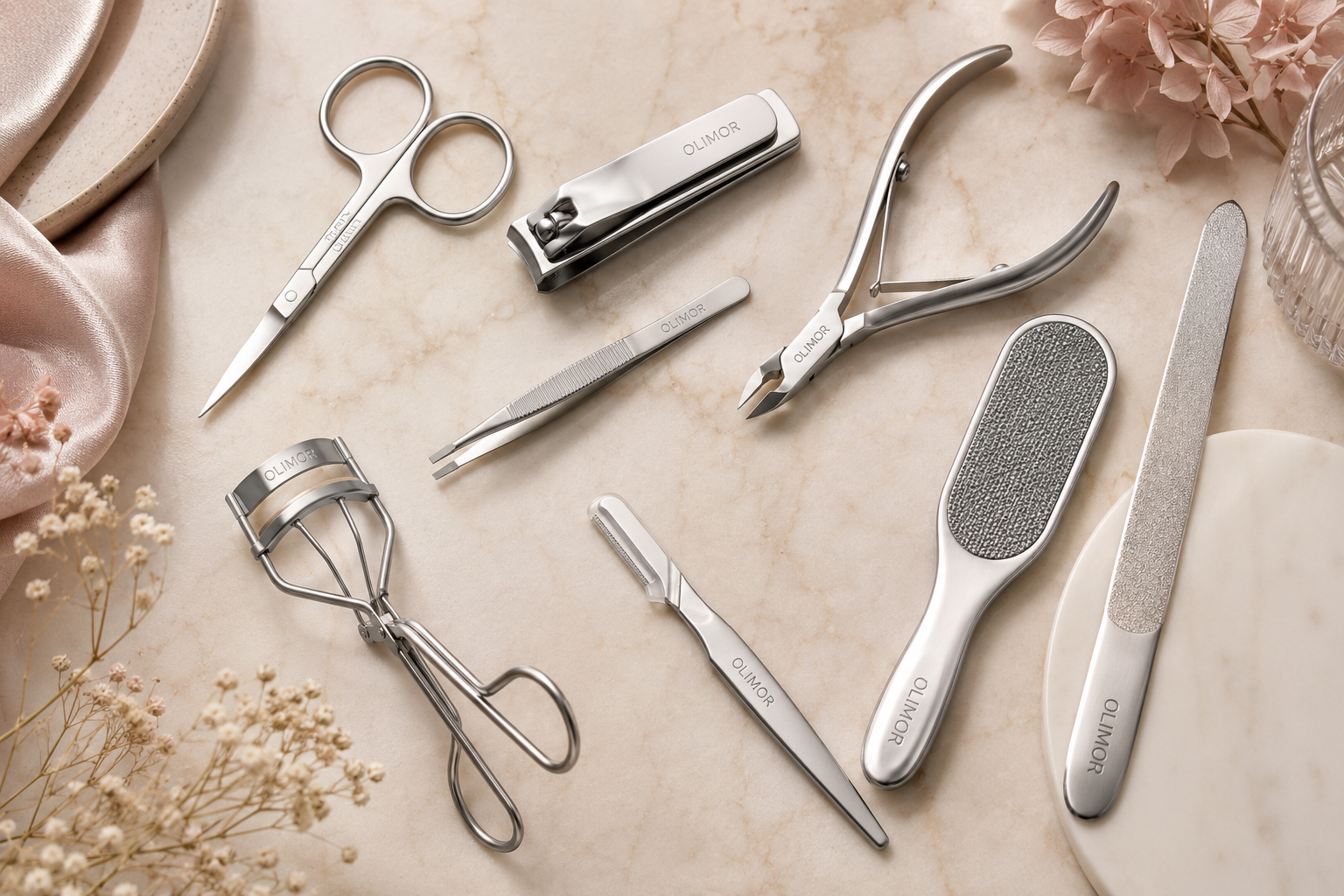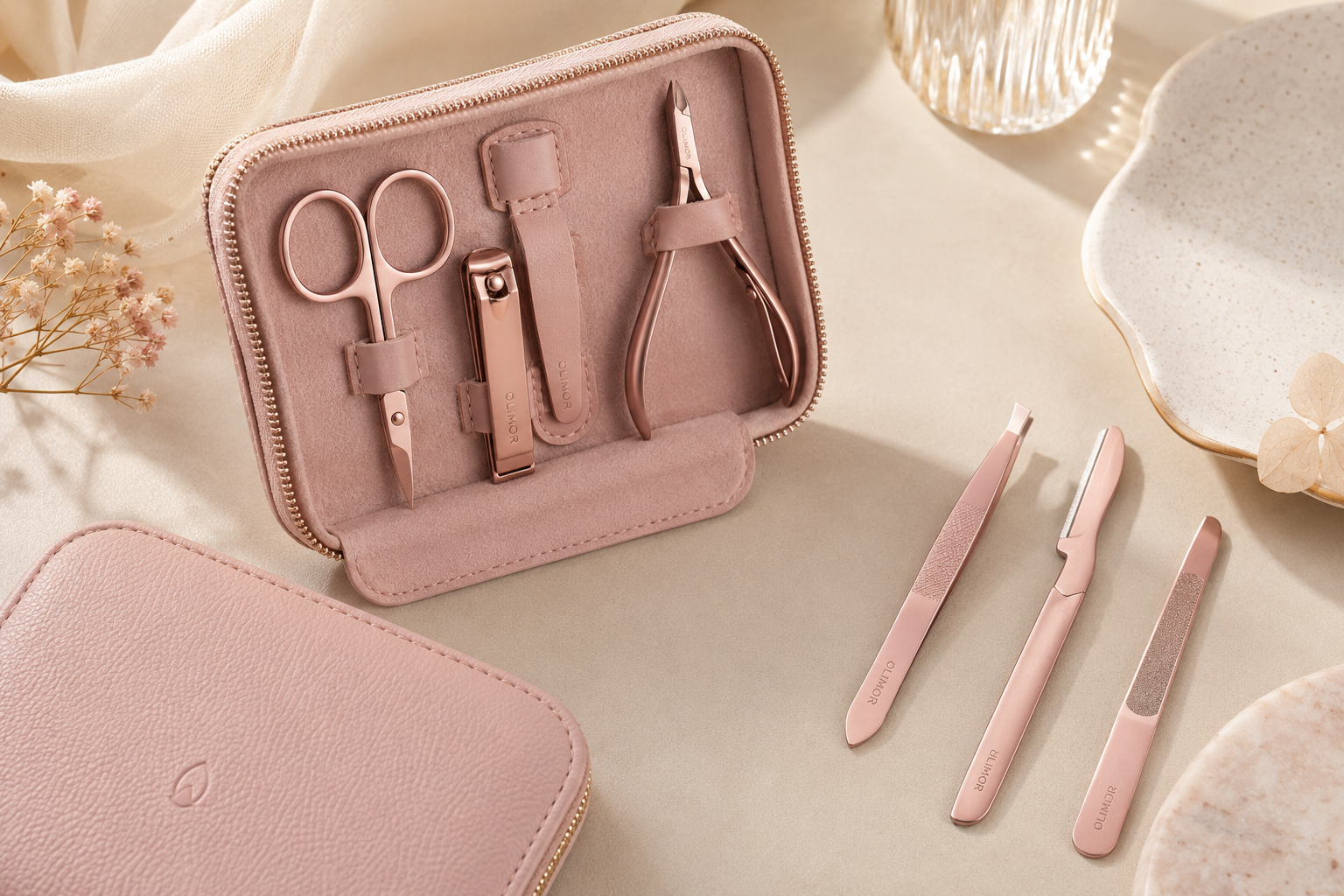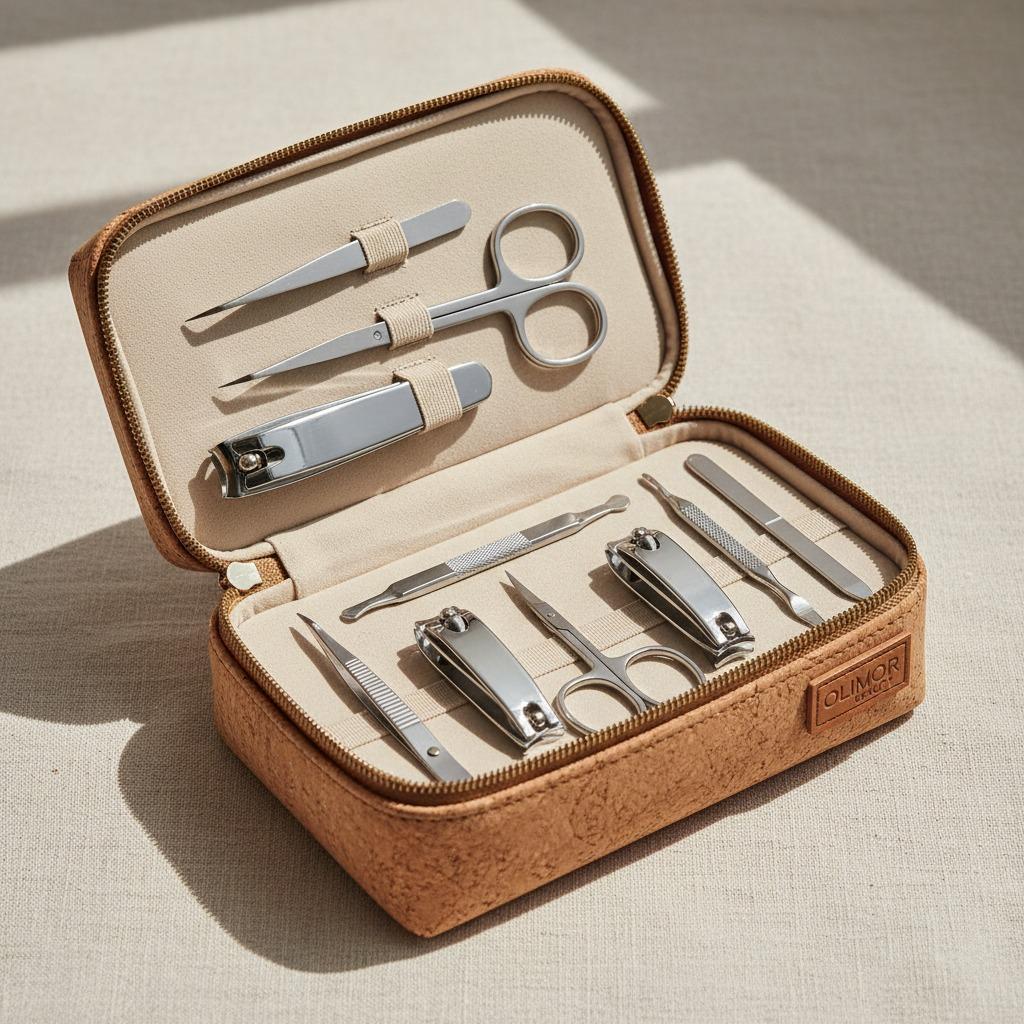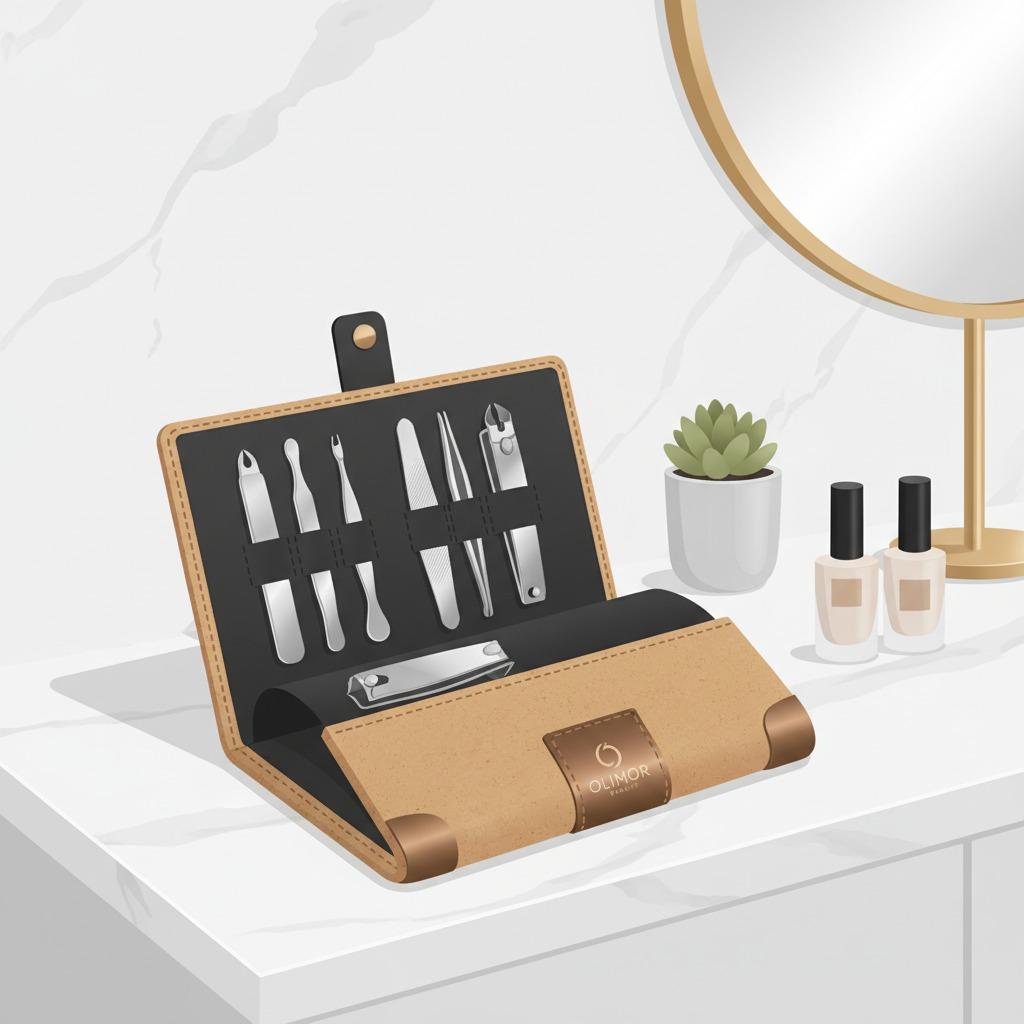











For beauty retailers, distributors, private-label buyers, and grooming product importers, tweezers are small items with a large effect on customer satisfaction. A shopper may not think much about a tweezer before purchase, but they will notice immediately if the tips do not meet cleanly, if the grip slips, or if the tool loses performance after limited use. That makes sourcing decisions especially important for businesses that want repeat sales and fewer quality complaints.
When evaluating tweezers for retailers, the goal is not simply to find a low-cost accessory. The stronger approach is to choose a precision tool that feels reliable in the hand, removes hair cleanly, and supports the reputation of the store or brand selling it. Olimor Beauty focuses on stainless steel tweezers with hand-filed, precisely aligned tips, helping retail and distribution partners offer products that meet everyday grooming expectations.

Why tweezer quality matters in retail beauty assortments
Tweezers are often purchased as an add-on product, a replacement tool, or part of a broader grooming category. Because they are compact and easy to display, retailers may treat them as simple shelf fillers. However, the end user judges them by very practical standards: Can they grab fine hairs? Do the tips close evenly? Is the tension comfortable? Does the finish remain clean after regular bathroom or salon use?
Poorly made tweezers can lead to frustration at the first use. Common issues include misaligned tips, uneven edges, weak tension, rough finishing, or materials that dull or rust too quickly. For a retailer, these problems can create returns, negative product reviews, and weaker confidence in the surrounding beauty tool assortment.
By contrast, a well-made tweezer creates an immediate sense of control. Stainless steel construction, accurate tip contact, and a comfortable shape all contribute to smoother hair removal. These details may seem minor during procurement, but they are exactly the features customers remember after purchase.
Key features to evaluate before buying tweezers for resale
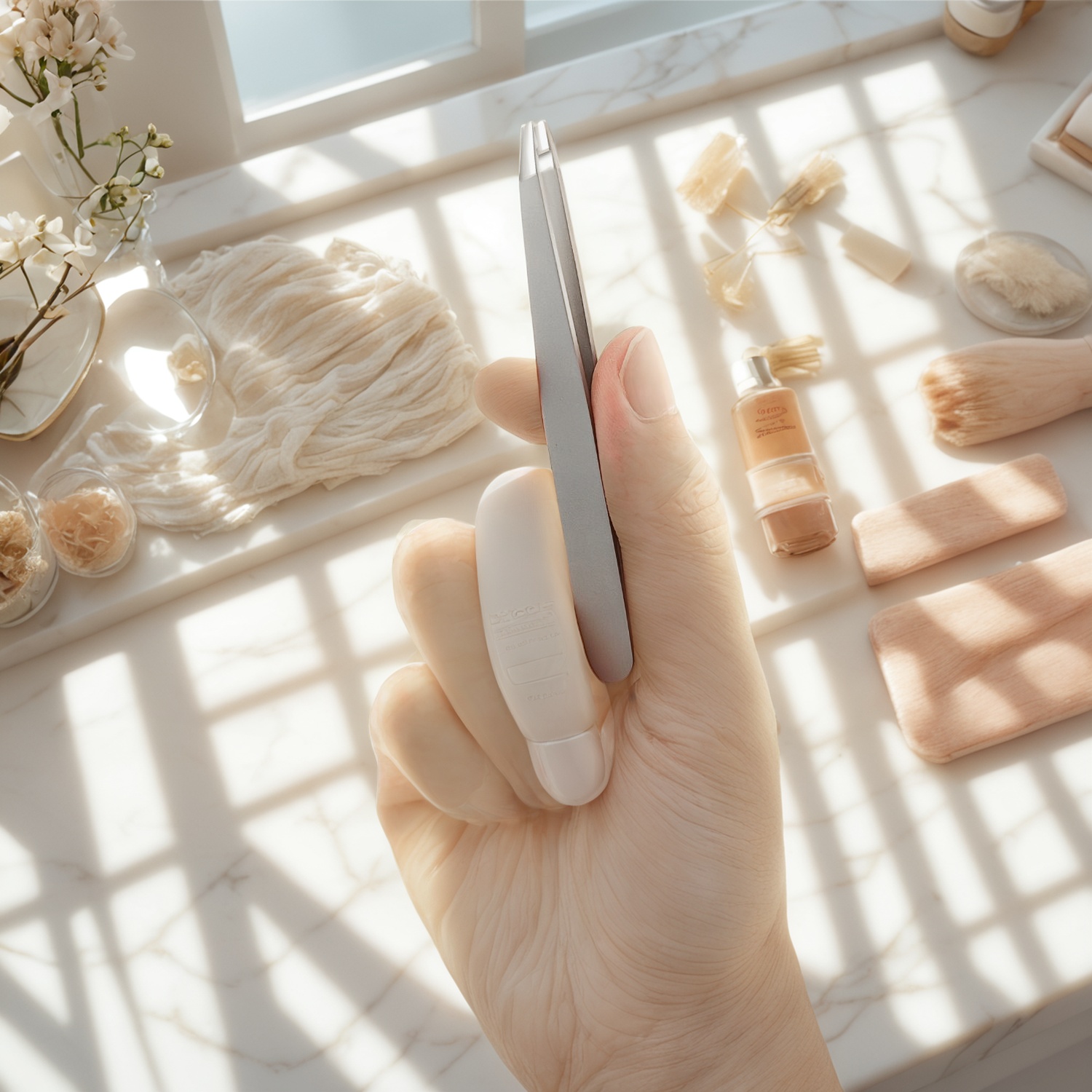
Retail buyers should compare tweezers using hands-on performance checks rather than relying only on photos or broad descriptions. A clean product image can show the silhouette, but it cannot confirm tip alignment, closing tension, or edge consistency. The following checklist can help buyers review samples and compare suppliers more objectively.
- Tip alignment: The two tips should meet evenly without visible gaps, twisting, or offset edges.
- Grip performance: The tweezer should hold fine hair securely without cutting, sliding, or requiring excessive pressure.
- Material choice: Stainless steel is valued in beauty tools because it supports durability and easier cleaning.
- Hand feel: The tool should feel stable, not flimsy, with tension that is firm enough for control but not tiring.
- Surface finish: Edges should feel smooth enough for safe handling, and the finish should look consistent across the batch.
- Packaging suitability: Retail packaging should protect the tips, communicate product value, and fit the intended sales channel.
- Batch consistency: Samples and production units should match in feel, finish, and tip performance.
Olimor Beauty emphasizes hand-filed, precisely aligned tips because this is one of the clearest differences between a useful grooming tool and a disappointing one. For retailers, this detail supports both product performance and brand credibility.
Choosing the right tweezer style for your customer base
Different customers buy tweezers for different grooming tasks. A mass retailer may need a broadly appealing everyday option, while a beauty specialty store may want a more refined product presentation. Distributors may prefer a versatile assortment that can serve pharmacies, salons, department stores, and e-commerce sellers.
Even when exact product specifications vary by order, buyers can use customer intent to guide selection. Slanted tips are commonly associated with general eyebrow maintenance and everyday grooming. Pointed or fine tips are often chosen for more targeted work where careful handling is required. Flat or straight tips may be selected for broader gripping needs. The best choice depends on the end user, the retail price position, and the level of instruction provided on the packaging.
Before finalizing a purchase plan, retailers should consider whether the product will be sold as a single beauty tool, a travel accessory, a salon support item, or part of a broader grooming collection. If you are building a wider range, review Olimor’s beauty tool products to compare how tweezers can sit alongside other categories in a coordinated assortment.
Retailers and distributors need different sourcing priorities
A retailer and a distributor may both purchase tweezers, but their decision criteria are not identical. Retailers often focus on the consumer-facing experience: packaging, shelf appeal, perceived value, and how easily shoppers understand the product’s purpose. Distributors usually place greater weight on consistency, repeatability, carton handling, and the ability to support multiple downstream customers.
The most effective sourcing partner understands both sides. For a retail program, the tweezer must look presentable and perform well from the first use. For distribution, the product must remain consistent across larger orders and repeat shipments. Olimor Beauty applies internal quality control from raw material inspection through final packaging, supporting more dependable outcomes for both business models.
| Buyer type | Main concern | What to check |
|---|---|---|
| Retail chain | Customer satisfaction and shelf presentation | Packaging protection, tip alignment, product instructions, finish consistency |
| Distributor | Reliable supply and repeatable quality | Batch consistency, inspection process, carton readiness, communication workflow |
| E-commerce seller | Low return risk and clear product value | Close-up sample photos, performance testing, protective packaging, accurate descriptions |
| Salon or professional supplier | Comfort and repeated use | Hand feel, grip control, stainless steel finish, ease of cleaning |
What to look for when sourcing tweezers export from China
China remains an important sourcing market for beauty tools, but supplier selection should be handled carefully. The challenge is not only finding a factory that can produce tweezers; it is finding one that can maintain the same standard across samples, production, inspection, and packing. Inconsistent communication, unclear specifications, and weak quality checks can create problems after goods arrive.
Buyers comparing tweezers export from China should document the product requirements before confirming production. This may include the tweezer shape, finish, packaging format, labeling needs, inspection criteria, and acceptable tolerance for visible defects. Clear written standards reduce misunderstanding and make it easier to evaluate whether a shipment matches the approved sample.
It is also useful to review how a supplier handles quality checkpoints. Olimor Beauty’s process includes inspection from raw material through final packaging, which helps reduce the risk of alignment problems, surface defects, or packing issues reaching the customer. For importers and distributors, this kind of process control can be more valuable than choosing a supplier based only on the lowest quotation.
Packaging and presentation: protecting the tips and the sale
For tweezers, packaging has two jobs. First, it must present the product clearly to the buyer. Second, it must protect the precision tips. A tweezer with well-aligned tips can lose value if the tips are damaged during handling, shipping, or display. That is why packaging should be considered part of the product, not an afterthought.
Retailers should evaluate whether the package allows shoppers to understand the tool type quickly. If the product is sold online, the packaging and product description should communicate the tip style, intended use, and material in simple terms. If it is sold in-store, the package should be compact enough for merchandising while still protecting the tweezer from unnecessary contact.
For buyers developing a coordinated beauty tools range, Olimor’s product collections can help show how different tools may be grouped for retail planning. Consistency across product presentation can make a beauty tool section easier to shop and easier to reorder.
Maintenance guidance that helps customers get better results
Retailers can reduce complaints by giving customers clear care guidance. Tweezers are simple tools, but their performance depends on keeping the tips clean, dry, and protected. A small instruction card or concise packaging text can help users understand how to maintain precision over time.
- Clean the tips after use to remove residue from skin care products, makeup, or natural oils.
- Dry the tweezer before storage, especially if it is used in a bathroom or treatment room.
- Store the tool with a tip cover or inside protective packaging when possible.
- Avoid dropping the tweezer, as impact can affect tip alignment.
- Use the tweezer for its intended grooming purpose rather than as a general household tool.
These small instructions support the product’s long-term performance and help customers understand that precision tools require reasonable care. They also make the retailer look more professional by offering practical advice instead of only a product claim.
Building a dependable tweezer program with Olimor Beauty
A successful tweezer program balances product quality, customer use case, packaging, and supplier reliability. For beauty retailers, the right tweezer can become a dependable repeat-purchase item. For distributors, consistent quality helps protect relationships with downstream customers. For e-commerce sellers, accurate performance and presentation reduce the chance of poor reviews.
Olimor Beauty offers precision beauty tweezers made with stainless steel, hand-filed aligned tips, ergonomic designs, and internal quality control from raw material inspection to final packaging. These facts matter because the end user experiences tweezer quality at the smallest point of contact: the tips. If the tips perform well, the entire product feels more trustworthy.
If you are reviewing tweezers for retailers, comparing products for distributors, or planning a beauty tool sourcing project, prepare your target market, packaging needs, and quality expectations before ordering. To discuss available options, contact Olimor or send an inquiry with your purchasing requirements. A clear brief helps match the right tweezer selection to your sales channel and customer expectations.