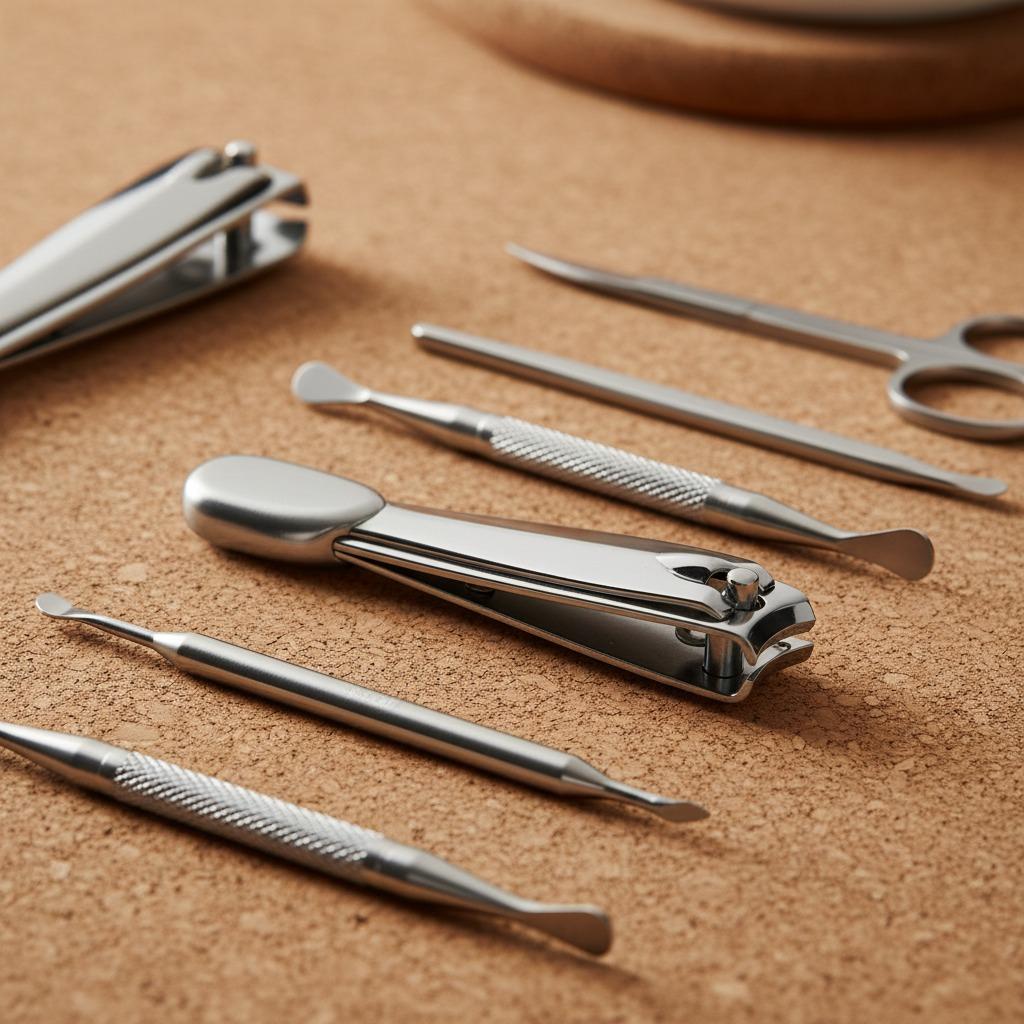











Tweezers for distributors are small products, but they carry a large responsibility in a beauty tool range. Retailers expect them to look clean on the shelf, feel accurate in the hand and perform reliably for daily grooming tasks. End users may judge the entire brand by whether the tips meet evenly, grip fine hair and remain comfortable after repeated use. For distributors, that means tweezer sourcing should not be treated as a simple commodity purchase.
This guide explains how to evaluate tweezers for retailers, salon supply, e-commerce bundles and broader beauty tool programs. It focuses on practical buying decisions: product types, material and finish, inspection points, packaging choices, supplier communication and how to reduce avoidable quality problems before goods reach the market.
Why Tweezers Matter in a Distributor Product Line
Tweezers are often low-ticket items, but they can be high-frequency purchases. They fit into multiple channels, including beauty retailers, pharmacies, salon suppliers, travel accessory ranges, manicure sets, eyebrow grooming kits and promotional beauty collections. Because they are compact and easy to merchandise, they can support both standalone sales and bundled product strategies.
For distributors, the value of a tweezer line comes from consistency. A retailer does not want one batch that grips perfectly and another that feels loose or misaligned. The sourcing priority is not only finding an attractive unit cost; it is building a repeatable supply flow with predictable quality, packaging and delivery documentation. Olimor Beauty works in the beauty tool category, and buyers can review related beauty tool products when planning a broader assortment around grooming accessories.
Choosing the Right Tweezer Types for Retailers
Before discussing suppliers, define the product mix. A distributor selling into mass retail may need broad, easy-to-understand shapes. A salon or brow-focused channel may require more precise tip styles. E-commerce sellers may prefer sets that explain the use of each tweezer clearly on the product page and packaging.
Common selection considerations include:
- Tip shape: Slant tips are widely used for eyebrow grooming because they can grip individual hairs while remaining easy for general consumers to handle. Pointed tips are better suited for precision work but require clearer usage guidance. Flat tips can be useful for broader gripping tasks.
- Hand feel: A tweezer should offer controlled tension. If it is too stiff, it becomes tiring; if it is too loose, it may not grip reliably.
- Alignment: The two tips should meet evenly. Misalignment is one of the most visible quality issues and can quickly lead to returns or poor reviews.
- Surface finish: A clean finish supports shelf appeal and helps the tool feel more refined in the hand. Distributors should also consider whether a matte, polished or coated appearance best fits the target channel.
- Packaging format: Carded packaging, pouches, boxes or kit packaging can influence perceived value, shipping protection and retail display options.
If your business serves multiple market levels, avoid building the entire assortment around one style. A balanced range may include a reliable everyday slant tweezer, a precision option and a set suitable for gifting or travel.
Material, Finish and Ergonomic Buying Criteria
The original product direction for Olimor Beauty highlights stainless steel tools and ergonomic design for ease of use. For a distributor, those two areas are important starting points, but they still need to be translated into measurable purchasing criteria. Stainless steel is commonly used for beauty tools because it can provide a clean appearance and suitable durability for grooming applications, but buyers should still define expectations for finish, corrosion resistance, tip grinding and packaging protection.
Ergonomics should also be judged practically. A tweezer does not need a complicated shape to feel comfortable. It needs a body width, spring tension and grip surface that allow controlled pressure without slipping. For retailers, the product should be simple enough for first-time users but precise enough to satisfy experienced grooming customers.
Quality Inspection Points Before Distribution
Quality assurance for tweezers should be specific. General promises are less useful than a checklist that can be used during sample approval, pre-shipment review and incoming warehouse inspection. The table below outlines practical checkpoints distributors can adapt to their own standards.
| Inspection Area | What to Check | Why It Matters |
|---|---|---|
| Tip alignment | Tips meet evenly with no visible gap when closed | Directly affects hair gripping performance |
| Grip test | Test on fine fibers or sample material appropriate to the intended use | Confirms practical performance beyond appearance |
| Spring tension | Open and close repeatedly to assess resistance and comfort | Reduces user fatigue and complaints |
| Edges and corners | Check for burrs, sharp unintended edges or rough finishing | Improves safety, comfort and perceived quality |
| Surface finish | Review polish, coating, marks, discoloration and consistency | Affects retail presentation and brand image |
| Packaging condition | Confirm labels, inserts, barcodes and protective packing are correct | Prevents retail delays and repacking costs |
Distributors should keep approved samples and compare production goods against them. This makes communication easier when resolving differences in finish, tension or packaging. If a product will be sold under a private label or retailer-specific program, approval samples should represent the final packaging as well as the tool itself.
Sourcing Tweezers Export from China
Tweezers export from China is attractive to many distributors because the country has a broad manufacturing base for beauty tools, packaging and export logistics. However, the best sourcing results come from precise specifications rather than broad product descriptions. Instead of asking only for “good quality tweezers,” buyers should define the intended market, retail price level, packaging style, finish preference and inspection priorities.
When comparing potential suppliers, consider the following sourcing questions:
- Does the supplier understand the target channel? Tweezers for a discount retail program may require different packaging and finish choices than tweezers for a professional salon distributor.
- Are samples consistent with production expectations? A sample should not be evaluated only for appearance; test tip alignment, tension and actual gripping performance.
- Can packaging be prepared for your market? Confirm barcode placement, warning text, language requirements and carton labeling before production.
- How are inspections handled? Identify which checks occur during production and which are completed before shipment.
- What documentation is needed? Different countries and retailers may request different import, packaging or product information. Prepare these requirements early.
For buyers comparing grooming tools, accessories and possible bundle items, Olimor’s product collections can help frame an assortment rather than treating tweezers as an isolated purchase.
Packaging and Merchandising Decisions
Packaging affects both product protection and sell-through. A well-made tweezer can still underperform if the packaging does not communicate the tip type, intended use or value clearly. Distributors should choose packaging based on the sales environment. Hanging cards can work well for retail walls. Small boxes may suit gift sets or higher perceived value. Pouches can support travel kits or bundled grooming sets.
Important packaging decisions include whether the tweezer tip is protected, whether the customer can see the finish, how instructions are presented and whether the pack size fits the retailer’s shelf system. For e-commerce, packaging must also survive parcel handling and look acceptable when the consumer opens the shipment. If the product is part of a larger beauty kit, confirm that the tweezer does not scratch nearby items during transport.
Brand presentation should be clear but not overloaded. Retail customers usually want to know the type of tweezer, the primary use and any care instructions. For distributor programs, consistent packaging architecture across related tools can make the full line easier for retailers to merchandise.
Building a Distributor Assortment Strategy
A strong tweezer program should match the customers you serve. If your customers are pharmacies and general retailers, prioritize simple product naming, visible tip shapes and accessible packaging. If your customers are salon suppliers, focus more on precision feel, repeated-use comfort and professional presentation. If your customers are online sellers, consider how the product photographs, how clearly its use can be described and whether sets reduce customer confusion.
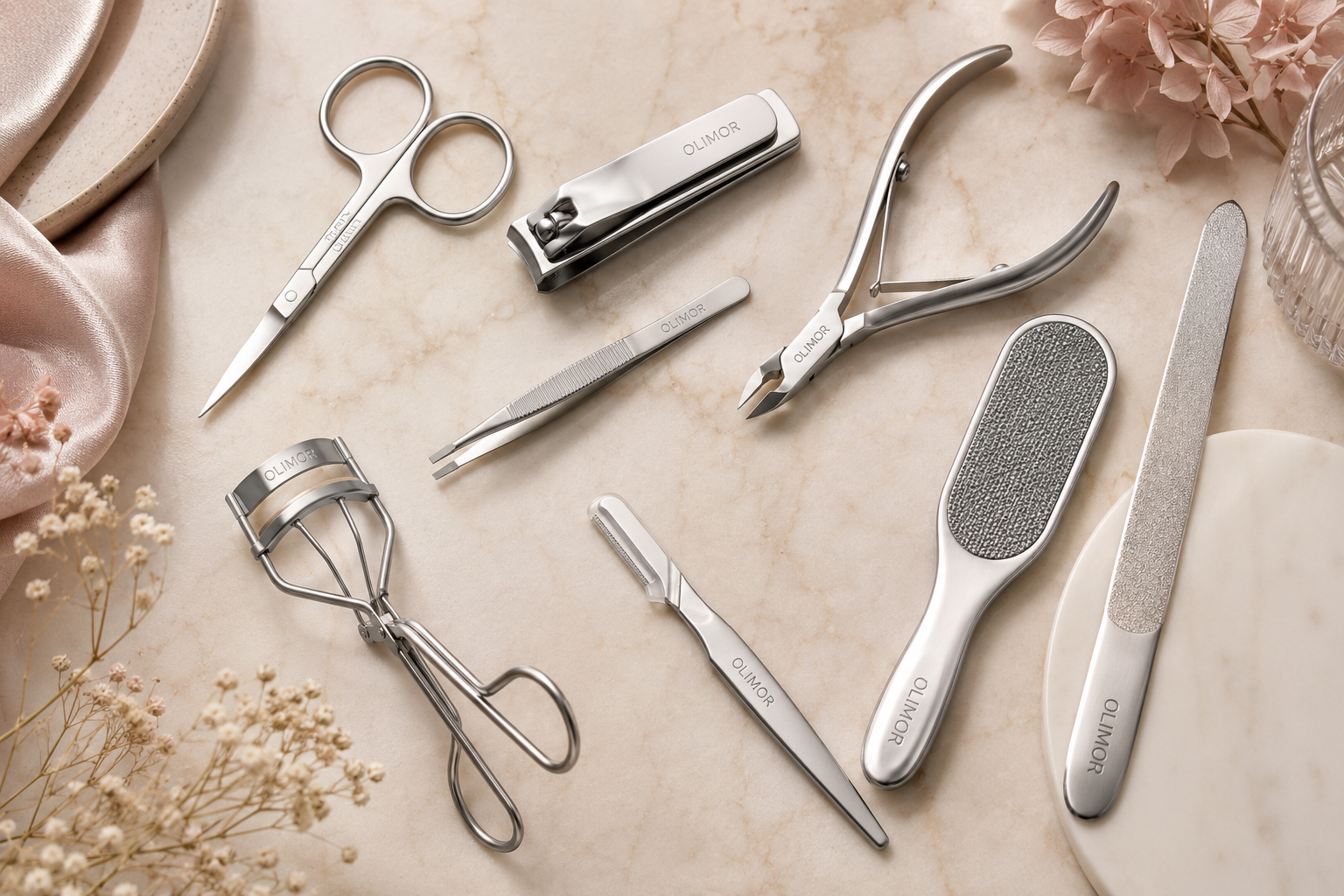
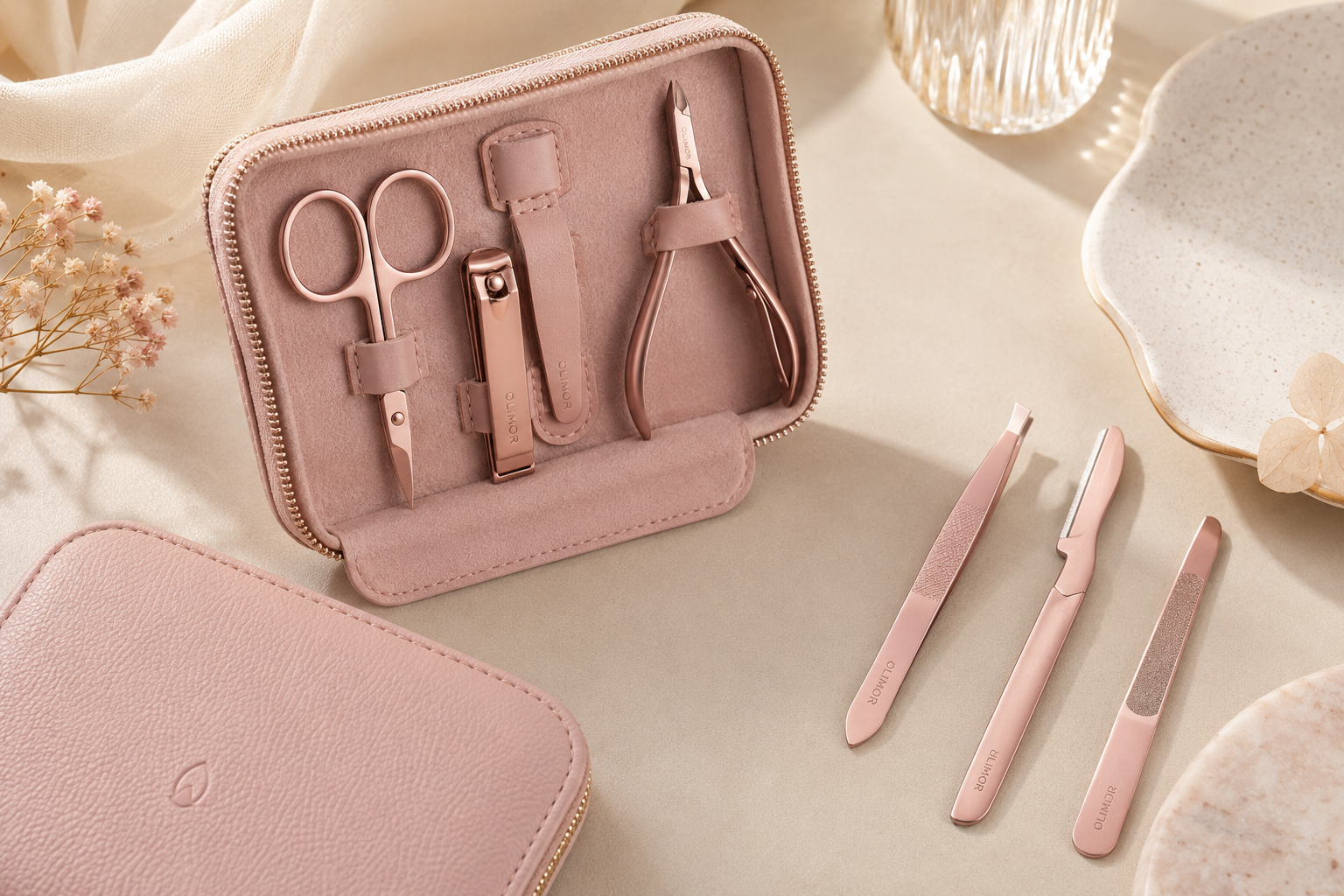
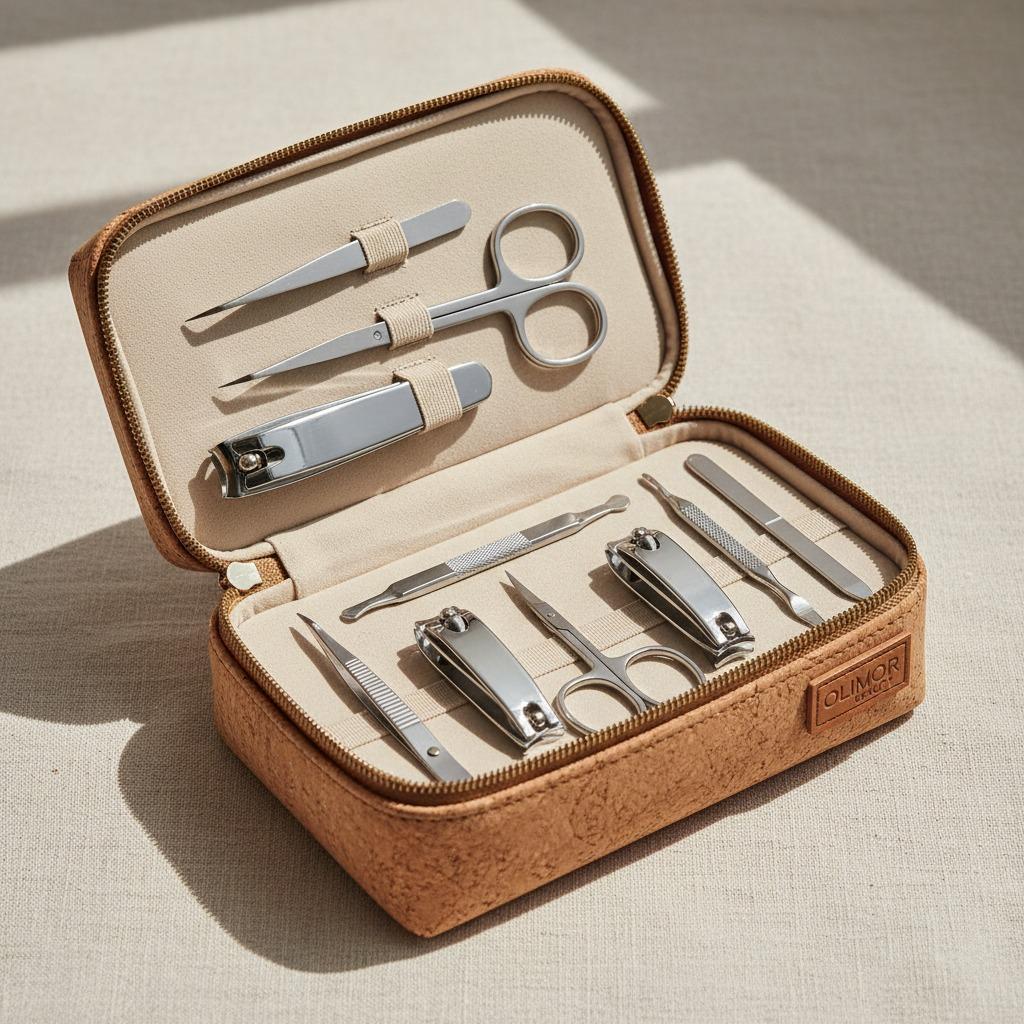
Distributors can also use tweezers to support larger beauty tool sales. For example, an eyebrow grooming section may include tweezers alongside scissors, facial razors, lash tools or manicure accessories, depending on the market. A travel grooming kit may use a tweezer as one practical component in a compact range. The key is to avoid random assortment building. Each item should have a purpose, a target buyer and a clear position in the price ladder.
Care Guidance That Reduces Returns
Clear care guidance helps protect customer satisfaction. Many tweezer complaints come from misuse, poor storage or lack of cleaning. Distributors can reduce these problems by including simple instructions in packaging, product pages or retailer training materials.
- Keep the tips protected when the tweezer is stored in a bag or drawer.
- Wipe the tool after use and keep it dry before storage.
- Avoid dropping the tweezer, as impact can affect tip alignment.
- Use the correct tip style for the task; pointed tips require more careful handling than general slant tips.
- Do not use cosmetic tweezers for heavy-duty non-beauty tasks that may bend the tips.
These instructions are simple, but they help customers understand that precision tools need basic care. For distributors, better consumer education can mean fewer avoidable returns and stronger repeat orders from retail partners.
Working with Olimor Beauty on Tweezer Sourcing
When sourcing tweezers for distributors, the goal is to combine practical product design, consistent inspection and packaging that fits the target market. Olimor Beauty’s focus on beauty tools makes it a relevant partner for buyers building retail, salon or export assortments. The most productive sourcing conversations begin with a clear brief: target country, retail channel, preferred tip type, finish direction, packaging format and any retailer compliance requirements.
If you are planning a new tweezer program, refreshing an existing range or comparing options for tweezers export from China, prepare your product checklist before requesting samples. This will make sample evaluation faster and help ensure that pricing comparisons are based on equivalent expectations. To discuss a sourcing plan, contact Olimor or send an inquiry with your intended market, packaging needs and product mix.
For distributors, the right tweezer is not simply the lowest-cost tool available. It is the product that fits the sales channel, performs consistently, arrives in suitable packaging and supports the reputation of the retailer or brand behind it. Careful selection at the sourcing stage is the most effective way to build a tweezer line that customers reorder with confidence.