










Stainless steel tweezers are small tools, but their quality has an immediate effect on hair removal comfort, grooming accuracy and customer satisfaction. A good tweezer should grip close to the root, hold the hair securely, align cleanly at the tips and feel stable in the hand. When the tips slip, flex unevenly or pinch the skin, users tend to repeat the same pull, apply more pressure or break the hair above the root.
For beauty brands, distributors, salons and private-label buyers, tweezers should be evaluated as precision grooming tools rather than low-value accessories. Olimor Beauty focuses on stainless steel tweezer tools for everyday grooming, eyebrow shaping and small facial hair corrections. The practical goal is control: helping the user isolate one hair, grip it accurately and remove it with fewer repeated attempts.
This guide explains how to compare tweezer features, inspect samples, reduce breakage during use, maintain performance and evaluate suppliers for commercial beauty tool programs. Buyers comparing broader beauty tool products can use these criteria to decide whether a tweezer is suitable for a retail set, salon kit, promotional assortment or private-label range.
Why Tweezer Quality Matters for Hair Protection
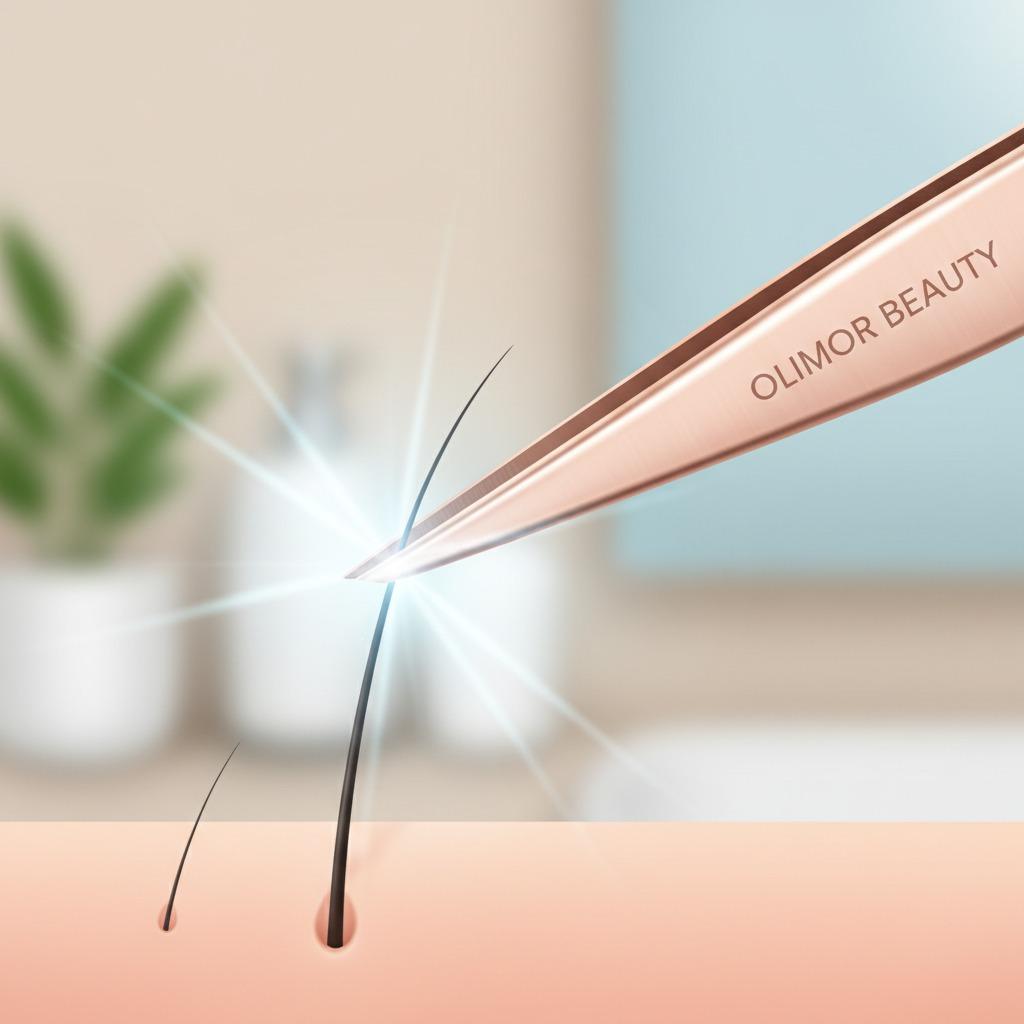
Hair breakage during tweezing often starts at the point of grip. If the tweezer tips do not meet evenly, the hair may slide instead of being held. If the gripping edge is rough, dull or inconsistent, the user may catch the strand too high or scrape the surrounding skin. If the tweezer body is too stiff or unstable, the user may lose accuracy just as pressure is applied.
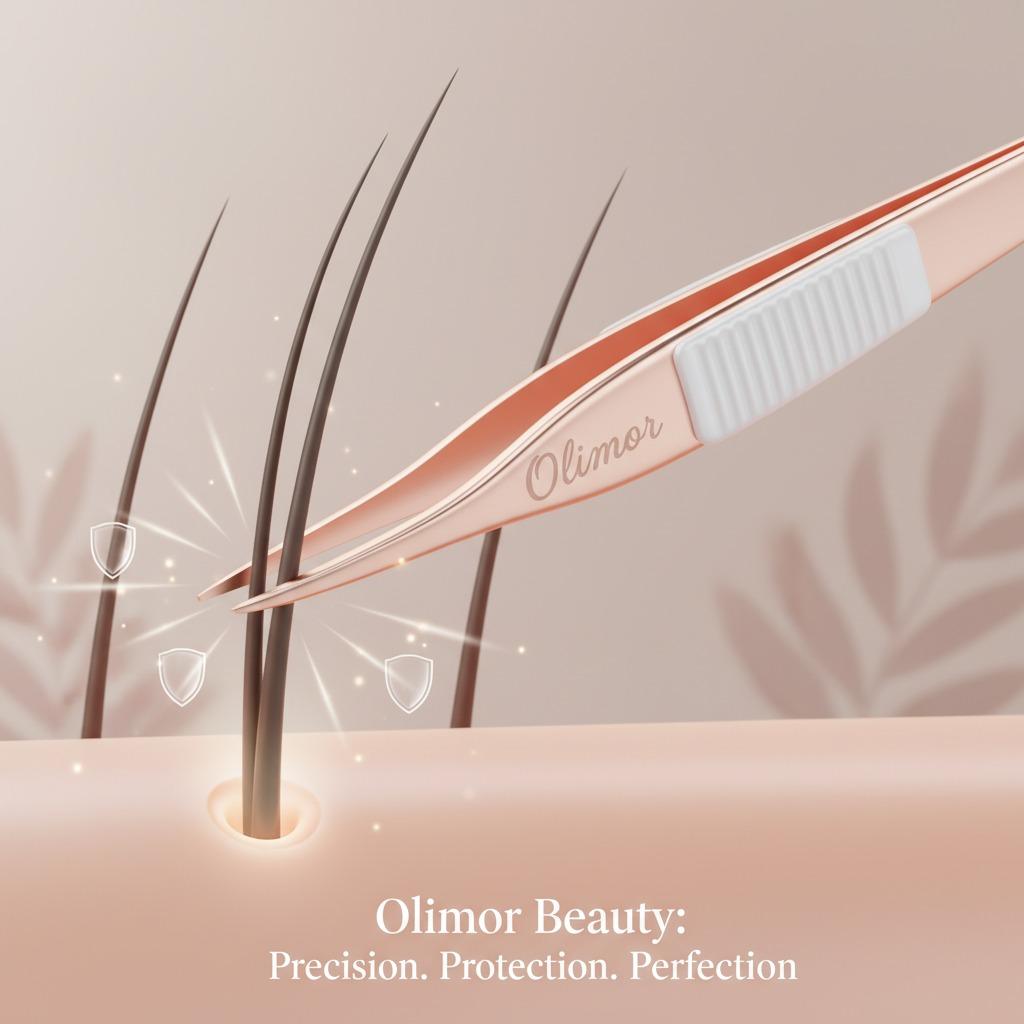
A more controlled tweezer supports hair protection in three practical ways. First, aligned tips create better contact across the gripping surface. This helps the user hold fine or short hairs without excessive force. Second, a clean edge finish allows the tool to catch the target hair without dragging across the skin. Third, balanced body tension improves hand control, especially around the brow line, upper lip or other small facial areas where over-plucking is easy.
Stainless steel is widely used for beauty tweezers because it can be wiped clean and is suitable for repeated cosmetic handling. It still needs proper care: users should clean residue from the tips, dry the tool after exposure to moisture and store it so the tips are protected. For B2B buyers, stainless steel construction, surface finish, tip alignment and packaging protection should be reviewed together because all four influence the final user experience.
How to Choose the Right Tweezer for the Grooming Task
The best tweezer is not simply the sharpest or most attractive one. Selection depends on the hair type, the grooming area, the user skill level and the sales channel. A tweezer for eyebrow shaping must allow accurate visibility and controlled removal of individual hairs. A general facial grooming tweezer should balance precision with comfort for repeated use. A compact kit tweezer should be protected well enough to remain aligned through transport, display and storage.
When reviewing a tweezer sample, start with the core performance factors below.
- Tip alignment: The two tips should meet evenly without visible twisting, gaps or offset contact.
- Grip security: The tweezer should hold fine hairs or suitable sample fibers without requiring excessive hand pressure.
- Edge finish: The gripping area should feel controlled, not jagged, rough or overly aggressive against the skin.
- Body tension: The tweezer should open and close smoothly. Too much stiffness can reduce accuracy; too little tension can feel weak.
- Hand comfort: The shape should be easy to press and release during repeated grooming motions.
- Surface cleanliness: Smooth stainless steel surfaces are easier to wipe after use and easier for customers to understand as hygienic grooming tools.
- Tip protection: A cap, sleeve or secure packaging helps prevent damage before the product reaches the user.
Appearance still matters for retail, but color, finish and packaging should not hide weak gripping performance. A customer usually judges a tweezer on the first use. If it slips on a short brow hair, the perceived value of the entire beauty tool set can fall quickly.
Comparison Guide: Tweezer Features and Buyer Priorities
Different sales channels place different weight on precision, packaging, cost control and presentation. The table below can help buyers compare samples in a practical way without relying only on catalog images.
| Feature to Review | What to Check | Why It Matters for Users | B2B Buying Note |
|---|---|---|---|
| Tip alignment | Close the tips under good lighting and check whether the contact is even. | Even contact reduces slipping and repeated pulling. | Inspect multiple samples, not just one display piece. |
| Grip on fine hair | Test on fine hairs or appropriate demonstration fibers. | Fine facial hairs are where weak tweezers often fail first. | Use the same test method when comparing suppliers. |
| Body tension | Open and close the tweezer repeatedly to judge resistance. | Stable tension helps the hand stay accurate. | Reject samples that feel inconsistent across pieces. |
| Edge condition | Look for roughness, burrs or uneven gripping surfaces. | Clean edges help avoid scraping and skin pinching. | Ask how tips are protected during packing and shipping. |
| Packaging protection | Check whether the tips can move, strike other tools or bend in transit. | Damaged tips reduce performance before first use. | Important for sets, travel kits and retail display packs. |
| Cleaning instructions | Confirm that use and care guidance is clear. | Better care keeps the tool cleaner and more reliable. | Useful for reducing customer complaints and returns. |
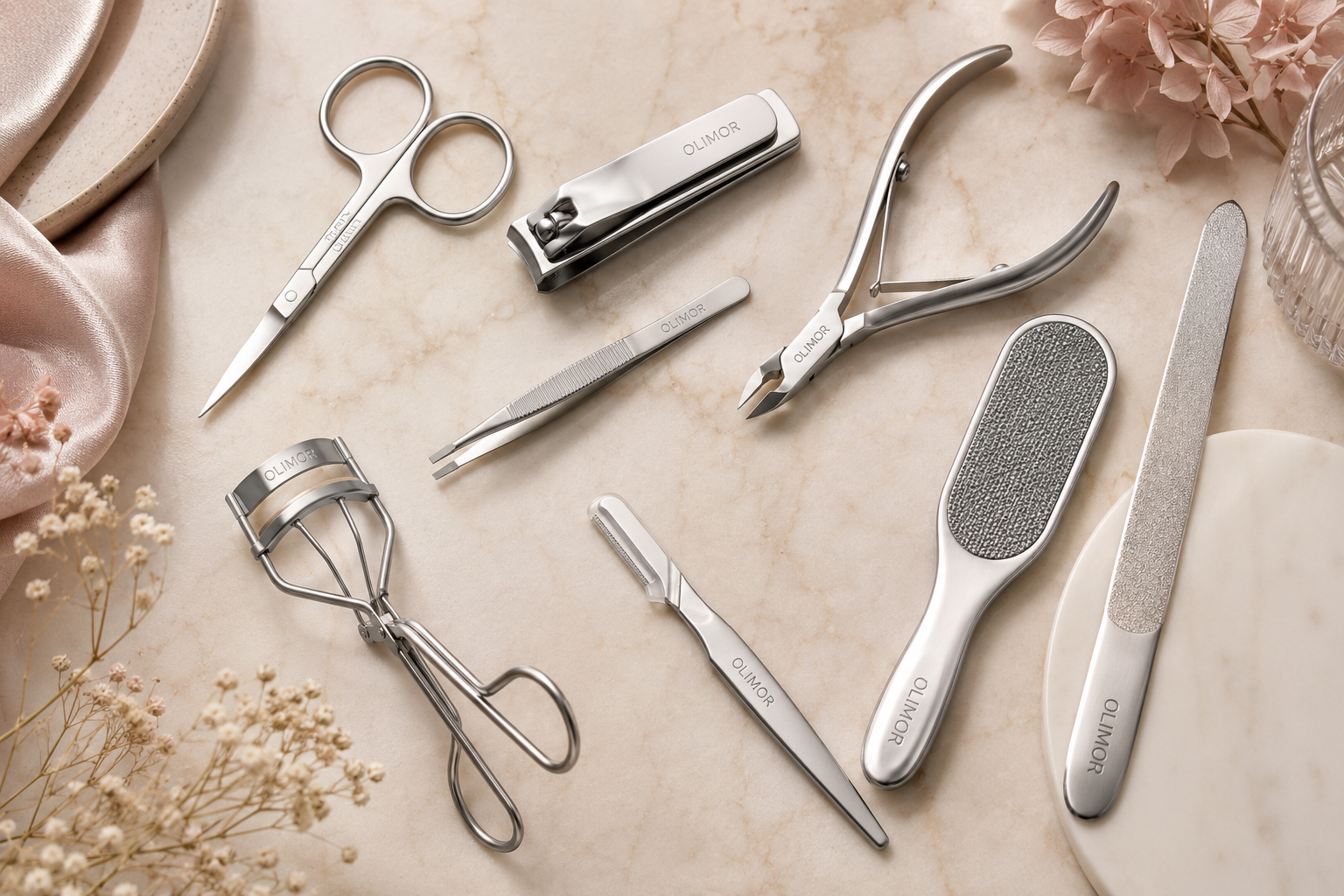
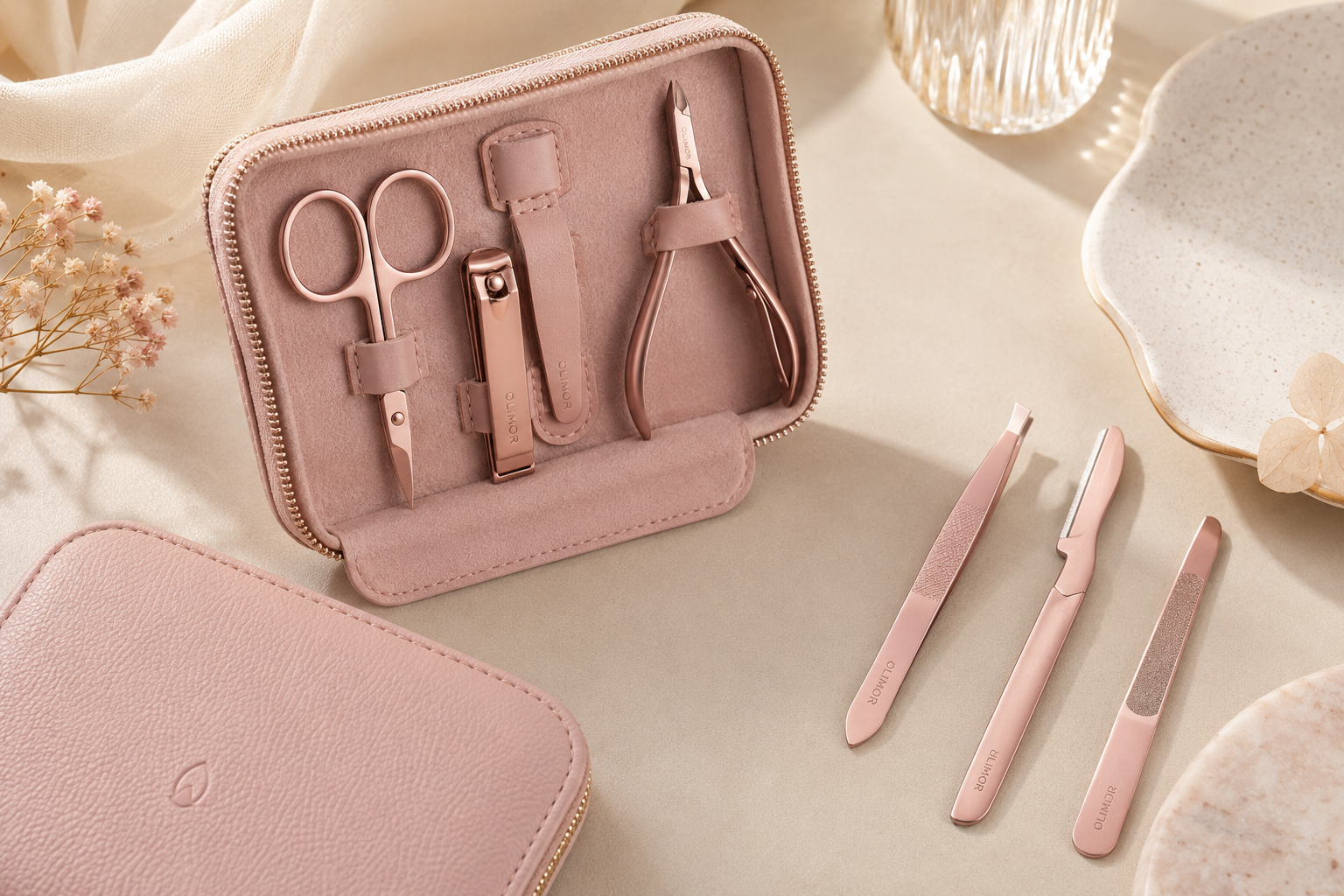
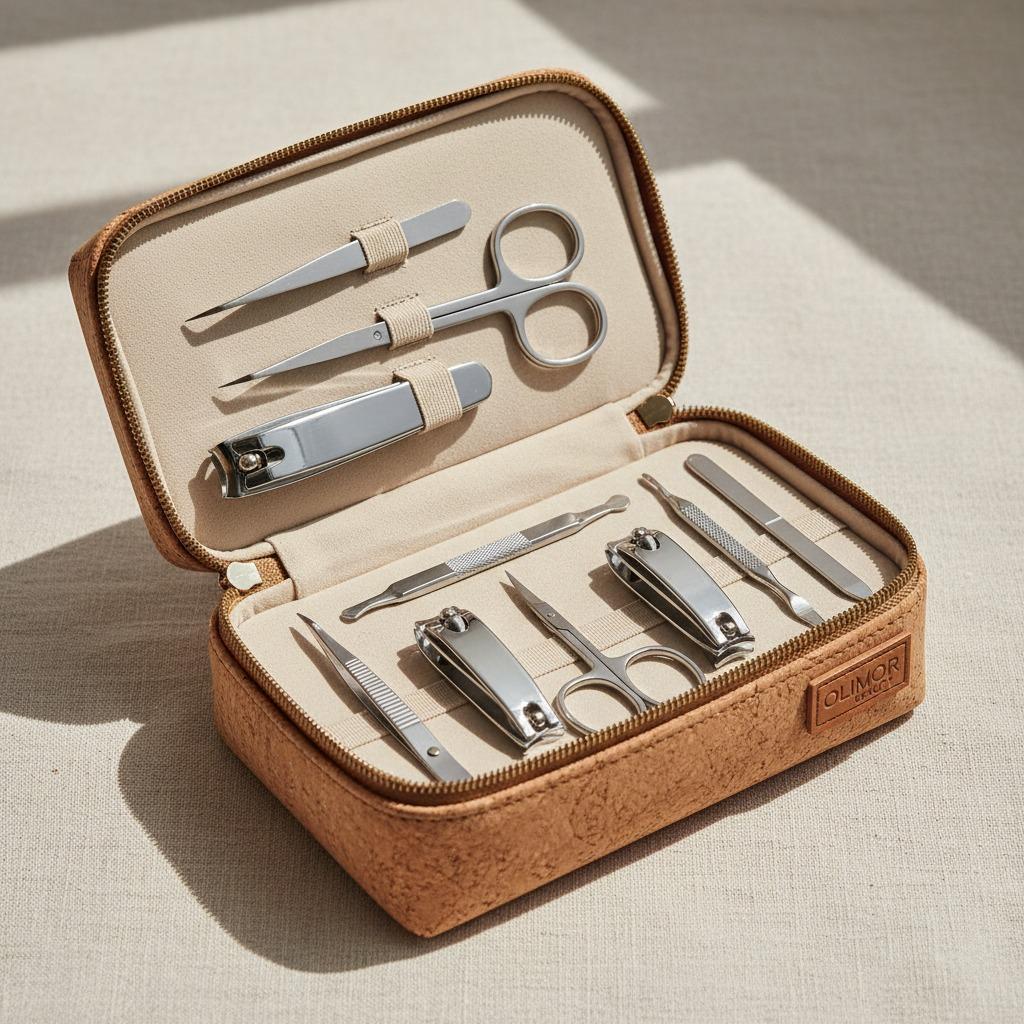
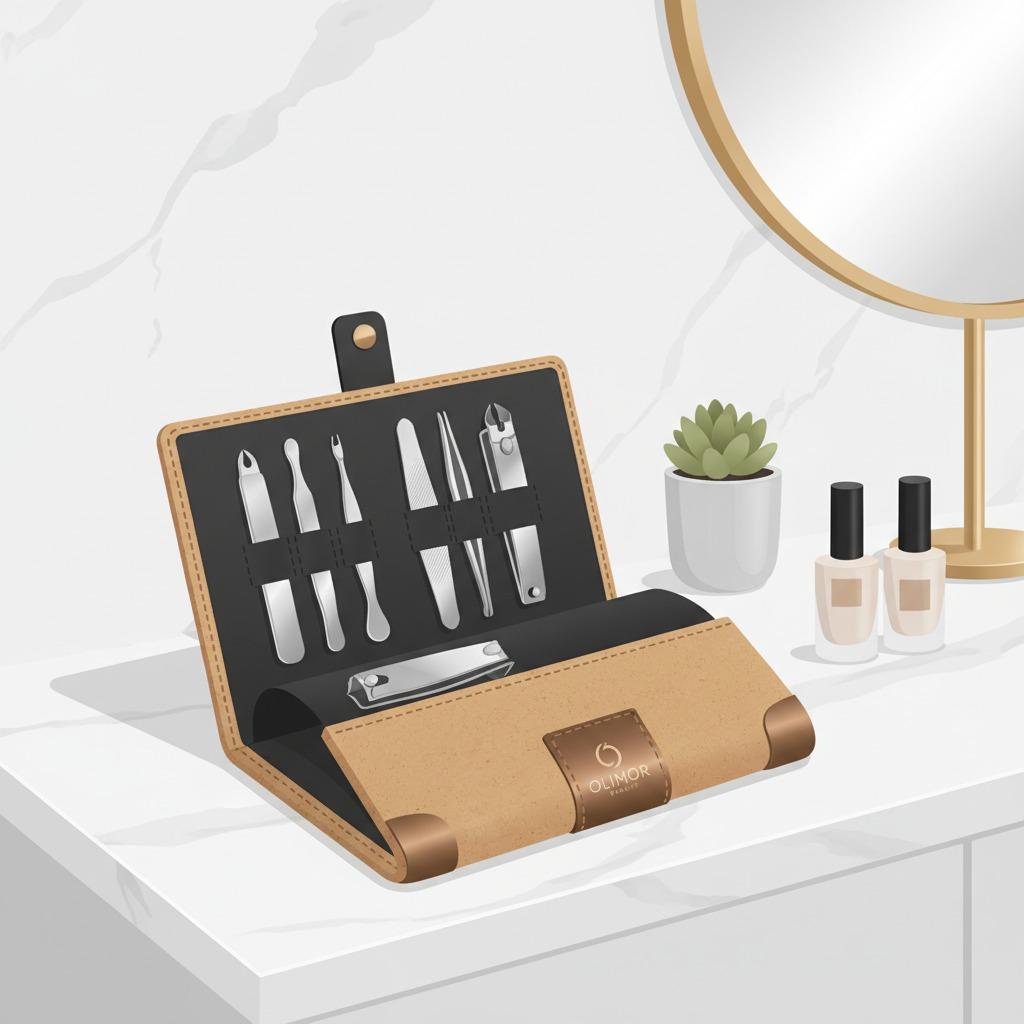
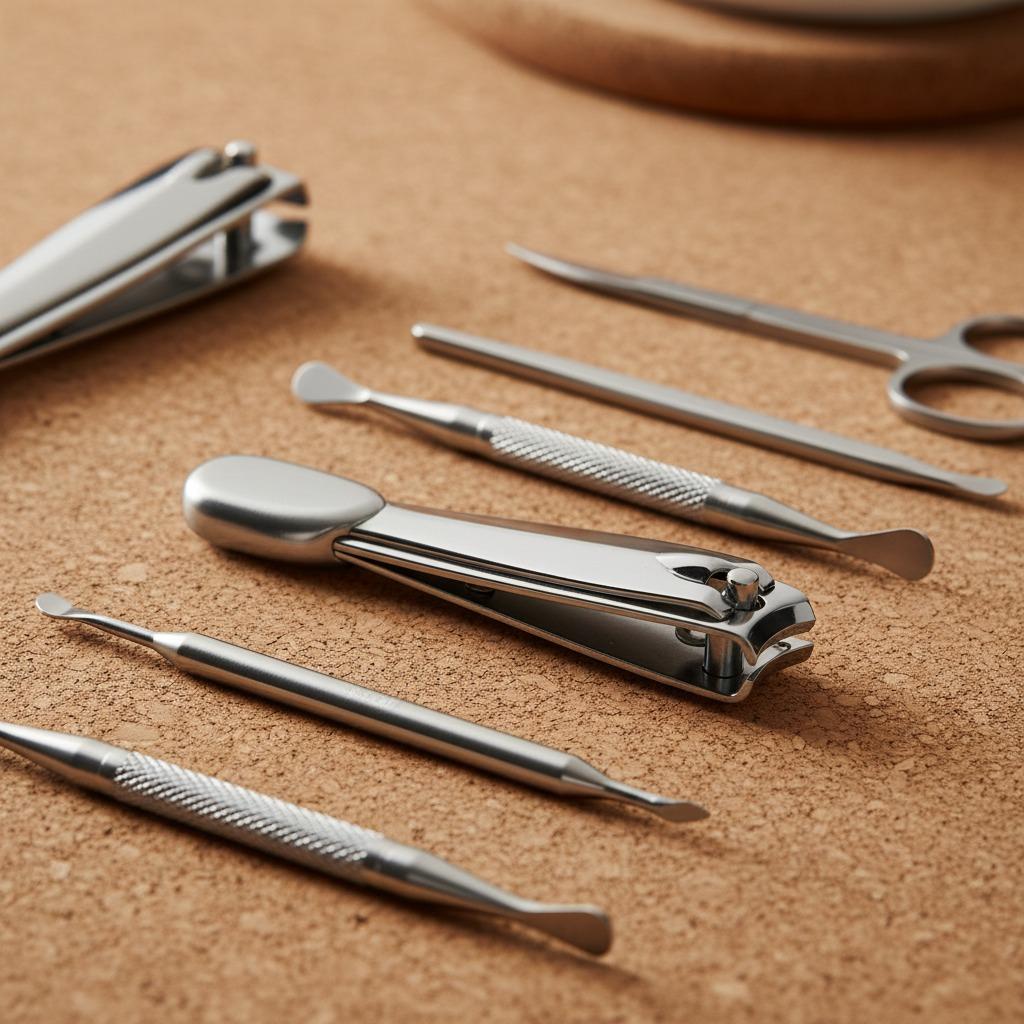
This comparison is especially useful when selecting products for beauty tool collections, where tweezers may be sold alongside scissors, nail tools, lash tools or compact grooming accessories. In a set, each item affects the perceived quality of the whole assortment.
How to Use Tweezers Without Causing Unnecessary Breakage
Tool quality matters, but technique matters too. Even a well-aligned stainless steel tweezer can break hair if the user grips too far from the root, pulls against the natural direction of growth or repeatedly attacks the same area. Clear use instructions can improve customer satisfaction and help salons train staff on consistent grooming routines.
- Clean the skin first. Remove makeup, oil or skincare residue so the tweezer grips the hair rather than sliding on product buildup.
- Use good lighting. Clear visibility helps isolate one hair at a time and prevents accidental over-plucking.
- Hold skin gently taut. Light tension can make it easier to grip close to the root and may reduce discomfort.
- Grip near the base. Catch the hair as close to the skin surface as practical without pinching the skin.
- Pull in the direction of growth. A smooth, controlled pull is usually better than a fast upward jerk.
- Pause and check balance. For eyebrows, step back between corrections to avoid removing too much from one side.
- Clean after use. Wipe the tips, remove residue and dry the tool before storage.
Retail packaging can summarize these steps in simple language. For professional kits, a more detailed instruction card may be useful, particularly where staff members use multiple grooming tools in one service environment.
Common Tweezer Problems and Practical Fixes
When a customer says a tweezer does not work, the complaint usually points to a specific performance issue. Understanding the likely cause helps buyers screen samples and helps users decide whether technique, cleaning or replacement is the right answer.
Hair slips out during pulling
Slipping often means the tips are not meeting evenly, the gripping surface is worn or residue is preventing clean contact. Clean and dry the tips first. If slipping continues on multiple hairs, inspect alignment under good lighting. A tool with visibly bent or uneven tips should not be relied on for precision brow work.
Hair snaps above the root
Breakage may happen when the user grips too far from the base, pulls too quickly or uses a tweezer that applies uneven pressure. The practical fix is to clean the area, grip closer to the root and pull in the direction of growth. If breakage continues with correct technique, the tweezer may lack adequate tip contact.
The tool pinches skin
Skin pinching can result from poor visibility, rushing, rough edges or inaccurate tip control. Users should work slowly, keep the skin lightly taut and avoid digging into the skin surface. Buyers should reject samples with rough or inconsistent gripping edges.
The tweezer feels tiring to use
Hand fatigue often comes from excessive stiffness or an uncomfortable body shape. This matters for salons and frequent brow maintenance because fatigue reduces accuracy. During sourcing, open and close the tool repeatedly rather than judging it only by first impression.
Inspection Checklist for B2B Sourcing
For brands, wholesalers and retailers, a tweezer program should be evaluated through repeatable inspection steps. A beautiful finish is not enough if the tool fails on fine hair. Before approving a product for retail, private label or kit assembly, review the following checklist.
- Confirm stainless steel construction and inspect the surface for visible defects, stains, sharp unwanted edges or inconsistent finishing.
- Check tip alignment from the front and side under strong, even lighting.
- Close the tweezer gently and confirm that both sides make controlled contact.
- Test grip on fine hairs or suitable sample fibers using the same method across all supplier samples.
- Assess whether the body tension remains comfortable after repeated open-and-close motions.
- Confirm that the tips are protected during individual packing, bulk transport and retail display.
- Review whether the product can include clear user guidance for cleaning, drying, storage and safe cosmetic use.
- Ask the supplier how customization, packaging artwork and assortment planning are handled, without assuming that every option is available for every product.
- Request current supplier documents that apply to your market and product category.
Consumer product requirements vary by destination market. Depending on where the tweezers are sold, buyers may need to consider rules or guidance from public bodies such as the U.S. Consumer Product Safety Commission or applicable European Union product safety requirements, including the General Product Safety Regulation. Always verify current versions, market obligations and supplier documentation before placing an order. This guidance does not imply that any specific Olimor product carries a certification unless that documentation is provided for the order.
Cost Factors: What Affects Tweezer Value Without Reducing Quality
Tweezer cost is influenced by more than the metal itself. Buyers comparing quotations should look at the total value of the finished product and the risk of customer complaints. A lower unit cost may not be beneficial if the tips arrive damaged, grip is inconsistent or packaging does not protect the tool.
Common cost factors include material selection, forming and finishing steps, tip work, surface treatment, packaging complexity, order customization, inspection requirements and assortment configuration. For example, a tweezer sold alone may need retail-ready packaging and stronger visual presentation. A tweezer included in a multi-tool kit may need tip protection that prevents contact with other metal items. A private-label program may involve additional artwork, labeling and sample confirmation before production.
Buyers should compare suppliers by asking practical questions: Are sample pieces consistent? Are the tips protected in transit? Does the supplier understand cosmetic grooming use? Can packaging instructions be adapted for the target market? Are product images and physical samples aligned? These questions are more useful than choosing only by the lowest quotation.
Maintenance and Storage for Longer Performance
Tweezers are often damaged after purchase because users store them loosely in drawers, makeup bags or salon stations. When the tips strike scissors, nail tools, lash curlers or other metal accessories, alignment can change even if the damage is small. Once the tips bend, chip or lose clean contact, gripping performance becomes less predictable.
After each use, the tips should be wiped clean. If water or cleaning solution is used, the tool should be dried before storage. Users should avoid dropping the tweezer on hard surfaces and should use a protective cap or sleeve when supplied. A tweezer intended for facial grooming should not be used to open packaging, scrape adhesive, lift craft materials or perform other non-cosmetic tasks. These uses can dull the gripping edge and transfer residue back to the skin.
For retailers and salons, simple care instructions are a practical way to protect customer satisfaction. A short printed card or packaging panel can remind users to clean, dry and store the tweezer safely. This is a small detail, but it reinforces the idea that a precision grooming tool needs proper handling.
Working With a Tweezer Supplier
A reliable tweezer supplier should help buyers move from general interest to a suitable product choice. That may include discussing the intended sales channel, packaging format, target user, grooming application and customization needs. For Olimor Beauty stainless steel tweezer tools, the focus is on practical grooming control, everyday handling and product details that matter at the point of use.
Before confirming an order, request samples where appropriate, review product appearance and handling, inspect tip alignment and confirm packaging protection. If the tweezers are part of a wider range, compare them with the rest of the assortment so quality feels consistent across the set. Buyers planning a new program can send a product inquiry with application details, packaging expectations and customization questions. For broader cooperation or sourcing discussion, contact Olimor Beauty for current product information and order requirements.
FAQ: Samples, MOQ, Customization, Quality and Lead Time
Can buyers request tweezer samples before ordering?
Sample availability depends on the product, customization requirements and current supplier arrangements. Buyers should use samples to check tip alignment, grip, finish, body tension and packaging protection before approving a program.
What is the MOQ for stainless steel tweezers?
MOQ can vary by product style, packaging choice and customization needs. Confirm the current requirement with Olimor Beauty before planning retail pricing, launch timing or assortment quantities.
Can tweezers be customized for private-label beauty programs?
Customization may involve product finish, packaging, branding or assortment planning, depending on the selected item and order conditions. Buyers should provide artwork needs, target market and packaging expectations early so feasibility can be reviewed.
How should quality be checked before shipment?
Quality review should include visual inspection, tip alignment checks, grip testing, tension assessment and packaging protection review. Buyers should also verify any current documents required for their destination market and sales channel.
What affects lead time for tweezer orders?
Lead time may be affected by sample approval, product availability, customization, packaging materials, inspection requirements and order volume. Confirm current timing directly during inquiry rather than relying on assumptions.
A Better Tweezer Starts With Control
Effective hair protection is not only about aftercare. It begins with removing each hair cleanly and avoiding unnecessary stress on the strand and surrounding skin. A stainless steel tweezer with aligned tips, comfortable tension, clean edges and protected packaging helps users work with more confidence and fewer repeated pulls.
For commercial buyers, the right tweezer should be evaluated through handling, inspection and end-user practicality. Prioritize grip, alignment, maintenance guidance and supplier communication. These details turn a simple grooming accessory into a dependable beauty tool that supports daily eyebrow shaping, facial hair removal and compact grooming kits.