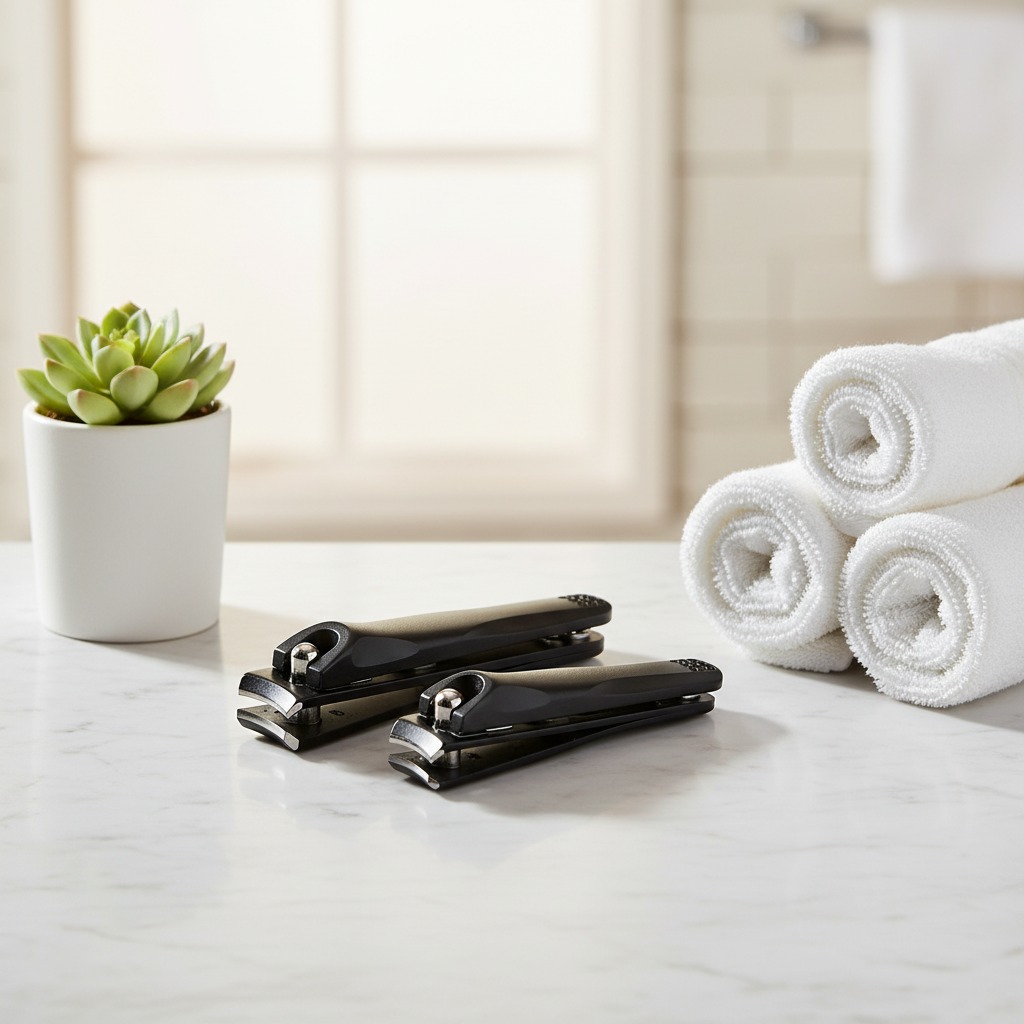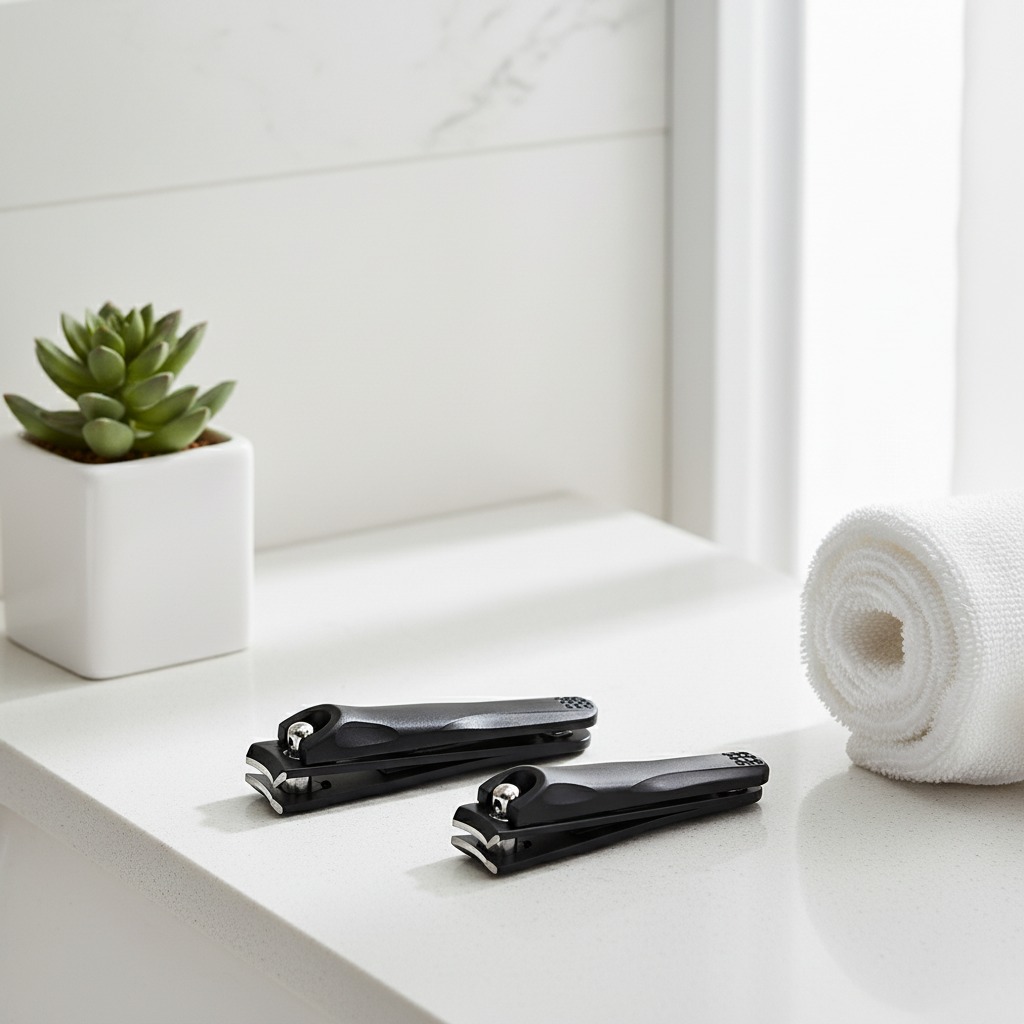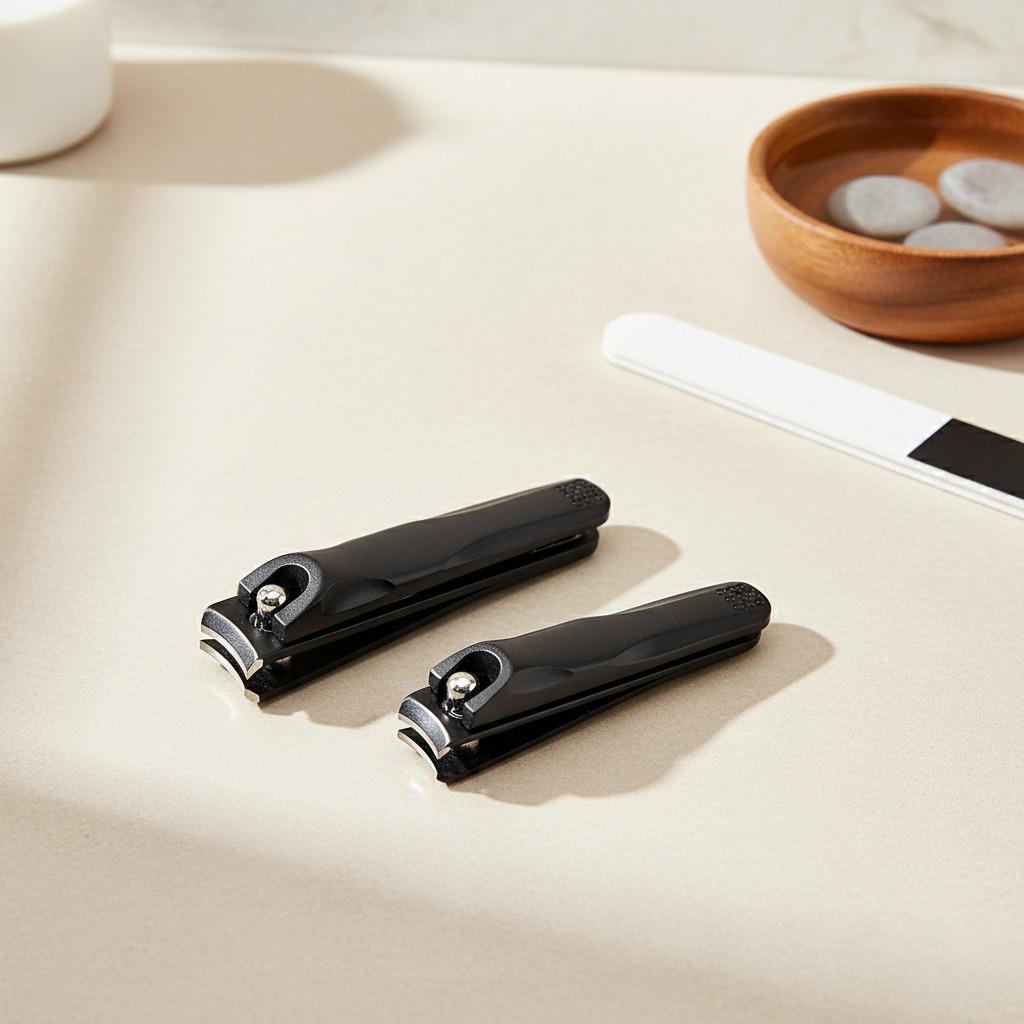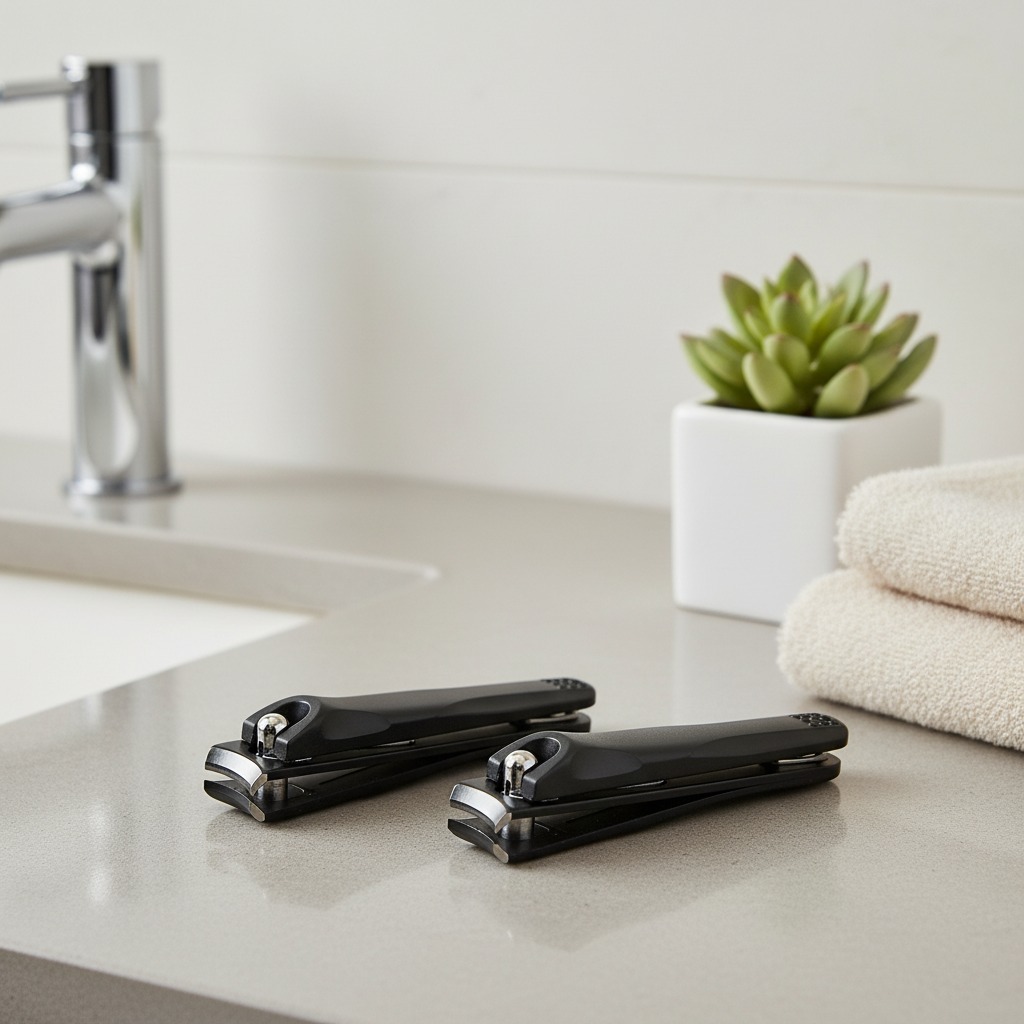











Choosing a tweezer manufacturer is not only a sourcing task; it is a product performance decision. A tweezer may look simple, but small variations in tip alignment, spring tension, edge finishing and surface coating can determine whether the tool grips fine hair cleanly or frustrates the user. For beauty brands, distributors, salons and retail buyers, the right manufacturing partner should be able to combine repeatable production with practical handling comfort and a finish that remains consistent from sample to shipment.
Olimor Beauty produces precision beauty tools for professional and personal grooming applications, with a focus on accuracy, ergonomic handling and dependable quality control. This guide explains what buyers should check when comparing tweezer suppliers, how production choices influence performance, and which questions help clarify whether a factory is suitable for OEM or wholesale supply. If you are reviewing broader sourcing options, you can also explore Olimor beauty tool products or browse related product collections.
Why Tweezer Precision Depends on More Than Tip Sharpness
The first thing many buyers check is whether the tips feel sharp. Sharpness matters, but precision tweezer performance depends on a wider set of factors. The two tips must meet evenly along the gripping edge, the arms must close with predictable pressure, and the metal must resist deformation during repeated use. If one arm is slightly twisted or if the tips contact only at a small point, the tweezer may cut hair, slip over fine hair or require too much force.
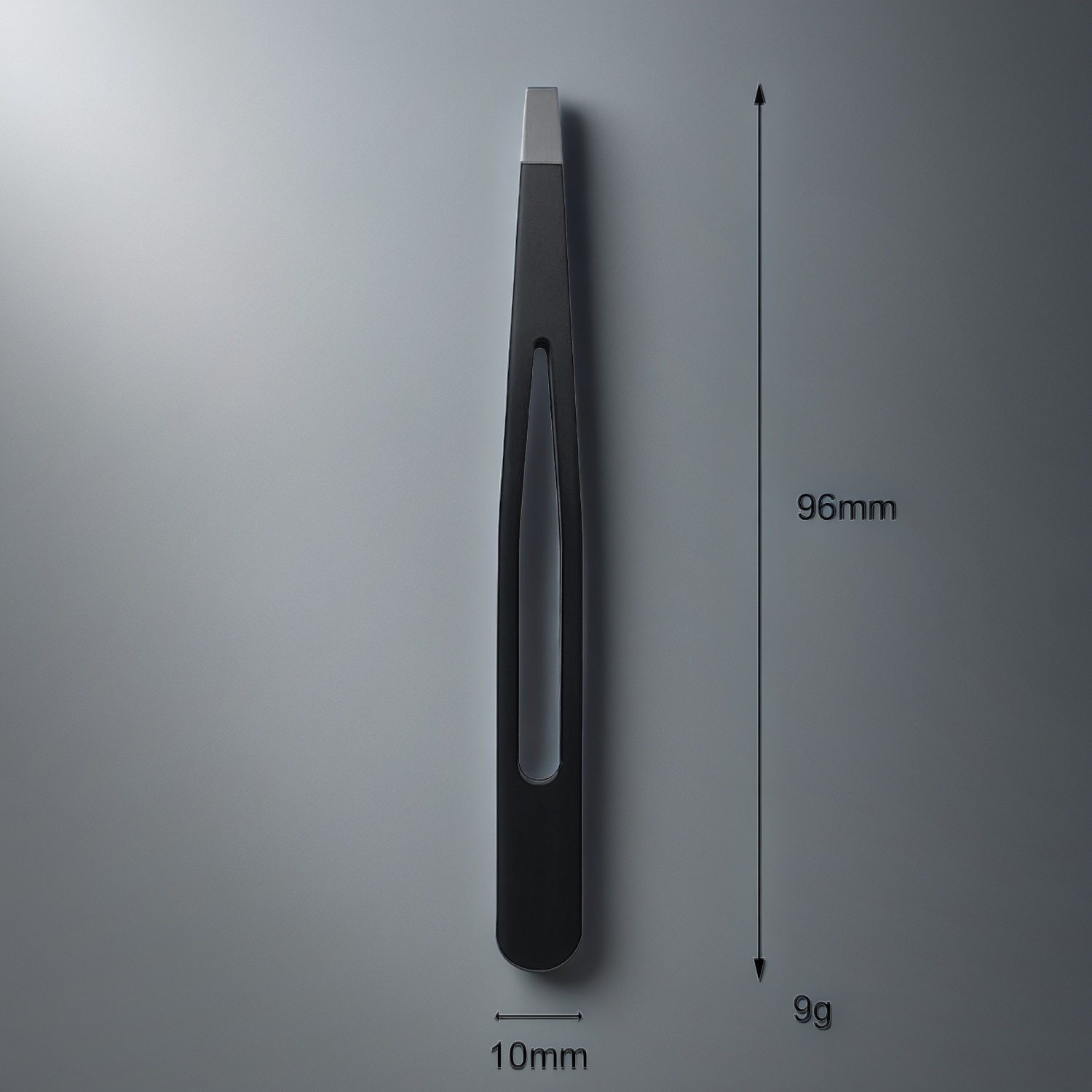
In well-controlled production, measurements and forming processes are managed so that each piece maintains the intended geometry. Olimor Beauty’s tweezer production emphasizes stainless steel construction, heat treatment for durability, and inspection from raw material selection through final packaging. Some current tweezer models referenced in production feature a 96 mm length, 10 mm width and a lightweight 9 gram profile, showing how dimensions and weight can be part of the design brief rather than afterthoughts.
For a sourcing team, the goal is to look beyond appearance. A polished product photo cannot prove alignment, opening resistance or grip quality. Samples should be tested on different hair thicknesses, inspected under good light, and handled by more than one person. Professional brow artists may prefer firm control, while retail consumers may prioritize an easier closing feel. A capable manufacturer should understand that the best tweezer is defined by the user and channel, not by a single universal specification.
Production Choices That Affect Grip, Control and Durability
Tweezer manufacturing typically involves material preparation, cutting or forming, heat treatment, shaping, grinding, alignment, finishing and packaging. Each step can change how the finished tool performs. Stainless steel is commonly used because it offers strength and corrosion resistance suitable for beauty tools, but the final result also depends on how the metal is formed and treated. Heat treatment, when properly controlled, supports durability and helps the tweezer maintain its shape through regular closing pressure.
Tip finishing is especially important. The gripping edges must be refined enough to catch short or fine hair without feeling rough against the skin. At the same time, an overly aggressive edge can make the tweezer feel harsh or can damage hair rather than removing it cleanly. This balance is one reason experienced manufacturers use both mechanical processing and manual or visual inspection to confirm that the final contact area is consistent.
Handle geometry also deserves attention. A tweezer that is too stiff can tire the hand, while one that is too loose may lack control. The supplied article notes engineered opening slots used to improve flexibility and pressure distribution. This type of design feature can help the tweezer close more evenly and reduce unnecessary force during precise hair removal tasks. For wholesale buyers, such details are worth checking because they influence product reviews and repeat purchases.
Finish Quality: Matte Black, Slip Resistance and Visual Consistency
Surface finish is both functional and commercial. A matte black finish, as referenced in Olimor Beauty’s current tweezer production, can give the tool a clean professional appearance while also helping reduce slippage during use. Finish quality should be checked for even color, smooth touch, clean edges and resistance to visible handling marks. Uneven coating near the tips or inner arms may indicate weak process control.
Buyers should also consider where the product will be sold. A salon-facing tweezer may need a subdued, professional look, while retail packaging may require stronger visual differentiation. However, appearance should never compromise performance. If coating thickness interferes with tip contact, or if decorative processing makes the arms feel inconsistent, the product may fail in real use even if it looks attractive on a shelf.
When evaluating samples, compare several units rather than relying on a single best piece. Place the tweezers side by side and check whether finish color, logo position if applicable, arm spacing and tip alignment are consistent. Consistency is one of the clearest signals of manufacturing discipline, especially for buyers planning repeat wholesale orders.
Buyer Checklist for Comparing Tweezer Manufacturers
A structured evaluation helps prevent decisions based only on price or appearance. The following checklist can be used during sample review, supplier comparison or OEM project planning:
- Tip alignment: Confirm that both tips meet evenly without visible gaps or twisting.
- Hair gripping test: Test fine, short and medium hair to see whether the tweezer grips cleanly without cutting.
- Closing pressure: Check whether the tweezer feels controlled, not overly stiff or too soft.
- Arm symmetry: Inspect length, spacing and curvature on multiple pieces from the same sample set.
- Surface finish: Look for consistent color, smooth edges and no coating buildup near working tips.
- Weight and balance: Consider whether the tool feels stable in hand; a 9 gram profile can reduce fatigue when the design is balanced correctly.
- Packaging fit: Confirm that protective sleeves, cards or boxes hold the tweezer securely and prevent tip damage.
- OEM clarity: Define allowed customization, artwork requirements, sample approval steps and inspection criteria before production.
This checklist is useful for brand owners, Amazon sellers, salon distributors and importers because it focuses on product outcomes. A supplier’s presentation may be polished, but sample testing reveals whether the tweezer is ready for the target user.
OEM and Wholesale Considerations for Beauty Brands
OEM tweezer sourcing often involves more than choosing a shape. Buyers may need packaging, logo placement, finish selection or design adjustments for a specific retail market. Olimor Beauty supports OEM-oriented supply discussions while maintaining attention to manufacturing principles such as precision, ergonomic handling and quality inspection. The most productive projects begin with a clear brief that defines the intended user, sales channel, preferred finish, packaging expectations and quality acceptance criteria.
For example, a brow-focused professional kit may require tweezers with reliable fine-hair grip and a comfortable closing force for repeated daily use. A general retail grooming set may prioritize easy handling, attractive finish and secure protective packaging. A distributor serving multiple markets may need stable repeatability so that reorders match the approved sample. These are different sourcing priorities, and they should be communicated before sampling.
Buyers should avoid approving a sample without documenting what makes it acceptable. Notes on dimensions, weight, finish, tip contact, packaging and labeling reduce confusion when production begins. Where technical details are not yet fixed, a buyer can use performance language such as “tips must meet evenly across the gripping edge” or “finish must be uniform with no rough edges at normal handling points.” This keeps the discussion practical without relying on unsupported specifications.
Quality Assurance From Raw Material to Final Packaging
Reliable tweezer manufacturing depends on quality control at more than one stage. Raw material selection sets the foundation. Forming and heat treatment influence strength and memory. Grinding and alignment determine precision. Finishing affects both appearance and handling. Packaging protects the working tips during storage and transport. If any step is treated casually, the final product may appear acceptable at first glance but fail during use.
Olimor Beauty applies inspections from material selection through final packaging to support consistency and performance. For buyers, it is reasonable to request clear sample approval procedures, defined inspection points and packaging review before mass production. Documentation does not need to be complicated, but it should identify what will be checked and how nonconforming pieces will be handled.
A practical approach is to retain approved samples as reference pieces. These become the comparison standard for finish, closure feel, tip alignment and overall appearance. During reorder discussions, the approved sample helps both buyer and manufacturer maintain the same expectations. For growing beauty brands, this is especially important because customer trust depends on repeatable product experience.
Working With Olimor Beauty on Tweezer Supply
A strong tweezer manufacturer should help buyers connect design details with real user performance. Olimor Beauty focuses on precision tools for grooming needs, including ergonomic designs, stainless steel construction, matte finish options referenced in production, and quality checks intended to support dependable use. Whether you are sourcing for salon distribution, retail grooming kits or private label beauty tools, the key is to evaluate the tweezer as a functional instrument rather than a simple accessory.
Before starting a project, prepare your target market, expected use case, desired finish, packaging direction and any artwork requirements. If you need guidance on available beauty tool categories, visit Olimor beauty tool products. To discuss a sourcing project, customization direction or wholesale requirement, you can send an inquiry or contact Olimor with your product brief.
The best tweezer supplier for your business is the one that can deliver repeatable precision, comfortable control and consistent presentation at the quality level your customers expect. By reviewing samples carefully and defining acceptance criteria early, buyers can reduce sourcing risk and build a more reliable beauty tool program.