










An eyelash curler is a small tool, but the details matter. The curve of the frame, the feel of the handles, the softness of the pad and the way pressure is distributed all affect whether lashes lift cleanly or feel pulled. For individual beauty users, the goal is a comfortable curl that opens the eye without damaging lashes. For retailers, salons and private label buyers, the goal is to select a tool that feels dependable across different eye shapes and daily routines.
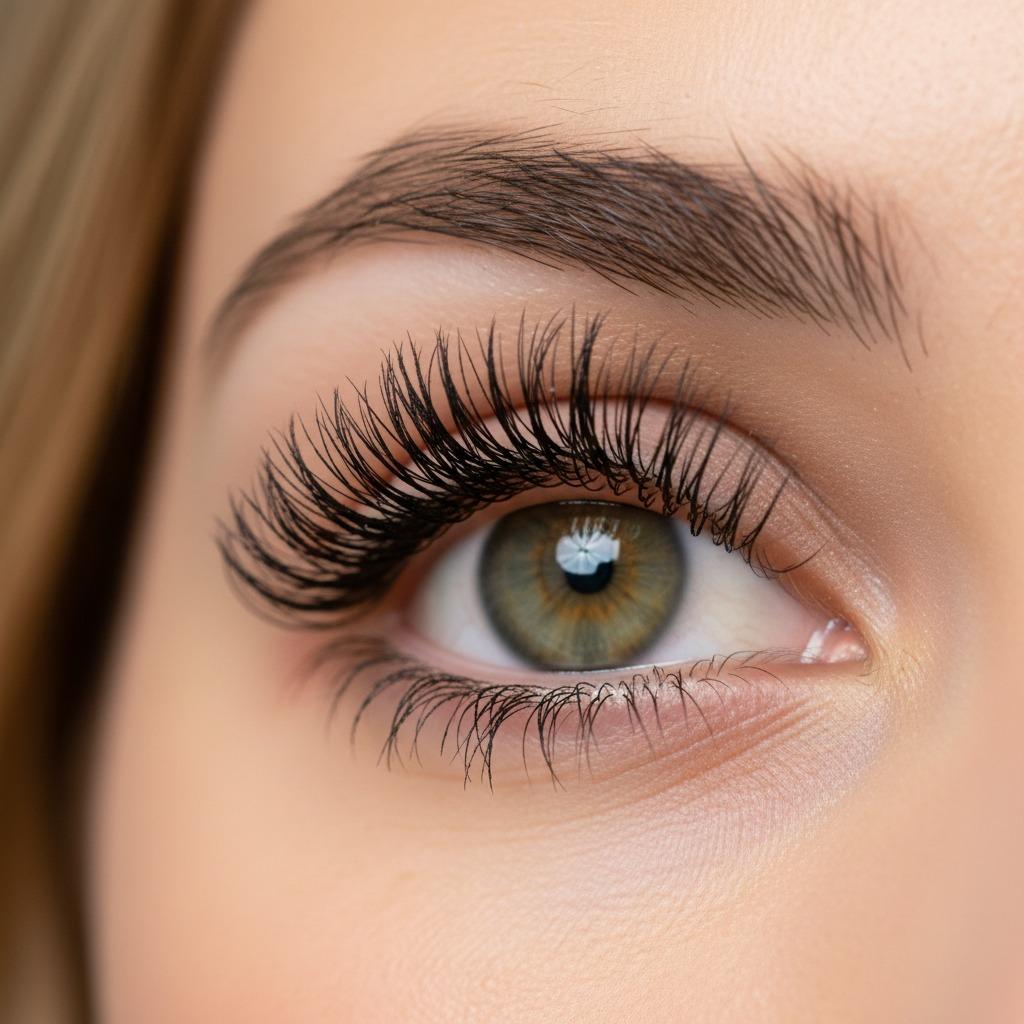
Olimor Beauty offers beauty tools including eyelash curlers with stainless steel construction, ergonomic design considerations and pads intended to help spread pressure more evenly. This guide explains how to evaluate an eyelash curler before purchase, how to use it correctly, and what to check when sourcing for a product line.
What a Good Eyelash Curler Should Do
A well-chosen eyelash curler should lift the lashes from near the base while keeping the eyelid comfortable. It should not require excessive force, and it should not create a sharp bend that looks crimped. A cleaner curl usually comes from steady, moderate pressure applied in the right position rather than one hard squeeze.
The frame should sit close enough to the lash line to reach the base of the lashes, but not so close that it catches skin. The handles should allow controlled movement, especially for users who curl lashes before mascara. The pad should provide cushioning and a smooth contact surface so pressure is distributed across the lashes instead of concentrated in one narrow point.
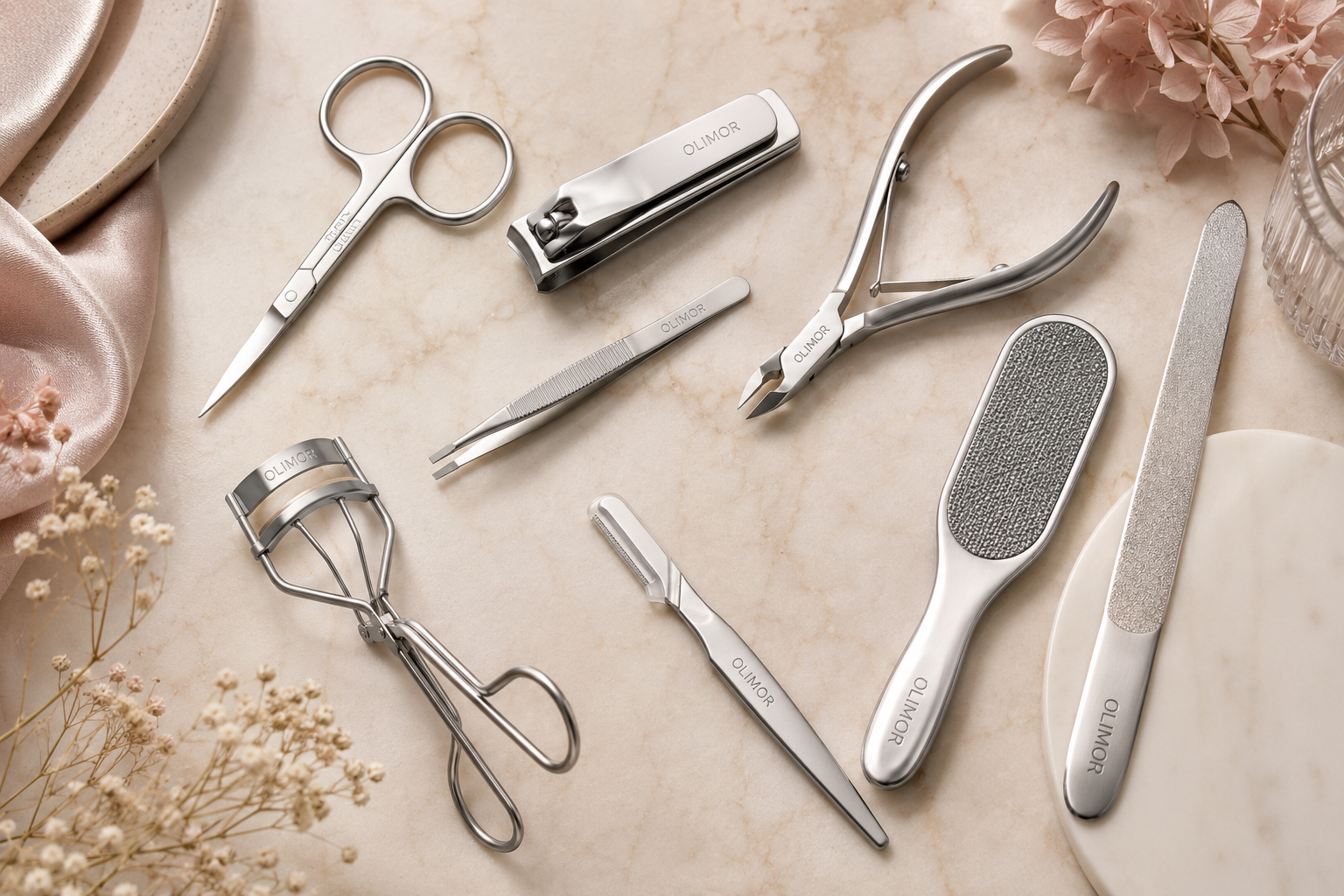
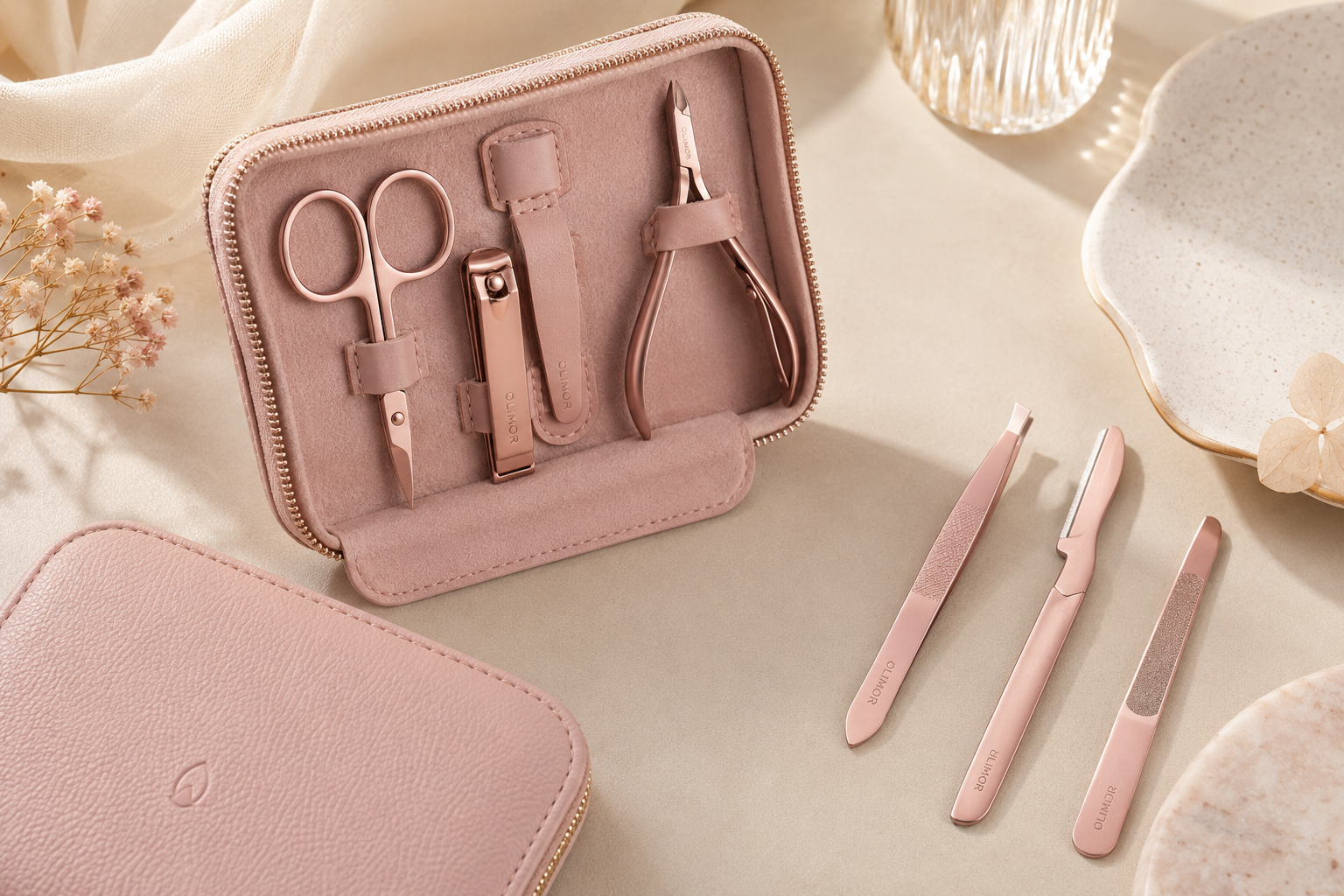
If you are comparing options for retail or salon use, browse Olimor beauty tool products to understand how eyelash curlers fit alongside other eye and cosmetic tools. A curler may look simple in photos, but comfort, repeatable pressure and pad quality are the features customers notice after regular use.
Why Eyelash Curlers Pinch
Pinching is usually caused by a mismatch between the curler and the user’s eye shape, poor positioning, a worn pad or too much pressure. It can also happen when the user closes the tool before the frame is properly aligned with the lash line. Understanding the cause makes it easier to prevent discomfort.
- Frame curve mismatch: If the curve is too flat or too deep for the eyelid, the ends or center of the curler may press into skin.
- Incorrect placement: Placing the curler too close to the eyelid can trap skin, while placing it too far away can curl only the lash tips.
- Worn or hard pad: A pad that has grooves, cracks or lost cushioning can create uneven pressure and a sharper bend.
- Rushing the motion: Closing the curler quickly makes it harder to feel whether lashes, skin or both are inside the frame.
- Using mascara first: Mascara can stiffen lashes, making them more likely to stick to the pad or bend unevenly.
A pinch-free result starts before the squeeze. Look down slightly into a mirror, bring the curler in slowly, and check that only lashes are between the upper frame and the pad. If the tool feels uncomfortable before pressure is applied, reposition it rather than trying to make it work.
How to Use an Eyelash Curler for a Natural Lift
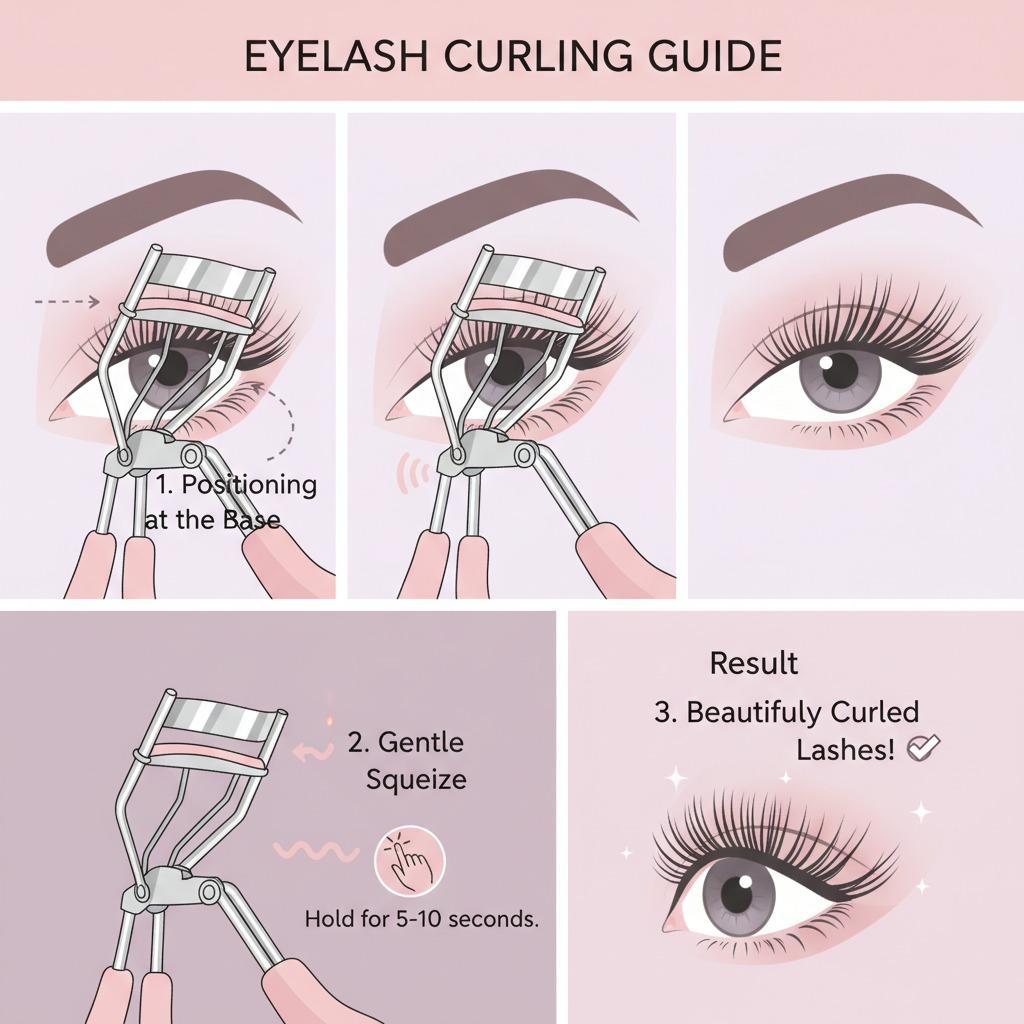
For most users, the best curl comes from a gradual lift rather than one strong clamp. Clean, dry lashes respond more predictably, and the curler should be used before mascara unless a product’s instructions state otherwise. Follow these steps for consistent results.
- Start with clean lashes. Remove skincare residue, oil and old mascara so the pad can grip gently without sticking.
- Check the pad. Make sure the cushion is seated evenly in the curler and has no visible cuts or deep grooves.
- Position at the lash base. With the eye open, place the curler near the roots of the upper lashes without touching the eyelid.
- Squeeze gently. Apply light, even pressure for about five to ten seconds. Avoid pumping aggressively.
- Move slightly outward. For a softer curve, repeat a lighter squeeze at the middle of the lashes and again closer to the tips.
- Apply mascara after curling. A light coat can help hold the shape while reducing the risk of lash breakage during curling.
If one eye curls better than the other, do not assume the curler is defective. Eye shape, lash direction and hand angle often differ from side to side. Adjust your wrist angle and mirror position until the frame sits evenly across the lash line.
Fit Checks Before Buying or Sourcing
For shoppers, fit is mostly about comfort and results. For sourcing teams, fit also affects returns, reviews and repeat purchases. A practical evaluation should include several users if possible, because one eye shape cannot represent the entire customer base.
| Check | What to Look For | Why It Matters |
|---|---|---|
| Frame curve | Sits close to the lash line without pressing the eyelid | Reduces pinching and improves access to lash roots |
| Pad contact | Pad aligns evenly with the top bar when closed | Helps create a smooth curl instead of a crimp |
| Handle control | Opens and closes smoothly with moderate resistance | Allows precise pressure, especially near the eye |
| Material feel | Solid construction with no rough edges | Supports comfortable daily use and a better customer impression |
| Cleaning access | Pad and frame can be wiped without trapping residue | Improves hygiene and long-term usability |
Olimor Beauty’s eyelash curler information highlights stainless steel construction and ergonomic design. When building a buying specification, keep those broad features connected to user experience: smooth edges, controlled closure, stable pad placement and a comfortable grip are more important than decorative details alone. To compare related categories for retail planning, visit product collections.
Care, Cleaning and Replacement Habits
An eyelash curler works close to the eye, so cleaning should be part of the routine. After use, wipe the pad and metal surfaces with a clean tissue or suitable cosmetic tool wipe to remove mascara, skin oil and powder. Let the curler dry before storing it, especially if it has been cleaned with a damp cloth.
The pad deserves regular attention. Even a good curler can feel harsh if the pad becomes flattened or split. A visible groove where the top bar presses into the pad is a sign that pressure is no longer being cushioned evenly. If the pad moves out of place, replace or reseat it before using the curler again. Do not use the tool if the pad is missing; the metal edge can crease lashes sharply and may cause breakage.
Store the curler in a dry place where it will not be crushed by heavier items. For makeup bags, a protective pouch or organized compartment helps keep the frame aligned and cleaner between uses.
Common Mistakes That Affect Curl Quality
Many unsatisfying results come from technique rather than the tool itself. Curling after heavy mascara is one of the most common mistakes because coated lashes can become stiff and sticky. Another mistake is squeezing only once at the very base, which can create a strong bend instead of a smooth arc. Gradual pressure at two or three points along the lash length usually looks softer.
Using too much force is also counterproductive. If lashes do not curl with moderate pressure, check whether they are damp, oily or weighed down by product. A clean lash surface and a well-positioned curler are safer than pressing harder. Users with very straight lashes may need to hold gentle pressure a little longer, but the tool should still feel controlled.
Questions for Beauty Tool Buyers
If you are sourcing eyelash curlers for a shop, salon kit, promotional set or private label project, define the customer experience before focusing on appearance. A shiny finish may attract attention, but comfort and repeatable performance drive satisfaction. Build your evaluation around samples, packaging needs and practical use tests.
- Does the frame feel comfortable on different eye shapes during a real curl test?
- Does the pad stay seated and rebound after repeated squeezes?
- Are the edges smooth around the eye-contact area?
- Is the handle comfortable for both quick use and careful makeup application?
- Can the tool be cleaned easily after exposure to mascara and powder?
- Does the packaging explain basic use and care clearly enough for consumers?
For product planning or purchasing discussions, you can send an inquiry with your target market, packaging goals and preferred tool category. If you need help narrowing a beauty tool selection, contact Olimor for the appropriate next step.
The Bottom Line
The right eyelash curler should feel controlled, comfortable and easy to clean. Pinching is not something users have to accept; it is usually a sign that the curler does not fit well, the pad needs attention or the technique needs adjustment. Choose a stainless steel eyelash curler with a stable cushioned pad, use it on clean lashes before mascara, and apply gentle pressure in stages for a smoother lift.
Whether you are buying one tool for a personal makeup bag or evaluating eyelash curlers for a beauty product range, focus on fit, pad performance, handle control and maintenance. Those practical details are what turn a basic cosmetic tool into one that customers can use confidently every day.