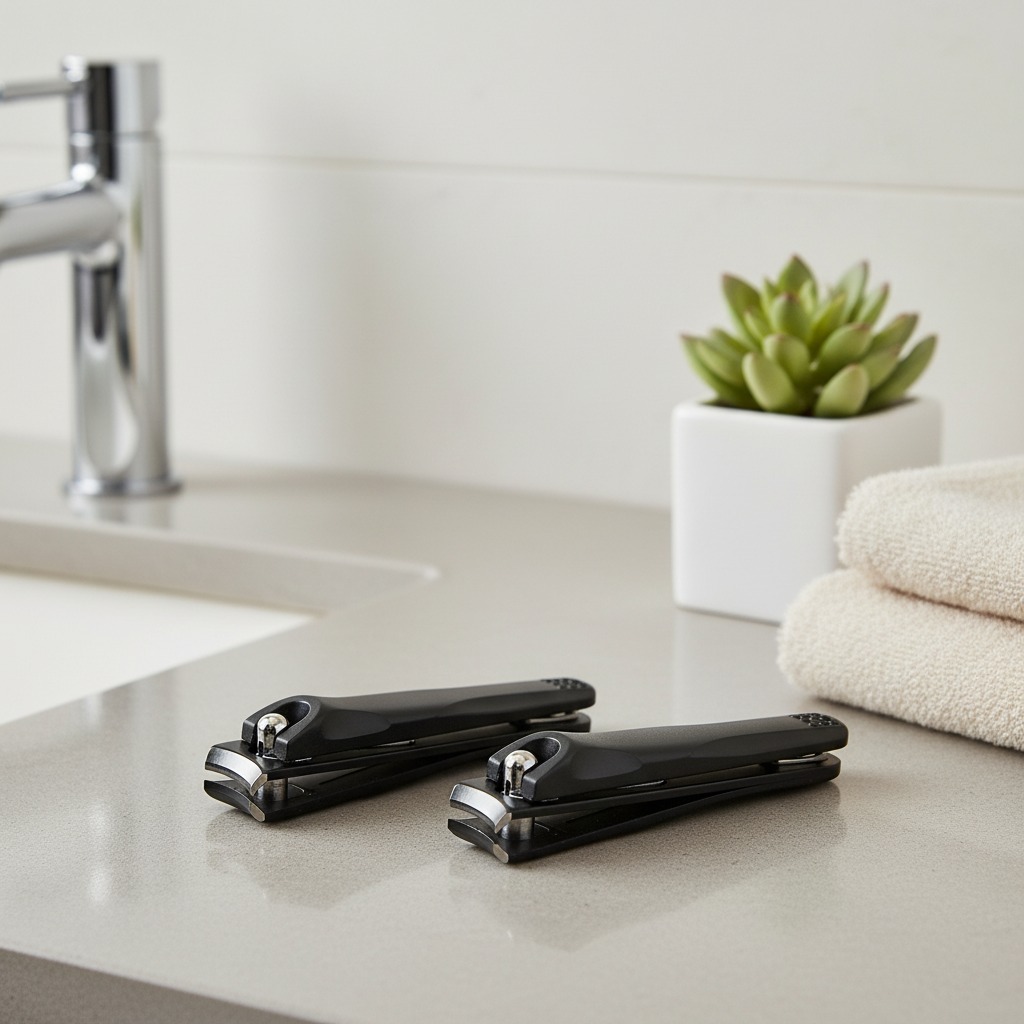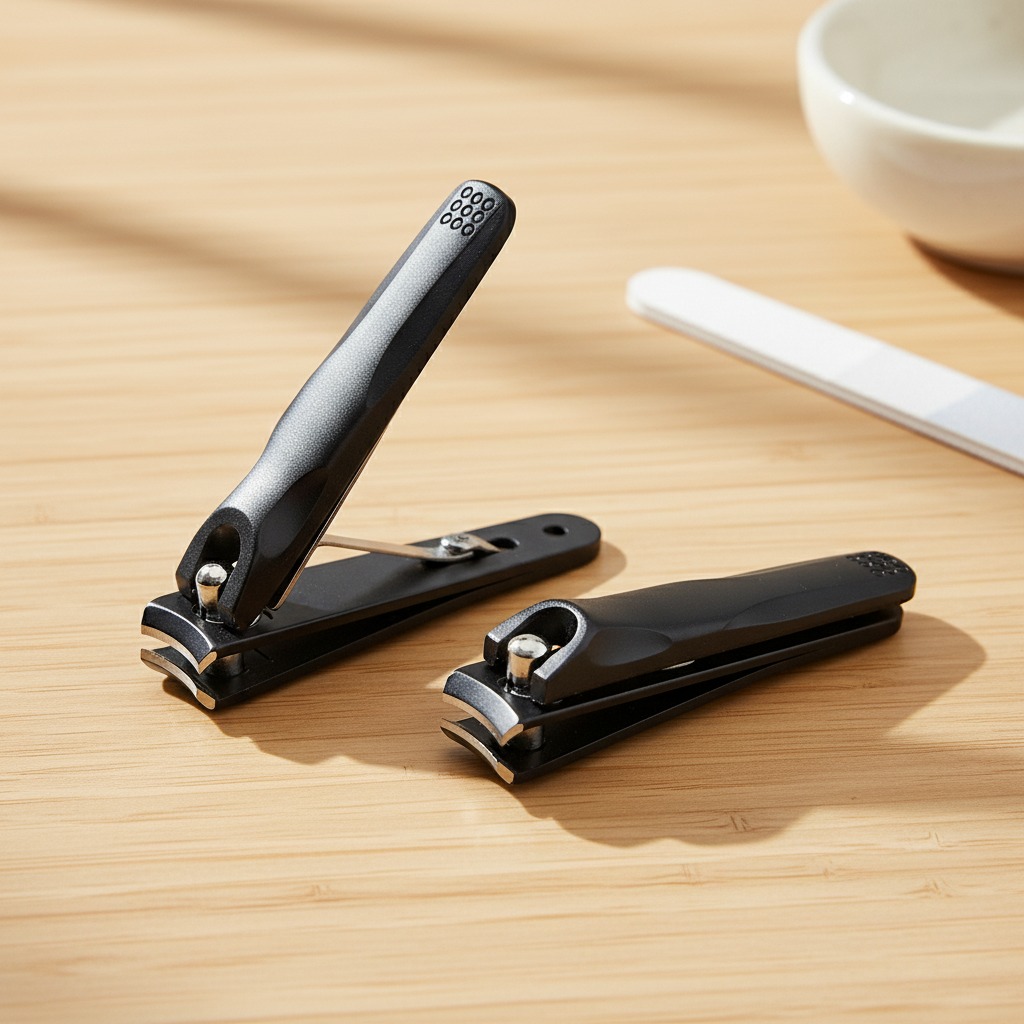












Tweezers may be small tools, but they reveal a great deal about a beauty tool manufacturer’s discipline. A well-made pair should close evenly, grip fine hairs without slipping, feel controlled in the hand, and keep its alignment after repeated use. For beauty brands, salon suppliers, wholesalers, and retailers, the difference between a reliable tweezers manufacturer and a low-cost source is often seen after the first customer complaint: weak tension, misaligned tips, rough edges, peeling finish, or inconsistent packaging.
Olimor Beauty focuses on precision beauty tools for both professional and everyday grooming needs. When comparing a tweezers supplier, tweezers factory, OEM provider, or wholesaler, buyers should look beyond a product photo and evaluate the full manufacturing approach. Material choice, shaping, finishing, ergonomic design, inspection, and packing all affect whether the final tool performs consistently in real use.
Why Tweezers Quality Depends on Manufacturing Discipline
A tweezers product looks simple, but its performance depends on several small tolerances working together. The arms must have balanced tension. The tips must meet cleanly from edge to edge. The finish should be smooth enough for comfortable handling but not so slippery that the user loses control. If the tool is coated or colored, the appearance should be consistent and resistant to ordinary handling wear.
Many buyers compare manufacturers mainly by unit price. Price matters, but for tweezers it should be weighed against consistency. A factory that prioritizes volume over inspection may deliver a shipment where some units grip well and others do not. That inconsistency is costly for brands because tweezers are often judged immediately by the end user. If the tips miss fine hair or feel rough against the skin, the product is unlikely to be repurchased.
Olimor Beauty’s positioning as a tweezers manufacturer is built around precision, durability, and user-friendly design. The supplied product description highlights stainless steel construction, ergonomic design, stringent quality checks, and inspections from raw materials to final packaging. These are the areas buyers should verify when reviewing any manufacturer in this category.
Material and Construction: Start with Stainless Steel
Stainless steel construction is an important starting point for beauty tweezers because it supports repeated use and a clean, durable feel. The original product information identifies stainless steel as a key material choice for Olimor Beauty tweezers. For sourcing teams, the important question is not only whether a supplier uses stainless steel, but how consistently that material is formed, finished, and inspected.
A poorly made stainless steel tweezer can still have weak performance if the tips are uneven or the arms lack proper tension. A better manufacturing process considers the full tool: the body shape, the pressure needed to close it, the precision of the gripping edge, and the comfort of repeated hand movements. For salon users, a tweezer may be used many times in one working day. For retail consumers, it may sit in a cosmetics bag and be used for quick grooming. In both cases, stainless steel construction should support reliable function without feeling flimsy.
When evaluating samples, buyers should check whether each pair closes in the same way. Test several units, not just one sample. Look at the tip contact under good light. Run a finger carefully along non-cutting edges to detect rough finishing. Open and close the tool repeatedly to see whether the tension feels steady rather than loose or overly stiff.
Tip Alignment, Grip, and Ergonomic Feel
Precision tweezers succeed or fail at the tips. Even an attractive product with a fashionable finish will disappoint if the gripping points do not meet accurately. Good tip alignment allows the user to remove fine or short hairs with less pressure. Poor alignment causes slipping, pinching, or repeated attempts that can irritate the skin.
Ergonomic design is also part of performance. The original Olimor Beauty description notes ergonomic designs as a manufacturing focus. For tweezers, this does not need to mean a complicated shape. It means the tool should sit naturally between the fingers, provide controlled pressure, and allow the user to see the area being groomed. A well-balanced tweezer helps both professional users and everyday consumers work more accurately.
During sample review, buyers can create a simple internal test rather than relying only on visual inspection. Use several testers with different hand sizes. Compare how quickly they can grip fine hair or a thin fiber. Note whether the tweezer requires excessive force. Check whether the tips remain aligned after repeated opening and closing. These practical observations often reveal manufacturing quality more clearly than a polished product description.
Finish, Appearance, and the Role of Color
Beauty tools are performance products, but appearance still matters. Tweezers are frequently sold as part of personal grooming assortments, travel kits, retail beauty displays, or salon accessories. A clean finish can help the product feel more refined and can support a brand’s visual identity.
The original information mentions a chic pastel blue finish as an example of aesthetic appeal. A color finish can help a tweezer stand out, but buyers should evaluate it carefully. Color should not hide uneven shaping or rough edges. It should be applied consistently across the visible surfaces. If the tool is intended for retail, the finish should also match packaging expectations so the item looks professional when displayed.
For a brand or wholesaler, the key is balance. A decorative finish should support the tool, not compensate for weak performance. Before approving a color or surface treatment, first confirm the core function: tip meeting, tension, grip, and handling comfort. Once the performance is acceptable, appearance can be refined to fit the target market.
Quality Control from Raw Material to Final Packaging
Quality control is where reliable manufacturers separate themselves from generic tweezers factory sources. The supplied information states that Olimor Beauty uses thorough inspections from raw materials to final packaging. For buyers, this type of process matters because defects can occur at multiple points: material preparation, shaping, tip finishing, surface treatment, assembly alignment, or packing.
A practical quality review should cover more than whether the product looks acceptable in a catalog. The following checklist can help sourcing teams compare a tweezers manufacturer or tweezers OEM provider:
- Material review: Confirm that the construction matches the agreed product description and that the surface is clean and uniform.
- Tip inspection: Check that the tips meet evenly and grip fine material without sliding.
- Tension consistency: Compare multiple units to see whether the closing force feels similar across the batch.
- Edge comfort: Inspect the arms and outer edges for burrs, rough points, or uncomfortable transitions.
- Finish quality: Review color, coating, polish, and any visible marks under normal lighting.
- Packaging condition: Make sure the final packaging protects the tips and presents the product cleanly for the intended channel.
- Batch consistency: Test more than one sample so the approved standard reflects real production rather than a single hand-selected unit.
This checklist is useful for retailers, distributors, and beauty brands because it keeps attention on measurable product experience rather than broad claims.
Comparing a Manufacturer, Wholesaler, Factory, and OEM Supplier
In beauty tool sourcing, terms such as tweezers manufacturer, tweezers supplier, tweezers wholesaler, tweezers factory, and tweezers OEM provider are often used together. They may overlap, but they do not always mean the same thing for a buyer.
| Supplier type | What to evaluate | Why it matters |
|---|---|---|
| Manufacturer or factory | Production process, material handling, inspection points, sample consistency | Controls the details that determine precision and durability |
| Wholesaler | Available stock, product consistency, packaging condition, reorder reliability | Useful for distribution, but product origin and QC control should still be reviewed |
| OEM provider | Ability to follow specifications, align finish and packaging, maintain approved standards | Important for brands that need a product matching their market positioning |
| General supplier | Communication, sample management, product range, after-sales handling | Affects the overall sourcing experience beyond the tool itself |
Olimor Beauty’s role as a beauty tool supplier is most relevant for buyers who want to compare performance, appearance, and practical sourcing considerations together. To review related categories, buyers can browse Olimor’s beauty tool products or explore current product collections.
Sample Testing Before a Larger Tweezers Order
A professional sourcing process should include sample testing before committing to a larger purchase. For tweezers, testing is straightforward but should be structured. Create a small review sheet and score each sample for grip, alignment, tension, comfort, finish, and packaging. If the product is intended for salons, include someone who uses tweezers frequently. If the product is intended for retail consumers, include testers who represent ordinary at-home grooming habits.
It is also useful to compare samples after repeated handling. Open and close the tweezers many times, place them into and remove them from packaging, and check whether the tips remain protected. For colored products, look for visible inconsistency or areas where finish quality appears weak. The goal is not to overcomplicate the process, but to catch issues before they become order-wide problems.
For custom sourcing conversations or product comparisons, buyers can send an inquiry. If you need help identifying which beauty tool option fits your channel, you can also contact Olimor.
What Better Value Means in Tweezers Sourcing
Better value is not always the lowest quoted price. For tweezers, value includes fewer defects, steadier grip performance, cleaner finishing, packaging that protects the tips, and a product experience that supports repeat customers. A tool that fails quickly or feels inaccurate can damage a beauty brand even if the initial cost looked attractive.
Olimor Beauty’s emphasis on precision, stainless steel construction, ergonomic design, and inspection control gives buyers a useful framework for comparison. Whether the intended market is professional grooming, everyday beauty care, retail assortments, or private label sourcing, the same principles apply: verify the material, test the tips, compare multiple samples, review the finish, and confirm how quality is checked before shipment.
A dependable tweezers manufacturer should make a small tool feel precise every time it is used. When buyers evaluate manufacturing process and product details with that standard in mind, they are more likely to choose tweezers that perform well, look presentable, and support long-term customer confidence.