










Choosing tweezers exporters is a precision sourcing decision, not only a price comparison. Beauty brands, salon suppliers, lash studios, distributors and private label buyers need tweezers that grip cleanly, feel controlled in the hand, arrive with protected tips and match the intended retail or professional use. A tweezer may look simple, but small differences in tip alignment, tension, edge finishing, material choice and packaging can decide whether the final product feels reliable or disappointing.
The main sourcing question is straightforward: can the exporter make the selected tweezer correctly and repeat that quality across production? One attractive sample is not enough. Buyers should evaluate material suitability, manufacturing discipline, inspection steps, customization capability and communication before placing larger orders.
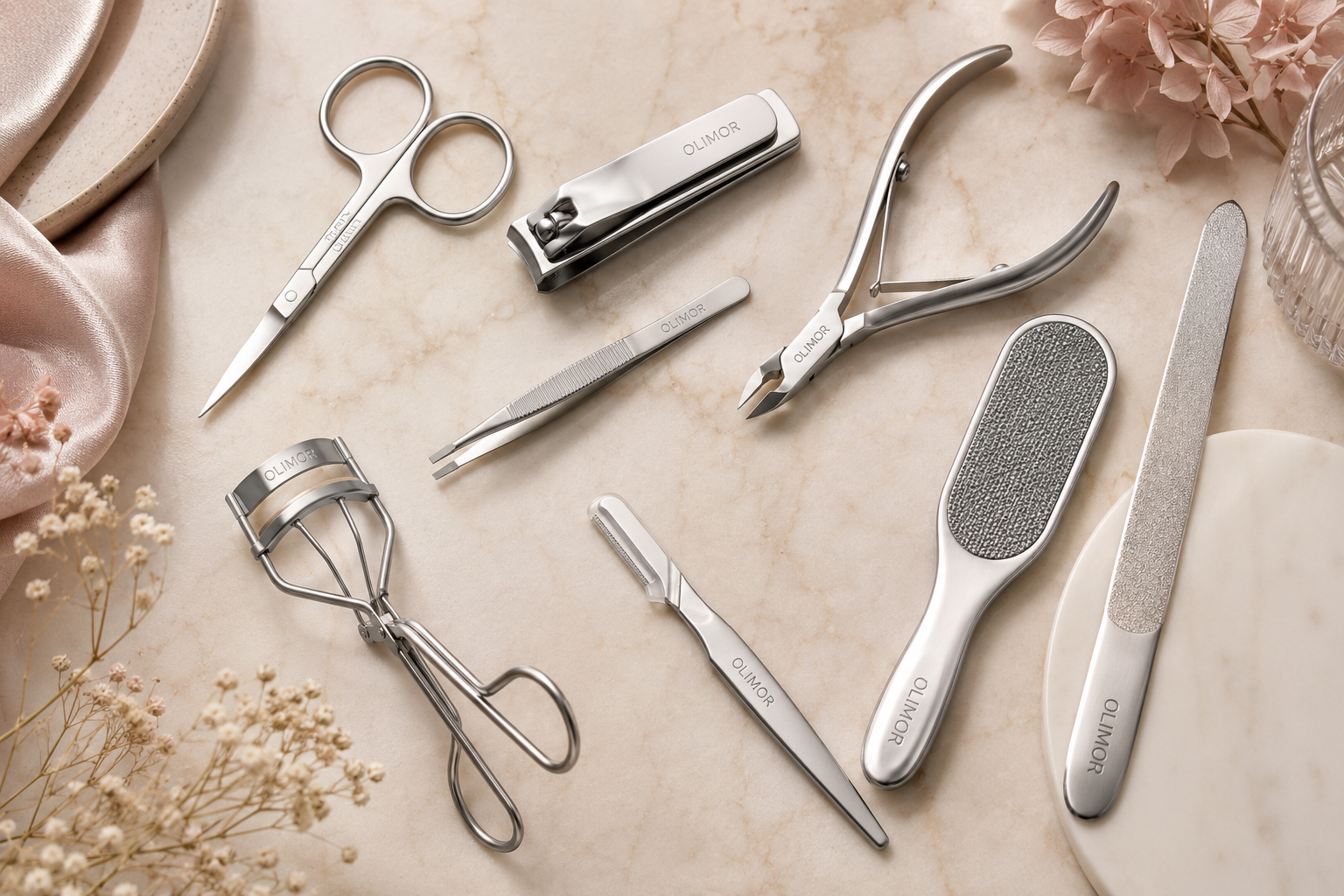
Olimor Beauty focuses on precision beauty tools for consumer and professional grooming markets, including stainless steel tweezers, curved lash tweezers and customized beauty-tool programs. Buyers can review related options through Olimor beauty tool products when planning a retail line, salon kit or private label assortment.
Why Tweezer Export Quality Depends on Small Details
A tweezer succeeds or fails at the tips. The arms may have a clean finish, the color may suit the retail shelf and the package may look premium, but if the tips do not meet evenly, the tool will miss hair, slip on lash strips or cut instead of removing. For brow shaping, lash placement, nail art detail work, splinter removal and general grooming, users expect controlled grip from the first use.
Export buyers should look beyond surface appearance and focus on repeatable function. Tip symmetry, closing point, edge smoothness and spring tension are practical performance details. A tweezer with rough contact points may scratch skin or damage delicate lash materials. A tool with uneven tension may feel tiring in a salon environment or unreliable for a retail customer.
Olimor Beauty emphasizes stainless steel construction, rust resistance in normal grooming use, internal quality control and carefully aligned, hand-filed tips. These details are useful because precision beauty tools are judged by direct handling. If the tool does not grip well, no amount of packaging design can compensate for the poor experience.
What Defines a Strong Tweezers Manufacturer or Exporter?
When buyers search for top tweezers exporters or the best tweezers manufacturer in China, they are usually comparing more than a product list. A strong supplier should be able to make the requested style consistently, communicate clearly, support practical customization and check quality before goods leave the factory.
The strongest option is not always the supplier with the widest catalog. It is the one that understands the selected tool, the buyer’s market and the end user’s task. A brow tweezer, curved lash tweezer and multipurpose grooming tweezer can all require different tip shapes, packaging protection and hand feel.
- Material suitability: Stainless steel is widely used for beauty tweezers because it supports durability, cleanability and resistance to corrosion in normal grooming environments.
- Tip precision: Slant, pointed, straight and curved tips should close evenly without visible gaps or rough contact points.
- Controlled tension: The tweezer should feel firm enough for accuracy but not so stiff that repeated use causes hand fatigue.
- Surface finish: Polished, matte, coated or colored finishes should be even, clean and suitable for the brand position.
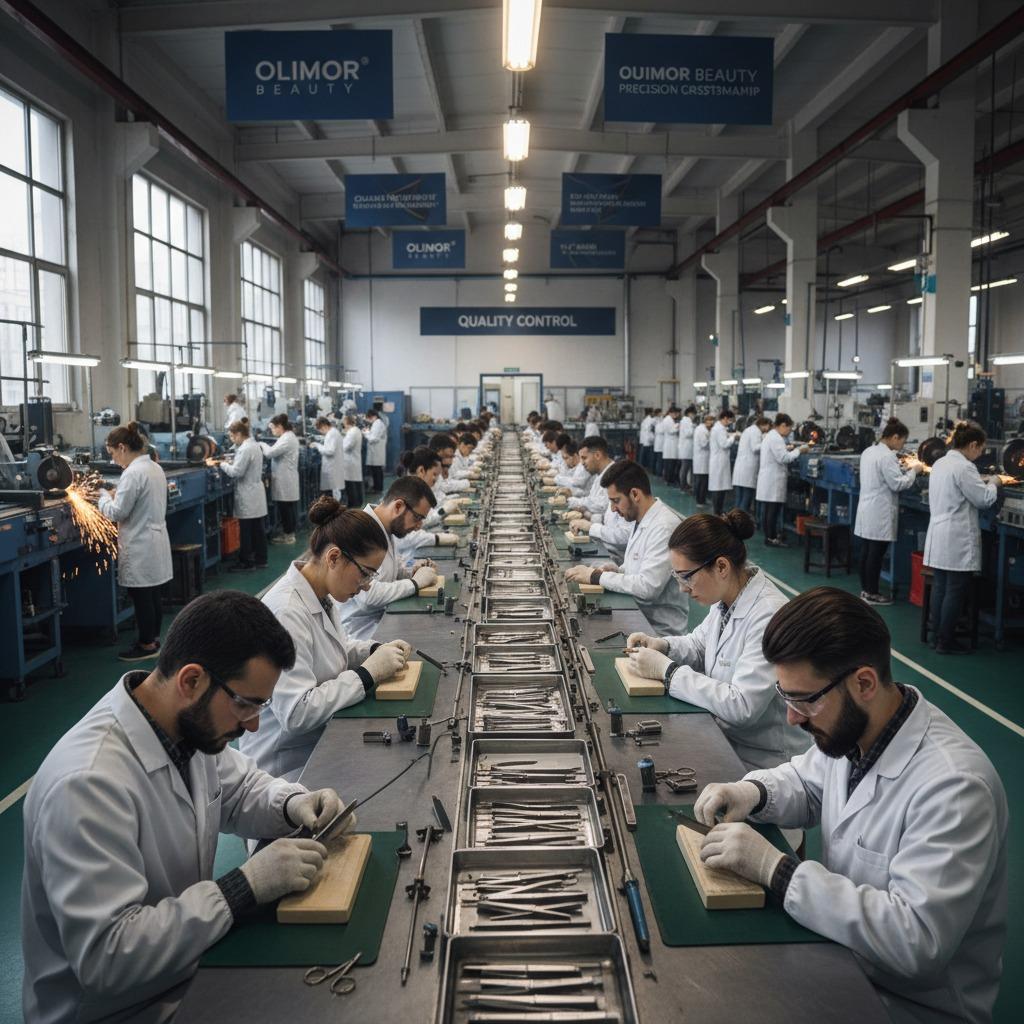
- Inspection discipline: Quality control should include raw material review, in-process checking, final functional inspection and packaging verification.
- Packaging awareness: Retail cards, sleeves, boxes, protective caps and set packaging should protect the tips and present the product clearly.
Match the Tweezer Type to the Intended Beauty Use
Not every tweezer suits every market. Buyers should define the primary use before requesting samples, artwork or private label packaging. A professional lash tool has different performance priorities from an eyebrow grooming item, a travel set or a multipurpose beauty accessory.
| Tweezer type | Common beauty use | What buyers should evaluate |
|---|---|---|
| Slant tip tweezers | Eyebrow shaping and everyday facial hair removal | Balanced grip, smooth edges, accurate tip closure and comfortable tension |
| Point tip tweezers | Fine hair, detail work and careful grooming by experienced users | Precise contact, protective packaging and controlled sharpness |
| Straight tip tweezers | General grooming, nail art details and applying small beauty accessories | Even jaw alignment, stable grip surface and easy handling |
| Curved lash tweezers | False lash strip placement, lash clusters and detail positioning near the eyelid | Clear viewing angle, clean release, anti-slip handling and ergonomic curve |
| Wide or ergonomic body tweezers | Retail products designed for easier handling or stronger shelf appeal | Comfort, visual consistency, finish durability and grip control |
This comparison should guide the sampling stage. A beautiful package cannot solve a mismatch between tool style and customer need. If a product is designed for lash artists, test it with lash strips and clusters. If it is designed for eyebrow grooming, test the ability to grip fine hair. If it is sold as a gift set, confirm that the tweezer still performs well and is not only decorative.
Curved Tweezers for False Lash Application
Curved tweezers are especially useful for false lash application because the angled profile gives the user more clearance near the eyelid. The curve can help hold a lash strip, adjust the corners and position individual lash clusters while keeping the application area visible. This is different from a general straight tweezer, which may block the view or force an awkward wrist angle.
Olimor Beauty’s curved precision tweezer is described as being made from high-quality stainless steel and designed for false lash work. Its ergonomic curved shape supports comfortable handling, while anti-slip grooves help maintain a steady grip. These details matter because lash placement often requires small, repeated adjustments. A tweezer that slips or releases unpredictably can frustrate both professional and at-home users.
When evaluating curved tweezers for false lash application, buyers should test practical tasks instead of relying only on appearance.
- Grip the center and corners of a lash strip: The tweezer should hold the band without crushing it.
- Pick up individual lash clusters: Fine tips should provide controlled contact without slipping.
- Place lashes near a mirror: The curve should improve visibility instead of blocking the application area.
- Release cleanly: The lash should detach from the tweezer without pulling out of position.
- Repeat the motion: The hand should not feel strained after repeated practice or salon-style use.
Manufacturing Details That Affect Precision Tweezer Quality
The difference between an average tweezer and a dependable precision beauty tool is often found in details that are easy to overlook. Material selection, forming, tip filing, polishing, coating, printing and final inspection all influence the user experience. Buyers should ask how the supplier controls these steps and how quality is checked before shipment.
Stainless Steel and Cleanability
Stainless steel is commonly preferred for beauty tweezers because it is durable, practical to clean and resistant to corrosion under normal grooming conditions. Buyers should confirm that the material is suitable for beauty-tool use and that the surface finish does not create rough areas where residue can collect. If the tool will be sold in a region with chemical or material compliance expectations, the buyer should verify the applicable current requirements and supplier documentation.
Tip Finishing and Alignment
Tip finishing is one of the most important quality factors. For brow grooming, the tips must close accurately enough to catch fine hairs. For lash use, the tips must be smooth enough not to damage lash fibers or adhesive bands. For pointed tweezers, the tips should be protected in packaging so they are not bent during transport.
Hand-filed and carefully aligned tips can support better grip, but buyers should still compare multiple samples. The goal is repeatability. Ask whether the supplier inspects tip closure, checks for burrs and confirms that the closing point is consistent across units.
Tension, Ergonomics and Finish
Tension affects control and comfort. Too much resistance can tire the hand during repeated use. Too little resistance can reduce accuracy. Ergonomic handle shape, surface texture and anti-slip grooves can help users maintain control, especially in lash application or busy salon settings.
Surface finish also affects perceived quality. Polishing, matte finishing, coatings, color effects and branding should appear even and clean. Buyers should inspect for scratches, inconsistent color, rough edges or printing defects. If a finish is customized, it should be practical to reproduce for replenishment orders.
How to Test Tweezer Samples Like a Professional Buyer
Sample testing should reflect the real routine of the end user. A quick desk inspection is not enough. A retail customer, brow technician or lash artist will judge the tool through direct use, so buyers should do the same before approving production.
- Inspect visually first: Check symmetry, surface finish, printing, coating and packaging protection.
- Check tip contact: Close the tweezer slowly and confirm that both tips meet evenly.
- Test the intended task: Use lash strips for lash tweezers, fine hair for brow tweezers and small accessories for multipurpose tools.
- Repeat opening and closing: Evaluate whether the tension feels consistent and comfortable over time.
- Compare several samples: Do not approve a supplier based on one perfect display piece.
- Review packaging fit: Confirm that tips are protected during shipping and that the retail presentation suits the channel.
This approach helps buyers turn vague claims into observable checks. It also makes communication with the exporter clearer because quality expectations can be described in practical terms.
Custom Made Tweezers for Private Label Programs
Custom made tweezers can help a beauty brand create a more recognizable line. Customization may include logo placement, color direction, surface finish, ergonomic handle design, packaging format or coordinated branding across a grooming set. Olimor Beauty works with partners on custom finishes, ergonomic designs and branded details for beauty-tool projects.
Private label buyers should treat customization in layers. First, the tool must work well. Tip alignment, tension and smooth finishing come before decoration. Second, the design should fit the retail or professional channel. A professional brow kit may need a clean and practical look with protective packaging, while a consumer gift set may need stronger shelf presentation. Third, the design should be realistic to replenish. A complicated finish may create consistency challenges if it is hard to reproduce.
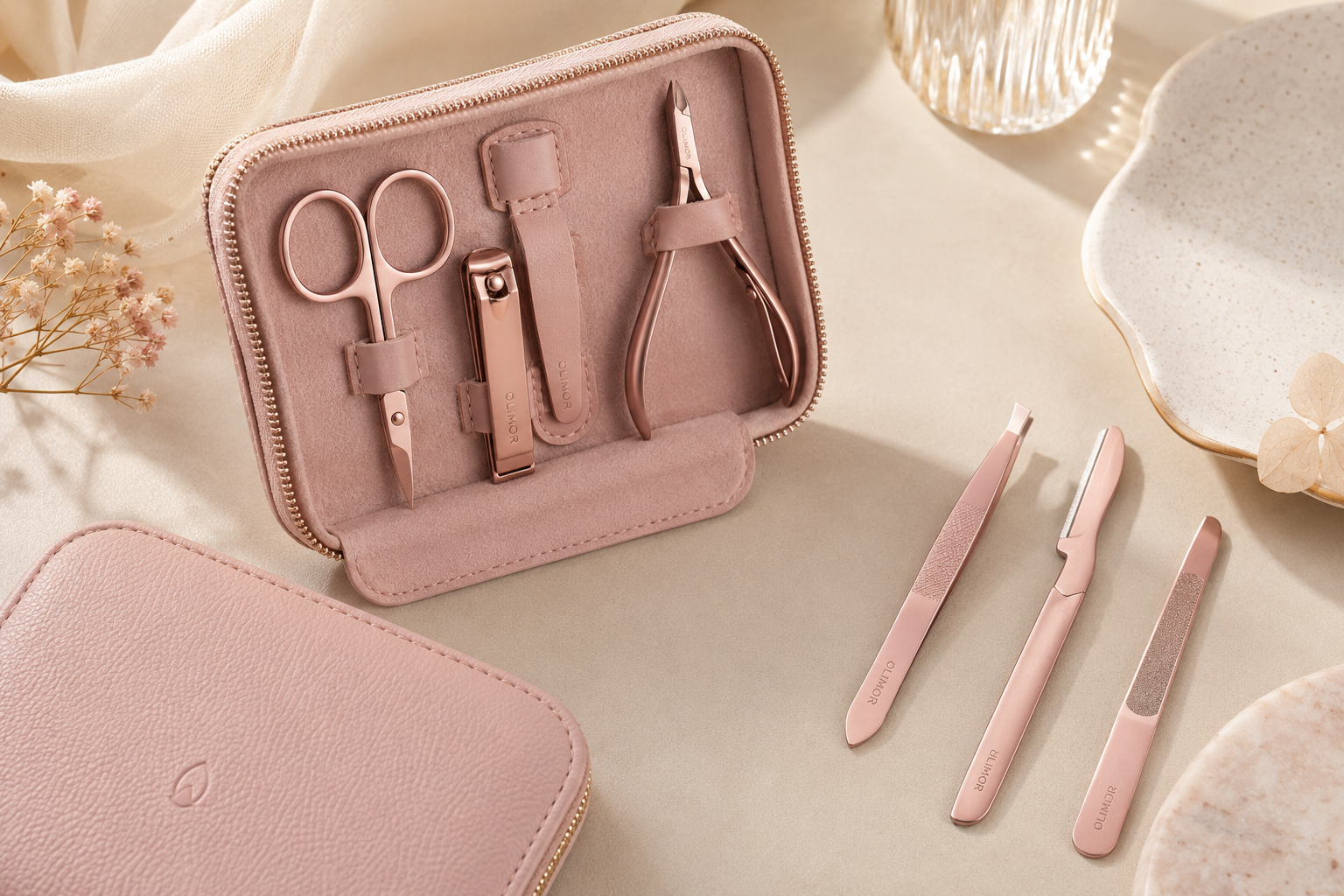
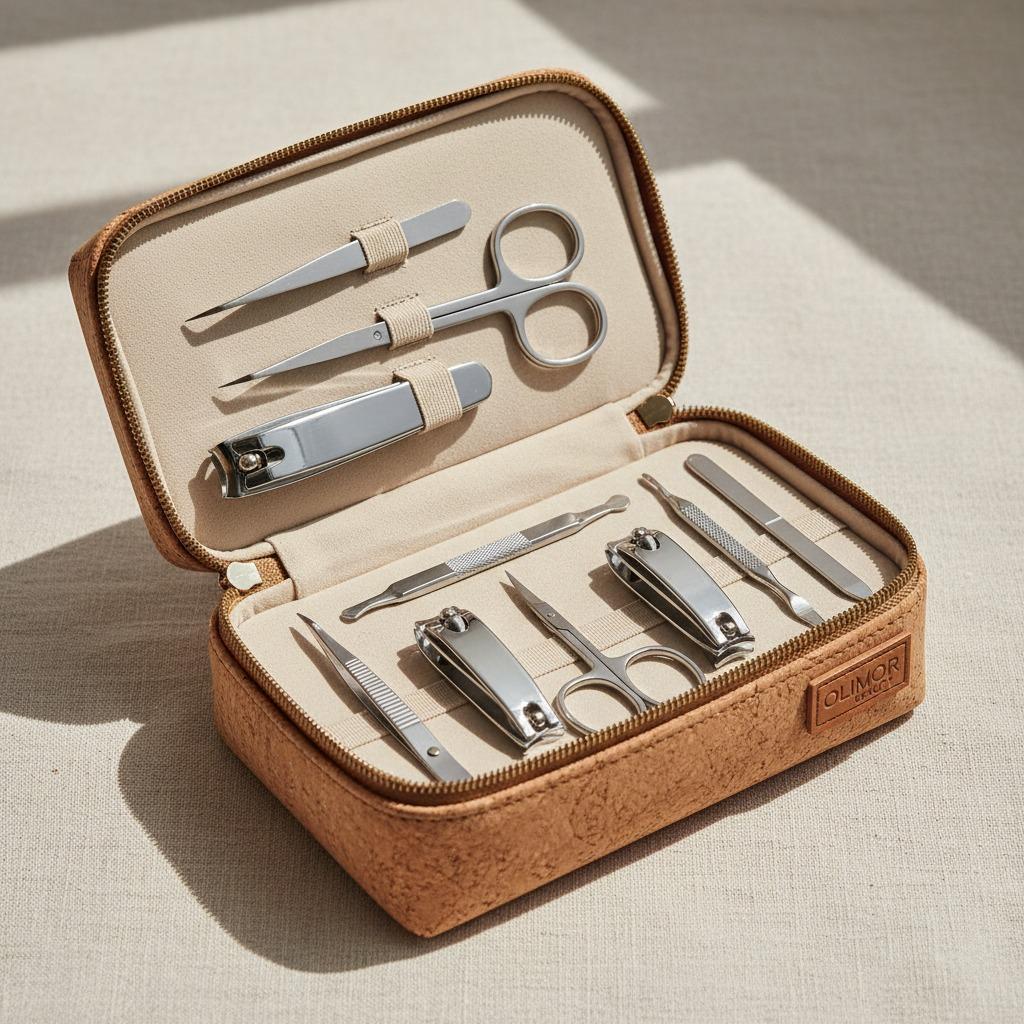
For category planning, buyers can browse Olimor product collections and consider how tweezers may connect with scissors, nail tools, applicators or other personal care accessories. A coordinated line should look cohesive without sacrificing the performance of each tool.
Supplier Evaluation Checklist for B2B Buyers
The following checklist helps compare tweezers exporters for private label, wholesale and retail supply. It focuses on practical questions that affect product quality, sourcing risk and customer satisfaction.
| Evaluation area | What to ask or inspect | Why it matters |
|---|---|---|
| Tip alignment | Do both tips meet evenly under light pressure across multiple samples? | Uneven tips reduce grip and cause poor beauty-tool performance. |
| Functional grip | Can the tweezer grip fine hair, lash strips or the intended test material? | Task-based testing reveals problems that visual checks may miss. |
| Tension consistency | Does opening and closing feel controlled across samples? | Consistent tension supports comfort and repeatable use. |
| Surface finish | Are there burrs, scratches, sharp unfinished edges or coating defects? | Finish quality affects comfort, safety perception and brand value. |
| Material documentation | Can the supplier explain the material and provide relevant documentation when required? | Beauty-tool buyers may need records for internal compliance or market entry. |
| Packaging protection | Are the tips protected in transit and suitable for retail display? | Fine tips can bend or lose alignment if packaging is weak. |
| Customization control | Can the supplier reproduce logo, color, finish and packaging details consistently? | Private label programs depend on repeatable presentation. |
| Communication | Does the exporter answer technical questions clearly and confirm specifications? | Clear communication reduces sampling, approval and production risk. |
Cost Factors Without Reducing Quality to Price
Tweezer cost is influenced by material choice, tip finishing, handle shape, surface treatment, branding, packaging format, inspection requirements and order complexity. A lower unit cost may be attractive, but it can become expensive if customers return products because the tweezers do not grip, tips arrive bent or packaging fails to protect the tool.
Buyers should compare quotations together with samples and specifications. A meaningful comparison should include the tweezer type, finish, packaging, customization details, inspection expectations and replenishment needs. This is the best way to understand the real value of a supplier rather than selecting only by the lowest offer.
Compliance and Documentation Considerations
Beauty tweezers are not usually evaluated like complex electrical products, but B2B buyers should still ask for appropriate documentation for their market and sales channel. If goods are sold in the European Union, buyers may need to consider REACH-related substance expectations for materials, coatings or finishes. If a supplier mentions a quality management system such as ISO 9001, buyers should verify the applicable version, scope and current documentation directly with the supplier or certification body.
These references should be used as due diligence tools, not assumptions. Olimor should not be treated as holding a certification unless the relevant documentation is supplied and verified for the specific requirement.
When to Contact Olimor for a Tweezer Project
Olimor Beauty is a practical option for buyers who need precision beauty tools, stainless steel tweezers, curved lash tweezers or private label grooming accessories. A productive inquiry should include the intended use, target customer, desired tweezer style, finish preference, packaging idea, branding needs and any documentation required by the buyer’s market.
If you are comparing exporters or developing a custom tweezer line, you can send a project inquiry with your specifications or contact Olimor Beauty to discuss sample evaluation and suitable product options. The strongest results come when performance requirements are confirmed before artwork, packaging and order planning.
FAQ
Can I request samples before placing a bulk tweezer order?
Yes. Samples are important for checking tip alignment, tension, grip performance, surface finish and packaging protection. Buyers should test samples with the actual intended use, such as eyebrow grooming or false lash application.
What information should I provide for custom made tweezers?
Provide the tweezer type, intended use, finish preference, logo or branding needs, packaging idea and target sales channel. If your market requires specific documentation, mention that early so it can be reviewed during supplier evaluation.
How should I evaluate MOQ, lead time and production planning?
MOQ and lead time depend on the product style, customization, packaging and production schedule. Buyers should confirm these details directly with the supplier instead of relying on generic assumptions.
What quality checks matter most for precision tweezers?
The most important checks are tip closure, functional grip, edge smoothness, tension consistency, finish quality and packaging protection. Multiple samples should be compared because consistency is more important than one good piece.
Are curved tweezers better for false lash application?
Curved tweezers are often preferred for false lash placement because the angled shape can improve visibility and control near the eyelid. Buyers should still test grip, release and comfort with the lash products their customers will use.