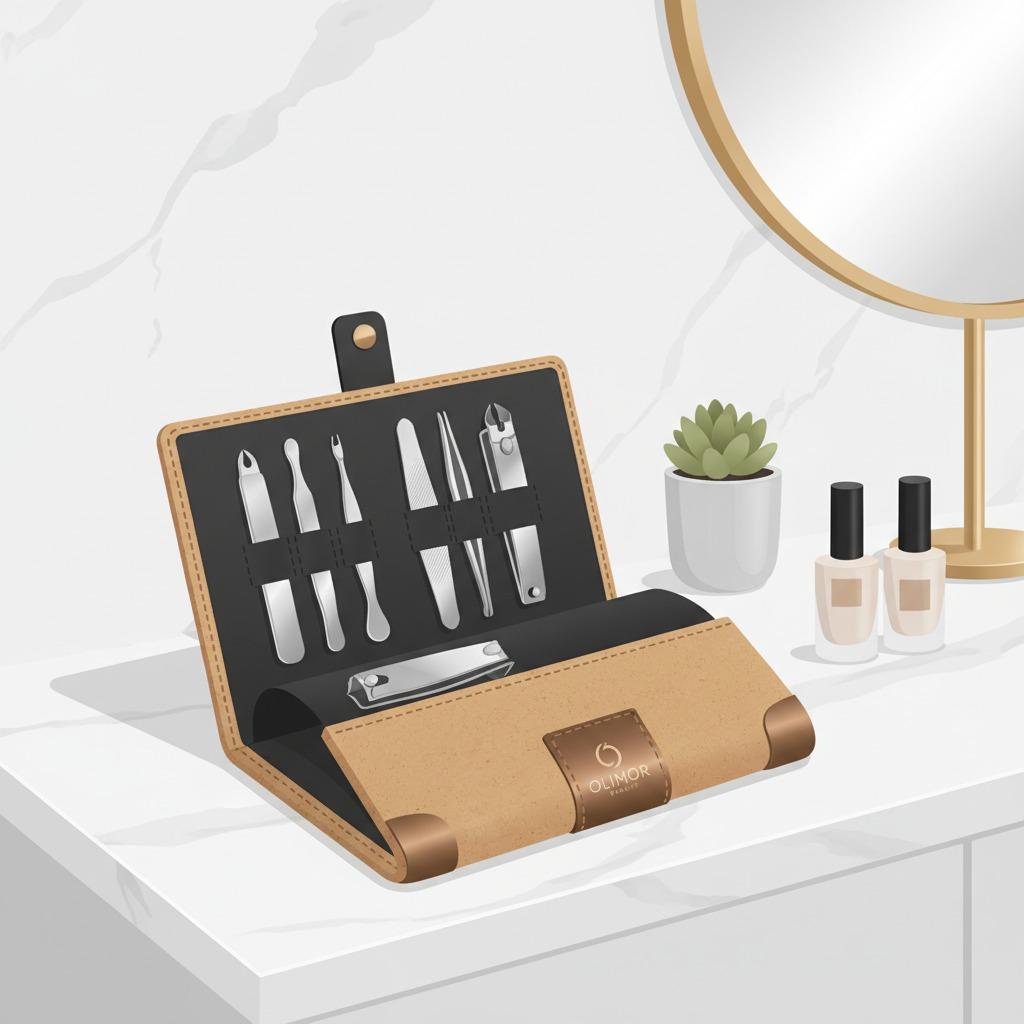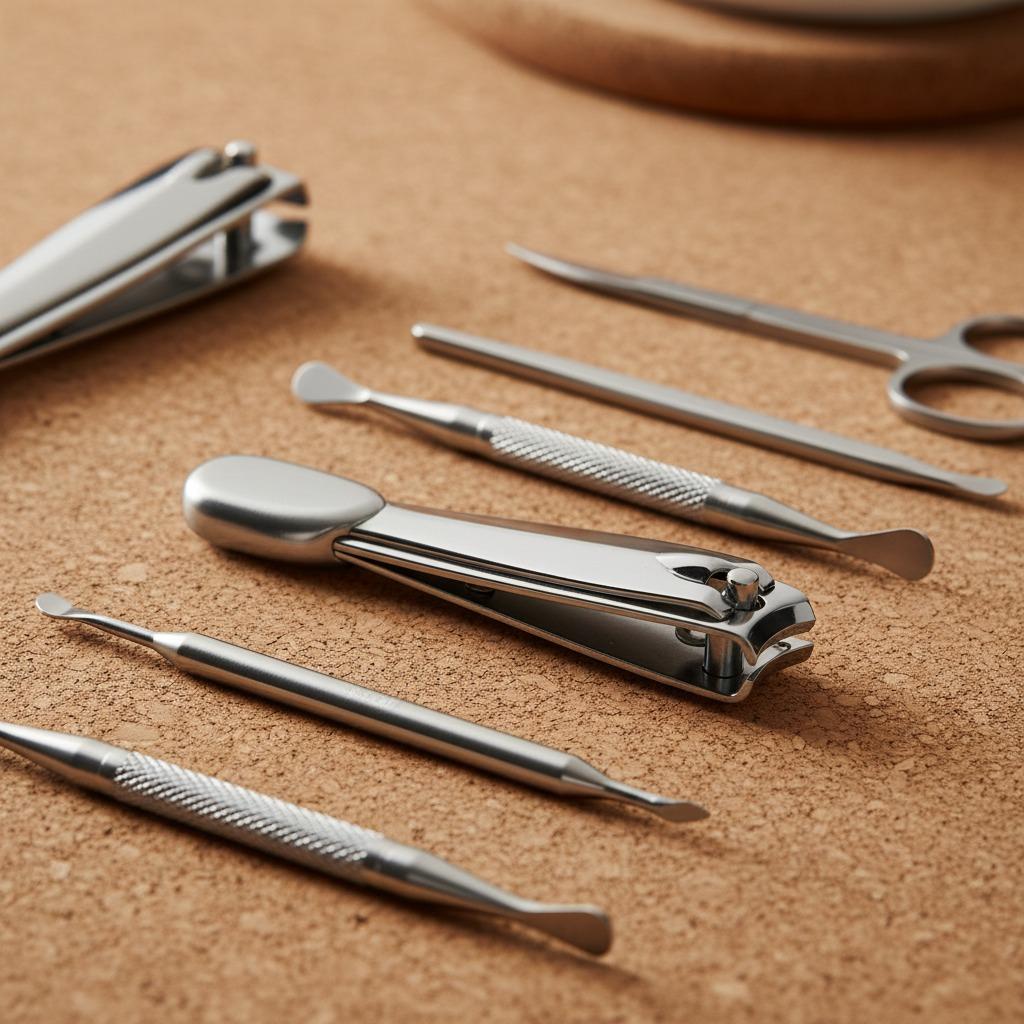











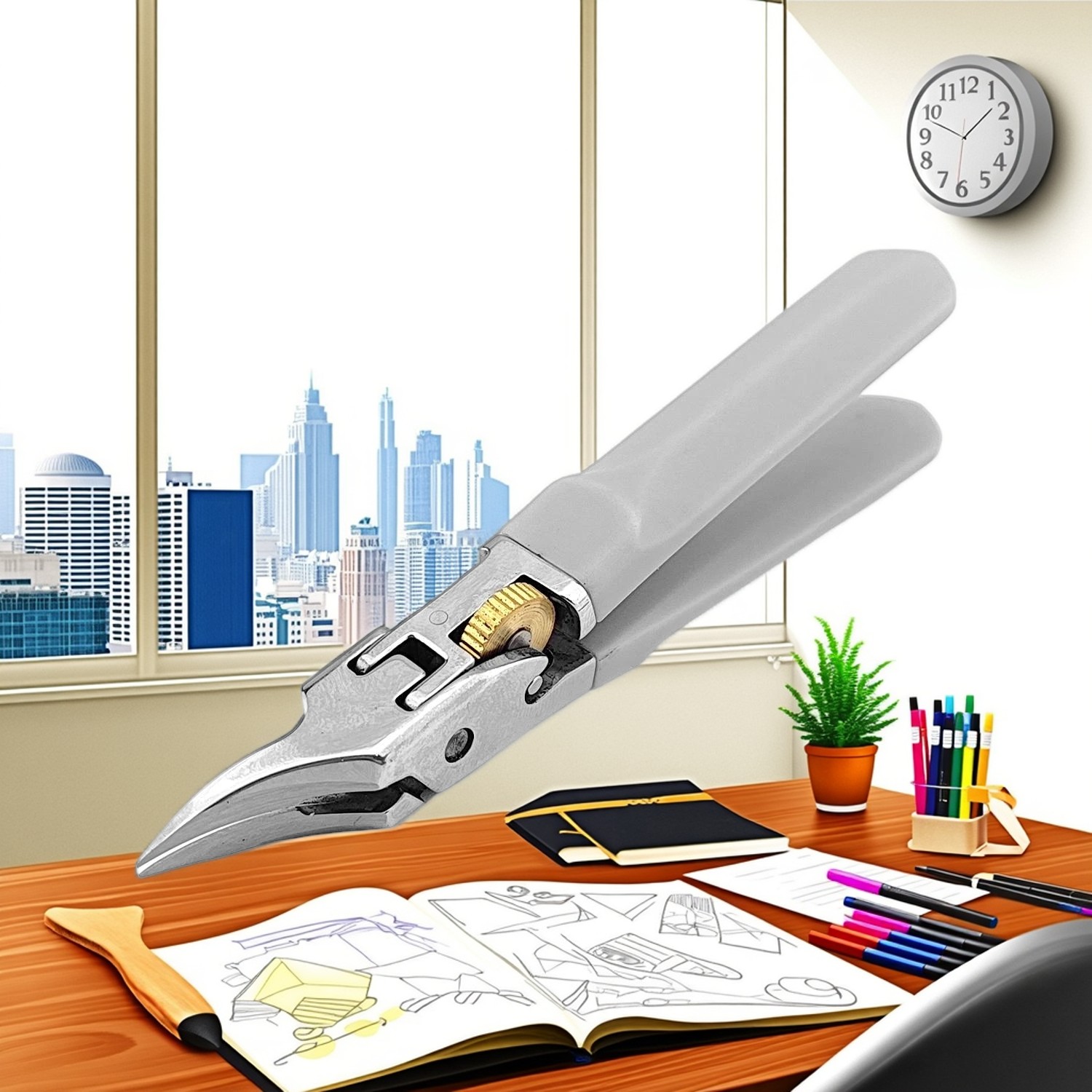
Choosing a nail clipper sounds simple until you compare how different tools feel in the hand, how cleanly they cut, and how well they hold up to repeated use. A good clipper should do more than shorten nails. It should help create a controlled cut, reduce splitting, support hygienic grooming, and feel stable whether it is used at home or in a professional nail care setting.
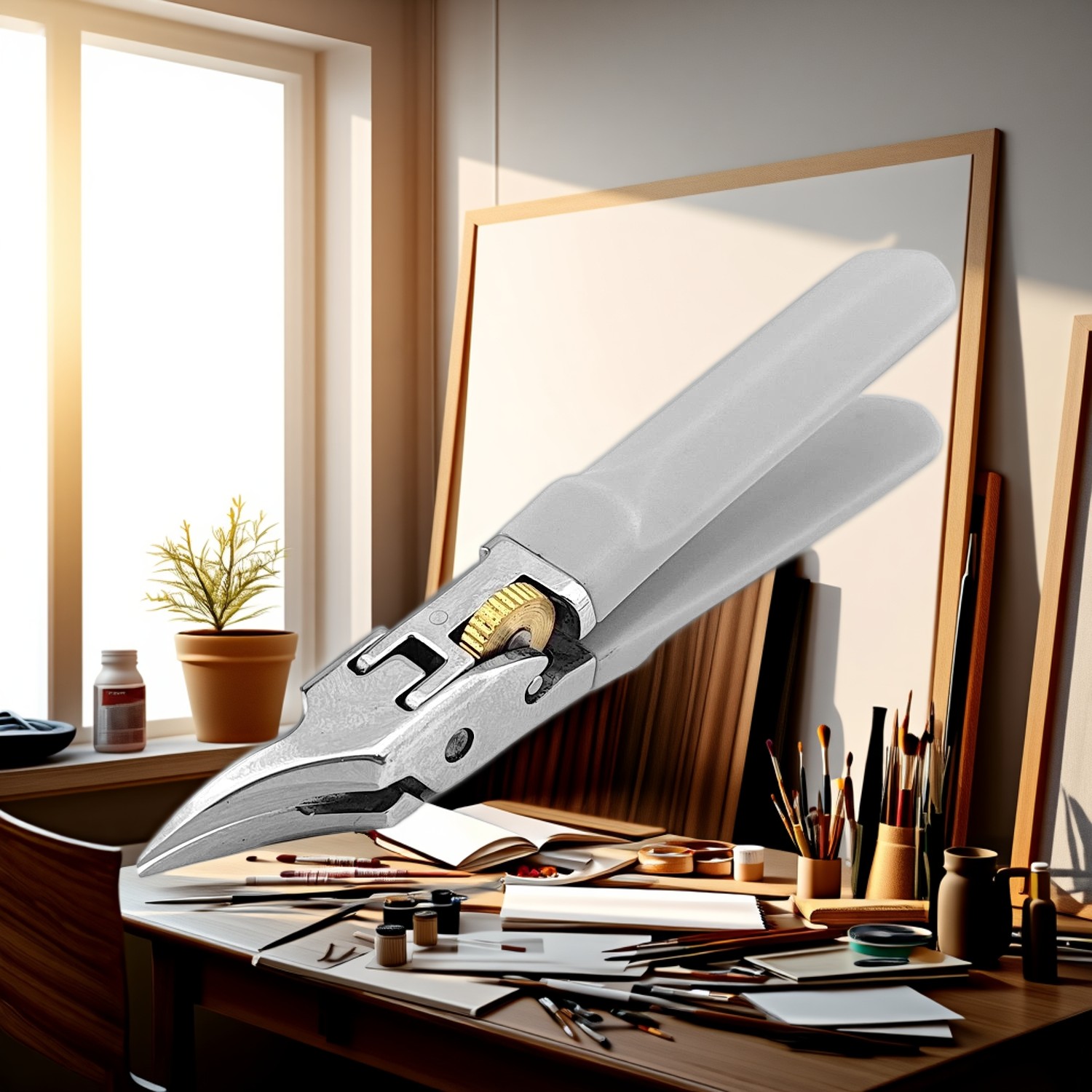
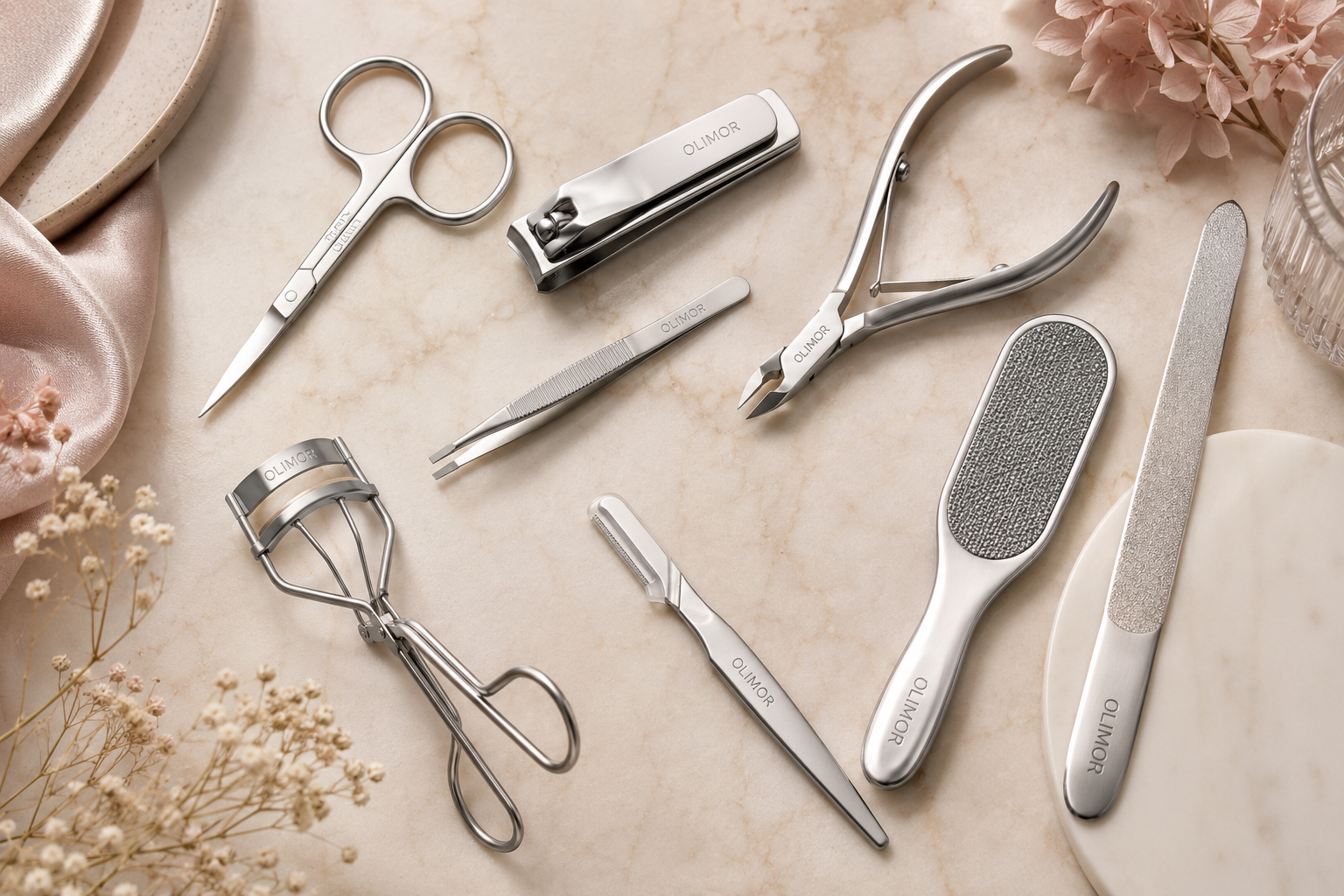
For buyers comparing nail clipper options, the most useful reviews focus on practical performance: sharpness, leverage, comfort, control, finish quality, and ease of cleaning. Olimor Beauty nail tools are presented with an emphasis on stainless steel construction, ergonomic handles, anti-slip design, lightweight use, and quality checks through production and packaging. Those are meaningful details because nail clippers are small tools that rely on tight alignment and consistent manufacturing to perform well.
What Precision Means in a Nail Clipper
Precision is not only about having a sharp edge. A precise nail clipper brings several factors together: the cutting edges meet evenly, the lever gives controlled pressure, and the tool allows the user to see and guide the cutting line. When those elements are missing, a clipper may crush the nail, leave rough edges, or require multiple passes over the same area.
Professional nail clippers are often reviewed more favorably when they make clean cuts with minimal force. This matters for fingernails, which are often shaped carefully, and for toenails, which may be thicker and require more leverage. A clean cut also reduces the amount of filing needed afterward. For personal users, that means a faster grooming routine. For salons, it supports consistent service and helps the technician work with confidence.
When evaluating a clipper for precision, look closely at these points:
- Edge alignment: The upper and lower cutting edges should meet evenly across the arc.
- Cutting feel: The action should feel smooth rather than loose, sticky, or uneven.
- Lever control: The handle should provide enough pressure without forcing the hand into an awkward angle.
- Visibility: The cutting head should let the user see where the edge contacts the nail.
- Finish after cutting: The nail edge should be clean enough that only light filing is needed.
Why Ergonomic Design Affects Cutting Quality
Ergonomics is often treated as a comfort feature, but it also affects accuracy. A clipper that slips, twists, or requires excessive pressure can make the cutting line less predictable. Ergonomic nail clippers are designed to help the user keep a stable hold while applying pressure in a controlled way.
Olimor Beauty highlights ergonomic handles, anti-slip designs, and lightweight construction in its nail clipper approach. Those features are especially useful when the tool is used repeatedly, such as during professional manicure work, or when a home user wants better control while trimming toenails. Lightweight construction can reduce fatigue, while an anti-slip surface helps maintain grip when hands are slightly damp or when the clipper is being repositioned frequently.
Comfort should be judged by more than how the tool looks. A useful design should fit naturally between the fingers and thumb, allow the hand to press downward without strain, and avoid sharp or uncomfortable edges on the lever. If the handle feels secure, the user is less likely to overcompensate by gripping too hard. That can improve both control and overall nail finish.
Material, Hygiene, and Daily Durability
Stainless steel is a common choice for nail tools because it supports durability and can be cleaned more effectively than many porous or coated materials. The supplied Olimor Beauty information specifically notes stainless steel tools, which is relevant for buyers who care about repeated use, cleaning, and a professional appearance.
For nail clippers, durability is closely tied to the hinge, lever, and cutting edge. A clipper may look sturdy at first but lose cutting quality if the edge dulls quickly or if the lever becomes loose. Buyers comparing beauty tool products should consider whether the clipper feels stable through the full press of the lever. The tool should close cleanly, spring back predictably if designed that way, and avoid rattling movement at the cutting head.
Hygiene also deserves attention. Nail clippers come into contact with keratin debris and skin oils, so they should be cleaned after use. For shared professional environments, cleaning protocols are even more important. Without inventing specific sterilization claims for any product, a practical routine includes removing nail debris, wiping the tool dry, and storing it in a clean location away from moisture. Keeping the tool dry helps preserve its finish and reduces the chance of residue building up around the hinge.
Comparison Checklist for Home Users and Salons
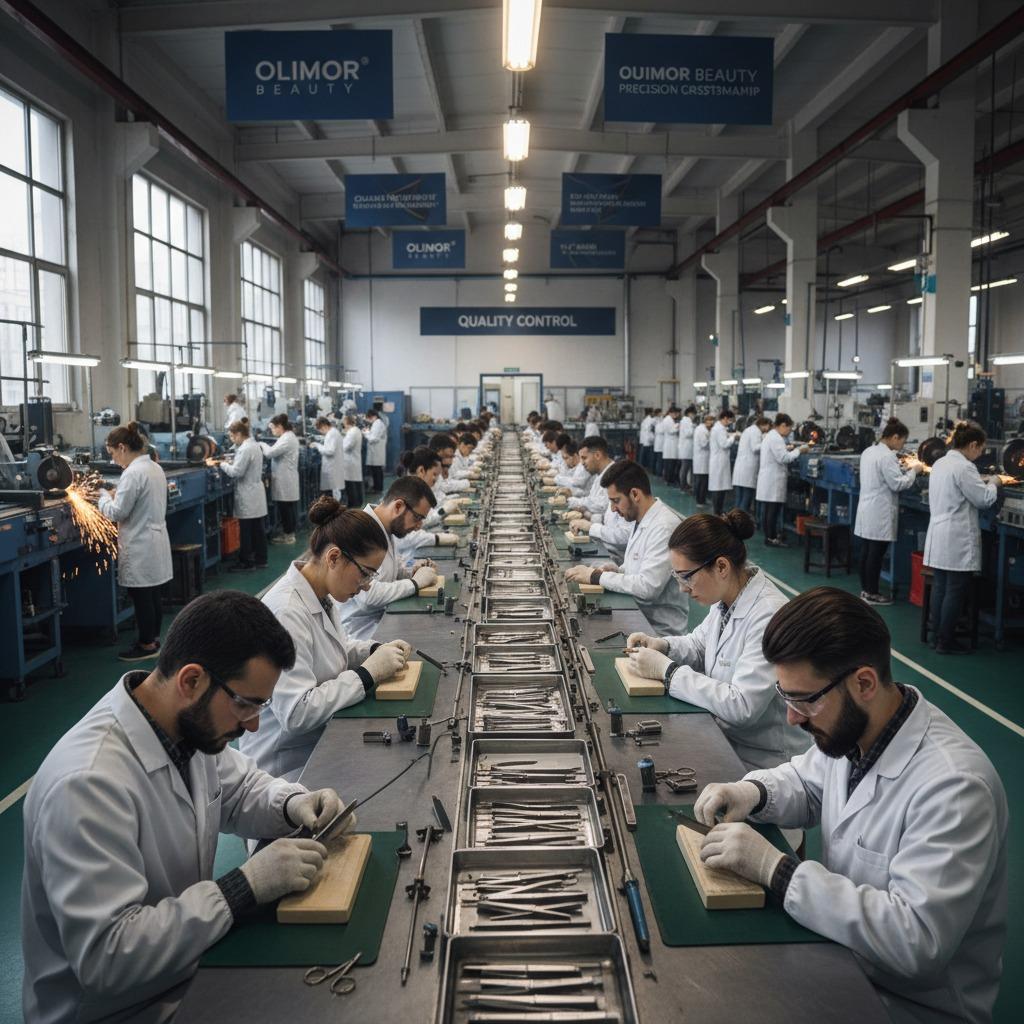
The right nail clipper depends on where and how it will be used. A home user may prioritize easy handling, simple cleaning, and a compact shape. A salon or beauty business may need consistency across many pieces, stable packaging, and quality control from production to final presentation. Olimor Beauty states that inspections are part of the process from raw material selection to final packaging, which is useful for buyers comparing suppliers for repeat orders.
| Selection factor | Why it matters | What to check |
|---|---|---|
| Cutting accuracy | Helps prevent jagged edges and repeated clipping | Even edge alignment and a smooth closing action |
| Grip design | Improves control and reduces slipping | Ergonomic handle shape and anti-slip handling |
| Tool weight | Affects comfort during longer use | Lightweight feel without loose or flimsy movement |
| Material | Influences durability and cleaning | Stainless steel construction where specified |
| Quality consistency | Important for salons, distributors, and retail buyers | Inspection approach from materials to packaging |
For retail buyers or businesses building a nail care range, the clipper should also fit the broader product mix. If you are comparing categories, the product collections page can help you review related beauty tool options before narrowing down the exact nail care items for your customers.
How to Use a Nail Clipper for a Cleaner Result
Even a well-made nail clipper performs best with careful technique. Clipping too aggressively can create stress at the nail edge, while cutting nails too short can cause discomfort. A controlled method helps preserve nail shape and reduces the amount of filing required afterward.
- Clean and dry the tool first. Remove old debris and make sure the gripping surface is dry.
- Soften very hard nails if needed. Trimming after washing can make thick nails easier to cut, but the clipper should still be dried afterward.
- Make several small cuts. Avoid trying to remove a large section of nail in one press, especially on curved nails.
- Follow the natural nail shape. For fingernails, trim gradually to maintain symmetry. For toenails, avoid cutting too deeply into the corners.
- File lightly after clipping. A fine file can smooth small edges and complete the finish.
- Clean and store the clipper. Wipe away debris, dry the tool, and keep it in a clean place.
This routine is simple, but it is often what separates a rough trim from a neat result. Precision tools support the process, yet the user’s technique still determines the final nail shape.
Buying Questions for Professional Nail Clipper Sourcing
For salons, distributors, and beauty tool buyers, product selection involves more than personal preference. Consistency, usability, and packaging condition can influence customer satisfaction. Because public product pages do not always list every technical detail, it is useful to prepare a focused checklist before placing a business inquiry.
Key questions to organize internally include: What nail types will the clipper be used for most often? Will customers expect a compact personal grooming tool or a more professional-feeling clipper? How important are anti-slip handling and lightweight construction for the target audience? What packaging format is suitable for retail display, salon use, or e-commerce fulfillment? What inspection points should be confirmed before bulk purchasing?
These questions help buyers compare real needs rather than relying only on broad claims. If you need product details, availability, or sourcing support, you can send an inquiry or contact Olimor with your intended use, target market, and quantity planning. Providing that context makes it easier to discuss the most suitable nail clipper options without assuming specifications that have not been confirmed.
Final Review: Who Benefits Most from This Type of Clipper?
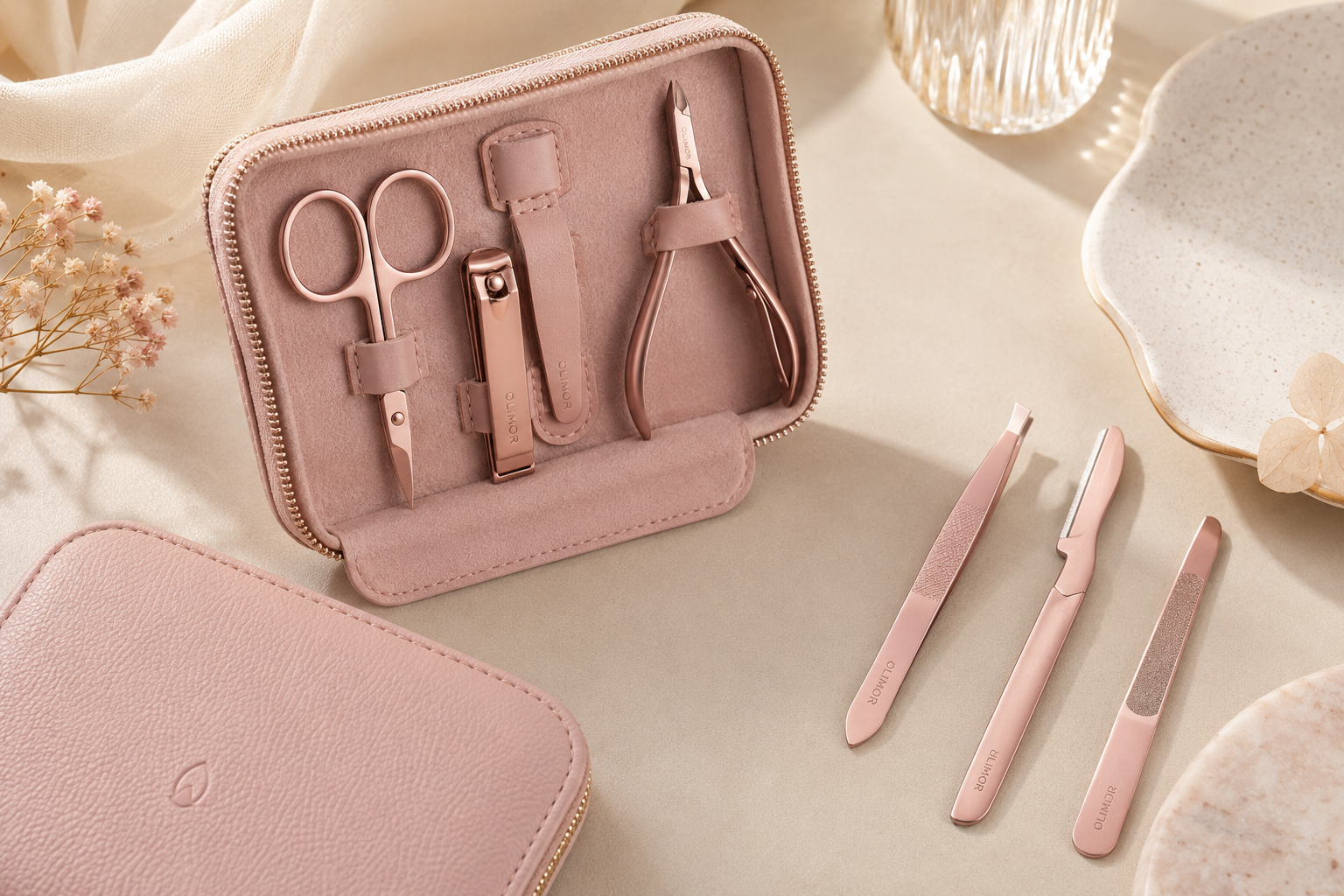
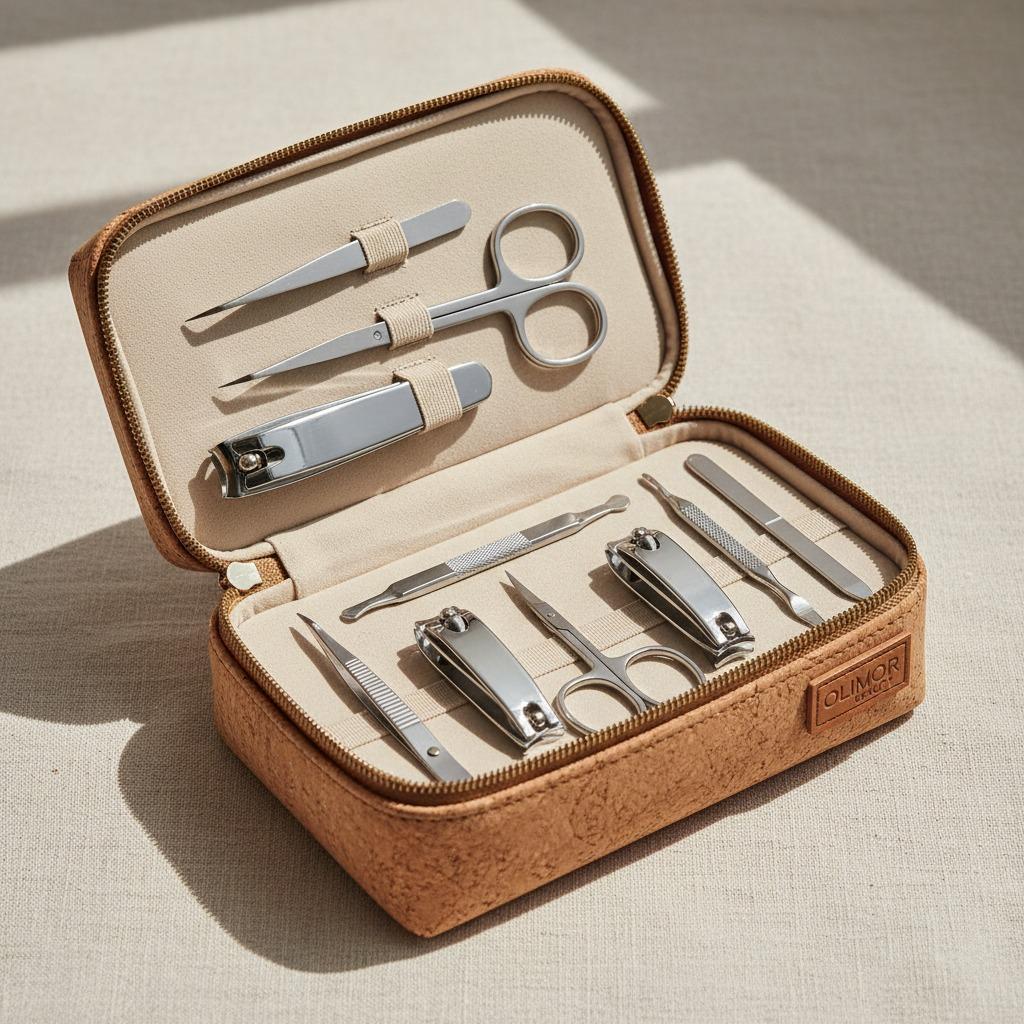
Nail clippers with precision cutting, ergonomic handles, anti-slip control, and stainless steel construction are a strong fit for users who want a cleaner trimming experience without unnecessary hand strain. They are relevant for routine home grooming, professional manicure and pedicure services, travel grooming kits, retail beauty assortments, and nail care product lines.
The most important lesson from practical nail clipper reviews is that small design details matter. A secure grip helps guide the cut. A smooth lever reduces effort. Clean edge alignment improves the nail finish. Durable material and sensible cleaning habits support longer-term use. For buyers comparing Olimor Beauty nail clippers with other options, focus on the tool’s real handling qualities and the needs of the end user. That approach leads to a better match than choosing on appearance alone.