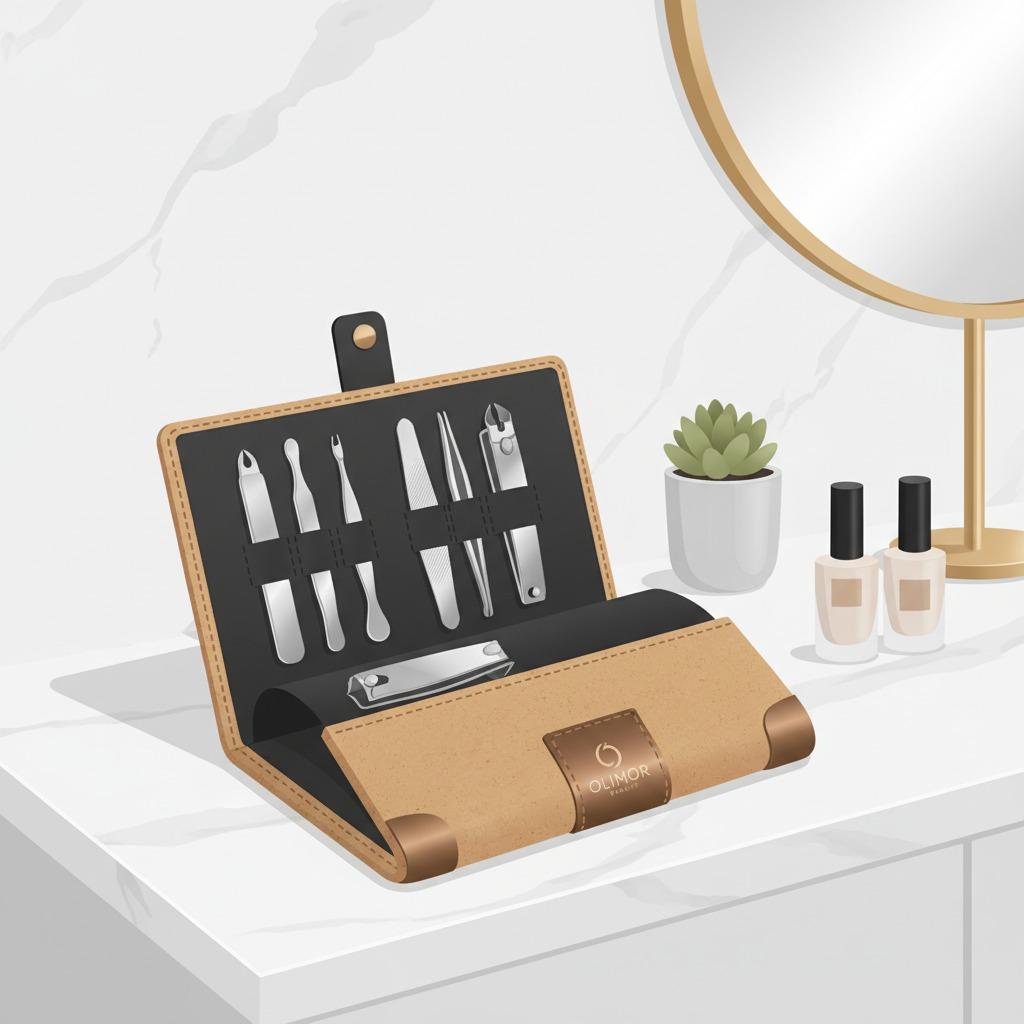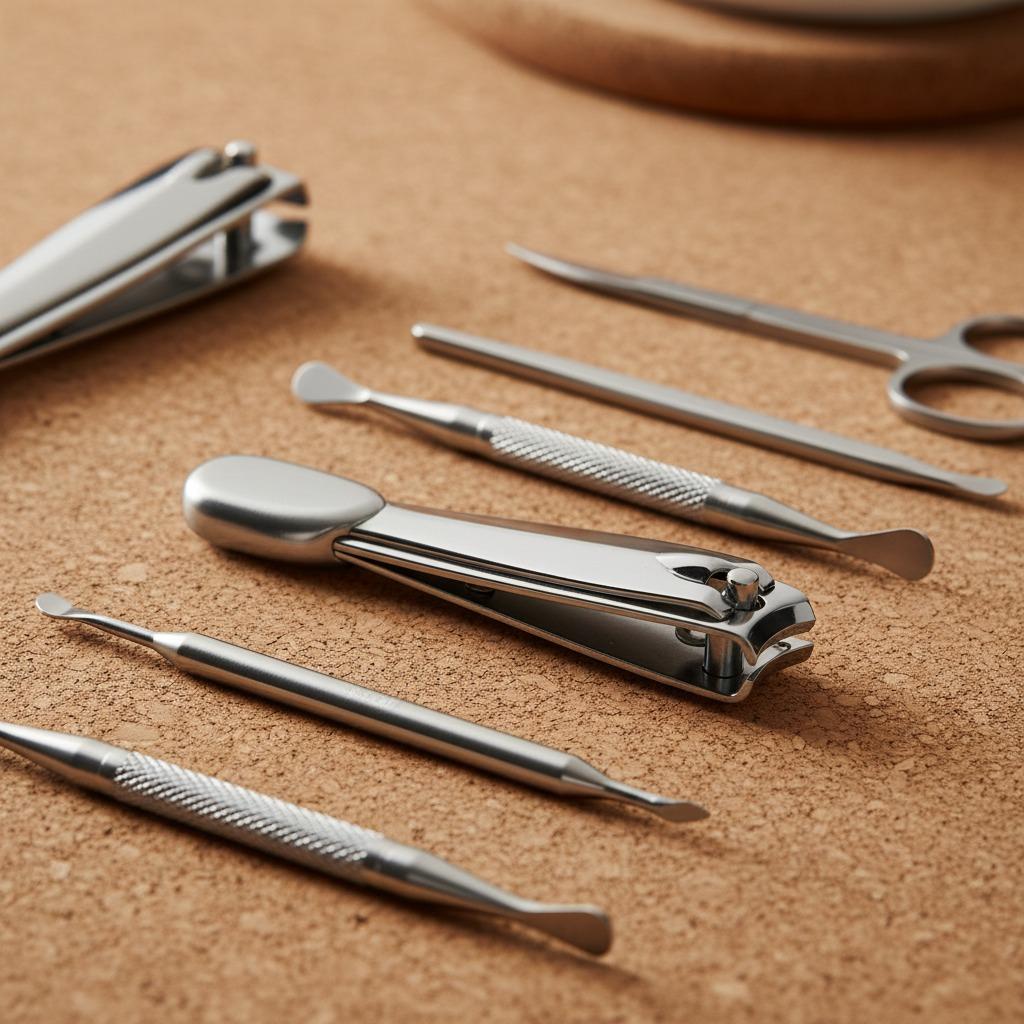












Nail clippers are small grooming tools, but sourcing problems can create big business issues. If the clipper feels loose, cuts unevenly, rusts too quickly, or arrives in weak packaging, buyers see returns, complaints, and lower repeat orders. That is why choosing nail clipper exporters is a product-quality decision as much as a price decision.
For retailers, distributors, private-label brands, salon suppliers, and promotional buyers, the right partner should help you manage product consistency, packaging, and shipment readiness. Olimor Beauty supplies beauty and grooming tools designed around practical handling, clean cutting, and dependable presentation. If you are comparing clipper styles alongside other grooming items, you can also browse the current beauty tool products before building a sourcing brief.
What a reliable nail clipper exporter should provide
A reliable exporter should do more than quote quickly. The supplier should understand how the product will be sold, packed, and inspected, and should be able to discuss the clipper from raw material handling through final packaging. That matters because nail clippers may look simple, yet small differences in forming, sharpening, lever movement, and finish can strongly affect customer satisfaction.
When comparing exporters, look for practical answers to questions such as: How is the blade alignment controlled? How are moving parts checked? What packaging is used for retail shelves, e-commerce fulfillment, or bulk distribution? How are defects identified before shipment? Clear, specific responses usually show stronger sourcing discipline than generic promises about quality.
Manufacturing knowledge and export support
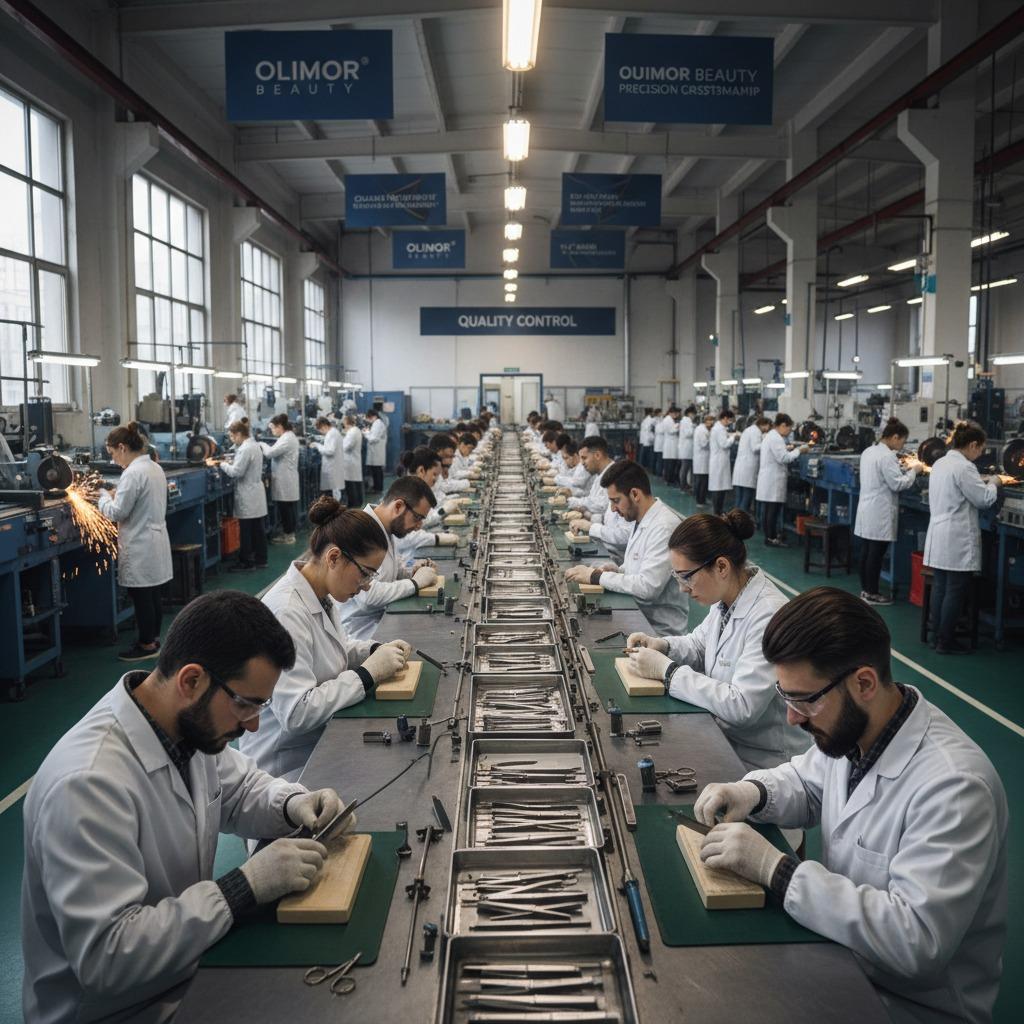
The best supplier fit is often a manufacturer-exporter combination. Manufacturing knowledge helps with shaping, sharpening, assembly, and finishing. Export support helps with packing, communication, and delivery coordination. When both are in one sourcing process, buyers can reduce friction and keep the product description, sample, and shipment plan aligned.
Olimor Beauty positions its nail clipper supply around practical quality control and packaging discipline. That does not remove the buyer’s responsibility to inspect and approve, but it does give you a more useful starting point for evaluation. If you already have a target market, channel mix, or packaging concept, you can contact the team for a sourcing discussion before requesting final pricing.
Product construction and finish to inspect
Because a nail clipper is used in seconds, the first impression matters. The customer presses the lever, makes the cut, and immediately judges whether the tool feels stable and clean. If the clipper bites smoothly and feels secure in the hand, it earns trust. If it twists, pulls, or feels rough, packaging cannot fully recover the lost confidence.
Cutting edges and lever control
Blade alignment is one of the most important quality checks. The upper and lower cutting edges should meet evenly across the curve. Misalignment can cause uneven cutting, nail crushing, or repeated pressure from the user. Lever stability matters just as much. A lever that wobbles too much or feels too loose can make the tool seem cheaply made, even if the metal surface looks polished.
For practical sample review, press the lever several times, open and close the clipper repeatedly, and observe whether the action stays smooth. A dependable exporter should be able to discuss how these moving parts are checked before packing, not only after a complaint is received.
Stainless steel, surface finish, and grip
Stainless steel is commonly preferred for nail clippers because buyers expect durability, a clean appearance, and repeated use. Still, the phrase stainless steel is only the starting point. The real question is how the finished tool performs: Does it resist visible staining under normal handling? Does the surface feel smooth? Do the joints and rivets stay neat after use?
Olimor Beauty nail clippers are described with stainless steel construction, ergonomic design for a secure grip, and sharp, curved blades for clean cuts. Some models also emphasize a matte finish, brushed appearance, or built-in file. Those features should be verified against the exact sample you receive, since finish style and feature set can vary by model.
Optional features that affect buyer choice
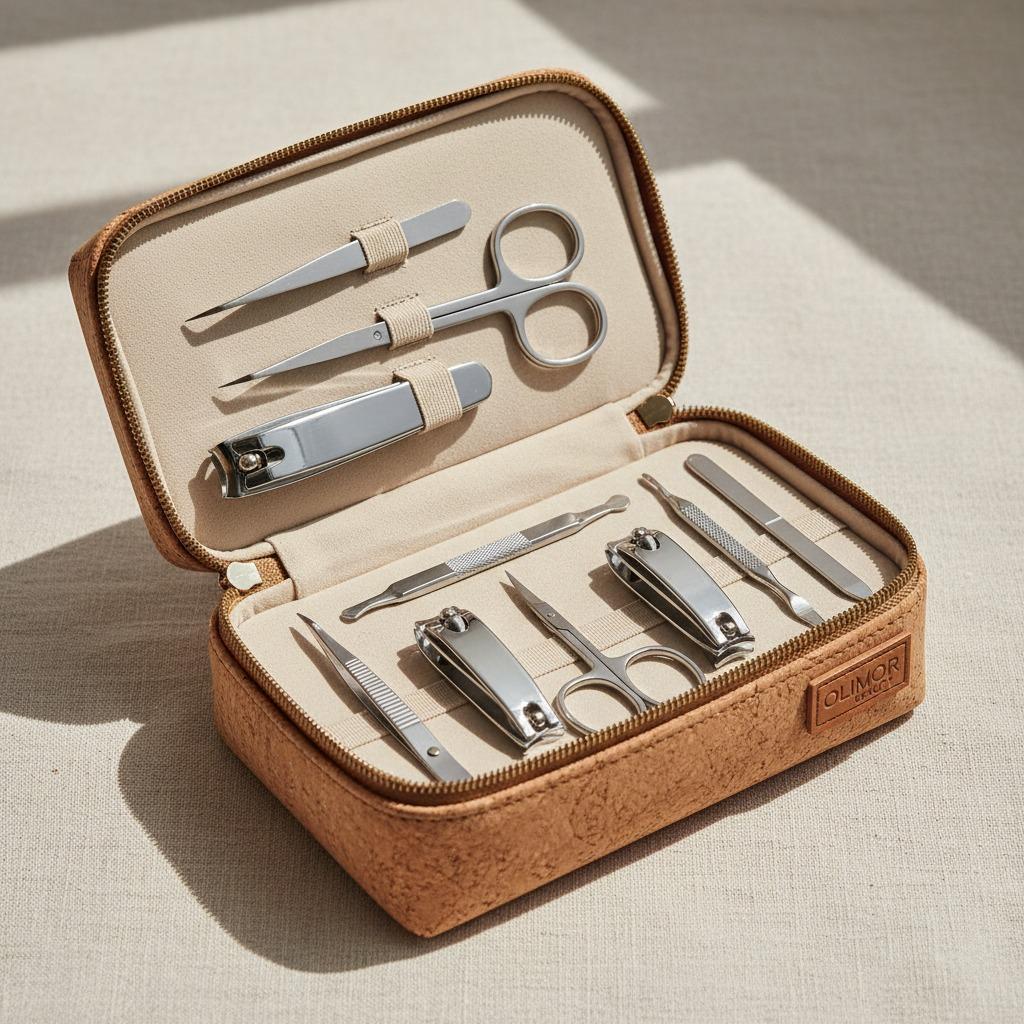
Buyers often compare clippers by use case rather than by appearance alone. A travel set may prioritize compactness. A salon kit may prioritize comfortable control. A retail shelf item may prioritize presentation. A built-in file can add convenience for personal grooming sets, while a matte or brushed finish may support a more premium look. The key is to choose features that fit the sales channel, not just the catalog image.
How to judge samples before placing a larger order
A sample can look excellent while a bulk shipment falls short. That is why sample testing must be practical, not ceremonial. Review several units rather than one display piece, and inspect them under good light. If possible, compare the samples side by side so you can spot differences in finish, lever action, and cutting feel.
Check for visible burrs, rough edges, scratches, oil marks, stains, loose rivets, and uneven grinding. Open and close each clipper multiple times. Make sure the cutting edges remain aligned and that the tool returns cleanly after use. If your evaluation process includes a controlled test cut, use it consistently across samples so the comparison is fair.
If your brief references a material or quality framework such as ISO or ASTM International, verify the applicable version and confirm the exact supplier documentation for your destination market. Do not assume one reference applies everywhere. It is also wise to check any local consumer-product or customs requirements relevant to your channel.
Packaging and channel fit matter as much as the clipper itself
Nail clippers are often impulse purchases, replacement items, or add-ons in broader grooming ranges. That means packaging is not just decoration. It affects how the product is understood, how it is protected in transit, and how clearly it fits a retail shelf or online listing.
For retail supply, buyers often need packaging that holds the clipper securely and presents the product clearly. For e-commerce, print clarity and protective fit matter because scratches, movement, and bent cards can show up in photos or on arrival. For bulk distribution, the priority may be efficient packing and protection against metal-to-metal abrasion. If you are planning a wider assortment, it can help to compare the Olimor collection and keep the visual level of the tools consistent across the range.
Common packaging considerations
- Retail card, box, pouch, or bulk pack format
- Protection against rubbing, moisture, and deformation during transport
- Barcode, logo, or instruction placement if needed
- Visual consistency with the rest of the grooming range
- Space for product explanation when selling online or in stores
Cost factors that influence exporter quotes
Buyers often compare suppliers by unit cost, but a useful sourcing decision requires more than that. Nail clipper pricing is affected by material consistency, finish complexity, packaging style, customization requirements, and the amount of inspection and communication needed before shipment. A simple bulk pack is not the same as a retail-ready product with polished presentation and printed packaging.
It also helps to define the sales channel early. A supermarket display, pharmacy shelf, travel kit, salon resale pack, or private-label program may each require different packaging and quality expectations. When the requirement is clear, exporters can quote more accurately and reduce back-and-forth later in the process.
Comparison checklist for buyer decisions
| Evaluation area | What to review | Why it matters |
|---|---|---|
| Material and finish | Stainless steel appearance, brushed or matte consistency, visible marks | Supports customer confidence and shelf appeal |
| Blade alignment | Even meeting of the cutting edges across the curve | Helps the clipper cut cleanly instead of crushing the nail |
| Lever action | Smooth movement, stable pressure, no heavy wobble | Improves control and the feel of quality |
| Grip and ergonomics | Secure hand feel, comfortable shape, practical size | Helps match the tool to home, travel, or salon use |
| Packaging readiness | Protection in transit, retail presentation, label clarity | Reduces damage and supports sales channel needs |
| Supplier process | Sample approval, inspection steps, communication clarity | Reduces risk when moving from sample to repeat order |
Questions to settle before you place an order
Clear project details make exporter comparison easier. Before requesting a quote or sample approval, decide what matters most for your market and sales channel.
- Who is the target user: everyday home use, travel grooming, salon resale, or retail checkout display?
- Which clipper features are required: plain clipper, built-in file, specific finish, or a more premium presentation?
- What packaging format fits the channel: retail card, box, pouch, or bulk refill?
- What defects are unacceptable: misaligned blades, loose levers, rough edges, stains, or damaged packaging?
- What evidence will you need for approval: sample photos, product description, packing confirmation, or inspection notes?
- What documentation does your market require before shipment, and how will it be shared?
These questions are simple, but they prevent most avoidable sourcing problems. They also help the supplier recommend the right product instead of sending a generic option that may not fit your channel.
Working with Olimor on a nail clipper program
Olimor Beauty supplies grooming tools for buyers who need practical product selection, dependable presentation, and export support. If you are building a retail assortment, launching private-label packaging, or planning a bulk replenishment program, the best next step is to define the product brief clearly and share the intended channel, packaging style, and quality expectations.
You can review the broader assortment, compare tool styles, and send a project inquiry with the details that matter most to your business. A good sourcing discussion starts with your sales channel, target user, and packaging needs, not with guesswork. That approach makes it easier to choose a nail clipper exporter that fits both the product and the market.
FAQ
Can I request samples before placing a larger order?
Yes. Sample review is one of the most useful steps in sourcing. It lets you check blade alignment, lever feel, finish quality, and packaging before you commit to a larger purchase.
What should I ask about MOQ?
MOQ can vary by model, finish, packaging style, and customization needs. Ask the supplier to confirm the project-specific minimum for the exact item you want.
Can nail clippers be customized for retail or private label use?
Often yes, depending on the model and the supplier’s capabilities. Common customization discussions include packaging format, logo placement, and presentation details. Confirm what is available for your selected product.
How should quality checks be handled?
Ask how the supplier checks raw material, forming, sharpening, assembly, and final packing. You should also inspect several samples yourself and define which defects are unacceptable before approval.
What affects lead time?
Lead time depends on the order structure, customization, packaging requirements, and current production schedule. Always confirm the timeline in writing before final approval.
For buyers comparing nail clipper exporters across retail, wholesale, and bulk supply channels, the strongest choice is usually the supplier that can repeat consistent cutting, stable finish, and reliable packaging across multiple orders. Focus on sample quality, inspection discipline, and clear communication, and you will be in a much better position to build a grooming program that customers trust.