










For beauty brands, retailers and distributors, an eyelash curler is a small product with a direct effect on customer trust. It is used close to the eye, judged immediately by comfort and performance, and often reviewed as part of a wider beauty tool experience. A weak hinge, rough edge, unstable frame, poorly fitted pad or uncomfortable handle can turn a simple accessory into a product complaint.
Choosing an eyelash curler supplier is therefore not only a purchasing decision. It is a brand protection decision. The right supplier should understand product feel, manufacturing details, packaging needs and repeatable quality expectations. For B2B buyers, the goal is to source a tool that fits the target customer, supports the retail channel and can be developed consistently alongside related beauty tools such as tweezers, brow tools, nail clippers, cuticle tools and grooming accessories.
Olimor Beauty supplies professional beauty tools, including eyelash curlers, manicure tools and personal care accessories, for businesses that need practical sourcing support. Buyers can review available categories through Olimor beauty tool products when preparing a shortlist for sampling and comparison.
What a Professional Eyelash Curler Supplier Should Understand
A good eyelash curler supplier should understand that this product is both cosmetic and mechanical. It must create a visible curl, but it must also feel controlled in the hand. Two curlers may look similar in catalog images, yet perform differently because of frame shape, pad texture, hinge movement or handle geometry.
The supplier should be able to discuss the practical details that influence use. The frame curve should align with the intended lash area. The upper bar and pad should meet evenly. The hinge or spring action should open and close smoothly. Finger loops should feel comfortable enough for daily use. The finish should be smooth around all contact points, especially near the upper bar, side arms and finger loops.
For commercial sourcing, repeatability matters as much as the first sample. A strong sample is useful only if production pieces follow the approved direction. Buyers should keep an approved reference sample and use it to compare shape, movement, color, logo placement and packaging before shipment. This is especially important when the curler will be sold under a private label or included in a coordinated beauty tool line.
Start with Search Intent: What Are You Really Buying?
Before asking for price, buyers should define the role of the eyelash curler in the product line. A sourcing request for a low-cost promotional item is different from a request for a retail-ready beauty tool with branded packaging. A travel kit may need compact packaging and simple instructions, while a gift set may require more attention to presentation and matching finishes.
Useful commercial questions include:
- Will the eyelash curler be sold as a standalone item, in an eye tool set or inside a larger beauty kit?
- Is the target user a beginner, a daily makeup customer, a salon buyer, a mass retail shopper or an e-commerce consumer?
- Should the curler feel lightweight, firm, compact, professional or giftable?
- Does the product need to match tweezers, brow tools, manicure tools or packaging from the same range?
- Will the retail channel require hanging holes, barcode space, insert cards, warning text or multilingual information?
- Which defects would create the greatest risk: pinching, rough edges, uneven pressure, weak packaging or inconsistent logo placement?
These questions turn a general inquiry into a sourcing brief. A clear brief helps the supplier recommend suitable options and helps the buyer compare samples on the same basis.
Key Product Details to Check During Sample Review
Sample review should go beyond a quick visual inspection. Because an eyelash curler moves, presses and touches the eye area, buyers should handle it as a customer would. Open and close it repeatedly. Feel the pressure. Look at how the pad sits. Check whether the frame feels stable. Review the finish under good lighting and touch areas that may contact the skin.
Frame Alignment
Frame alignment affects how evenly the curler presses across the lashes. A frame that is not symmetrical may apply uneven pressure or feel unstable. Buyers should look from the front and side, compare the upper bar with the pad position, and check whether both sides close evenly.
Hinge or Spring Movement
The hinge should feel controlled, not loose, stiff or rough. If the movement feels inconsistent during sample review, it may become a complaint after repeated use. Buyers should test more than one sample where possible instead of relying on a single perfect unit.
Pad Fit and Firmness
The pad directly affects curling comfort and performance. If it is too hard, the tool may feel uncomfortable. If it is too soft, the curl may feel less defined. The pad should sit securely in the channel and align with the upper bar. If replacement pads are part of the offer, buyers should confirm how they are presented and packaged.
Surface Finish
Finish affects both perceived value and handling comfort. Check for rough burrs, uneven coating, plating defects, inconsistent color or sharp-feeling edges. A beauty tool can look attractive in a photo but fail when the user touches the finger loops or upper frame.
Packaging Fit
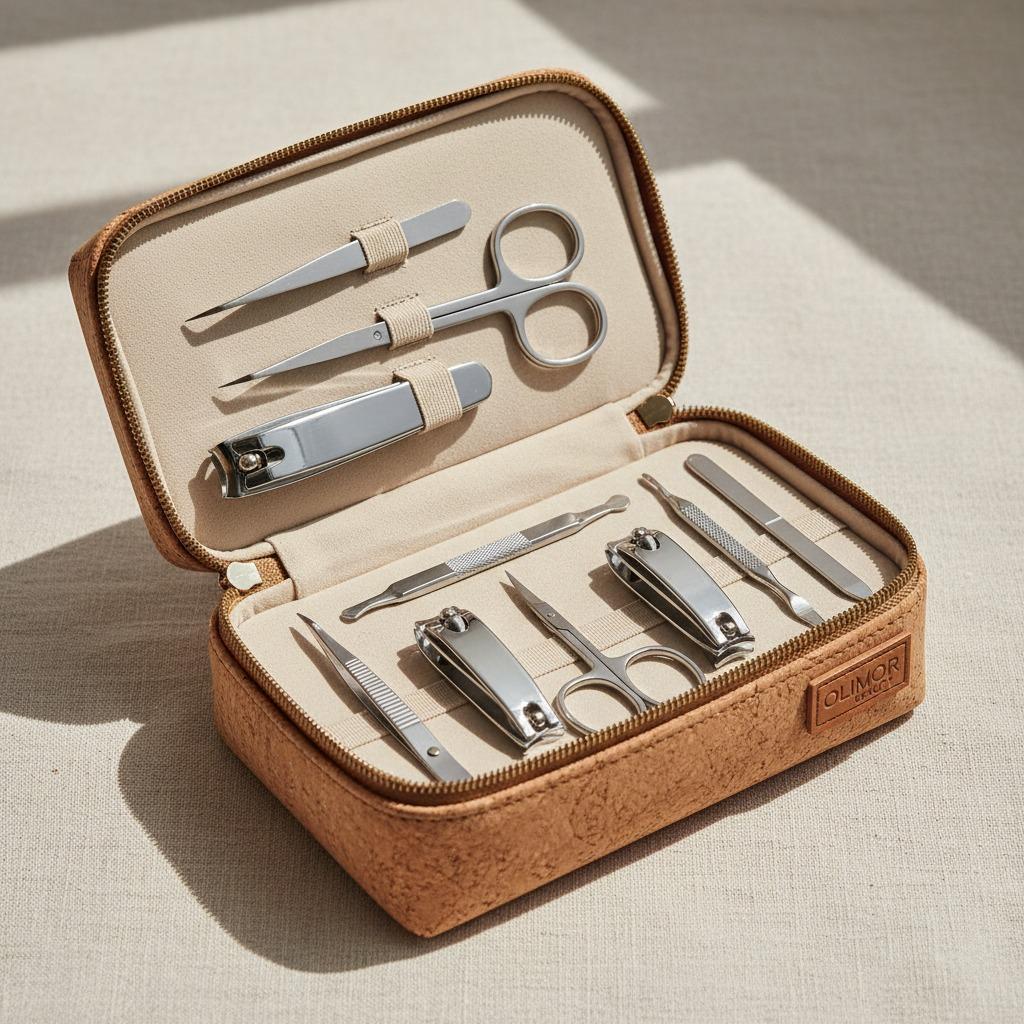
Retail packaging must protect the tool and present it clearly. Buyers should check whether the product moves inside the insert, whether print is clear, whether the closure is secure and whether there is space for barcode, instructions or channel-specific labeling. For sets, the packaging should hold each tool firmly and keep the visual layout consistent.
Supplier Evaluation Checklist for Eyelash Curlers
The following checklist helps buyers compare eyelash curler suppliers, private label beauty tool suppliers and broader beauty tool manufacturers in a structured way.
| Evaluation Area | What to Check | Why It Matters | Buyer Action |
|---|---|---|---|
| Comfort | Finger loop size, grip feel, opening angle and pressure control | Improves daily usability and reduces complaints about pinching or slipping | Handle the sample repeatedly and compare feedback from different users |
| Alignment | Upper bar position, pad placement and side-to-side frame symmetry | Supports even pressure across the lashes | Inspect several samples visually and check closure consistency |
| Movement | Hinge or spring action during opening and closing | Affects the feeling of control and durability perception | Open and close samples multiple times during review |
| Pad Quality | Fit, texture, firmness and stability in the channel | Directly affects curling comfort and customer satisfaction | Confirm the approved pad style and document it in the sample standard |
| Surface Finish | Smooth edges, clean coating or plating and consistent color | Supports safe handling and a professional retail impression | Use visual and touch inspection under adequate lighting |
| Packaging | Insert stability, print clarity, closure, barcode area and instructions | Protects the item and supports sell-through across retail channels | Review packaging together with the tool, not as a separate afterthought |
| Assortment Fit | Compatibility with tweezers, brow tools, manicure tools and grooming accessories | Creates a coherent product family for the end customer | Compare finishes, packaging style and brand presentation across categories |
How to Compare Eyelash Curler Supplier Cost Factors
B2B buyers often ask for the best price, but the cheapest quoted price may not represent the best sourcing decision. Cost depends on product construction, finish, packaging, customization, order structure, inspection expectations and assortment complexity. A simple bulk-packed curler and a private label retail curler with coordinated packaging are not equivalent projects.
When comparing supplier quotations, buyers should check what is included rather than comparing only the unit price. Important cost factors may include tooling or design development if applicable, surface finish selection, logo application method, packaging format, insert material, artwork handling, inspection requirements, carton packing and whether the item is shipped alone or with other tools.
Buyers should also consider the hidden cost of inconsistency. If a supplier cannot maintain pad placement, frame alignment, packaging quality or color direction across repeat orders, the buyer may face returns, repacking work, delayed launches or weaker customer reviews. A professional eyelash curler supplier should help the buyer understand realistic options and avoid overcomplicating the product beyond the market position.
Building a Coordinated Beauty Tool Line
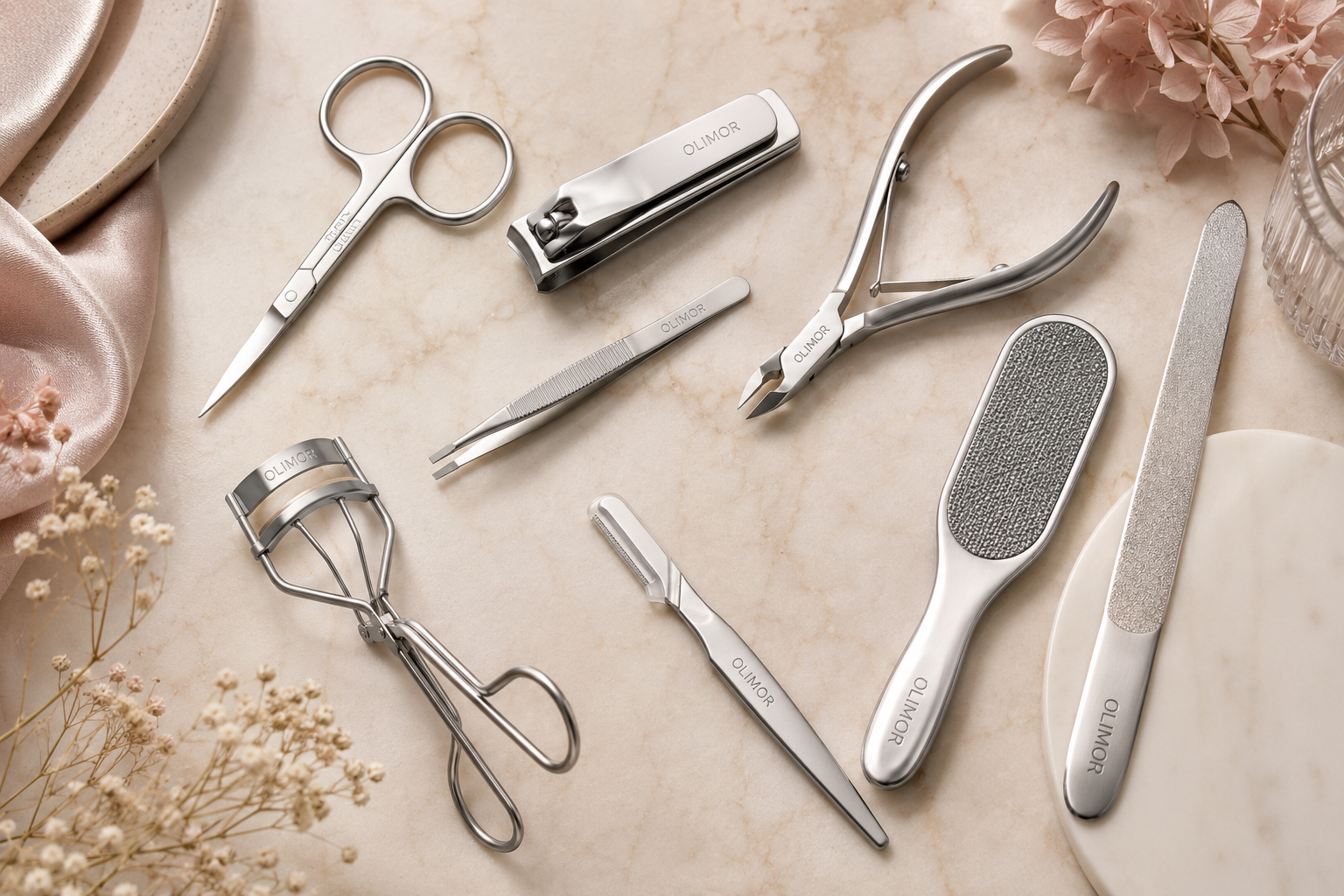
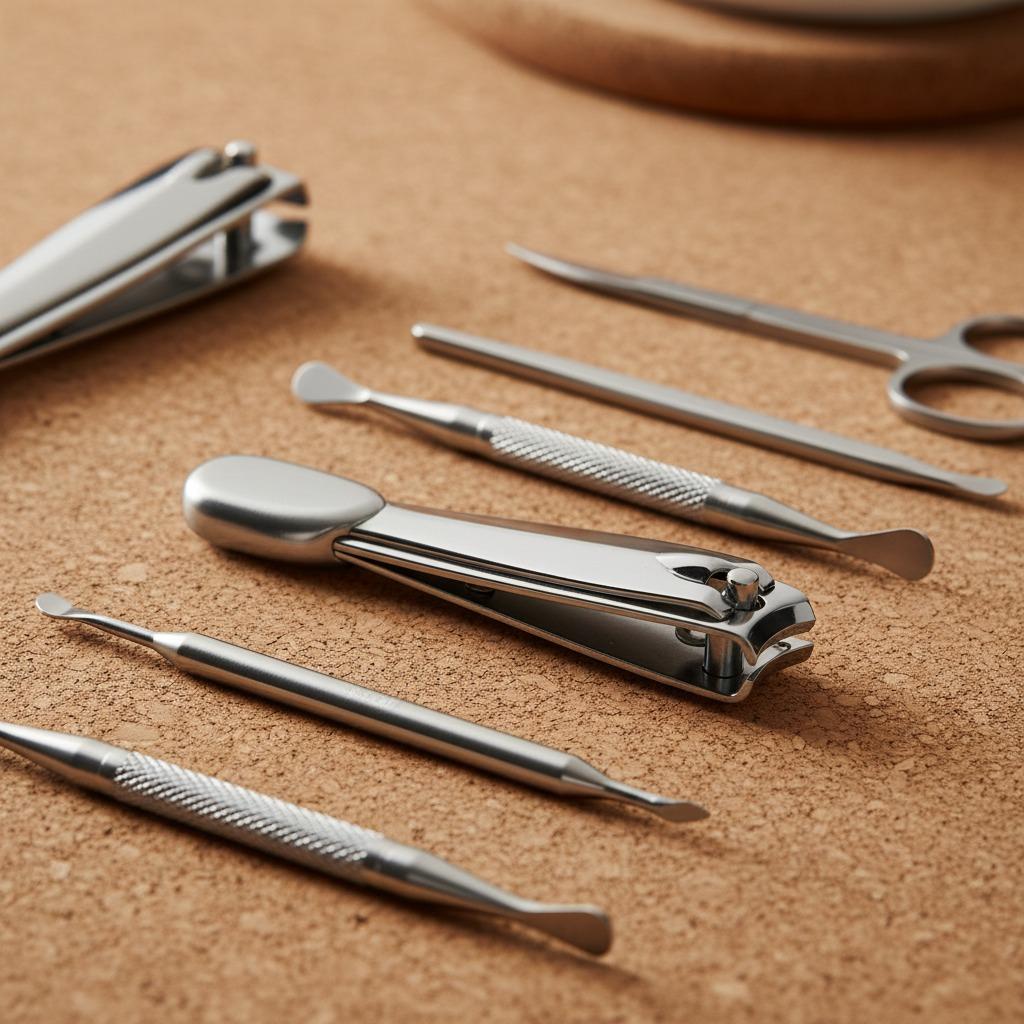
Many brands begin with one hero product and then expand into related tools. Eyelash curlers are often displayed with tweezers, brow grooming tools, manicure tools, nail clippers, cuticle pushers, scissors and personal care accessories. Sourcing each item from a different vendor can create problems with packaging size, finish matching, logo consistency and quality expectations.
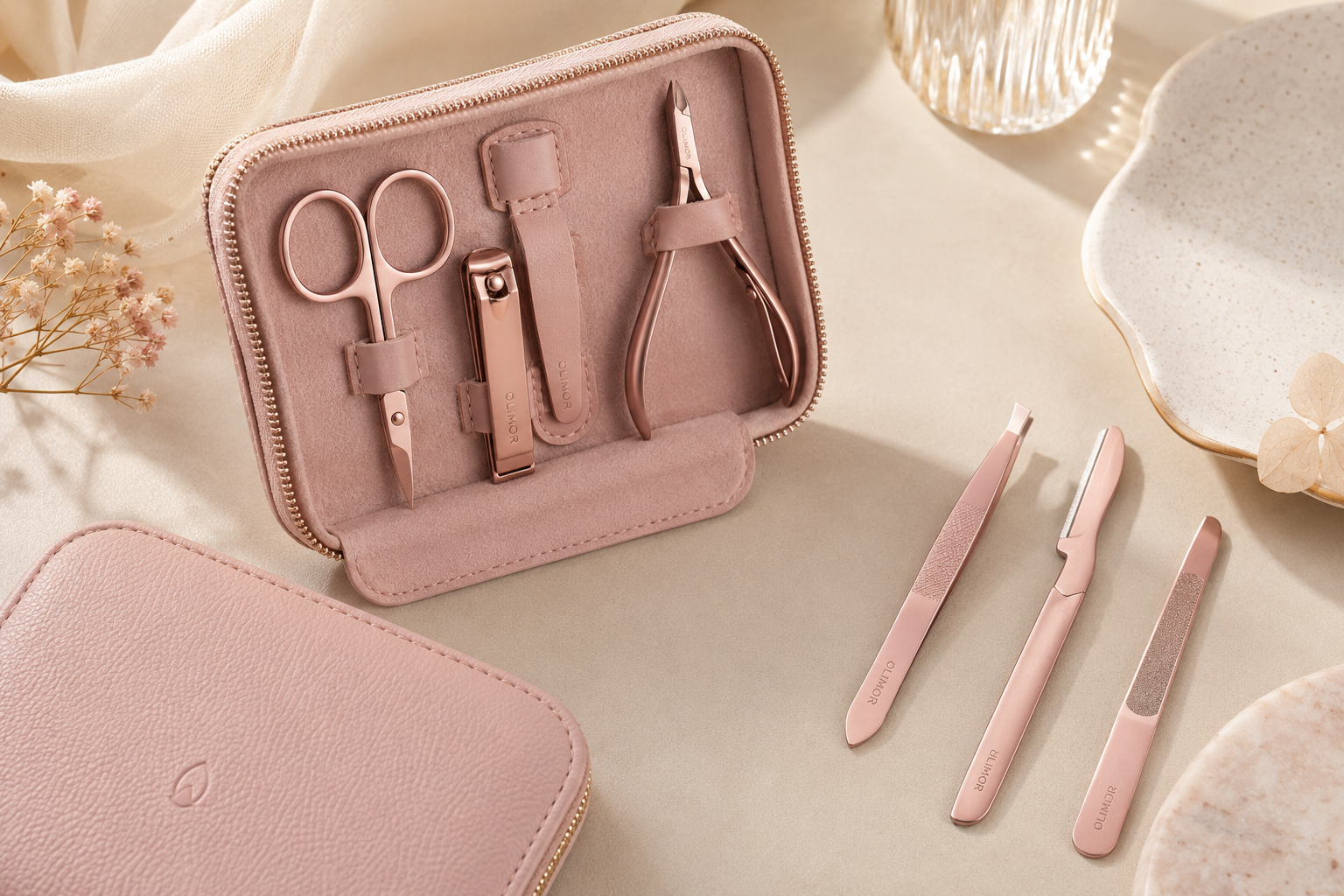
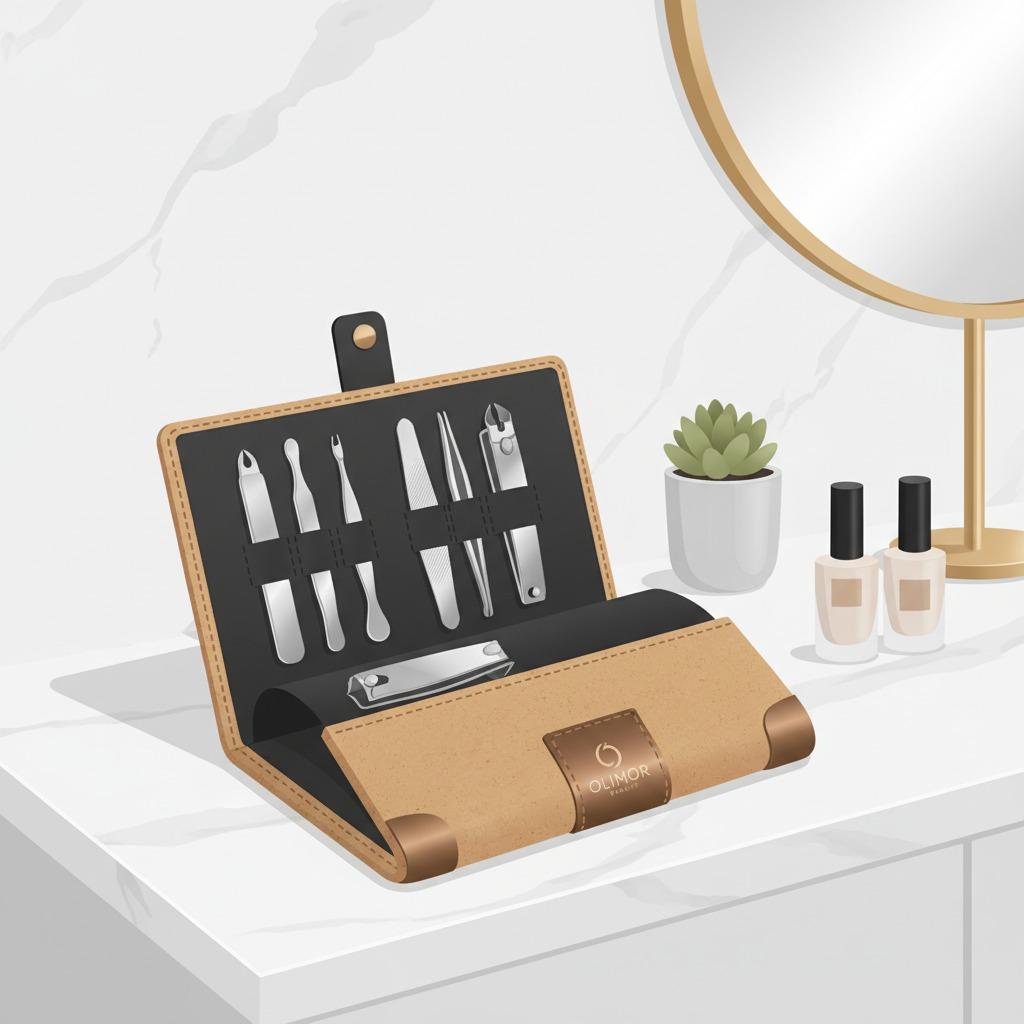
A broader professional beauty tools supplier can reduce this complexity. Olimor Beauty supports buyers who are developing eye tools, manicure tools and wider personal care assortments. This can be useful for seasonal kits, retail sets, online bundles, promotional programs or private label ranges that need a consistent look. Buyers can browse Olimor product collections to plan which items belong together by customer need, such as daily grooming, nail maintenance, travel convenience or giftable beauty essentials.
Good assortment planning is not about adding products randomly. Each item should support the same target customer and price position. For example, a clean everyday eye tool line may combine an eyelash curler with tweezers and brow scissors. A personal care kit may combine nail clippers, cuticle tools and grooming accessories. A giftable set may require stronger packaging coordination and a more consistent finish across tools.
Private Label and Customization Decisions to Settle Early
Private label beauty tools require more planning than adding a logo. The product, packaging and presentation should support the brand promise and meet the needs of the sales channel. Early decisions help avoid delays during artwork preparation, sampling and production planning.
Before beginning private label development, buyers should prepare brand assets and commercial requirements. These may include logo files, preferred colors, packaging references, product naming rules, language needs, retail channel requirements and any market-specific labeling expectations. If the brand has existing manicure tools or beauty accessories, those samples can help the supplier understand finish direction and packaging style.
Useful private label questions include:
- Where should the logo appear: on the handle, packaging, insert card or outer carton?
- Should the curler match other beauty tools in color, finish or packaging format?
- Does the target channel need retail-ready packaging, set packaging or simplified distributor packaging?
- Are instructions, warnings or multiple languages needed for the intended market?
- Should the range use reduced-plastic or other packaging choices where suitable?
- How will the approved sample be documented so repeat production can be compared clearly?
A practical supplier should translate these brand goals into manufacturable options. If specifications are not fixed, the buyer can provide reference samples, desired retail positioning and packaging examples to make communication more efficient.
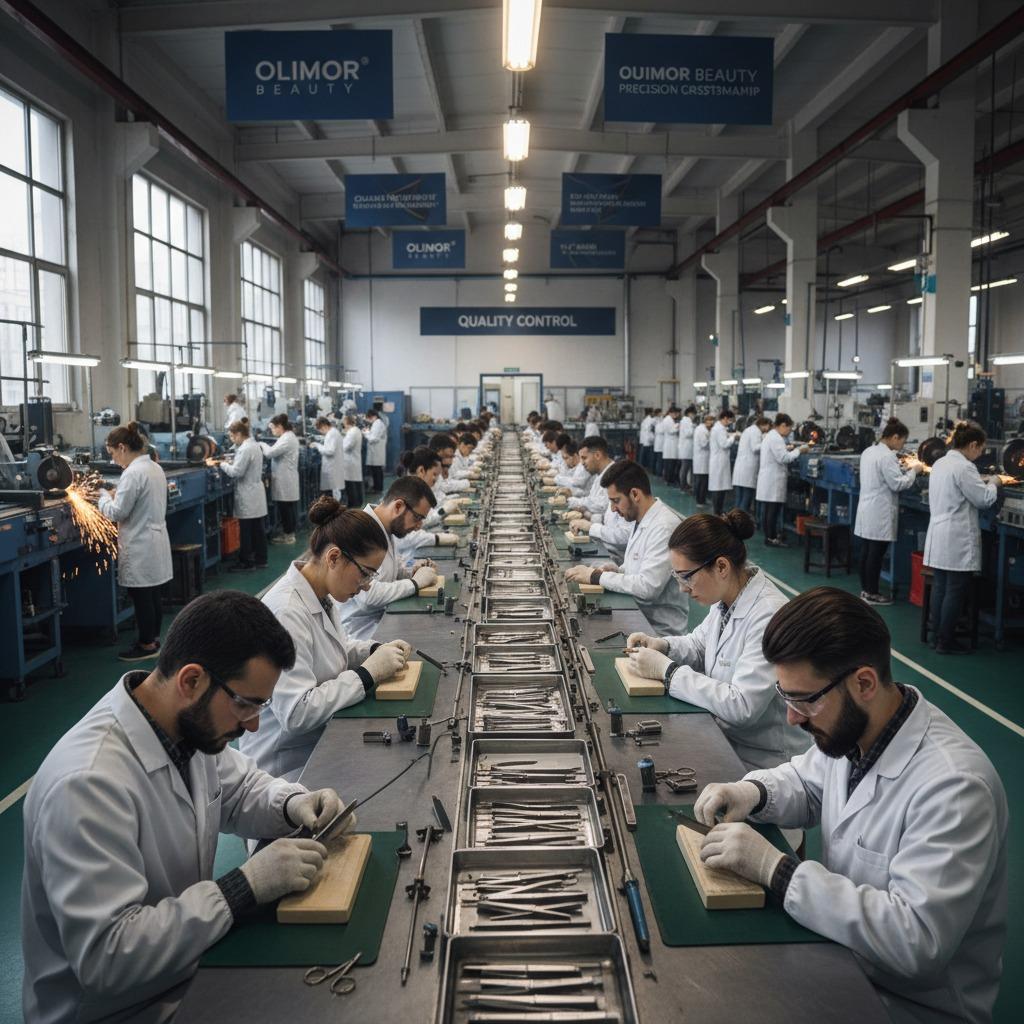
Quality Control Points for Beauty Accessories
Quality control for eyelash curlers should include functional and visual checks. The hinge should open and close smoothly. The pad should sit securely. The frame should not wobble. Surfaces should be free from sharp burrs or obvious defects. Packaging should protect the tool and present it in line with the approved artwork.
For manicure tools and related accessories, different inspection points may apply. Buyers should review finishing, edge condition, alignment, cleanliness and overall hand feel. Nail tools are often judged by precision and comfort, so small inconsistencies can affect customer perception. Written quality criteria are more useful than broad descriptions such as premium or high quality.
A buyer-side inspection plan may include the following steps:
- Approve a physical pre-production sample and keep it as the reference standard.
- Confirm logo position, color direction, packaging artwork and insert fit before production.
- Define unacceptable issues such as rough edges, loose pads, poor alignment, damaged packaging or incorrect labeling.
- Review samples from production or finished cartons where possible, not only the first development sample.
- Keep communication records for approved changes, especially for private label projects.
Where quality management systems or consumer product rules are relevant to the destination market, buyers should verify the applicable version and request supplier documentation directly. Public references such as ISO 9001 for quality management systems or guidance from bodies such as the U.S. Consumer Product Safety Commission may help buyers frame questions, but applicability depends on the product, market and current regulatory requirements. Buyers should not assume a certification or compliance status unless it is supported by valid supplier documents.
Common Sourcing Problems and How to Reduce Risk
Several eyelash curler sourcing problems can be reduced with better preparation. If a product pinches or feels unstable, the issue may relate to frame alignment, opening angle, pad placement or excessive closing pressure. If customers complain about rough handling, the finish and edge condition should be reviewed more carefully. If packaging looks weak at retail, the insert, closure and print quality may need adjustment before mass production.
Communication problems also create risk. A buyer may request a professional appearance while the supplier interprets that as a specific finish, packaging type or cost level. Reference samples, photos, packaging examples and written acceptance criteria make expectations clearer. For private label projects, buyers should confirm artwork files, logo size, color direction and carton markings before production begins.
For companies sourcing multiple beauty tools, range planning reduces last-minute changes. Decide whether the eyelash curler belongs in an eye collection, a daily grooming line, a travel kit or a broader personal care range. Then compare related tools at the same time so finish, packaging and quality expectations are aligned.
How to Evaluate Olimor as a Beauty Tool Supplier
When evaluating Olimor Beauty or any professional beauty tool supplier, buyers should focus on product suitability, communication quality and sample consistency. A strong supplier discussion should cover the target customer, sales channel, packaging needs, private label requirements, inspection concerns and future assortment plans.
Olimor can be considered by buyers who need eyelash curlers as part of a wider beauty tool program rather than as an isolated item. Reviewing the broader catalog can help buyers compare eye tools, manicure tools and personal care accessories together. For commercial sourcing questions, buyers can contact Olimor Beauty with a project brief or send an inquiry for beauty tool sourcing when ready to discuss samples, packaging or customization.
The most useful inquiry includes the target market, intended sales channel, desired packaging type, logo or branding requirements, expected product role and any reference samples. Clear information allows the supplier to recommend practical options and helps both sides avoid unnecessary revisions.
FAQ
Can buyers request eyelash curler samples before placing an order?
Samples are commonly used to check comfort, frame alignment, hinge movement, pad fit, finish and packaging direction before confirming a production plan. Buyers should discuss sample availability and sample conditions directly with Olimor based on the selected item and customization needs.
What MOQ should a buyer expect for private label beauty tools?
MOQ can vary by product, finish, packaging format and customization method. Buyers should avoid assuming a fixed quantity and should confirm the applicable requirement for each eyelash curler, manicure tool or set during inquiry.
Can eyelash curlers be customized with logo and packaging?
Customization may include logo placement, color direction, packaging artwork, insert cards, set packaging or carton information depending on the product and project requirements. Buyers should provide logo files, packaging references and target channel details early in the process.
What quality checks are important before shipment?
Important checks include frame alignment, hinge movement, pad placement, surface finish, logo position, packaging condition and carton accuracy. Buyers should keep an approved sample and define unacceptable defects in writing before production.
How should buyers confirm lead time?
Lead time depends on product selection, sampling, packaging approval, customization and order planning. Buyers should confirm timing directly with the supplier after specifications and artwork requirements are clear.