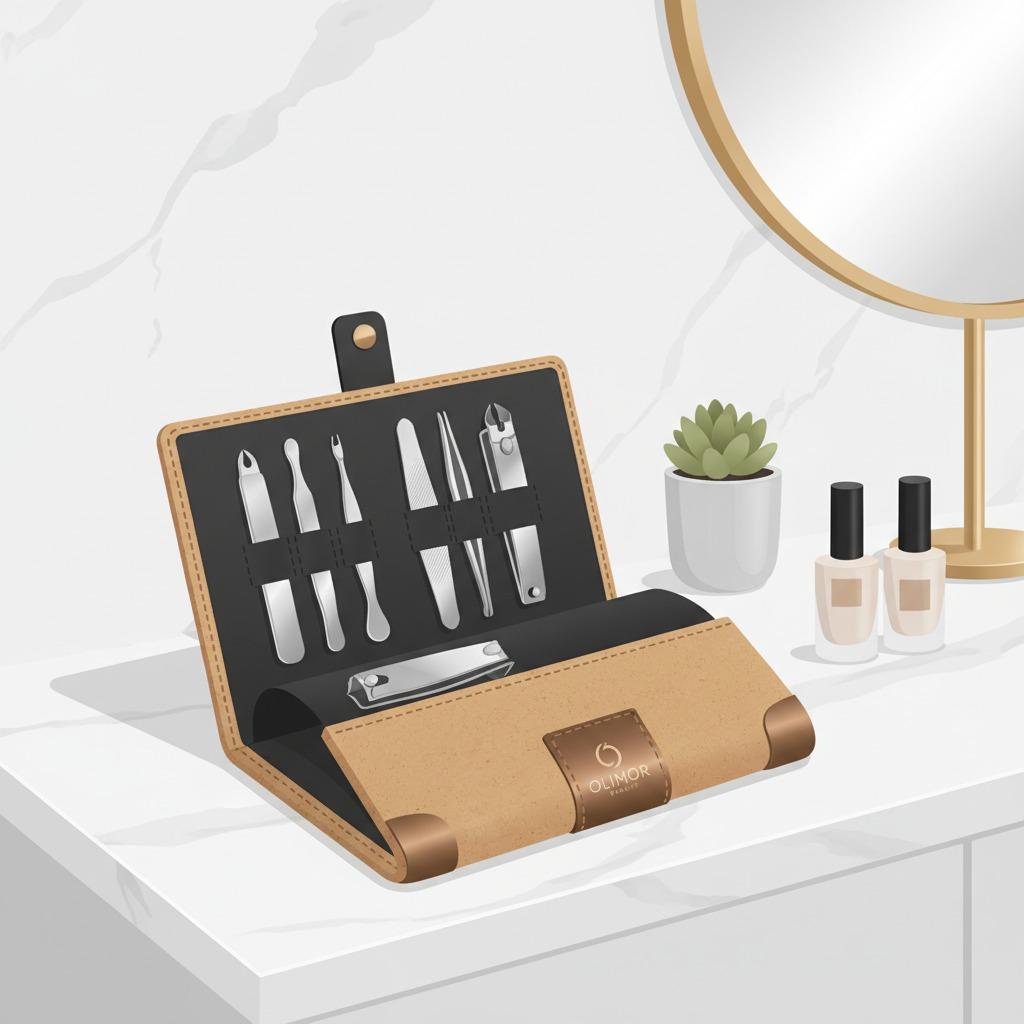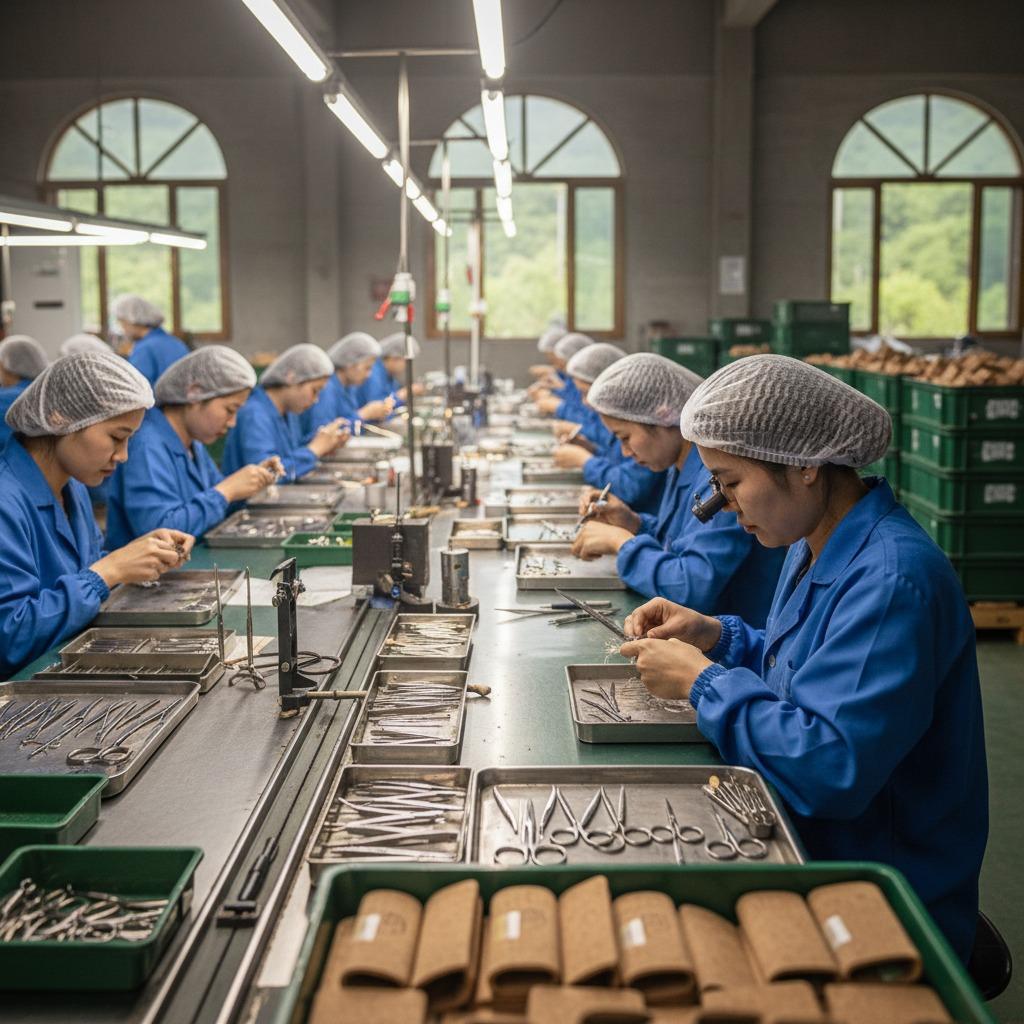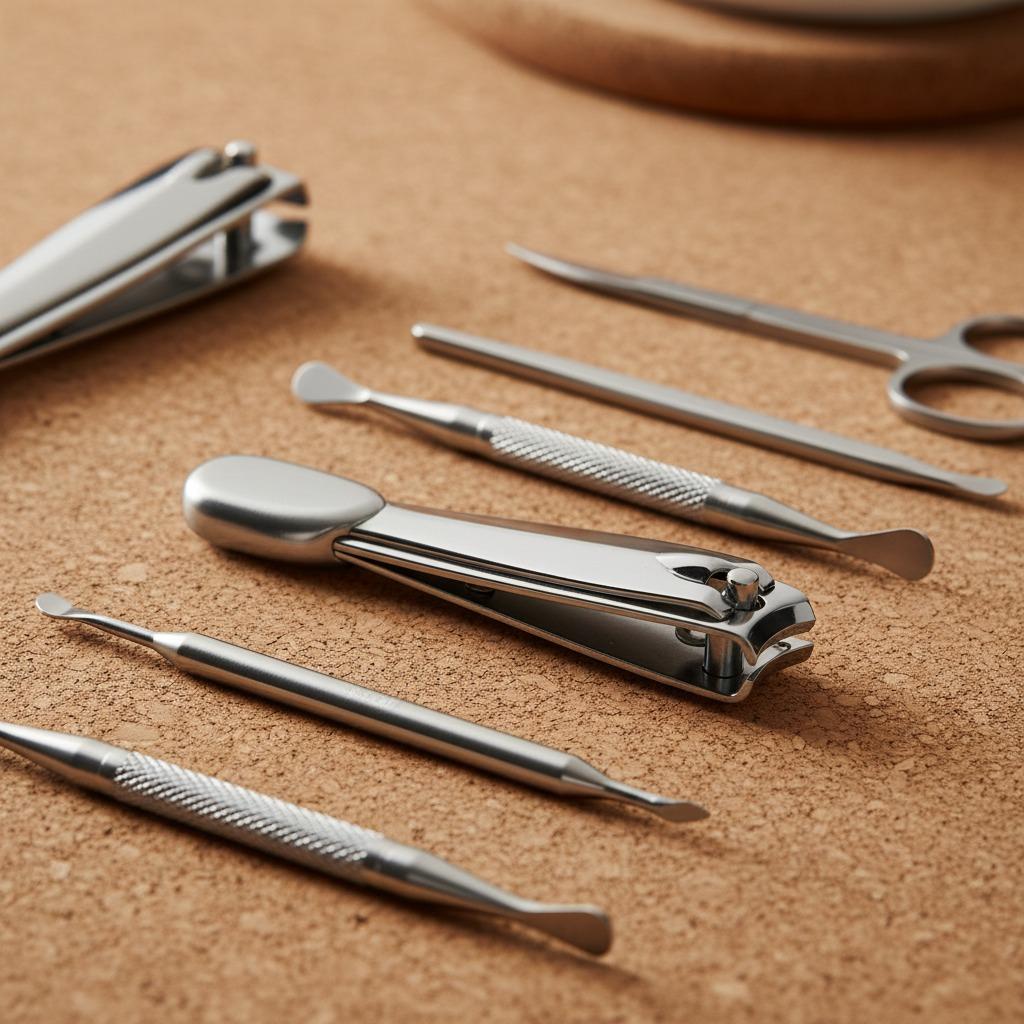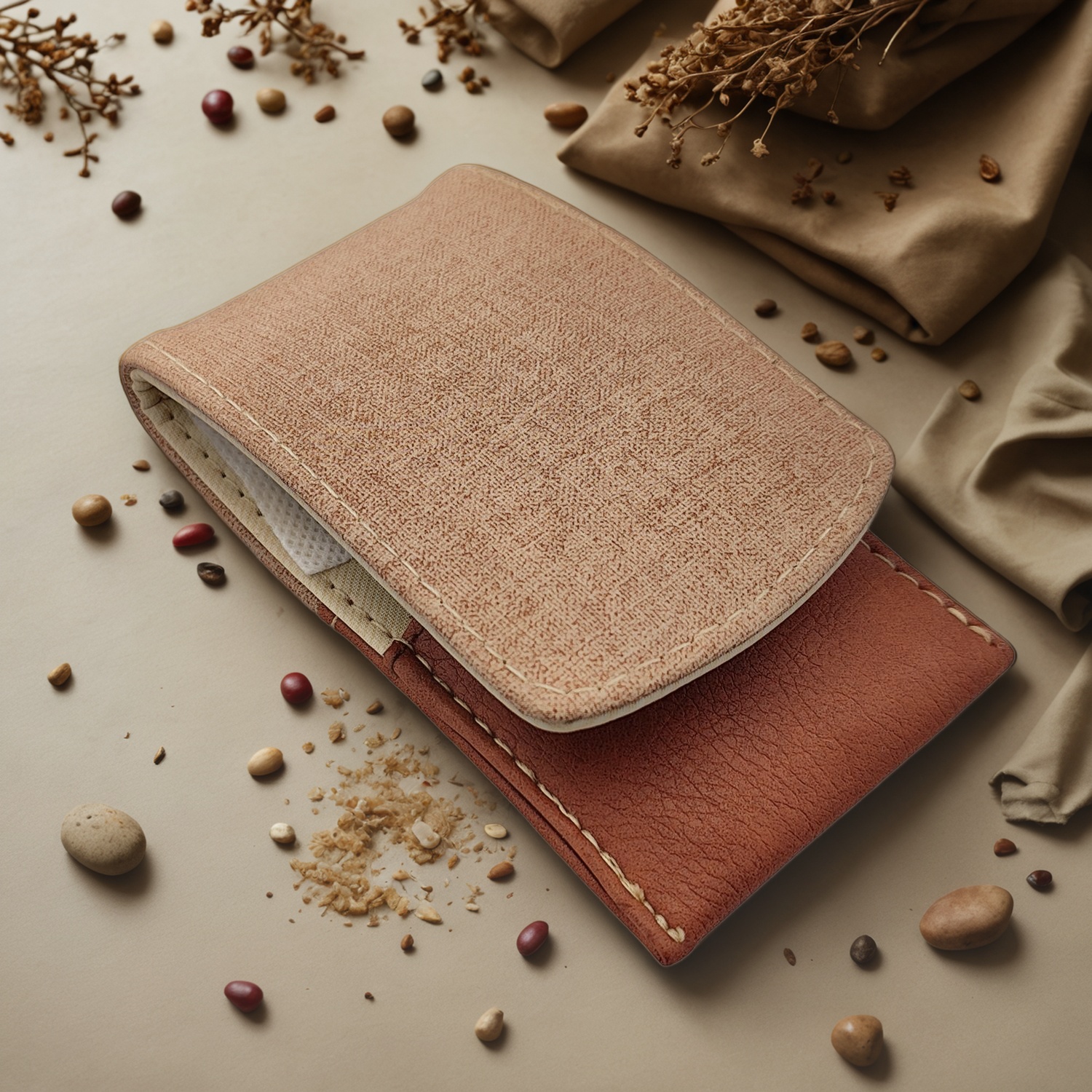
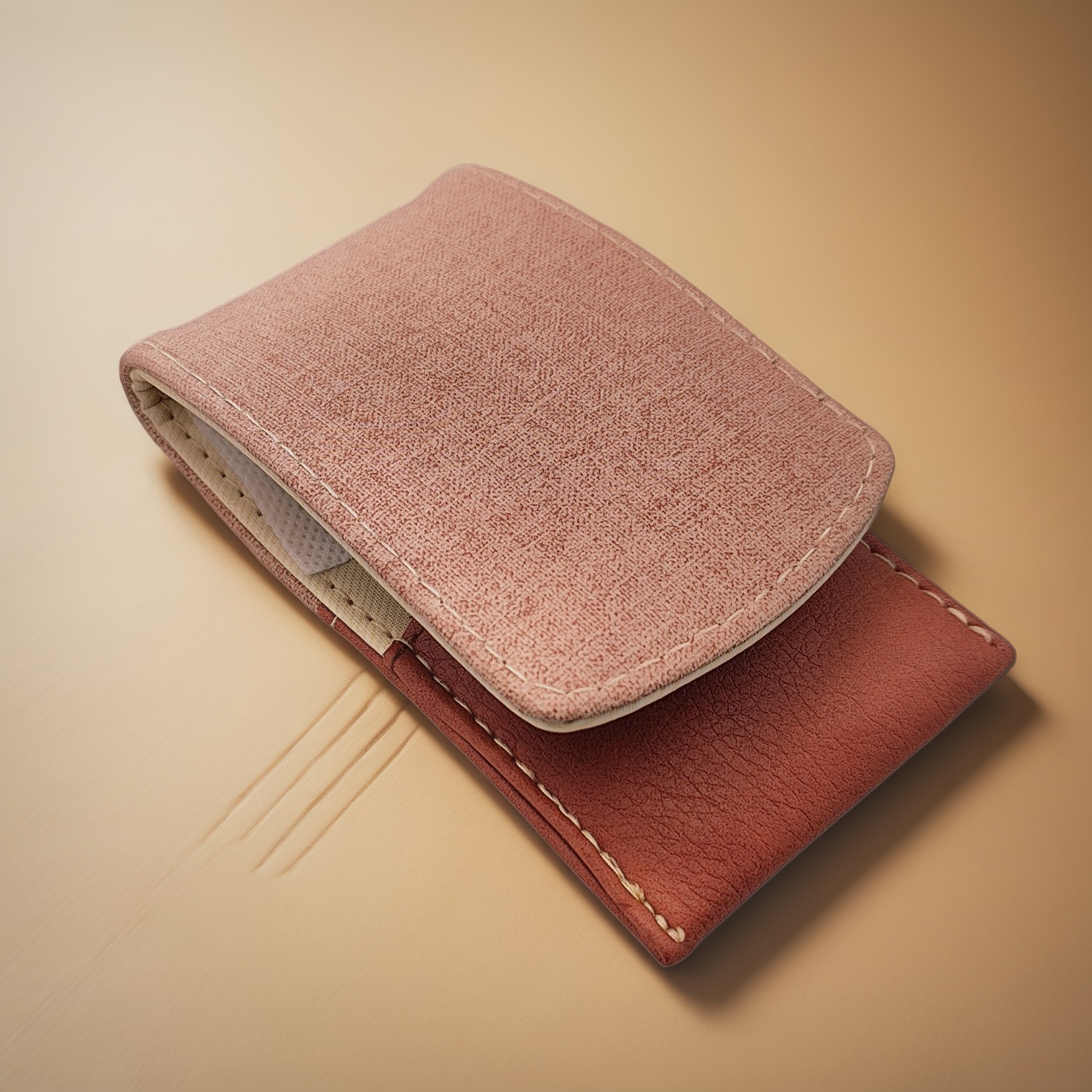
Choosing a beauty tools supplier in China is not just about finding a factory that can make an item at scale. For beauty brands, nail salons, distributors, e-commerce sellers, and private-label buyers, the real sourcing question is whether the supplier can support your product position: custom finishes, consistent quality, practical packaging, and vegan-friendly material choices where needed.
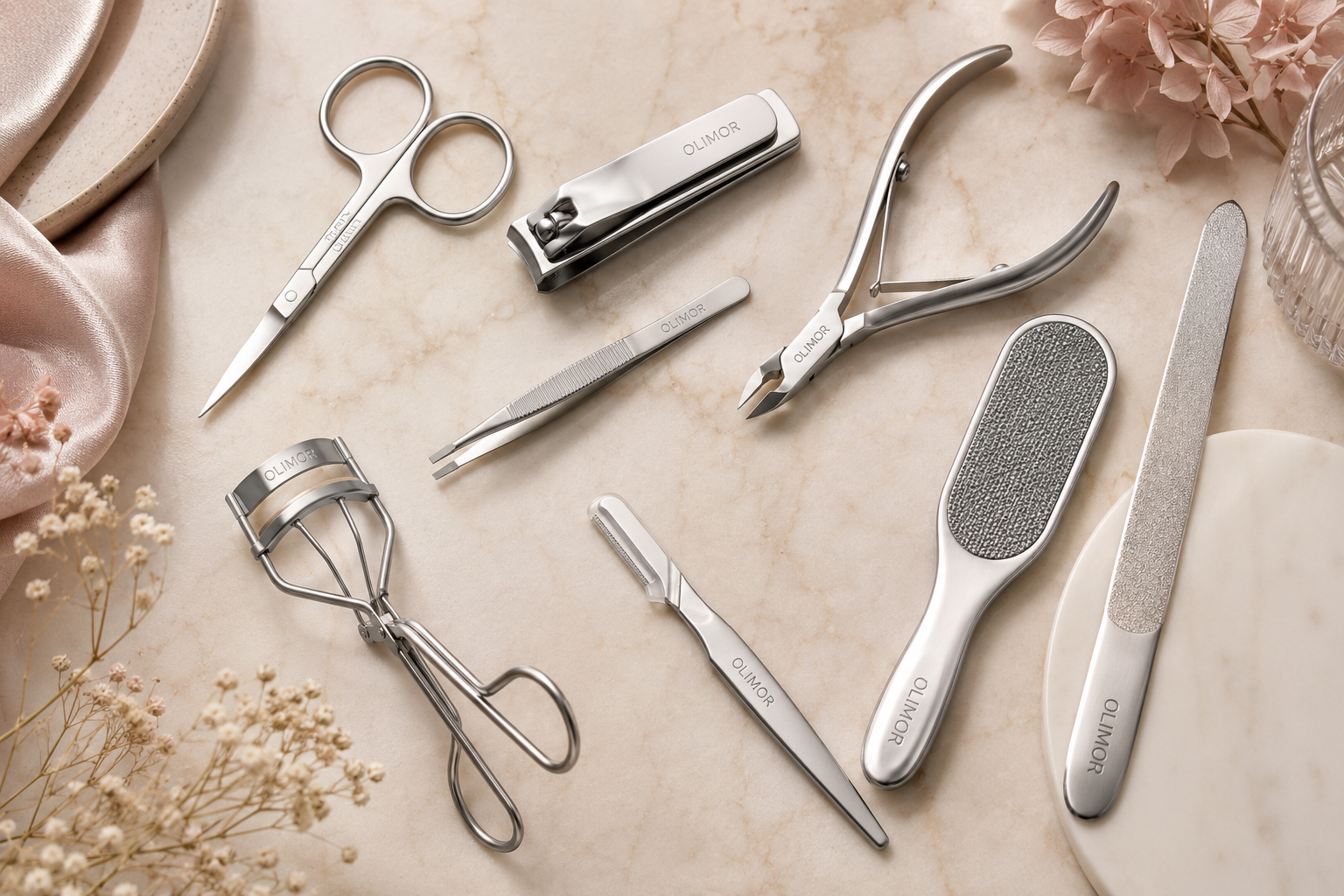
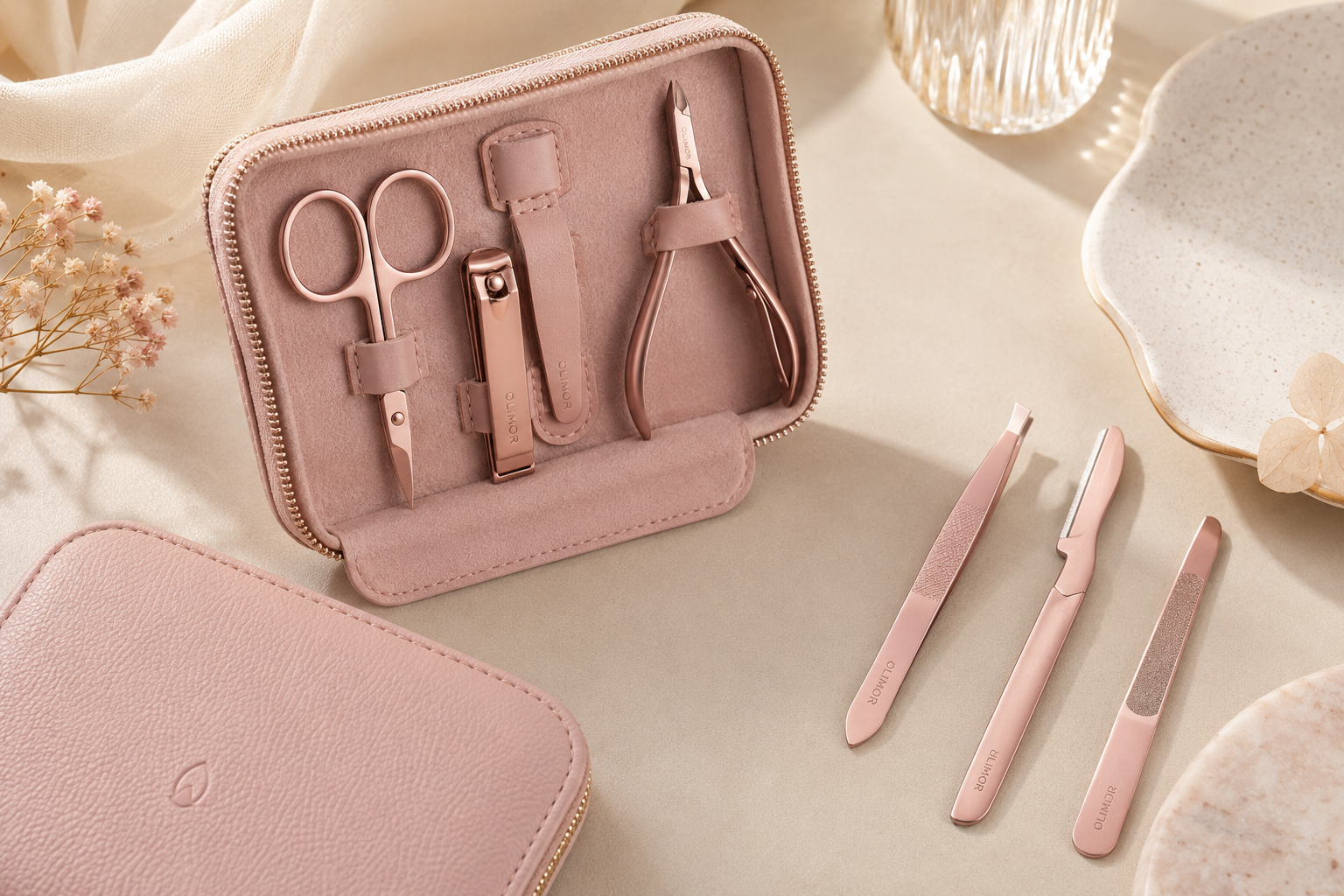
The best results usually come from a clear brief, realistic sampling, and a supplier review process that looks beyond catalog photos. If you are still building your shortlist, you can browse beauty tool products first, then narrow your options by tool type, material preference, and packaging style.
What a beauty tools supplier should help you decide
A dependable supplier should do more than accept an order. It should help you turn a product idea into a workable sourcing plan. For manicure tools and personal care accessories, small differences in finish, handle shape, edge feel, weight, and packaging can change how the product is received by professionals and retail customers.
Before you request quotations, define the intended use. A nail salon may need tools that are comfortable for repeated use. A retail beauty brand may care more about shelf appeal, logo placement, and collection consistency. A promotional buyer may prioritize simple sets, packaging control, and dependable delivery. Each use case changes the questions you should ask.
Start with a practical product brief
- Product category: manicure tools, grooming accessories, applicators, or mixed beauty sets
- Intended user: salon professionals, retail consumers, or promotional distribution
- Target market: domestic retail, export, online sales, or private-label launch
- Packaging format: box, pouch, card, set insert, or display-ready pack
- Branding method: logo print, label, engraving, or package artwork
- Style direction: color range, finish preference, and overall presentation
If you need to compare product families, review the current collection and mark the styles closest to your sourcing plan before you ask for custom changes.
How to evaluate quality without relying on generic claims
Beauty tools are judged by how they feel in the hand and how reliably they perform during use. A polished catalog image cannot show everything. Buyers should use a sample checklist that matches the tool type and the end market.
For manicure tools, quality often shows up in the finish of the edges, the smoothness of moving parts, the comfort of the handle, and the consistency of the surface treatment. For brushes, applicators, or handheld accessories, buyers may focus on symmetry, assembly strength, grip comfort, and how well the packaging protects the item in transit.
Sample review checklist
- Function: does the tool perform its task cleanly and comfortably?
- Appearance: are the color, polish, printing, and shape consistent?
- Touch points: are corners, handles, and contact areas smooth enough for the intended use?
- Durability expectation: is the product meant for salon use, retail use, or promotional use?
- Packaging fit: does the pack protect the item and present it correctly?
- Batch consistency: can approved samples become the reference for later production checks?
Whenever possible, test samples in the real use environment. A product that looks acceptable in a photo may feel too light, too sharp, too slippery, or too bulky in practice. That is why sample approval is one of the most cost-effective steps in the sourcing process.
What vegan beauty tool sourcing really means
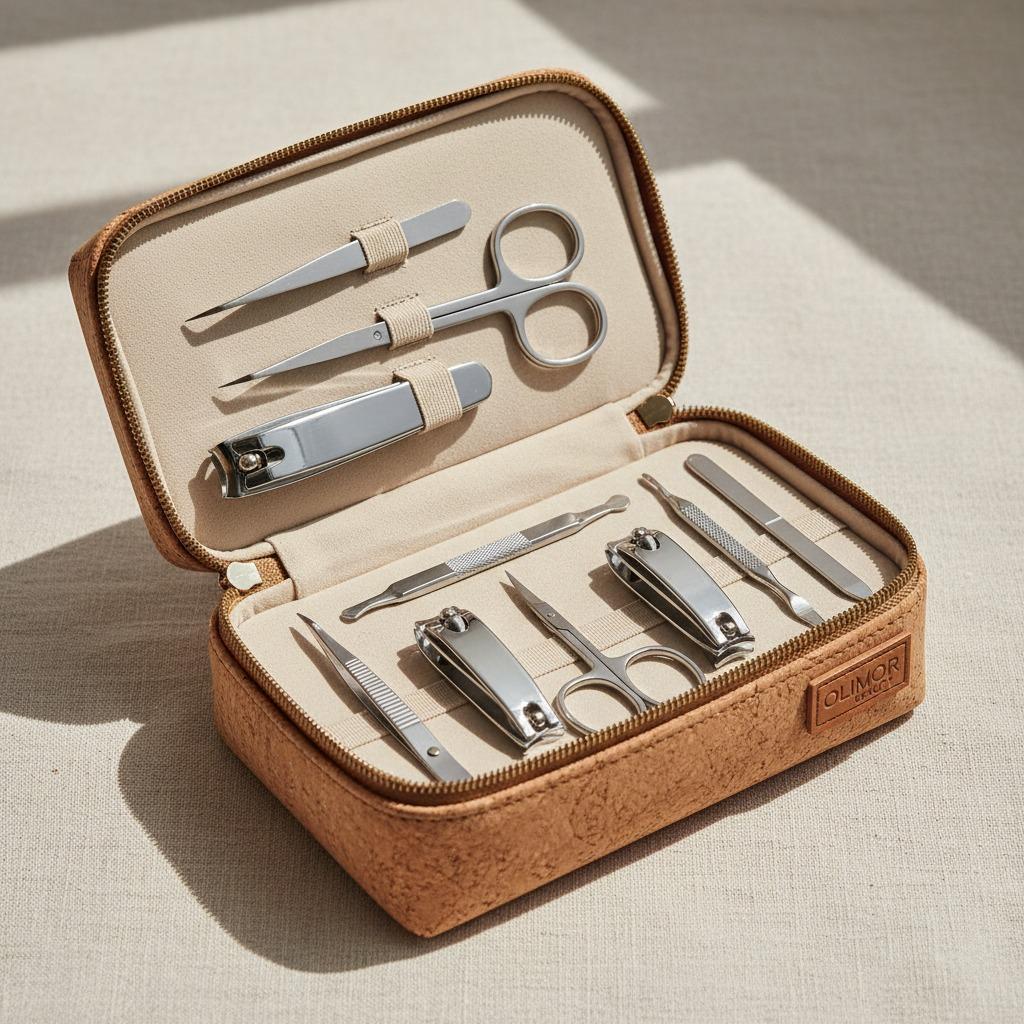
Vegan beauty tools are often selected by brands that want to avoid animal-derived materials and communicate a cleaner sourcing position to customers. For tools and kits, the concern is usually not just the main body of the product. Buyers should also check components, accessories, adhesives, surface treatments, inserts, pouches, and decorative details.
The word vegan should be treated as a sourcing requirement, not a marketing label added at the end. A product may appear synthetic but still include animal-derived or unclear materials in a small part of the build. This is especially important for manicure kits, nail care sets, and multipiece beauty tools where several parts are bundled together.
Vegan verification points for wholesale orders
- List every visible and hidden component in the tool or set.
- Check pouches, trims, inserts, tags, separators, and protective sleeves.
- Review adhesives, coatings, and decorative finishes.
- Confirm what material substitutions are acceptable before sampling.
- Align packaging wording with the confirmed material list.
- Keep approved samples and written specifications together before production.
If your customer base is sensitive to ethical sourcing, avoid vague wording. Ask the supplier for a clear material declaration for the full product structure, not just the main tool. For destination-market claims, buyers should also verify the current guidance from the relevant public body before printing labels or selling claims. For example, in some markets, environmental or ethical wording may be reviewed under FTC guidance in the US or local EU-facing consumer rules, depending on the claim and sales channel.
Custom beauty tools: how to build a useful production brief
Custom beauty tools can help a brand create a more recognizable line, but successful customization depends on clarity. Buyers often think first about logo placement, but customization can also include color, finish, tool shape, handle design, set composition, or retail packaging. Each change can affect sampling time, unit cost, production method, and inspection requirements.
A good brief is specific without being overloaded. Include the target user, market, preferred materials, packaging style, and any practical restrictions you already know. If you are developing a new line, it is often better to start with a smaller set of priorities and refine them after sample review.
What to include in a custom brief
- Product purpose: the beauty task the tool must perform
- Reference direction: examples for shape, size, finish, or comfort
- Brand requirements: color, logo placement, packaging tone, and inserts
- Material priorities: vegan, recyclable, reusable, lightweight, or premium-feel preferences
- Quality expectations: edge smoothness, surface consistency, assembly stability, and packaging appearance
- Sampling plan: time for review, revision, and approval before bulk production
If you already know your preferred product type, you can send a sourcing inquiry with photos, reference notes, and branding details so the supplier can respond with a more accurate proposal.
Ready-made, custom, or custom-plus-vegan: how to compare sourcing paths
Different buyers need different sourcing paths. Some need fast wholesale access to existing beauty tools. Others need a tailored private-label product. Some need both custom branding and a vegan material position. The right choice depends on how much control you need over structure, packaging, and claims.
| Sourcing path | Best for | What to check | Common risk |
|---|---|---|---|
| Ready-made beauty tools | Faster wholesale launch and simpler ordering | Appearance, sample consistency, packaging protection | Limited branding control |
| Custom beauty tools | Private-label positioning and differentiated product lines | Logo method, finish, handle comfort, sample approval | More revision steps and clearer specifications needed |
| Custom vegan beauty tools | Brands that want both product identity and material positioning | Component list, accessory materials, claim wording, packaging details | Overlooking one small non-compliant part of the set |
This comparison helps buyers avoid a common mistake: choosing the most visually attractive sample without confirming whether it matches the business model. A retail brand may need stronger packaging. A salon buyer may need more functional ergonomics. A vegan-positioned line may need tighter documentation across the entire kit.
Manufacturing, inspection, and packaging details that matter
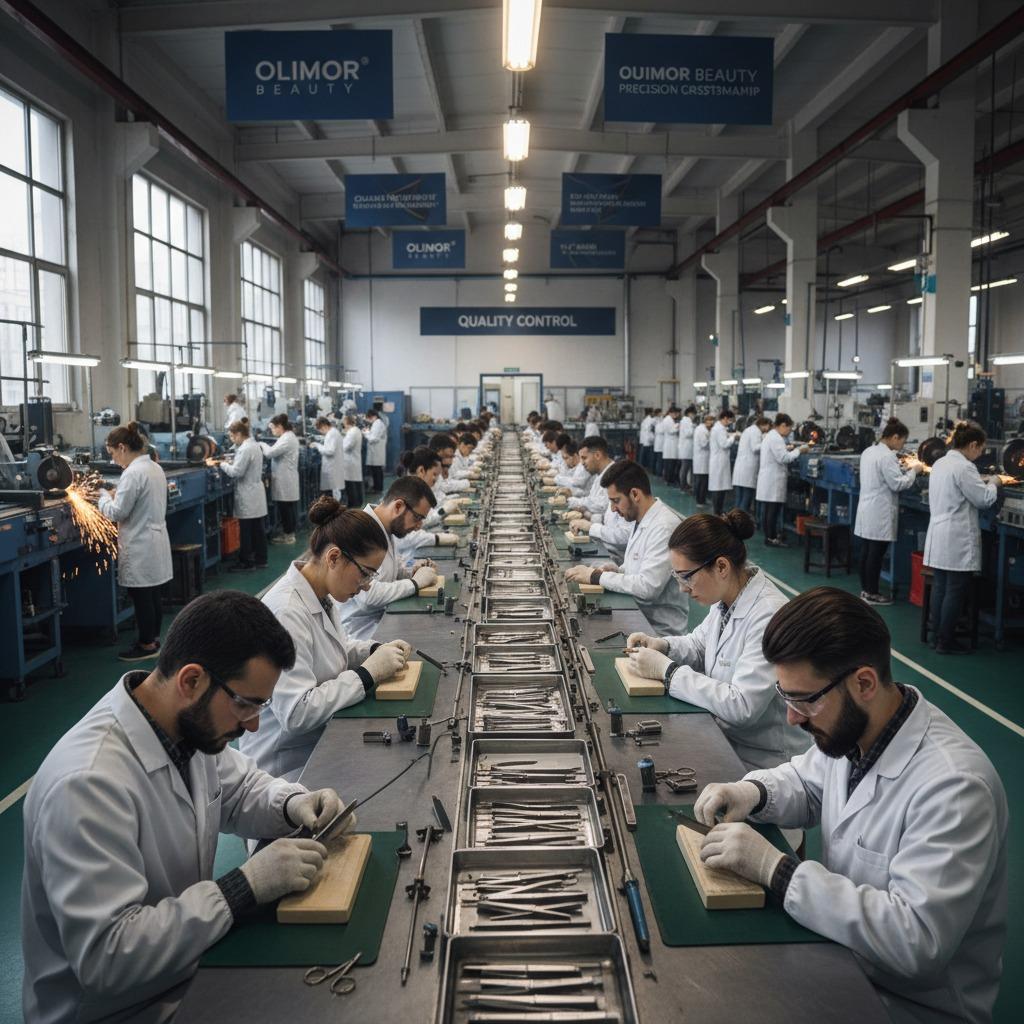
Small production details often determine whether a beauty tool program succeeds. Buyers should ask how the supplier handles edge finishing, assembly, surface treatment, and packaging protection. If a tool has moving parts, the fit and operation should be checked. If it has printed branding, the placement and clarity should be reviewed on every sample.
Inspection should not be limited to visual appearance. Functional checks matter just as much. A tool can look attractive yet still feel unstable, arrive damaged, or be uncomfortable during repeated use. That is especially important for products intended for salons or professional retail lines.
Practical inspection points
- Edges and corners: clean finish, no rough contact points
- Alignment: consistent shape, symmetry, and fit between parts
- Grip and balance: comfortable handling for the intended use
- Surface treatment: even color, polish, or coating without obvious defects
- Packaging: adequate protection, correct labeling, and clear presentation
- Set consistency: matching color and branding across all components in the kit
For many buyers, these details matter more than broad claims about quality. A supplier that can explain how it checks these points is usually easier to work with than one that only promises a good result.
How to evaluate a supplier before placing a larger order
Supplier evaluation should be based on practical signals. Ask how they handle sample development, written specifications, and production follow-up. Check whether they can clearly explain material choices, packaging options, and what happens if a sample needs revision. Good communication is often a strong indicator of smoother production.
You may also want to confirm whether the supplier is better suited to existing products or deeper custom work. A trading-oriented supplier may be useful for broad catalog access and order coordination. A manufacturer-focused partner may be better when product structure, tooling, quality control detail, or repeated production consistency matters.
Questions worth asking early
- Can the supplier explain the materials in each component of the product or set?
- Can it support logo placement, packaging changes, or color matching?
- How are samples reviewed and revised before bulk production?
- What quality checks are used for appearance, fit, and packaging?
- Can the supplier work from a written brief and keep approved samples as the standard?
When you are ready to discuss a custom line or compare available tool styles, you can speak with the Olimor team about the product direction that best fits your market.
Common cost factors and sourcing problems
Buyers often compare unit prices too early. In reality, several factors influence total sourcing cost: tooling changes, packaging complexity, logo method, material selection, and the amount of sample revision needed. A simple tool with basic branding is usually easier to produce than a more detailed custom set with specialized packaging.
Common sourcing problems include unclear specifications, incomplete vegan checks, packaging that does not protect the product, and sample approval based only on appearance. These problems can create delays, extra revision work, or customer complaints after launch.
How to reduce avoidable issues
- Write down the exact product purpose before requesting quotations.
- Confirm every component in a vegan-positioned item or set.
- Approve samples based on use, not only on photos.
- Keep branding, artwork, and packaging wording consistent with the material brief.
- Use written approval notes so the sample standard is clear for production.
These steps do not eliminate all production risk, but they make the process more predictable and easier to manage.
FAQ
Can I request samples before placing a larger order?
Yes. Sample review is one of the most useful steps in beauty tool sourcing because it helps you check feel, finish, packaging, and consistency before bulk production.
What is the minimum order quantity for custom beauty tools?
MOQ depends on the product type, the level of customization, packaging requirements, and the supplier’s production setup. It is best to confirm this case by case.
How do I make sure a product can be positioned as vegan?
Ask for a full component review, including accessories, adhesives, surface treatments, and packaging details. Keep the confirmed material list aligned with the wording you plan to use.
Can I customize both the tool and the packaging?
In many cases, yes. Common custom options include logo placement, color, surface finish, set composition, and packaging format. Each change should be confirmed during sampling.
How long does custom production take?
Lead time depends on the complexity of the design, sampling revisions, packaging, and production capacity. Ask for a schedule only after the supplier reviews your brief.
Next step
If you are sourcing custom or vegan-friendly beauty tools from China, start with a clear product brief and a realistic sample review plan. That approach helps you compare suppliers on the factors that matter most: material clarity, packaging fit, quality consistency, and communication.
For product selection, custom discussion, or a private-label sourcing request, explore the product range, review the available styles, or reach out to Olimor with your requirements.