A stainless steel tongue scraper is a simple oral care tool used to remove soft coating from the tongue surface. For consumers, it supports a cleaner mouth feel when used with brushing, flossing and regular dental visits. For retailers, spas, grooming brands and sourcing teams, it is a compact reusable personal care item that is easy to explain, easy to merchandise and practical for daily routines.
The key to choosing a good tongue scraper is not a bold claim. It is the combination of smooth stainless steel construction, a comfortable shape, controlled edge contact, clear instructions and hygienic packaging. Olimor Beauty offers a stainless steel tongue scraper intended for at-home oral hygiene and daily tongue cleaning. Buyers can compare it with other personal care tools in the Olimor beauty tool range or review related categories through the product collection.
What a Stainless Steel Tongue Scraper Does
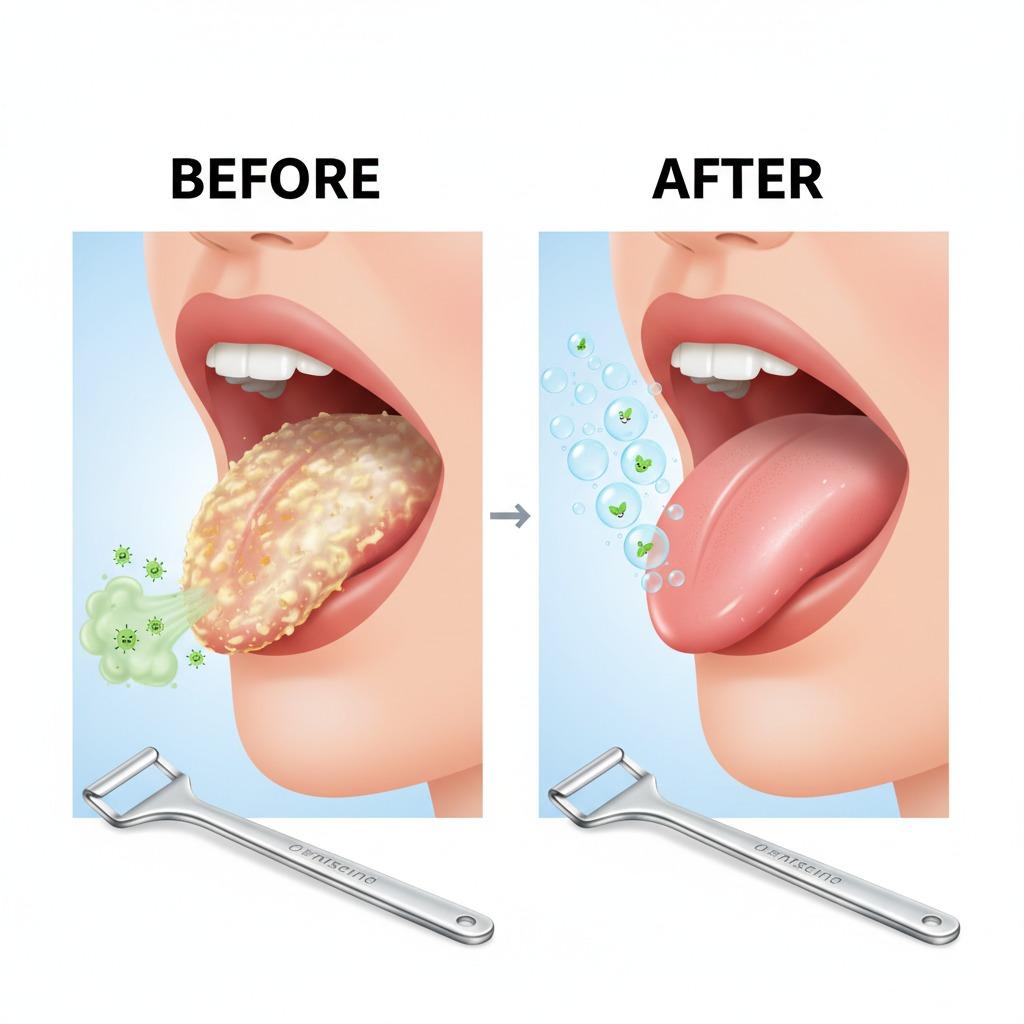
A tongue scraper is designed to pull loose residue, food particles, dead cells and soft coating from the textured surface of the tongue. The tongue has grooves and papillae that can hold buildup, especially toward the back of the mouth. Toothbrushing may contact the tongue, but a dedicated scraper uses a broader scraping edge to move coating forward so it can be rinsed away.
This makes the tool useful for people who notice morning breath, a coated tongue, lingering food taste or an incomplete clean feeling after brushing. It should be positioned as a hygiene accessory, not as a treatment for dental disease, digestive issues, infection or chronic bad breath. Persistent odor, pain, bleeding, unusual tongue appearance or mouth sores should be discussed with a qualified dental or medical professional.
Public bodies such as the American Dental Association provide general oral hygiene guidance that includes brushing, flossing and professional dental care. A tongue scraper can fit beside those habits, but buyers should verify current professional guidance and supplier documents before making packaging, advertising or health-related claims.
Why Stainless Steel Is Commonly Preferred
Stainless steel is popular for reusable oral and beauty tools because it is strong, smooth and simple to rinse after contact with water. For a tongue scraper, the material choice matters because the product touches the mouth every day. A tool that feels too sharp, rough, flexible or difficult to clean will not encourage consistent use.
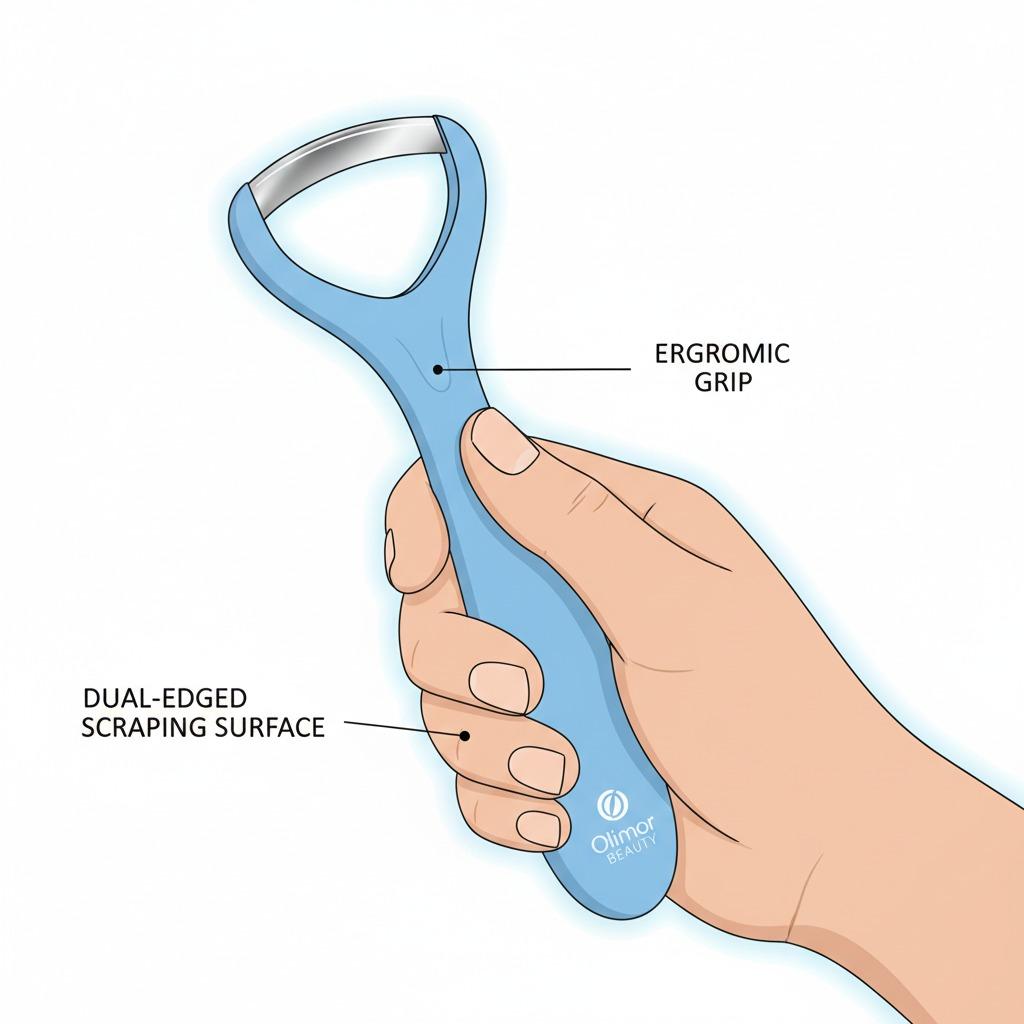
The Olimor tongue scraper is described as stainless steel and ergonomically designed. Those two characteristics address the main user needs: hygienic handling and controlled movement. The scraper should glide over the tongue with light pressure, not dig into the surface. The handle or curved body should also help users maintain a stable grip when hands are wet.
Compared with many disposable oral care accessories, a stainless steel tongue scraper also supports a reusable routine. This can be commercially relevant for retailers building personal care assortments around durable, low-complexity tools. The value is practical rather than complicated: the user rinses it, dries it and stores it for the next use.
How to Choose a Tongue Scraper: Buyer Checklist
For personal use, the best tongue scraper is the one that feels comfortable enough to use consistently. For B2B sourcing, the best option is also the one that can be inspected, explained and packaged reliably. The table below highlights the main selection points to review before purchasing or adding the product to an assortment.
| Selection point | Why it matters | What to check before buying |
|---|---|---|
| Material | The tool contacts the tongue directly and must be easy to rinse. | Confirm stainless steel construction and request supplier material details where needed. |
| Scraping edge | A rough or overly sharp edge can make use uncomfortable. | Inspect for a smooth, rounded, polished contact area with no visible burrs. |
| Ergonomic shape | Users need control without pressing hard. | Check that the shape is easy to hold and pull forward with light pressure. |
| Width and curve | Tongues differ in size and sensitivity. | Choose a shape that can clean the center and sides without forcing the mouth open too widely. |
| Surface finish | Residue is easier to rinse from a smooth surface. | Look for clean polishing, no rough seams and no places where debris can collect easily. |
| Packaging | The mouth-contact surface should stay protected before sale or distribution. | Review packaging cleanliness, product protection and instruction clarity. |
| Instructions | Incorrect pressure is a common reason for discomfort. | Make sure end users are told to scrape gently, rinse after each pass and avoid sharing. |
How to Use a Stainless Steel Tongue Scraper Correctly
The correct technique is gentle, slow and controlled. A tongue scraper should remove loose surface coating, not scrub the tongue aggressively. If the tongue becomes sore, scratched or irritated, the user is likely pressing too hard, scraping too often or using the tool when the mouth is already sensitive.
- Start with clean hands. Wash hands before handling any oral care tool.
- Brush first or scrape first. Either order can work. Many users prefer scraping after brushing, while others scrape first and then brush and rinse.
- Hold the scraper steadily. Use both hands if the design allows, or hold the ergonomic grip firmly without tension.
- Place it toward the back of the tongue. Stop at the point where contact is comfortable. Do not force the scraper so far back that it causes gagging.
- Pull forward in one smooth stroke. Use light pressure from back to front. Avoid sawing motions.
- Rinse the scraper after each pass. Running water removes collected coating before the next stroke.
- Repeat gently. Clean the center, then angle slightly to each side if comfortable.
- Rinse the mouth and dry the tool. Finish by rinsing well, cleaning the scraper and letting it dry before storage.
Many users begin with once-daily use and adjust according to comfort. The goal is a cleaner mouth feel, not a harsh clean. Users with mouth ulcers, oral irritation, recent dental procedures, active bleeding or medical conditions affecting the tongue should pause use and follow professional advice.
Common Problems and How to Solve Them
The scraper triggers gagging
Start closer to the middle of the tongue instead of the far back. Breathe through the nose, relax the shoulders and use short forward strokes. As the routine becomes familiar, some users can gradually clean farther back, but comfort should decide the limit.
The tongue feels sore after use
Reduce pressure immediately. A stainless steel scraper does not need force to work. Check the edge for roughness or damage, and stop using the tool if the contact area is bent, sharp or uneven. Soreness can also come from using the scraper too many times a day.
The tool does not seem to remove coating
Check the technique. Pull from back to front in a single motion and rinse the tool after each pass. If the coating is persistent, unusual in color, painful or associated with ongoing bad breath, the issue may need dental or medical evaluation rather than stronger scraping.
The scraper looks clean but smells unpleasant
Rinse more thoroughly after each use, wash with mild soap when needed and dry fully before storage. Do not seal it in a damp pouch. If odor remains despite cleaning, inspect for trapped residue, surface damage or storage contamination.
Cleaning, Drying and Maintenance
A stainless steel tongue scraper is low maintenance, but it is still a personal hygiene tool. It should be cleaned after every use and should not be shared. Like a toothbrush, it contacts oral bacteria and residue, so each user needs a separate scraper.
After scraping, rinse the tool under running water until visible residue is gone. If needed, wash it with mild soap and rinse thoroughly so no soap remains before the next use. Dry it with a clean towel or allow it to air dry in a ventilated place. Storing it wet in a sealed container can make the tool less pleasant to use and may contaminate the contact surface.
For travel, place the dry scraper in a clean pouch or case. If it must be packed quickly, remove it later, rinse it and allow it to dry. Keep it away from loose cosmetic tools, razors, nail tools or items that may scratch the surface. Replace the scraper if it becomes bent, visibly damaged, rough at the edge or difficult to clean.
B2B Sourcing: What Retailers and Personal Care Buyers Should Evaluate
Tongue scrapers are commercially useful because they are small, understandable and relevant to daily routines. They can sit near toothbrushes, dental floss, travel hygiene accessories, grooming kits or wellness tools. However, sourcing teams should evaluate more than appearance. The product must feel safe and comfortable in hand, and the instructions must prevent overuse or harsh technique.
When reviewing a stainless steel tongue scraper supplier, ask for clear product information rather than unsupported claims. Useful sourcing questions include material description, finish process, inspection approach, packaging options, customization possibilities and sample availability. If the product will be sold in a regulated market, buyers should review applicable local requirements and verify current documents. In the United States, the Food and Drug Administration regulates many categories of medical and dental products; classification and requirements depend on product claims and intended use. Buyers should confirm current rules with qualified regulatory support rather than relying on general assumptions.
For wholesale planning, cost is usually influenced by material, polishing complexity, packaging, customization, order quantity, inspection requirements and shipping terms. A plain bulk-packed scraper will not have the same cost structure as a customized retail-ready item with branded packaging. Because requirements vary, it is better to request a quotation based on the exact design, packaging and destination rather than compare only unit price.
Buyers can share product requirements through the Olimor inquiry page or contact the team through Olimor customer support for purchasing discussion.
Quality Inspection Points Before Sale or Distribution
Inspection should focus on the areas that affect comfort, cleanliness and user confidence. A tongue scraper is simple, but small defects can change the user experience. Retailers and brand owners should review samples in hand before confirming a purchase.
- Edge smoothness: Run a careful visual and tactile check for burrs, sharp points or uneven polishing.
- Surface finish: Confirm that the stainless steel looks clean, smooth and free from rough seams or residue traps.
- Shape consistency: Compare samples for consistent curvature and handle feel.
- Grip control: Test whether the tool can be held securely with slightly wet hands.
- Packaging protection: Make sure the mouth-contact area is protected from scratches and contamination before use.
- Instruction clarity: Include gentle-use guidance, cleaning instructions and a reminder not to share the tool.
- Claim review: Avoid medical, antibacterial or performance claims unless supported by appropriate documentation for the target market.
Positioning the Product in a Retail Assortment
A stainless steel tongue scraper works best when positioned as a practical oral hygiene add-on. It does not need complicated education. The customer benefit is easy to understand: clean the tongue gently as part of a complete mouth care routine. Retail copy should explain how to use and clean the tool, who may find it helpful and when to stop use and seek professional advice.
For beauty and wellness retailers, the scraper can also fit into self-care kits, travel hygiene sets or reusable personal care displays. For spas and grooming businesses, it can be a small retail item that complements daily freshness and home-care routines. For private label or promotional programs, customization and packaging should be planned around the end user: a minimalist wellness set may need different presentation than a pharmacy-style oral care item.
FAQ
Can I request samples before placing a B2B order?
Sample availability depends on the product, customization needs and current stock. Buyers should submit intended use, market, packaging expectations and any branding requirements so the supplier can advise the appropriate sample process.
Is there a minimum order quantity for customized tongue scrapers?
Minimum order quantity can vary by customization method, packaging type and production plan. Request current MOQ details directly from Olimor before confirming artwork, packaging or purchasing timelines.
Can the tongue scraper be customized for retail or promotional use?
Customization may be possible depending on the requested branding, packaging and product specification. Buyers should provide logo files, packaging goals and market requirements for review before assuming feasibility.
How should quality be confirmed before shipment?
Review samples, confirm written specifications and agree on inspection points such as edge smoothness, surface finish, packaging condition and instruction accuracy. Buyers should also verify any required supplier documents for their market.
How long does production or delivery take?
Lead time depends on order details, customization, packaging, inspection and shipping arrangements. Ask for the current schedule after confirming specifications and destination.
A Practical Tool for Cleaner Daily Oral Care
The best stainless steel tongue scraper is simple, smooth and easy to maintain. It should help users remove tongue coating with light forward strokes, rinse clean under running water and dry between uses. Used correctly, it adds a quick step to brushing, flossing and routine dental care without making the daily routine complicated.
For B2B buyers, the most important decisions are material confirmation, edge comfort, packaging protection, instruction clarity and supplier communication. Olimor Beauty’s stainless steel tongue scraper offers a focused oral care tool for buyers seeking a reusable product that is easy to understand and suitable for practical personal care assortments.