










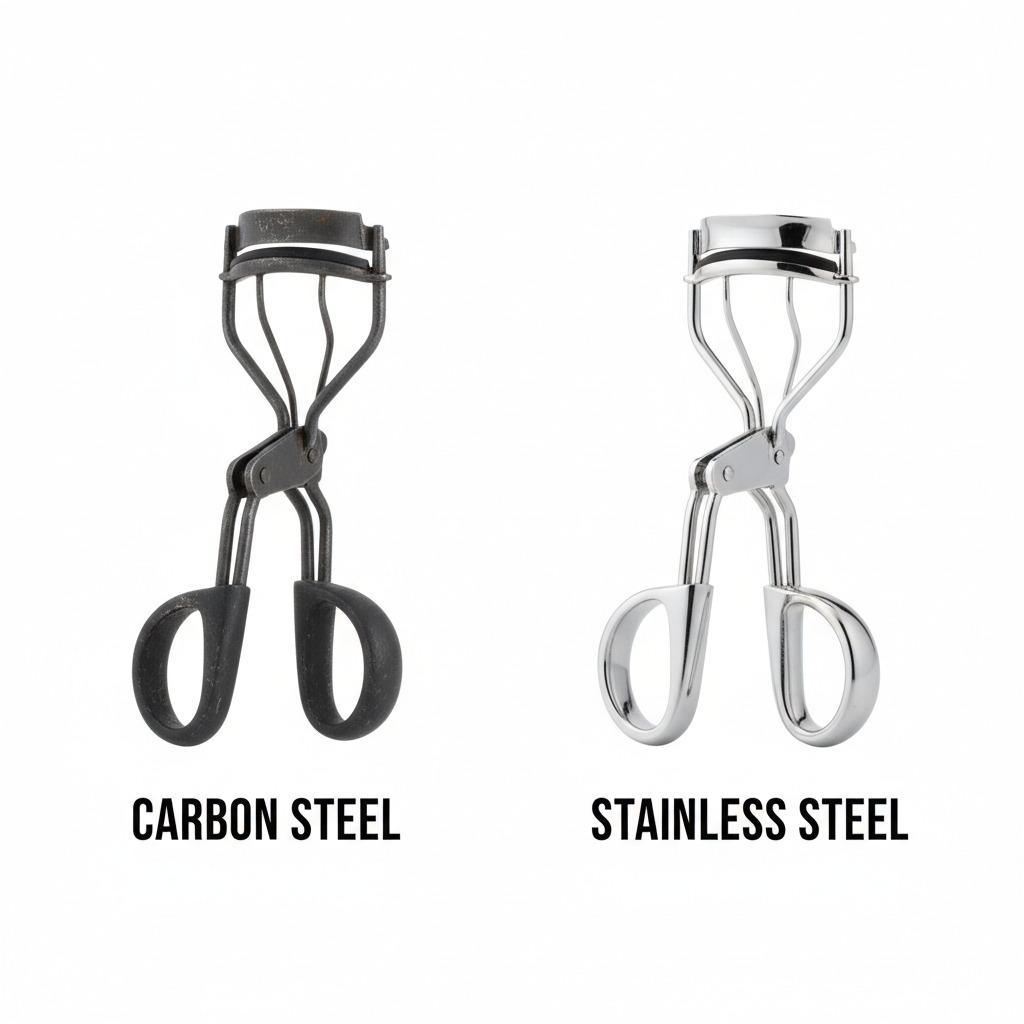
An eyelash curler looks simple, but its material has a direct effect on how long it stays clean, aligned, smooth to operate, and safe around the lash line. For beauty brands, distributors, salons, and private-label buyers comparing eyelash curler options, the choice often comes down to two common metal families: carbon steel and stainless steel.
Both can produce a usable lash tool. Carbon steel is known for strength and rigidity, while stainless steel is valued for corrosion resistance and lower-maintenance care. The better choice depends on the intended user, climate, cleaning habits, storage conditions, finish quality, and how consistently the curler must perform over time.
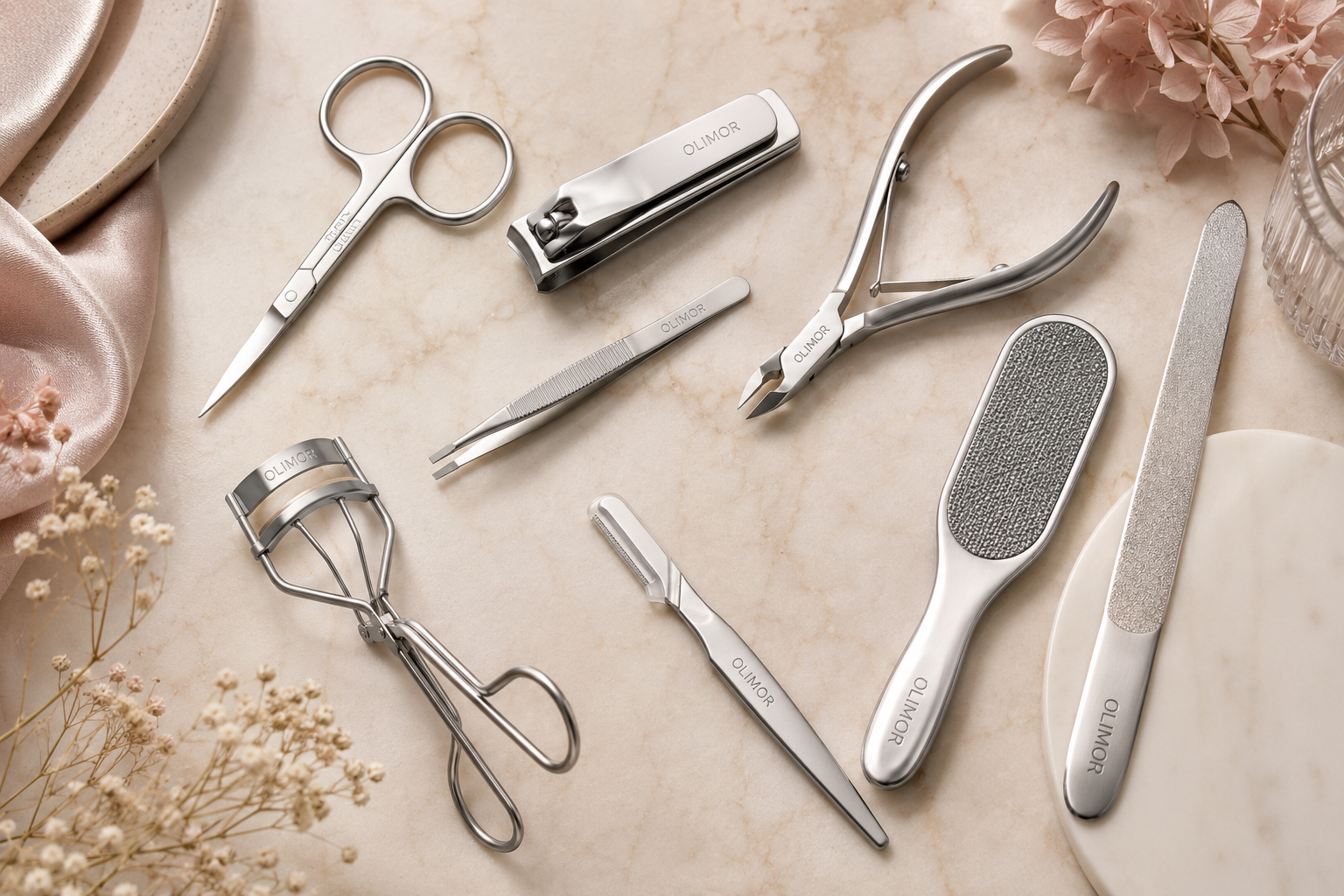
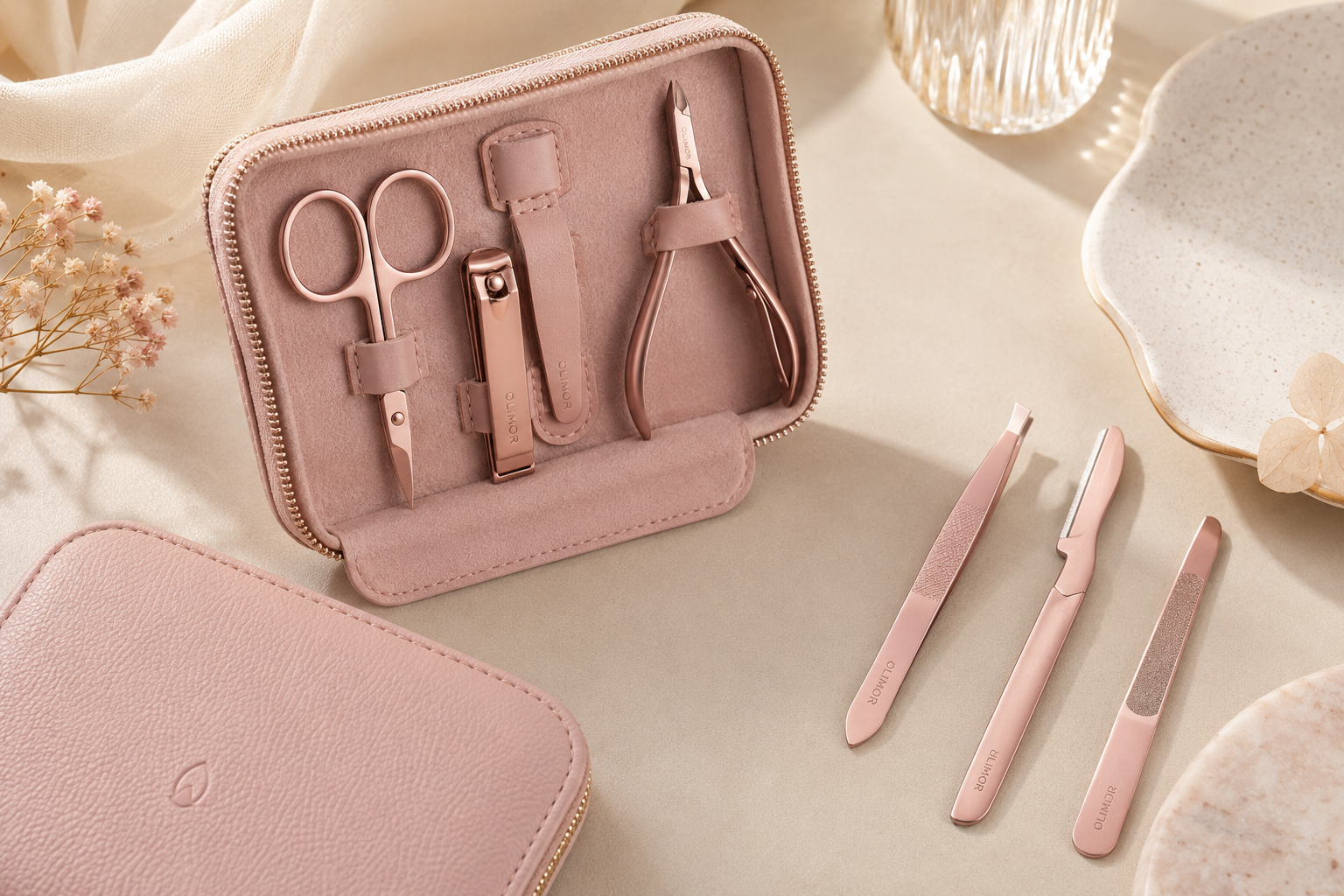
If you are reviewing materials for a new beauty tool range, start with the wider context of your assortment. Olimor’s beauty tool products cover different tool categories, and an eyelash curler should be selected with the same attention given to fit, finish, comfort, and after-use maintenance.

Why Material Choice Matters in an Eyelash Curler
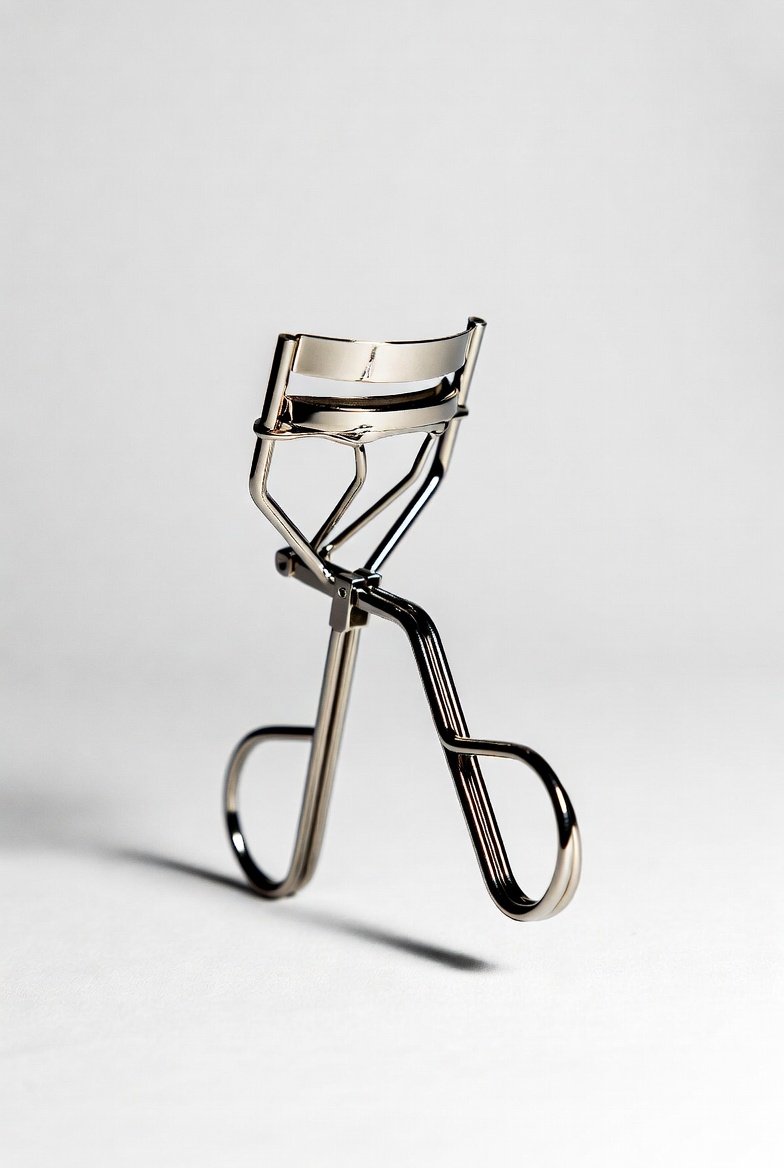
An eyelash curler is exposed to repeated hand pressure, bathroom humidity, mascara residue, facial oils, alcohol wipes, and sometimes accidental drops. Durability is not only about whether the frame breaks. A long-lasting eyelash curler should keep its hinge action smooth, its upper bar aligned with the silicone pad, and its surface easy to clean.
Small changes in alignment can matter. If the frame twists, the pad compresses unevenly and the tool may pinch lashes instead of curling them. If the surface corrodes, it becomes harder to keep hygienic and may feel rough near the eye area. If the hinge loosens too quickly, the user loses control over pressure. Material selection is one part of preventing these problems, but manufacturing tolerance, plating, polishing, pad quality, and packaging also influence the final result.
For retail buyers, the most durable option is not always the hardest metal. A tool that resists rust, wipes clean easily, and tolerates daily handling may deliver better real-world life than a rigid frame that needs more careful storage.
Carbon Steel: Strength, Rigidity, and Care Requirements
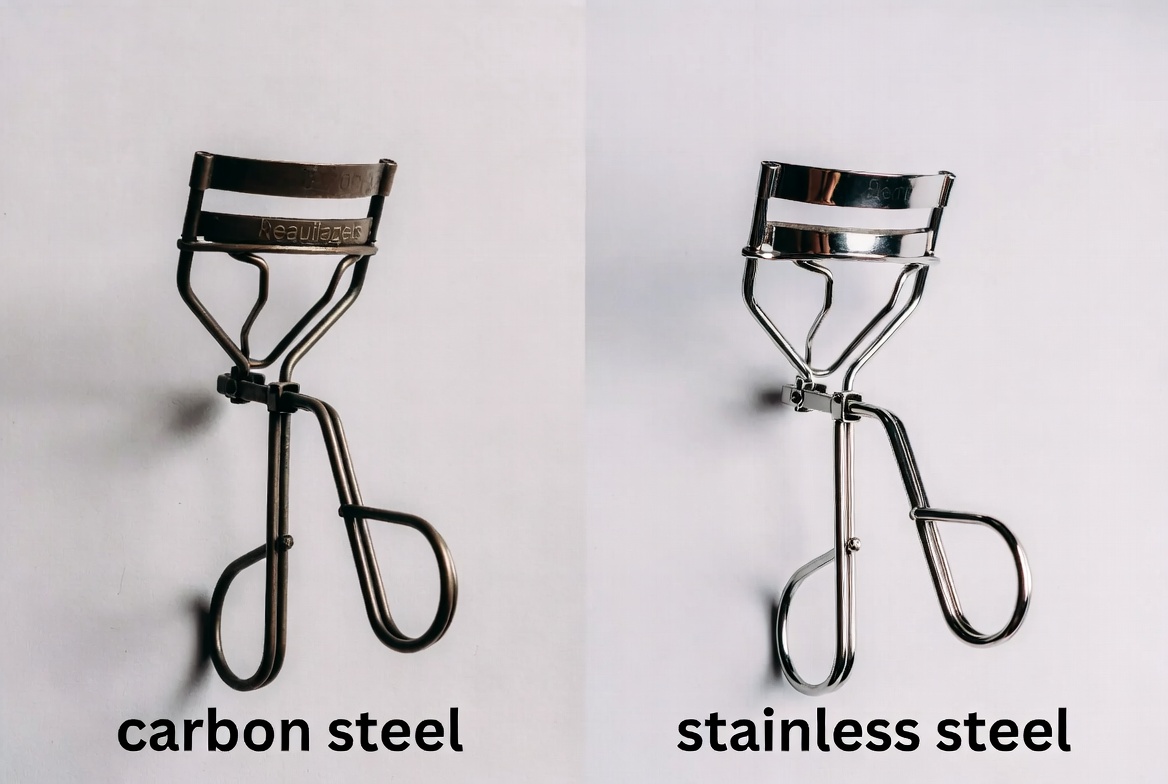
Carbon steel is an iron and carbon alloy known for high strength and hardness. In an eyelash curler, this can translate into a firm frame and a stable clamping feel. Buyers who prioritize crisp mechanical response may be interested in carbon steel because rigidity can help the curler maintain pressure when the handles are squeezed.
The trade-off is corrosion resistance. Carbon steel can rust if exposed to moisture without enough surface protection. In beauty use, that exposure is realistic: tools may sit near a sink, be stored in a damp makeup bag, or collect residue from skincare and mascara. A coating, plating, or protective finish can help, but once the finish is scratched or worn, the underlying steel may become more vulnerable.
Carbon steel can be a reasonable option when the design has a dependable protective finish and the end user understands proper care. It is less forgiving for users who leave tools wet, clean irregularly, or live in humid environments. For brand owners, that means care instructions and packaging guidance become more important if carbon steel is selected.

Stainless Steel: Corrosion Resistance and Everyday Reliability
Stainless steel is also iron-based, but it contains chromium, commonly described as at least 10.5%, which helps form a passive chromium oxide layer on the surface. This layer is the reason stainless steel is widely associated with resistance to rust and staining. For an eyelash curler, that advantage is highly practical.
Most users do not treat a lash curler like a precision instrument. They keep it in a bathroom, travel pouch, salon station, or crowded makeup drawer. Stainless steel better tolerates the normal moisture and residue found in those settings. It also supports easier wipe-down cleaning, which is important because the curler is used close to the eyes.
Stainless steel does not automatically mean perfect quality. A poorly designed stainless steel curler can still have a weak hinge, rough edges, an uncomfortable handle shape, or a pad that wears quickly. However, when the design and finishing are appropriate, stainless steel offers an efficient balance of durability, hygiene, and low-maintenance use. For many daily-use beauty tools, that balance is more valuable than maximum hardness alone.

Durability Factors Buyers Should Compare
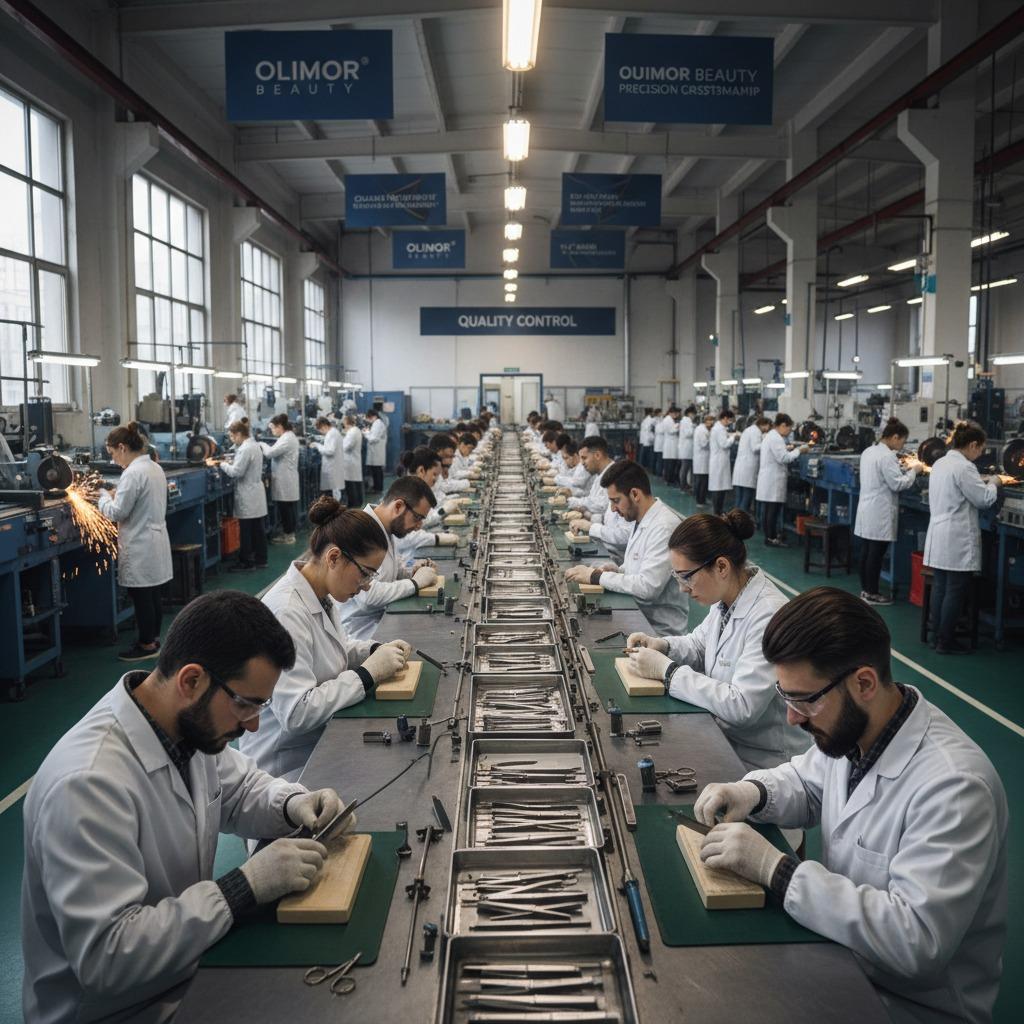
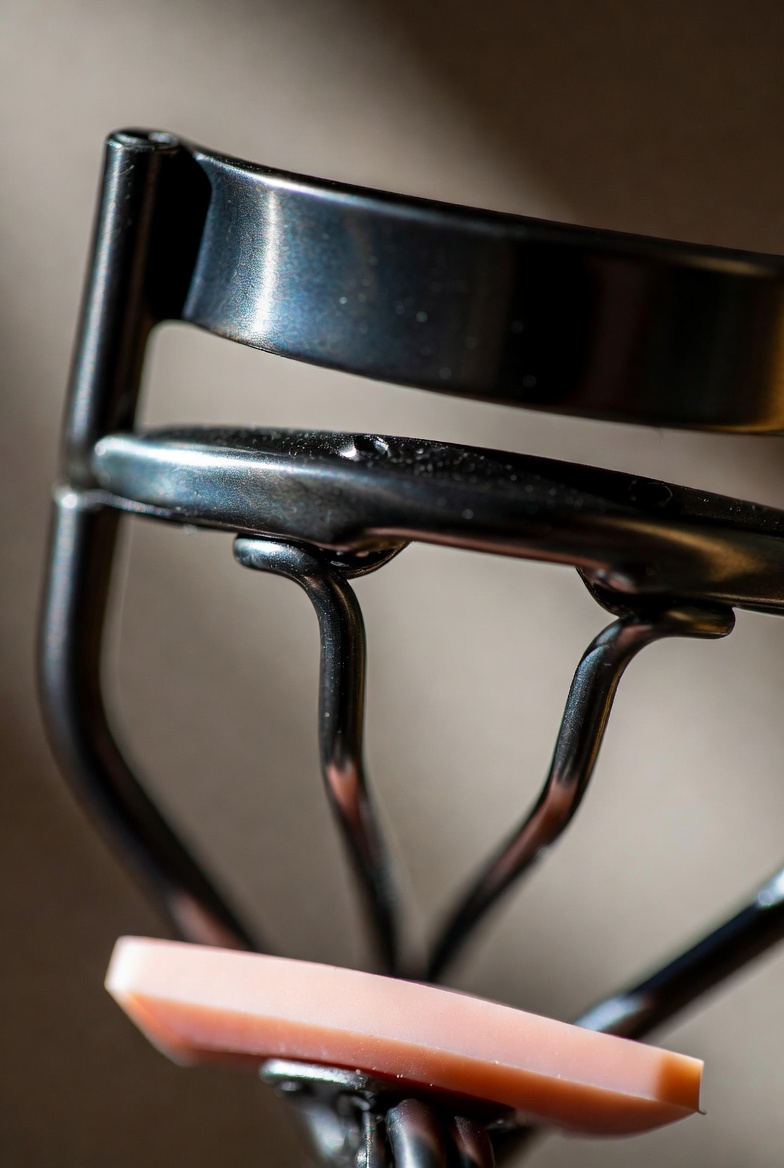
When comparing carbon steel and stainless steel eyelash curlers, evaluate performance through the full product life cycle rather than only the metal name. A useful specification review should include the frame, hinge, surface finish, pad seat, pad material, and packaging protection.
| Durability factor | Carbon steel eyelash curler | Stainless steel eyelash curler |
|---|---|---|
| Corrosion resistance | Lower if unprotected or if the coating wears | Generally stronger due to chromium oxide layer |
| Rigidity | Often high, with a firm clamping feel | Good when the frame is properly formed |
| Maintenance | Needs careful drying and storage | Usually easier to wipe clean and store |
| Best environment | Dry storage and careful users | Bathrooms, travel kits, salons, and daily use |
| Key risk | Rust if moisture reaches exposed metal | Quality still depends on hinge, finish, and pad |
For most retail and professional beauty audiences, stainless steel is often the safer durability choice because it reduces the risk of corrosion-related complaints. Carbon steel can still be suitable when the supplier can control finish quality and the buyer positions the product for users willing to maintain it properly.
How to Inspect Eyelash Curler Quality Before Buying
Material information is useful, but buyers should also test physical samples. A curler may be made from a corrosion-resistant metal and still disappoint if the pressure is uneven or the pad does not fit securely. Before adding a tool to a line or collection, use a simple inspection routine.
- Check frame alignment: Close the curler slowly and confirm that the upper bar meets the silicone pad evenly from left to right.
- Inspect edges and corners: Areas near the lash line should feel smooth, not sharp, rough, or poorly polished.
- Test hinge movement: The curler should open and close without grinding, looseness, or side-to-side wobble.
- Review the surface finish: Look for scratches, pinholes, bubbling, uneven plating, or dull areas that may trap residue.
- Evaluate pad fit: The silicone pad should sit securely in its channel and compress evenly without slipping.
- Simulate cleaning: Wipe the frame and pad area to see whether makeup-like residue is easy to remove.
- Consider packaging: The tool should be protected from scratches and moisture during shipping and storage.
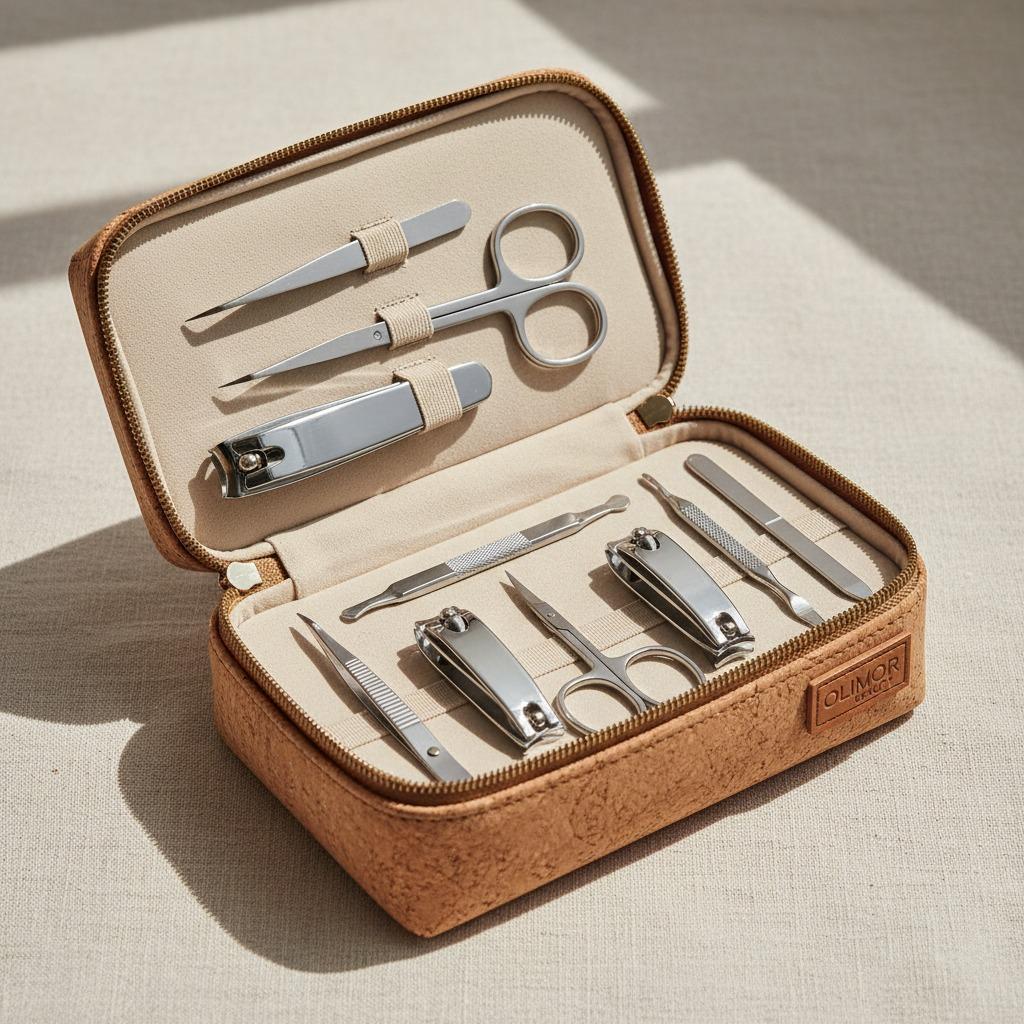
For buyers building a coordinated tool range, it can help to compare eyelash curlers alongside related product collections so the finish, handling, and quality level feel consistent across the assortment.

Maintenance Practices That Extend Tool Life
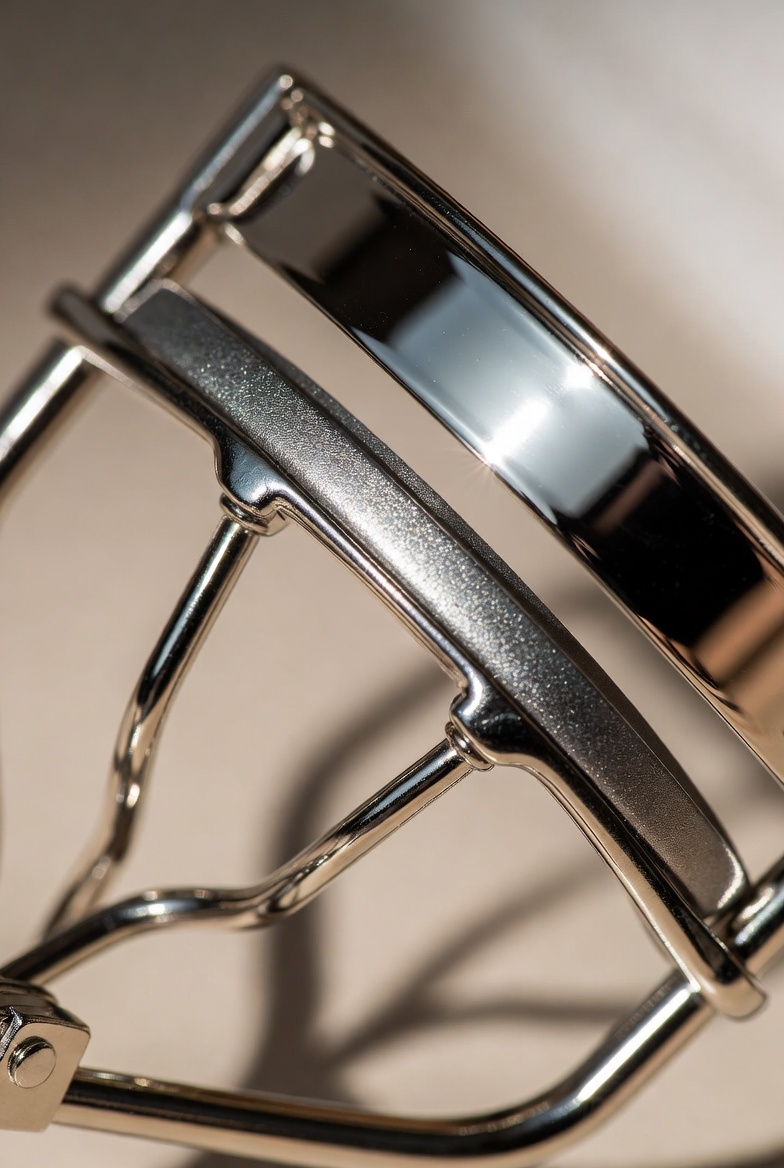
Even a well-made eyelash curler needs basic care. The most important habits are removing residue, keeping the tool dry, and replacing the pad when it becomes worn. A dirty or compressed pad can reduce curl quality and may cause lashes to bend sharply instead of lifting smoothly.
- Wipe the curler after use, especially along the pad and upper clamping bar.
- Remove mascara buildup before it hardens, because dried residue can pull on lashes.
- Dry the tool before storing it, particularly if it has been cleaned with a damp cloth.
- Store it away from standing water, wet towels, and humid enclosed pouches.
- Replace the silicone pad when it shows grooves, cracking, flattening, or loss of bounce.
Carbon steel tools need extra attention to drying and surface protection. Stainless steel tools are more forgiving, but they should still be cleaned because corrosion resistance is not the same as hygiene. In salon or shared-use environments, cleaning procedures should be consistent and documented.
Which Material Is the Better Choice?
For broad consumer use, stainless steel is usually the more practical eyelash curler material because it combines adequate strength with strong resistance to rust and easier everyday maintenance. It is well suited to humid bathrooms, travel cases, makeup stations, and users who want dependable performance without special care routines.
Carbon steel is better considered when firmness and rigidity are the priority and when the protective finish, storage guidance, and maintenance expectations are clear. It can work well, but it leaves less room for neglect. For buyers, the decision should be based on the target customer and quality control plan, not only on material cost or a one-word specification.
If you are comparing options for a retail program, salon supply range, or custom beauty tool project, prepare a checklist covering material, finish, hinge action, pad quality, packaging, and cleaning instructions. To discuss suitable eyelash curler sourcing considerations, you can contact Olimor or send an inquiry with your product requirements.