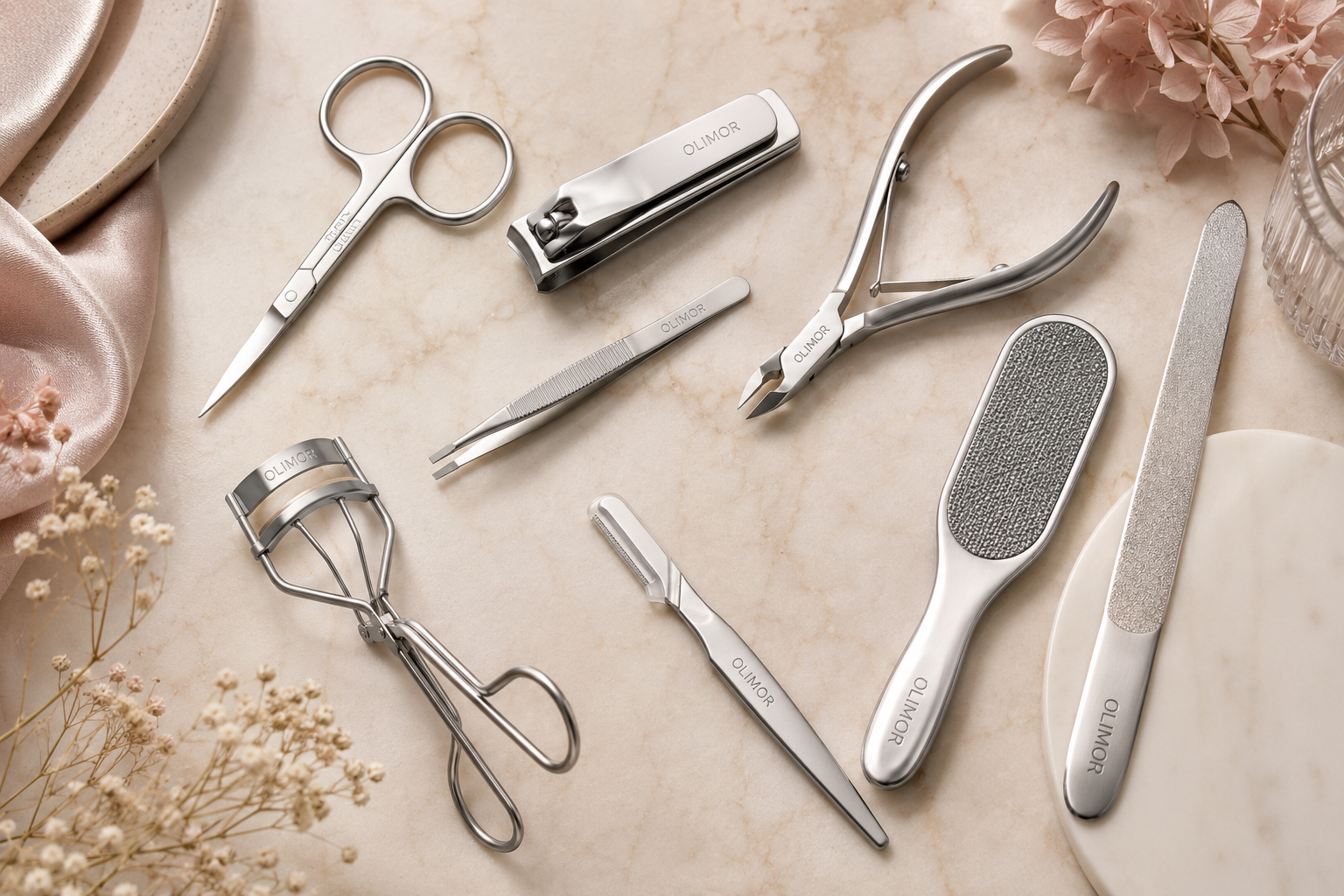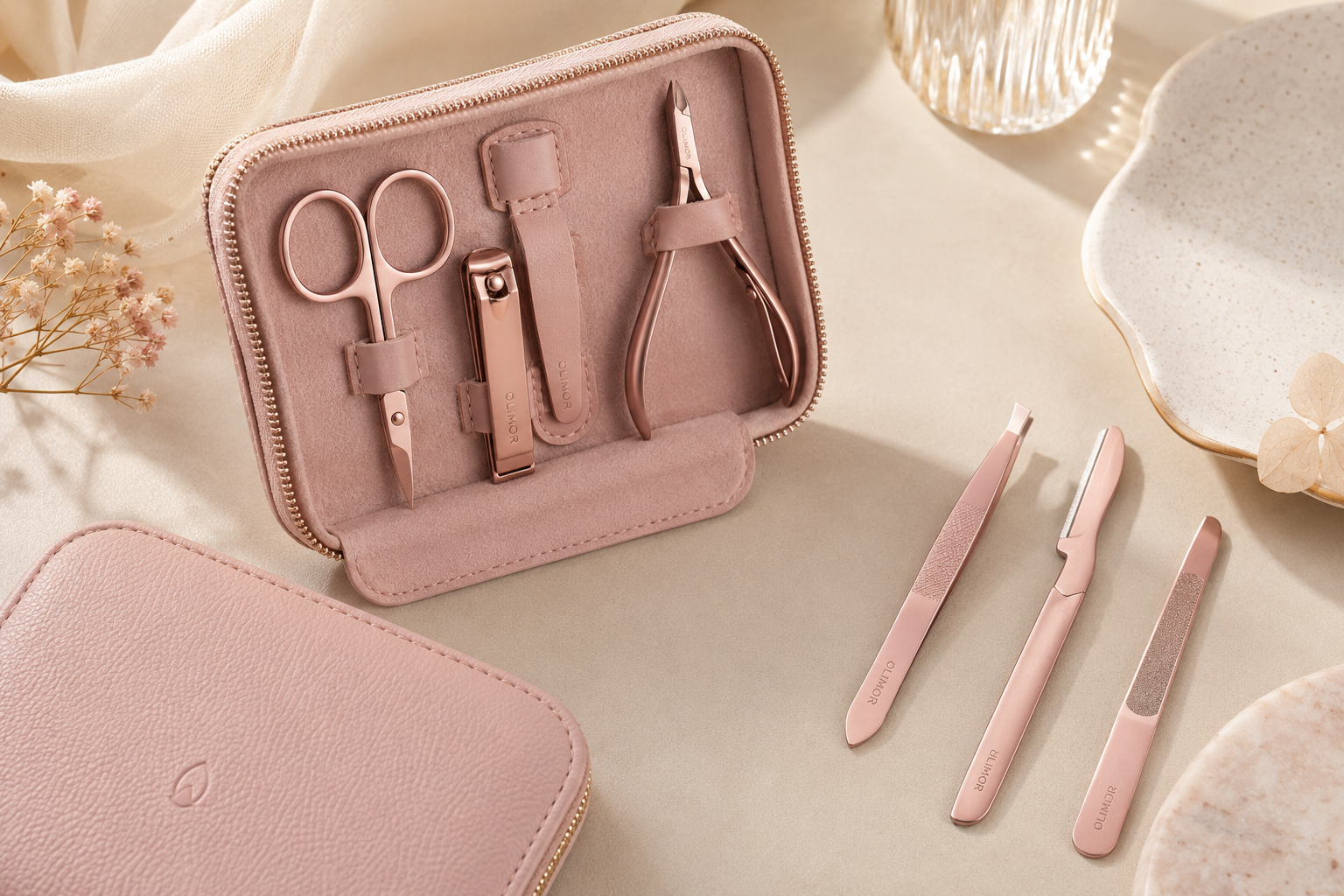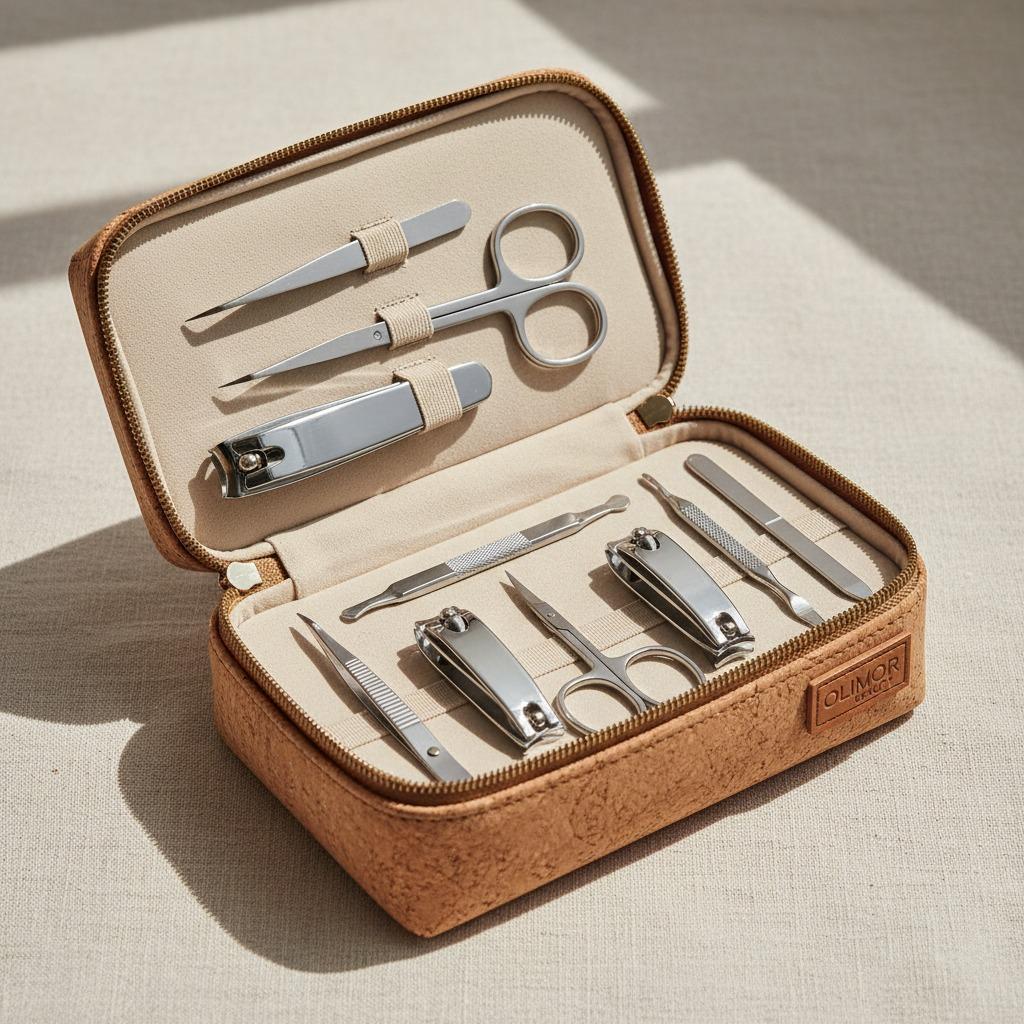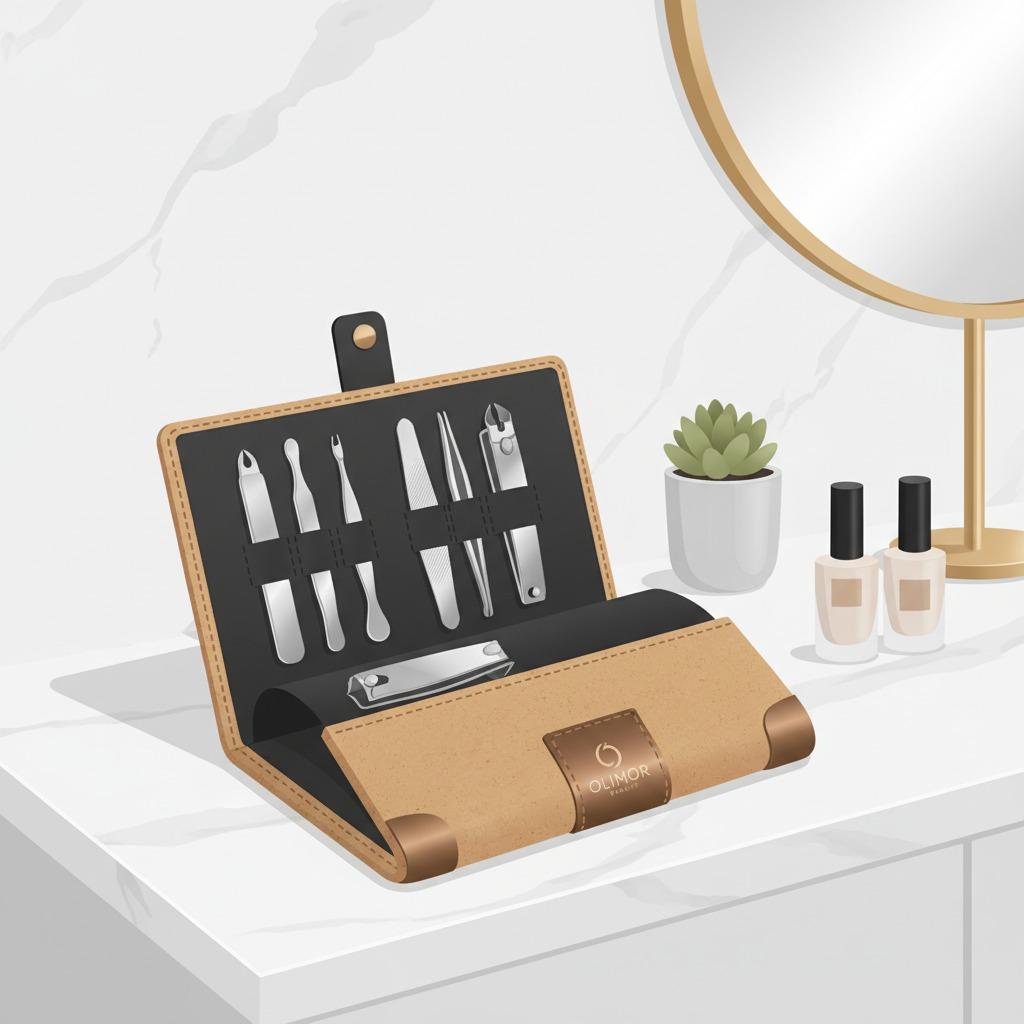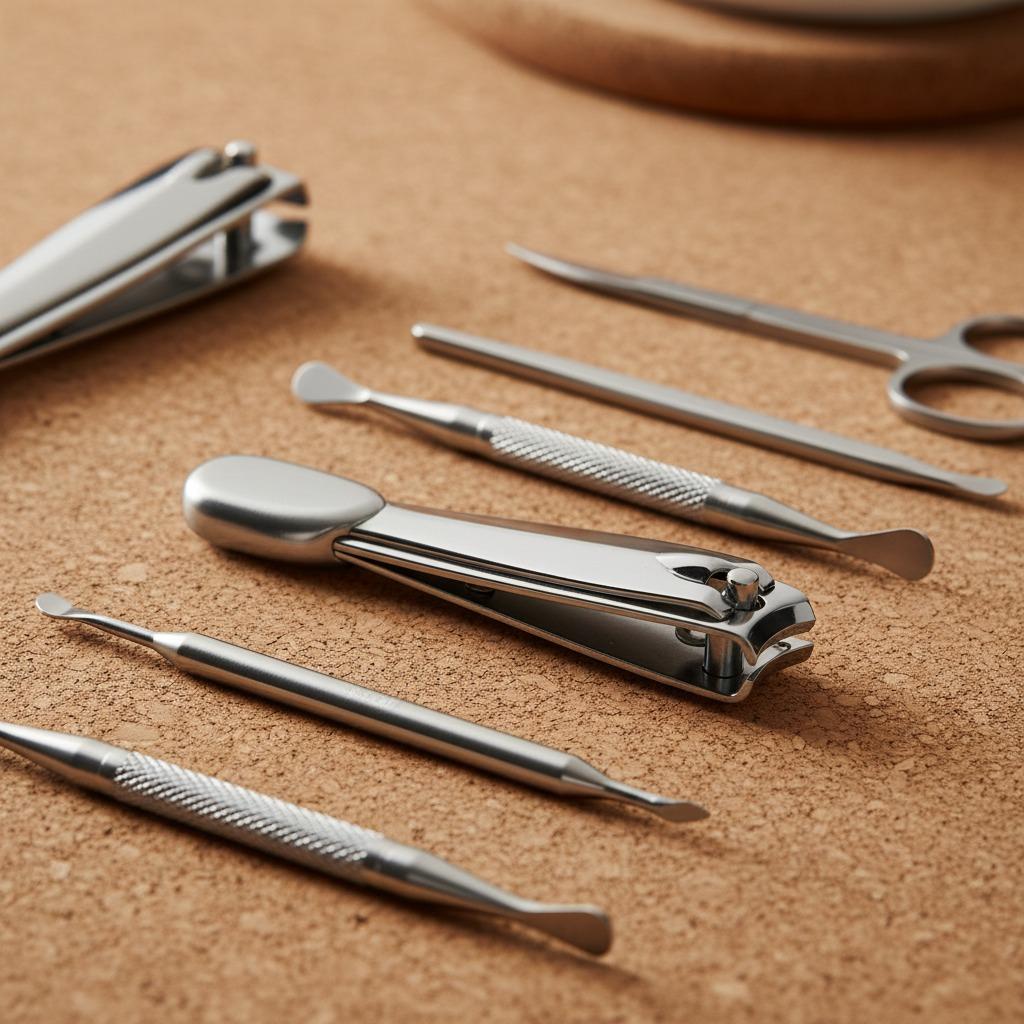

Nail clippers are small tools, but they fail in very visible ways. If the lever bends, the blades do not meet evenly, the pivot loosens or the surface has burrs, the product quickly feels cheap and uncomfortable. For retail buyers, salon suppliers, private-label teams and beauty tool distributors, nail clipper stress testing is a practical way to judge whether a clipper is suitable for repeated daily use rather than only attractive in packaging.
A useful evaluation should answer one main question: will this nail clipper cut cleanly, feel stable in the hand and remain aligned after repeated pressure? The answer depends on the blade contact, lever geometry, rivet or pin stability, spring-back action, body rigidity, edge preparation, surface finish and packaging protection. These points can be checked during sample review before a sourcing decision is made.
This guide explains how to evaluate nail clipper strength and lever durability in a commercially useful way. It is designed for buyers comparing samples, building grooming kits, preparing private-label specifications or reviewing products within a wider range of beauty tool products.
What Nail Clipper Stress Testing Should Prove
Stress testing should not be treated as a dramatic breakage test only. A clipper can remain in one piece and still be unsuitable for sale if it cuts unevenly, crushes the nail, twists under pressure or feels rough against the hand. The most useful testing looks for functional change before and after repeated use.
A strong nail clipper should maintain cutting alignment while pressure moves through the lever, pivot and cutting jaws. When the upper and lower blades meet evenly, the nail is cut with less tearing. When the lever remains stable, the user can apply force with control. When the frame resists bending, the cutting edge stays in the correct position for future use.
For B2B sourcing, the goal is consistency. One good sample is not enough if the construction is hard to repeat in production. Buyers should review several samples where possible and record results in the same format. This makes it easier to discuss quality with suppliers and compare similar-looking tools fairly.
Main Components That Affect Nail Clipper Strength
Nail clippers may look simple, but their performance depends on multiple parts working together. A defect in any one area can affect the whole cutting experience.
Blade Alignment and Cutting Edge Contact
The cutting edges should meet evenly along the main cutting area. Visible gaps, uneven contact or misaligned tips can cause crushing instead of clean cutting. During inspection, open and close the clipper slowly and watch how the upper and lower edges come together. Then perform cutting trials and check whether the edge feels smooth or ragged.
Lever Stability and Pressure Transfer
The lever converts finger pressure into cutting force. If it is poorly formed, too flexible or loosely assembled, the clipper may feel weak even when the blades are sharp. Under normal pressure, the lever should not twist sideways, scrape excessively or shift out of position. The thumb contact area should feel controlled and should not have sharp unfinished edges.
Rivet, Pin or Pivot Security
The pivot area is a high-stress point. If the rivet or pin loosens, the lever and jaws may wobble. This can reduce blade contact accuracy and make the clipper feel unreliable. Buyers should check pivot movement before and after repeated cutting cycles.
Frame Rigidity and Spring-Back Action
The clipper body should resist bending when pressure is applied. It should also return to a usable position after each cut without sticking. If the frame deforms or the reset action becomes inconsistent, the user may need extra effort to position the tool for the next cut.
Surface Finish and Hand Safety
Durability is not only about force. A clipper with burrs, sharp corners, rough edges or peeling finish can create a poor user experience. Areas that contact the fingers should feel smooth, and the surface should be checked after stress testing for scratches, cracks, flaking or other visible changes.
A Practical Sample Testing Process for Buyers
A simple, repeatable test is often more useful than a complicated one-time inspection. The following process can be used by sourcing teams, retailers, salons and product managers when comparing nail clipper samples from a beauty tool collection or preparing a new order brief.
- Inspect the sample before use. Check blade meeting, lever fit, pivot stability, opening and closing movement, surface finish and packaging condition.
- Test normal handling. Hold the clipper as an end user would. Press the lever several times without cutting to feel resistance, wobble, sharp contact points or sticking.
- Cut different nail sections where appropriate. Compare performance on thinner and thicker sections to understand how the clipper handles varying resistance. Avoid using the tool on materials it is not intended to cut.
- Repeat the cutting action. Multiple cycles reveal issues that may not appear during the first cut, such as pivot loosening, lever twist or reduced blade contact.
- Check comfort under pressure. Note whether the lever digs into the thumb, slips, feels unstable or requires excessive squeezing.
- Inspect again after testing. Look for blade dulling, chipping, uneven wear, frame deformation, rivet movement, surface defects or changes in lever position.
- Record results consistently. Use the same checklist for each sample so that product decisions are based on comparable observations rather than impressions alone.
This approach does not require invented performance claims. It gives buyers a practical method to identify which samples remain stable after repeated action and which ones only look durable at first glance.
Nail Clipper Quality Checklist for Sourcing
Before placing an order, buyers should translate stress testing observations into clear quality expectations. The checklist below can support sample comparison, supplier discussion and pre-shipment inspection planning.
| Quality area | What to check | Commercial relevance |
|---|---|---|
| Blade alignment | Upper and lower cutting edges meet evenly with no obvious gaps in the main cutting zone | Supports cleaner cutting and reduces complaints about crushing or tearing |
| Cutting feel | Tool cuts without excessive squeezing, slipping or rough nail edges | Influences customer satisfaction and repeat purchase confidence |
| Lever durability | Lever remains stable under repeated pressure and does not twist sideways | Helps the product feel strong and controlled during use |
| Pivot security | Rivet or pin does not loosen after repeated opening, closing and cutting | Maintains alignment and reduces early functional failure |
| Frame rigidity | Body shape remains stable after pressure is applied | Protects cutting accuracy over time |
| Surface finish | No burrs, sharp unfinished corners, rough hand-contact areas or visible peeling | Improves comfort, safety perception and retail presentation |
| Packaging protection | Clipper is secured to reduce scratches, movement and finish damage during storage or transport | Protects sellable condition before the customer opens the pack |
| Inspection agreement | Sampling method, defect definitions and approval process are agreed before production | Reduces misunderstandings between buyer and supplier |
How to Compare Nail Clipper Designs
The best nail clipper is not always the heaviest or largest option. Buyers should match the design to the intended user, retail positioning and use environment.
Compact Clippers
Compact clippers are useful for travel kits, small retail packs and everyday carry. Because leverage is naturally limited, blade precision and alignment become especially important. A compact design that requires too much squeezing may feel uncomfortable even if it looks convenient.
Larger Clippers
Larger clippers can provide more leverage and may be preferred for thicker nails or users who want a more substantial grip. However, added leverage places more demand on the frame and pivot. Buyers should pay close attention to lever stability and body rigidity during repeated pressure testing.
Salon and Professional-Use Clippers
For salons or shared-use settings, consistency, cleaning access and surface durability matter. The clipper should be easy to wipe, dry and store. Tight crevices can collect residue, and rough areas may make cleaning more difficult. Buyers should confirm that their cleaning routine is compatible with the product material and finish.
Retail and Gift Set Clippers
Retail consumers may notice finish, comfort, packaging and first-use sharpness. For gift sets, the clipper should also fit securely in the case or tray. A beautiful set can still generate returns if the tool inside feels weak, scratches easily or cuts poorly.
Cost Factors Without Overlooking Durability
Nail clipper cost is influenced by more than the visible shape. Buyers should consider the full specification and quality control plan before comparing quotations. A lower unit price can become expensive if the product has inconsistent cutting performance, high defect rates or packaging damage.
Common cost factors include tool size, material selection, forming accuracy, cutting edge preparation, surface finishing, assembly consistency, packaging style, customization requirements and inspection expectations. More complex finishes or packaging can raise cost, but they do not automatically improve cutting strength. Likewise, a simple clipper can perform well if alignment, lever action and finishing are controlled properly.
When requesting quotations, avoid vague wording such as “best quality” or “premium clipper” without details. A stronger request includes the intended use, target customer, preferred size, finish direction, packaging format, logo or private-label needs, sample expectations and inspection priorities. Buyers can share these details through an Olimor product inquiry so the discussion starts with practical requirements rather than assumptions.
Supplier Evaluation Questions for B2B Buyers
A reliable supplier should be able to discuss nail clipper quality in concrete terms. Buyers do not need exaggerated claims; they need clear communication about samples, production controls, inspection points and customization feasibility.
Useful supplier questions include:
- How should blade alignment and cutting action be checked during sample approval?
- Which parts of the clipper are most important to inspect after repeated pressure testing?
- How are lever fit, pivot stability and surface finish reviewed before shipment?
- Can packaging be adjusted to protect the clipper from scratches and movement?
- What customization options are available for finish, logo placement, packaging or set configuration?
- What documents, samples or approval steps should be reviewed before bulk production?
For inspection planning, many buyers reference recognized sampling approaches such as ISO 2859-1 for acceptance sampling by attributes. Consumer product requirements may also be affected by market-specific regulators or rules, such as the U.S. Consumer Product Safety Commission for applicable consumer goods in the United States. Buyers should verify the current versions and relevance of any standard, regulation or supplier document for their own market. Do not assume a product is certified unless the supplier provides valid documentation for the exact item and scope.
Maintenance Factors That Affect Long-Term Performance
Even a well-made nail clipper needs reasonable care. Stress testing can confirm strength, but daily handling and storage influence durability. Users should remove nail residue from the cutting area, keep the clipper dry after cleaning and avoid using it on materials it was not designed to cut. Dropping the tool onto a hard surface can damage blade alignment even when the body still looks intact.
For salons, cleaning and storage procedures should be compatible with the product material and finish. Tools should be dried before storage, and any visible residue should be removed from the blade and pivot area. If a clipper begins to feel loose, rough or misaligned, it should be inspected before continued use.
Retailers and distributors can reduce customer complaints by providing basic care instructions in packaging or product pages. Clear care guidance is especially helpful for grooming sets, travel kits and salon resale products where the clipper may be stored with other metal tools.
Common Problems and What They Usually Indicate
When a nail clipper performs poorly, the symptom often points to a specific quality issue. Buyers can use the following guidance during sample review and supplier communication.
- Nail edge looks crushed: Check blade sharpness, alignment and whether the jaws meet evenly.
- Lever feels unstable: Review lever thickness, forming accuracy, pivot fit and side movement under pressure.
- Clipper sticks after cutting: Inspect spring-back action, frame shape and any friction around the pivot.
- Cut requires excessive force: Compare blade preparation, leverage, size suitability and nail thickness.
- Tool scratches or feels rough: Review surface finishing, burr removal and packaging protection.
- Performance changes after repeated use: Recheck pivot security, frame rigidity and edge wear.
These observations help buyers move from a general complaint to a specific corrective conversation. Instead of saying a sample is weak, the buyer can identify whether the issue is lever twist, blade gap, rough finish or pivot movement.
Building a Clear Nail Clipper Sourcing Brief
A strong sourcing brief reduces delays and helps suppliers recommend suitable options. The brief should explain how the clipper will be sold and used. For example, a travel kit, salon resale item, private-label retail pack and full manicure set may each require different priorities.
Include the desired product type, target user, preferred size direction, finish expectations, packaging style, branding needs and inspection criteria. If you already have samples, describe what you like and what needs improvement. If you are comparing multiple designs, use the same stress testing checklist for each one.
Olimor Beauty works with beauty tools where reliability, finishing and usability matter to the end customer. Buyers comparing nail clippers or developing grooming tool sets can contact Olimor Beauty to discuss product direction, packaging needs and inspection priorities. A clear brief makes it easier to match the clipper design to home grooming, travel, salon resale or broader beauty tool distribution.
FAQ
Can I request nail clipper samples before placing an order?
Sample review is recommended for nail clippers because cutting feel, lever stability and finish quality are difficult to judge from photos alone. Share your intended use, packaging needs and inspection priorities when requesting samples.
Is there a fixed MOQ for customized nail clippers?
MOQ depends on the product design, customization method, packaging choice and production arrangement. Confirm the current requirement with the supplier for the exact clipper and branding plan.
What customization options should buyers discuss?
Common discussion points include finish direction, logo placement, packaging format and set configuration. Feasibility should be confirmed with samples or supplier artwork review before production.
How should quality be checked before shipment?
Buyers should agree on inspection points such as blade alignment, lever action, pivot stability, surface finish, packaging protection and approved sample matching. Sampling plans and defect definitions should be documented before production.
What affects lead time for nail clipper orders?
Lead time can be affected by sample approval, customization, packaging development, production scheduling and inspection requirements. Ask for the current timeline based on your exact order details rather than relying on a general estimate.