










A stainless steel nail cutter is a small grooming tool, but the quality of its blade, grip and finish can affect comfort, hygiene and the final appearance of a manicure or pedicure. For home users, the main goal is a clean trim without crushing the nail edge or slipping in the hand. For retailers, salons and sourcing teams, the tool also needs to be easy to inspect, simple to maintain, practical to package and suitable for the customer group it is intended to serve.
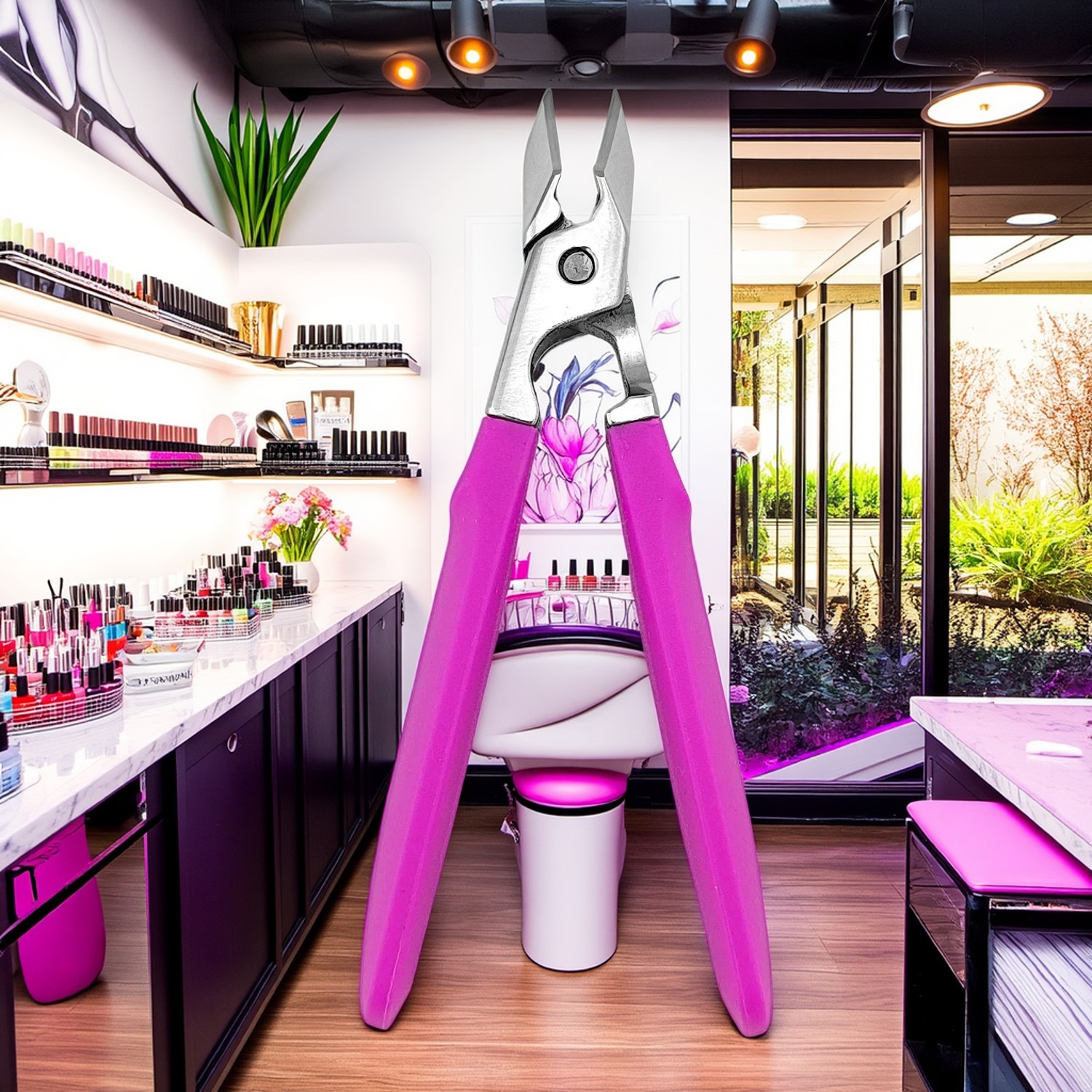
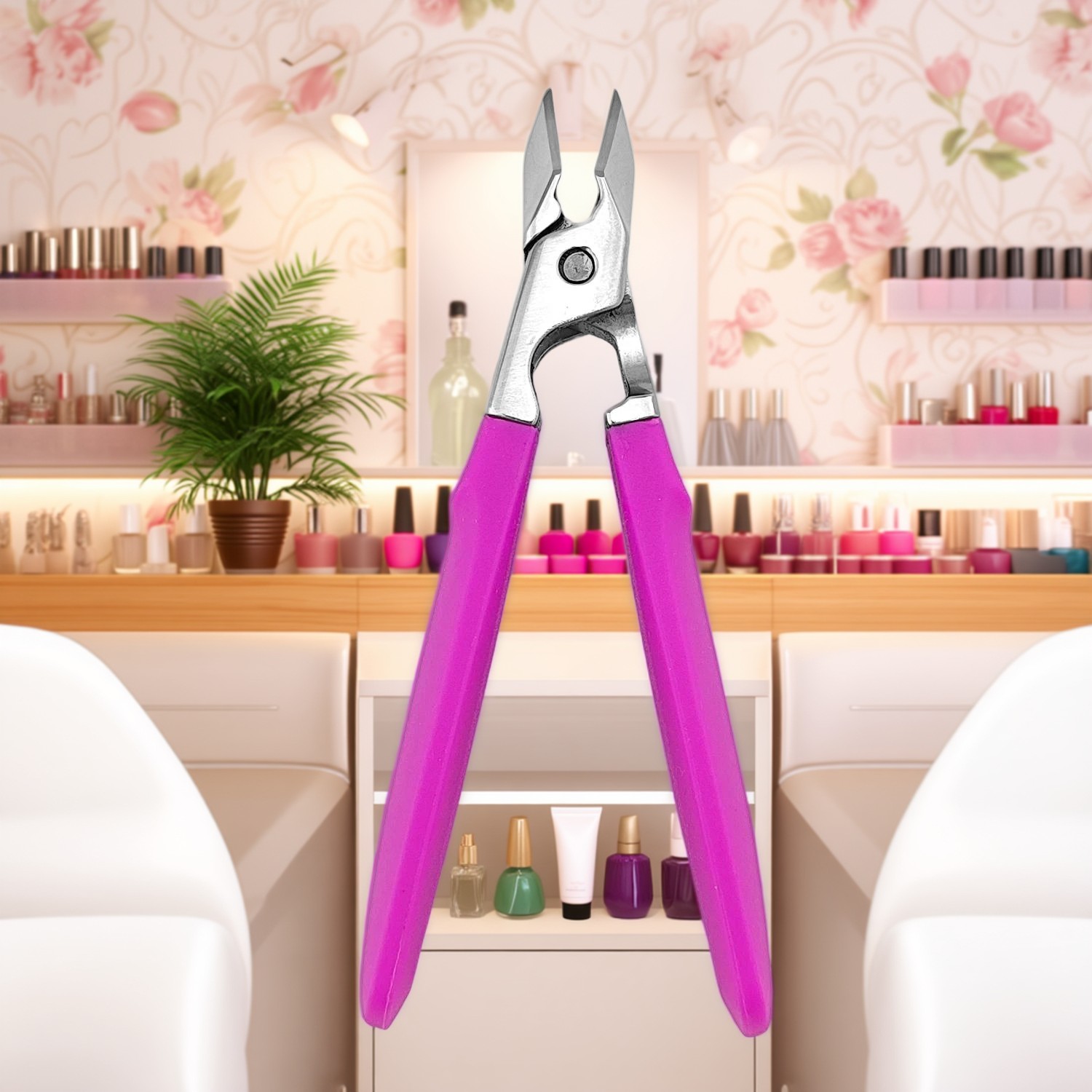
This guide focuses on a compact stainless steel nail cutter with sharp angled blades, a rubberized grip and a visible pink handle. Its design is best understood as a controlled trimming tool rather than a bulky general-purpose clipper. The angled cutting edge helps users approach the nail in small sections, while the lightweight body makes it suitable for home drawers, travel pouches, beauty kits and retail nail care assortments.
If you are comparing nail grooming tools for personal use or commercial sourcing, evaluate the cutter by blade geometry, grip control, finishing quality, cleaning requirements and intended use. Appearance matters in retail, but repeatable handling and safe, predictable trimming matter more.
What This Type of Stainless Steel Nail Cutter Is Best For
This nail cutter is designed for controlled nail trimming, edge refinement and compact portability. The angled stainless steel blades give the user a clearer line of approach than many broad straight clippers, especially when trimming small sections or tidying the side edge of a nail. The rubberized pink handle supports grip stability and makes the tool easier to locate in a crowded manicure pouch or grooming drawer.
The most suitable uses include routine fingernail trimming, toenail edge adjustment, pedicure preparation, travel grooming and quick correction of small snags after filing. The tool is also relevant for beauty retailers that want to offer a practical item with a recognizable handle color and easy-to-understand function.
It should not be treated as a medical instrument or an all-purpose cutter. Avoid using it on wire, plastic packaging, callused skin or artificial nail material that is too thick for the blades. Misuse can dull or misalign the cutting edge and can make the tool less safe to operate.
Angled Blades vs. Basic Straight Clippers
A basic straight clipper is useful for quick shortening, but it can be less precise when the user wants to shape gradually or remove a small uneven corner. An angled nail cutter allows the user to trim in smaller, more visible sections. That difference is important for people who prefer a neat finish instead of a blunt, single cut.
The angled format can help with detailed work around the free edge of the nail, but it still requires careful use. Users should cut only the nail edge and avoid surrounding skin. For toenails, it is especially important not to cut deeply into side corners, because aggressive corner trimming can cause discomfort or create rough edges that catch later.
| Feature | Angled stainless steel nail cutter | Basic straight clipper |
|---|---|---|
| Cutting approach | Small, controlled cuts with better access to corners and uneven edges | Fast shortening across a wider nail section |
| Best use | Detail trimming, travel grooming, pedicure edge work and post-file correction | Routine length reduction when precision is less important |
| Grip consideration | Rubberized handle supports stability and comfort | Often relies on smooth metal surfaces |
| Retail positioning | Precision-focused tool for manicure and pedicure kits | Everyday basic nail care item |
| User technique | Works best with slow, section-by-section trimming | Often used for quicker cuts |
For a complete nail care range, both styles may have a place. A retailer can position a straight clipper for fast everyday shortening and an angled stainless steel nail cutter for users who want more control, cleaner finishing and portable convenience.
Material, Grip and Handling Details That Matter
Stainless steel is widely used in grooming tools because it offers strength and good resistance to rust when properly cleaned and dried. This does not mean the cutter should be left wet or stored in a damp pouch. It means the blade material is appropriate for regular nail grooming environments when basic care is followed.
The sharp angled blades are the functional core of the tool. During inspection, the blades should meet evenly and feel consistent when closed. A clean cutting edge helps reduce the need for excess hand pressure. If the blade crushes or bends the nail instead of cutting it, the tool may be dull, misaligned or being used on a nail that is too thick for its design.
The rubberized pink handle is not only decorative. A textured or softer-feel grip can help the user control pressure and angle, particularly when trimming toenails or working after washing hands and feet. The pink color also improves visibility in a kit, which is useful for travel users, salon backup drawers and retail sets that contain several small tools.
The compact and lightweight body supports portability. Buyers should still consider how the cutter will be stored. A sharp grooming tool should not move loosely against cosmetics, fabric or other metal tools. A small sleeve, pouch compartment or suitable retail packaging helps protect both the blade and the user.
How to Use the Nail Cutter for Cleaner Results
Clean trimming depends on technique as much as tool design. The safest approach is to work slowly, cut in small sections and finish with a nail file. Nails may be easier to trim after washing, but hands, feet and the tool should be dry enough to prevent slipping.
- Prepare the nail. Remove dirt, heavy lotion and polish residue that may hide the nail edge. Work under good lighting.
- Hold the rubberized grip firmly. Keep fingers away from the blade path and position the angled edge only against the nail.
- Trim gradually. Make several small cuts rather than forcing the cutter through a large section of nail.
- Follow the natural shape. For fingernails, a gentle curve is usually easier to smooth. For toenails, avoid cutting too deeply into the side edges.
- Check the edge. Look for rough points or tiny corners that could catch on fabric.
- File lightly after trimming. A nail file helps smooth the final edge and reduces the chance of splitting.
- Clean the cutter before storage. Wipe away nail dust and moisture after each use.
If a nail is painful, unusually thick, discolored or difficult to cut, do not solve the problem by applying more force. A grooming nail cutter is not a substitute for professional advice or treatment.
Cleaning, Storage and Maintenance
Stainless steel tools last longer when they are kept clean and dry. Nail dust, water and cosmetic residue can collect near the cutting edge and reduce the smooth feel of the tool over time. After each use, wipe the blades with a clean dry cloth. If the cutter has been exposed to water, dry it fully before placing it in a drawer or pouch.
For personal use, routine wiping and dry storage are usually the most important habits. For salons, shared-use settings or retail demonstrations, cleaning and sanitation procedures should follow local requirements and the hygiene policy of the business. Buyers should verify applicable rules in their own market rather than relying on a product description alone.
Do not soak the handle unnecessarily for long periods. The cutter includes a rubberized grip, and non-metal components may be more sensitive to prolonged moisture exposure than stainless steel blades. Also avoid dropping the tool or storing it under heavier implements, because impact can affect blade alignment.
For retail and import planning, teams should also check current market requirements for product safety, labeling, packaging and material restrictions. In the United States, the Consumer Product Safety Commission is a relevant public body for many consumer products. For the European market, REACH material restrictions may be relevant depending on the product and packaging. Always verify current versions, local rules and supplier documents before placing an order or making compliance claims.
Buyer Checklist for Retailers, Salons and Sourcing Teams
Commercial buyers should inspect more than the color and product photo. A nail cutter must feel stable, cut cleanly and be simple for the end user to understand. The following checklist can support supplier comparison, sample review and assortment planning.
| Inspection point | What to check | Why it matters |
|---|---|---|
| Blade alignment | Close the cutter and check whether the angled blades meet evenly | Good alignment supports clean trimming instead of bending the nail |
| Cutting feel | Test on an appropriate nail sample or approved inspection material | The tool should cut without requiring excessive pressure |
| Grip comfort | Hold the rubberized handle from different angles | Comfort improves control during detailed manicure and pedicure use |
| Surface finish | Look for rough edges, burrs or poorly finished contact areas | Smooth finishing improves user confidence and ease of cleaning |
| Portability | Review size, weight and storage compatibility | A compact cutter fits travel kits, gift sets and everyday grooming pouches |
| Handle visibility | Evaluate the pink handle in the intended retail or kit setting | A visible color helps users find the tool quickly |
| Packaging suitability | Confirm whether packaging protects the blade and explains use clearly | Good packaging reduces damage risk and supports customer understanding |
| Supplier documentation | Request current product, material, packaging and quality documents as applicable | Documentation supports purchasing review and market compliance checks |
When building a broader nail care category, compare this cutter with other items in the Olimor beauty tool products range. A balanced assortment may include trimming tools, shaping tools and travel-friendly accessories so customers can select by task rather than appearance alone.
Cost Factors Without Guesswork
The cost of a stainless steel nail cutter can vary depending on material selection, blade finishing, handle construction, packaging, order requirements and customization. It is not useful to judge cost only by unit appearance. A low-cost tool that cuts poorly, feels unstable or arrives with inconsistent finishing can create returns, complaints and brand risk.
Important cost factors include the precision of the angled blade, the quality of the surface finish, the rubberized handle process, packaging style, inspection requirements and whether the buyer needs private labeling or a specific retail presentation. Additional requirements such as customized colors, special packaging artwork or market-specific labeling can also affect quotation details.
Retailers should request samples before confirming a purchasing decision. During sample review, test the handle comfort, blade closure, trimming feel and storage practicality. If the tool is intended for a manicure set, verify that it fits the pouch or tray without pressing against other items. If it is intended for travel retail or compact display, confirm that the packaging protects the cutting edge and communicates the angled-blade benefit clearly.
For category planning, browse related nail and beauty tool collections to decide whether this cutter should be sold as a single item, included in a nail grooming kit or paired with files and other finishing tools.
Supplier Evaluation Questions
A dependable supplier should be able to discuss product details, sample options, packaging possibilities and inspection expectations without making unsupported claims. Buyers should ask practical questions that connect directly to end-user experience and market requirements.
- Product fit: Is the cutter intended for fingernails, toenail edge refinement, travel kits, retail sets or multiple uses?
- Sample review: Can samples be provided for checking blade alignment, grip comfort and packaging fit?
- Customization: Which elements may be discussed for customization, such as handle color, branding or packaging, and what limitations apply?
- Quality control: How are blade closure, surface finish, handle condition and packing checked before shipment?
- Documentation: What product and packaging documents are available for the target market?
These questions help separate a practical sourcing discussion from a simple product listing. They also support better communication between purchasing teams, quality teams and retail merchandising teams.
When This Nail Cutter Is the Right Choice
This stainless steel nail cutter is a strong choice when the buyer or end user values control, portability and easy handling. The angled blades support small-section trimming, the stainless steel construction suits regular grooming use when properly maintained, and the rubberized pink handle improves grip and visibility.
It is especially suitable for home nail care, travel grooming, pedicure touch-ups, beauty retail displays and nail care kits where a compact precision tool is preferred. It may be less suitable when the only requirement is fast bulk cutting or when the tool will be used on materials outside normal nail grooming.
For sourcing teams, the key decision is whether the product matches the customer’s real grooming habits. If the target user wants a visible, easy-to-hold, compact cutter for cleaner nail edge control, this design is worth evaluating through samples and supplier discussion.
To review product options or discuss assortment planning, you can contact Olimor. For purchasing details, customization questions or sample discussions, send an inquiry to the Olimor team.
FAQ
Can I request a sample before placing an order?
Sample availability should be confirmed with the supplier. Samples are useful for checking blade alignment, cutting feel, handle comfort, packaging fit and overall finishing before making a commercial decision.
Is there a fixed MOQ for this stainless steel nail cutter?
MOQ can depend on product configuration, packaging, customization and current production planning. Ask for the applicable order requirements during quotation rather than assuming a standard quantity.
Can the handle color, branding or packaging be customized?
Customization may be possible depending on the requested change and order plan. Discuss handle color, logo placement, packaging style and labeling needs early so the supplier can confirm feasibility and any limitations.
How should buyers check quality before shipment?
Key checks include blade alignment, cutting smoothness, surface finish, rubberized handle condition, cleanliness, packaging protection and carton labeling. Buyers should agree on inspection expectations and documentation before confirming production.
What affects lead time for a nail cutter order?
Lead time can be affected by sample approval, customization, packaging preparation, production scheduling, inspection and shipping arrangements. Confirm the current timeline with the supplier for each specific order.