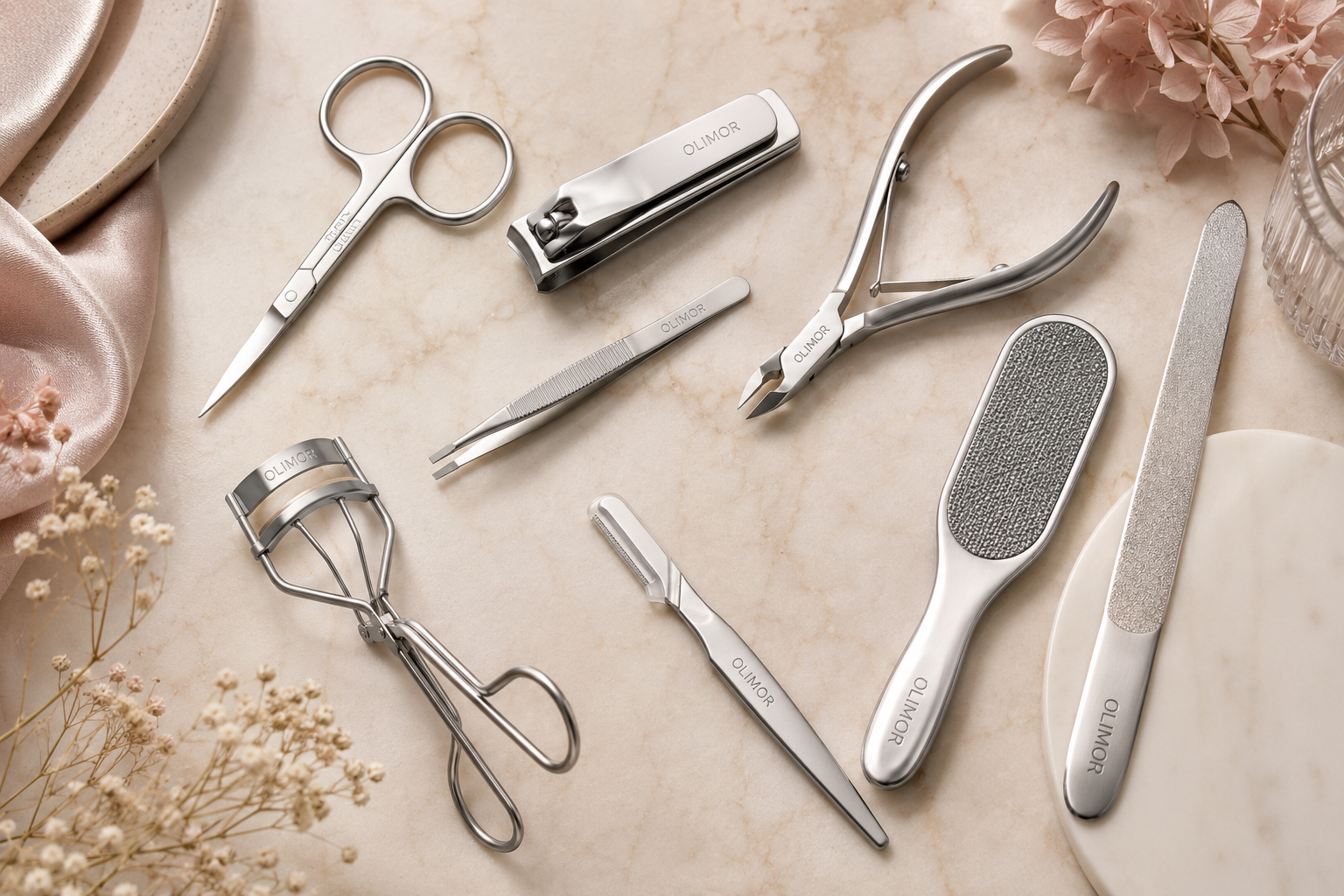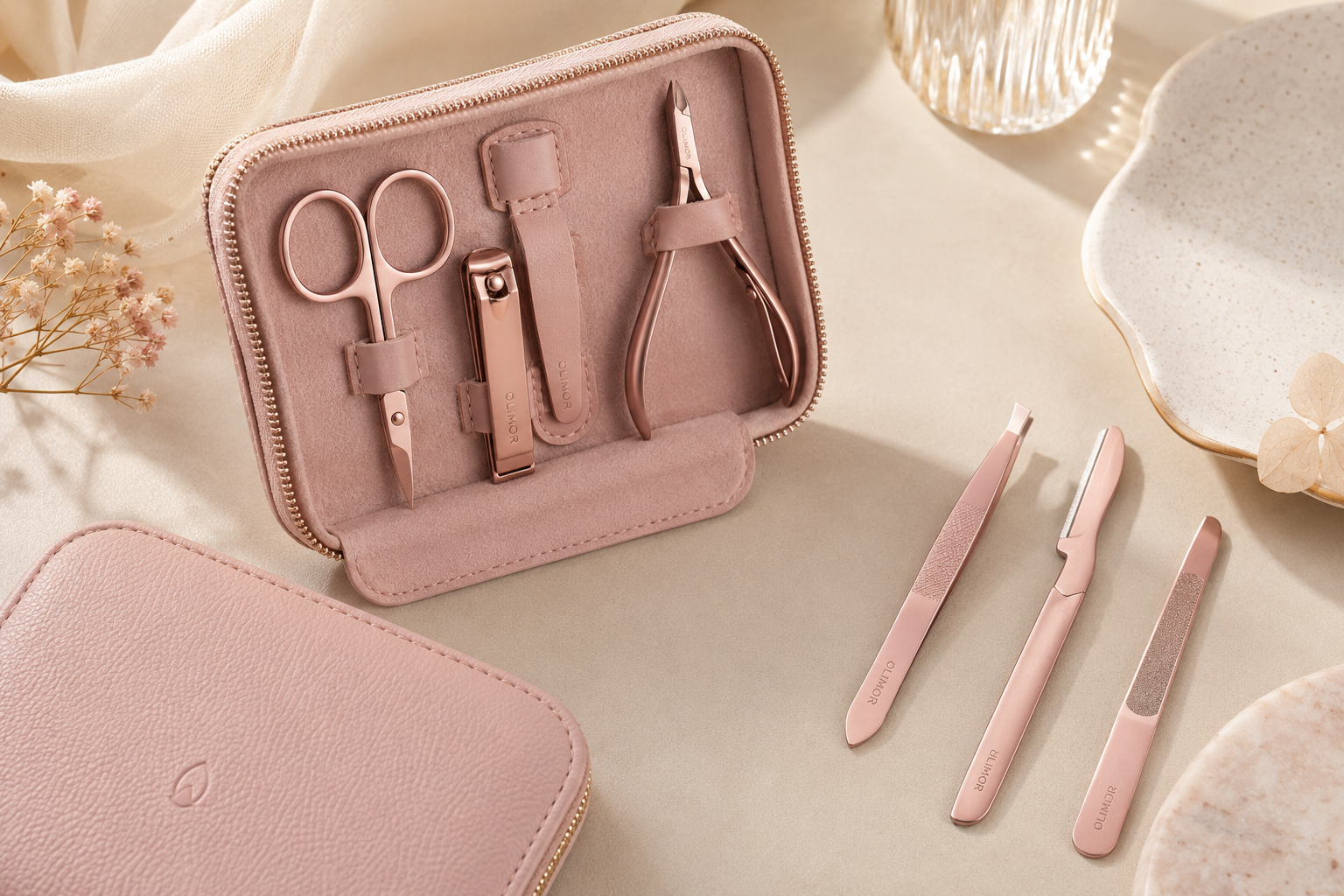











Stainless steel nail clippers are a small beauty tool, but their quality affects comfort, hygiene, and the final look of a manicure or pedicure. A clipper that bends, catches, or becomes rough at the cutting edge can split the nail instead of trimming it cleanly. For personal grooming, salon use, travel kits, and beauty retail assortments, stainless steel remains a practical choice because it resists corrosion better than many lower-grade metal alternatives and can support a longer service life when maintained correctly.
This guide focuses on how to evaluate stainless steel nail clippers, what rust resistance really means in everyday use, and how to care for the tool so it stays clean and effective. It is written for shoppers, salon teams, and beauty product buyers comparing nail clipper options for a product range. If you are reviewing broader grooming assortments, Olimor also offers related beauty tool products and organized product collections for selection planning.
Why Stainless Steel Is Commonly Chosen for Nail Clippers
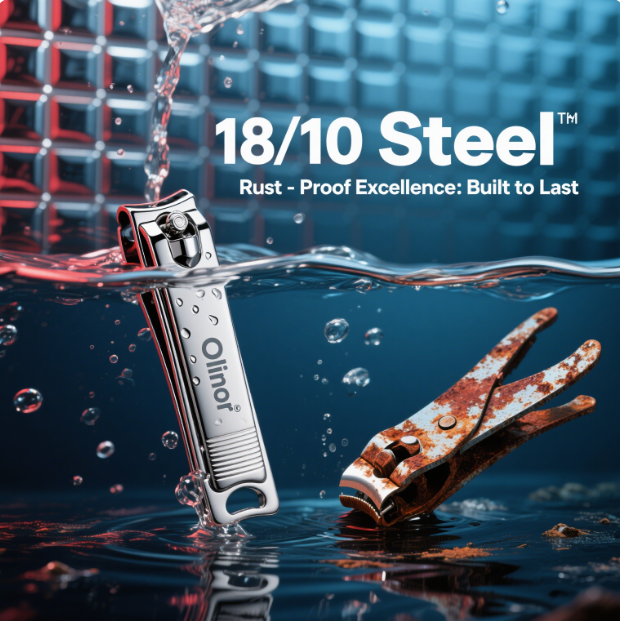
The main reason buyers choose stainless steel nail clippers is corrosion resistance. Bathrooms, salon stations, pedicure areas, and travel bags often expose tools to moisture. Stainless steel is designed to resist common rust and corrosion issues better than ordinary carbon steel, especially when the surface is kept dry and clean after use. This makes it suitable for grooming tools that are handled frequently and stored near water.
Durability is another reason stainless steel is favored. Nail clippers need enough strength to keep the jaw aligned while cutting thicker nails. If the body is too soft or poorly formed, the cutting edges may not meet evenly. That can create jagged nail edges and require repeated pressure. A well-made stainless steel clipper should feel stable in the hand, open smoothly, and close with even pressure from one side of the blade to the other.
Stainless steel also supports a cleaner appearance over time. For retail beauty sets, hotel grooming kits, salon retail displays, or personal care gifts, the material communicates a tidy and hygienic impression. However, stainless steel is not maintenance-free. Even rust-resistant tools can stain or show surface marks if they are stored wet, exposed to harsh chemicals, or left with nail dust trapped around the hinge.
What Rust Resistance Means in Real Use
Rust resistance does not mean a nail clipper can be ignored after every use. It means the material is better able to resist oxidation under normal grooming conditions. Daily habits still matter. Water left in the hinge, residue from lotions, disinfectants that are too aggressive, or storage in a sealed damp pouch can all shorten the usable life of the tool.
For home users, the most important step is drying the clipper before storage. For salons, the care process should be more structured because the tool may be cleaned many times a day. A clipper used on natural nails, gel overlays, or thicker toenails can collect different kinds of debris, so cleaning should reach the cutting edges and the pivot area. The goal is to protect both hygiene and cutting performance.
Buyers comparing stainless steel nail clippers should also consider the environment where the tool will be used. A clipper intended for a humid bathroom, gym bag, professional pedicure station, or travel case needs dependable material and a design that is easy to clean. Smooth surfaces, accessible edges, and a hinge that does not trap excessive debris can be just as important as the material itself.
How to Evaluate Cutting Performance Before Buying
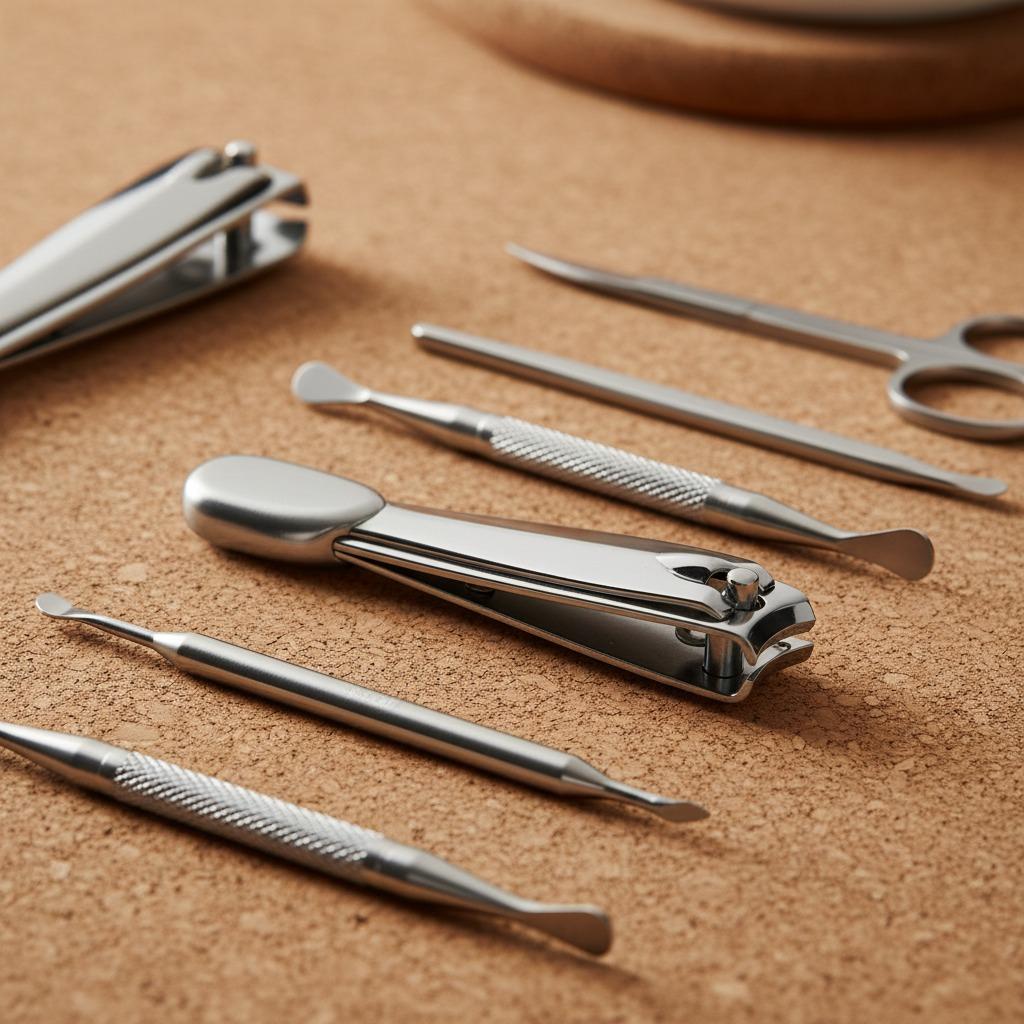
A nail clipper is only useful if it cuts cleanly with controlled pressure. When reviewing samples or comparing supplier options, focus on practical handling rather than only appearance. The lever should move smoothly, without scraping or wobbling. The jaws should align closely when closed. The cutting edge should feel precise enough to trim without crushing the nail plate.
- Blade alignment: The upper and lower cutting edges should meet evenly across the full curve.
- Lever tension: The lever should provide enough force without requiring uncomfortable pressure.
- Jaw opening: A wider opening may help with thicker toenails, while a smaller clipper can suit fingernails and travel kits.
- Edge finish: Edges should be smooth around the body so the tool does not scratch the user or snag inside a pouch.
- Grip comfort: A stable lever surface helps prevent slipping, especially after handwashing or lotion use.
- Cleaning access: The area around the hinge and jaw should be reachable for wiping and drying.
For product buyers, it is helpful to test clippers on different nail thicknesses. Fingernail-only clippers and toenail clippers may require different jaw sizes and leverage. If the same design is expected to serve both uses, sample testing becomes more important. The tool should not twist in the hand, and the trimmed nail edge should require minimal filing afterward.
Choosing Nail Clippers for Different Users and Sales Channels
Not every stainless steel nail clipper should be selected for the same customer. A compact clipper can work well for travel sets or promotional grooming kits, while a larger lever and wider jaw may be better for pedicure-focused use. For beauty retailers, the right choice depends on the intended shelf position: basic daily grooming, salon-inspired care, men’s grooming, travel accessories, or complete manicure sets.
| Use Case | Helpful Features to Compare | Buyer Notes |
|---|---|---|
| Home manicure | Comfortable grip, clean fingernail curve, compact storage | Prioritize smooth cutting and easy wiping after use. |
| Pedicure care | Stronger lever feel, wider jaw opening, stable body | Test on thicker nails to check pressure and alignment. |
| Travel kits | Compact size, rounded edges, durable finish | Check whether the tool stores safely in a pouch or case. |
| Salon retail | Consistent finish, professional appearance, reliable sample quality | Review packaging protection and batch consistency. |
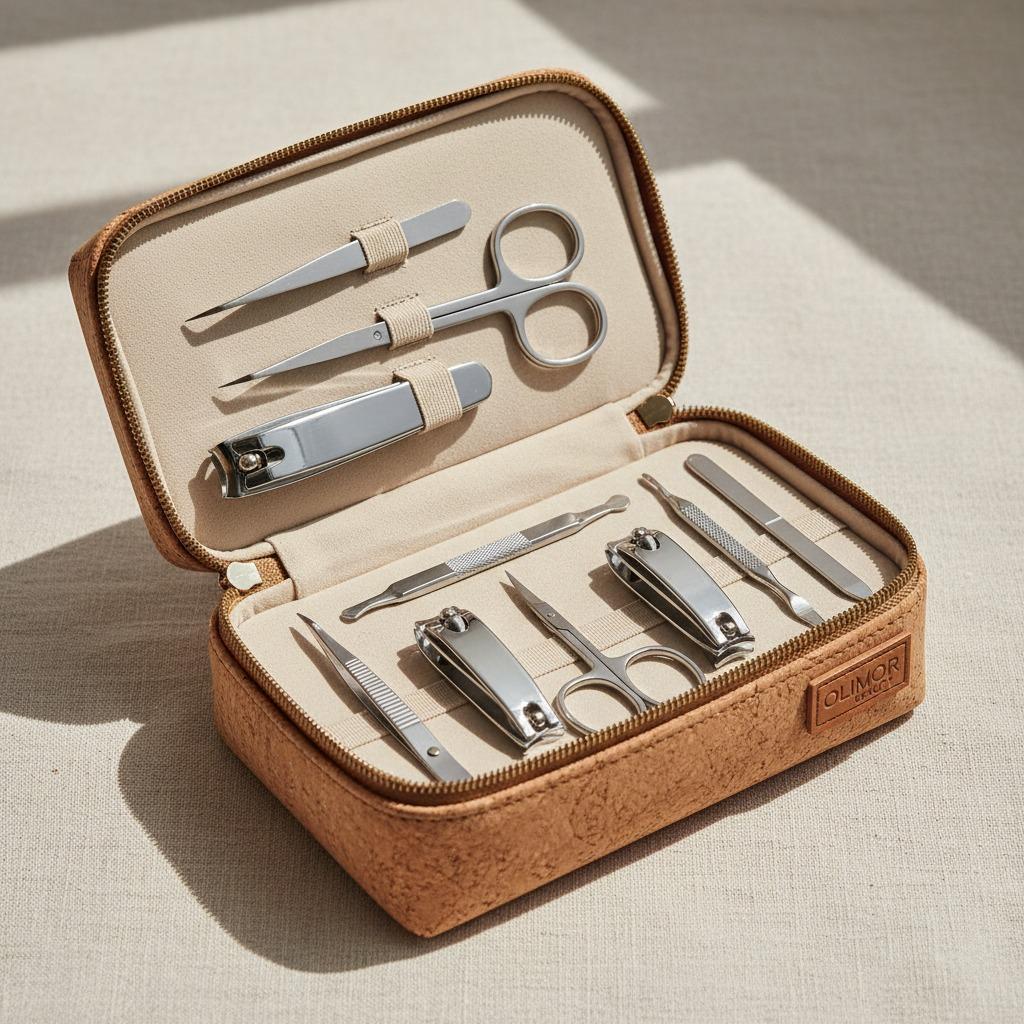
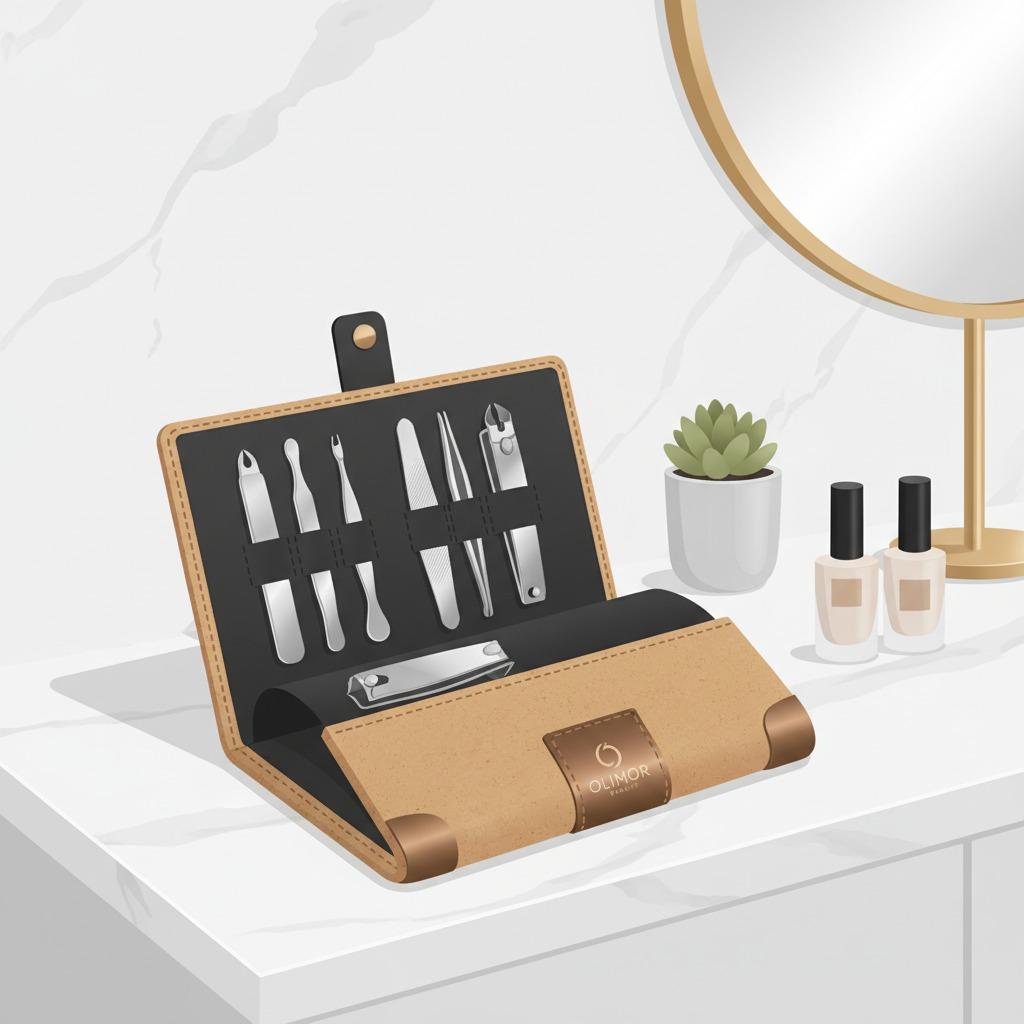
| Gift or set packaging | Clean surface finish, coordinated tool appearance | Compare how the clipper fits with files, scissors, or tweezers. |
This type of comparison prevents overbuying a single generic clipper for every purpose. A product that feels acceptable in a small travel kit may not satisfy a customer looking for a durable toenail clipper. Likewise, a larger clipper may feel unnecessary in a minimalist handbag grooming set.
Cleaning and Maintenance for Longer Service Life
Good maintenance is simple, but it should be consistent. After each use, remove visible nail debris from the cutting area. Wipe the tool with a clean, dry cloth, paying attention to the jaw and hinge. If the clipper has been rinsed, dry it fully before placing it back in a drawer, pouch, or retail display sample box. Avoid leaving it on a wet sink edge or inside a sealed plastic bag while damp.
- Open the clipper and brush away nail fragments from the blades.
- Wipe the cutting edges and handle with a clean cloth.
- If water or a suitable cleaning solution is used, dry the hinge and underside carefully.
- Store the clipper in a dry location with the lever folded down.
- Inspect the edge regularly for dullness, misalignment, staining, or rough spots.
For salon environments, follow the cleaning and sanitation procedures required in your location and make sure the chosen clipper design can tolerate your normal process. Do not assume every finish or assembly method responds the same way to repeated chemical exposure. Product buyers should confirm cleaning expectations during sample evaluation so the selected tool matches the intended use environment.
Sourcing Questions for Beauty Tool Buyers
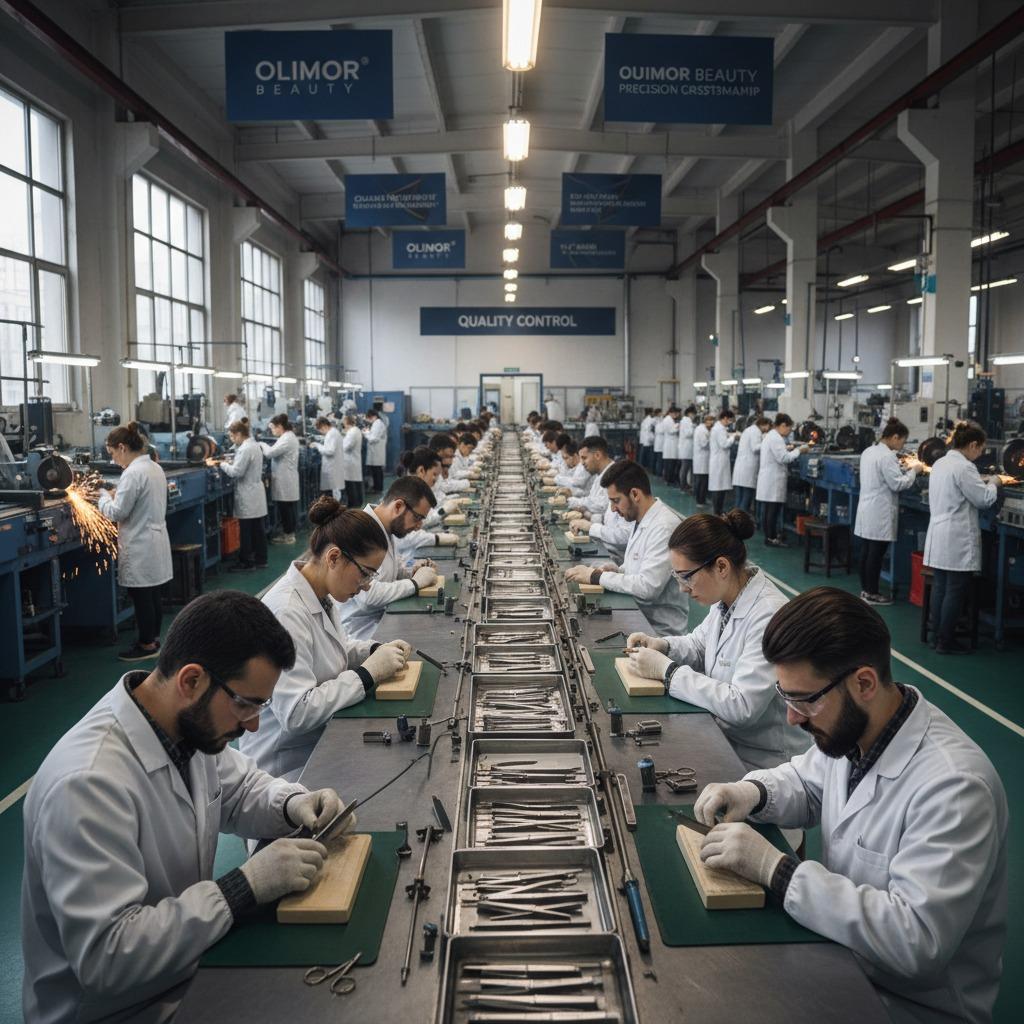
When sourcing stainless steel nail clippers for a brand, retail program, or professional assortment, the visible design is only one part of the decision. Consistency matters. A sample may cut well, but buyers should also consider whether future production can maintain the same alignment, surface finish, lever tension, and packaging protection. Olimor Beauty focuses on beauty tool manufacturing with attention to material selection, precision production, and final presentation, but each purchasing project should still be reviewed against its own market and packaging needs.
Useful sourcing checkpoints include the intended nail type, target retail channel, finish preference, packaging format, sample testing method, and cleaning requirements. Buyers should also consider how the clipper will be described to consumers. Claims should be accurate and practical: rust-resistant stainless steel, durable construction, comfortable handling, and clean trimming are clearer than broad promises that cannot be verified from the product itself.
If you are comparing options for a private-label beauty range, salon retail kit, or grooming set, prepare a short specification brief before requesting samples. Include the target user, preferred size range, packaging style, and any finishing requirements. To discuss available beauty tool options, you can contact Olimor or send an inquiry with your project details.
Common Mistakes That Shorten Clipper Life
Many clipper problems come from storage and misuse rather than the base material. Cutting materials other than nails can damage the edge. Dropping the tool can affect jaw alignment. Leaving residue around the hinge can make the lever feel stiff. Storing several tools loosely together may scratch the surface or dull exposed edges over time.
Another common issue is using the wrong size clipper for the job. A small fingernail clipper may struggle on thick toenails, causing the user to squeeze too hard or cut at a poor angle. This can bend the nail, create an uneven edge, or place unnecessary stress on the clipper. A better approach is to match the tool size to the nail thickness and trim in smaller sections when needed.
Final Takeaway
Stainless steel nail clippers are worth considering when durability, rust resistance, and clean grooming performance are priorities. The best choice is not simply the shiniest tool; it is the clipper with dependable blade alignment, comfortable leverage, easy cleaning access, and a design suited to the intended user. With sensible care and careful sourcing checks, stainless steel clippers can serve personal grooming routines, salon retail programs, travel kits, and broader beauty tool assortments with reliable performance.