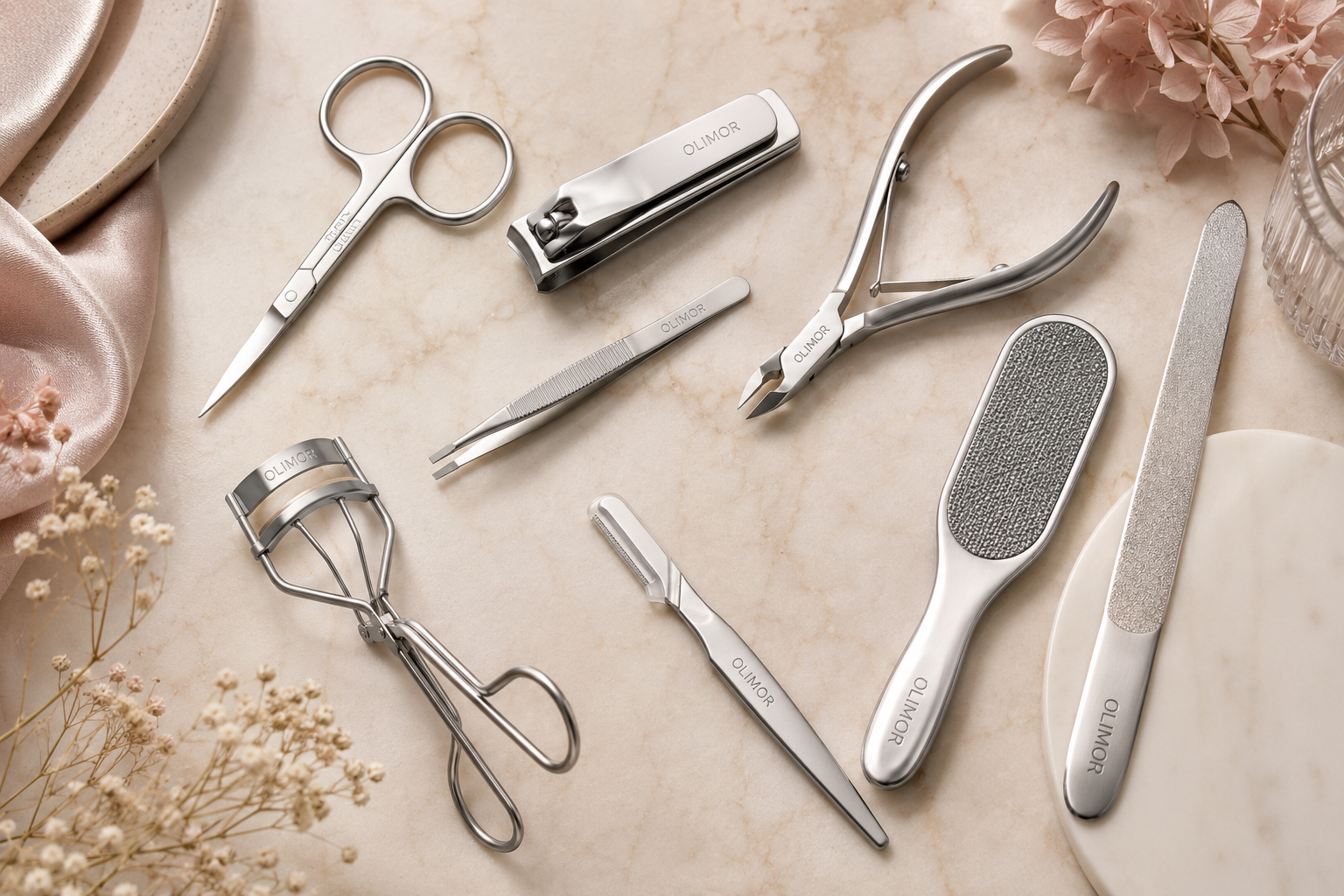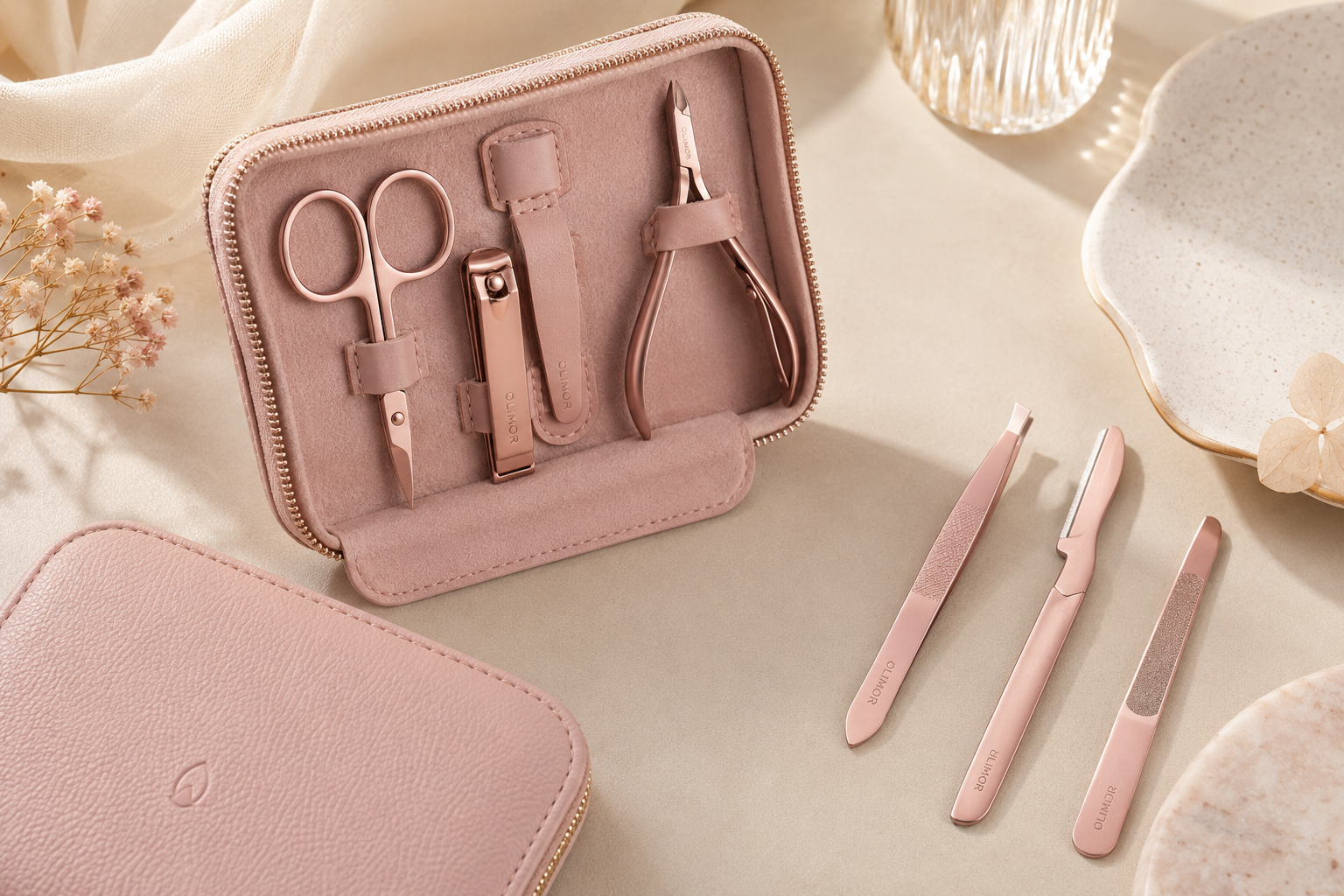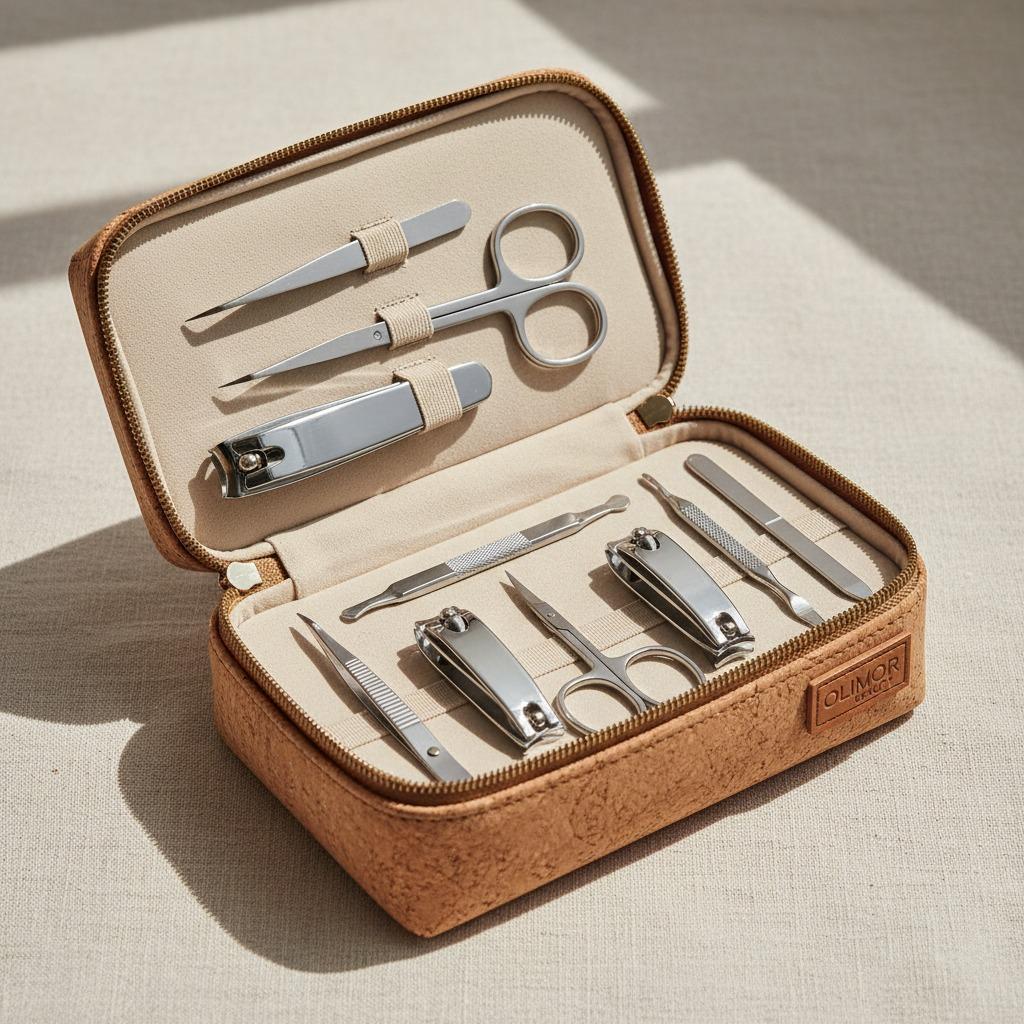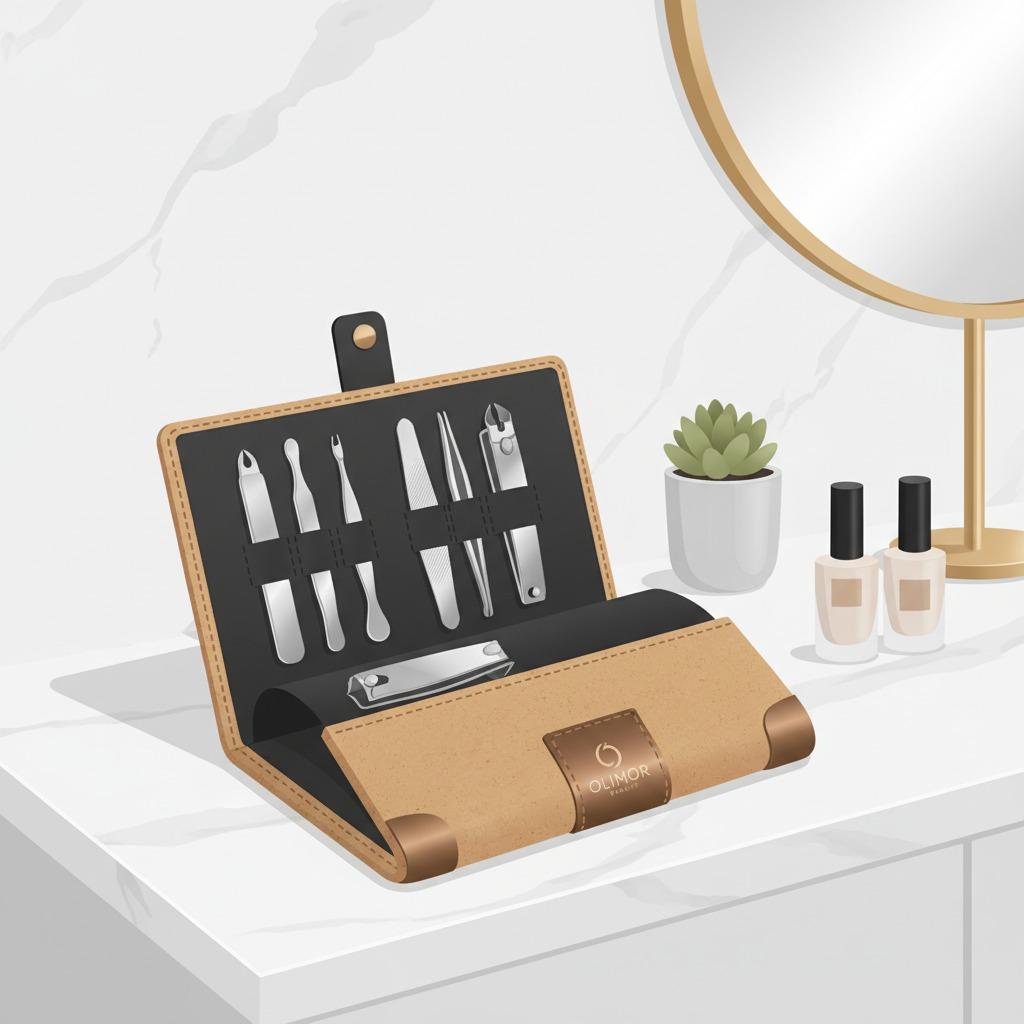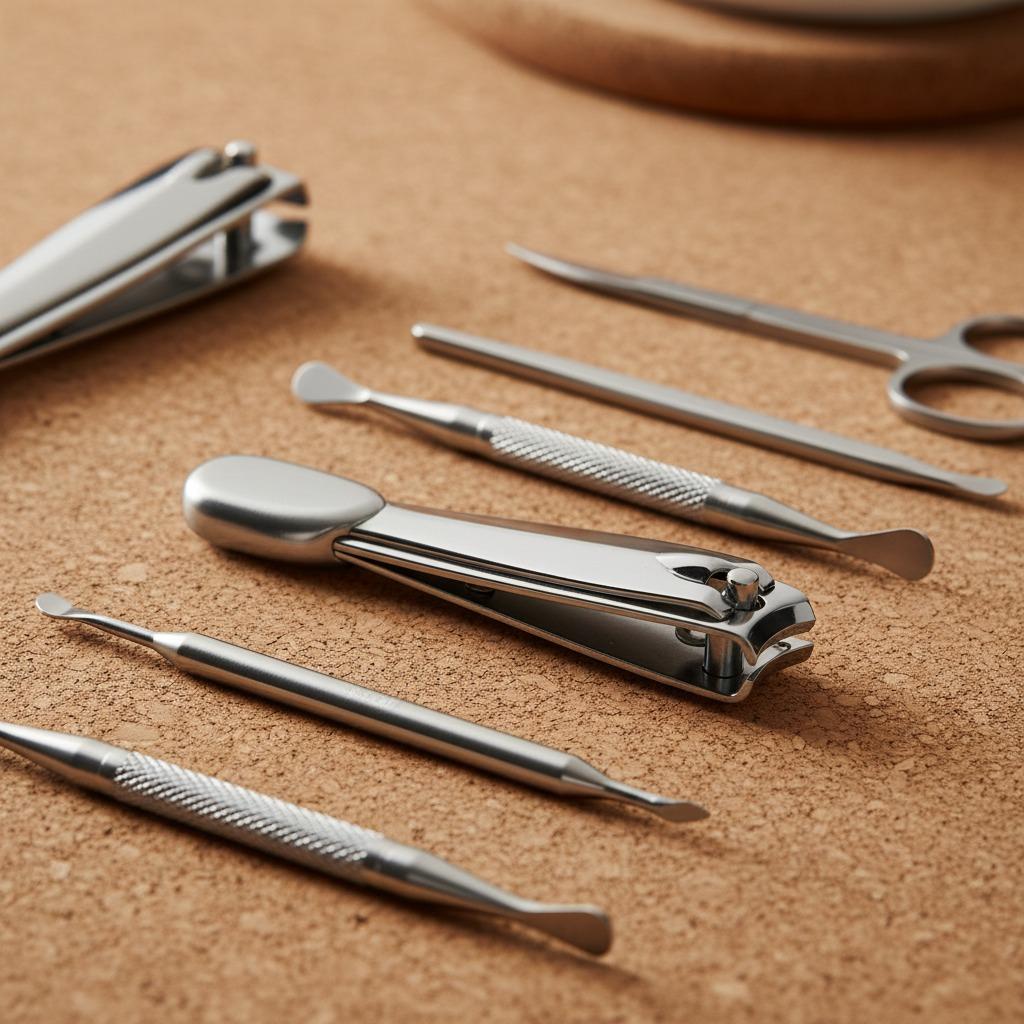











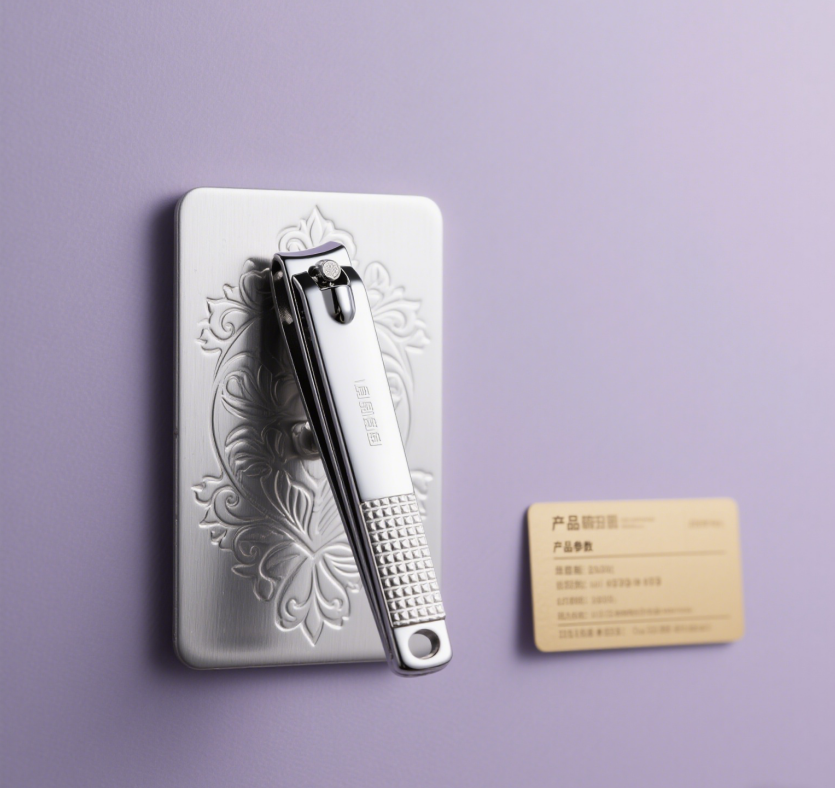
The Sleekgrip Precision Nail Clipper is a compact nail care tool designed for controlled trimming, easy storage and a distinctive retail look. Its key product details are straightforward: a vivid magenta finish, 95 mm length, 13 mm width, matte non-slip handle, premium metal tip, sharp cutting blades and a compact shape suitable for home, travel, salon backup and beauty retail assortments.
This guide helps buyers and users decide whether this clipper fits their needs. It explains what the design does well, how to inspect a precision nail clipper before ordering, how to use and maintain it, and what B2B buyers should confirm with a supplier before adding it to a grooming range.
What Makes This Nail Clipper Different
A nail clipper is a small tool, but small design choices influence comfort, edge quality and repeat use. The Sleekgrip Precision Nail Clipper is positioned around portability and control rather than oversized leverage. Its 95 mm body gives users enough length for a stable hold, while the 13 mm width keeps the profile slim for pouches, travel kits, bathroom drawers and compact retail packaging.
The magenta finish is also more than a cosmetic feature. In shared beauty drawers, salon stations or travel bags, a bright color makes the tool easier to identify quickly. For retailers and private-label beauty assortments, color can help separate a grooming accessory from plain metal clippers without changing the basic function customers expect.
The matte handle is the most practical handling feature. Nail trimming requires small controlled movements, particularly near corners or when shortening in stages. A slick surface can shift under pressure, while a matte non-slip grip helps the user keep steadier contact during the cut. That matters for personal users who want fewer jagged edges and for salon teams that need tools to feel predictable in hand.
Best-Fit Users and Commercial Use Cases
The Sleekgrip clipper suits users who want a portable but usable nail tool. It is not simply an emergency travel item; its length provides practical handling for routine trimming while staying compact enough for mobile grooming.
- Personal home grooming: Useful for regular fingernail maintenance when a user wants a clean trim before light filing.
- Travel and gym kits: The slim 95 mm by 13 mm format fits easily into a toiletry bag, handbag, drawer organizer or manicure pouch.
- Salon backup use: A compact clipper can support quick length adjustment before shaping, filing or polishing.
- Beauty retail assortments: The magenta finish, matte grip and compact size give sales teams clear features to explain to customers.
- Gift and care sets: The color and portability can work well in curated nail care, travel care or personal grooming kits.
For buyers comparing this item with other beauty tool products, the main question is not whether a clipper can cut nails. The better question is whether the size, grip, blade alignment, finish and packaging direction match the intended user and sales channel.
Cutting Performance: What to Look For
The product description highlights a premium metal tip and sharp cutting blades intended to support smooth, clean trimming. For a nail clipper, performance depends on how the cutting edges meet, how steady the user can hold the handle, and whether the blade profile works with the user’s nail shape.
A clean cut should not feel like crushing. When a clipper is sharp and aligned, it removes small sections predictably and leaves less roughness for filing. If the edges do not meet evenly, the nail may split, bend or remain partly attached after pressure is applied. This is why inspection is important for both personal buyers and B2B sourcing teams.
Precision trimming does not mean cutting an entire nail in one squeeze. The cleanest routine is usually to clip in small steps, following the natural nail curve. This is especially important for wider, flatter or thicker nails. The user should avoid cutting deep into side edges and should finish with a fine nail file if any corner remains sharp.
Sleekgrip Feature Evaluation Table
The table below translates the product features into practical buying and use considerations. It can be used by personal shoppers, salon buyers, wholesalers or retailers evaluating a sample.
| Feature | What it means in use | What to check before ordering |
|---|---|---|
| 95 mm length | Compact enough for travel while still offering hand contact for controlled pressure. | Confirm the size feels comfortable for the target customer group. |
| 13 mm width | Slim profile for pouches, kits and organized retail displays. | Check how it fits planned packaging, sets or display trays. |
| Matte non-slip handle | Helps reduce slipping during small trimming movements. | Inspect surface consistency, grip comfort and any rough edges. |
| Magenta finish | Easy to locate and visually distinctive for retail or gifting. | Review finish uniformity, color direction and packaging compatibility. |
| Premium metal tip and sharp blades | Intended to support cleaner trimming with less roughness. | Test sample cutting feel, blade alignment and hinge movement. |
| Compact travel-friendly design | Suitable for home drawers, handbags, toiletry kits and manicure sets. | Confirm whether a protective sleeve, carding or set packaging is required. |
How to Use the Clipper for a Cleaner Edge
Good technique protects both the nail and the tool. Start with clean, dry hands. If nails are very hard, trimming after washing and fully drying the hands may make the process more comfortable, but the clipper should not be stored wet. Hold the matte handle firmly, place only a small section of nail between the blades, and apply even pressure.
- Start at one side, not too deep: Remove a small piece near the edge while keeping away from the sensitive sidewall.
- Follow the nail’s natural curve: Use several small cuts instead of one large cut across the whole nail.
- Check symmetry as you go: Stop before the nail becomes too short, then compare both sides.
- File lightly after clipping: A fine file can smooth small corners and reduce snagging.
- Clean the tool immediately: Remove nail debris from the blade and hinge area after each use.
Do not use the clipper for thread, tags, plastic packaging or other non-nail materials. These tasks can dull the cutting edges and reduce trimming quality. If a nail requires heavy force, trim gradually or select a tool intended for that nail condition rather than forcing the clipper.
Maintenance, Hygiene and Storage
Routine maintenance is simple but important. After each use, wipe the clipper with a clean cloth and remove debris from the cutting area. Keep the hinge area free from buildup so the lever action remains smooth. Store the clipper dry, especially after travel, because damp toiletry bags and humid drawers can shorten the service life of many metal grooming tools.
For professional environments, cleaning and disinfection procedures should follow applicable local health department rules and salon hygiene requirements. Public bodies such as the CDC provide general infection-control guidance, and local regulators may set specific requirements for beauty services. Buyers and salon operators should verify current rules and supplier documents rather than relying on general assumptions.
For consumer products sold in regulated markets, businesses should also check applicable product safety obligations. For example, the EU General Product Safety Regulation may be relevant for consumer goods placed on the EU market. Requirements can change, so importers, distributors and retailers should verify current versions, labeling obligations and supplier documentation for their destination market. This does not mean the product carries a specific certification unless the supplier provides valid documents for the exact item and order.
B2B Sourcing Checklist for Retailers and Distributors
Commercial buyers should evaluate more than the catalog description. A precision clipper may look simple, but sourcing decisions should cover samples, finish consistency, packaging, inspection criteria and after-sales handling. The following checklist can help structure supplier conversations.
- Sample review: Request samples to check grip feel, blade alignment, hinge action, finishing and overall presentation.
- Use-case fit: Decide whether the clipper is for travel kits, salon backup, retail single sale, gift sets or a broader nail care range.
- Packaging plan: Confirm whether the product will be packed individually, combined in a set or prepared for retail display.
- Visual consistency: Inspect the magenta finish for even color and surface quality across samples.
- Functional consistency: Check that blades meet evenly and cut without snagging during sample testing.
- Labeling and documents: Ask what product, packaging and export documents can be supplied for your market.
- Customization options: Discuss color, branding or packaging only based on what the supplier can confirm for the project.
- Inspection agreement: Define acceptable appearance and function criteria before production or shipment.
If you are building a coordinated range, compare the clipper with other Olimor items in the beauty tool collection. A balanced assortment may include clippers, nail files, tweezers and related grooming tools without duplicating the same customer need.
Cost Factors Without Guesswork
Exact cost depends on order details and should be confirmed directly with the supplier. However, buyers can still understand what typically affects commercial quotations for a nail clipper project. Important factors include order quantity, packaging complexity, finish requirements, customization requests, inspection needs, destination market documentation and shipping terms.
A plain bulk-packed grooming tool may have different cost drivers than a retail-ready item with branded packaging. A bright finish, custom presentation or multi-tool set can also affect planning. For this reason, buyers should send a complete brief rather than asking for a generic price. Include target use, sales channel, packaging expectation, destination market and any required documents.
When comparing quotations, avoid judging only by unit price. A lower price may not be useful if the finish is inconsistent, blades are poorly aligned, packaging does not match the channel, or documents are incomplete for your market. A practical evaluation should balance cost, usability, appearance, supplier responsiveness and quality control.
How to Evaluate a Supplier for Nail Clippers
A reliable supplier should be able to discuss product details clearly and confirm what can and cannot be provided. For the Sleekgrip Precision Nail Clipper, begin with the known product features: magenta finish, 95 mm length, 13 mm width, matte non-slip handle, premium metal tip, sharp blades and compact format. Then ask project-specific questions about packaging, customization, sample availability, quality checks and shipping documentation.
Supplier evaluation is especially important for distributors and retail buyers because a nail clipper is a repeat-contact product. Customers notice if the grip feels unstable, if the blades do not meet cleanly, or if the finish looks uneven. Requesting and inspecting samples before ordering helps reduce avoidable problems.
For project discussions, buyers can send a product inquiry with the intended market, quantity range, packaging concept and any documentation requirements. For broader cooperation or range planning, use the contact page to share sourcing details and ask for current supplier information.
Common Problems and Practical Fixes
If the nail edge feels rough after clipping, the user may be cutting too much at once or skipping the filing step. Use smaller cuts and finish with a fine file. If the nail bends before cutting, check whether the blade edges are aligned and whether the nail is too thick or hard for comfortable trimming. If grip control feels poor, dry the hands and tool before use and hold the matte handle closer to the pressure point.
If the clipper becomes harder to operate, inspect the hinge and blade area for debris. Clean and dry the tool before storage. If a clipper has been used on non-nail materials, the blades may lose cutting quality more quickly. For retail or salon use, replace tools that no longer trim cleanly or show damage that could affect safety or hygiene.
FAQ
Can I request samples before placing a B2B order?
Sample availability should be confirmed with Olimor based on the project, destination and current stock or production status. Samples are useful for checking blade alignment, grip feel, finish quality and packaging direction before a larger order.
Is there a fixed MOQ for this nail clipper?
MOQ depends on order requirements such as packaging, customization and production planning. Buyers should confirm current MOQ directly with Olimor and provide the intended sales channel and order scope.
Can the clipper be customized for retail or gifting?
Customization may depend on the requested color, branding, packaging and quantity. Do not assume a customization option is available until it is confirmed for the specific project and supported by supplier details.
How should quality be checked before shipment?
Buyers should define checks for appearance, finish consistency, blade alignment, cutting feel, hinge movement, packaging condition and required documents. Inspection criteria should be agreed before shipment.
What affects lead time?
Lead time can be influenced by sample approval, order quantity, packaging, customization, inspection and logistics. Confirm the current schedule with Olimor for the exact order requirements.
Bottom Line
The Sleekgrip Precision Nail Clipper is best understood as a compact, visually distinctive and grip-focused nail trimming tool. Its 95 mm by 13 mm size supports portability, the matte handle improves control, and the magenta finish helps it stand out in personal kits, salon drawers and retail assortments.
For individual users, it offers a practical option for everyday nail maintenance and travel. For B2B buyers, it provides a clear feature story around compact grooming, controlled handling and modern presentation. The strongest sourcing decision comes from sample testing, practical inspection and clear confirmation of packaging, customization, documentation and quality expectations before ordering.