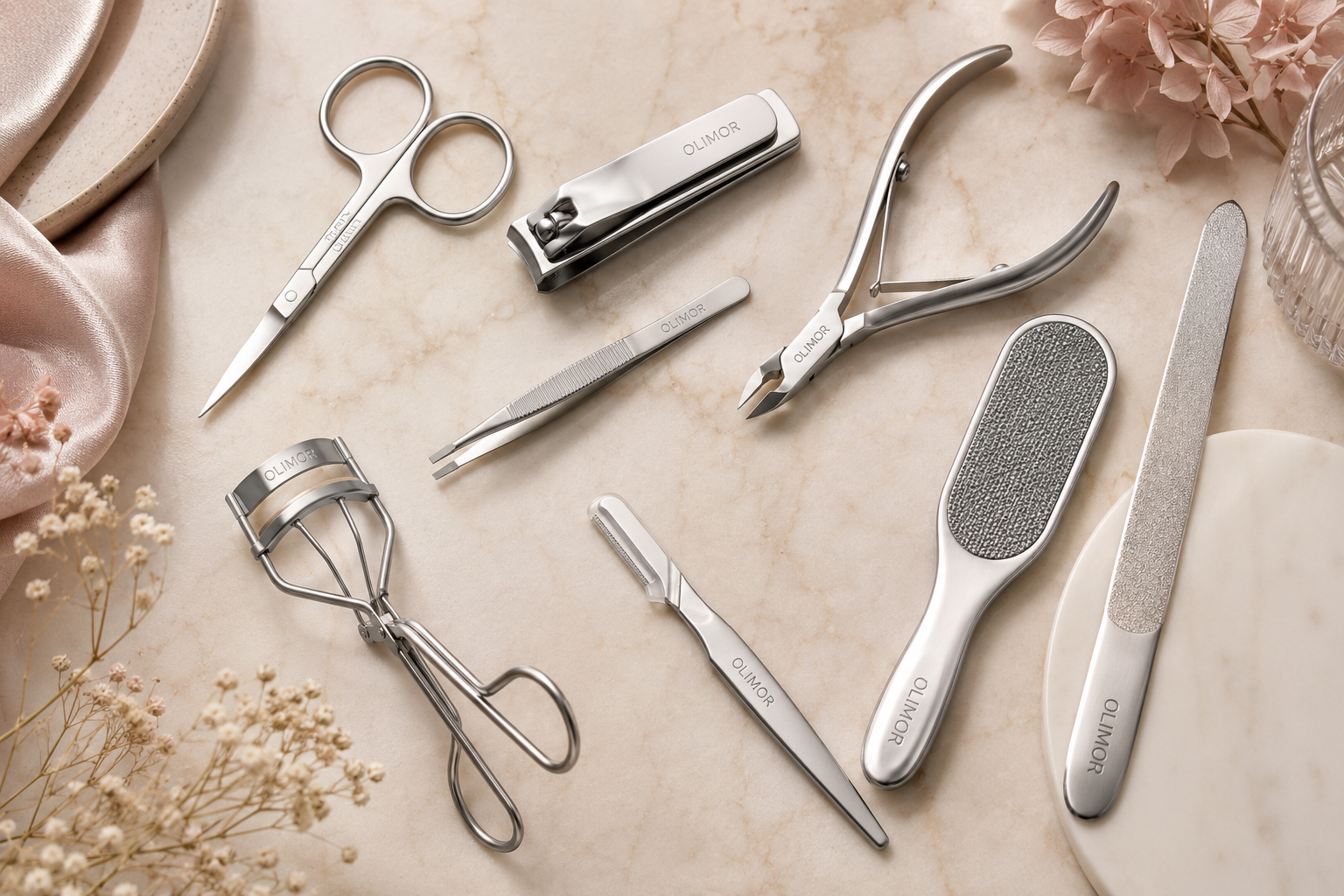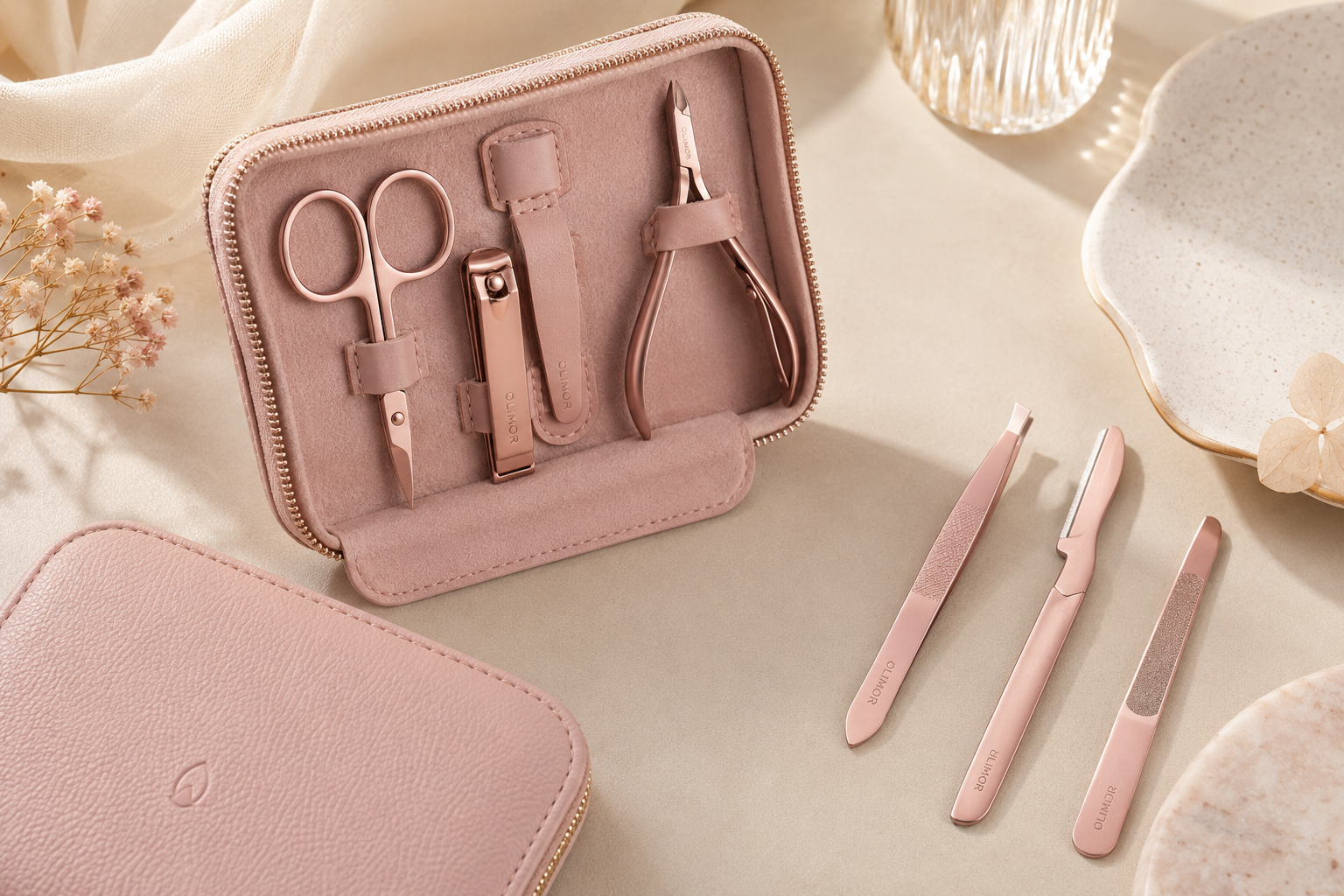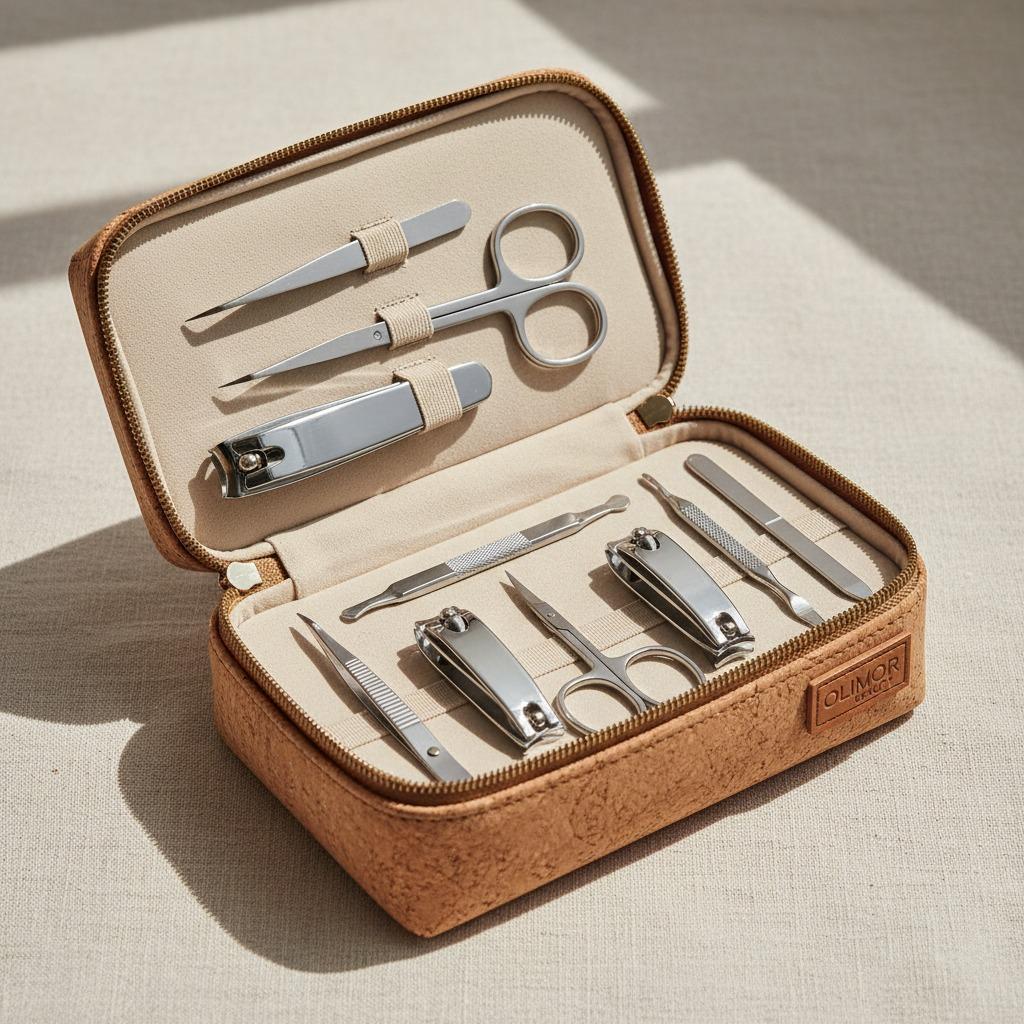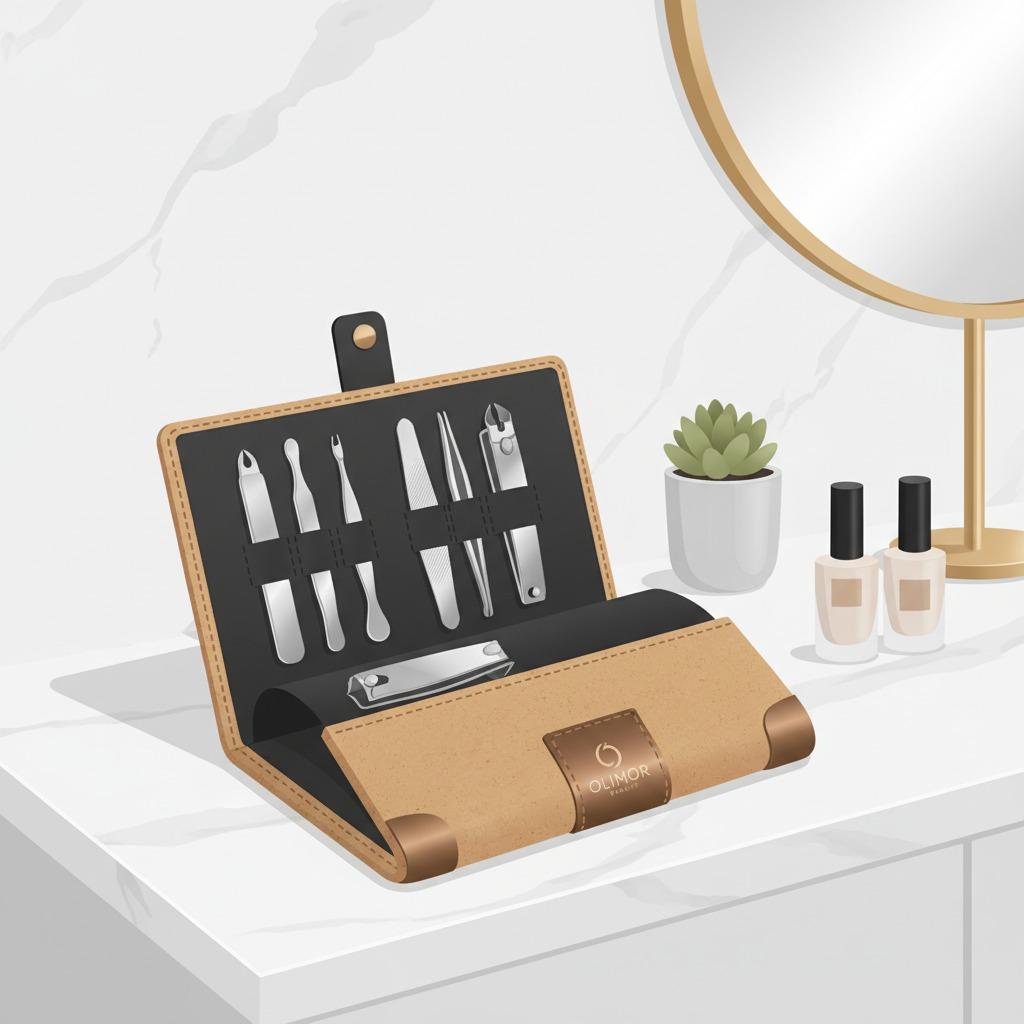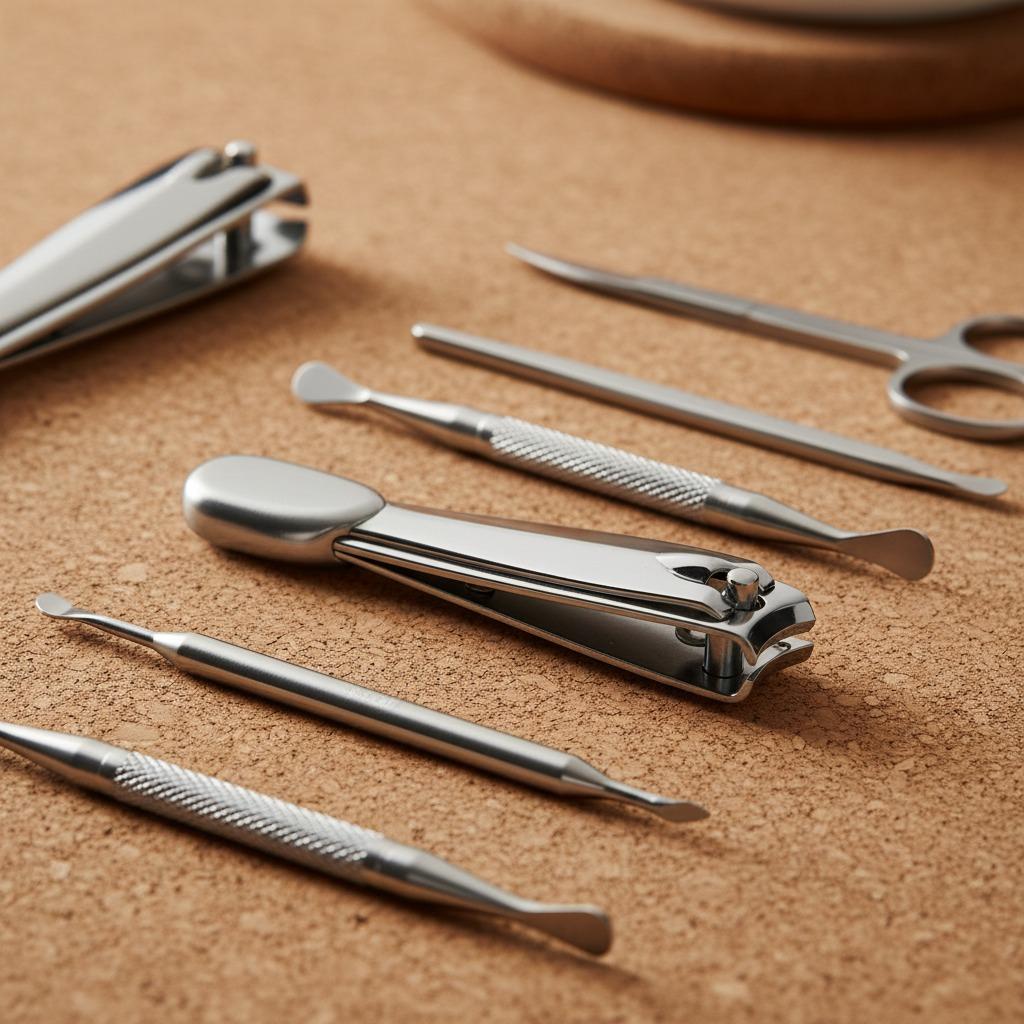












For beauty retailers, salon suppliers, private-label brands, and distributors, tweezers are small tools with a large impact on customer satisfaction. A tweezer that pinches skin, slips on fine hair, loses alignment, or feels rough in the hand can damage repeat sales quickly. That is why choosing a reliable tweezers supplier is not only a purchasing decision; it is a product quality decision that affects reviews, returns, and brand trust.
Olimor Beauty works with buyers who need dependable grooming tools for wholesale, retail, and branded beauty programs. When evaluating a supplier, the goal is to look beyond a simple unit price and understand how the product is designed, checked, packed, and prepared for consistent delivery. The right supplier should help you source tweezers that feel precise, look presentable, and support your sales channel, whether you supply professional salons, e-commerce customers, or beauty stores.
What Makes a Tweezers Supplier Reliable?
A reliable tweezers supplier should be able to support consistent product quality across repeated orders. Tweezers appear simple, but their performance depends on details: the alignment of the tips, the smoothness of the edges, the spring tension of the arms, and the finish of the surface. If these elements vary from batch to batch, the end user notices immediately.
Reliability also includes communication and order handling. Buyers need clear product options, realistic production discussions, packaging coordination, and export-aware documentation. A supplier that understands beauty tools should be able to explain available tweezer styles, intended uses, logo possibilities, and quality inspection points in practical terms.
When comparing suppliers, look for evidence of process discipline rather than broad claims. A dependable partner should focus on product function, appearance consistency, and careful final inspection before shipment. Olimor Beauty approaches tweezers as precision grooming tools, not generic accessories, which is especially important for brands that want to build repeat customers through dependable everyday products.
Key Tweezer Features Buyers Should Evaluate
Different customers use tweezers for different tasks, from shaping brows to removing fine facial hairs or handling detailed beauty work. Before ordering wholesale tweezers, define the expected use case and match the product features to that use.
- Tip alignment: The two tips should meet evenly. Poor alignment causes slipping and makes it harder to grip fine hairs.
- Tip style: Slant tips are common for eyebrow grooming, while pointed or fine tips may suit precision tasks. Choose based on your customer profile.
- Grip and tension: The tweezer should close smoothly without requiring excessive force. Too much tension can fatigue the hand; too little can reduce control.
- Surface finish: A clean, smooth finish improves the perceived quality of the product and reduces rough handling feel.
- Material choice: Stainless steel is valued in beauty tools because it supports durability and a clean appearance when properly finished.
- Edge comfort: Edges should not feel sharp against the fingers. Comfort matters for both salon users and home consumers.
- Packaging fit: Packaging should protect the tips and present the product clearly for retail, kit assembly, or promotional use.
These criteria help buyers compare samples more objectively. Instead of judging only by appearance, test how the tweezers perform on fine fibers, how they feel after repeated squeezing, and whether multiple samples show the same alignment and finish.
Wholesale Tweezers: How to Plan a Practical Sourcing Brief
Successful tweezers wholesale sourcing begins with a clear brief. A supplier can respond more accurately when the buyer defines the sales channel, target customer, preferred appearance, and packaging expectations. A retail brand may need display-ready packaging and a clean logo position. A salon distributor may prioritize durability and simple bulk packaging. A promotional buyer may focus on compact presentation and brand visibility.
Before requesting a quotation or sample, prepare a sourcing brief that covers the essentials:
- Target market: Identify whether the tweezers are for salons, beauty retailers, online stores, gifting, travel kits, or starter grooming sets.
- Preferred tweezer shape: Specify slant, pointed, straight, or other relevant tip preferences if you already know the intended use.
- Finish and color direction: Describe the desired visual style without relying only on reference photos.
- Logo requirements: Include logo size, placement idea, color expectations, and whether the product or packaging should carry the branding.
- Packaging format: Note whether you need individual packaging, set packaging, protective sleeves, or retail-ready presentation.
- Quality priorities: State which performance points matter most, such as tip grip, consistent tension, smooth edges, or appearance uniformity.
- Export destination: Share the destination market so packing, labeling, and shipping discussions can be planned appropriately.
For a wider view of available categories, buyers can review Olimor Beauty’s beauty tool products and compare tweezers with related grooming tools. If you are planning a broader beauty accessories line, the product collections page can help you consider how tweezers fit into a complete assortment.
Custom Logo Tweezers and Private Branding Considerations
Custom logo tweezers can turn a simple grooming tool into a branded item that supports customer recognition. For beauty brands, salons, subscription boxes, and gift sets, branding is often just as important as the tool itself. However, good branding should not interfere with product comfort or performance.
When planning custom logo tweezers, consider where the mark will appear. The arm of the tweezer is a common branding area because it remains visible while still leaving the tips and gripping surfaces functional. Packaging branding may be equally important, especially for retail presentation. A clean outer package can communicate the product purpose, usage direction, and brand identity before the customer opens it.
Buyers should prepare logo files and branding instructions early in the process. A useful logo brief includes the logo artwork, color expectations, preferred placement, and any restrictions on scaling or spacing. If the tweezers are part of a larger branded set, keep the logo style consistent across nail tools, grooming tools, and packaging. This helps the finished line look organized instead of assembled from unrelated items.
Private branding also requires sample review. Check whether the logo is legible, centered, and durable enough for the intended channel. Look at the product in normal lighting, not only under studio conditions. A logo that appears attractive in a digital mockup may need adjustment when applied to a small stainless steel tool.
Quality Control Points Before Approving an Order
Because tweezers depend on precision contact at the tips, quality control should focus on both visible details and functional performance. A polished finish is not enough if the tips do not grip properly. Likewise, strong grip is not enough if the product has rough edges, inconsistent color, or packaging damage.
| Inspection Area | What to Check | Why It Matters |
|---|---|---|
| Tip alignment | Tips meet evenly without gaps or twisting | Improves grip and reduces slipping |
| Closing tension | Arms close smoothly with balanced resistance | Supports comfortable repeated use |
| Surface finish | No obvious scratches, stains, burrs, or rough edges | Protects perceived quality and handling comfort |
| Logo application | Logo is positioned correctly and visually consistent | Maintains brand presentation across units |
| Packaging | Tips are protected and packaging is clean | Reduces damage and improves retail readiness |
| Batch consistency | Multiple samples match in shape, finish, and feel | Helps avoid complaints after repeat orders |
Buyers should test more than one sample. Checking a single unit may not reveal consistency. If possible, compare several pieces from the same sample batch and evaluate whether they perform the same way. This is especially useful for wholesale customers who need reliable results across many units.
Export Readiness for Global Beauty Tool Buyers
When sourcing from a tweezers exporter, product quality is only one part of the buying experience. Export orders also require attention to packing, labeling, documentation, and shipment coordination. A capable supplier should understand that international buyers often operate on launch calendars, retail delivery windows, and campaign schedules.
Good export preparation starts with clear order details. Product style, quantity, packaging, logo requirements, carton information, and delivery expectations should be confirmed before production moves forward. For branded orders, artwork approval and sample confirmation are especially important because changes become more difficult once production begins.
Olimor Beauty supports buyers seeking grooming tools for global supply needs, including tweezers wholesale and branded options. For specific sourcing questions, packaging discussions, or project planning, you can send an inquiry. If your team needs direct assistance with product selection or order details, you may also contact Olimor.
Choosing a Supplier for Long-Term Tweezers Programs
The best tweezers supplier for your business is not always the one offering the lowest starting price. A stronger choice is the supplier that can help you maintain product consistency, present your brand professionally, and reduce avoidable quality issues. This is especially true for private-label beauty tools, where the customer associates every detail of the product with your brand.
When building a long-term tweezers program, review how the supplier handles repeat orders, sample approvals, packaging changes, and quality expectations. Keep records of approved samples, logo placement, packaging artwork, and inspection criteria. This makes future reorders easier to manage and helps protect consistency as your sales grow.
Tweezers may be compact, but they carry the same sourcing responsibilities as larger beauty tools: functional design, dependable manufacturing, careful inspection, and appropriate presentation. By evaluating suppliers through these practical criteria, beauty businesses can choose wholesale tweezers that support customer confidence and long-term brand value.