










Choosing a reliable nail clipper supplier is a product-quality decision, not just a purchasing task. For retailers, wholesalers, distributors, salon suppliers, hotel amenity buyers, e-commerce sellers, and private-label grooming brands, nail clippers are small tools that customers judge immediately. The cut is either clean or rough, the lever feels controlled or unstable, and the grip is either secure or awkward.
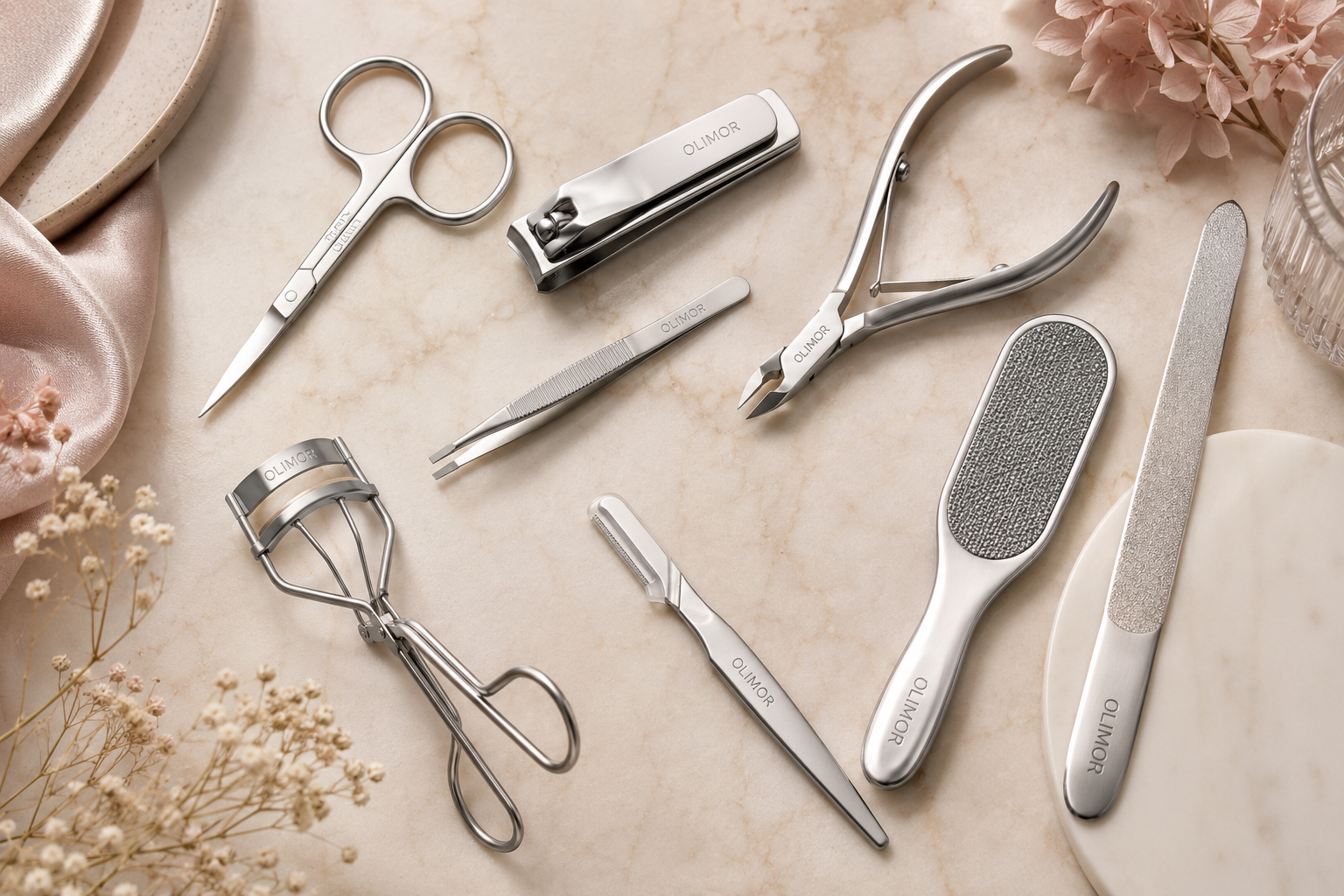
A dependable supplier should help you source nail clippers that perform consistently across orders, match your sales channel, and support your packaging or OEM requirements. Olimor Beauty supplies practical grooming and beauty tools for business buyers, with nail clipper considerations including stainless steel construction, sharp and aligned blades, ergonomic handling, curved cutting edges, compact travel-friendly formats, matte or controlled-grip finishes, side lever usability, built-in nail file options, and packaging suitability.
This guide explains how to compare nail clipper suppliers for retail, wholesale, and OEM sourcing without relying only on product photos or low unit pricing. It focuses on practical inspection points, supplier-evaluation questions, cost factors, and pre-purchase concerns that affect repeat sales and customer satisfaction.
What Makes a Nail Clipper Supplier Reliable?
A reliable nail clipper supplier is not simply a company that can ship available stock. Reliability means the supplier can deliver consistent cutting performance, communicate clearly about product options, maintain reasonable quality-control practices, and support repeat orders with the same appearance, feel, and packaging details.
For business buyers, this matters because one weak shipment can affect customer reviews, store returns, and brand trust. A nail clipper may look simple, but several details determine whether the end user has a good experience: blade alignment, edge sharpness, blade curve, lever action, surface finish, hand feel, hinge stability, built-in file placement, and packaging protection.
A dependable supplier should be able to discuss these points in practical terms. Buyers should expect explanations about raw material selection, assembly, finishing, inspection, and final packaging review. If the supplier only talks about price and does not address cutting feel, finishing quality, or batch consistency, the sourcing risk is higher.
Olimor Beauty’s nail clipper supply is positioned around practical usability for business customers that need repeatable sourcing rather than a one-time spot purchase. Buyers can also review related beauty tool products to see whether a supplier’s broader range fits their grooming category expectations.
Start With the Sales Channel and User Need
The right nail clipper specification depends on where and how the product will be sold. A pharmacy display, online multipack, salon retail counter, travel kit, hotel amenity set, promotional bundle, and private-label grooming collection may each require different packaging, presentation, grip style, size, and finish.
- Everyday retail grooming: Prioritize clean cutting, ergonomic comfort, stable lever pressure, and a finish that feels secure in the hand.
- Wholesale distribution: Focus on repeatable quality, packaging consistency, carton handling, and clear product specifications for repeat orders.
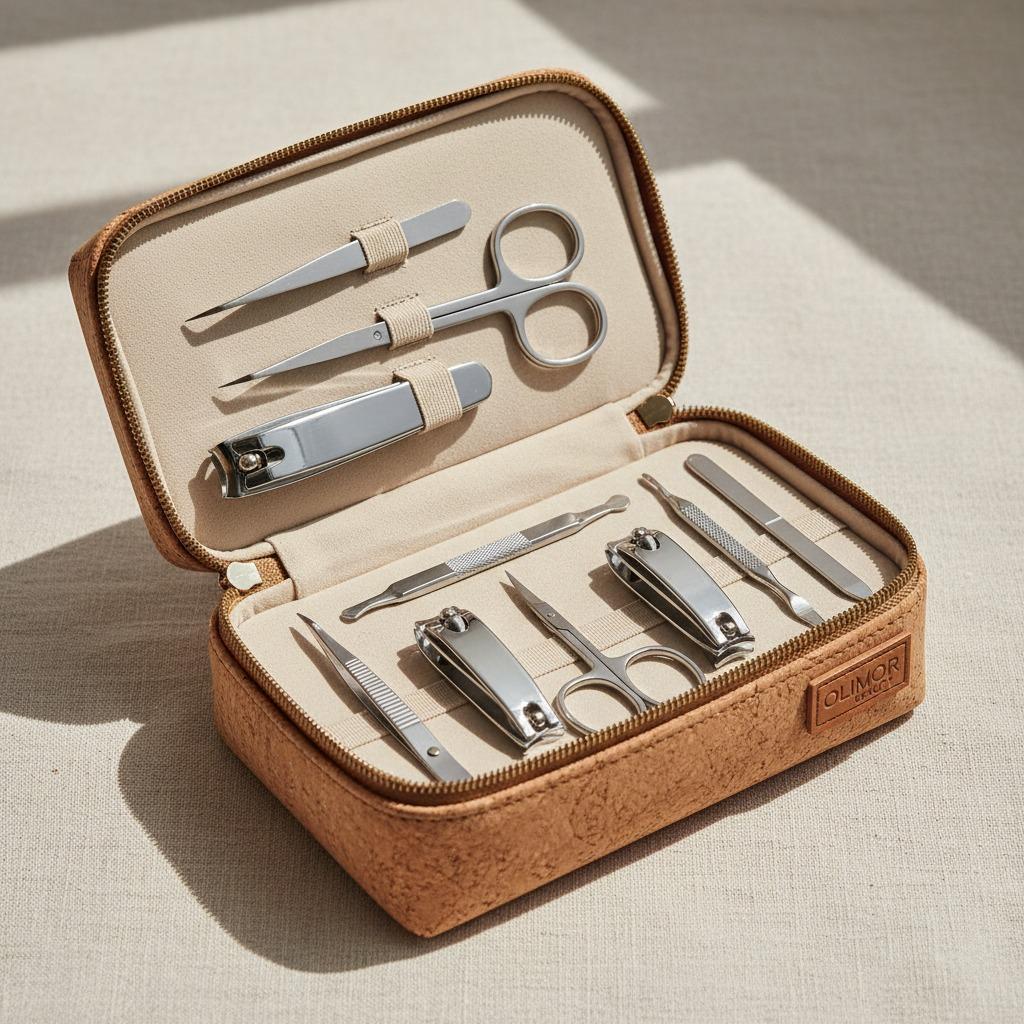
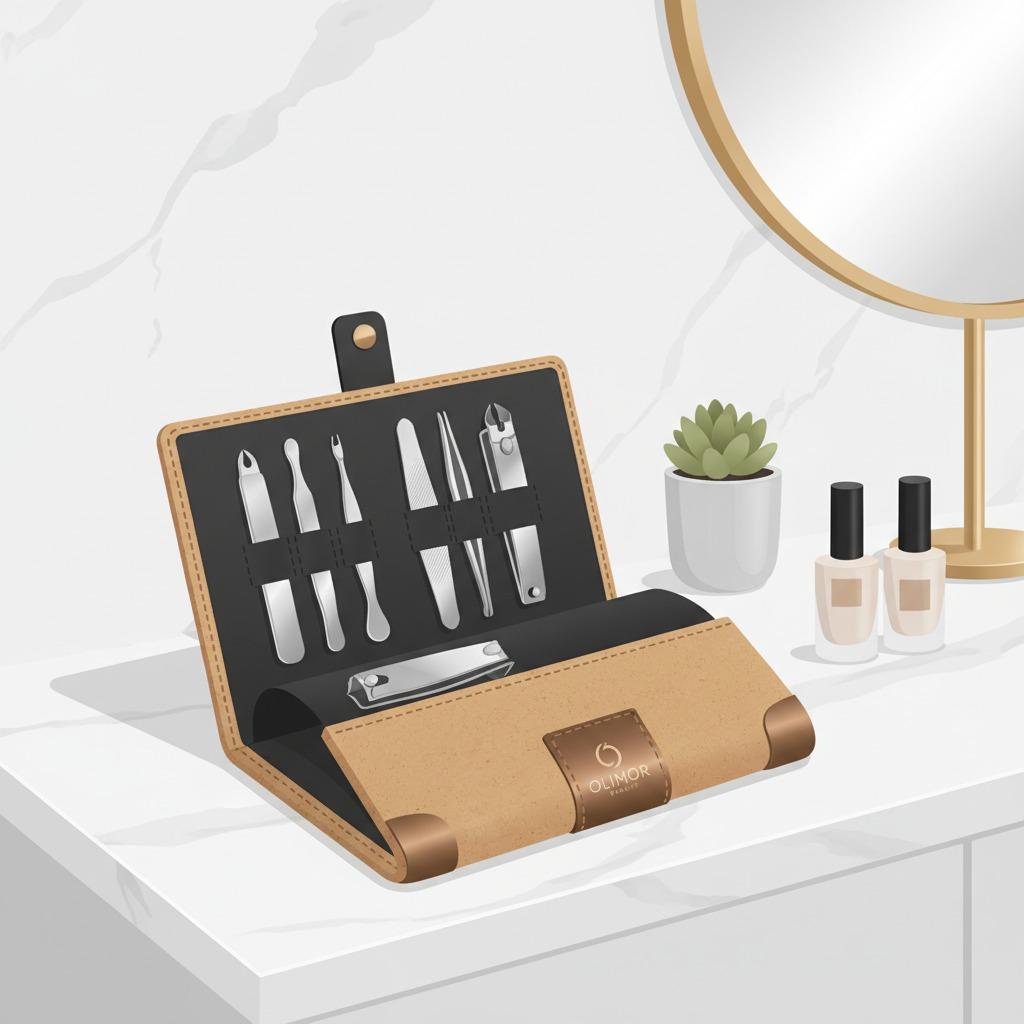
- Travel accessories: Consider compact formats, practical storage, and packaging that protects the cutting edge during transport.
- Salon or professional supply: Check batch consistency carefully because frequent use makes small defects more obvious.
- OEM or private label: Define finish, logo placement, packaging format, built-in file preference, and whether the clipper is sold alone or in a set.
Before requesting samples, prepare a short buying brief. Include the target customer, sales channel, desired packaging style, expected positioning, and any functional preferences such as curved blades, compact size, side lever design, matte finish, or built-in nail file. A clear brief helps the supplier recommend realistic options and reduces avoidable revisions.
Material, Blade Geometry, and Cutting Performance
The blade is the most important functional part of a nail clipper. Stainless steel is commonly used for grooming tools because it supports a sharp cutting edge and a clean appearance suitable for personal care products. However, material alone does not guarantee performance. A stainless steel clipper can still perform poorly if the blade edges are misaligned, dull, poorly finished, or unstable under pressure.
Buyers should evaluate blade geometry during sampling. Curved blades are relevant for fingernail and toenail grooming because they follow the natural contour of the nail. When the curve is properly formed and the edges meet evenly, the tool can create a smoother trimming experience. If the edges do not meet cleanly, the clipper may crush, split, or bend the nail before cutting.
Hands-On Cutting Checks
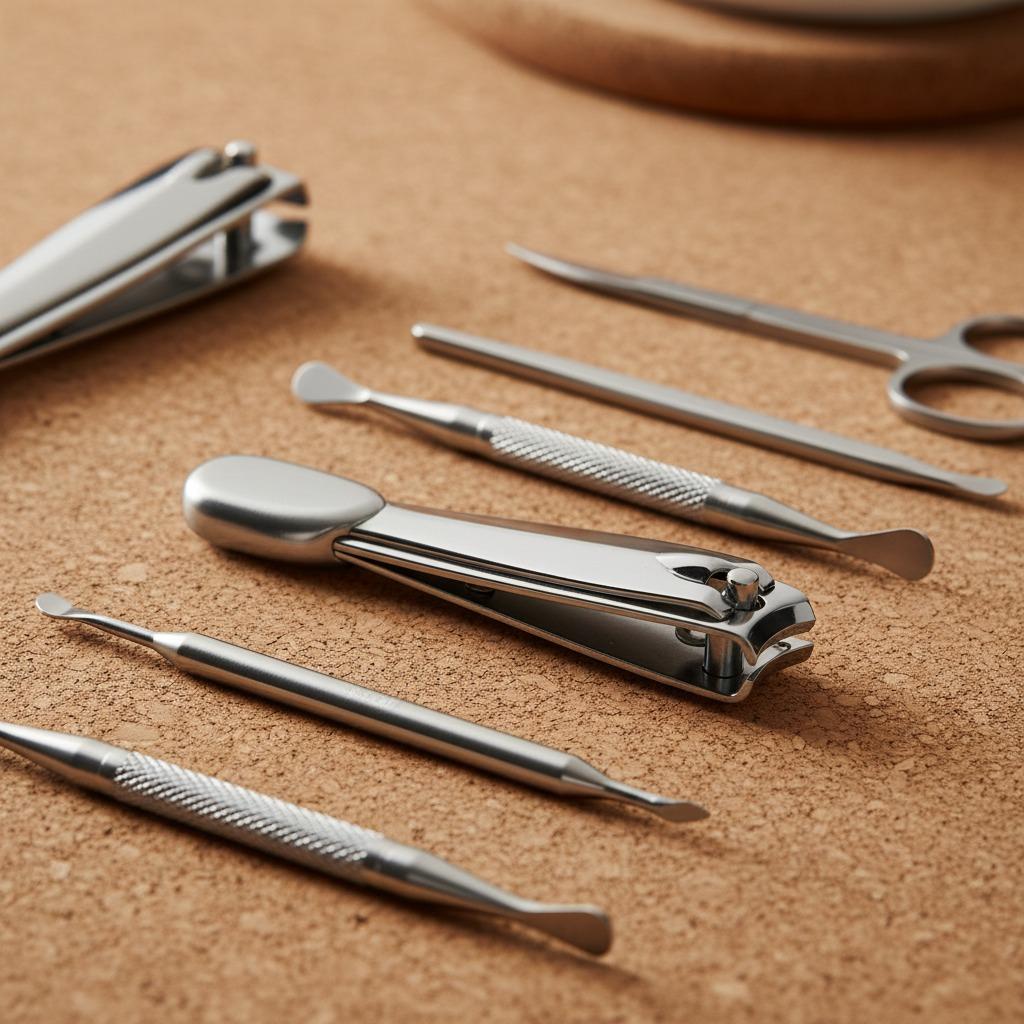
Product photos cannot prove cutting performance. During sample review, inspect and test the following points:
- Blade alignment: The cutting edges should meet evenly from end to end. Uneven contact can cause jagged cuts or require extra pressure.
- Blade sharpness: The clipper should trim smoothly without tearing typical fingernails. Dull edges create a poor user experience.
- Curved blade consistency: The curve should look even and support natural nail shaping without forcing awkward hand positions.
- Lever action: The lever should transfer pressure efficiently and should not feel loose, scraping, or unstable.
- Hinge movement: Opening and closing should feel controlled after repeated use during sample testing.
- Edge safety: Corners and contact points should not feel sharp against the fingers during normal handling.
Test samples more than once. A clipper that feels acceptable on the first cut may reveal wobble, uneven resistance, or poor leverage after repeated use. For buyers planning wholesale or OEM orders, repeated cutting feel is more important than a polished product photo.
Ergonomic Handling, Finish, and Added Functions
Ergonomics are important because nail clipping requires a small but precise movement. Users often adjust the angle several times, especially when trimming with one hand. If the clipper is slippery or awkward to hold, the user may press unevenly and lose control.
A comfortable ergonomic shape, stable lever, and non-slip feel can make a nail clipper easier to use in daily personal grooming. Olimor Beauty’s nail clipper considerations include ergonomic shapes, stainless steel blades, side lever operation, matte finishes that support grip, curved blades, compact formats, and optional built-in nail files depending on the project.
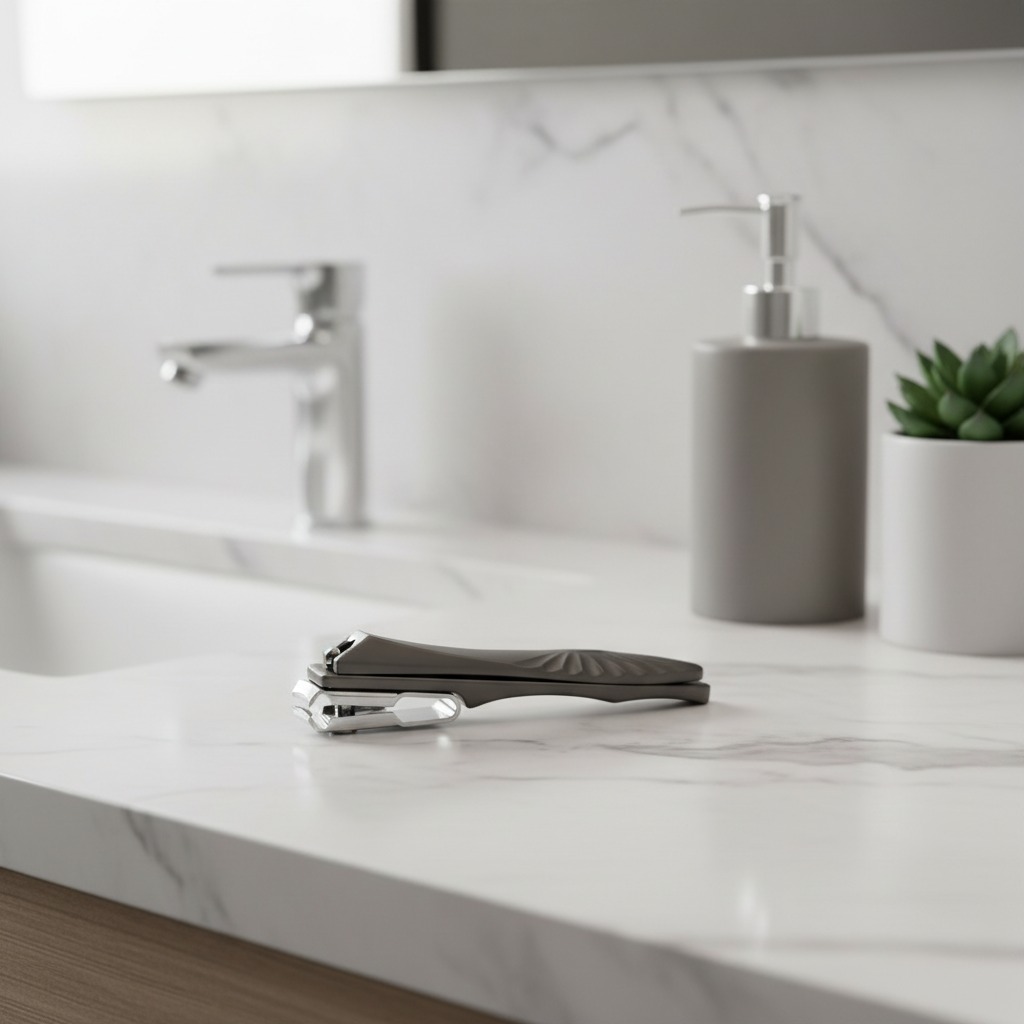
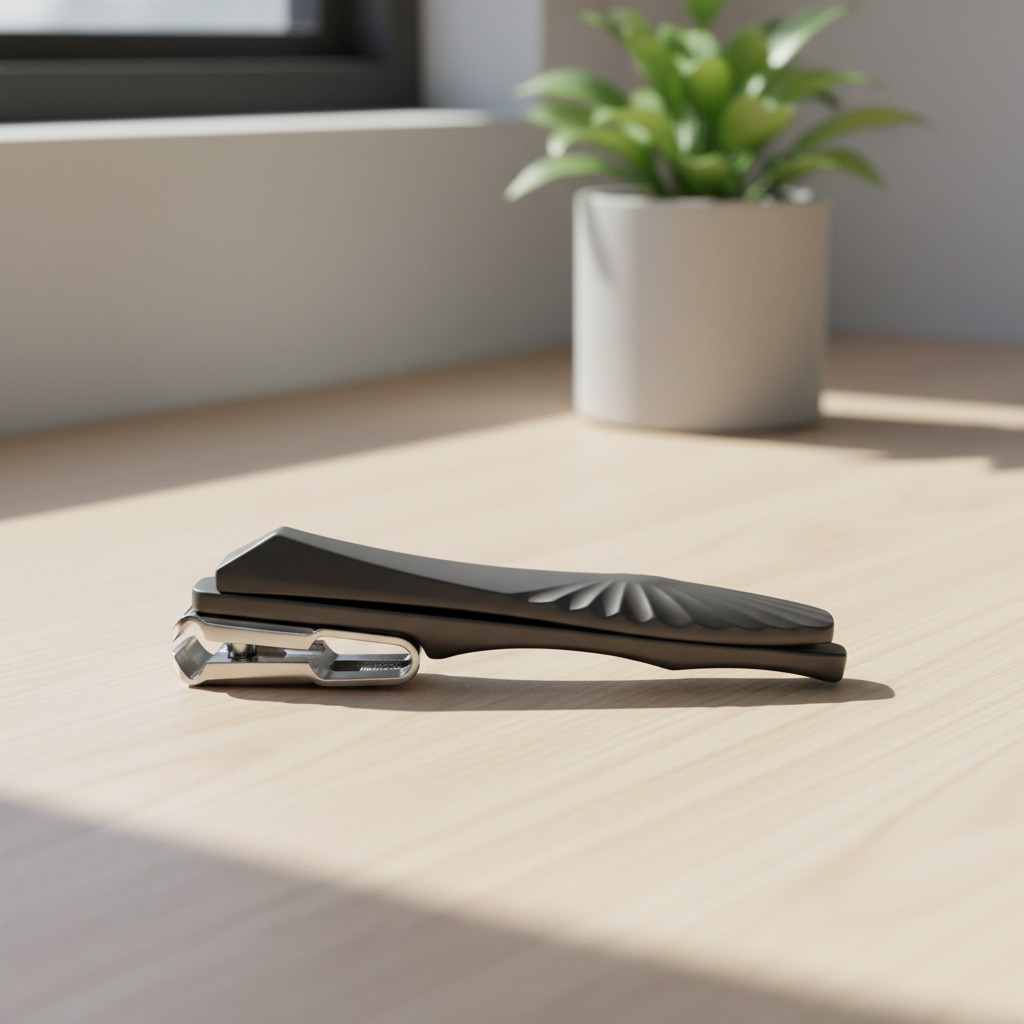
Surface finish should be evaluated practically. A polished or shiny surface may look attractive, but it is not automatically easier to control. A matte finish can help improve grip and create a clean, modern appearance. Buyers should avoid assuming that heavier weight always means better quality. The most important combination is clean cutting, stable handling, smooth finishing, and repeatable assembly.
If a built-in nail file is included, confirm that it is accessible, securely integrated, and appropriate for the product’s positioning. An added feature should improve the offer without making the tool awkward to use, difficult to package, or inconsistent in assembly.
Wholesale Nail Clipper Sourcing: Cost Factors Beyond Unit Price
Wholesale nail clipper sourcing often starts with price comparison, but the lowest unit price can become expensive if the shipment creates returns, complaints, repacking work, or inconsistent presentation. A better sourcing decision considers total commercial risk, not only the quoted piece cost.
Important cost factors include material and finish choice, blade and lever construction, packaging type, labeling requirements, inspection scope, order repeatability, and whether the clipper is sold as a single item, in a multipack, or as part of a grooming set. Packaging can also affect cost and customer perception. Simple bulk packing may suit distributor programs, while retail cards, boxes, pouches, or private-label packaging may be needed for store shelves or online presentation.
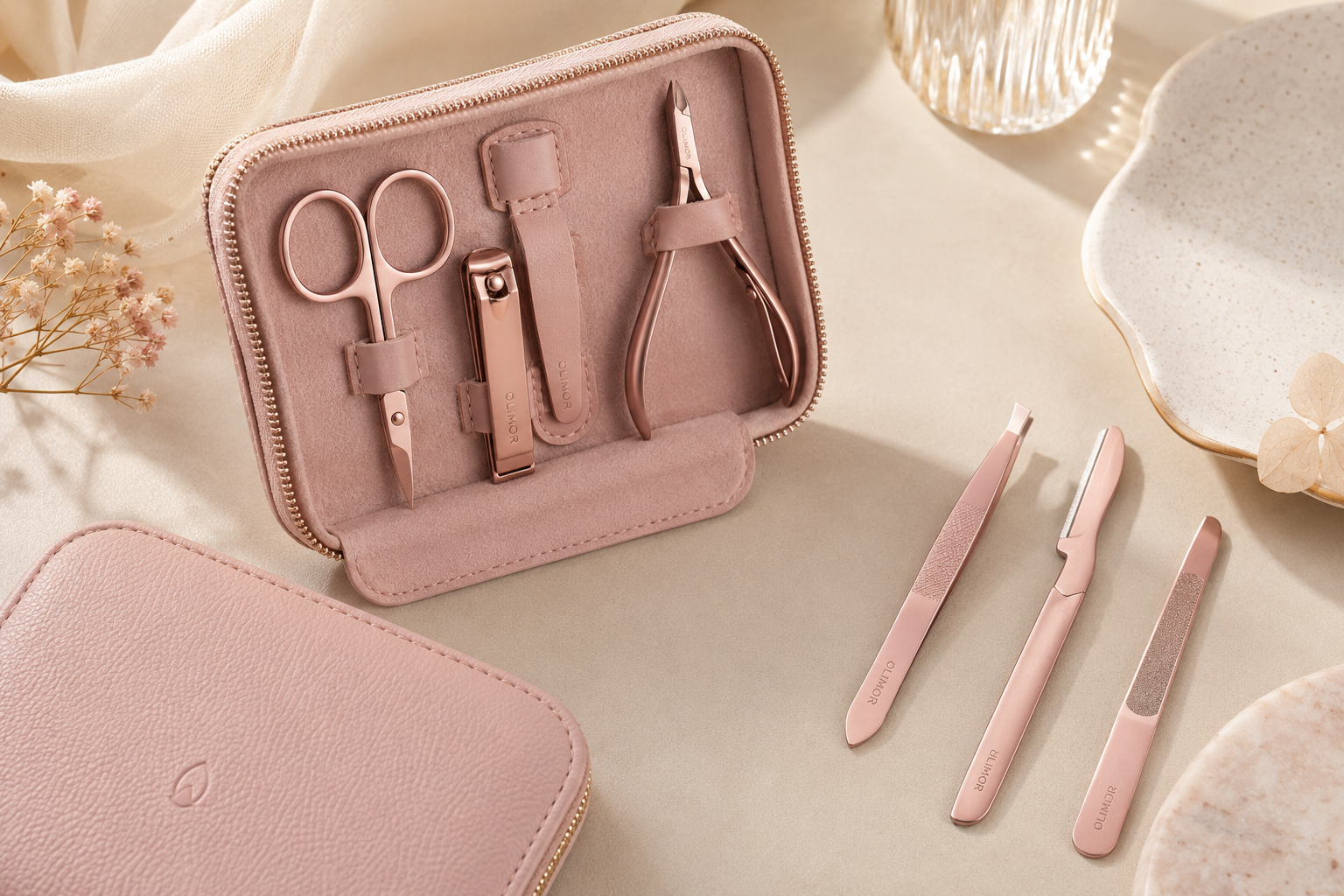
Buyers building a wider personal care range should confirm that nail clippers visually and functionally match the rest of the assortment. Reviewing a supplier’s grooming tool collection can help determine whether the clipper will fit into a coordinated retail or private-label line.
Supplier Evaluation Checklist
Use a structured checklist when comparing nail clipper suppliers. This helps purchasing teams, importers, and brand owners avoid making decisions based only on photos, weight, or low pricing.
| Evaluation Area | What to Review | Why It Matters |
|---|---|---|
| Cutting Performance | Blade sharpness, curved blade shape, edge alignment, smooth trimming action | Directly affects customer satisfaction, reviews, and repeat purchase potential |
| Material and Finish | Stainless steel construction, matte or controlled-grip surface, clean edges | Supports durability expectations, safe handling, grip, and perceived quality |
| Handling | Ergonomic shape, side lever comfort, hinge movement, resistance under pressure | Improves usability for daily grooming and reduces awkward operation |
| Added Features | Built-in nail file, compact travel format, set compatibility | Helps match the product to retail positioning without unnecessary complexity |
| Packaging Readiness | Bulk packing, card, box, pouch, private-label packaging, labeling space | Protects the product and supports the intended sales channel |
| Quality Control | Checks from raw material selection through assembly, finishing, and final packaging | Reduces batch variation, avoidable defects, and shipment disputes |
| Supplier Communication | Clear specifications, sample feedback handling, repeat order control | Shows whether the supplier can support long-term wholesale or OEM sourcing |
OEM Nail Clipper Projects: Define the Specification Early
OEM nail clipper sourcing is useful when a business wants a product tailored to its market position, packaging concept, or brand presentation. Customization can involve finish, logo placement, packaging, compact sizing, built-in file preference, product set configuration, or other design choices available for the project.
The most successful OEM projects begin with a clear specification, not a vague request for a “high-quality clipper.” Buyers should prepare a short product brief that includes the intended customer, target retail positioning, packaging format, and whether the clipper will be sold alone or as part of a kit. A compact design may fit travel-focused ranges, while a comfort-oriented home grooming product may need a larger gripping area or different lever feel.
Sampling is essential for OEM nail clippers. Evaluate the visual design, repeated cutting action, blade closure, file placement, hinge movement, surface finish, and packaging fit. If packaging is part of the project, test whether the clipper sits securely in the package and remains protected during normal handling. For OEM discussions with Olimor, buyers can submit project details through the nail clipper sourcing inquiry page.
Factory and Quality Checks Buyers Can Use
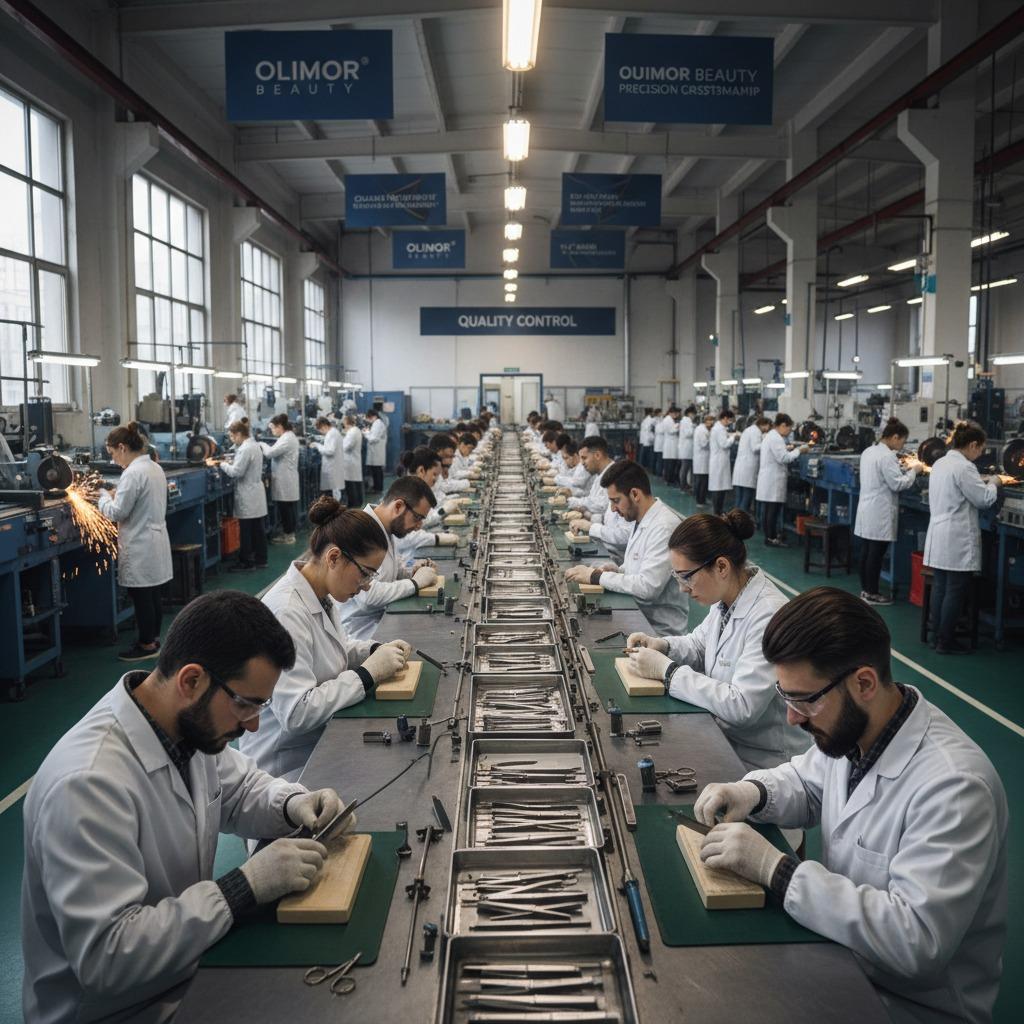
A practical quality review should cover the nail clipper from material selection to final packaging. Buyers do not need to conduct a full technical audit for every small order, but they should ask clear questions and inspect samples carefully before committing to a larger program.
- Raw material and component review: Ask how stainless steel parts and other components are selected and checked before assembly.
- Assembly control: Confirm how blade alignment, lever installation, hinge movement, and built-in file placement are reviewed.
- Finishing inspection: Check for burrs, sharp corners, uneven surfaces, staining, or inconsistent matte finish.
- Functional testing: Test cutting feel, blade closure, lever pressure, and repeated opening and closing.
- Packaging inspection: Review whether the packaging protects the clipper, presents it properly, and supports labeling or private-label needs.
- Repeat order documentation: Keep approved samples, packaging references, and specification notes to compare future production.
For buyers selling into regulated markets, product compliance requirements may depend on destination, materials, packaging, and distribution channel. Public frameworks such as EU REACH for chemical restrictions or ISO 9001 for quality management systems may be relevant during supplier evaluation, but buyers should verify the applicable version, scope, and supplier documentation. Do not assume that any supplier holds a certification unless it provides current and verifiable evidence.
Questions to Ask Before Placing an Order
Good sourcing conversations are specific. Before placing a wholesale or OEM nail clipper order, ask questions that reveal how the supplier manages performance, packaging, and repeatability.
- What stainless steel construction and finish options are available for this nail clipper?
- Can the supplier provide samples for checking blade alignment, cutting feel, lever action, and packaging fit?
- Are curved blades, compact formats, side lever designs, matte finishes, or built-in nail files available for the intended product?
- What packaging formats can be supported for retail, wholesale, travel kit, or private-label use?
- How are raw material selection, assembly, finishing, and final packaging inspected?
- How will approved samples and specifications be recorded for repeat orders?
- What customization options are practical, and which changes may affect cost, sampling, or production complexity?
- What documents can be provided for the destination market, and how can the buyer verify the applicable versions?
Clear answers help distinguish a reliable nail clipper supplier from a vendor that only offers generic stock photos and a quick quotation.
When Olimor May Be a Good Fit
Olimor Beauty is suitable for buyers seeking practical nail clippers and related beauty tools for retail, wholesale, distribution, and OEM discussions. The strongest fit is a buyer who values stainless steel construction, ergonomic usability, clean cutting performance, packaging suitability, and clear communication about customization requirements.
Olimor does not need to overstate the product. A nail clipper succeeds when it cuts cleanly, feels stable, is comfortable to hold, is packaged appropriately, and can be repeated consistently for future orders. Buyers who are comparing options can start with samples, define packaging needs, and discuss the intended sales channel before confirming a larger program.
To discuss a nail clipper project, packaging concept, or broader grooming tool assortment, contact the Olimor team through business sourcing support. Share your intended market, product format, packaging requirements, and any customization needs so the discussion can focus on practical options.
FAQ
Can I request nail clipper samples before a wholesale or OEM order?
Yes. Samples are important for checking blade sharpness, alignment, lever feel, surface finish, built-in file placement, and packaging fit. Buyers should approve both product function and presentation before moving to a larger order.
What MOQ applies to Olimor nail clippers?
MOQ can depend on product format, packaging, customization, and order requirements. Buyers should confirm the current MOQ directly with Olimor for the specific nail clipper and packaging plan under discussion.
Can nail clippers be customized for private-label packaging?
Customization may include packaging format, logo placement, finish choices, compact sizing, built-in file preference, or set configuration depending on the project. A clear brief helps the supplier evaluate what is practical.
What quality checks should buyers request?
Ask about raw material selection, blade alignment, cutting feel, lever movement, hinge assembly, edge safety, finish consistency, and final packaging inspection. Keep approved samples and written specifications for repeat orders.
How should lead time be confirmed?
Lead time can vary by sample approval, packaging requirements, customization, production schedule, and shipping arrangement. Confirm timing with the supplier after the specification and order details are clear.