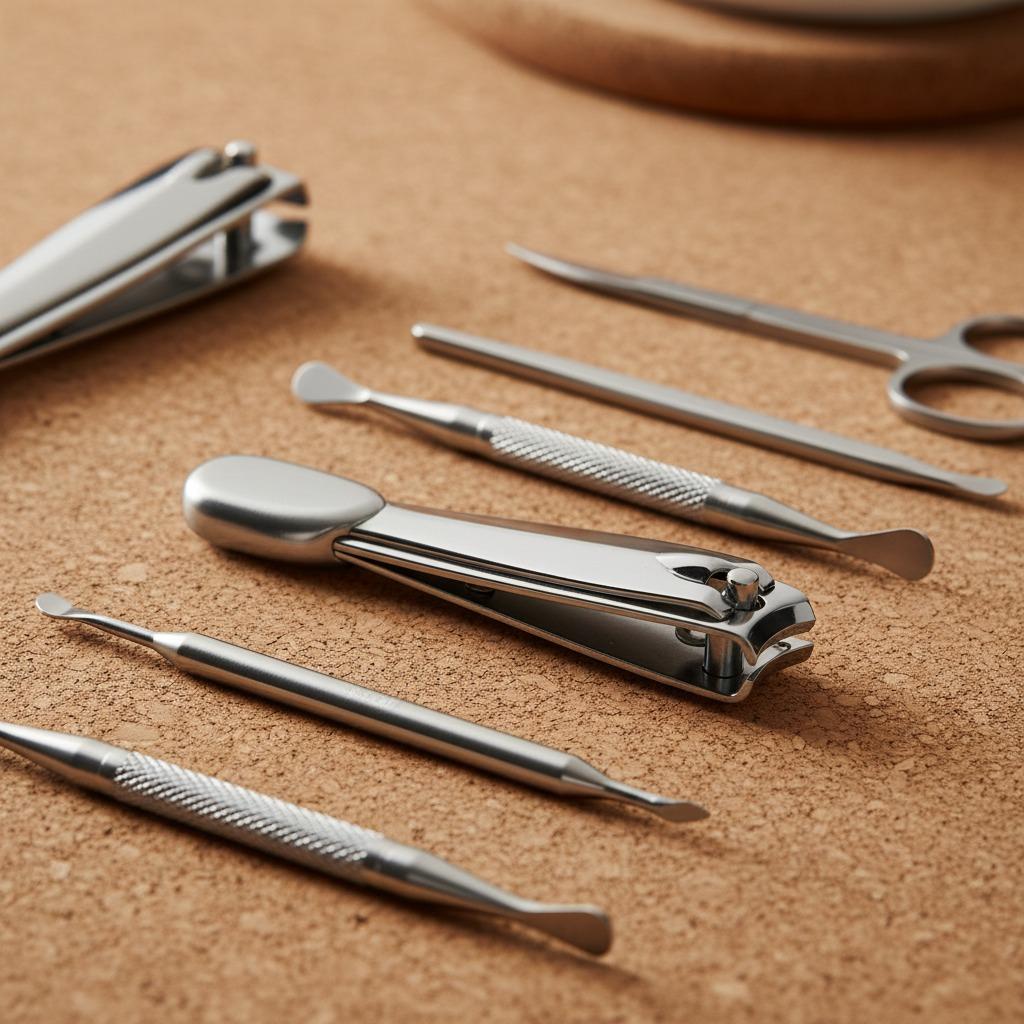
A quality nail clipper should do one job reliably: trim nails cleanly with controlled pressure and minimal discomfort. Whether you are choosing a personal grooming tool, building a travel kit, preparing a retail assortment or sourcing beauty tools for distribution, the best nail clipper is not simply the sharpest-looking option. It is the one that combines aligned cutting edges, stable leverage, secure grip, smooth finishing and practical cleaning access.
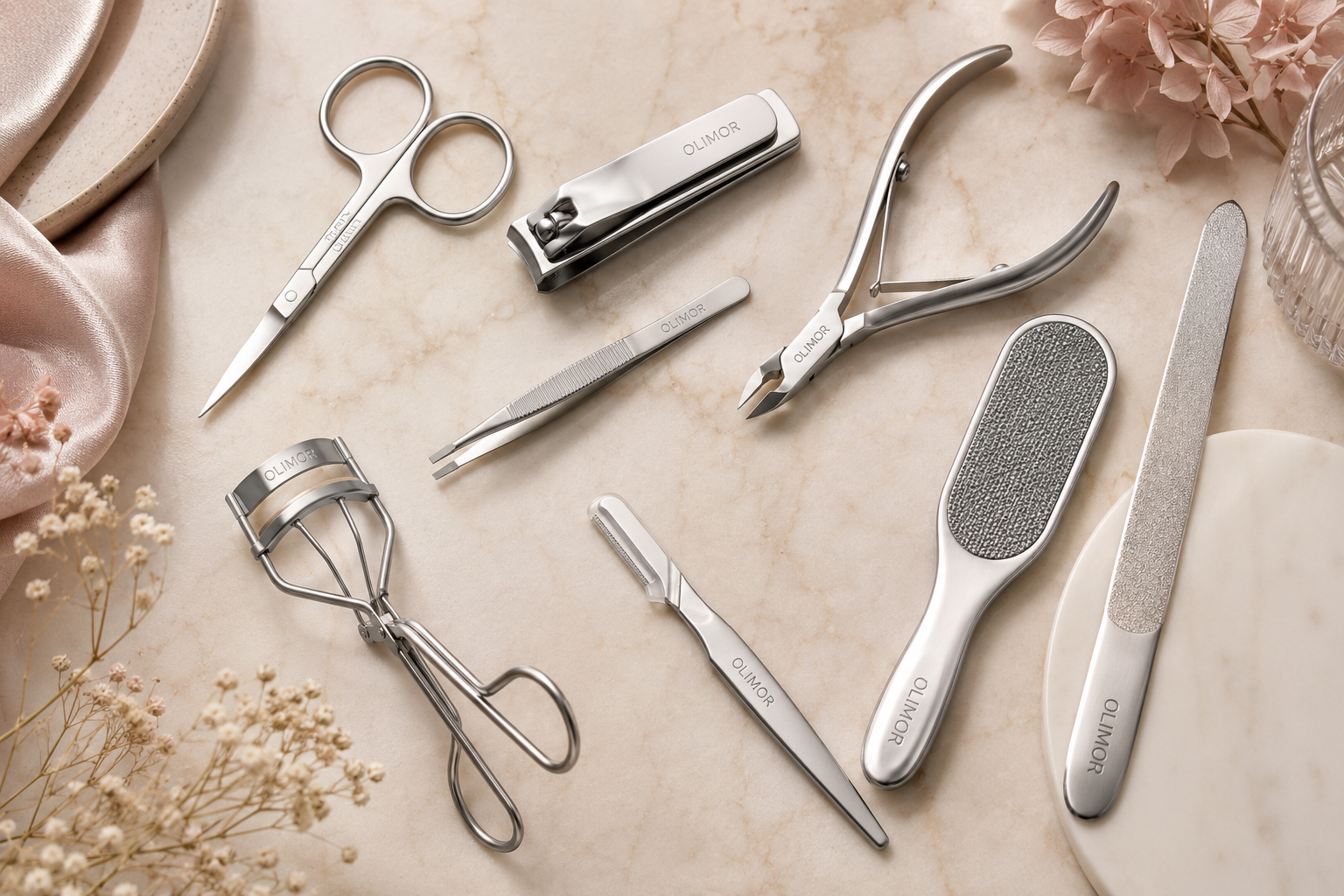
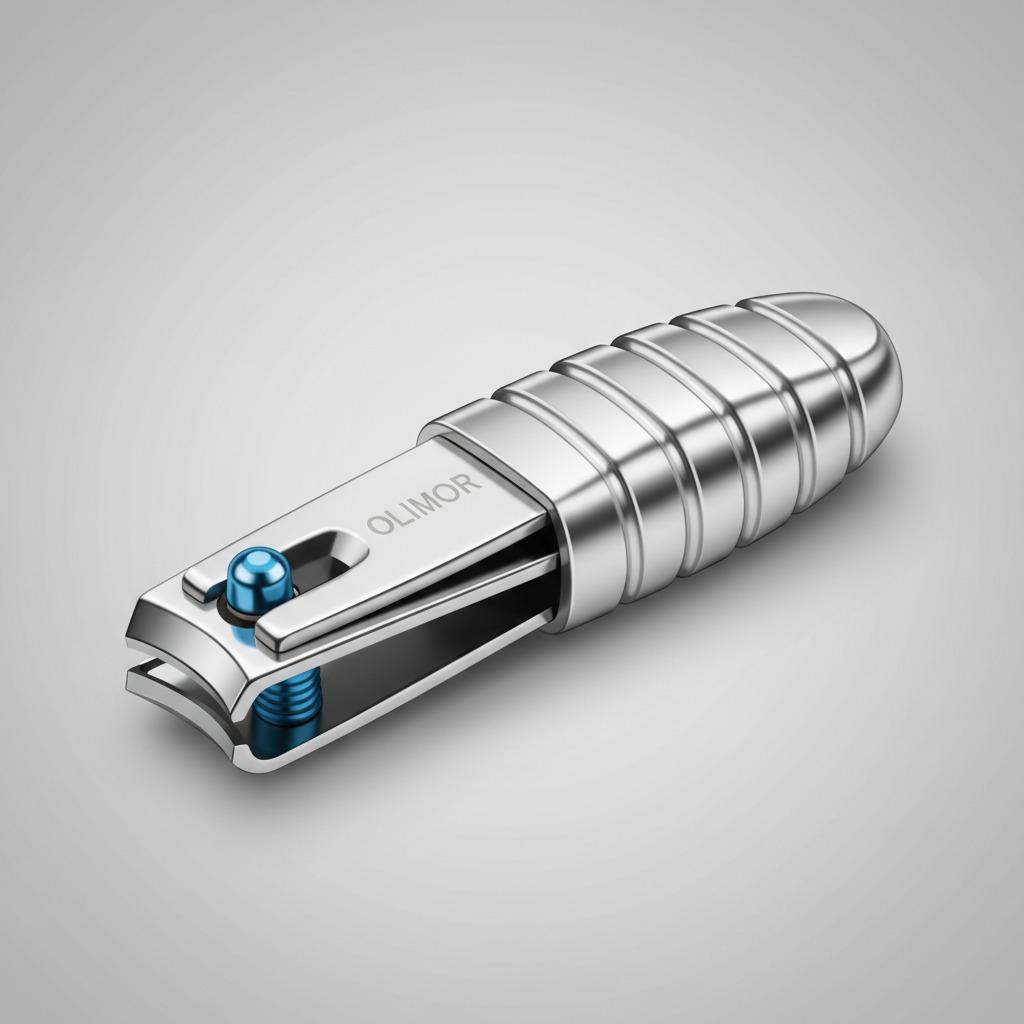
For B2B buyers, this makes nail clipper selection a product quality and supplier evaluation task, not just a catalog choice. A clipper may look simple, but small differences in material forming, jaw alignment, lever assembly and surface treatment can affect cut feel, durability and customer satisfaction. Olimor Beauty nail clippers are presented as stainless steel grooming tools with an ergonomic handle, a concentric circle grip pattern and a distinctive blue screw detail. These visible features provide useful reference points for evaluating control, finish and daily usability without relying on vague claims.
What Makes a Nail Clipper Feel Professional?
A professional-feeling nail clipper cuts the nail instead of crushing it. The user should be able to position the jaw, apply pressure gradually and complete the cut without excessive force or a sudden unstable snap. When the upper and lower cutting edges meet evenly, the nail separates more cleanly and usually needs less filing afterward.
Control matters more than force. A very stiff lever can be difficult for people with smaller hands or limited grip strength. A very loose lever can feel unpredictable, especially when trimming close to the skin. A good clipper provides feedback through the hand: the user can feel where the cutting edge is placed, maintain the angle and stop before removing too much nail.
For commercial buyers, the same principle applies across samples and production lots. One good sample is not enough. Compare several units under similar use conditions and check whether the cutting feel, lever resistance, grip texture and finish are consistent. This practical comparison helps reveal whether a nail clipper is suitable for a retail line, salon kit, promotional set or private-label grooming range.
Stainless Steel Construction: What Buyers Should Inspect
Stainless steel is widely used for nail clippers because it suits grooming tools that need firm edges, frequent handling and easier cleaning than porous materials. However, material choice alone does not guarantee quality. Buyers should inspect how the metal is formed, finished and assembled.
Start with the body and jaw area. The cutting mouth should look symmetrical when viewed from the front. The upper and lower edges should meet evenly across the width rather than touching only at one point. Rough corners, burrs, unfinished edges or visible gaps can make the clipper uncomfortable to handle and harder to clean after use.
Next, inspect the lever and pivot area. The lever should sit neatly, move smoothly and avoid scraping against the body. A small hardware detail, such as the blue screw detail shown on Olimor Beauty nail clippers, can also be a functional point to review. The pivot helps transfer pressure from the lever to the cutting jaws. If it is poorly assembled, the clipper may wobble, shift sideways or close unevenly.
For sourcing teams, ask suppliers how they control finishing and assembly consistency. Do not rely only on polished product photos. Request samples, examine multiple pieces and define inspection points before confirming an order. If your company uses recognized inspection approaches such as ISO 2859-1 sampling procedures or supplier quality systems aligned with ISO 9001, verify the applicable version, scope and supplier documentation. Do not assume a product or factory holds a certification unless the supplier provides current evidence.
Matching the Clipper to Fingernails, Toenails and Use Case
The best nail clipper depends on the nail type and use environment. Fingernails usually need controlled trimming in short sections, often with a compact cutting head and a gentle curve that follows the natural nail shape. Toenails, especially thicker nails, may require stronger leverage, a wider jaw and a stable grip so the tool does not twist under pressure.
Nail shape also affects selection. A curved edge can help maintain rounded fingernails, while a straighter trimming approach is often preferred for toenails. Cutting deeply into the corners of toenails can create discomfort for some users, so conservative trimming and light filing of sharp corners may be safer than aggressive side cutting. People with nail sensitivity, ingrown nail concerns or visible nail conditions should seek professional guidance when needed.
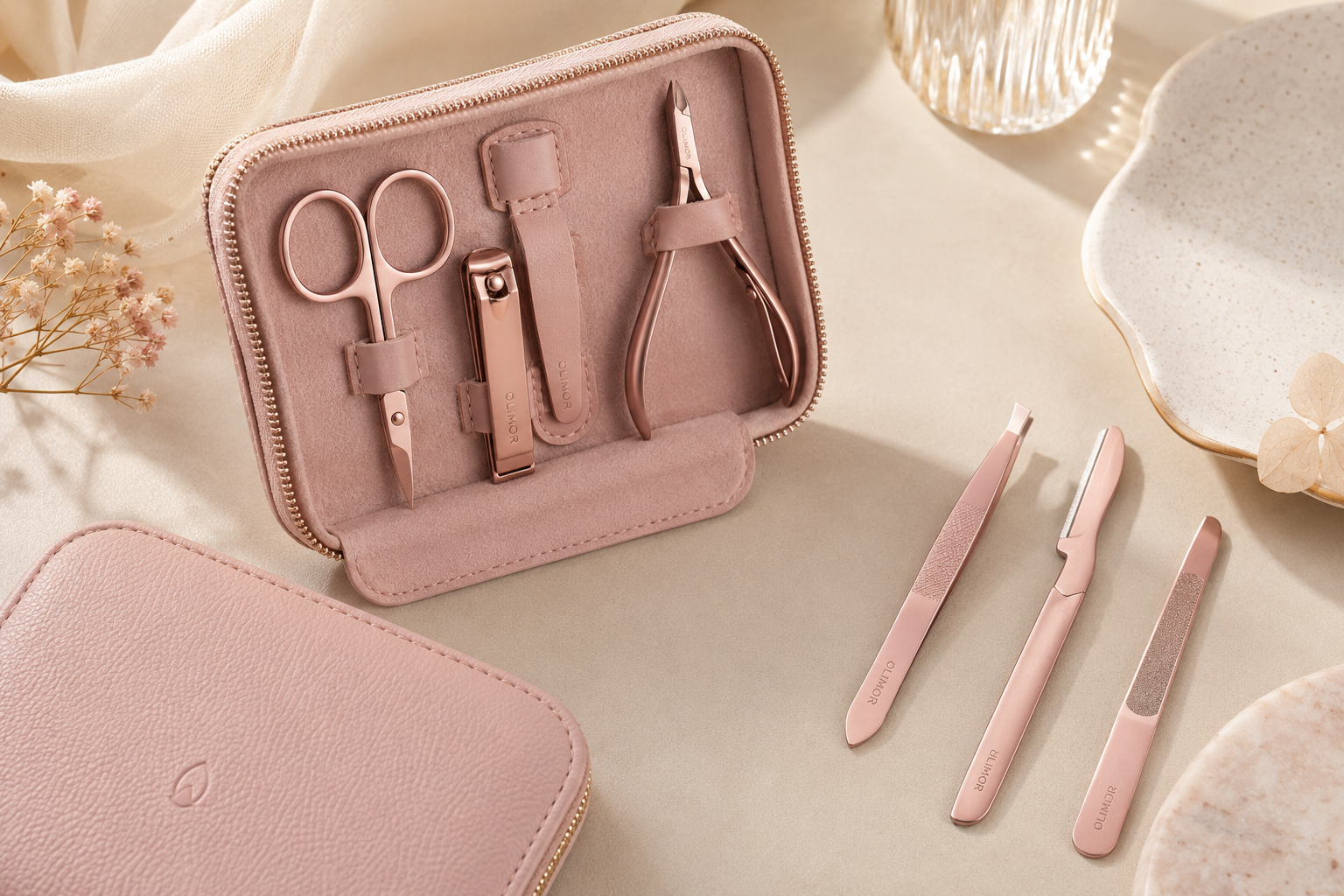
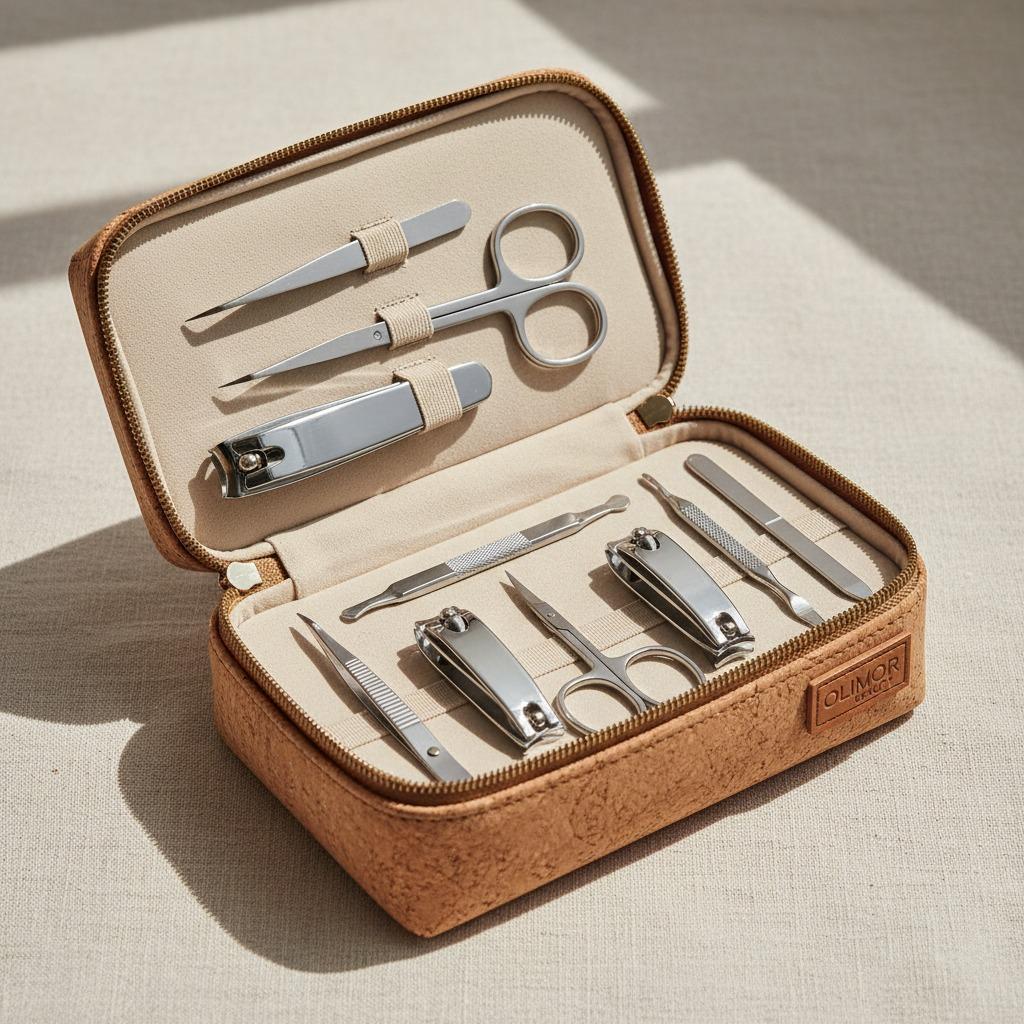
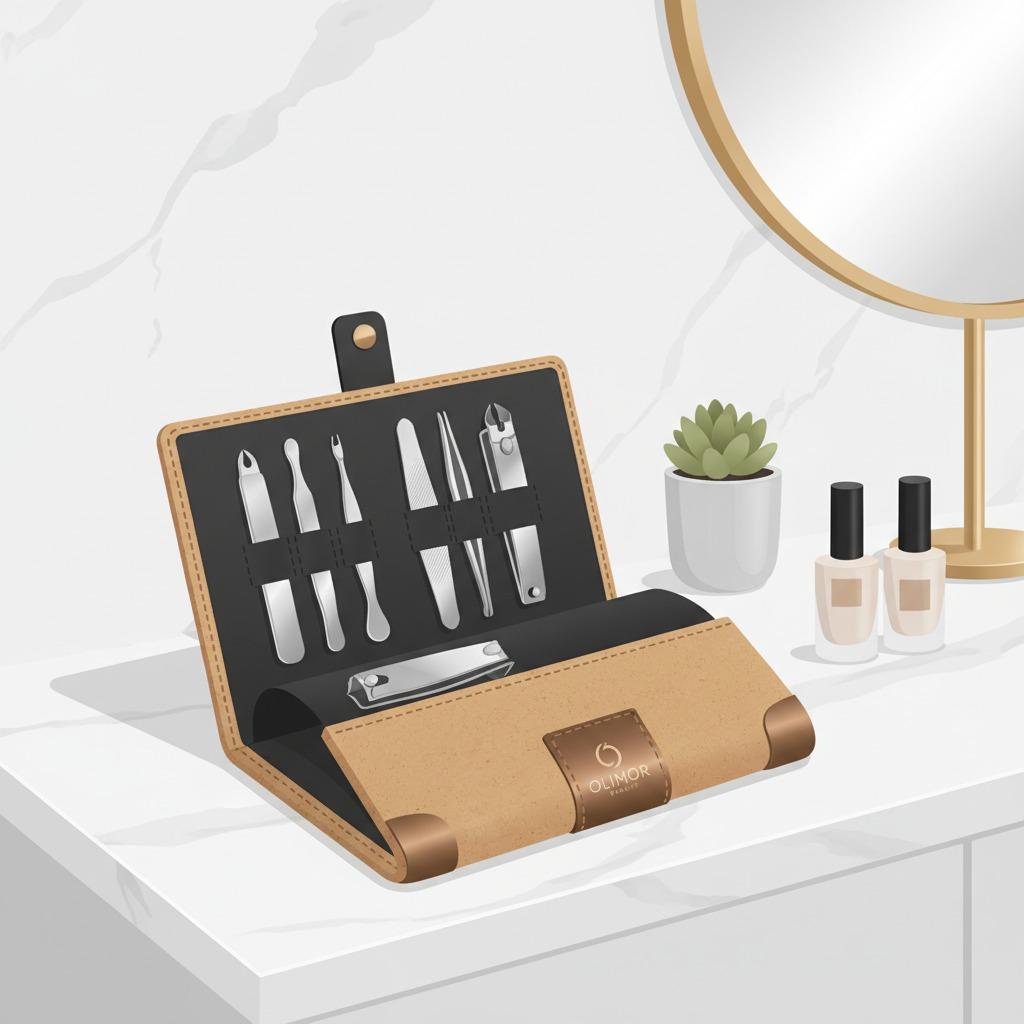
For travel kits, compact size and safe storage matter. The lever should not open loosely inside a bag, and the surface should be easy to wipe after use. For salon or retail selections, buyers should also consider packaging fit, presentation, repeat-use comfort and the consistency of finish across units.
| Use case | Helpful clipper features | Common problems to avoid | B2B evaluation focus |
|---|---|---|---|
| Daily fingernail grooming | Compact head, aligned edges, smooth lever action | Oversized jaws that remove too much nail at once | Comfort, clean cut result and easy wiping |
| Toenail trimming | Stable grip, stronger leverage, suitable jaw opening | Weak pivots or narrow jaws that crush thick nails | Lever stability and edge alignment under pressure |
| Travel or personal care kits | Secure lever, smooth finish, practical storage compatibility | Loose parts, sharp unfinished edges or hard-to-clean gaps | Packaging fit, safety in transit and compact presentation |
| Retail, salon or distributor programs | Consistent finish, reliable cut feel, recognizable design | Decorative features that reduce grip or visibility | Sample consistency, customization options and inspection criteria |
Grip and Ergonomics: Why Handle Texture Matters
A nail clipper is used close to the skin and often at awkward angles. That makes grip design more than decoration. If the thumb slips while pressure is applied, the cut can become uneven or too deep. A textured handle helps the fingers stay positioned during the small, controlled motion of trimming.
The concentric circle grip pattern shown on Olimor Beauty nail clippers is a practical example of a visible texture that can provide tactile feedback. It helps the user feel where the thumb rests without constantly looking down at the lever. This can be useful after washing hands or feet, during travel, or in repeated professional grooming tasks.
Ergonomics should be tested rather than assumed. Hold the clipper from different angles. Try the motion used for fingernails and the firmer grip often needed for toenails. The handle should support control without forcing the wrist into an uncomfortable position. A lever that is too narrow may create thumb pressure, while a handle that is too smooth may slip when the skin is slightly damp.
How to Evaluate Sharpness Without Guesswork
Sharpness should be judged by cutting performance, not appearance. A good nail clipper should complete a cut with a firm, controlled press and leave the nail edge even enough that only light filing is needed. If the nail bends before cutting, the issue may be dull edges, poor alignment or weak support from the lever mechanism.
When reviewing samples, compare the clippers under similar conditions. Trim similar nail thicknesses where appropriate for your evaluation process. Listen for a clean cut, feel for wobble and examine the edge left behind. Avoid drawing conclusions from one unit only, especially for business purchases.
- Edge alignment: The cutting edges should meet evenly across the mouth, not only in the center.
- Jaw opening: The opening should suit the intended nail type without forcing the nail into the tool.
- Lever resistance: The press should feel firm and controlled, not gritty, loose or unstable.
- Surface finish: Areas touched by fingers should be smooth, with no burrs or sharp unfinished metal edges.
- Cut result: The trimmed nail should not look crushed, split or feathered.
- Repeat comfort: The tool should remain comfortable after several trimming motions, not only on the first press.
Cleaning, Hygiene and Maintenance
Even a well-made clipper needs proper care. Nail dust, small fragments, skin oils and moisture can collect around the jaw and pivot area. Routine cleaning helps preserve the cutting feel and supports better hygiene, especially if the clipper is shared or used in a professional setting.
After use, remove visible debris from the cutting edge and lever area. Wipe the clipper dry and store it in a clean place away from prolonged moisture. Stainless steel tools are often selected because they are easier to clean than porous alternatives, but cleaning access still depends on design. Hard-to-reach gaps can trap residue, so buyers should check whether the jaw and pivot area can be brushed or wiped effectively.
- Brush away nail fragments after trimming.
- Wipe the tool with a clean, dry cloth.
- Use an appropriate cleaning method for the material and usage setting.
- Dry thoroughly before storage.
- Replace the clipper if the edges become dull, misaligned or damaged.
Cost Factors in Nail Clipper Sourcing
For B2B buyers, nail clipper cost is influenced by more than the base unit price. Material selection, forming quality, surface finish, assembly consistency, packaging, customization, inspection requirements and order complexity can all affect the final commercial decision. A lower-cost clipper that cuts poorly or arrives with inconsistent finishing can create higher downstream costs through returns, complaints or rework.
Instead of asking only for the cheapest option, define the level of quality needed for your market. A basic travel kit may prioritize compact handling and secure packaging. A salon-oriented tool may need a stronger focus on repeat-use comfort and cleaning access. A retail gift set may require both reliable performance and a distinctive appearance, such as a textured handle or color-accent hardware.
When discussing costs with a supplier, ask what changes are possible without weakening control or cut quality. Packaging upgrades, handle details or finish preferences should not compromise lever stability, jaw alignment or safe handling. If you are comparing options, review Olimor beauty tool products to understand available grooming tool directions, then use samples to confirm suitability for your channel.
Supplier Evaluation Checklist for Nail Clippers
A reliable nail clipper supplier should help you evaluate both the product and the production process. This does not require inflated claims. It requires clear communication, sample review, practical inspection standards and realistic customization discussion.
- Sample availability: Ask whether samples can be provided for handling, trimming tests, finish review and packaging checks.
- Material and finish information: Confirm the stated material and review how the surface is finished for comfort and cleaning.
- Assembly consistency: Check multiple samples for similar lever movement, jaw alignment and pivot stability.
- Customization scope: Discuss handle texture, color accents, logo placement or packaging options only where they are technically suitable.
- Quality checks: Define visible defects, functional checks and packaging inspection expectations before ordering.
- Documentation: Request relevant supplier documents and verify any referenced standard, certification or inspection method directly.
- Communication: Evaluate whether the supplier answers technical questions clearly instead of relying on broad words such as premium or professional.
If you are planning a retail assortment or custom grooming set, explore Olimor grooming tool collections for category context, then contact the team with your intended use, market position and packaging needs. Clear requirements help avoid mismatched tools and unnecessary sampling rounds.
Common Nail Clipper Problems and How to Prevent Them
Jagged nail edges
Jagged edges often come from dull or misaligned cutting edges, forcing the user to make repeated cuts. Choose a clipper with even edge contact and use controlled sections rather than one aggressive cut across the entire nail.
Nails bending instead of cutting
If the nail bends before it separates, the jaw may not be sharp enough, the lever may lack support or the opening may not suit the nail thickness. For thicker toenails, evaluate stronger leverage and a stable jaw design.
Slipping during trimming
Slipping can result from a smooth handle, narrow lever or damp fingers. A textured ergonomic grip, such as a concentric circle pattern, can improve tactile control during pressure.
Difficult cleaning after use
Residue can collect in gaps near the jaw or pivot. Inspect whether the clipper can be brushed and wiped easily. Smooth surfaces and accessible construction support better maintenance.
How Olimor Can Support B2B Nail Clipper Selection
Olimor focuses on practical beauty tool selection for buyers who need products that are usable, presentable and suitable for commercial planning. For nail clippers, the most useful discussion starts with the intended channel: daily grooming, travel kit, salon use, retail packaging or distributor assortment. From there, buyers can review material, grip, finish, assembly feel, packaging fit and customization possibilities.
If you need to compare nail clipper options for a product line, send your requirements through the Olimor inquiry page. For broader project discussion, you can also contact Olimor with target use, packaging direction and quality expectations. The goal is to confirm practical suitability before moving into larger purchasing decisions.
FAQ
Can I request nail clipper samples before placing a B2B order?
Yes, buyers should request samples to evaluate cutting alignment, lever feel, grip comfort, finish quality and packaging fit. Sample review is especially important when comparing tools for retail, salon or distributor programs.
Does Olimor provide customization for nail clippers?
Customization may be discussed based on the product structure and project requirements. Buyers can ask about feasible options such as visual details, packaging direction or branding placement, while confirming that any customization does not affect control, cleaning or safe handling.
What MOQ or lead time should buyers expect?
MOQ and lead time depend on the selected product, customization scope, packaging requirements and production arrangement. Olimor should confirm these details directly during quotation rather than relying on a generic number.
What quality checks are important before shipment?
Important checks include cutting edge alignment, lever stability, pivot movement, surface finish, grip texture, visible defects, cleaning access and packaging condition. Buyers should define inspection criteria clearly and verify any applicable supplier documentation.
How should a nail clipper be maintained after purchase?
Remove nail fragments after use, wipe the tool dry, use a cleaning method appropriate for the material and setting, and store it away from prolonged moisture. Replace the clipper if the edges become dull, damaged or misaligned.