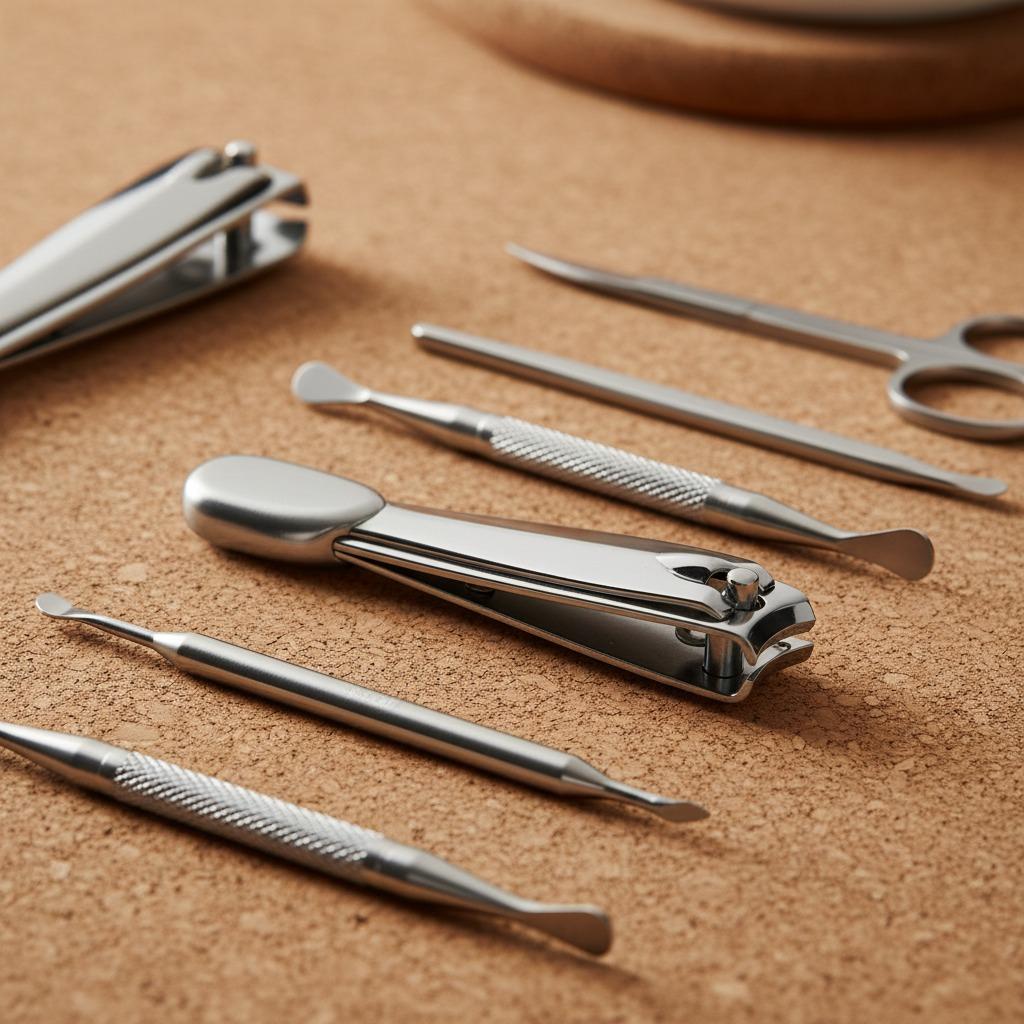











Professional nail clippers for thick nails should do one thing reliably: cut the nail cleanly with controlled pressure and minimal crushing. For salon buyers, grooming brands, distributors and retail product teams, the right clipper is not simply the most polished or heaviest design. It is the tool that matches the user, the nail type, the handling environment and the expected level of repeat use.
Thick toenails and stronger fingernails place more stress on the blade, lever and hinge than routine trimming. A poorly aligned clipper can bend the nail plate, leave ragged edges, require excessive force or feel unstable in the hand. A better professional clipper combines accurate blade closure, a rigid body, comfortable lever action and easy cleaning access. Olimor Beauty supplies practical beauty tools for personal care kits, retail assortments, spa settings and manicure or pedicure services. Buyers comparing related categories can review broader beauty tool products or browse the Olimor product collection when building a nail-care range.
What Makes a Nail Clipper Suitable for Professional Use?
A professional nail clipper is defined by consistency rather than appearance alone. It should close predictably, cut evenly and feel stable through repeated use. In a salon, this consistency affects service speed, technician comfort and the client’s experience. In retail or personal grooming, it affects whether the end user can trim nails neatly without heavy filing afterward.
The most important feature is blade alignment. Both cutting edges should meet evenly across the arc. If one side contacts before the other, the clipper may twist, squeeze or tear the nail. The body should also resist flexing during pressure. When the frame bends, the blade angle can change at the exact moment the user needs control.
Stainless steel construction is commonly valued in professional grooming tools because it supports durability and easier cleaning. A smooth polished surface can also reduce uncomfortable contact points and improve retail presentation. However, buyers should not evaluate material and finish in isolation. A clipper with an attractive surface but weak alignment will not perform like a professional tool.
Professional suitability also depends on the intended task. A compact fingernail clipper may be ideal for travel kits or daily grooming, while a wider and more robust clipper may better suit toenails and thick nails. The best choice balances cutting force, user control, product positioning and maintenance requirements.
Why Thick Nails Require More Cutting Control
Thick nails are harder to trim because they resist the blade and may split if pressure is uneven. Toenails are often thicker and more curved than fingernails, so they require careful positioning before pressure is applied. A professional clipper for thick nails should allow the user to see the cutting line, place the jaw securely and complete the cut without slipping.
Several design details influence thick-nail performance. A wider jaw opening can make it easier to position the nail edge, especially on stronger toenails. The blade curve should follow the natural nail shape without forcing the user into an overly deep cut. The lever should generate enough pressure while still feeling predictable. A sudden snap or loose lever can reduce control, especially when the user is trimming in small sections.
Technique is just as important as tool selection. Thick nails should usually be trimmed in multiple small cuts rather than one forceful cut across the entire nail. This reduces stress on the nail plate and helps prevent jagged edges. After clipping, light filing can smooth corners and reduce snagging. For commercial product education, including these simple use instructions in packaging inserts or online product pages can reduce misuse and improve customer satisfaction.
Blade Design, Tension and Ergonomic Handling
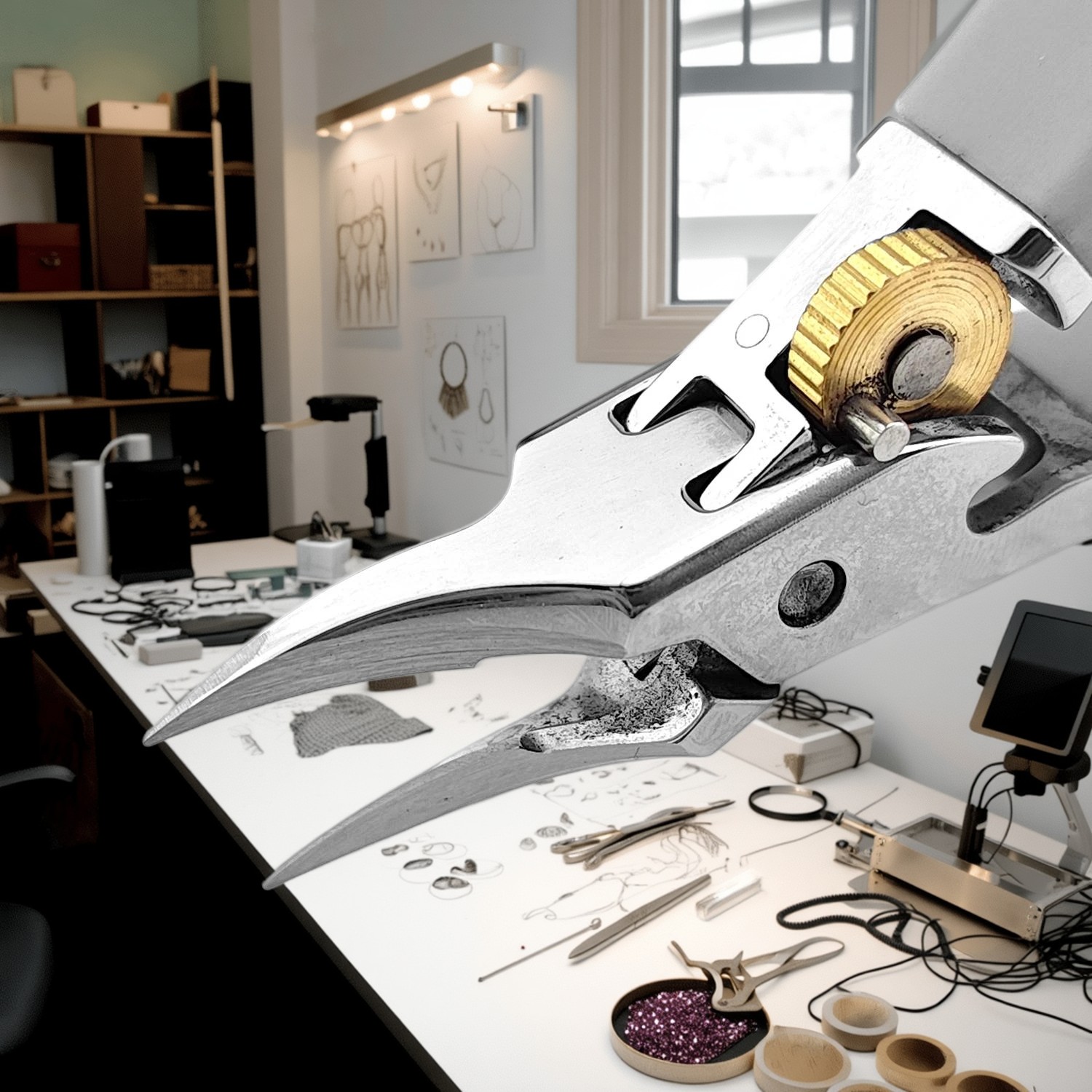
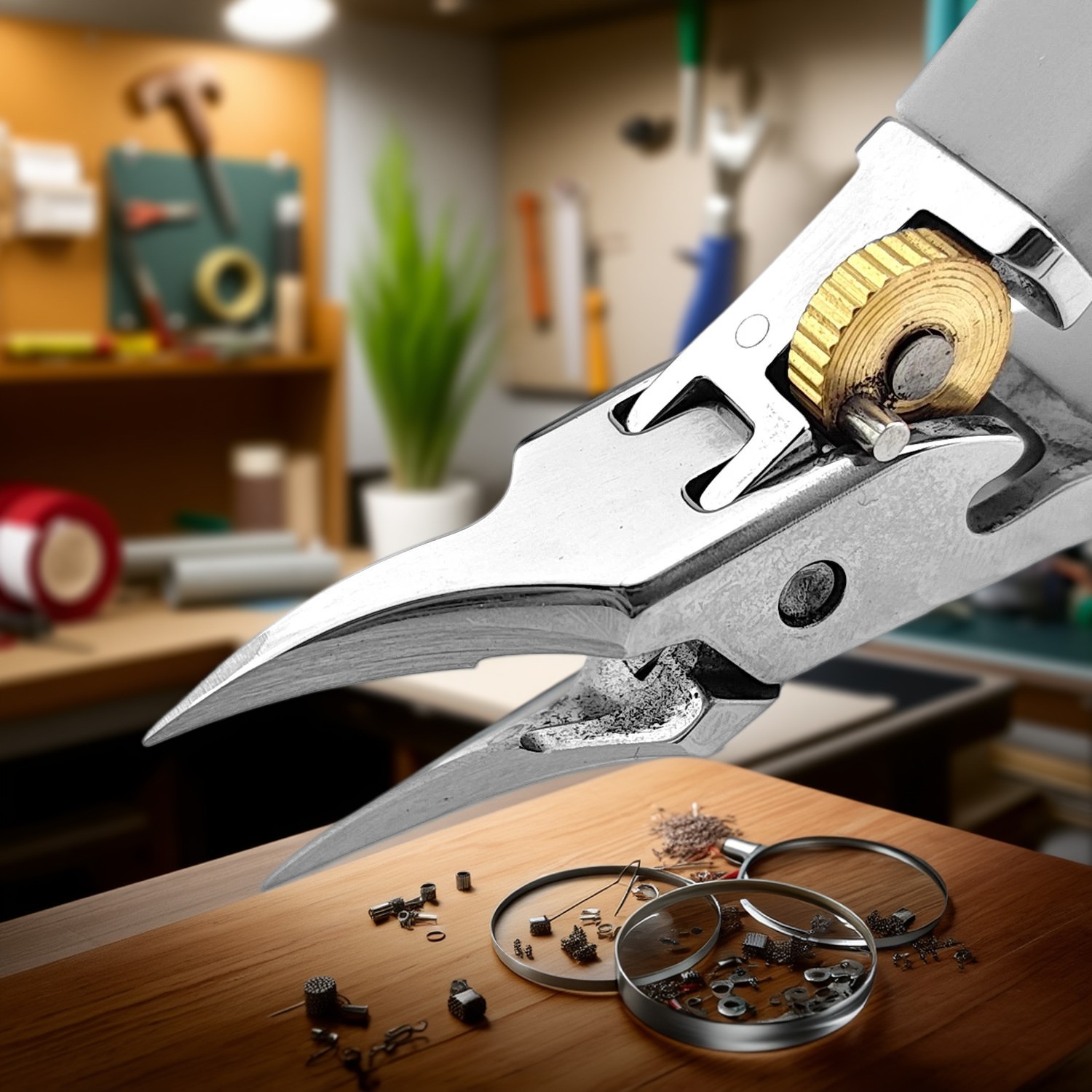
Professional clipper performance depends on how the blade, lever and tension system work together. The supplied product concept references a Multi-Tension Precision Cutter with a gold-toned gear adjustment system for blade tension customization. A tension adjustment feature can be useful when a clipper is designed to support different cutting needs. Delicate edge shaping may benefit from more controlled pressure, while thicker surfaces may require a firmer response.
If a clipper includes an adjustable tension element, buyers should inspect whether the mechanism feels secure and whether it interferes with grip. Adjustment should not create wobble, loosen the cutting action or make the tool difficult to clean. For B2B evaluation, the important question is not whether a feature sounds premium, but whether it improves repeatable control for the intended user.
Blade geometry also matters. Sharpness alone is not enough. The cutting edges need to meet evenly from one side to the other. The tips should not collide early while the center remains open. The center should not close while the sides leave visible gaps. Any of these issues can create crushed, uneven or incomplete cuts.
Ergonomics determine whether the user can apply pressure safely and comfortably. A good lever should offer enough surface area for the thumb, with no sharp edges or unstable feel. The body should sit naturally in the hand and allow precise placement of the jaw. For salons or spas, fatigue becomes important because tools may be used repeatedly. For personal grooming kits, intuitive handling matters because many users will not have professional technique.
Professional Nail Clipper Comparison for Buyers
Before choosing a clipper for wholesale, retail or private label planning, define the buyer profile and use environment. A single product may not serve every channel equally well. The comparison below can help product teams match clipper attributes to commercial needs.
| Use case | What to prioritize | What to check before buying | Common risk if ignored |
|---|---|---|---|
| Thick toenail trimming | Strong lever response, suitable jaw opening, stable blade alignment | Whether the jaw can be positioned easily and closes without twisting | Crushing, uneven cuts or user discomfort |
| Salon manicure and pedicure service | Consistent action, easy cleaning access, comfortable handling | Repeated open-close movement, grip feel and visible debris traps | Technician fatigue and slower service flow |
| Retail personal care assortment | Clear function, appealing finish, understandable packaging message | Whether the tool matches the end user’s nail type and skill level | Returns or poor reviews from mismatch |
| Travel or compact grooming kit | Compact profile, safe storage, simple operation | Whether smaller size still cuts the intended nail type cleanly | Convenience but weak performance |
| Premium grooming set | Finish quality, coordinated appearance, reliable cutting performance | Whether appearance and function are both acceptable | Decorative product that disappoints in use |
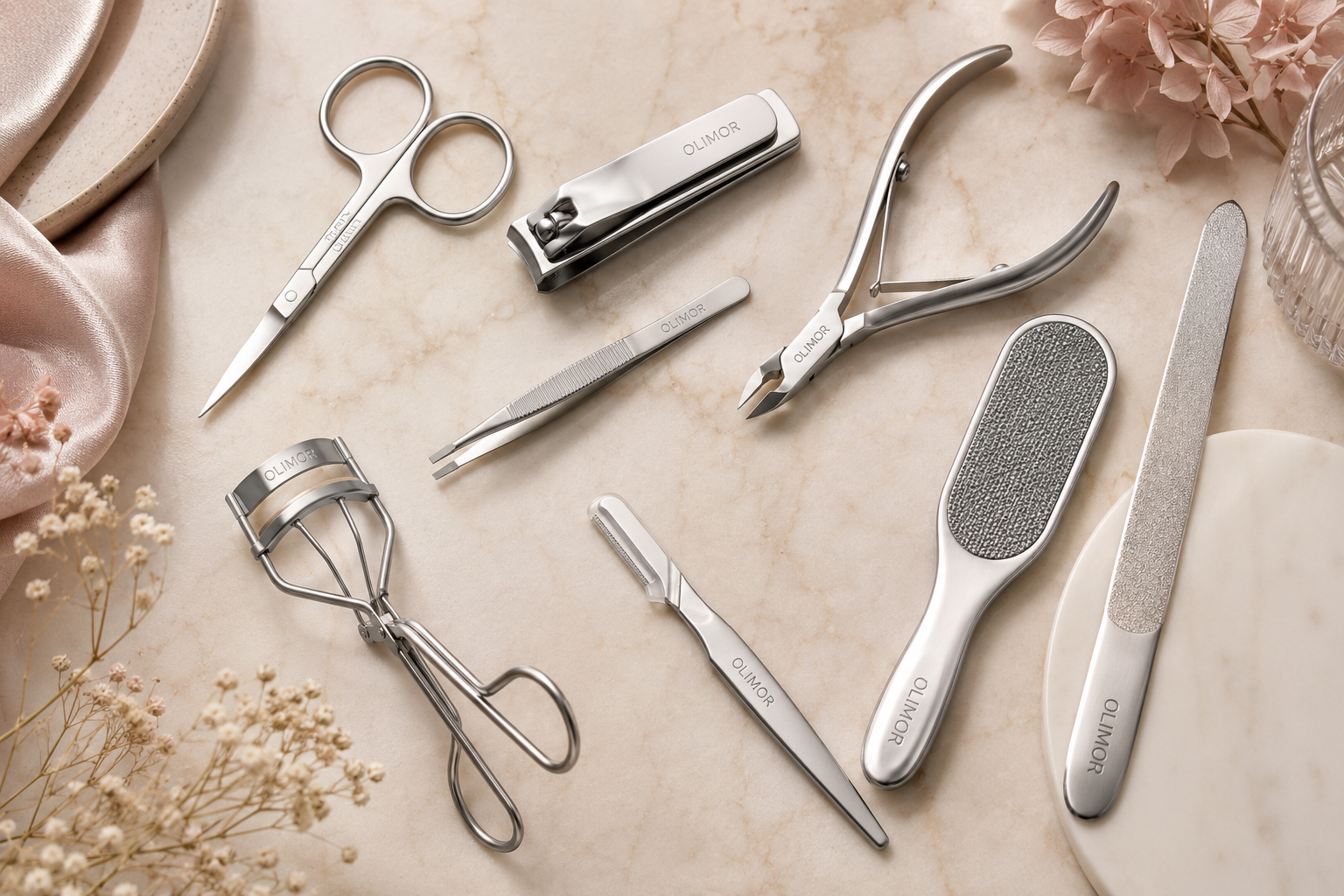
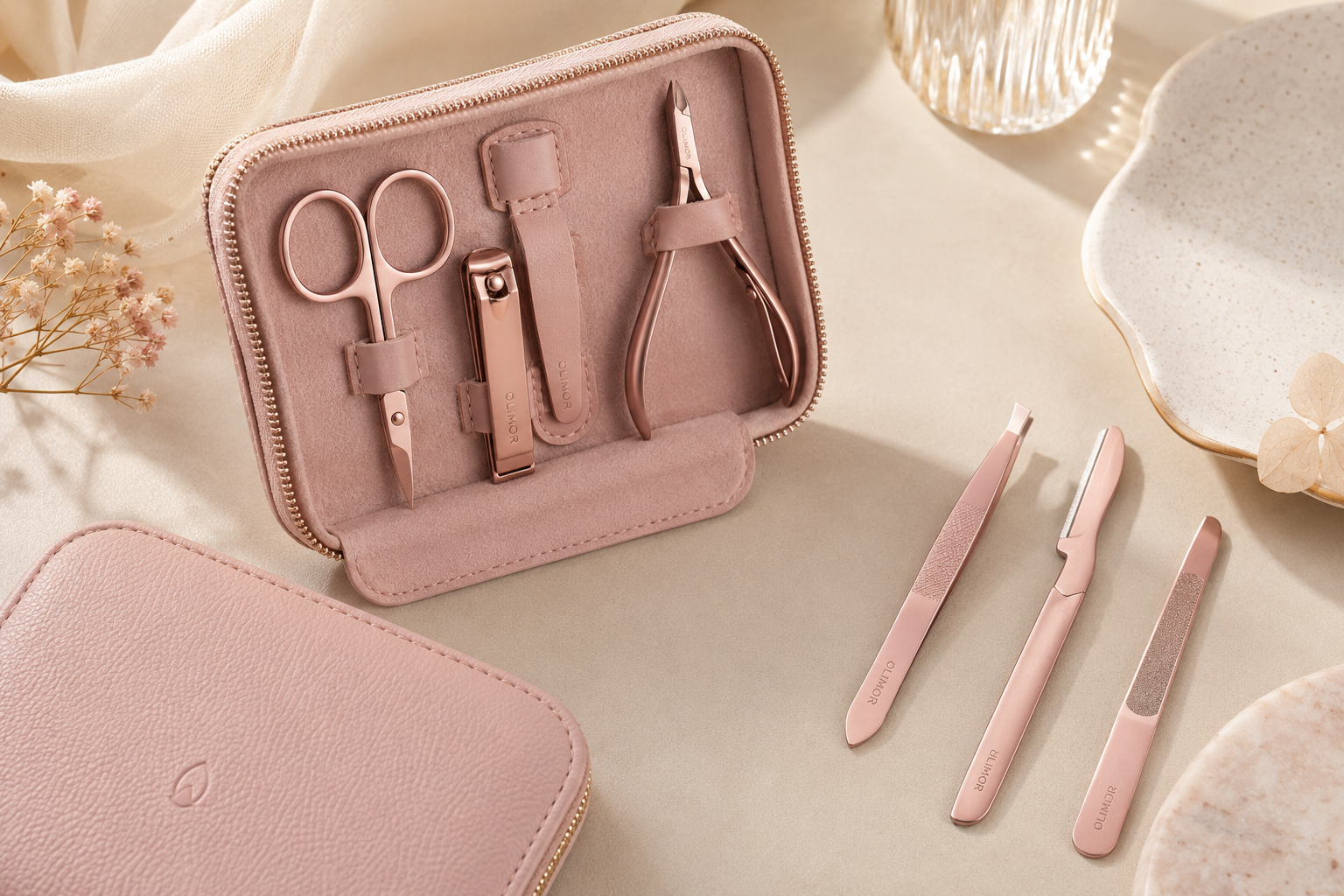
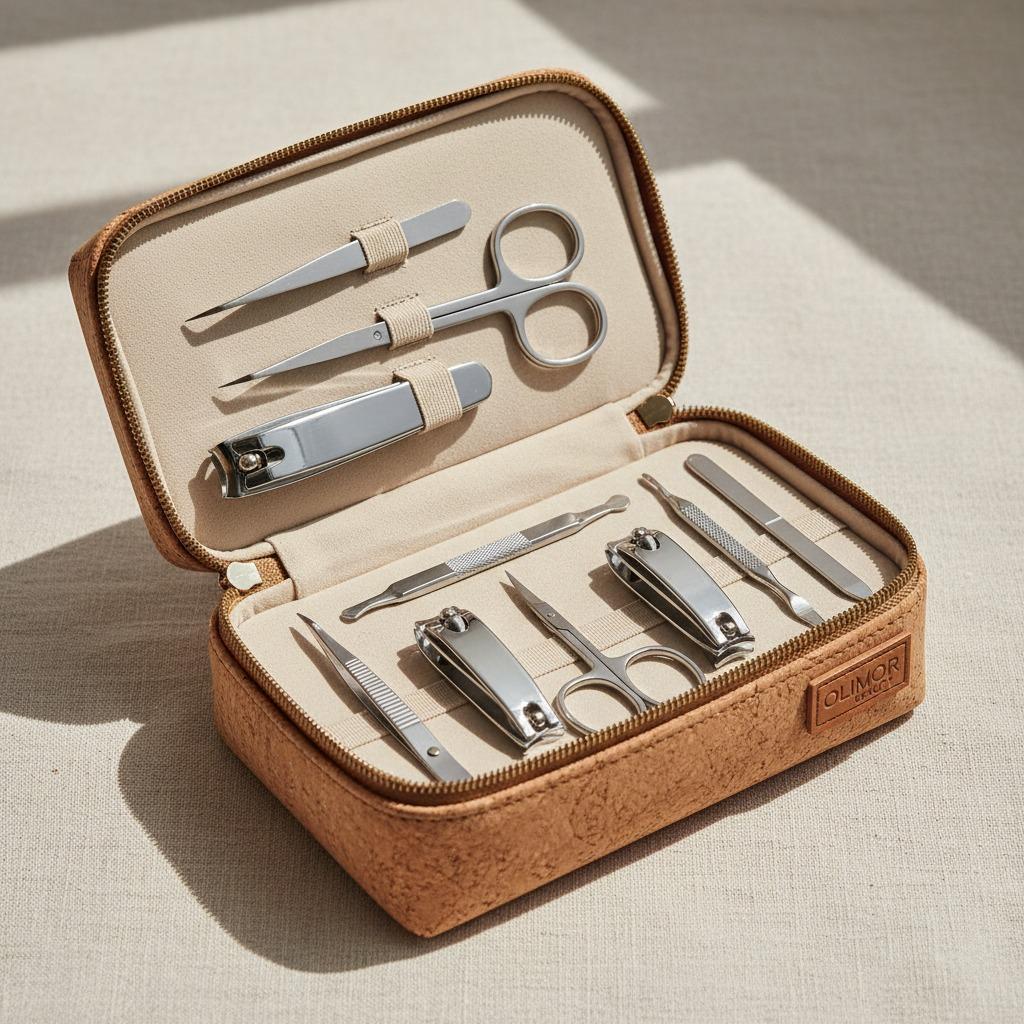
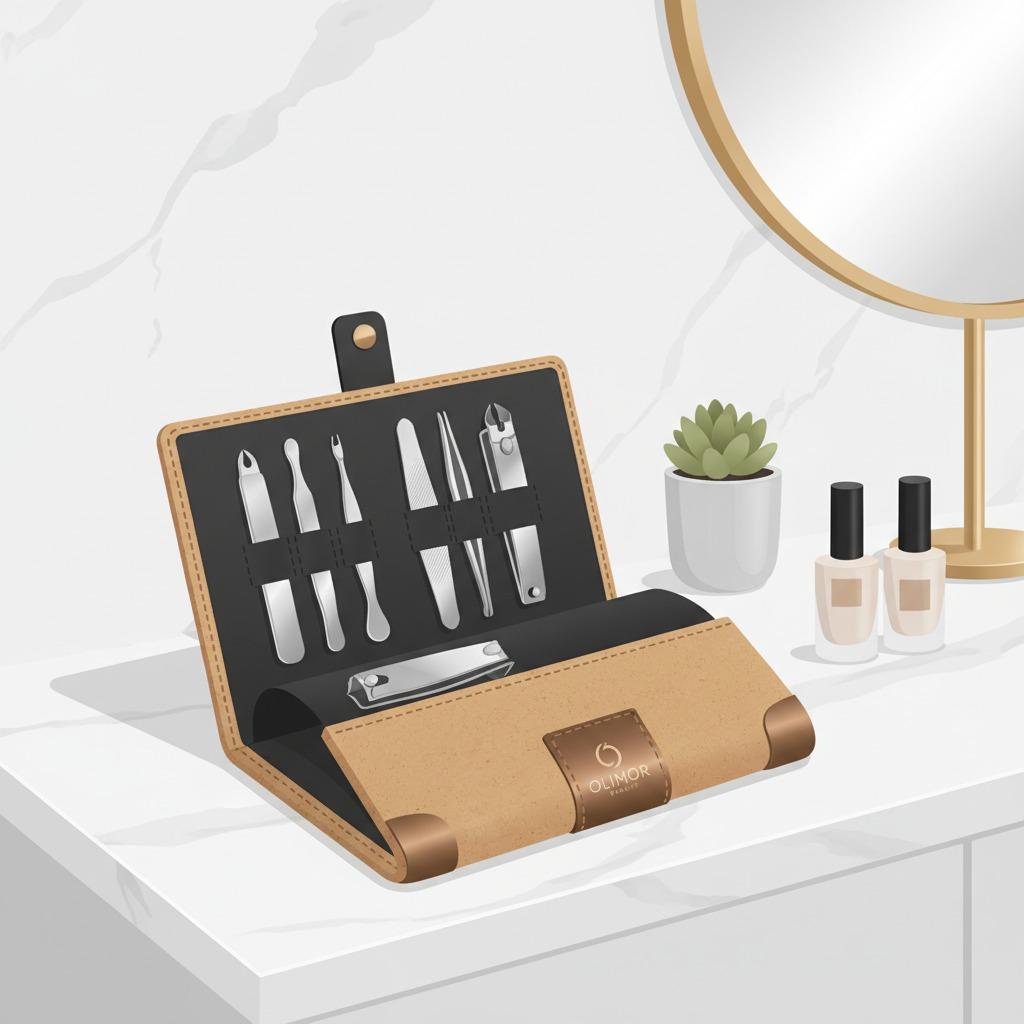
This approach keeps sourcing decisions practical. Product images are useful for style, but they do not confirm alignment, lever stability or cutting comfort. Samples and physical inspection remain important when the tool is expected to perform in professional or repeat-use settings.
Inspection Checklist for Sourcing and Quality Review
Buyers can reduce risk by inspecting nail clippers with a repeatable checklist. The goal is to confirm that the tool is fit for the intended segment before committing to packaging, assortment planning or broader distribution.
- Blade alignment: Close the clipper slowly and check whether the cutting edges meet evenly without visible gaps or sideways movement.
- Lever action: Press several times to confirm the lever feels firm, smooth and predictable rather than loose or abrupt.
- Frame rigidity: Apply normal cutting pressure and look for unwanted body flex that may affect blade position.
- Jaw opening: Confirm that the opening suits the target use, whether thick toenails, regular fingernails or compact grooming.
- Blade curve: Check whether the curve supports natural trimming and does not encourage overly deep corner cuts.
- Surface finish: Feel for burrs, sharp non-cutting edges or rough contact points that could reduce comfort.
- Cleaning access: Inspect the blade and hinge area for spaces where nail residue may collect and become difficult to remove.
- Packaging fit: Decide whether the clipper will be sold individually, included in a manicure set or displayed with other grooming tools.
- Documentation: Request supplier information relevant to material, finish, packaging and available customization, without relying on assumptions.
For regulated retail channels or professional environments, buyers should also verify current local requirements and supplier documents. In the United States, salon hygiene practices are commonly influenced by state cosmetology boards, and disinfectant use should follow the current label directions of the applicable U.S. Environmental Protection Agency-registered product. Requirements vary by location and can change, so buyers and salon operators should confirm current rules rather than relying on general guidance.
How to Use Professional Clippers for Cleaner Results
Correct use improves the result even when the clipper is well made. The safest approach is controlled trimming, not maximum force. Very dry nails may chip more easily, while nails softened slightly after washing can be easier to cut. The user should work in good lighting and avoid rushing, especially with thick toenails.
- Clean the clipper before use, particularly if it has been stored in a shared kit, drawer or salon station.
- Position the blade where the nail edge is clearly visible. Do not guess the cutting line.
- Start from one side and trim in small sections toward the center rather than forcing one large cut.
- For toenails, avoid cutting deeply into the corners. Leave a natural edge that can be refined with a file.
- If the nail resists, reposition the jaw and take a smaller section instead of increasing force sharply.
- After trimming, use a nail file to smooth rough corners and reduce snagging.
- Remove nail debris and dry the tool before storage.
For thick nails, patience prevents many common problems. When a user presses too hard, the clipper may slip or the nail may crack. Small cuts reduce stress and make the final edge easier to refine.
Cleaning, Storage and Maintenance
Maintenance directly affects cutting performance and product life. Nail clippers collect fine debris near the blade and hinge. If this buildup remains, the lever may feel less smooth and the blades may not close as cleanly. After each use, remove visible particles with a dry cloth or small brush. If the tool is washed, dry it thoroughly before storage, especially around the hinge and blade area.
For personal use, avoid sharing clippers unless they have been properly cleaned. For professional use, follow the hygiene procedures required by the business and local authorities. Disinfection steps should match the applicable disinfectant label and salon rules. Buyers supplying professional channels should consider whether the clipper design allows practical cleaning between uses.
Storage also matters. Keep clippers in a dry area away from loose liquids, cosmetics and abrasive objects that may scratch the surface. Do not use nail clippers to cut wire, plastic packaging, tags or other hard non-nail materials. Misuse can dull the blade or disturb alignment. If a clipper starts crushing nails, leaving splits or feeling unstable, it should be inspected and replaced when performance is no longer acceptable.
Cost Factors and Supplier Evaluation
Cost is not only the unit price. For B2B buyers, the total value of a professional nail clipper includes cutting reliability, return risk, packaging compatibility, inspection time, customization needs and the way the product supports the wider range. A low-cost clipper that looks acceptable but cuts poorly may create more downstream cost through complaints, replacements or weak repeat orders.
Key cost factors include material selection, finish, construction complexity, packaging format, customization scope and order requirements. A tension adjustment system, special finish or coordinated retail packaging may affect cost, but those details should be evaluated against the target channel. A salon-focused tool needs dependable handling and easy maintenance. A retail gift set may also require consistent appearance across multiple tools.
When evaluating suppliers, ask practical questions. Can the supplier explain the intended use of the clipper? Can they discuss blade shape, finish, packaging and customization options clearly? Are samples available for handling and inspection? Can they provide relevant product documents for the specific item being considered? Avoid assuming certifications, test results or material grades unless they are documented for that product.
Olimor Beauty can support buyers comparing nail tools for retail assortments, professional grooming ranges or personal care kits. To discuss available options, customization routes or product matching, send a project request through Olimor inquiry or reach the team through contact Olimor Beauty.
FAQ
Can I request samples before placing a bulk order?
Sample availability depends on the product and project requirements. Buyers should request samples to check blade alignment, lever feel, finish quality, packaging fit and actual handling before confirming a larger order.
Is there a fixed MOQ for professional nail clippers?
MOQ can vary by item, packaging choice and customization requirements. Confirm the current MOQ with Olimor for the specific clipper, finish and packaging plan under review.
Can nail clippers be customized for retail or private label programs?
Customization may be possible depending on the product structure and project scope. Discuss branding, packaging, finish preferences and assortment goals with the supplier before finalizing artwork or launch plans.
How should buyers evaluate quality before approving an order?
Review physical samples, inspect blade alignment, test lever action, check finish consistency and confirm cleaning access. Buyers should also request relevant supplier documents for the specific product and verify any current regulatory or channel requirements.
What affects lead time for nail clipper orders?
Lead time may be influenced by product availability, order quantity, packaging, customization and approval steps. Confirm timing directly for the specific order rather than relying on a general estimate.
Final Buying Advice
A professional nail clipper for thick nails should be judged by control, not decoration. Clean cutting comes from aligned blades, stable construction, suitable jaw opening, comfortable pressure and proper user technique. For salons, the tool must also be easy to clean and comfortable through repeated use. For retail buyers, the product must match the end user’s expectations and be presented with clear, practical positioning.
By using a structured evaluation process, buyers can select clippers that support both grooming performance and commercial reliability. Focus on the nail type, handling environment, inspection criteria, maintenance needs and supplier communication. These factors create a more dependable product decision than style alone.